Experience Outstanding Visuals With TW VISION Large Led Screen

Visual experiences are at the heart of how audiences engage with content, brands, and events. In environments ranging from corporate auditoriums to large-scale arenas, the quality of the display can make the difference between a forgettable moment and a lasting impression. Modern large LED screens deliver the scale, brightness, and color fidelity necessary for impactful presentations, but achieving consistently outstanding visuals requires careful attention to design, engineering, and operational practices. This article examines how the TW VISION Large Led Screen meets those demands, what technical advantages it offers, and how to plan for a successful deployment that maximizes return on investment.
Experience Outstanding Visuals With TW VISION Large Led Screen
Why Large LED Screens Matter
Large LED screens have become the default solution for environments where visibility, brightness, and dynamic content playback are essential. Unlike projection systems, modern led displays provide uniform brightness across the entire surface, high contrast ratios in ambient light, and the modular scalability to create near-seamless video walls at almost any size. For organizations aiming to communicate clearly and captivate audiences, a reliable large LED screen is a strategic asset.
The TW VISION Large Led Screen is engineered to address the most common visual challenges: accurate color reproduction, uniform brightness across large canvases, stable operation in a variety of environmental conditions, and simplified maintenance for long-term serviceability. Below, we break down the key areas where TW VISION stands out and provide practical guidance for selection, installation, and operation.
Design and Engineering Excellence
Successful large-scale LED displays begin with mechanical and electronic design that prioritizes precision and durability. TW VISION focuses on a few core engineering principles:
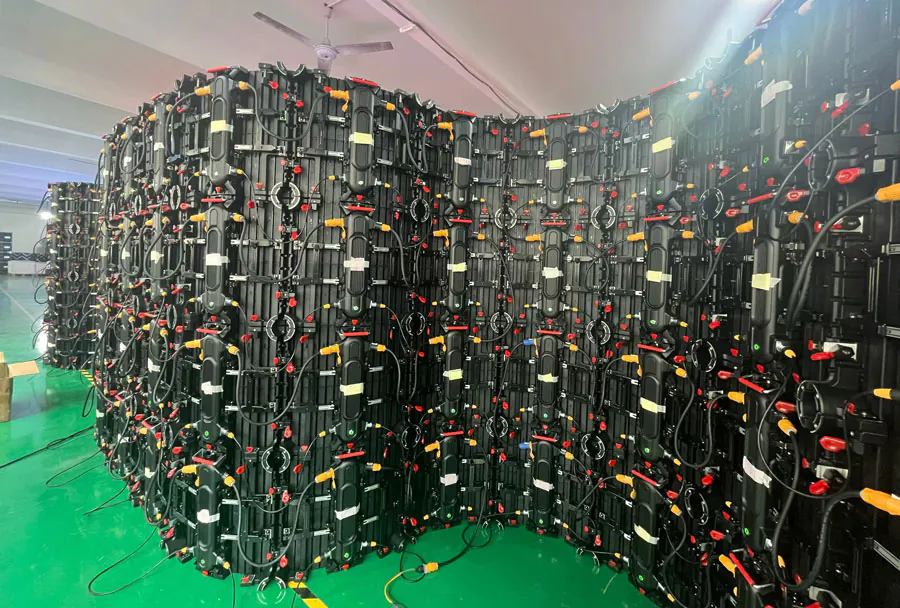
– Modular cabinet design: Cabinets are manufactured to precise tolerances so that seams are minimized. Mechanical locks and alignment pins enable fast, accurate assembly and a gapless visual plane.
– Thermal management: Passive and active thermal solutions prevent thermal drift and extend component lifespan. TW VISION cabinets use heat-dissipating materials and airflow channels engineered for stable temperatures even under high brightness settings.
– High-grade LEDs and drivers: The selection of LED diodes and driver ICs is tuned for long-term color stability, consistent luminance, and high refresh rates. Built-in calibration processes ensure each panel integrates smoothly into the full screen.
– Serviceability: Front- and rear-service variants enable flexible installation across different site constraints, and replaceable modules reduce downtime during maintenance.
These engineering choices reduce visual artifacts like color banding, uneven brightness, or visible seams — problems that can distract viewers and detract from message clarity.
Image Quality and Performance
Image quality is defined by factors such as pixel pitch, contrast, color gamut, brightness, and refresh rate. TW VISION’s large LED screens are optimized across these dimensions:
– Pixel pitch options: From coarser pitches for long-distance viewing to finer pitches for closer audiences, TW VISION offers a range of pixel pitches that balance resolution and cost. This flexibility ensures images remain sharp relative to typical viewing distances.
– High brightness and contrast: TW VISION panels maintain strong luminance levels to perform in both controlled and high-ambient-light environments. Coupled with high contrast ratios, this ensures deep blacks and vivid highlights for a more cinematic presentation.
– Accurate color reproduction: Factory calibration and the option for site calibration using colorimeters or spectroradiometers let TW VISION displays match target color spaces closely. This is critical for brand consistency, broadcast imaging, and content where color fidelity matters.
– High refresh and grayscale performance: TW VISION includes driver electronics that deliver high refresh rates and fine grayscale steps, ensuring smooth motion rendering and reduced flicker artifacts on camera.
These capabilities translate to a viewing experience where text remains legible, video looks natural, and graphical content holds its integrity at scale.
Scalability and Customization
Large LED installations rarely conform to one-size-fits-all templates. TW VISION supports diverse project requirements:
– Flexible sizing: The modular cabinet approach enables custom aspect ratios and screen sizes, from wide panoramic displays to enormous single-surface canvases.
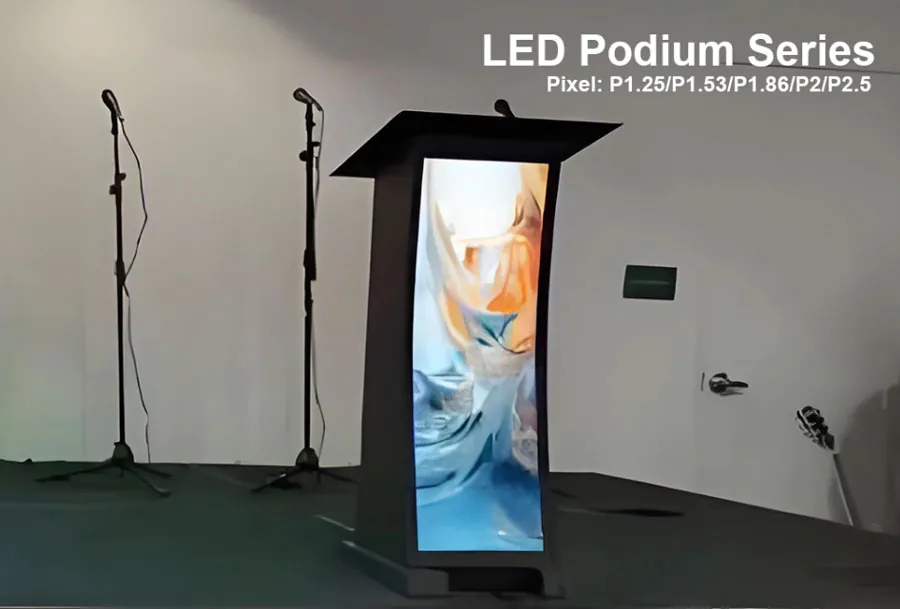
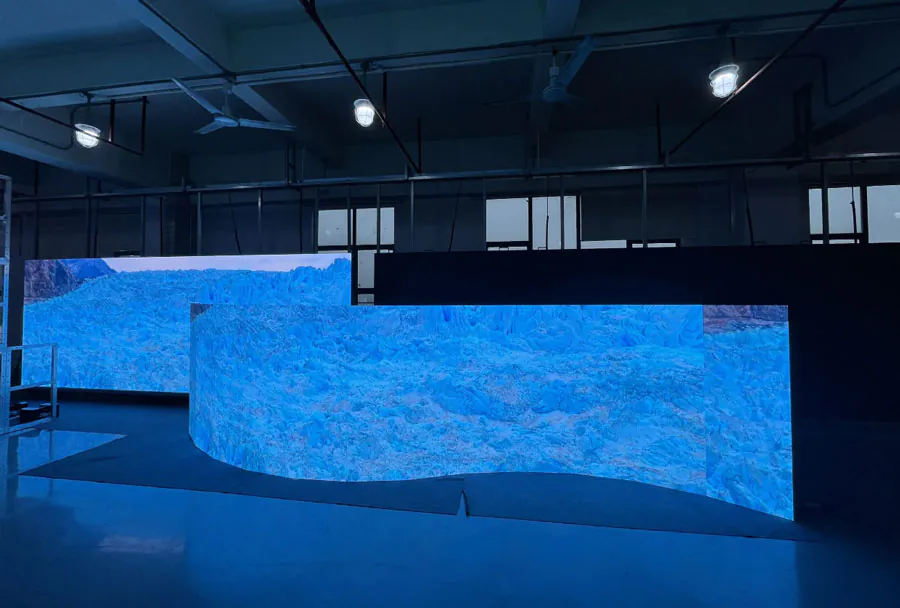
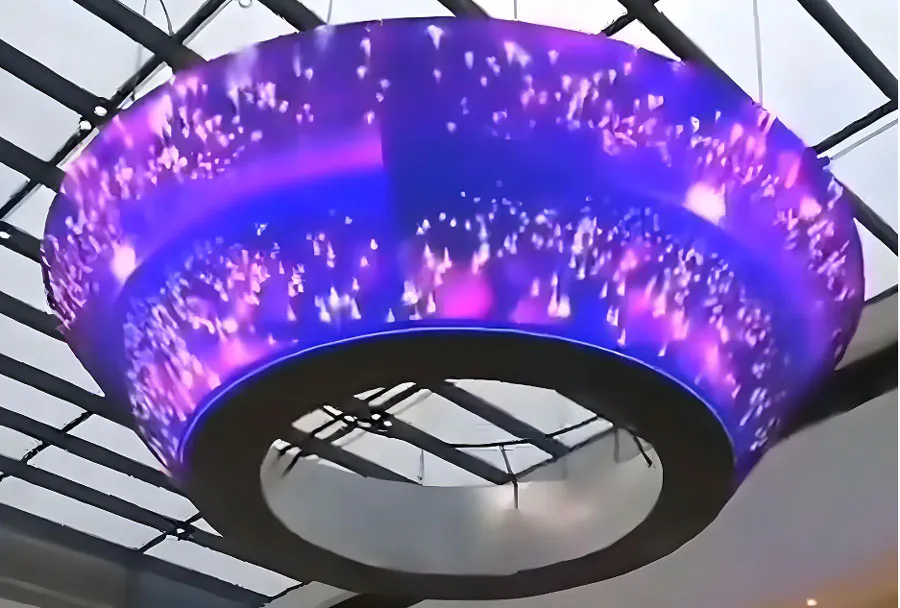
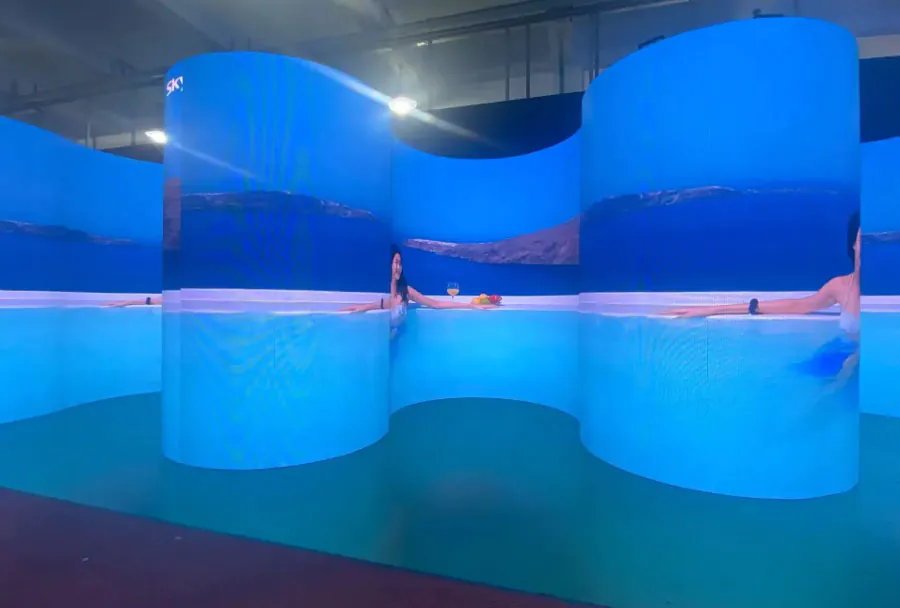
– Curved and creative shapes: TW VISION engineering supports both concave and convex curves as well as non-rectangular forms for architectural integrations and experiential designs.
– Control and content systems: Integrated media servers and control platforms allow synchronized content playback across multiple screens, real-time inputs, and multi-source switching for complex events.
– Environmental adaptations: Outdoor-rated options with IP protection, anti-glare treatments, and enhanced brightness variants make TW VISION suitable for both indoor and outdoor applications.
Customization ensures the visual solution aligns with the venue’s physical constraints and the client’s aesthetic objectives.
Installation, Integration, and Maintenance
A high-quality display is only as good as its installation and maintenance. TW VISION emphasizes pragmatic approaches that simplify life-cycle management:
– Pre-install planning: Structural analysis, rigging plans, and heat load calculations are part of the recommended pre-install checklist. TW VISION provides detailed mechanical drawings and mounting specifications that reduce on-site surprises.
– Cable management and power redundancy: Clear recommendations for power distribution, backup power, and signal routing prevent common faults and protect against partial screen failures.
– Calibration and tuning: Post-install color and brightness calibration restores uniformity across the full screen and compensates for minor variations between modules.
– Remote monitoring and support: TW VISION systems include diagnostics and remote monitoring options to proactively identify failing modules, temperature anomalies, or signal issues. This reduces mean time to repair and helps maintain uptime.
– Field-replaceable modules: Modular LED tiles and standard connectors make front or rear servicing efficient. Spare parts strategies are recommended to ensure rapid swaps when needed.
These practicalities protect the investment and maintain consistent performance over the display’s operational lifetime.
Applications and Use Cases
TW VISION Large Led Screens are suited for a wide variety of environments where impactful visuals are essential:
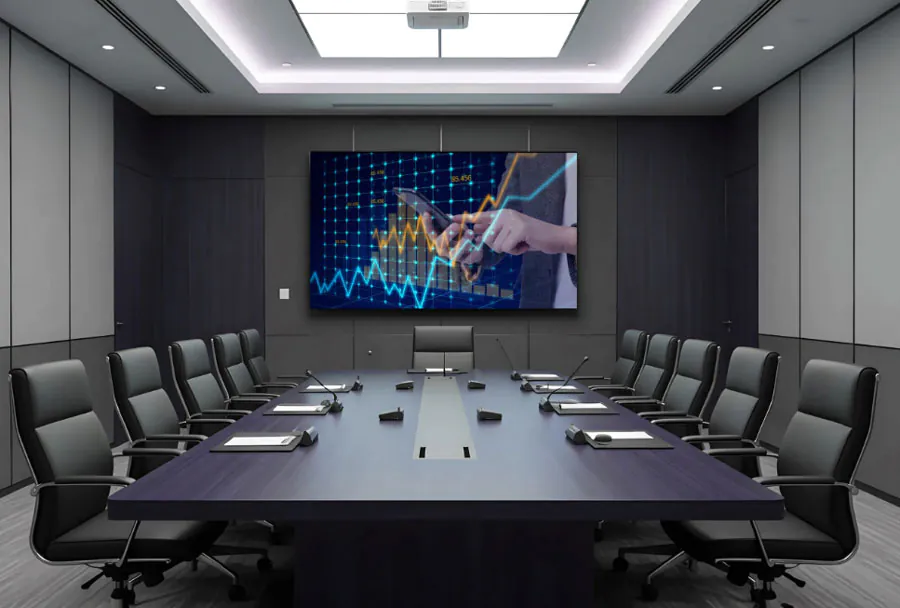
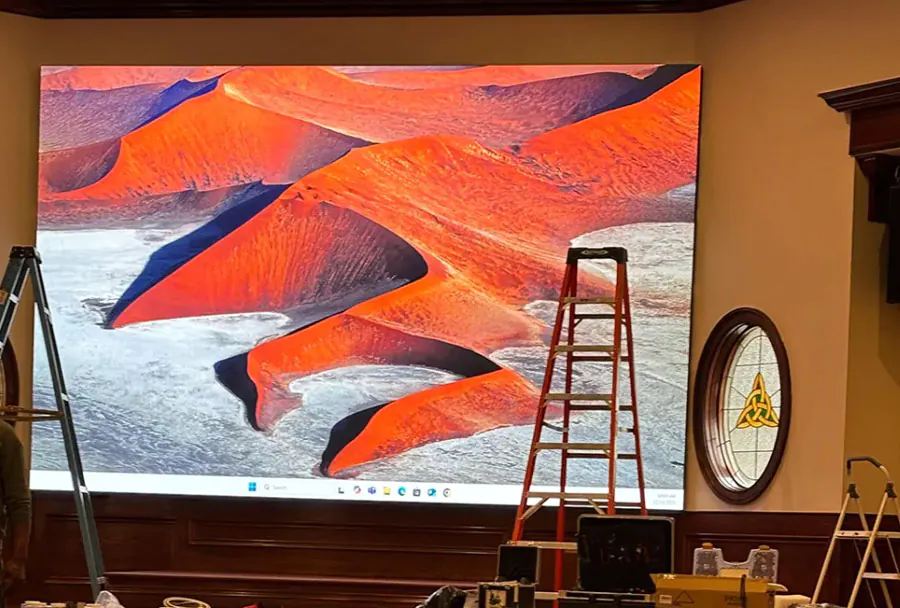
– Corporate auditoriums and conference centers: Clear text, accurate colors for branded materials, and reliable performance during presentations and live feeds.
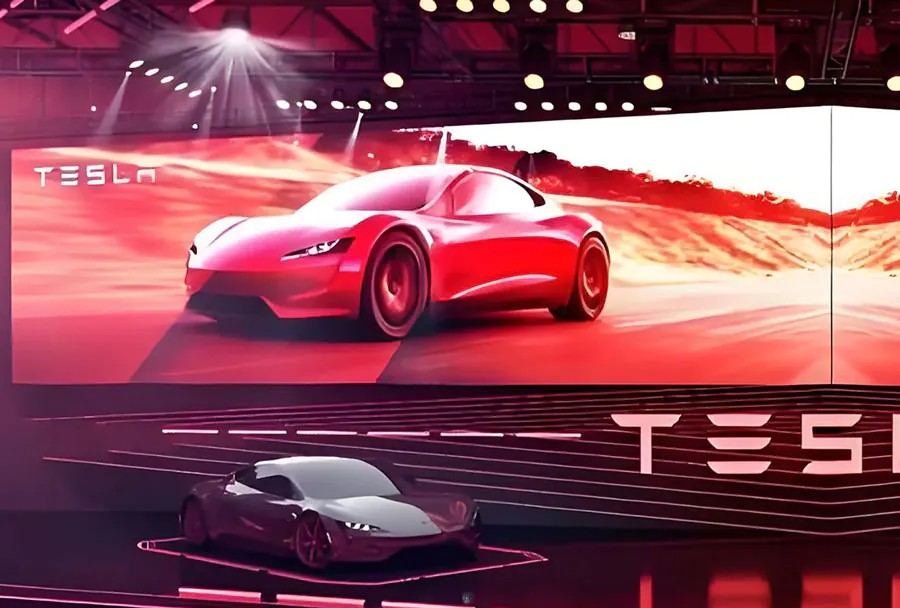
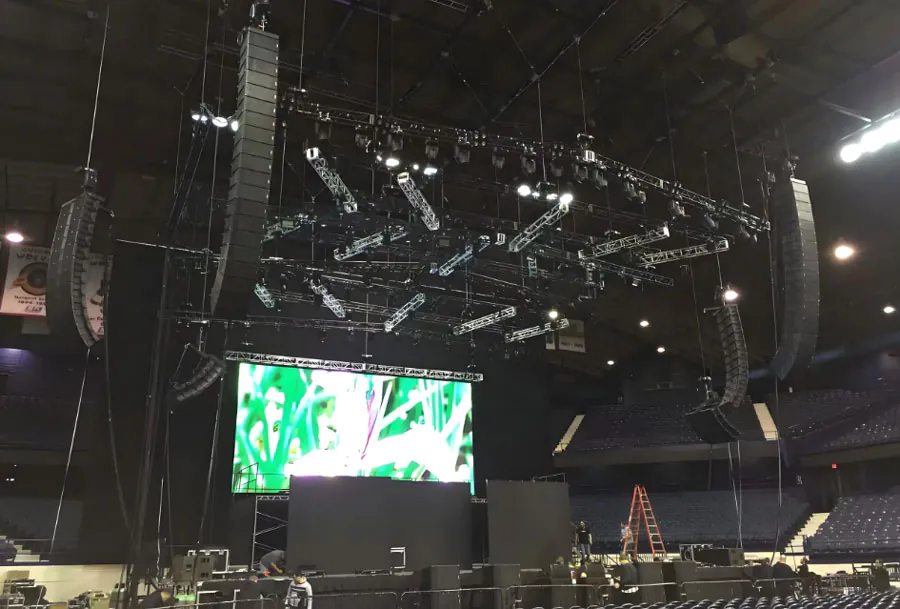
– Entertainment and sports arenas: High brightness and large canvas sizes create immersive experiences visible from long distances.
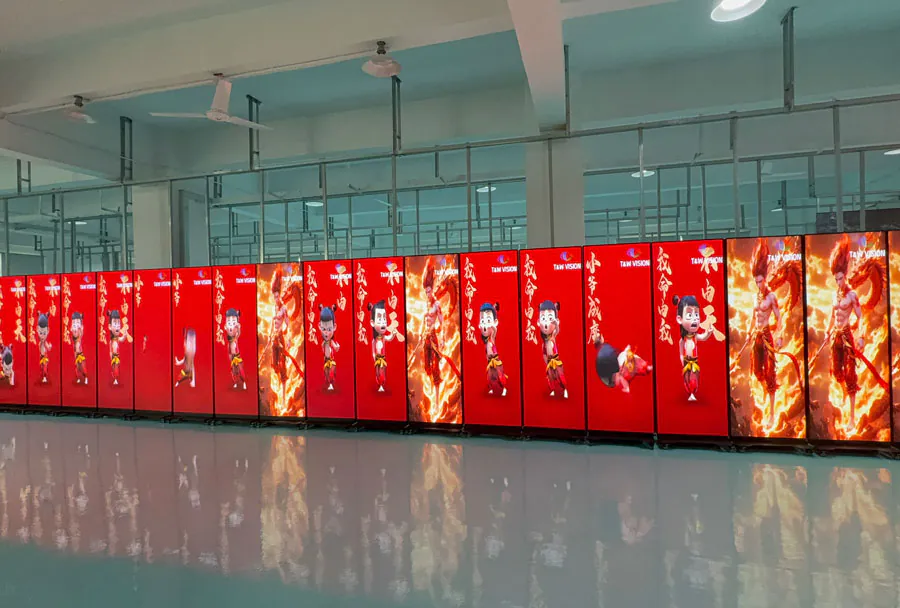
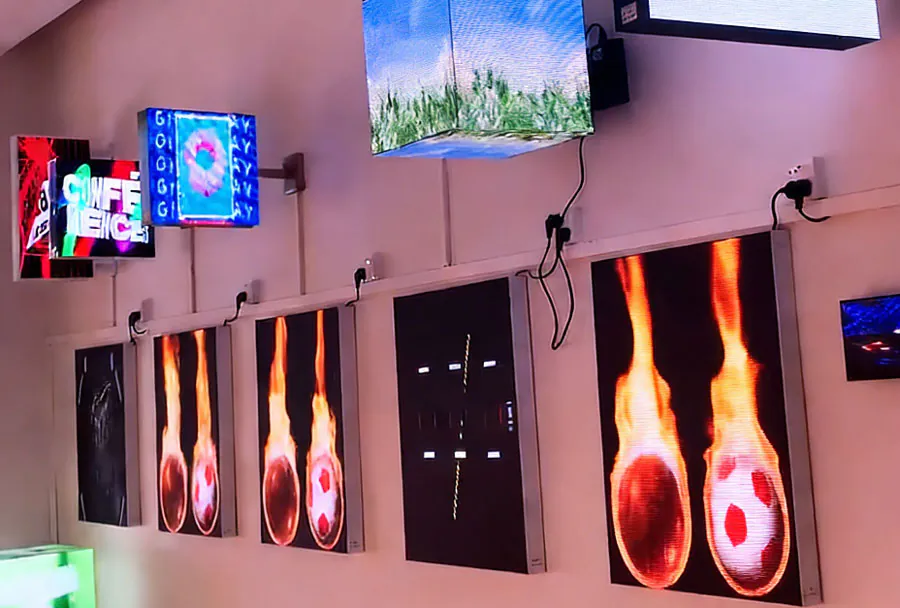
– Retail flagship stores and showrooms: Curved, high-resolution installations attract attention and support dynamic advertising and product storytelling.
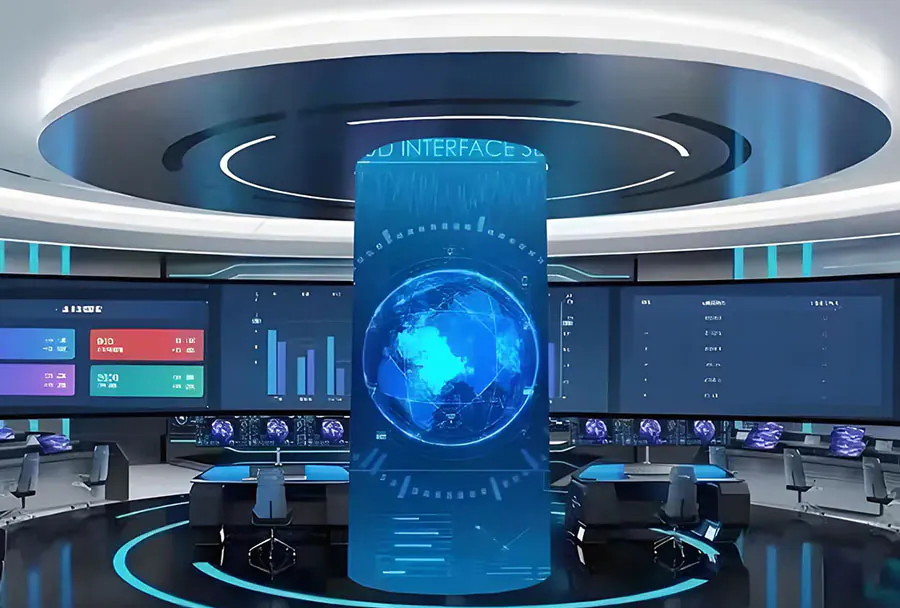
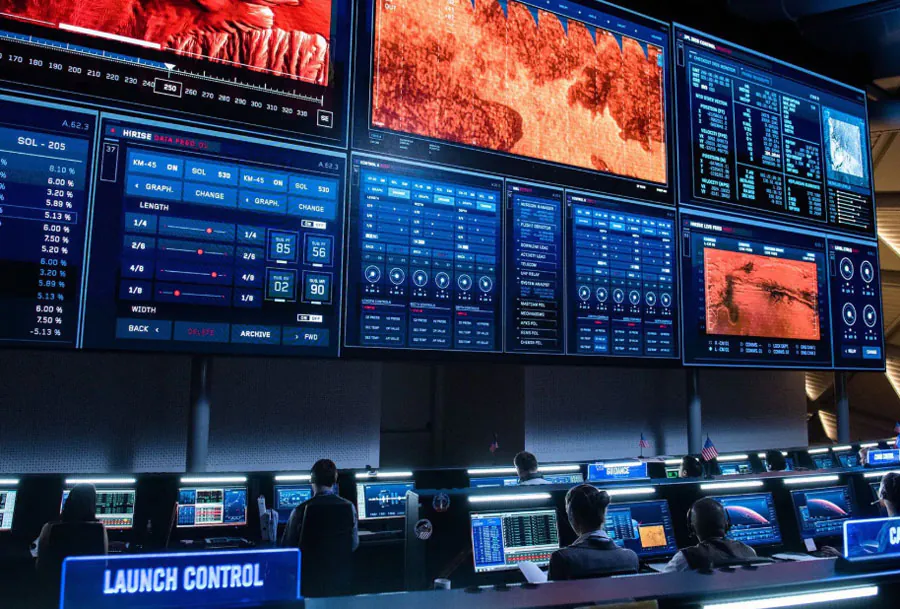
– Control rooms and command centers: High reliability, uniform brightness, and fine pixel pitch variants enable detailed monitoring and real-time data visualization.
– Outdoor signage and fa?ades: Weatherproofed options maintain brightness and color fidelity in changing environmental conditions.
Each application has unique technical demands; TW VISION consultative pre-sales support helps match the right configuration to the use case.
Technical Analysis Table
Below is an analysis table comparing typical TW VISION Large Led Screen configurations to help planners choose the appropriate solution. All entries reference TW VISION product families to maintain brand consistency.
| TW VISION Model | Pixel Pitch (mm) | Brightness (nits) | Recommended Viewing Distance | Primary Use Case |
|---|---|---|---|---|
| TW VISION S1 | 1.2 | 800 | 3–8 meters | High-resolution indoor arenas, control rooms |
| TW VISION M2 | 2.5 | 1200 | 6–15 meters | Conference centers, corporate lobbies |
| TW VISION L3 | 4.0 | 5000 | 15–40 meters | Outdoor fa?ades, stadium perimeters |
| TW VISION X5 | 6.0 | 7000 | 25–60 meters | Large outdoor advertising, event backdrops |
| TW VISION Flex | 3.0 (flexible module) | 2000 | 8–20 meters | Curved installations, architectural integrations |
This table provides a foundational comparison. Final selections should account for ambient light, typical content types (text-heavy vs. video), camera capture requirements, and budget constraints.
Content Strategy and Image Preparation
The display is only as effective as the content shown on it. TW VISION systems integrate with media servers and content management platforms that allow upload, scheduling, and real-time control. To maximize image quality:
– Use native resolution assets: Produce graphics and video at the target display resolution or use scalable vector formats for sharp text and graphics.
– Maintain color management pipelines: Work in color-managed workflows, using calibrated displays and consistent color profiles before final output.
– Consider bit-depth and compression: Use high bit-depth masters and avoid excessive compression that introduces artifacts, especially for large surfaces.
– Design for viewing distance: Font sizes, line spacing, and image detail should match the viewer’s normal proximity to the screen.
– Dynamic content optimization: For dynamic data feeds or live video, ensure the media server and network are provisioned to handle bandwidth and latency requirements.
TW VISION configuration guides include recommended content specifications to preserve visual fidelity.
Operational Considerations and Reliability
Operational reliability is a primary concern for any permanent or semi-permanent installation. TW VISION emphasizes redundancy and diagnostics:
– Power redundancy: Dual power feeds and modular PSUs reduce the risk of complete screen outages.
– Signal redundancy: Backup video pathways and hot-swap processors maintain continuity during component swaps.
– Environmental protection: Outdoor models include coatings and seals to prevent moisture ingress and corrosion.
– Monitoring dashboards: Real-time telemetry on temperatures, voltages, and module health helps technicians identify trends before failures occur.
– Preventive maintenance schedules: Planned inspections and calibration sessions extend useful life and maintain visual uniformity.
These measures protect uptime for mission-critical deployments.
Energy Efficiency and Sustainability
Large LED screens can consume significant power at high brightness settings. TW VISION invests in energy-efficient components and intelligent power management:
– Efficient driver ICs reduce wastage and heat generation.
– Adaptive brightness controls allow automatic tuning based on ambient light sensors.
– Low-power standby modes and segmented powering limit consumption during idle periods.
Sustainable practices in design and operation can reduce total cost of ownership and align with corporate sustainability goals.
Deployment Best Practices
Successful deployments follow a disciplined process. Recommended best practices for TW VISION installations include:
– Site survey and structural analysis: Confirm the mounting surface, wind loads for outdoor installs, and any local code requirements.
– Network and power planning: Lay out dedicated circuits, surge protection, and secure network segments for control traffic.
– Trial assembly: Pre-assemble a subset of modules in a controlled environment to validate alignment and calibration procedures.
– Skilled labor and project management: Work with certified technicians and follow TW VISION installation protocols to ensure warranty compliance.
– Commissioning and acceptance testing: Perform brightness, color uniformity, and failover tests prior to final handover.
These steps reduce schedule delays and ensure the installed screen meets performance expectations.
Return on Investment and Value Metrics
The ROI for a large LED screen extends beyond upfront purchase price. TW VISION installations should be evaluated against metrics like:
– Audience reach and engagement: Enhanced visual quality can increase message retention and brand impact.
– Operational uptime: Reduced downtime supports revenue-generating events and critical operations.
– Maintenance costs: Modular designs and remote diagnostics reduce labor and spare parts costs over time.
– Energy usage: Efficient designs lower ongoing operating expenses.
A well-specified TW VISION solution balances initial capital with predictable operational expenses and measurable audience impact.
Large LED screens are a transformative tool for modern visual communication. The TW VISION Large Led Screen is engineered to meet the highest demands for brightness, color fidelity, reliability, and scalability. From initial planning and content strategy to installation and long-term maintenance, TW VISION provides the technical foundation and practical support needed to deliver consistently outstanding visuals.
When planning a deployment, engage TW VISION early in the design process to align technical choices with venue constraints and content objectives. Proper selection of pixel pitch, brightness, mounting, and control systems — combined with disciplined installation and calibration practices — will ensure the display becomes a dependable centerpiece that elevates experiences, amplifies messages, and delivers measurable value over its operational life.