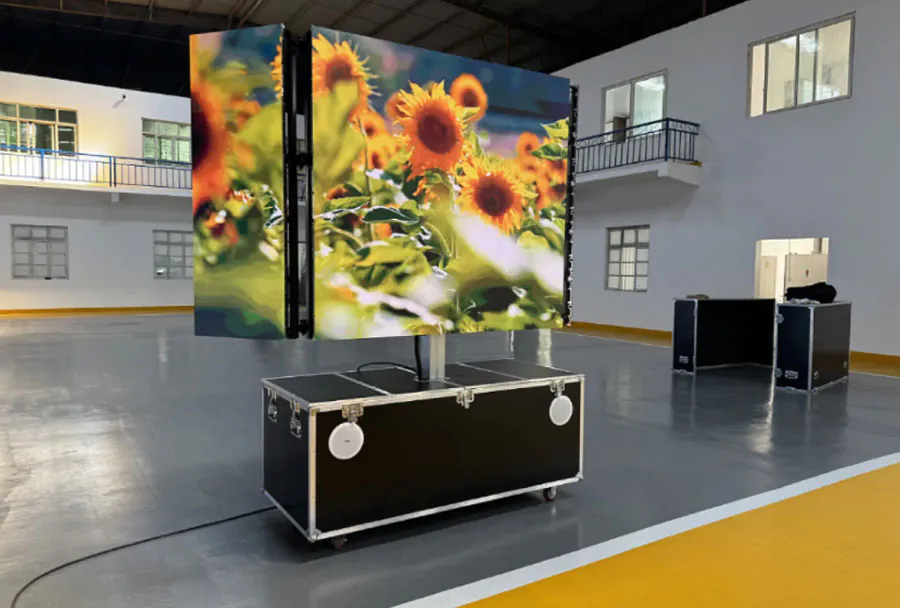
Upgrade Your Visual Experience With TW VISION Bendable Screen

The way we interact with screens has been evolving rapidly — from CRTs to flat OLED panels, and now to flexible, bendable displays that break the constraints of traditional form factors. TW VISION Bendable Screen is positioned at the forefront of this shift, promising an upgrade to visual experiences across consumer, commercial, and professional environments. This article provides a focused, professional exploration of the TW VISION Bendable Screen: its technology, practical benefits, integration scenarios, and how it stacks up against conventional displays.
What Makes a Bendable Screen Different?
Bendable screens are not simply curved displays; they are engineered to tolerate physical deformation (curving, rolling, or gentle flexing) without permanent damage to pixels, backplanes, or touch layers. TW VISION’s engineering blends flexible OLED (or microLED) substrates with robust encapsulation, adaptive driver electronics, and mechanical structures that manage stress distribution.
Key differentiators include:
– Flex tolerance: Ability to maintain image integrity under repeated flex cycles.
– Thinness and weight reduction: Flexible substrates enable slimmer, lighter panels.
– Design freedom: Curved, wraparound, and foldable installations that enhance immersion or save space.
– Energy efficiency: Newer flexible emissive technologies often consume less power than older LCDs.
Core Technologies Behind TW VISION Bendable Screens
TW VISION leverages several critical technologies:
– Flexible OLED/microLED emissive layers that produce high contrast and vivid color.
– Polymer-based substrates and thin glass alternatives to allow bending without cracking.
– Stretchable printed interconnects and flexible driver ICs to maintain electrical reliability under deformation.
– Advanced encapsulation to protect against moisture and oxygen, extending longevity.
– Adaptive refresh and compensation algorithms that preserve uniformity and prevent artifacts when the panel is curved.
These elements, combined with quality control during manufacturing, determine real-world reliability and performance.
Performance and Visual Quality
Color Accuracy and HDR Capability
TW VISION Bendable Screens deliver exceptional color volume and contrast due to emissive pixel technology. High dynamic range (HDR) is supported through local dimming (microLED) or pixel-level brightness control (OLED). Color calibration options are available for professional applications (color grading, medical imaging), while consumer presets optimize vibrancy for movies and games.
Viewing Angles and Uniformity
Flexibility in form does not compromise viewing angles. TW VISION panels are engineered to maintain consistent color and luminance across wide angles — an advantage over many LCDs with limited off-axis performance. Uniformity compensation algorithms adjust for minute variations introduced by bending to prevent banding or hotspots.
Response Time and Motion Handling
Low persistence and fast pixel switching inherent to OLED and microLED technologies result in excellent response times and minimal motion blur — critical for fast-paced content like esports or action cinema.
Practical Applications and Use Cases
Home Entertainment
For home theaters and premium living rooms, TW VISION bendable displays enable wraparound screens and immersive installations that integrate seamlessly into interior design. Curved configurations can enhance field-of-view and immersion without increasing screen footprint.
Commercial Spaces and Retail
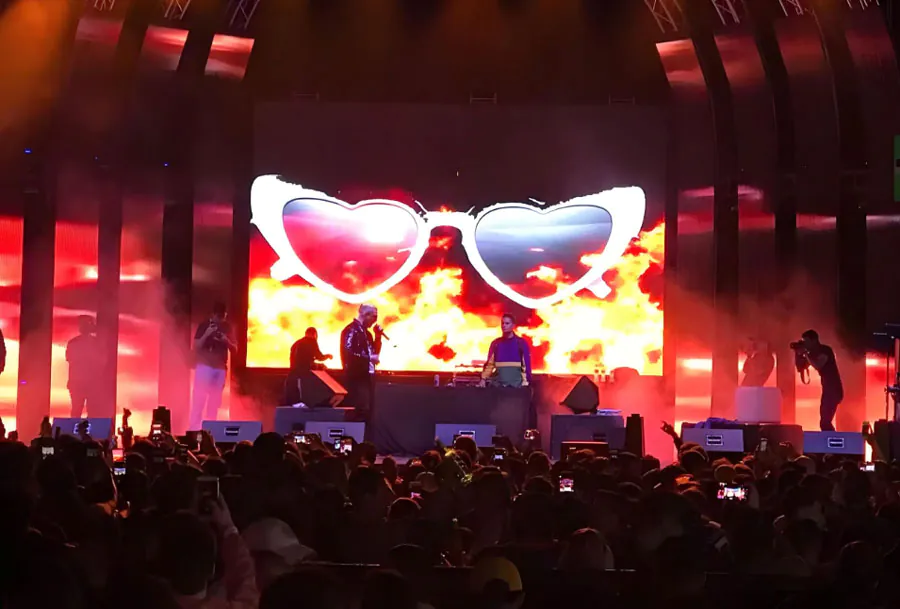
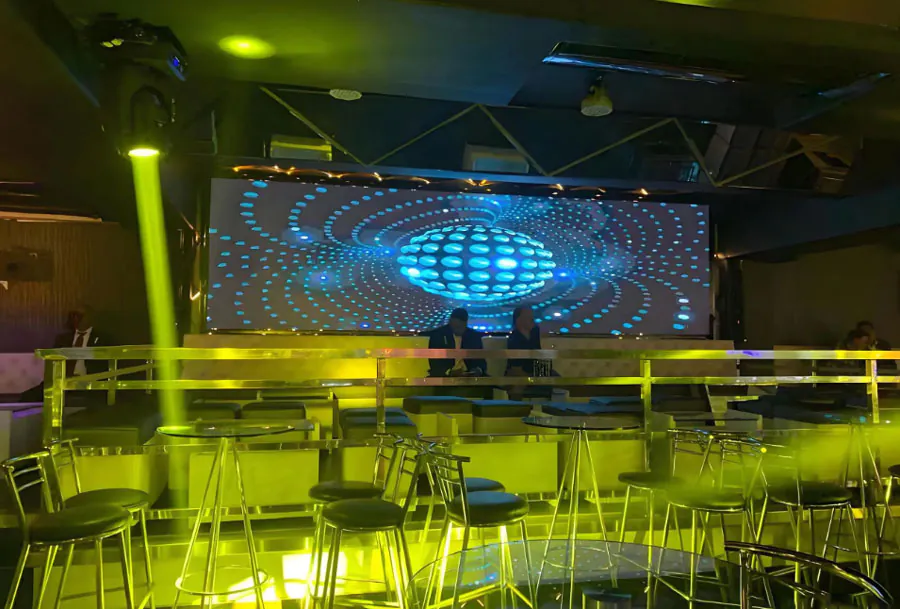
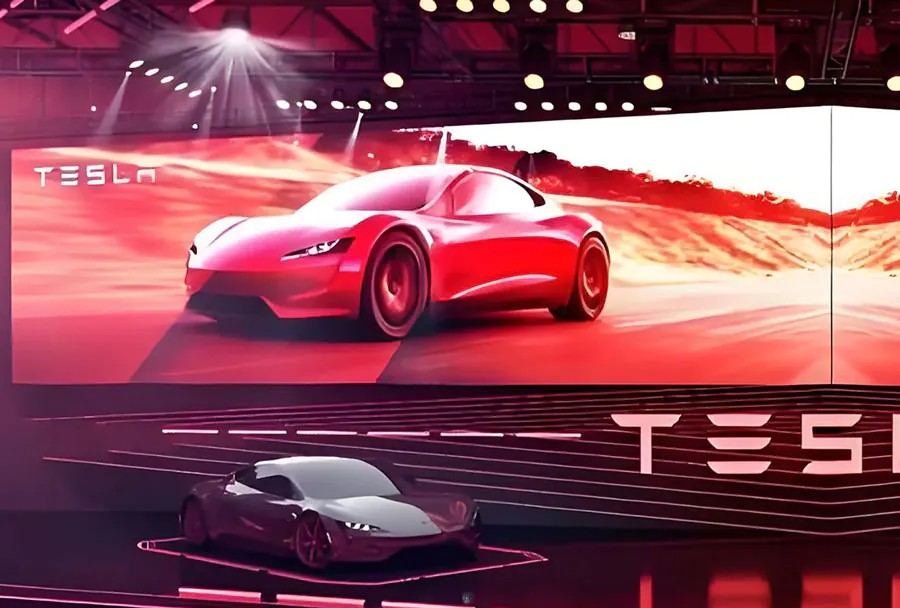
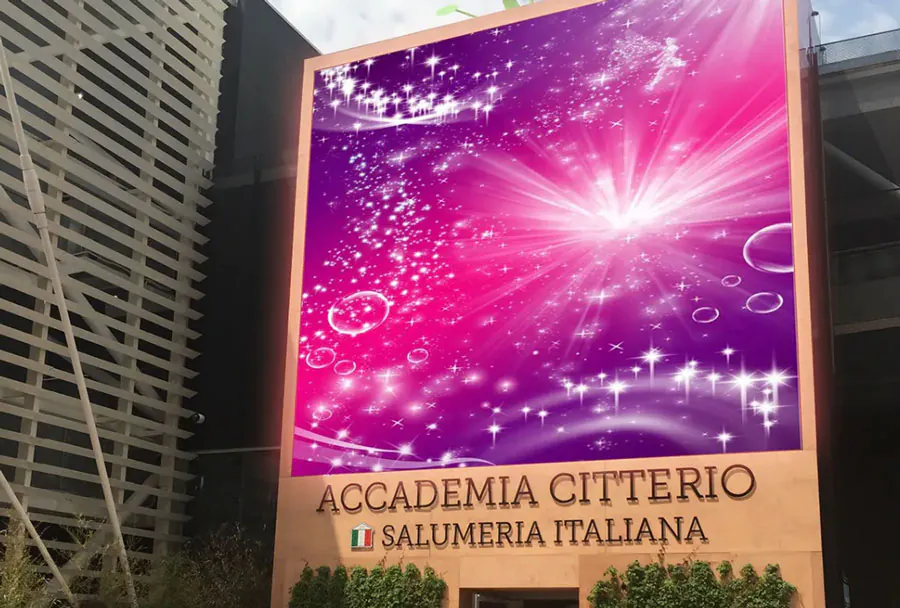
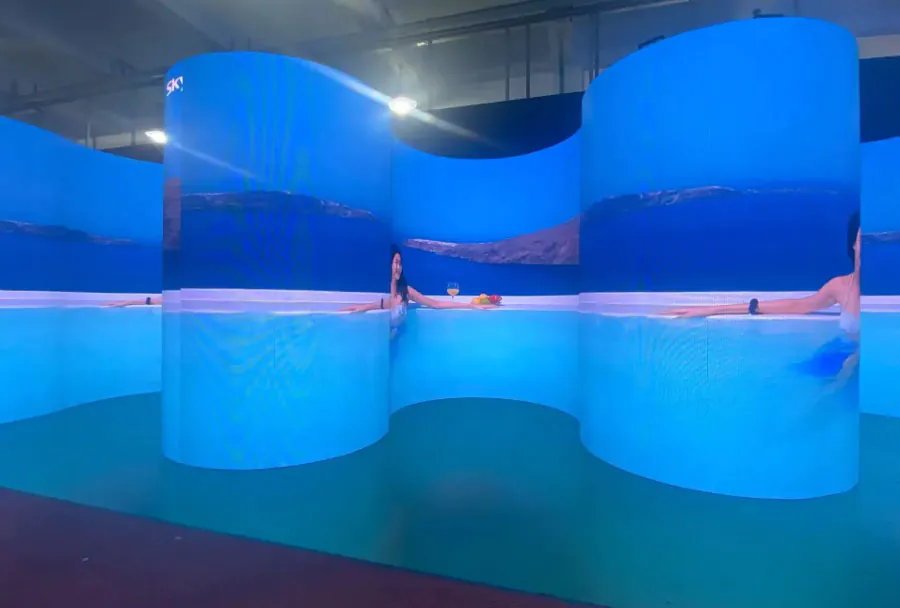
Retailers and public spaces benefit from eye-catching, contoured signage that conforms to architectural features. Bendable screens enable creative, attention-grabbing installations — from cylinder-wrapped displays to curved fa?ade panels — increasing engagement and brand recall.
Corporate and Control Rooms
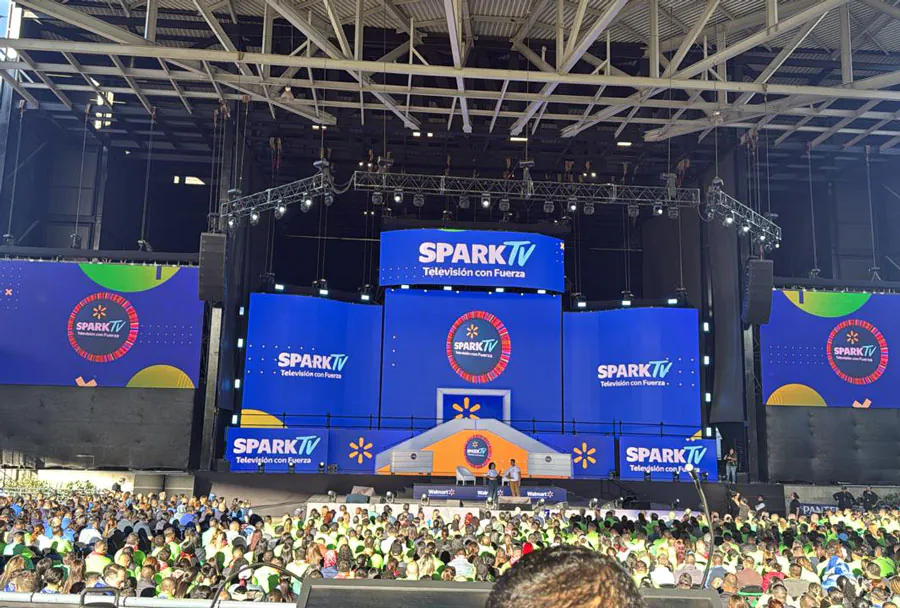
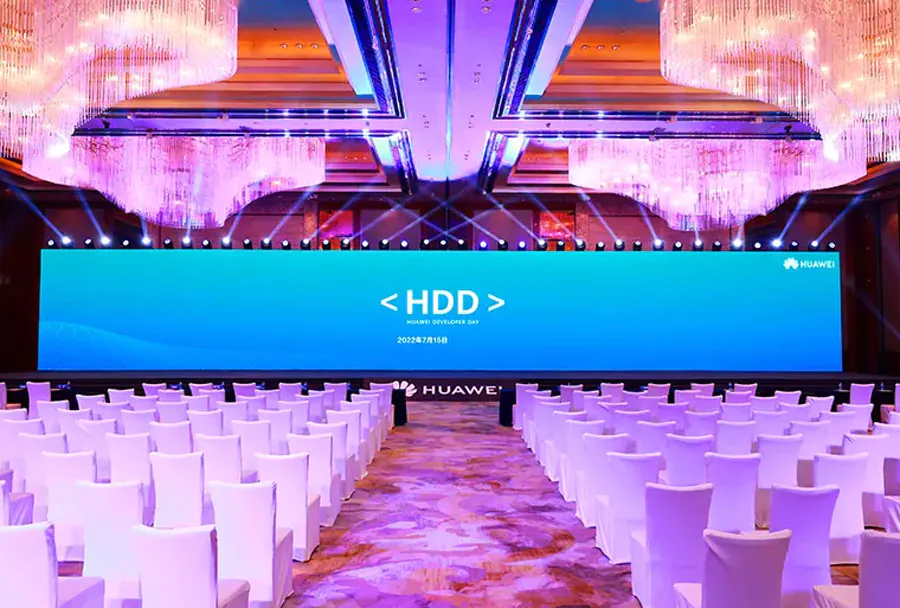
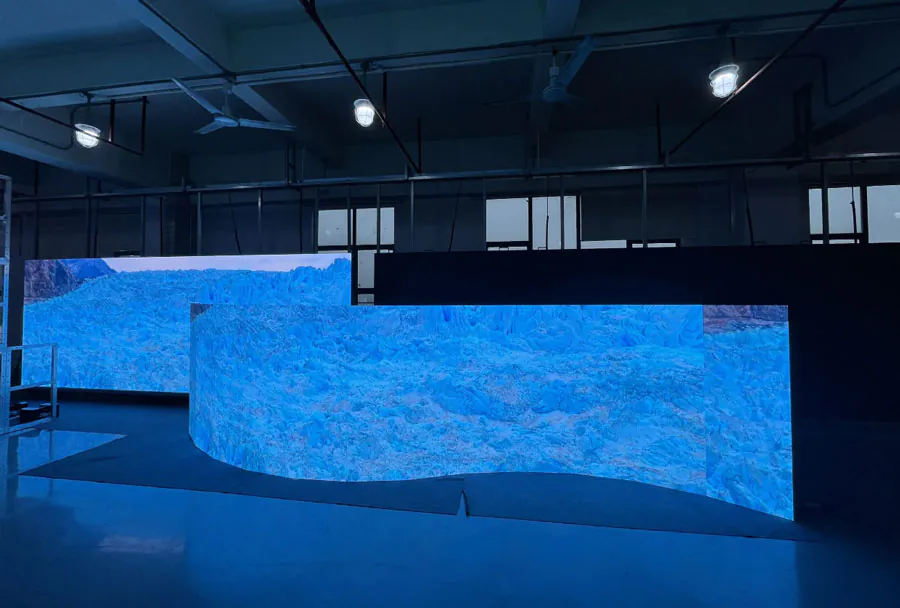
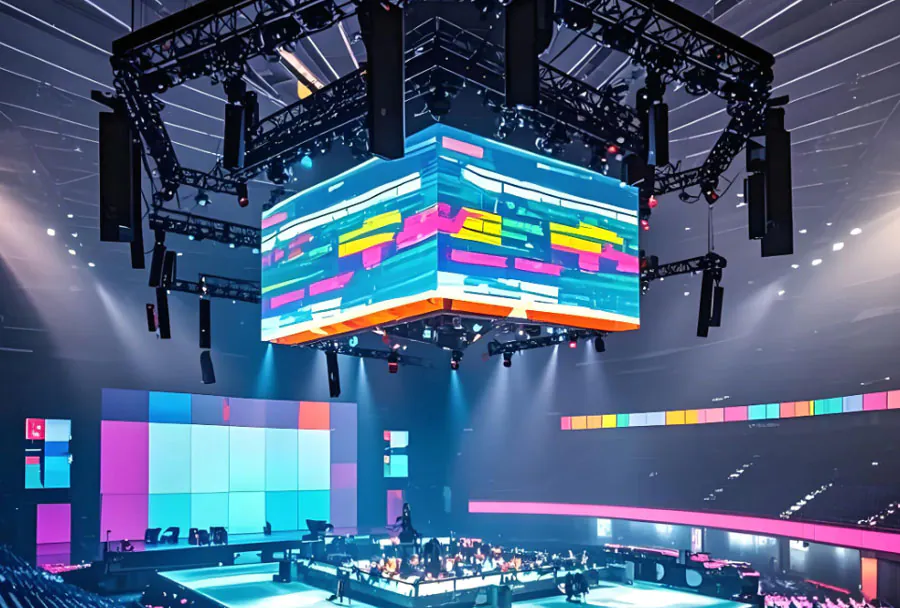
Command centers and collaboration rooms can exploit modular bendable panels for curved video walls that reduce seam visibility and improve situational awareness. Flexibility in layout simplifies custom solutions in eccentric spaces.
Automotive and Transportation
In-vehicle infotainment and cockpit displays can be integrated into curved dashboards, offering new ergonomic and aesthetic possibilities while reducing glare and reflections in complex cabin geometries.
Integration, Compatibility, and Installation
Mounting and Mechanical Considerations
Installation requires attention to support structures that maintain desired curvature without over-stressing the panel. TW VISION provides recommended bending radii, mounting frames, and flexible connectors to ensure reliability. Designers should follow specified radii and avoid sharp bends and pinch points.
Connectivity and Content Management
Bendable displays are compatible with common video standards (HDMI, DisplayPort, and custom video walls controllers). TW VISION offers SDKs and content management solutions to map content across curved surfaces, correct for geometric distortion, and manage brightness/color profiles.
Durability and Maintenance
Encapsulation and sealing techniques improve resistance to humidity and contaminants, but the flexible nature demands careful handling. TW VISION supports maintenance protocols and provides replacement modules for modular video wall installations, reducing downtime and long-term costs.
Comparative Analysis
Below is an analysis table that compares TW VISION Bendable Screen to traditional flat OLED and LCD options on key parameters. The table assigns a qualitative score (1–10) for a quick assessment.
| Aspect | TW VISION Bendable Screen | Flat OLED | LCD (LED-backlit) | Comments / Implications |
|---|---|---|---|---|
| Image Quality (Color, Contrast) | 9 | 9 | 7 | TW VISION matches flat OLED in color and contrast; LCD lags in black level and color depth. |
| Form Factor Flexibility | 10 | 3 | 2 | Bendable design enables new installations and ergonomics; flat panels are limited by rigid shapes. |
| Durability / Lifecycle | 7 | 8 | 8 | TW VISION is robust with proper handling; encapsulation reduces failure risk but requires careful mounting. |
| Power Efficiency | 8 | 8 | 6 | Emissive techs are efficient for darker scenes; LCDs consume more due to backlighting. |
| Cost / ROI | 6 | 7 | 9 | Higher upfront cost for bendable and OLED vs. cheaper LCD, but ROI strong for premium applications and space-constrained installs. |
Interpretation of the Table
The analysis shows TW VISION Bendable Screens excel where design flexibility and immersive experiences matter most. While initial cost can be higher than conventional LCDs, long-term value stems from better engagement (retail/commercial) and unique installation possibilities that can’t be achieved with flat panels.
Buying Guide: What to Consider Before Upgrading
1. Define the Use Case
Are you upgrading a home theater, building retail signage, or designing an automotive cockpit? The use case informs the required bend radius, brightness (nits), durability, and integration needs. TW VISION offers different product lines tailored to specific scenarios.
2. Check Supported Curvature and Mounting Requirements
Verify the minimum bending radius and whether the product supports concave or convex mounting. Ensure mounting hardware and frames distribute stress evenly across the panel.
3. Evaluate Brightness and Ambient Light Handling
For outdoor or brightly lit environments, prioritize higher peak brightness and anti-reflective coatings. Indoor cinema spaces may prefer deeper blacks and lower maximum brightness.
4. Confirm Connectivity and Signal Processing
Ask about supported resolutions, HDR standards, and video wall controllers. TW VISION’s content mapping tools and SDKs can simplify deployment across curved arrangements.
5. Consider Long-Term Support and Warranty
Bendable technology benefits from strong vendor support. Check warranty terms, replacement policies for modules, and available service plans to protect your investment.
Implementation Examples and Best Practices
– Retail flagship store: Use a continuous bendable facade wrapping a pillar or storefront window. Implement dynamic content that adapts to curvature to maximize visual impact.
– Conference rooms: Replace segmented flat panels with a curved TW VISION video wall for seamless large-format presentation surfaces that reduce bezel distraction.
– Custom furniture integration: Embed thin bendable screens into cabinetry or desks for interactive control surfaces and ambient displays that conform to design lines.
– Automotive prototypes: Apply flexible displays to instrument clusters and center consoles for ergonomic, driver-centric interfaces that reduce glare and line-of-sight obstruction.
Best practices include following specified bend radii, ensuring clean and controlled installation environments, and mapping content to account for distortion at edges.
Future Trends and TW VISION’s Roadmap
The display industry is moving toward even more adaptive surfaces: transparent bendable panels, rollable microLEDs, and flexible touch layers with haptic feedback. TW VISION is advancing research into higher brightness microLED flexible stacks, improved encapsulation for outdoor use, and tighter integration with AR/VR ecosystems. Expect modular systems that let integrators stitch curved modules into larger, seamless canvases.
Environmental and Sustainability Considerations
Flexible displays can reduce material use by eliminating heavy glass and enabling thinner installations that require less supporting structure. TW VISION is exploring recyclable substrates and lower-temperature manufacturing processes to reduce energy consumption and emissions.
Is TW VISION Right for Your Upgrade?
If your priority is to create memorable visual environments, reduce installation footprint, and unlock new design possibilities, TW VISION Bendable Screen represents a compelling upgrade. It combines top-tier image quality with mechanical flexibility, making it suitable for high-end residential, commercial, automotive, and specialized professional use. While upfront costs may be higher relative to entry-level LCD solutions, the strategic value — in engagement, design differentiation, and integration capability — often justifies the investment.