Indoor and Outdoor TW VISION Flexible LED Display Options

flexible led displays are transforming how brands, architects, and event planners think about digital signage. TW VISION’s flexible LED solutions bridge creativity and practicality by enabling curved, cylindrical, wraparound, and freeform installations both indoors and outdoors. This article examines the technical features, environmental considerations, installation strategies, maintenance demands, and return-on-investment factors for TW VISION flexible LED displays. The goal is to help specifiers, AV integrators, and facility managers choose the right product configuration and deployment approach for their applications.
What “Flexible” Means in LED Technology
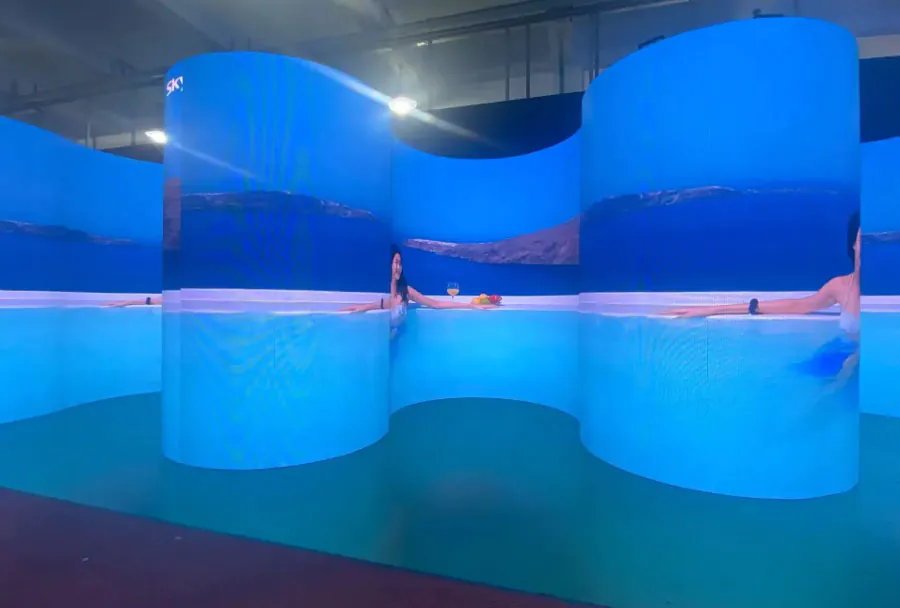
Flexible LED displays are made from modular modules, strips, or thin panels that can bend to various radii without damaging the LED diodes or PCB. They may be soft (bendable to small radii for tight curves) or semi-flexible (allowing large-radius curvature or faceted shapes). Flexibility enables seamless integration into architectural surfaces, stage sets, immersive retail environments, and building fa?ades. Key attributes include pixel pitch, module construction, weight, luminosity, and weatherproofing.
Technical Specifications and Performance
Pixel Pitch and Resolution
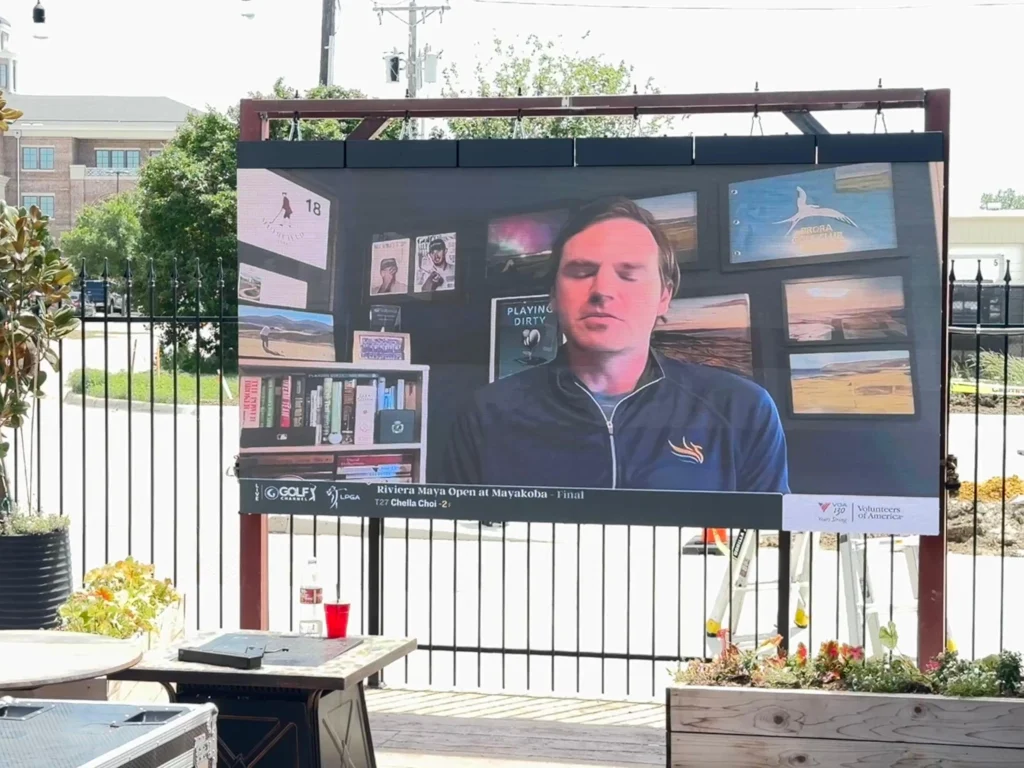
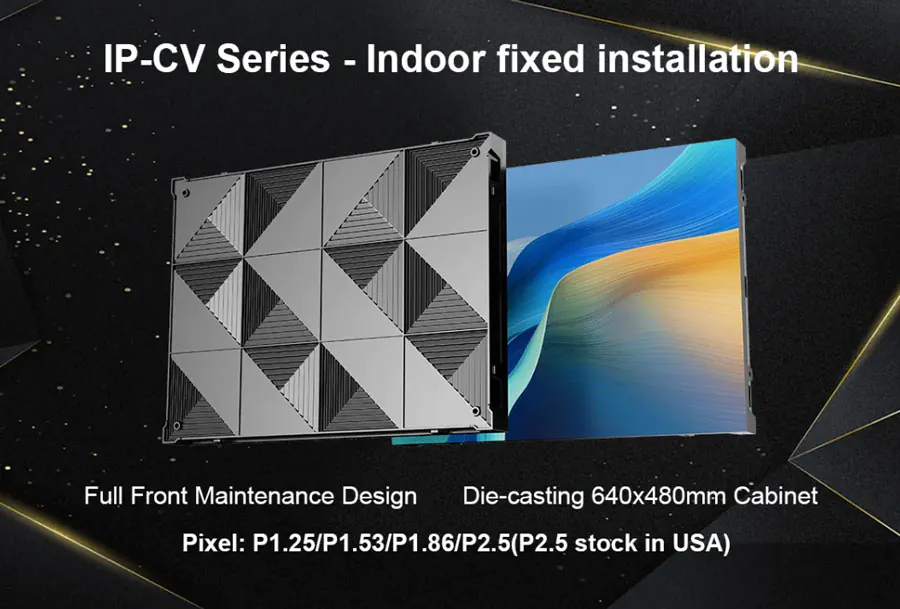
One of the most important decisions is pixel pitch — the center-to-center distance between pixels. For indoor environments where viewers are closer, smaller pixel pitches (P1.2, P1.5, P1.9, P2.5) deliver crisp imagery and high-resolution content. For outdoor installations or large-format installations viewed from greater distances, wider pitches (P3.9, P4.8, P6.25, etc.) are cost-effective while providing excellent visibility.
Considerations:
– Indoor immersive experiences: P1.2–P2.5
– Retail displays and medium-distance viewing: P2.5–P3.9
– Outdoor fa?ades and roadside signage: P3.9–P6.25+
Brightness and HDR Capability
Brightness (measured in nits/candela per square meter) differentiates indoor and outdoor flexible options. Indoor flexible LED panels typically offer 600–1,200 nits for brilliant color and high contrast under controlled lighting. Outdoor models require much higher brightness (2,500–8,000+ nits) to remain visible under direct sunlight. Many TW VISION solutions support HDR tone mapping and advanced color calibration to maintain image fidelity across brightness ranges.
Ingress Protection and Durability
Outdoor flexible displays need robust weatherproofing. Look for front-side ratings of IP65 or higher, and a sealed backplane or IP54+ back protection when modules are exposed to wind-driven rain and dust. UV-resistant encapsulation and corrosion-resistant materials extend life in harsh climates. Indoor flexible units often have lower IP ratings but are engineered for impact resistance and fire safety compliance.
Power Consumption and Thermal Management
Flexible LED modules are thin and lightweight, which affects heat dissipation. Designers should evaluate average and peak power consumption per square meter; typical ranges are:
– Indoor: 150–400 W/m2 (peak)
– Outdoor (high brightness): 400–1,000 W/m2 (peak)
Proper thermal design — including ventilation, conductive mounting, or integrated heatsinks — ensures longevity and consistent color performance. Thermal management is especially critical in enclosed or direct-sun outdoor installations.
Design & Installation Considerations
Structural Mounting and Curvature Limits
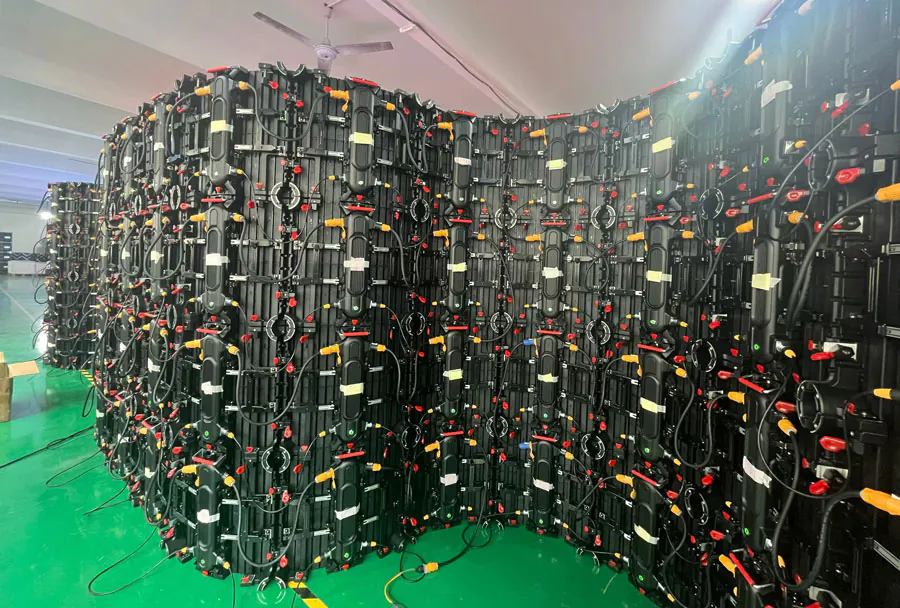
Understanding curvature limits and mounting strategies is essential. Soft LED strips allow small-radius curvature (even tubular shapes), while semi-flexible panels are suited for larger radii and cylindrical forms. TW VISION flexible products often use modular mounting frames, magnetic attachments, or lightweight track systems for quick installation and precise alignment.
Installers should:
– Verify minimum curvature radius to avoid module damage
– Ensure substructure supports weight and wind loads (outdoor)
– Design for front or rear service access depending on site constraints
Seamless Joining and Calibration
Achieving a visually seamless display requires precision in module alignment and color calibration. TW VISION systems typically include software tools for pixel mapping, automatic brightness and color calibration, and refresh-rate optimization. For multi-panel curved arrays, mechanical tolerances and edge blending strategies ensure an uninterrupted visual surface.
Connectivity and Control
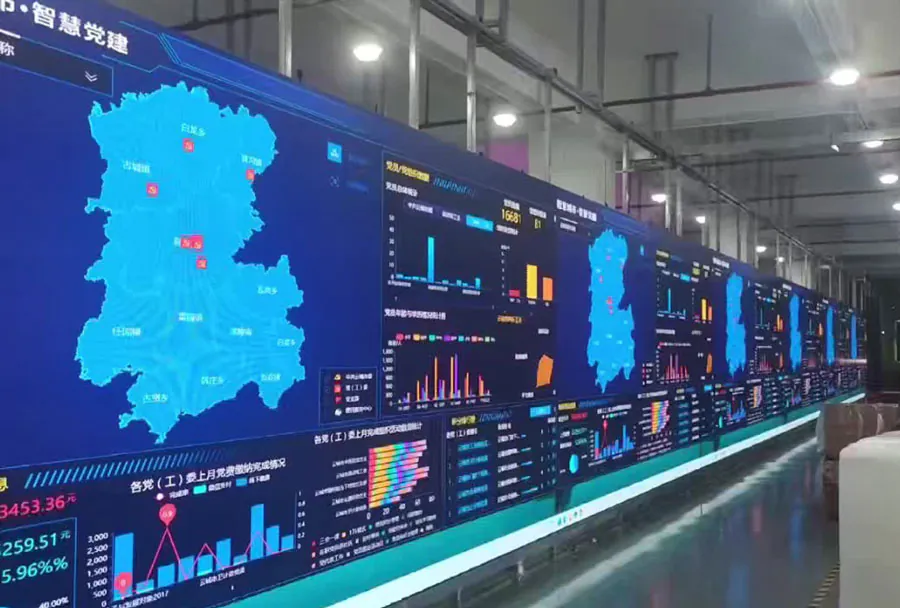
Reliable content delivery depends on industry-standard control systems and redundancy. Common control solutions compatible with flexible LED displays include Novastar, Colorlight, and other professional processors that support multiple input sources, synchronization, and real-time monitoring. For outdoor installations, ensure control and power infrastructure are protected, and plan remote diagnostics to minimize service calls.
Environmental and Regulatory Factors
Weather, Sunlight, and Temperature
Outdoor flexible LEDs must withstand thermal cycling, UV exposure, and precipitation. Specify UV-stable coatings, anti-corrosion fasteners, and expanded operating temperature ranges (-20°C to +50°C or broader depending on climate). Over-temperature protection and adaptive brightness control extend component life and keep imagery legible under varying light conditions.
Fire and Safety Compliance
Indoor systems should meet local fire codes, including low-smoke and flame-retardant materials where required. Verify certifications such as UL, CE, RoHS, and other relevant approvals for your region.
Maintenance, Serviceability, and Lifespan
Access and Modular Replacement
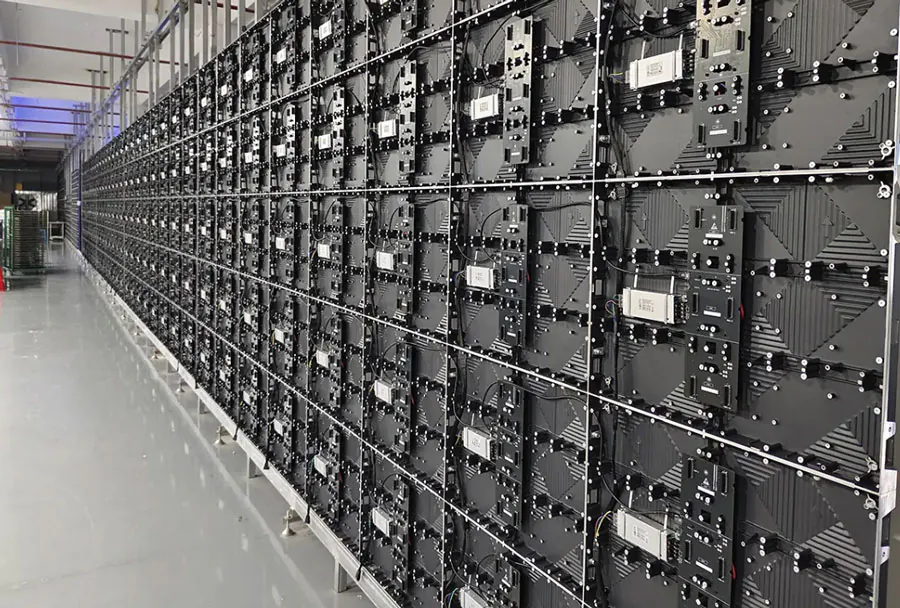
Flexible displays must be serviceable with minimal disruption. Designs that allow front access for module replacement, tool-less module extraction, or magnetic replacements reduce downtime. For outdoor installs, prioritize sealed modular designs that preserve IP rating when serviced.
Calibration and Aging
LED brightness and color can drift over time. Regular calibration routines and monitoring systems can keep uniformity within acceptable tolerances over years of operation. Expect typical useful lifespans of 70,000–100,000 hours for high-quality LED modules under proper operating conditions.
Use Cases and Application Examples
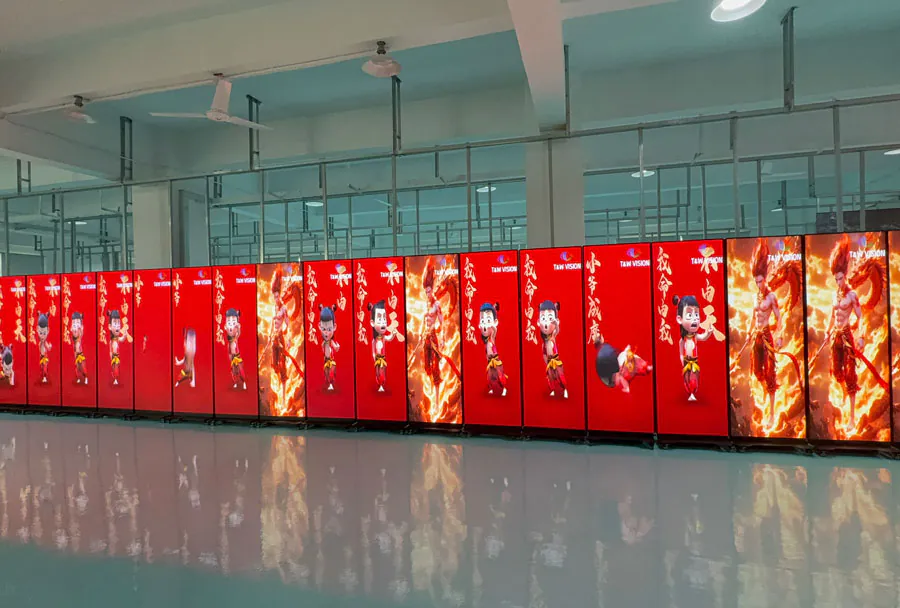
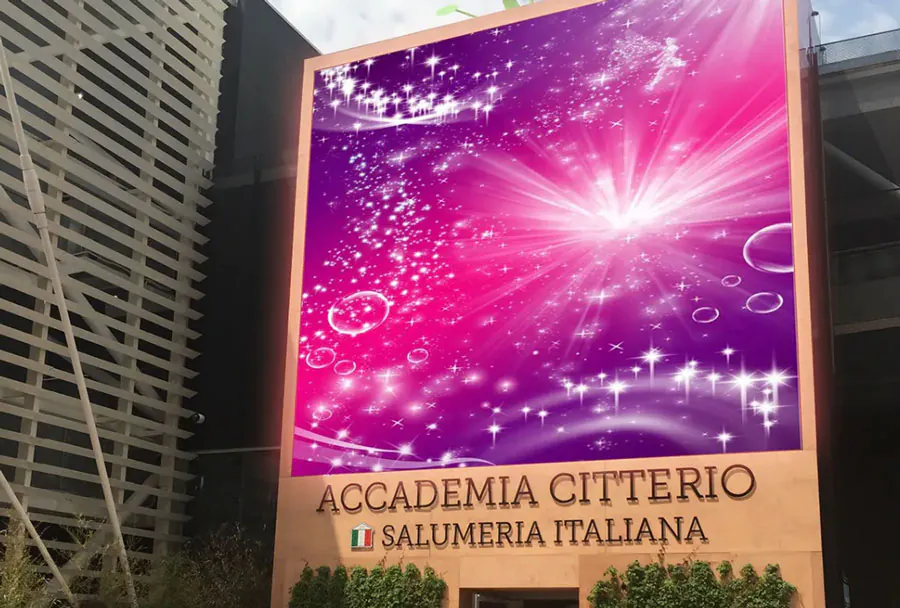
– Retail fa?ades and in-store immersive walls: curved LED walls create experiential zones and can be integrated into store architecture.
– Stages and touring rigs: soft-flex LED curtains weigh less and can be rolled, reducing transport and setup time.
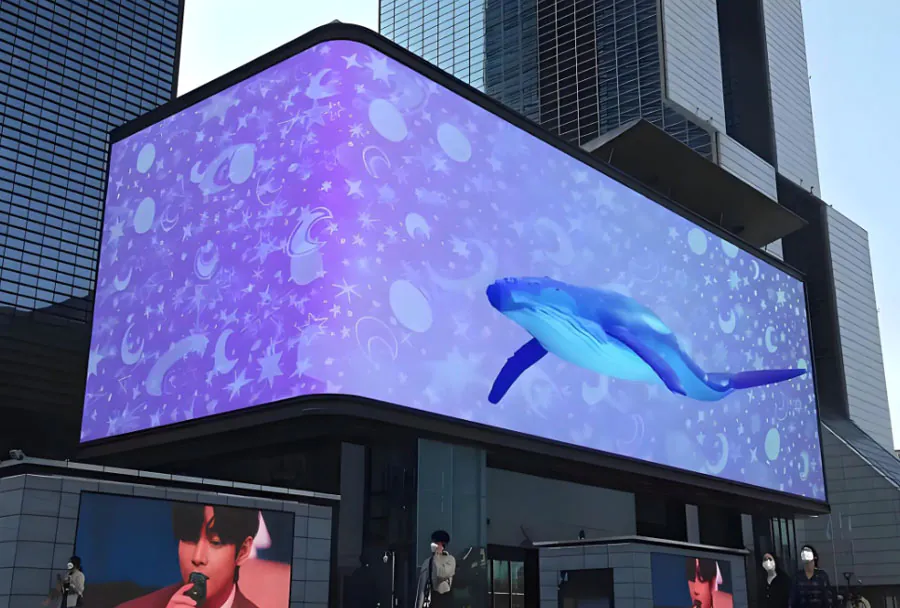
– Architectural cladding and building wraps: high-brightness flexible panels conform to building curvature for dynamic fa?ades.
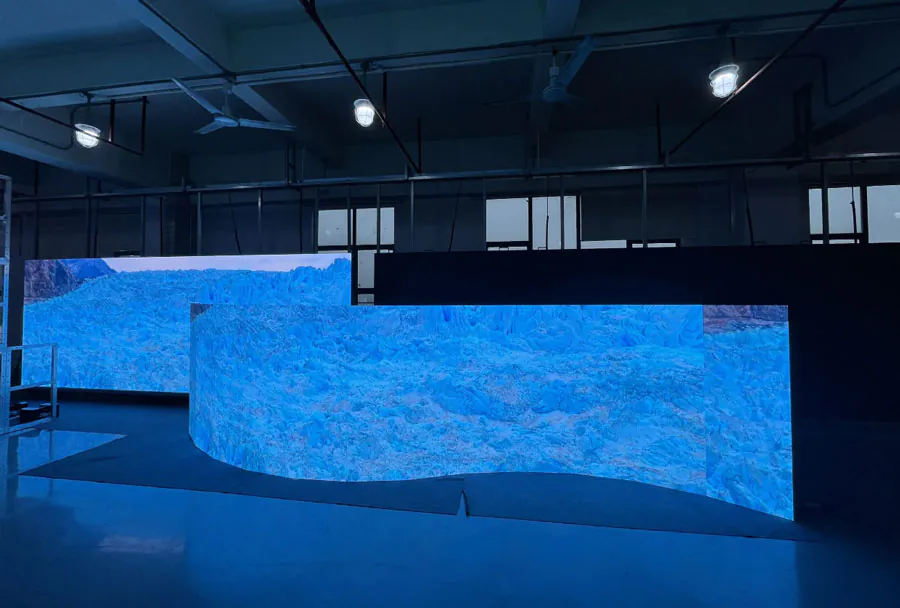
– Exhibitions and museums: low-pitch indoor flexible displays deliver fine-detail content while fitting curved exhibit shapes.
– Sports and arenas: ribbon boards or cylindrical displays behind backdrops enhance audience immersion.
Cost Considerations and Return on Investment
Flexible LED displays often cost more per square meter than rigid panels due to specialized module design and installation complexity. However, the added value comes from unique placement options, higher engagement, and architectural integration. Key cost drivers:
– Pixel pitch and resolution
– Brightness requirements
– IP rating and environmental protections
– Mounting and structural adaptation
– Installation labor and calibration
– Control and redundancy systems
ROI factors include increased foot traffic in retail, enhanced branding exposure, event ticket premiums, and advertising revenue from fa?ade displays. A thorough site assessment and lifecycle cost model are essential for making a business case.
Analysis Table: Indoor vs. Outdoor Flexible LED Options
| Product Category | Typical Pixel Pitch (mm) | Typical Brightness (nits) | Ingress Protection (Front/Back) | Primary Applications |
|---|---|---|---|---|
| Indoor Flexible Series | P1.2 – P2.5 | 600 – 1,200 | IP20 – IP43 | Retail walls, museums, broadcast sets, corporate lobbies |
| Semi-Flexible Indoor/Outdoor | P2.5 – P4.8 | 1,200 – 3,500 | IP54 – IP65 (front) | Curved fa?ades, pergolas, semi-pro exhibitions, storefronts with weather exposure |
| High-Brightness Outdoor Flexible | P3.9 – P6.25+ | 3,000 – 8,000+ | IP65 – IP67 | Building wraps, roadside signage, stadium exteriors |
| Transparent/Mesh Flexible | P8 – P20 (varies) | 1,000 – 6,000 | IP54 – IP65 | Architectural glazing, stage curtains, fa?ade overlays |
Best Practices for Specification and Procurement
– Define viewing distance and primary use case first to choose pixel pitch and brightness.
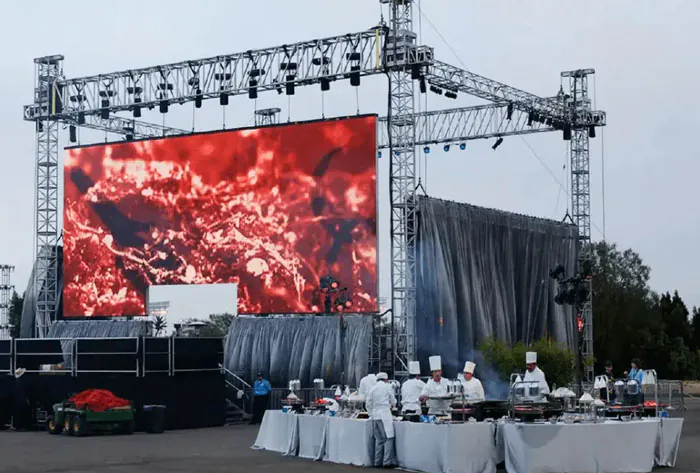
– Plan for structural loads and wind loads early for outdoor installations to avoid costly redesigns.
– Prioritize serviceability: choose modules that can be replaced frontally and include remote diagnostics.
– Ensure control system compatibility and plan for redundancy in mission-critical installations.
– Include environmental protective coatings and materials specified for local climate extremes.
– Budget for calibration and warranty service; negotiate support SLAs with the vendor.
Common Pitfalls and How to Avoid Them
– Over-specifying brightness: unnecessarily high nits increase cost and power usage. Define real-world lighting scenarios to determine required brightness.
– Underestimating structural requirements: thin panels still impose wind and seismic loads in outdoor settings.
– Ignoring heat dissipation: insufficient thermal planning shortens module life and may affect color uniformity.
– Poor content strategy: flexible displays are most effective with content designed to exploit curves and motion; flat-content repurposed for curved elements may look awkward.
Recommendations for TW VISION Flexible Deployments
– For immersive indoor applications, favor fine-pitch flexible modules with robust calibration tools and low-reflection surface finishes to improve contrast in mixed lighting.
– For outdoor fa?ades, prioritize IP-rated high-brightness modules with UV-stable encapsulation and secure mounting systems that resist wind and thermal cycling.
– When specifying touring or temporary installations, choose soft-flex LED curtains that support fast rigging, low weight, and quick module replacement.
– Engage TW VISION or certified integrators early for pilot mockups. Seeing a prototype under real lighting conditions prevents expensive surprises.
– Consider energy management strategies: ambient light sensors and scheduled dimming reduce energy costs while preserving visibility when needed.
TW VISION’s flexible LED display options offer powerful tools for designers and integrators who want to unlock creative form factors without sacrificing performance. The right selection balances pixel pitch, brightness, environmental protection, thermal design, and maintainability. Whether the goal is a high-resolution indoor curved wall or a high-brightness outdoor fa?ade, careful specification, professional installation, and regular calibration will ensure compelling visual experiences and a strong return on investment. By aligning technical choices with real-world viewing conditions and maintenance plans, stakeholders can maximize the visual impact and longevity of flexible LED deployments.