Outdoor LED Screen Rental Florida: How to Choose the Best Display for Your Event

Planning a successful outdoor event in the Sunshine State takes more than a great venue and a solid guest list. Visibility, weather resistance, and screen brightness can make or break the experience, especially when you need everyone to see live video, sponsor messages, stage graphics, or real-time updates. That is why Outdoor LED Screen Rental Florida: How to Choose the Best Display for Your Event is such an important topic for planners, marketers, churches, festivals, sports organizers, and production teams. The right rental screen helps you deliver a polished presentation, keep audiences engaged, and avoid costly technical surprises. In this guide, you will learn what to look for, which specs matter most, how to match a display to your venue, and how to compare vendors with confidence.
Table of Contents
- Why Outdoor LED Rentals Matter for Florida Events
- Weather, brightness, and audience comfort
- Key Display Specs You Should Evaluate
- Brightness and pixel pitch explained
- Resolution, aspect ratio, and content compatibility
- Viewing angles and crowd placement
- Matching the Screen to Your Event Type and Venue
- Festivals, concerts, and live entertainment
- Corporate events, brand activations, and trade shows
- Sports viewing, community screenings, and public gatherings
- Budgeting, Vendor Selection, and Event Logistics
- Questions to ask before signing
- Power, permits, and setup access
- A simple evaluation checklist
- FAQ
- How far in advance should I book a screen rental?
- What screen size is best for my event?
- Do I need a technician on site?
- Can an LED screen handle daytime Florida sunlight?
- Conclusion
Why Outdoor LED Rentals Matter for Florida Events
When you are planning a beach concert, community festival, corporate activation, or watch party, an outdoor LED display is often the centerpiece of the experience. The first thing to understand in Outdoor LED Screen Rental Florida: How to Choose the Best Display for Your Event is that the Florida environment creates unique demands. Bright sunlight, humidity, sudden rain, wind, and large crowd sizes all affect how well a screen performs.
Unlike projectors or indoor panels, outdoor LED walls are designed for high brightness and wide viewing angles. That makes them ideal for daytime visibility and open-air venues. They also provide flexibility in size, whether you need a modest screen for a private gathering or a massive video wall for a stadium-style audience. For event planners, the rental model is especially useful because it eliminates the cost of ownership, storage, and maintenance.
Another advantage is customization. Rental providers can configure the screen size, aspect ratio, rigging, support structure, and control system to suit your event layout. If your event has a stage, a sponsor zone, or multiple viewing areas, the display can be tailored to each audience segment. This is one of the biggest reasons Outdoor LED Screen Rental Florida: How to Choose the Best Display for Your Event is relevant for nearly every outdoor production in the state.
Weather, brightness, and audience comfort
Florida events often happen under intense sun, and that means brightness matters more than many planners expect. A screen that looks great indoors may appear dull or washed out outside. High-nit brightness helps maintain image clarity during the day, while proper positioning and shading can reduce glare for viewers.
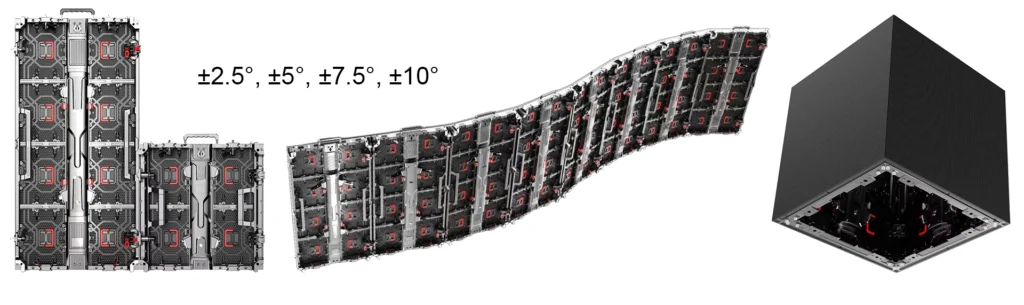
Weather protection is equally important. Look for weather-rated cabinets, sealed connectors, and mounting systems that can stand up to quick weather changes. Even if the forecast looks clear, a professional team should always have a rain plan and safety protocol in place. Because outdoor conditions are unpredictable, Outdoor LED Screen Rental Florida: How to Choose the Best Display for Your Event should always be approached as both a technical and logistical decision.
Key Display Specs You Should Evaluate
Choosing the right screen starts with understanding the technical specifications that affect image quality and event performance. In Outdoor LED Screen Rental Florida: How to Choose the Best Display for Your Event, the most important specs are brightness, pixel pitch, viewing distance, refresh rate, and environmental protection.
A screen’s brightness is usually measured in nits. For outdoor daytime use, many events need a bright display that can compete with direct sunlight. Pixel pitch, which is the distance between LEDs, determines how sharp the image looks at different viewing distances. Smaller pixel pitch means higher resolution and clearer text, but it can also increase cost. The best choice depends on how close your audience will be to the screen.
Refresh rate affects how smoothly motion appears on camera and to the human eye. If you are broadcasting live video, showing sports, or using a camera feed, a higher refresh rate is usually worth the investment. Environmental ratings and cabinet design are also critical. Outdoor screens should be able to handle dust, moisture, and temporary exposure to the elements without compromising performance.
Brightness and pixel pitch explained
Brightness and pixel pitch work together. If you are hosting a large public event where the audience is far from the screen, you can usually use a larger pixel pitch without sacrificing the viewing experience. If your audience will be standing close to the display, such as at a trade show courtyard or branded activation, a tighter pixel pitch will look much better.
The smartest rental decision is not always the sharpest or most expensive display. Instead, it is the one that matches the environment and viewing distance. That is a core lesson in Outdoor LED Screen Rental Florida: How to Choose the Best Display for Your Event: the best screen is the one your audience can actually see clearly from every relevant angle.
Resolution, aspect ratio, and content compatibility
Your screen should also fit the content you plan to show. A wide-format screen works well for sponsor loops, presentation graphics, live video, and scoreboard-style layouts. If you are mixing video with presentation slides, make sure the LED wall can accommodate your preferred aspect ratio without awkward cropping.
Ask your vendor what content formats they support, whether they can scale graphics correctly, and whether they offer a technician to handle media playback. Many event issues stem from incompatible files, mismatched resolutions, or last-minute formatting problems. In the context of Outdoor LED Screen Rental Florida: How to Choose the Best Display for Your Event, content compatibility is just as important as hardware quality.
Viewing angles and crowd placement
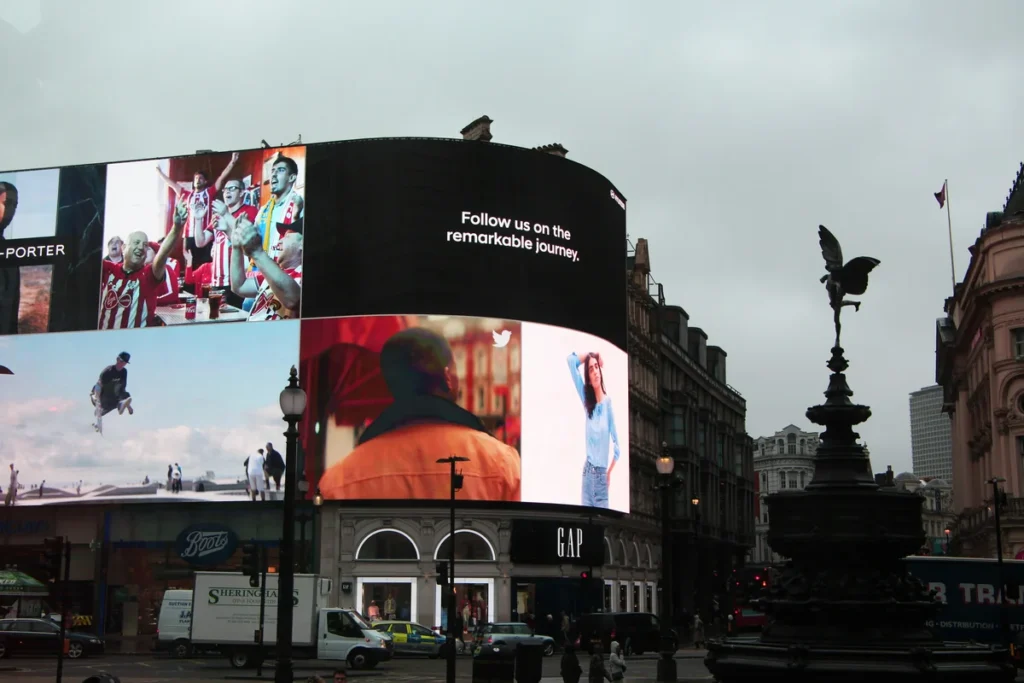
If your audience is spread across a wide lawn, plaza, or festival footprint, viewing angles matter. Some screens remain vibrant off-axis, while others lose color or contrast when viewed from the side. Before signing a rental agreement, ask for viewing-angle performance details and consider a site walk with the vendor.
You should also think about crowd flow. Will people gather directly in front of the stage, or will they be moving through the area? Will some guests be seated and others standing? These practical details shape the ideal screen size and placement. A good rental partner will help you evaluate sightlines, not just ship a display.
Matching the Screen to Your Event Type and Venue
No two events are exactly alike, and the best display for a golf tournament is not necessarily the right choice for a city concert or a corporate summit. This is where Outdoor LED Screen Rental Florida: How to Choose the Best Display for Your Event becomes a planning exercise, not just a product search. The screen should reflect your audience size, venue layout, content style, and production goals.
For example, a music festival may need a large-format screen that supports live camera feeds, sponsor messaging, and bold visuals. A corporate event may prioritize clarity for slides, brand colors, and keynote videos. A church service or community screening may focus on readability, reliability, and straightforward operation. If you match the screen to the purpose of the event, you will usually save money and improve the attendee experience.
Festivals, concerts, and live entertainment
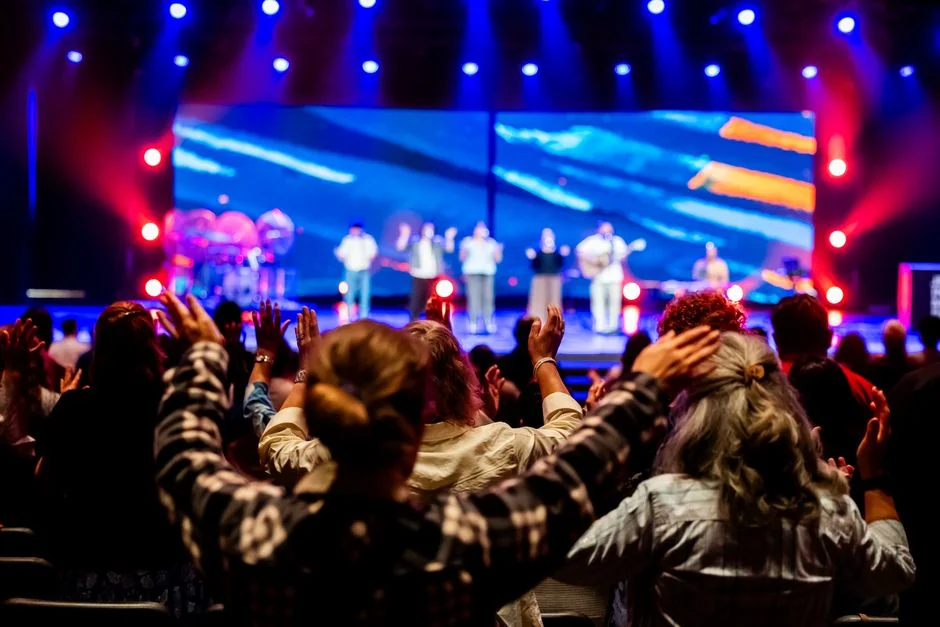
For concerts and festivals, larger screens are usually better because they help distant attendees stay connected to the action. Brightness is essential, especially for daytime sets or outdoor venues with little shade. If your event includes live camera work, make sure the LED setup can handle video switching, graphics overlays, and fast content changes.
You should also ask about backup equipment. Live entertainment is less forgiving of technical issues, so a rental company with spare panels, redundant signal paths, and on-site support is worth serious consideration. In this category, Outdoor LED Screen Rental Florida: How to Choose the Best Display for Your Event often comes down to durability and real-time responsiveness.
Corporate events, brand activations, and trade shows
Corporate events often look best with a screen that delivers clean text and consistent color. You may not need the largest wall possible, but you do need a display that supports polished branding and readable presentations. If the event is a product launch or promotional activation, the screen can also help attract foot traffic and create a premium atmosphere.
Ask whether the vendor can handle branded templates, custom layouts, and sponsor integrations. If your team is using PowerPoint, keynote slides, or live demos, verify compatibility in advance. For business-focused programs, Outdoor LED Screen Rental Florida: How to Choose the Best Display for Your Event should include a strong emphasis on presentation quality and timing support.
Sports viewing, community screenings, and public gatherings
Sports events and public screenings require a balance of visibility, reliability, and crowd safety. The screen should be large enough to keep viewers engaged from a distance, and the setup should be secure enough to withstand heavy foot traffic and outdoor conditions.
For these events, audio coordination matters too. A great screen still needs synchronized sound, clear playback, and a technician who can monitor the feed throughout the program. If your event includes live scoring, social feeds, or sponsorship graphics, make sure those elements can be updated without disrupting the show.
Budgeting, Vendor Selection, and Event Logistics
Once you know what kind of display you need, the next step is choosing a vendor who can deliver it correctly and support it professionally. In Outdoor LED Screen Rental Florida: How to Choose the Best Display for Your Event, price should be evaluated alongside service, technical expertise, and equipment quality. The cheapest quote is not always the best value if it leaves out setup, labor, or weather protection.
Start by requesting a detailed proposal. It should outline the screen size, brightness, pixel pitch, mounting method, delivery, setup, teardown, technician support, and any additional charges. Ask whether power distribution, video processors, rigging, permits, and backup equipment are included. Some vendors advertise a low base rate and then add essential services later, which can make budgeting difficult.
A strong rental partner will also help with site planning. They should assess access points, power availability, surface conditions, and viewing distances before the event date. That is especially important in Florida, where outdoor spaces vary widely and weather can change quickly. This is another reason Outdoor LED Screen Rental Florida: How to Choose the Best Display for Your Event should be treated as a full production decision rather than a simple rental order.
Questions to ask before signing
Before committing, ask the vendor these questions:
– What is the recommended screen size for my audience and venue?
– What brightness level is available for daytime use?
– Is the equipment rated for outdoor conditions?
– Do you provide on-site technical support?
– What happens if a panel fails during the event?
– Are delivery, setup, and teardown included?
– Do you manage permits or coordinate with venue staff?
These questions help you compare providers more fairly and reduce the risk of hidden costs. They also reveal whether the company understands event production or simply rents hardware.
Power, permits, and setup access
Florida venues can present unique setup challenges. Some locations have limited electrical access, uneven surfaces, tight load-in windows, or strict permit requirements. Before your event, confirm where the screen will be placed, how the cable runs will be managed, and who is responsible for site approvals.
Power planning is particularly important. LED screens need stable electrical support, and that may involve generators, distribution boxes, or coordination with venue facilities. If the display will be elevated or flown, make sure the rigging crew is qualified and insured. When Outdoor LED Screen Rental Florida: How to Choose the Best Display for Your Event is planned correctly, the logistics become much easier on event day.
A simple evaluation checklist
Use this checklist when comparing vendors:
- Confirm outdoor brightness and weather protection.
- Match pixel pitch to your audience’s viewing distance.
- Verify screen size and aspect ratio for your content.
- Review included services, not just the base price.
- Ask about backups, technicians, and emergency support.
- Inspect delivery schedules and venue access requirements.
- Make sure audio, video, and power systems are coordinated.
If a vendor can answer these clearly and confidently, they are more likely to deliver a smooth experience. This final step often separates a stressful production from a successful one.
FAQ
How far in advance should I book a screen rental?
For most events, booking several weeks in advance is ideal, and high-demand dates should be reserved even earlier. If you are planning a major festival or holiday event, secure your equipment as soon as your venue and date are confirmed. When working through Outdoor LED Screen Rental Florida: How to Choose the Best Display for Your Event, early booking gives you more screen options and more time to handle permits, power, and content preparation.
What screen size is best for my event?
The best size depends on your audience, venue layout, and content type. A smaller screen may work well for a corporate courtyard or private function, while a larger wall is better for concerts, festivals, and sports viewing. For Outdoor LED Screen Rental Florida: How to Choose the Best Display for Your Event, the right size is the one that gives every guest a clear, comfortable view without overpowering the space.
Do I need a technician on site?
Yes, on-site technical support is strongly recommended for most outdoor events. A technician can manage playback, troubleshoot signal issues, monitor weather conditions, and make sure the screen runs smoothly from start to finish. In Outdoor LED Screen Rental Florida: How to Choose the Best Display for Your Event, professional support is often the difference between a flawless presentation and avoidable downtime.
Can an LED screen handle daytime Florida sunlight?
Yes, but only if the screen is bright enough and positioned correctly. Ask for a high-brightness outdoor model and discuss placement with the vendor to reduce glare and improve visibility. If you are evaluating Outdoor LED Screen Rental Florida: How to Choose the Best Display for Your Event, daylight performance should be one of your top priorities.
Conclusion
Choosing the right display does not have to be complicated when you know what to evaluate. Focus on brightness, pixel pitch, size, viewing distance, weather resistance, vendor support, and logistical planning. If you align those factors with your event goals, your audience will see sharper visuals, your production team will work more efficiently, and your event will feel more professional overall.
Most importantly, remember that Outdoor LED Screen Rental Florida: How to Choose the Best Display for Your Event is not just about renting equipment—it is about creating a reliable visual experience that matches Florida’s unique outdoor conditions. With the right planning, the right partner, and the right screen, your event can stand out for all the right reasons.