Affordable Indoor LED Screen Rental Options for Any Budget

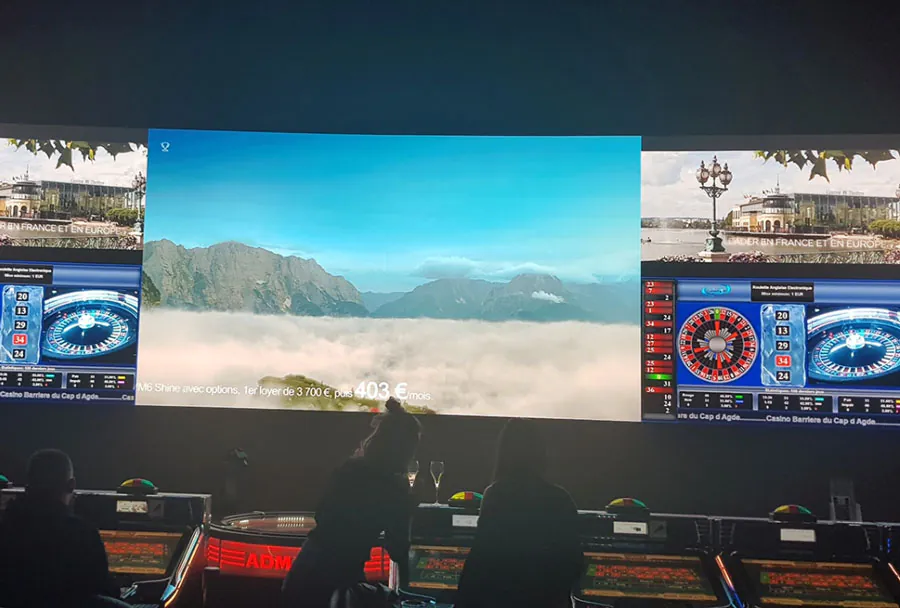
Indoor LED screens have become a staple for events, corporate presentations, trade shows, retail activations, and live performances. They offer bright, crisp visuals, modular sizing, and more reliable performance than projectors in well-lit venues. However, buying an LED screen represents a substantial capital expense and a commitment to a technology that evolves quickly. Renting is an increasingly popular alternative that delivers high visual impact without the long-term cost or logistical burden. This article explores affordable indoor LED screen rental options for any budget, providing practical guidance on types of displays, pricing drivers, cost-saving strategies, and a clear comparison table to help you decide.
Understanding Indoor LED Screen Options
Direct-view vs. Fine-pitch LED
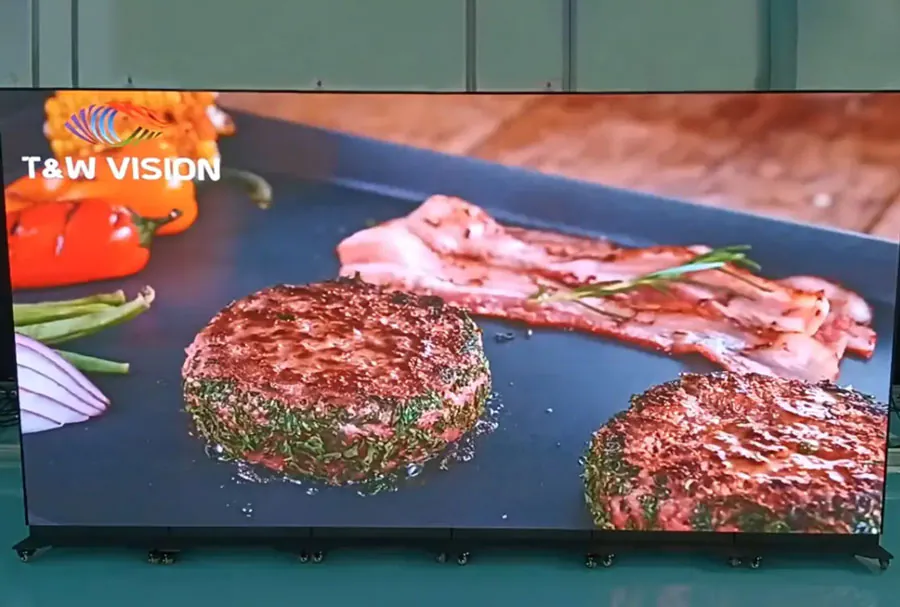
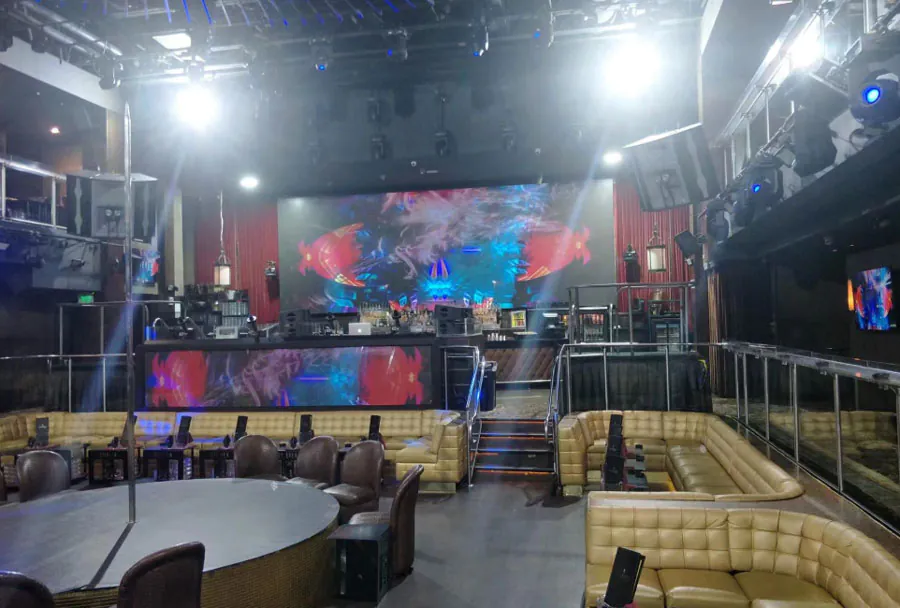
Direct-view LED panels are built from modular tiles and are ideal for larger, bold displays where viewing distances are moderate to long. Fine-pitch LED (with smaller pixel pitches, e.g., 1.2–2.5mm) delivers higher-resolution images suitable for close viewing, such as stage backdrops near audiences or gallery installations. Rental houses usually stock both types; fine-pitch panels carry higher rental rates because of their tighter manufacturing tolerances and greater data and processing demands.
Indoor Fixed Frame vs. Rental-Grade Tiles
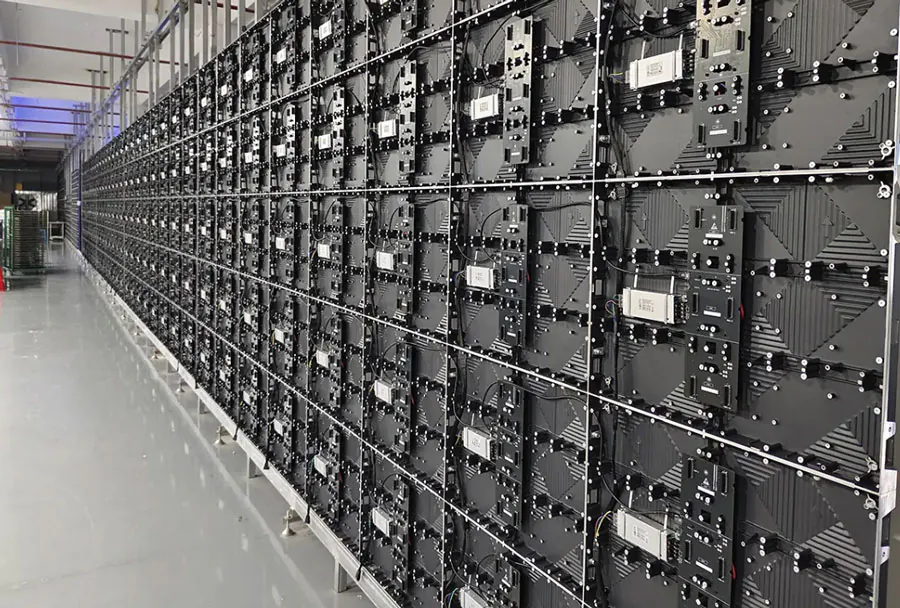
Some LED options include fixed-frame displays designed for semi-permanent installations; these are less common in the rental market. Rental-grade tiles, however, are designed to be assembled and disassembled quickly. They come with robust mounting systems, flight cases, and spares—an important factor for event reliability. Rental-grade tiles are more flexible in sizing and configuration, which helps lower costs because you only rent what you need.
Transparent & Creative LEDs
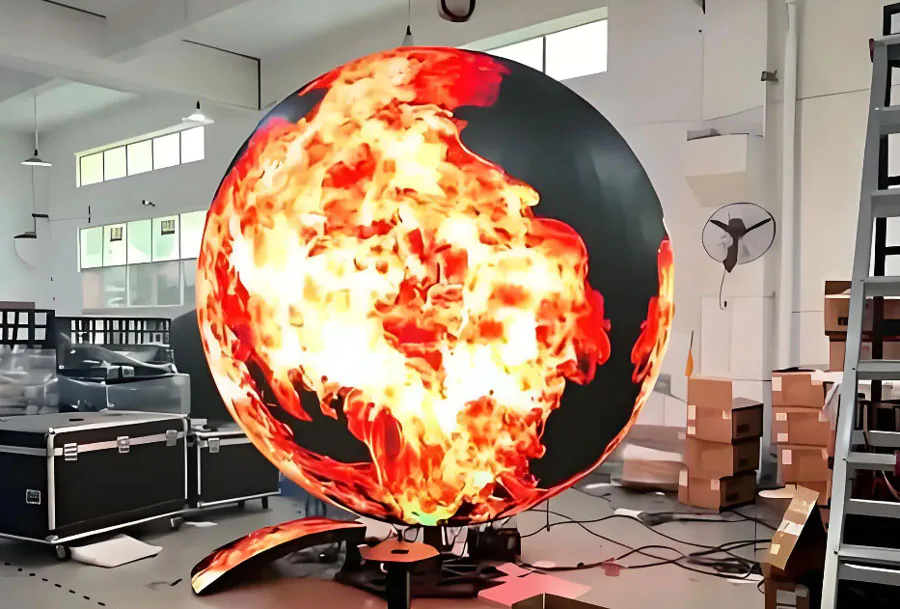
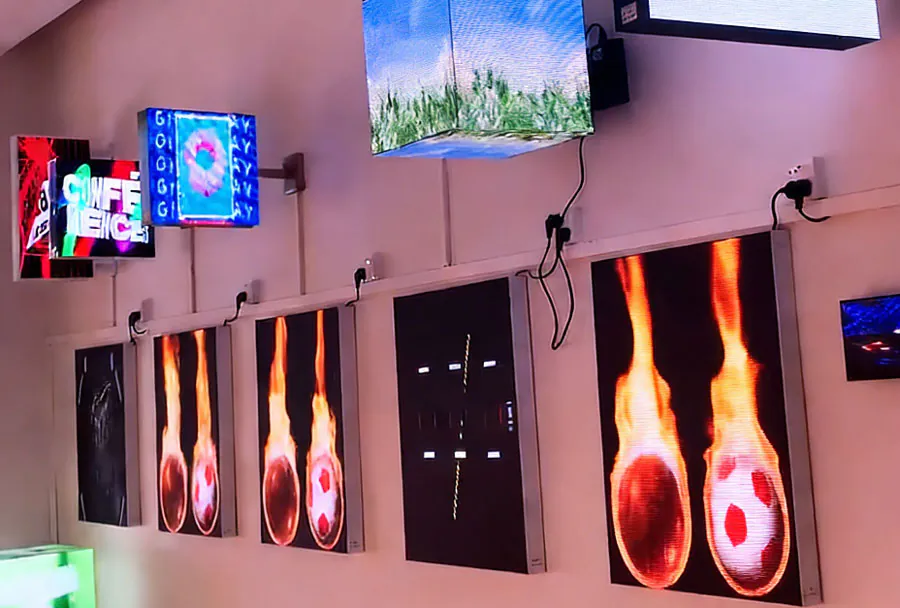
Transparent LEDs and creatively shaped panels allow for unique stage designs and retail window integrations. They can carry a premium but sometimes deliver more bang for your buck when you need a “wow” effect on a modest budget because their novelty can make a smaller screen feel more spectacular.
Key Cost Drivers for LED Screen Rentals
Pixel Pitch and Resolution
Pixel pitch (distance between pixel centers) heavily influences price. Smaller pitch (e.g., 1.2mm) = higher resolution = higher rental cost. For general corporate events or trade show booths viewed from a few meters away, 2.5–3.9mm often provides a strong balance between quality and price.
Screen Size and Configuration
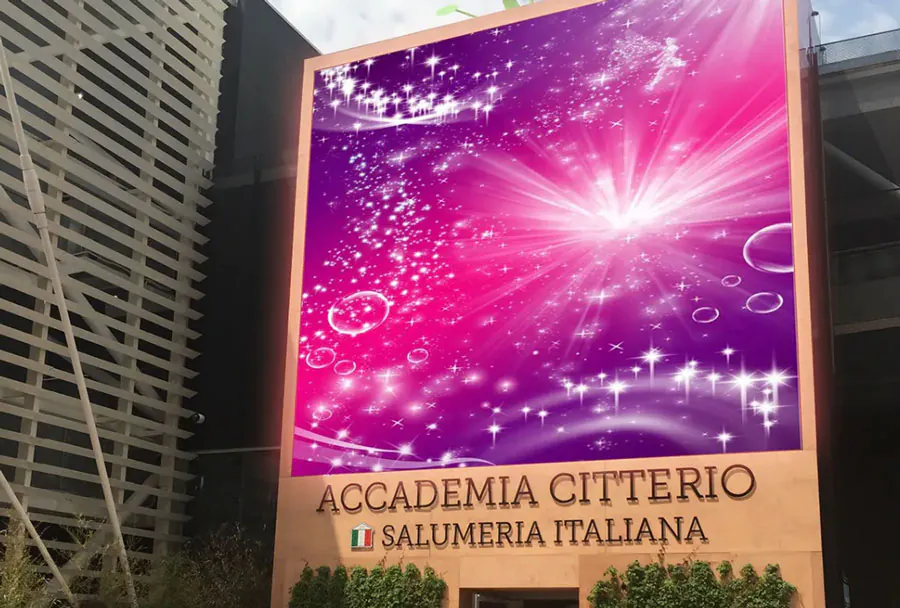
Larger screens require more panels and more labor to install, increasing the daily rental rate and setup fees. Custom shapes, curved walls, and multi-screen setups escalate complexity and cost. Vendors may offer standard package sizes with discounted rates compared to fully custom builds.
Duration, Delivery and Labor
Rental duration affects total cost. Many companies offer day, multi-day, and weekly rates. Transport to venue, rigging, onsite technicians, and breakdown services add to the invoice. Urban vs. remote locations also alter delivery charges.
Processing Gear and Playback
Video processors, media servers, switchers, and cabling are essential—and sometimes rented separately. If you need high-frame-rate, multi-input switching, or synchronized multi-screen playback, expect higher equipment and technical fees.
Budget Tiers and What to Expect
Entrant Budget: Basic, Cost-Conscious Options
– Typical needs: small conferences, storefront events, small trade show booths, intimate concerts.
– Technical specs: pixel pitch 3.9–4.8mm, modular rental tiles, standard aspect ratios.
– Cost drivers: day-rate for a 6–10 sq. m. screen, minimal rigging, limited processing.
– What to expect: crisp imagery at standard viewing distance (5–10 ft+), basic support, and straightforward install.
Mid-Range Budget: Balanced Performance & Value
– Typical needs: medium-sized conferences, product launches, larger trade shows.
– Technical specs: pixel pitch 2.5–3.0mm, higher brightness and color calibration, enhanced processing.
– Cost drivers: larger surface area, multi-day rental discounts, professional AV crew.
– What to expect: excellent readability at closer distances, integrated playback solutions, reliable onsite tech support.
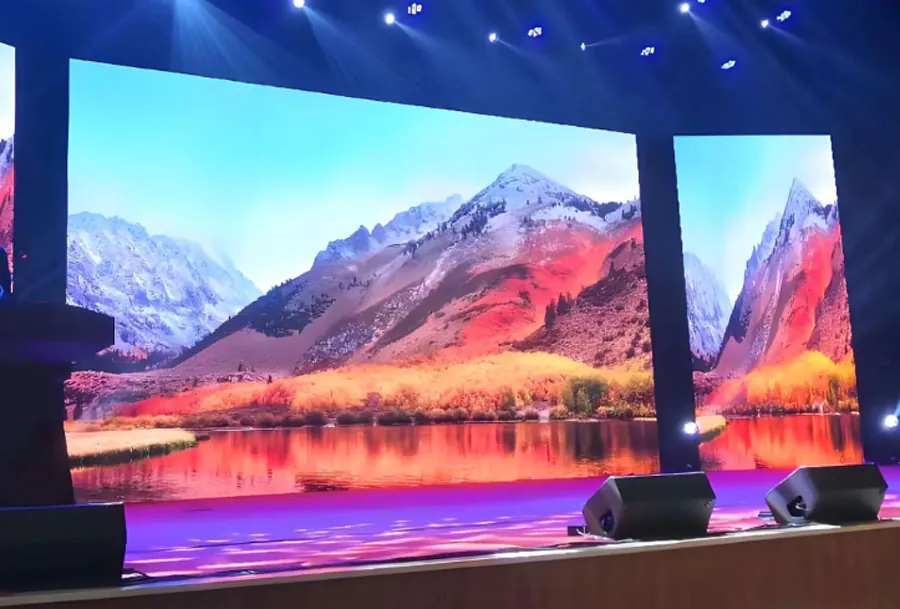
High Budget: Premium, Feature-Rich Installations
– Typical needs: large corporate events, televised productions, award shows.
– Technical specs: 1.2–2.0mm pixel pitch, redundant systems, advanced processing and color grading.
– Cost drivers: top-tier processing, extensive labor, multiple camera feeds, custom scenic integration.
– What to expect: broadcast-quality visuals, full technical crew, and absolute reliability.
Cost Breakdown: Where Your Budget Goes
– Base rental fee: panel space and standard accessories.
– Shipping and logistics: packing, transport, and insurance.
– Installation and teardown: riggers, electricians, and technicians by the hour.
– Control systems and playback: media servers, scalers, and software.
– Insurance and contingency: damage waivers and extra parts.
Knowing these categories helps you negotiate a package that aligns with your budget. Often, you can reduce costs by bringing your own playback laptop, accepting a smaller screen, or scheduling setup during off-peak hours.
Analysis Table: Comparing Common Rental Options
| Option | Typical Pixel Pitch | Ideal Use Case | Average Rental Cost (per day, USD) | Recommended Budget Level |
|---|---|---|---|---|
| Basic Rental Panel | 3.9–4.8mm | Small booths, corporate meetings, storefronts | $250–$600 per m2 | Low |
| Mid-Range Tile | 2.5–3.0mm | Medium events, conferences, launches | $400–$900 per m2 | Mid |
| Fine-Pitch Indoor LED | 1.2–2.0mm | Close-view stages, high-detail video | $800–$1,800 per m2 | High |
| Transparent/Creative LED | 2.5–3.9mm | Retail windows, creative stage design | $600–$1,500 per m2 | Mid–High |
| Rental Kit (Panels + Processor) | Varies | Full-package events, multi-day shows | $1,200–$5,000 package/day | Low–High (depending on scale) |
Note: Prices vary by region, vendor, and event timing. The table gives a practical approximation to help plan.
How to Choose the Most Affordable Option Without Compromising Quality
1. Define Viewing Distance and Audience Size
Calculate pixel pitch based on the nearest viewer distance. A simple rule: viewing distance in meters ≈ pixel pitch in mm times a factor (e.g., people seeing the screen from 3–5 meters can comfortably use 2.5–3.9mm). Over-specifying resolution is a common cost pitfall.
2. Size Strategically
Choose the smallest screen size that still supports legibility and visual impact. Use borders, stage lighting, and creative content to amplify perceived size. A well-placed 6m x 3m screen can outperform a poorly positioned 8m x 4m screen.
3. Bundle Smartly
Rent panels with processing gear and tech support as a single package. Bundles often reduce hourly labor fees and eliminate hidden costs. Ask for a line-item quote to compare bundled vs. à la carte pricing.
4. Time Your Rental
Weekends and peak seasons typically cost more. If your schedule is flexible, negotiate mid-week rates or take advantage of off-peak discounts.
5. Bring Your Own Content & Playback
If your organization can supply a tested media server or playback laptop that the rental house approves, you can often save on media server rental fees—just confirm compatibility and run a tech rehearsal.
Negotiation Tips & Questions to Ask Vendors
– Ask for a detailed breakdown: panels, flight cases, processor, cabling, labor, delivery.
– Inquire about insurance or damage waivers and whether they’re optional.
– Request references and recent event photos for the specific model you’ll rent.
– Confirm redundancy: will they provide spare panels and a backup processor?
– Check power requirements and venue compatibility in advance.
– Negotiate a cap on overtime labor to avoid unexpected hours charges.
Typical Hidden Costs and How to Avoid Them
– Power and distribution: large LED walls require substantial power; check if the vendor includes power distro or if you must arrange it.
– Rigging and scaffolding: some venues require certified riggers—confirm whether this is included.
– Calibration and content formatting: color matching and aspect-ratio conversion sometimes come with fees—prepare content in the vendor’s specified formats to avoid charges.
– Late changes: last-minute design changes or additional screens can spike invoices. Lock in specs early and allow contingency in your budget.
Real-World Examples: Budget-Friendly Configurations
– Low-Budget Trade Show Booth: 3.9mm 3m x 2m LED wall, basic processor, delivery/installation—ideal for $1,200–$3,500 per day depending on location.
– Mid-Budget Product Launch: 2.5mm 6m x 3m wall, dedicated media server, one onsite tech, multi-day rental—budget $7,000–$18,000.
– High-Impact Retail Activation: transparent LED panels 4m x 2m, creative mounting, custom content, multi-week placement—budget $12,000+ for setup and weekly rental.
Working With Your AV Vendor: Best Practices
– Schedule a tech run: verify content playback, color, and synchronization early.
– Document everything: confirm specs, timelines, and responsibilities in writing.
– Ask for a floor plan: ensure the vendor produces an installation diagram and load-in schedule.
– Test backups: ensure media and power redundancy are in place and practiced.
– Be clear on labor windows: specify arrival, install, event start/end, and teardown times.
Final Recommendations and Decision Checklist
Before signing a rental agreement, run through this quick checklist:
– Have you defined ideal viewing distance and required resolution?
– Did you confirm total rental days and associated daily rates?
– Is delivery, rigging, and on-site tech included or extra?
– Are all power and venue requirements met (including permits)?
– Did you get detailed invoicing to compare vendors apples-to-apples?
– Have you allowed for contingency in both budget and time?
If you’re on a tight budget, prioritize pixel pitch and viewing distance, bundle equipment and labor, and schedule off-peak. If you have a mid-level budget, aim for tighter pixel pitch and included tech support. For high-budget needs, demand redundancy, fine-pitch LED, and full technical crews.
Maximize Impact Without Breaking the Bank
Indoor LED screen rentals offer tremendous flexibility and visual power for events, activations, and presentations. With careful planning—matching pixel pitch to viewing distance, choosing the right size, bundling packages, and negotiating smartly—you can find affordable options for any budget. Use the analysis table and the budgeting tips here to evaluate vendors objectively and secure a rental that delivers reliable performance and the visual impact your event needs. Renting allows you to access cutting-edge LED technology when you need it without a large capital investment—empowering you to put the spotlight on your content, not your budget.