2026 Big LED Screen Rental Prices and Package Options

The market for large LED screen rentals has continued to mature into 2026, driven by increased demand for high-resolution outdoor displays, hybrid-event livestreaming, and immersive fan experiences. Event organizers, advertisers, and production companies are balancing better image quality and modular flexibility against logistical costs like transport, rigging, and power. This article provides an operational and financial framework for understanding rental pricing and package options in 2026, plus practical buying and negotiating strategies.
Why 2026 Is Different: Technology and Market Drivers
Several trends that accelerated from 2022–2024 have become standard operating assumptions by 2026:
– Improved pixel density and HDR capability: Smaller pixel pitches and higher dynamic range are common even in rental stock, enabling closer viewing distances for stage events and conferences.
– Energy efficiency and cooling: Newer LED modules and driver ICs reduce power draw by 10–25% compared to older generation panels, which affects generator and venue power costs.
– Integration with 5G and cloud streaming: Live content and remote management over high-bandwidth, low-latency networks are more reliable, particularly for multicity coordinated events.
– Sustainability and circular rentals: More rental fleets offer refurbished and energy-rated options, and some contracts include recycling or take-back clauses.
– Dynamic pricing models: Providers increasingly use tiered and demand-sensitive pricing (peak-season surcharges, multi-day discounts, and bundled services).
These factors influence both the base rental rates and the ancillary fees that often dominate total event budgets.
Key Variables That Affect Rental Price
When you compare quotes, understand these variables:
– Screen size and total surface area (square meters or feet)
– Pixel pitch (mm) and resulting resolution as seen at typical viewing distance
– Outdoor vs. indoor rating (IP65 vs. IP20) and brightness (nits)
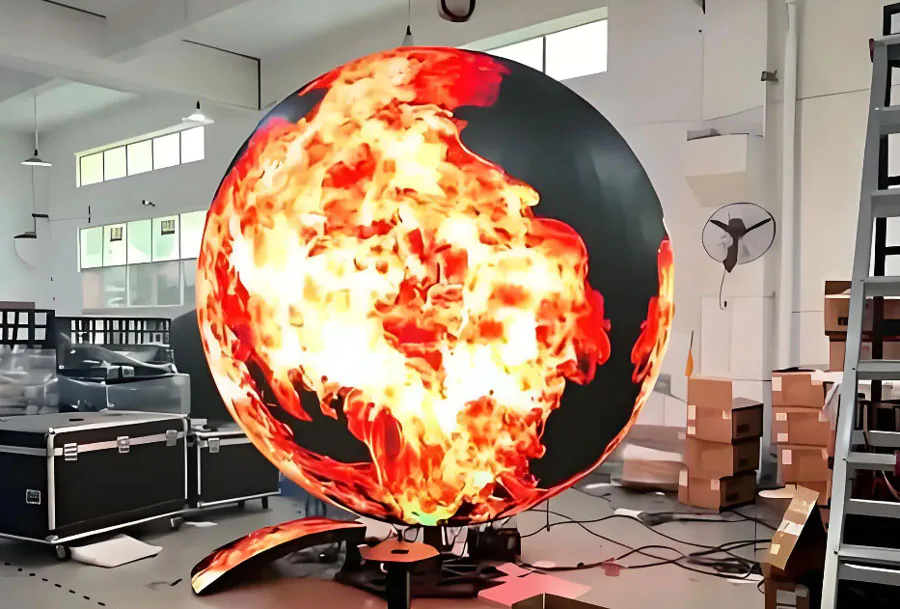
– Curvature, rigging complexity, and custom shapes
– Duration and timing (weekday vs. weekend, single-day vs. multi-day)
– Transport distance, setup complexity, and crane/rigging requirements
– Technician support, content playback systems, and redundancy
– Permits, power distribution, and insurance
Below, I present a practical analysis table that maps typical package tiers to common specs and indicative rental prices for 2026. These are market-based estimates intended to help planning — actual quotes will vary by region and vendor.
Analysis Table — Typical 2026 Rental Packages (Indicative)
| Package Tier | Screen Size (ft) | Pixel Pitch (mm) | Best Use Cases | Estimated Rental Price (per day, USD) |
|---|---|---|---|---|
| Basic Outdoor | 10 x 6 (60 ft2) | 6.0–8.0 | Small outdoor stages, trade show 2D backdrops | $800 – $1,800 |
| Standard Event | 16 x 9 (144 ft2) | 3.9–5.2 | Concert side screens, corporate events, medium signage | $2,500 – $6,500 |
| Premium Stage | 30 x 12 (360 ft2) | 2.5–3.9 | Large concerts, festival main displays, sporting advertising | $8,000 – $20,000 |
| High-Res Indoor | 20 x 8 (160 ft2) | 1.2–2.5 | Corporate lobbies, product launches, broadcast sets | $6,000 – $12,000 |
| Custom & Touring | Variable / Modular | 0.9–4.0 | Custom curved walls, touring stages, stadium wraps | $12,000+ (day) — project pricing |
Notes: Prices are daily base rental ranges and typically exclude transport, setup, crew, content playback system, insurance, and taxes. Many vendors provide discounts for multi-day bookings (commonly 10–30% off total), and week rates are frequently negotiated.
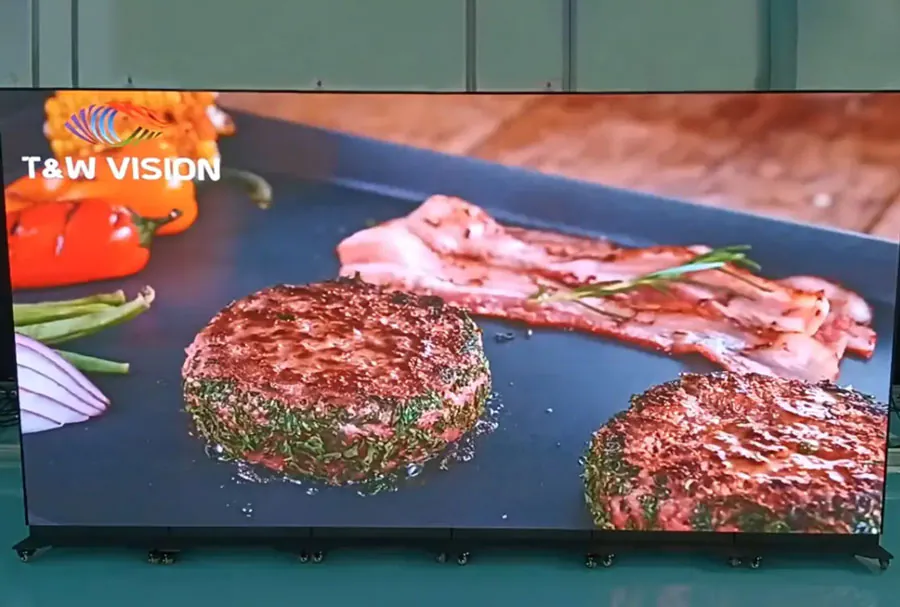
Breakdown of Typical Cost Components
A rental quote often separates base-screen rental from add-ons. Understand these categories:
– Base rental: Cost for the panels and standard control system.
– Rigging & structure: Staging, truss, flying points, and safety hardware. For large outdoor rigs, this can be 15–40% of the base cost.
– Transport & logistics: Trucks, distance, and labor. Local moves might be a flat fee; interstate or cross-country moves increase steeply.
– Power & generators: Rental of distribution, cables, and generators — critical for outdoor night events; can be a major expense for high-brightness screens.
– Technicians & operators: Onsite engineers for setup, calibration, and playback. Most vendors require at least one certified operator per 100–200 ft2.
– Playback, routing, and media servers: Video servers, switchers, and broadcast-grade routing may be included in premium packages or billed separately.
– Permits & insurance: Venue permits, road closures, and event insurance required in many municipalities.
– Content prep: Pixel-mapping, masking, and warping for unusual shapes or curved walls.
Combined, these extras can double the apparent base rental price if not forecasted in advance.
Package Options and How to Choose
When selecting a package, align choices with the audience experience and budget:
– For outdoor advertising or festival periphery: Prioritize brightness (6,000–8,000 nits), weatherproofing, and modular repairability. Pixel pitch can be wider (4–8 mm) if viewing distances exceed 8–10 meters.
– For live concerts and stadiums: Large surface area and high luminance are critical. Use redundancy (backup controllers and spare tiles). Expect rigging complexity and higher tech crew fees.
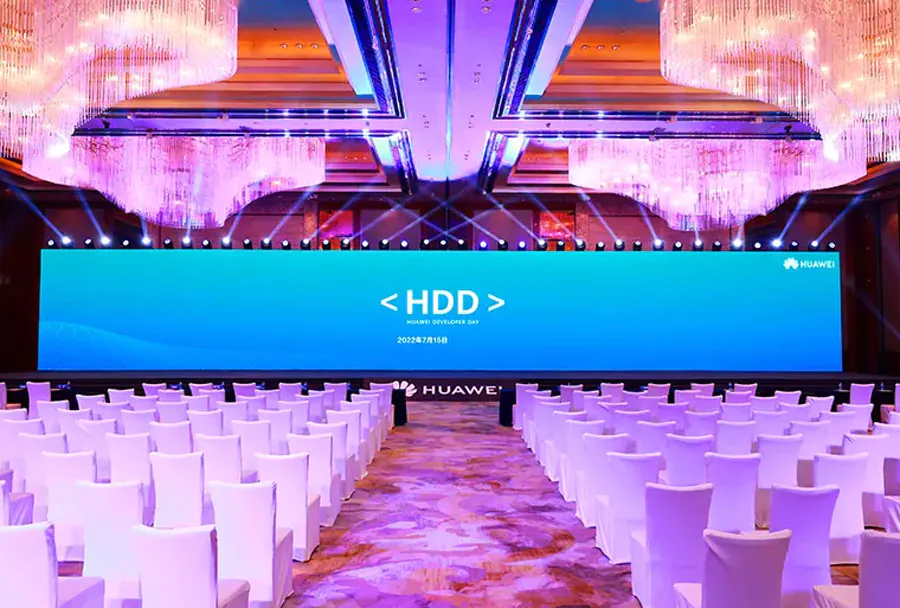
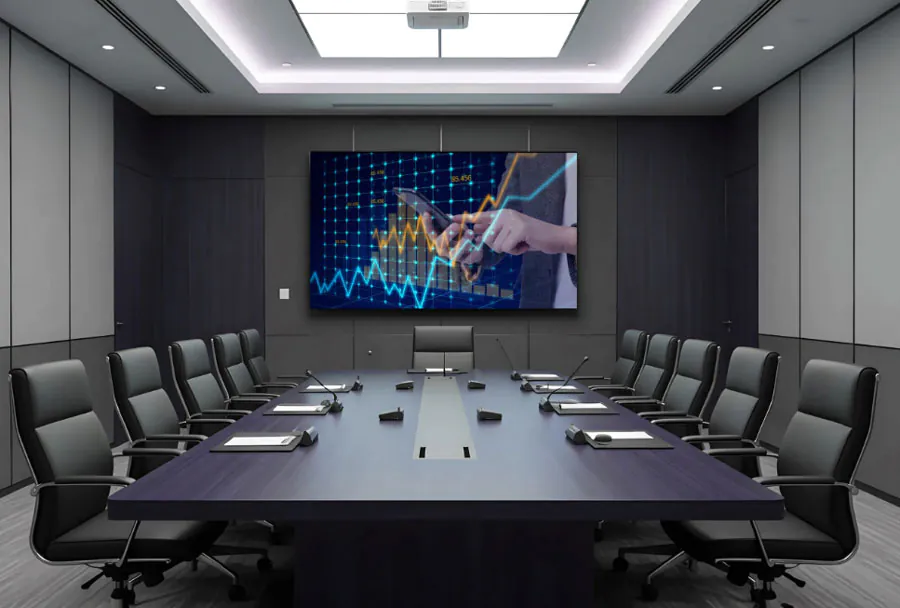
– For corporate events and indoor conferences: High-res (1.5–2.5 mm pixel pitch), lower brightness, and seamless tile joins for close viewing. Add color-calibration and broadcast-quality media servers for professional content.
– For hybrid/streamed events: Include high-reliability streaming encoders, remote content control, and spare network links. Test 5G or wired backhaul in advance.
– For touring productions: Modular and lightweight panels with fast-locking mechanisms speed load-in/out. Negotiate long-term fleet rates.
Negotiation and Cost-Saving Strategies
– Book early: Secure inventory and better rates by reserving 60–120 days in advance for major dates.
– Consolidate vendors: Use the same supplier for screen, rigging, and power to reduce handoff costs and markup.
– Multi-day discounts: Ask for sliding scale pricing; many vendors reduce daily rates after day three.
– Off-peak scheduling: Non-weekend or off-season dates often attract lower pricing.
– Opt for refurbished panels: For shorter events where perfect pixel uniformity is less critical, refurbished units lower base costs.
– Bundle services: Including tech support and content prep in one package often reduces total cost compared to separate line items.
– Share costs: For community or festival settings, share a large display across multiple sponsors to lower per-client costs.
Technical Considerations: Pixel Pitch, Brightness, and Viewing Distance
Choosing pixel pitch should be driven by viewing distance:
– Recommended minimum viewing distance (meters) ≈ pixel pitch (mm) × 1.5 to 2.5. For example, a 2.5mm pitch is ideal for 3.5–6 meters.
– For outdoor large signage, larger pitches (6–8mm) are acceptable because viewers are farther away.
– Brightness: Daytime outdoor events typically need 5,000–8,000 nits. Nighttime or indoor events require far less (800–1,500 nits), which can reduce power and cooling needs.
– Refresh rate & camera-friendliness: For events that will be filmed, a high refresh rate (≥3,840 Hz in 2026 standard) avoids flicker on broadcast cameras.
– Curved and immersive walls: Require precision mapping and seams under careful control; request a pre-event calibration window.
Supply Chain and Inventory Realities in 2026
By 2026, many rental houses have standardized on modular systems with cross-compatible locking mechanisms and common power/distribution units. However, global supply volatility still impacts availability of very low pixel-pitch panels and the latest HDR-capable modules. If you require cutting-edge 0.9–1.2 mm panels for close-proximity indoor use, plan for higher costs and earlier bookings.
Case Studies: Typical Event Budgets
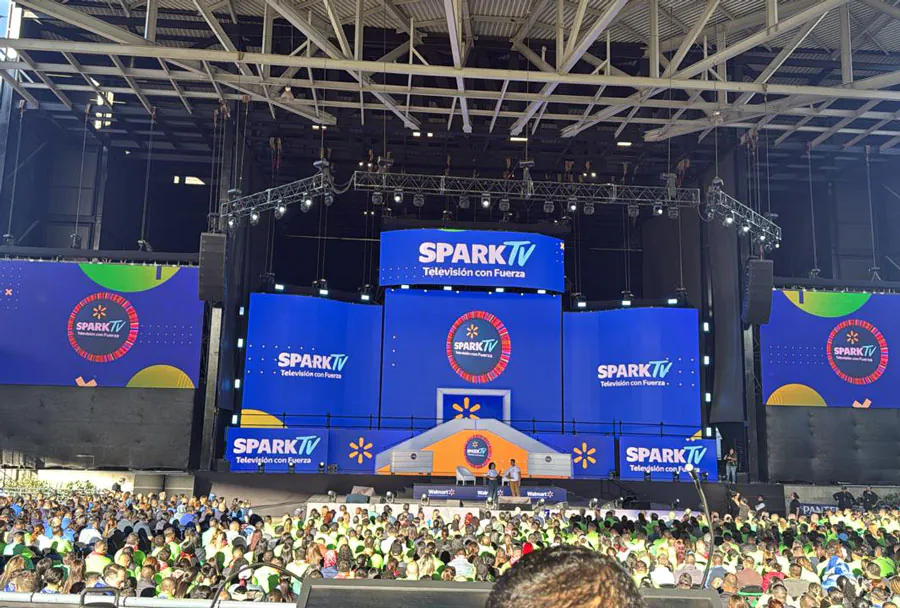
– Local festival: Two 16 x 9 screens (standard event packages), two technicians, generator, and local transport. Estimated total for 2-day festival: $18k–$30k.
– Corporate product launch (indoor): One 20 x 8 high-res wall, media server, calibration, demo day + setup day, 3 technicians. Estimated total: $28k–$55k depending on production values.
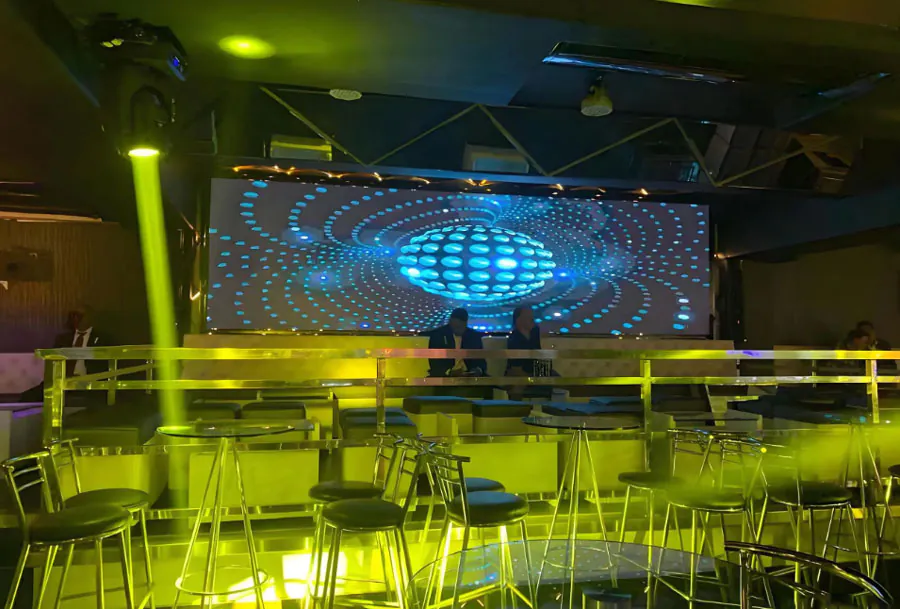
– Touring concert (headline act): One 30 x 12 main screen, two side-fill screens, full touring crew, rigging, transport across cities. Per-city estimate: $40k–$120k; multi-city tours negotiated as a package.
These examples show how ancillary costs rapidly increase total event spend.
Checklist Before Signing a Rental Contract
– Confirm panel specs: pixel pitch, nits, refresh rate, IP rating.
– Ask for a floor plan and rigging plot showing weight loads.
– Confirm power requirements and generator capacity with headroom.
– Clarify who provides the media server, switcher, and playback operator.
– Specify setup and strike times; request detailed labor hours and overtime rates.
– Verify insurance limits and who is responsible for damage or theft.
– Request a redundancy plan for critical events (spare modules, backup controllers).
– Get an itemized quote including taxes, permits, and potential surcharges.
Future-Proofing: Trends to Watch Beyond 2026
– Smaller pixel pitches (sub-1 mm) will become more accessible for rental but remain premium.
– Increased AI-driven content scaling will make it easier to repurpose assets across screen sizes and shapes.
– Broader adoption of HDR and extended color gamut displays will raise expectations for content creators.
– Sustainable practices will become a pricing differentiator: providers that measure carbon or provide energy-efficient fleets will command premium but may offset costs through lower operating expenses.
– Real-time interaction and AR overlays powered by edge compute and 5G will demand integrated solutions from rental providers.
Building a Balanced LED Rental Plan for 2026
In 2026, big LED screen rental pricing reflects a balance between improved panel capabilities and persistent logistical complexity. The headline rental fee is only part of the total cost — rigging, transport, power, technicians, and permits often drive budget decisions. To get the best value:
– Define the audience experience first (viewing distance, indoor/outdoor, camera use).
– Request itemized proposals and compare total cost (not just daily screen price).
– Lock in inventory early and negotiate multi-day partnerships.
– Prioritize technical redundancy for mission-critical events.
– Consider sustainability and long-term partnerships with reputable rental firms.
Use the analysis table and checklist above to help structure conversations with vendors. With careful planning, you can leverage 2026’s advanced LED capabilities while keeping costs predictable and aligned with event goals.