Flexible LED Screen Solutions: Custom Curved and Creative LED Screens by TW VISION

Introduction
In today’s fast-moving visual economy, brands, venues, and event organizers need display technology that does more than simply show content. They need immersive, adaptable, and memorable digital solutions that fit unique spaces and creative concepts. Flexible LED Screen Solutions are designed to meet that demand by combining innovation, visual impact, and structural versatility. From retail environments and exhibitions to stage productions and architectural installations, flexible LED displays help transform ordinary surfaces into dynamic communication tools.
Table of Contents
- Introduction
- Why Flexible LED Displays Are Transforming Modern Visual Communication
- Key Features and Technical Advantages of TW VISION Flexible LED Screens
- Best Applications for Custom Curved and Creative LED Screens
- Retail and Shopping Centers
- Events, Concerts, and Stage Productions
- Corporate Lobbies and Experience Centers
- Museums, Theme Parks, and Cultural Installations
- Architecture and Public Spaces
- How to Choose the Right Flexible LED Screen Solution
- Define the Project Objective
- Understand the Installation Environment
- Determine the Ideal Screen Shape and Dimensions
- Match Pixel Pitch to Viewing Distance
- Evaluate Content and Control Needs
- Consider Maintenance and Serviceability
- Choose a Trusted Manufacturing Partner
- Business Benefits of Investing in Flexible LED Innovation
- FAQ
- What are flexible LED screens used for?
- How are custom curved LED screens different from standard LED displays?
- Are flexible LED screens suitable for both indoor and outdoor use?
- What should I consider before buying a flexible LED screen?
- Why choose TW VISION for creative LED screen projects?
- Conclusion
What makes these systems especially valuable is their ability to bend, curve, wrap, and conform to custom designs while still delivering high brightness, clarity, and reliability. In this article, we will explore the benefits, applications, technical considerations, and business value of Flexible LED Screen Solutions for organizations seeking standout visual performance.
Why Flexible LED Displays Are Transforming Modern Visual Communication
The display industry has evolved far beyond flat, rectangular screens. Today, creative freedom matters just as much as image quality. Flexible LED Screen Solutions empower designers, marketers, and venue operators to build visual experiences that align with bold architectural and branding ideas.
Unlike conventional LED panels, flexible LED screens can adapt to curved walls, columns, wave-shaped structures, circular frames, and irregular surfaces. This makes them ideal for projects where aesthetics and space integration are top priorities. Businesses no longer have to compromise between a compelling design and effective digital communication.
One of the biggest reasons for the growing popularity of Flexible LED Screen Solutions is their ability to create immersive environments.
These solutions also offer practical advantages. Flexible LED technology often features lightweight modules, modular assembly, and adaptable mounting systems. That means installation can be more efficient, especially in spaces where rigid displays would be difficult to use. Maintenance is also improved through modular replacement options, helping reduce downtime and extending product life.
From a branding perspective, unique screen shapes provide a major competitive edge. A creative LED installation naturally attracts more interest than a standard display. This visibility can increase foot traffic, improve social sharing, and strengthen brand recall. For companies looking to differentiate themselves, Flexible LED Screen Solutions can be a strategic investment in both design and marketing performance.
Key Features and Technical Advantages of TW VISION Flexible LED Screens
When evaluating LED display systems, performance and adaptability should go hand in hand. Flexible LED Screen Solutions are engineered to deliver both. They combine structural flexibility with the technical capabilities needed for demanding commercial, entertainment, and public-facing environments.
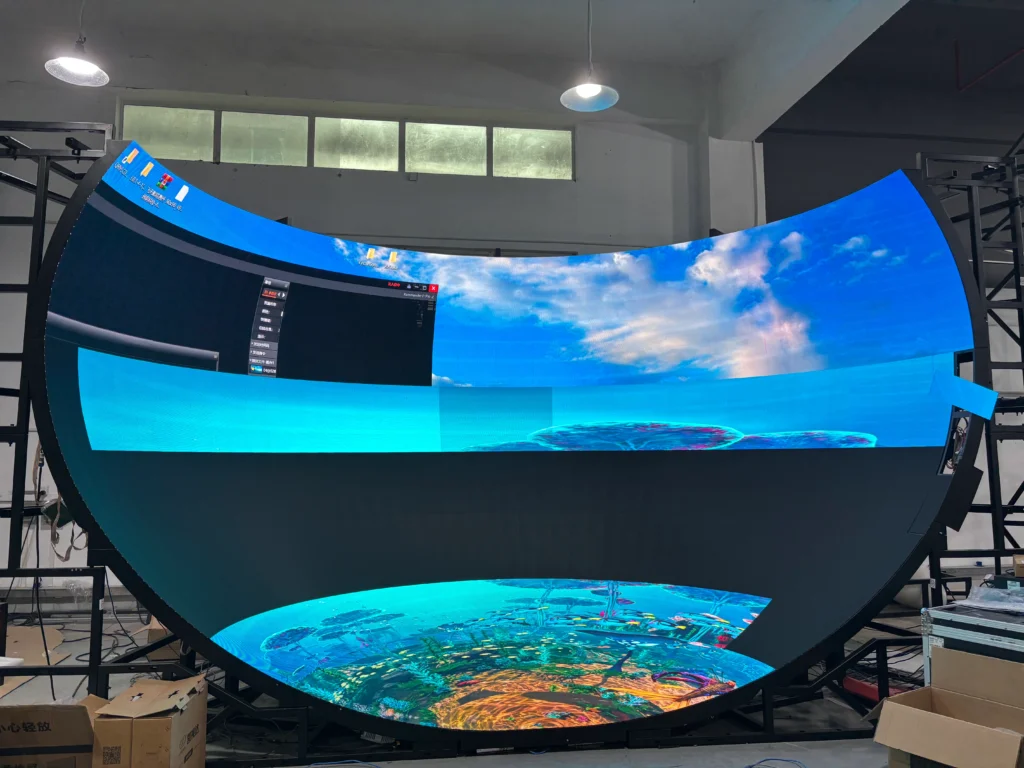
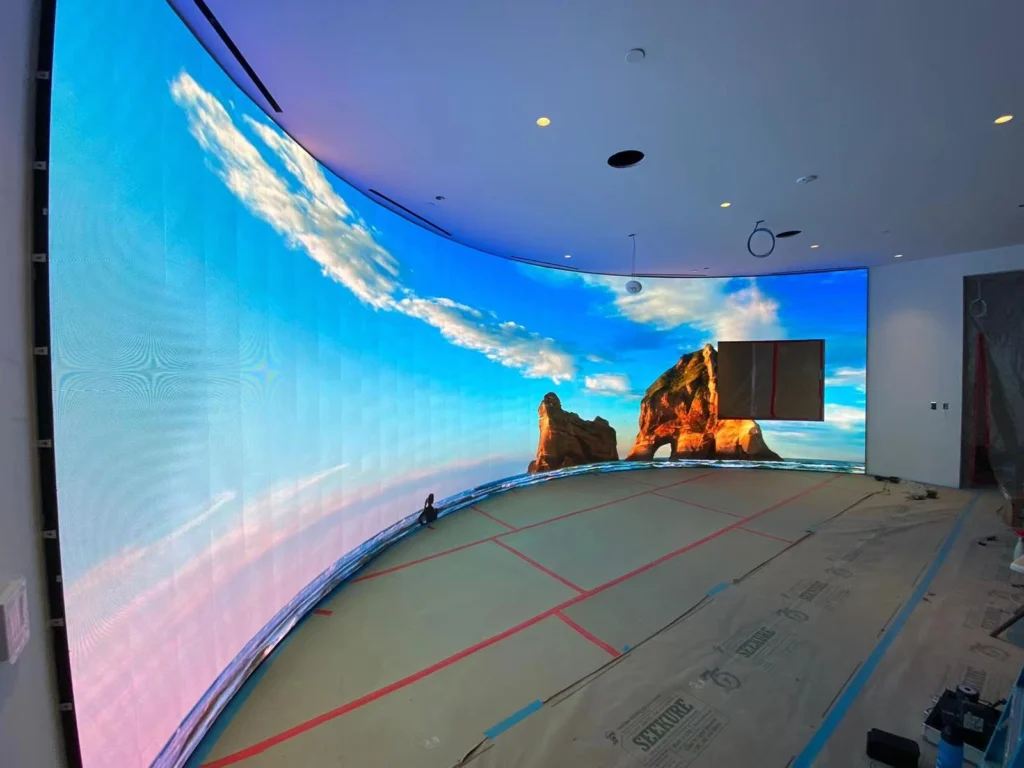
A major feature is bendability. Flexible LED modules are designed to conform to convex and concave surfaces, allowing for customized configurations that fit specific project dimensions. Whether the goal is a smooth cylindrical wrap, a curved immersive wall, or an artistic freeform shape, these screens support a wide range of creative outcomes.
Image quality is another critical strength. Flexible LED Screen Solutions can offer high brightness, strong contrast, vivid color reproduction, and seamless visual continuity. This is essential for maintaining impact in settings such as shopping malls, broadcast studios, conference venues, and outdoor promotional environments where content must remain clear and engaging.
Durability also matters. LED displays used in commercial settings must withstand frequent operation, transport, assembly, and environmental stress. TW VISION’s flexible screen systems are built with dependable materials and modular structures that support long-term use. For temporary events, rental applications, or touring productions, this resilience is especially important.
Another technical advantage is versatile pixel pitch selection. Different applications require different viewing distances and image detail levels. Fine-pitch options are excellent for indoor environments with close-up viewing, while larger pixel pitches may be suitable for large-format displays viewed from farther away. Choosing the right specification ensures the best balance of cost, clarity, and performance.
Control and content integration are equally important. Modern LED systems typically support advanced video processing, synchronized playback, and compatibility with a range of media sources. This allows organizations using Flexible LED Screen Solutions to deliver dynamic campaigns, real-time messaging, interactive experiences, and multi-screen visual coordination.
Energy efficiency can also play a role in total value. High-quality LED technologies are often designed to reduce unnecessary power consumption while maintaining brightness and consistency. For businesses operating displays for long hours, efficiency contributes to lower operational costs over time.
In short, the technical appeal of these displays lies in their ability to meet creative goals without sacrificing reliability, visual excellence, or system scalability.
Best Applications for Custom Curved and Creative LED Screens
One of the most compelling aspects of Flexible LED Screen Solutions is their broad application potential. Because they are not limited to flat installations, they open new possibilities across industries that depend on visual engagement, spatial design, and audience interaction.
Retail and Shopping Centers
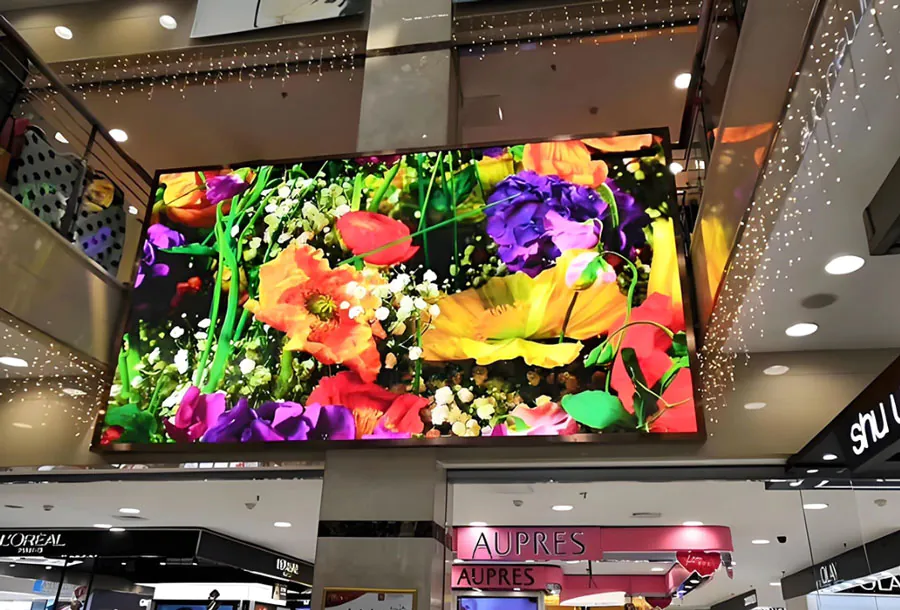
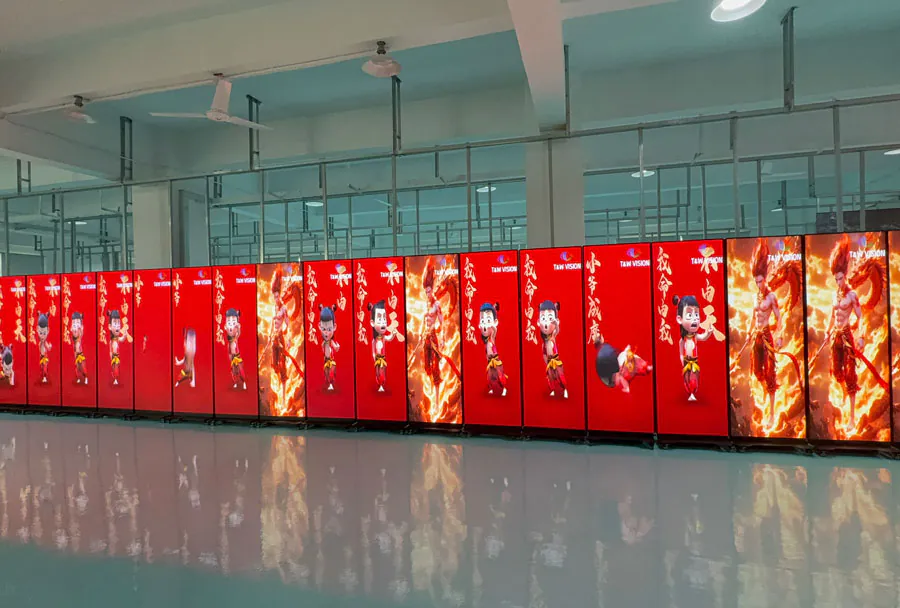
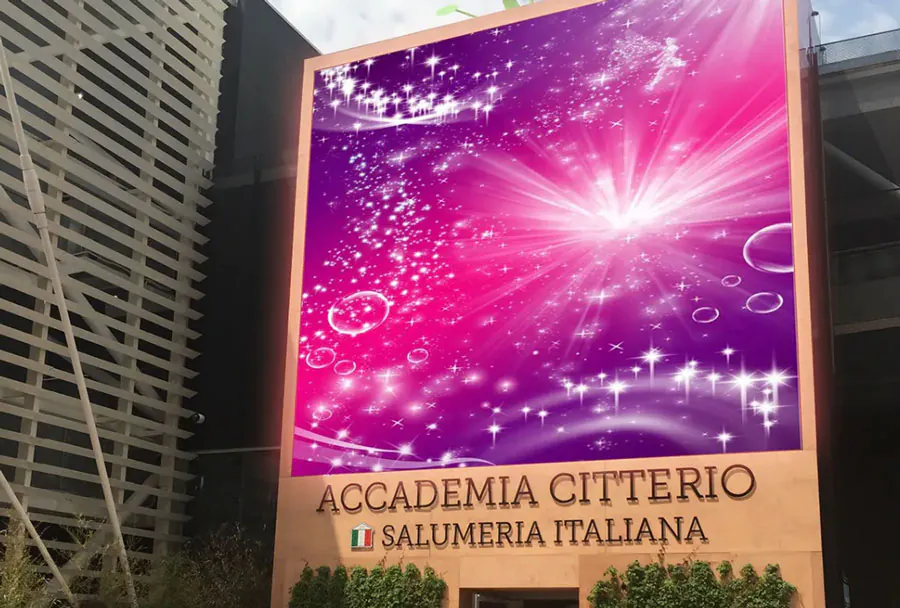
Retailers constantly compete for customer attention. A curved or creatively shaped LED display can instantly elevate storefront visibility and create a more premium brand presentation. Flexible screens can wrap around pillars, contour around entrances, or form centerpiece installations inside stores. They can be used for promotions, brand films, seasonal campaigns, and immersive product storytelling.
Events, Concerts, and Stage Productions
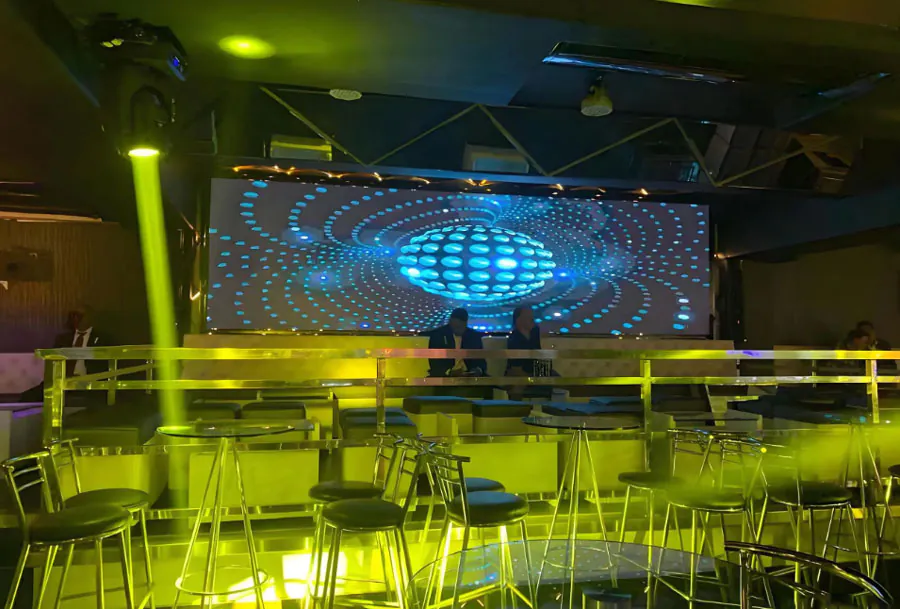
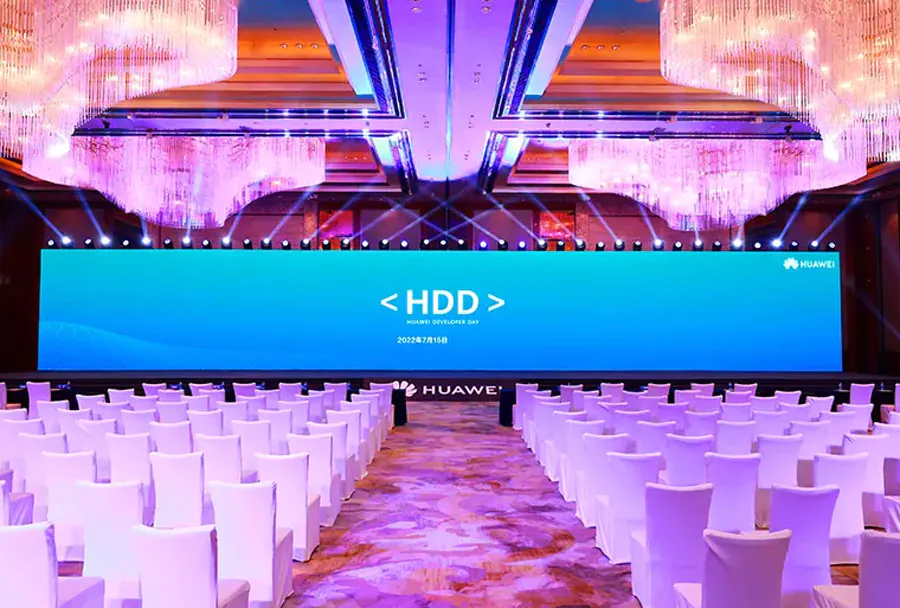
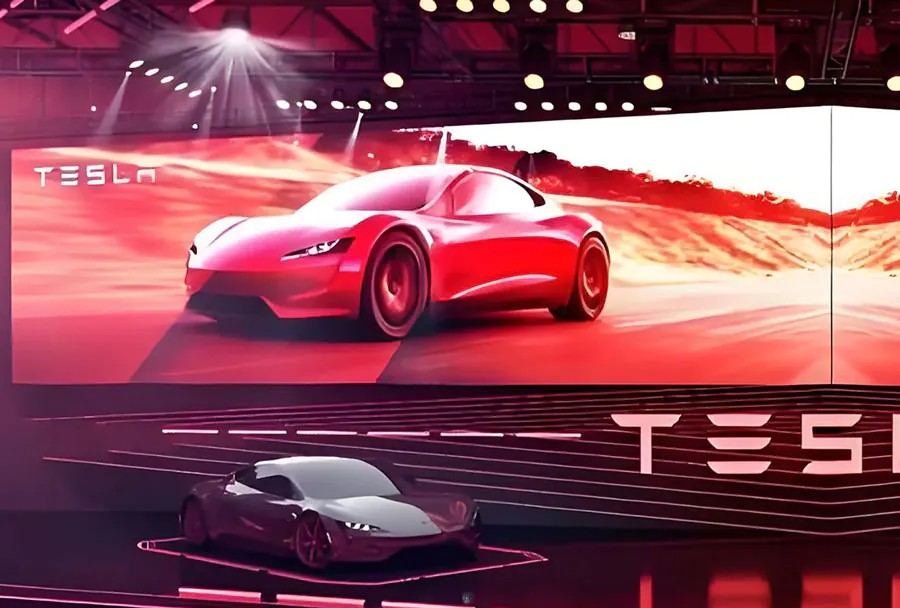
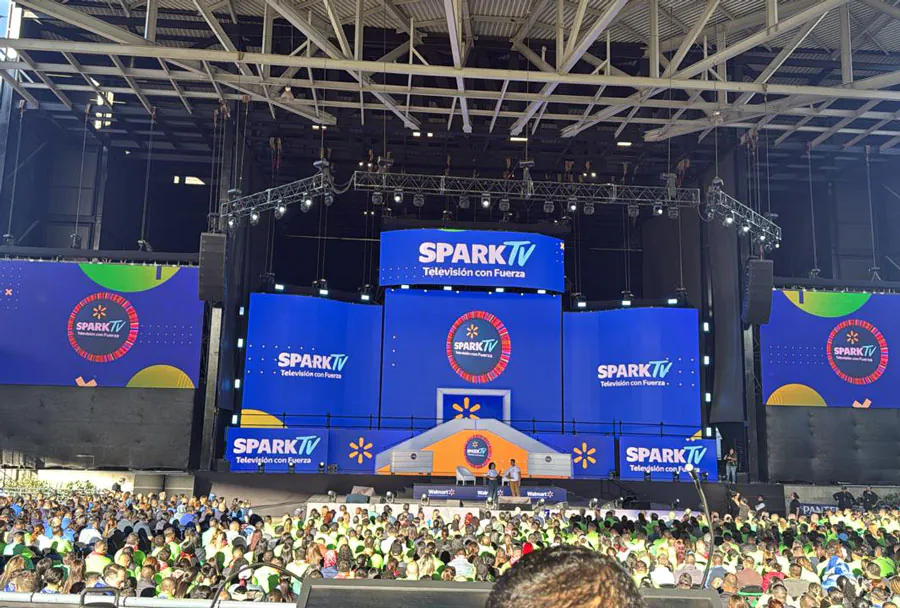
Live entertainment thrives on visual drama. Event producers use creative LED configurations to support stage design, enhance atmosphere, and deliver synchronized content experiences. Flexible LED Screen Solutions are especially effective for concert backdrops, DJ booths, fashion runways, product launches, and exhibition halls where visual originality matters.
Corporate Lobbies and Experience Centers
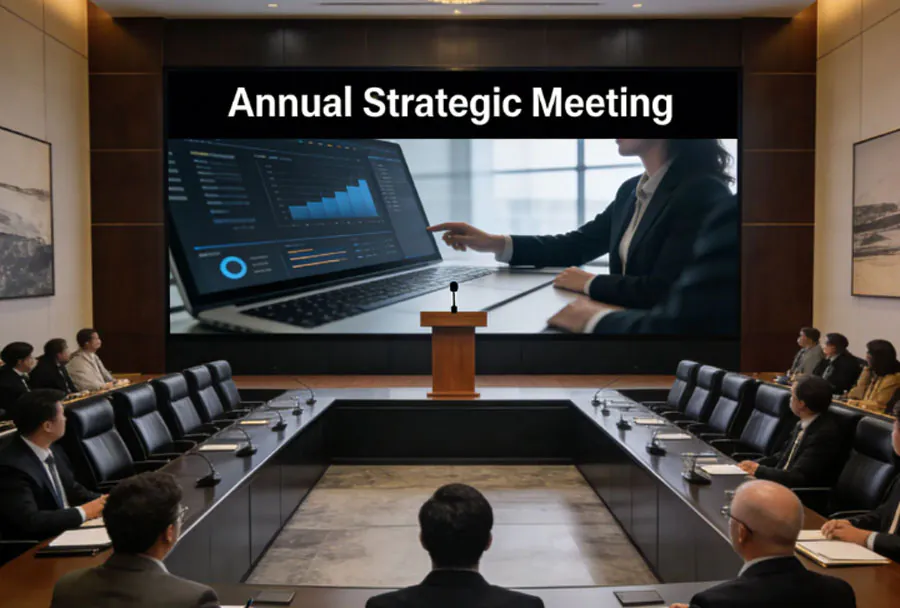
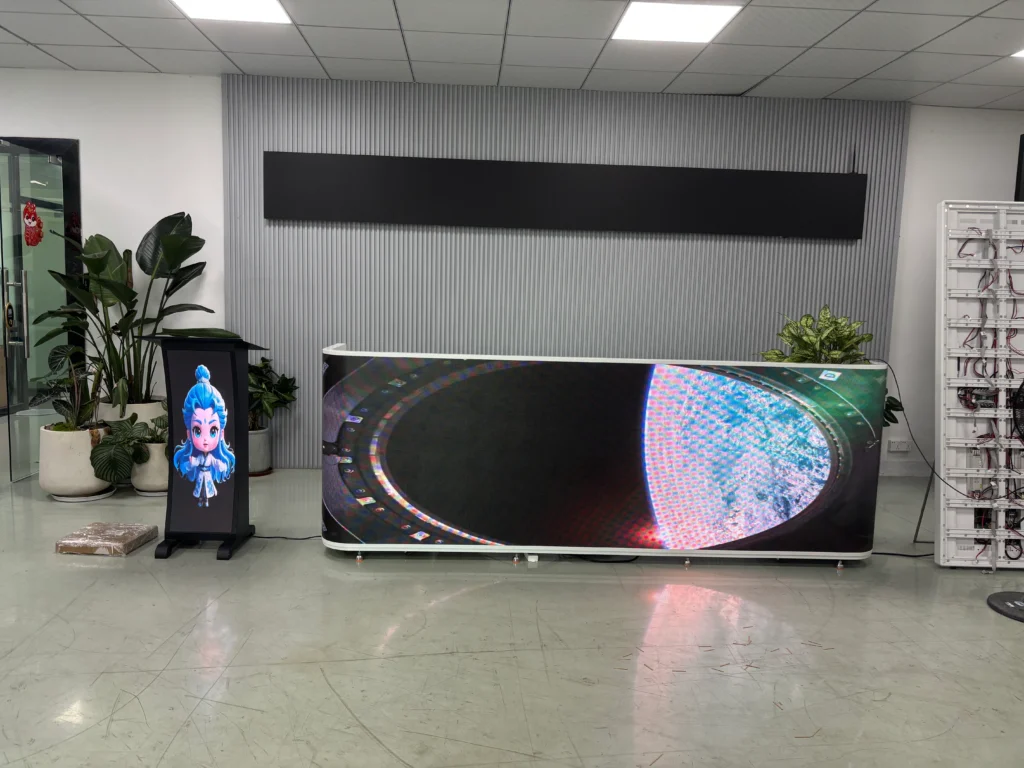
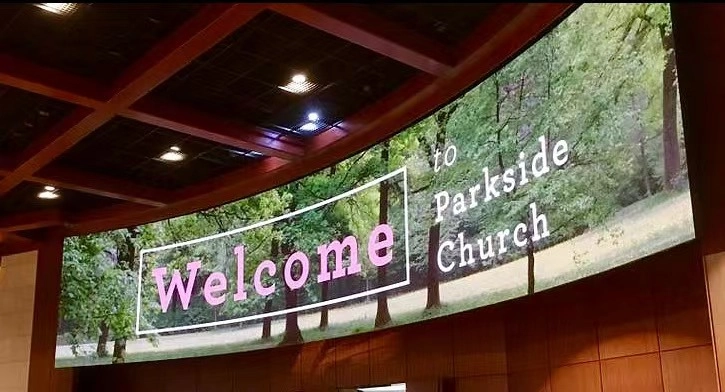
For corporate spaces, first impressions are vital. Flexible LED displays can transform reception areas and visitor centers into modern brand environments. A curved digital wall or artistic LED feature can communicate innovation, authority, and professionalism while also serving as a platform for company messaging, achievements, and interactive presentations.
Museums, Theme Parks, and Cultural Installations
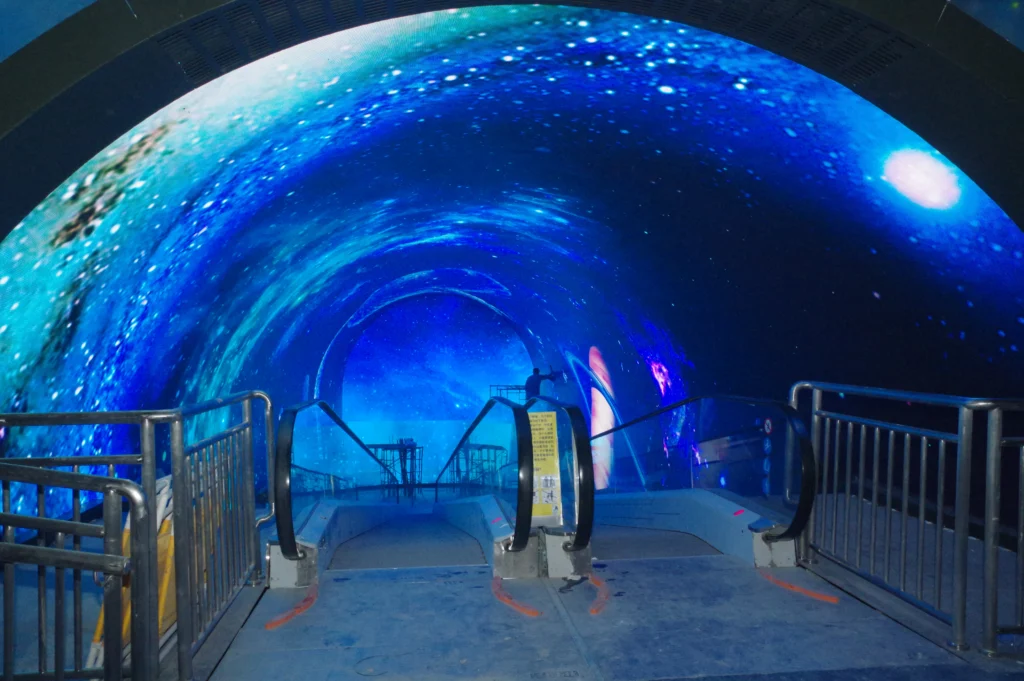
Institutions focused on education and entertainment benefit greatly from immersive technology. Flexible LED screens can follow the contours of exhibition spaces and scenic designs, creating memorable environments that encourage deeper engagement. Whether used for storytelling, ambient effects, or informational visuals, they help bridge physical design and digital content.
Architecture and Public Spaces
Architects and developers are increasingly integrating media technology into built environments. Flexible LED Screen Solutions can become part of a façade, ceiling feature, column wrap, or public art concept. This makes them suitable for airports, transit hubs, hotels, commercial complexes, and urban landmarks seeking high-impact digital design.
Because these screens can be tailored to the physical environment and messaging goals, they offer a rare combination of functionality and artistic flexibility. That is exactly why they continue to gain relevance across so many sectors.
How to Choose the Right Flexible LED Screen Solution
Selecting the ideal display system requires more than choosing a screen shape. To get the best results from Flexible LED Screen Solutions, organizations should evaluate several important factors related to design, performance, installation, and long-term usage.
Define the Project Objective
Start by clarifying the purpose of the installation. Is the screen meant to drive advertising, support entertainment, improve ambiance, or communicate information? The answer influences everything from size and resolution to brightness and control requirements.
Understand the Installation Environment
Indoor and outdoor applications have very different needs. When selecting LED display solutions, indoor displays may prioritize fine pixel pitch and aesthetic integration, while outdoor installations typically require higher brightness, weather resistance, and stronger structural protection. Moreover, environmental conditions such as sunlight exposure, humidity, and temperature should always be carefully considered to ensure reliable performance and long-term durability.
Determine the Ideal Screen Shape and Dimensions
Curved and creative LED projects often begin with the physical space. Measure carefully and identify whether the design requires a cylindrical, concave, convex, wave-like, corner-wrapping, or freeform structure. The flexibility of Flexible LED Screen Solutions allows for many possibilities, but accurate planning is essential for a smooth outcome.
Match Pixel Pitch to Viewing Distance
A common mistake is selecting resolution without considering audience proximity. Fine pixel pitch is better suited for viewers standing close to the screen, such as in showrooms or boardrooms. In contrast, larger pixel pitch options are more economical and practical for displays viewed from greater distances, such as stage backdrops or building features. Therefore, selecting the right pixel pitch depends on the viewing distance, application requirements, and overall project goals.
Evaluate Content and Control Needs
Think about what content the display will show. Will it run simple loops, live video, interactive visuals, or synchronized multi-display campaigns? The media server, controller, and processing system should align with the complexity of content delivery.
Consider Maintenance and Serviceability
Even the most innovative display should be easy to maintain. Modular designs with accessible service points reduce downtime and simplify repairs. This is particularly important for businesses that rely on continuous screen performance in public settings.
Choose a Trusted Manufacturing Partner
Working with an experienced supplier matters. A reliable LED partner should provide engineering guidance, customization support, quality assurance, installation expertise, and after-sales service. This is where Flexible LED Screen Solutions truly stand out. Moreover, they offer a solution-driven approach that supports both creative ambitions and operational confidence. In addition, these solutions enable businesses to explore more flexible design possibilities while maintaining reliable performance and long-term value. As a result, companies can achieve greater visual impact, improved efficiency, and stronger return on investment over time.
Making the right decision requires balancing aesthetics, technical requirements, and budget. When done properly, a flexible LED investment can deliver long-term value far beyond a traditional display format.
Business Benefits of Investing in Flexible LED Innovation
For organizations evaluating digital display technology, return on investment is a key concern. Beyond visual novelty, Flexible LED Screen Solutions provide measurable business advantages that can support marketing goals, customer engagement, and brand differentiation.
First, they increase visibility. Creative screen shapes naturally draw attention, making it easier to stand out in crowded commercial environments. In retail and public spaces, this can translate into higher engagement rates and stronger message retention.
Second, they improve brand perception. A customized LED installation signals innovation, quality, and modernity. Customers and visitors often associate advanced visual environments with forward-thinking brands. This can strengthen trust and create a more memorable impression.
Third, they support content flexibility. Unlike static signage, LED displays allow businesses to update messages instantly. Businesses can update promotions, announcements, live feeds, product highlights, and branded experiences as needed without replacing physical materials. This responsiveness helps organizations stay agile.
Fourth, these displays maximize space usage. Because Flexible LED Screen Solutions can adapt to columns, curves, corners, and unconventional architectural features, they can effectively utilize areas that might otherwise remain underused. In addition, this flexibility is especially valuable in premium commercial real estate, where every visual surface plays an important role in enhancing brand visibility and creating engaging experiences.
Fifth, they encourage social engagement. Unique visual installations are more likely to be photographed and shared online. That organic exposure can extend campaign reach beyond the physical site and contribute to stronger word-of-mouth visibility.
Finally, a well-designed flexible LED installation can serve multiple functions at once. It can act as advertising media, environmental design, audience engagement technology, and experiential branding. This multifunctional value helps justify the investment, particularly for venues and businesses seeking long-term strategic impact.
FAQ
What are flexible LED screens used for?
TW VISION provides Flexible LED Screen Solutions with custom curved and creative LED screens for retail displays, event stages, exhibitions, corporate lobbies, museums, architectural media features, and immersive brand experiences. Their main advantage is the ability to fit curved or unconventional surfaces while delivering dynamic digital content.
How are custom curved LED screens different from standard LED displays?
Compared with standard LED displays, which are usually flat and rectangular, Flexible LED Screen Solutions offer greater design flexibility. As a result, they can bend and adapt to unique shapes such as cylinders, arcs, waves, and other creative installations. This allows for more innovative visual designs and better integration with architectural concepts.
Are flexible LED screens suitable for both indoor and outdoor use?
Yes, depending on the model and technical specifications. TW VISION designs Flexible LED Screen Solutions: Custom Curved and Creative LED Screens that meet the needs of indoor applications requiring close-viewing clarity and outdoor environments demanding high brightness and durable weather-resistant performance.
What should I consider before buying a flexible LED screen?
You should evaluate the installation environment, viewing distance, pixel pitch, content requirements, structural design, maintenance access, and supplier expertise. Choosing Flexible LED Screen Solution with the right configuration helps ensure optimal performance and long-term value.
Why choose TW VISION for creative LED screen projects?
TW VISION offers customization, technical knowledge, product quality, and application-focused support. With Flexible LED Screen Solutions, clients can achieve distinctive display concepts that combine engineering reliability with strong visual impact.
Conclusion
As digital environments become more immersive and design-driven, businesses need display technology that can adapt to both creative ideas and practical demands. Flexible LED Screen Solutions offer that balance by delivering customizable form factors, excellent visual performance, and broad application versatility. Whether used for retail, events, architecture, public spaces, or experiential branding, these solutions can effectively enhance visual experiences. Furthermore, they not only help transform ordinary locations into high-impact visual destinations but also create more engaging and immersive environments. As a result, brands and organizations can deliver stronger visual communication and memorable experiences for their audiences.
By investing in Flexible LED Screen Solutions organizations can elevate brand visibility, improve audience engagement, and make better use of their physical spaces. For any project that requires innovation beyond the flat screen, flexible LED technology represents a powerful step forward.