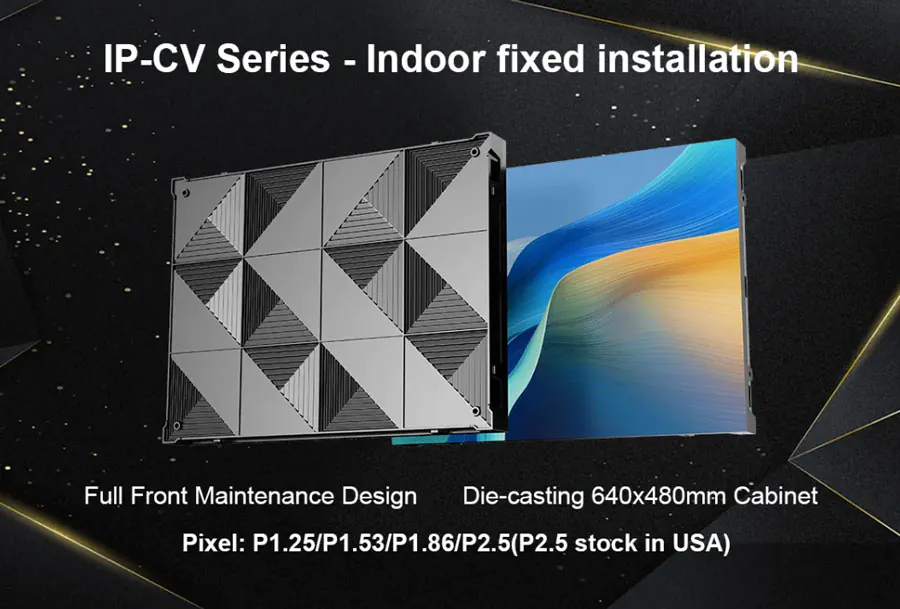
TW VISION Large Format LED Displays Rivaling the Largest Screen Projects on Earth

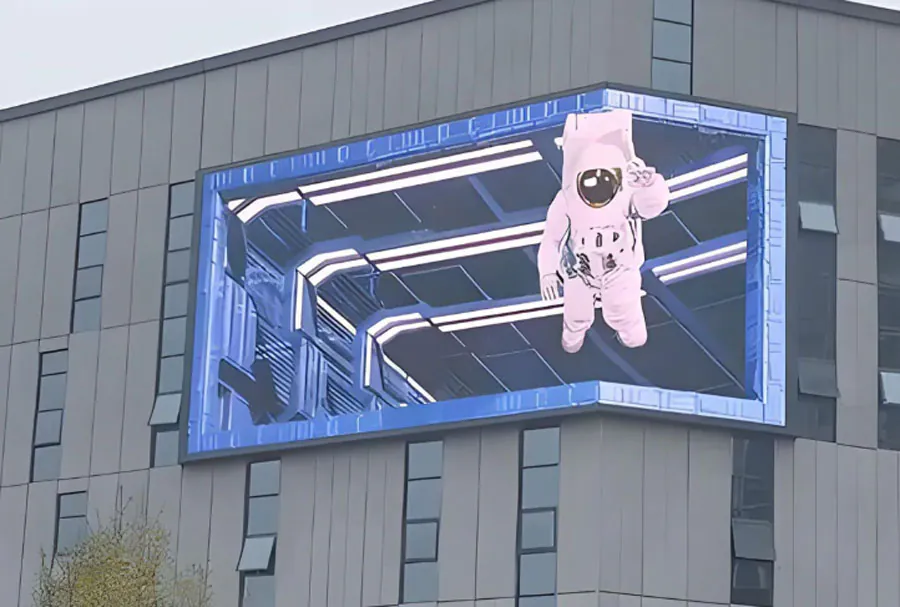
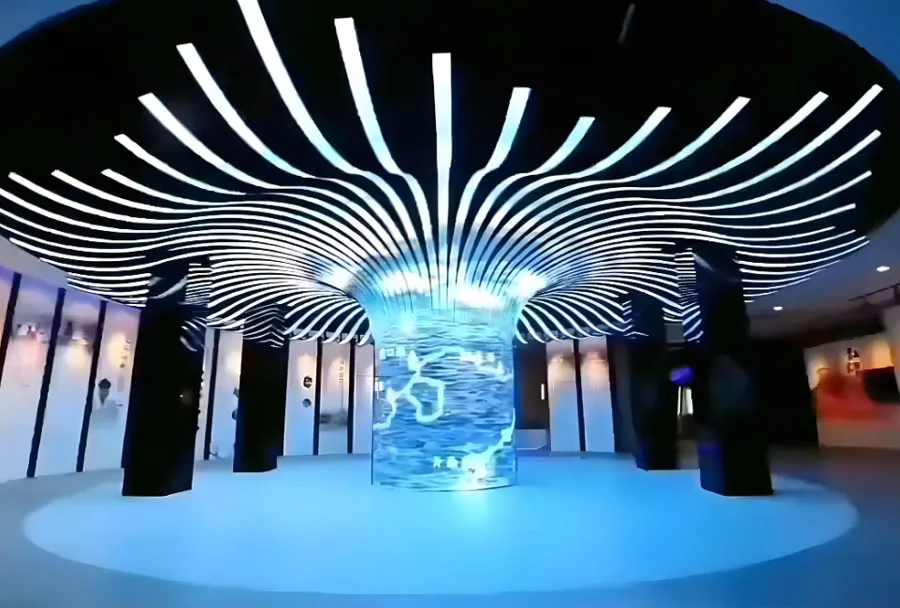
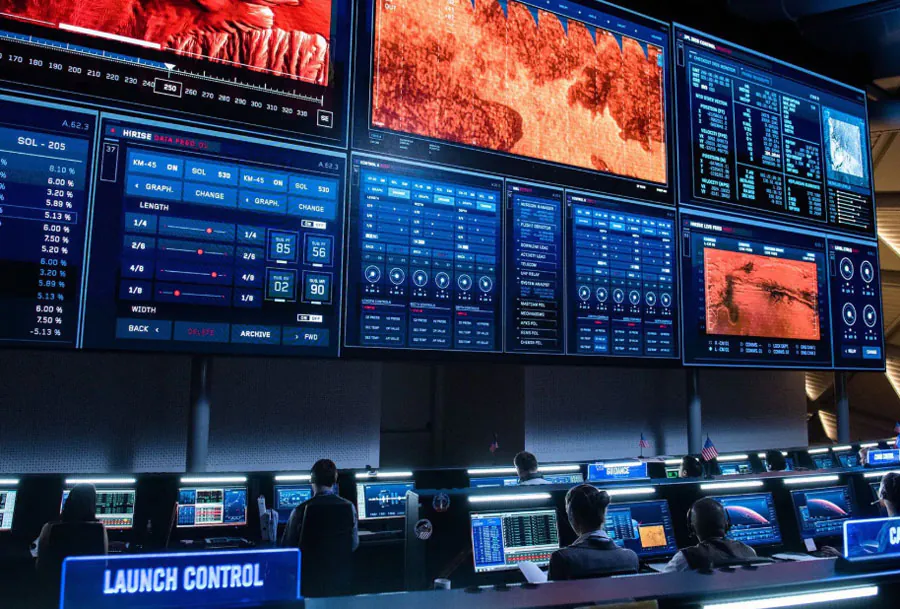
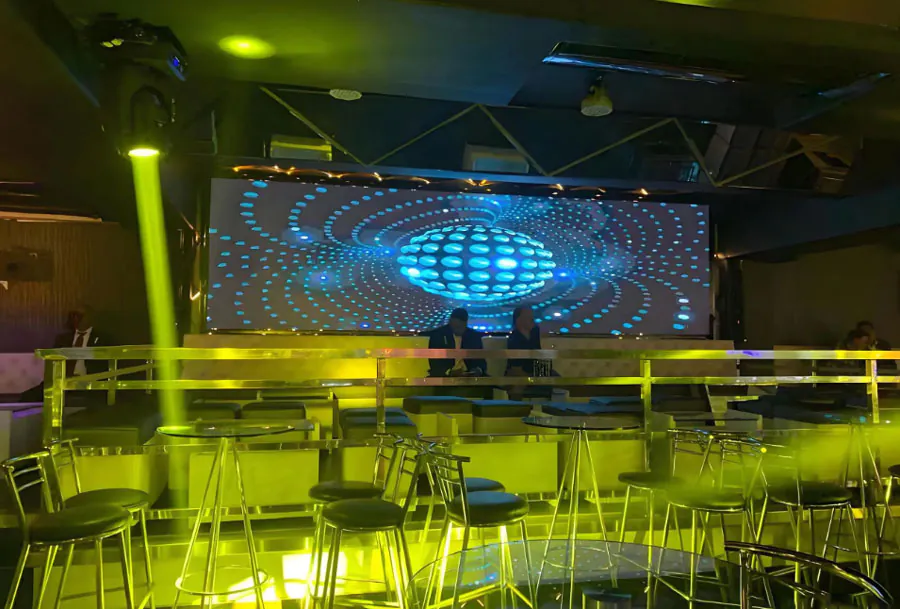
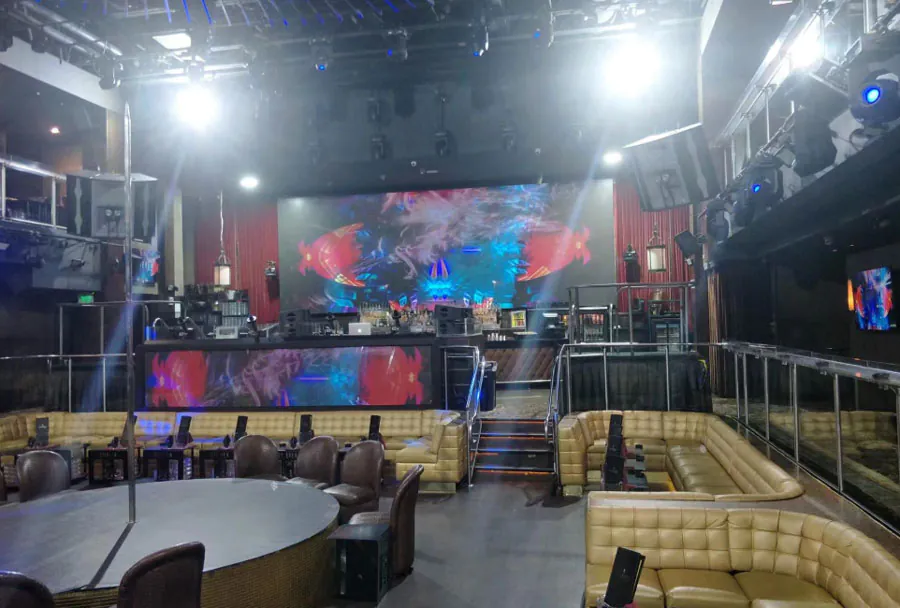
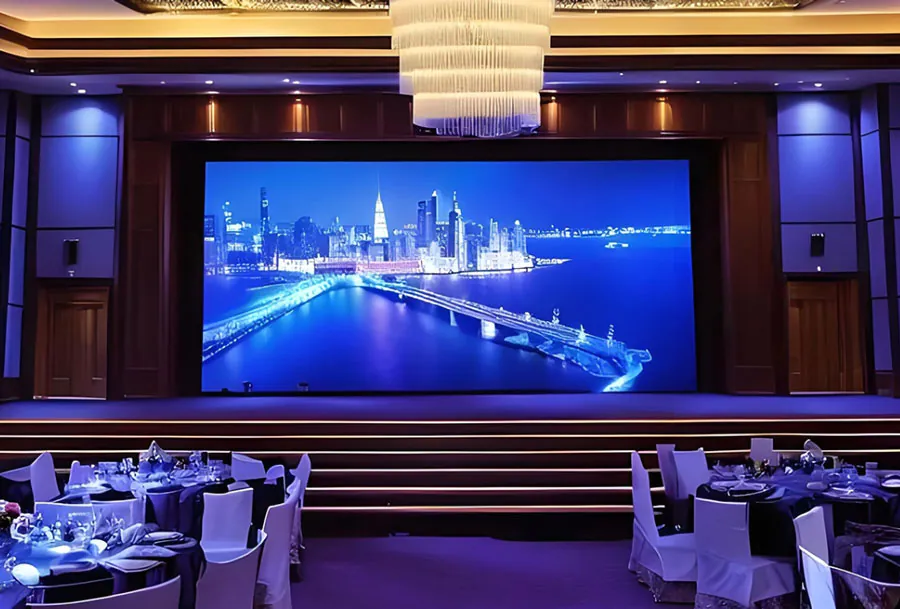
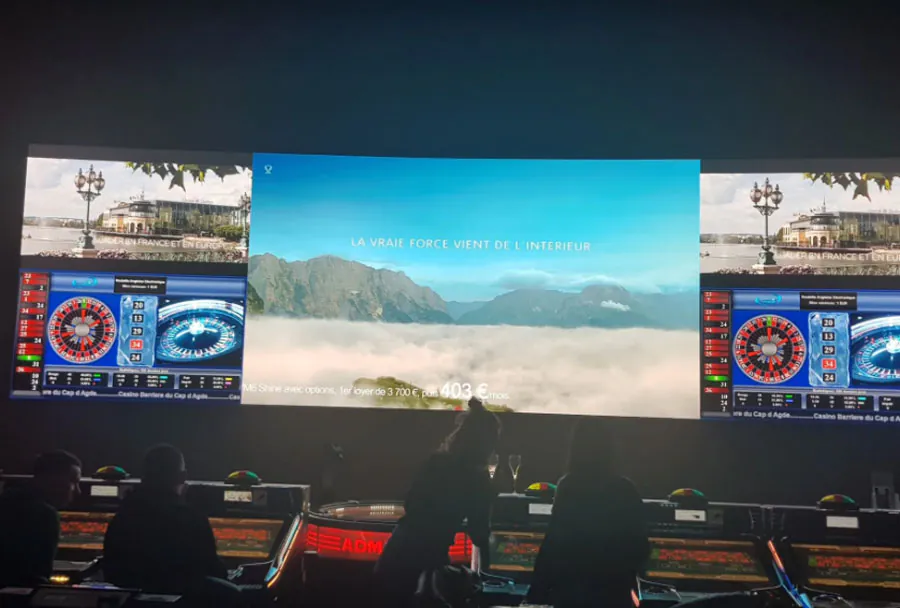
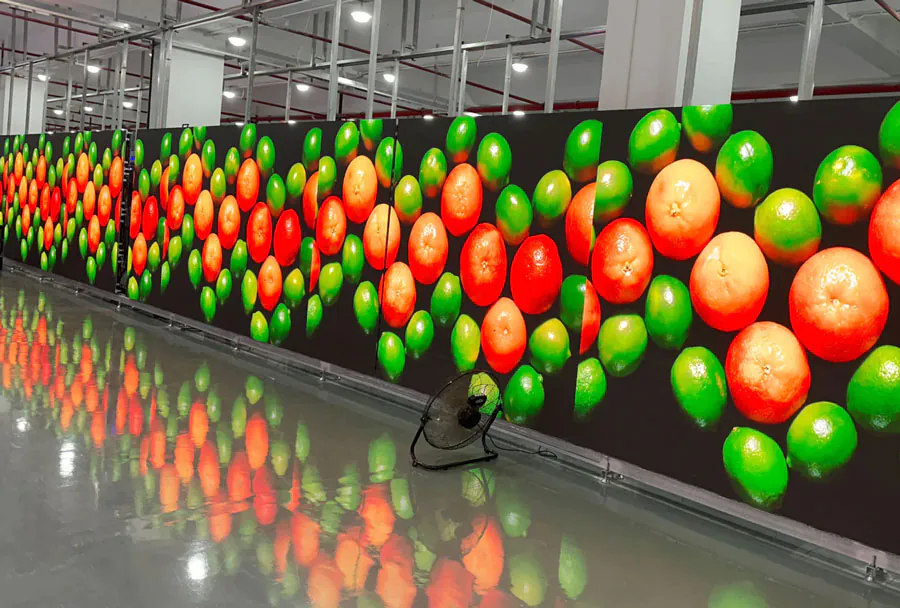
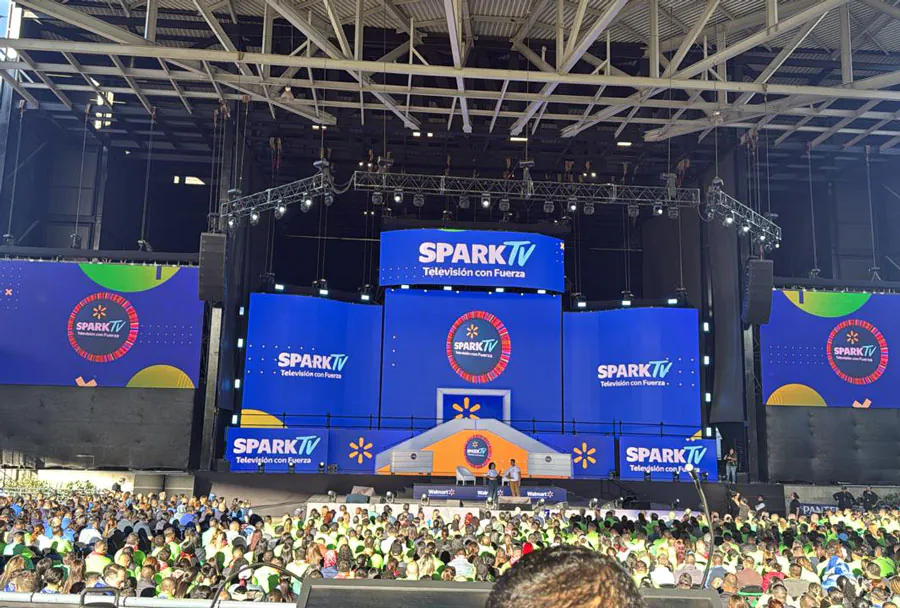
The scale and ambition of public-screen projects have exploded in the last decade: immersive domes, stadium wraparounds, urban canopies, and fa?ade-spanning installations now redefine what a “screen” can be. TW VISION’s large format led displays are engineered to compete directly with those headline-grabbing projects — not by mimicry, but by delivering modular, high-fidelity, and structurally versatile solutions that bring comparable picture quality and presence to a broader range of applications.
TW VISION Large Format LED Displays Rivaling the Largest Screen Projects on Earth
Engineering for Monumental Scale
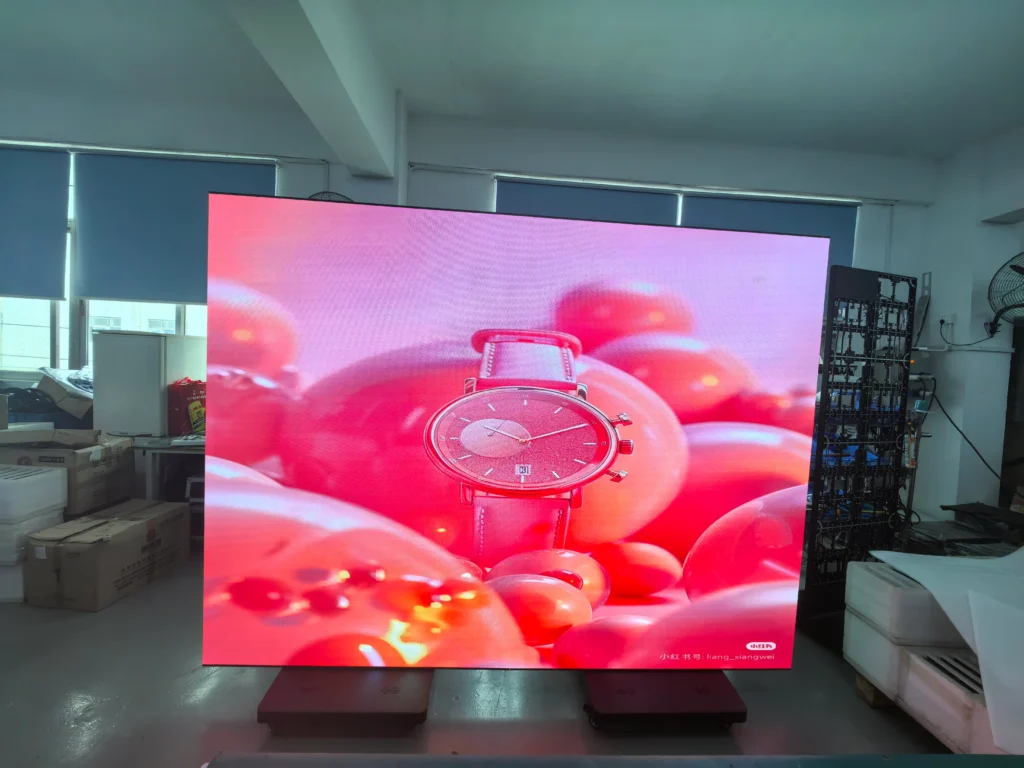
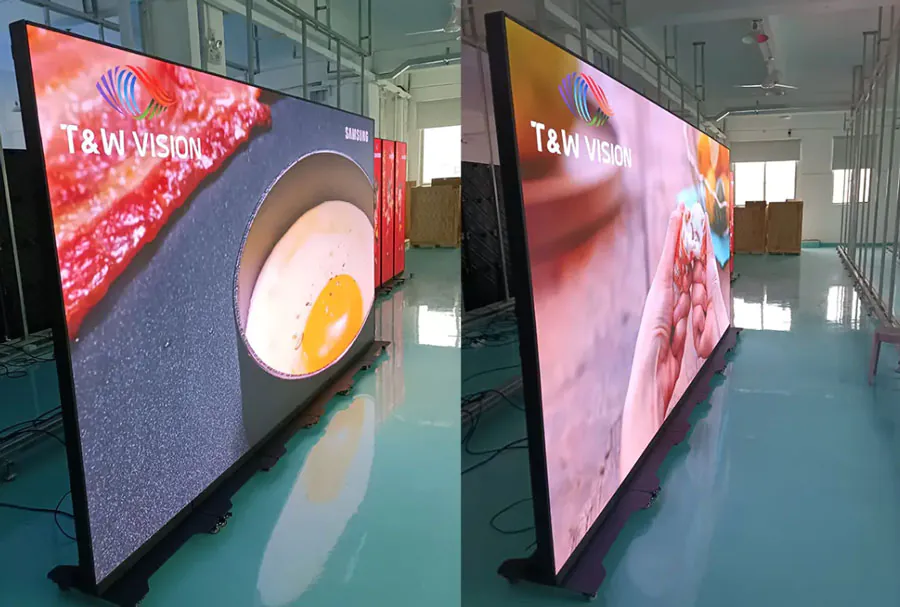
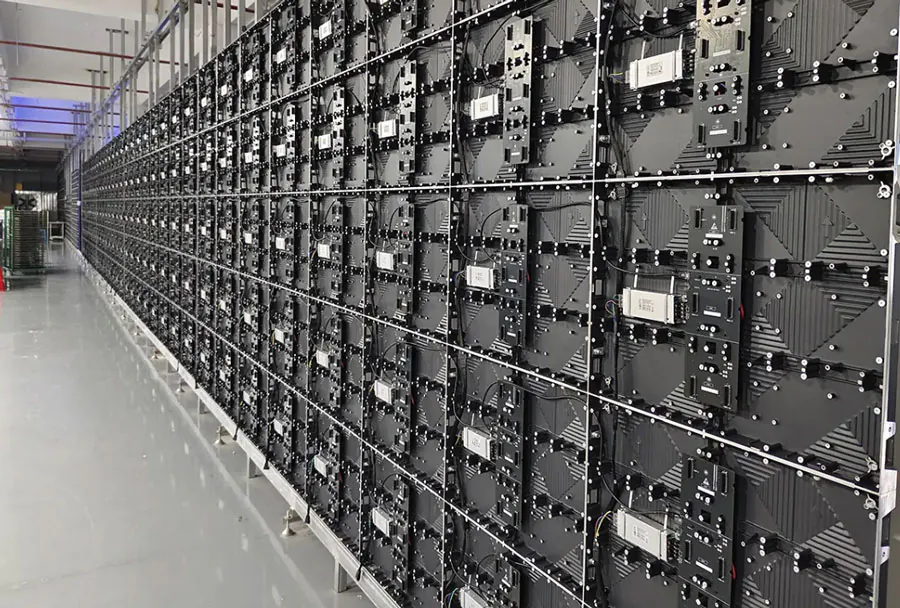
TW VISION approaches largescale displays as an exercise in systems engineering. The company’s large format LED modules are designed with repeatable mechanical tolerances and electronic synchronization in mind, allowing assemblies that scale to tens of thousands of square feet while maintaining flatness, color consistency, and pixel-level alignment. Key engineering strengths include:
– Modular chassis and cabinet-level calibration that minimize cumulative tolerance drift as the installation area grows.
– Redundant power and data pathways to preserve uptime on installations where a single failure can be catastrophic for a live event or continuous-display application.
– Integrated thermal management to maintain LED performance and life across large continuous surfaces under real environmental load.
The result is a platform that can be deployed as a single contiguous image — whether a stadium wrap, an interior dome, or a multi-story media fa?ade — without the fracturing or visible seams that plague lesser systems.
Pixel Precision and Image Fidelity
Large format does not mean low resolution. TW VISION focuses on pixel pitch ranges and color calibration workflows that preserve image fidelity across scale:
– Small pixel pitches (e.g., P1.2–P2.5) for close-viewing interiors and immersive installations.
– Mid-range pitches (P2.8–P4.0) for arenas and concourses where viewing distance increases.
– Wide dynamic-range drivers and high-refresh-rate controllers to ensure smooth motion and accurate HDR reproduction across vast pixel counts.
Uniform color temperature calibration and multi-point gamma correction are applied during installation and continuously monitored through remote diagnostics, ensuring consistent image quality from center to perimeter.
Installation Adaptability and Structural Integration
A large screen’s visual success relies as much on mechanical support as on LED performance. TW VISION designs mounting systems and support frames that integrate with diverse structures:
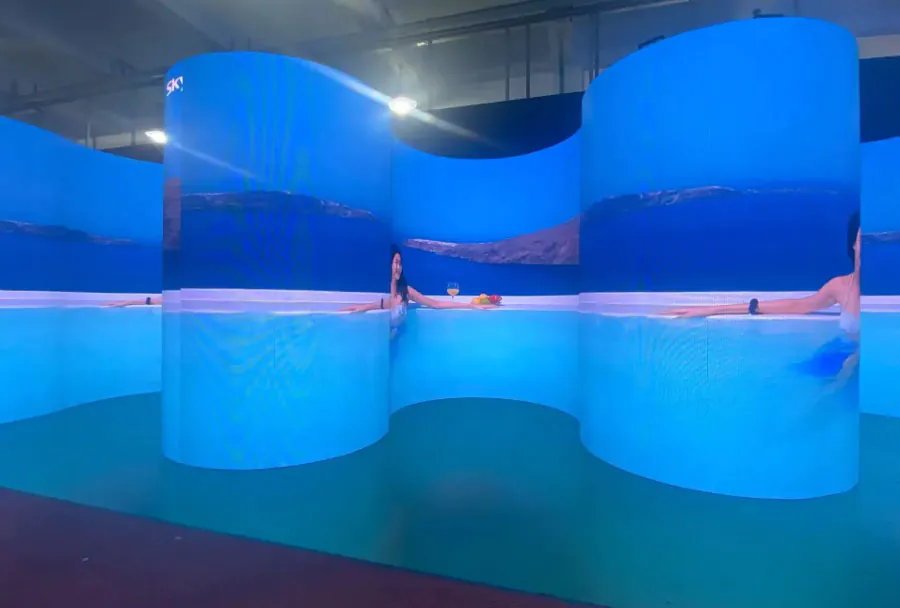
– Curved and free-form mounting brackets for domes and cylindrical builds.
– Lightweight, high-strength frames for fa?ades where structural load must be minimized.
– Sliding and quick-release service access to maintain safety and minimize downtime during lamp/LED module servicing.
Their engineering teams collaborate early with architects and structural engineers to integrate screen weight, wind loading, and thermal expansion into the building’s design envelope rather than treating the screen as an afterthought.
Energy Efficiency and Operational Sustainability
Power consumption and heat rejection become critical at scale. TW VISION optimizes both the LED modules and system-level controls:
– High-efficiency LED drivers and dynamic brightness management reduce energy draw during non-peak hours or lower ambient light conditions.
– Zoned dimming and content-aware luminance scaling lower power consumption while preserving perceived contrast.
– Recyclable module components and serviceability reduce the ecological footprint over the display’s lifecycle.
These strategies make continuous 24/7 installations — such as urban fa?ades or transportation hubs — economically viable without sacrificing visual impact.
Case Studies and Competitive Analysis
TW VISION’s product suite is designed to rival the technical scale of marquee projects — the immersive domes, canopy screens, and stadium halos seen in media coverage — while offering deployment flexibility and lower total-life cost. The following analysis table compares representative large screen typologies and typical parameters against a TW VISION large format configuration. Values are approximate and intended for comparative context.
| Project / Model | Approx. Screen Area (m2) | Typical Pixel Pitch (mm) | Peak Brightness (nits) | Deployment Type |
|---|---|---|---|---|
| TW VISION Large Format Series (modular) | 50–20,000+ | P1.2–P4.0 | 1,000–6,500 (configurable) | Indoor domes, facades, stadium ribbons |
| Immersive Dome (Interior LED – reference) | 500–60,000 (approx.) | P2.5–P6.0 | 800–4,000 | 360° interior domes and planetariums |
| Urban Canopy / Canopy LED (e.g., pedestrian malls) | 1,000–15,000 | P2.8–P6.0 | 1,200–5,000 | Outdoor canopies, entertainment districts |
| Stadium Halo / Wrap (center or bowl) | 200–10,000 | P2.0–P6.0 | 1,500–8,000 | Sports arenas and concert venues |
| Large Facade Billboard (exterior) | 100–5,000 | P3.0–P10+ | 3,000–12,000 | Urban facades, highway billboards |
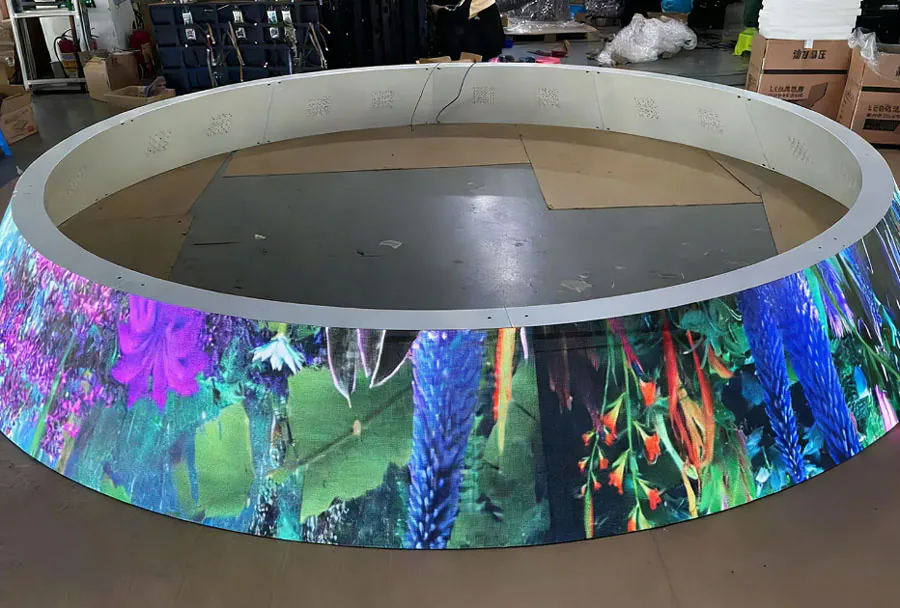
This table highlights TW VISION’s capability breadth: by offering tight pixel pitches suitable for immersive, close-view environments while scaling to enormous areas, the company positions itself to be a technical peer to the largest screen projects worldwide.
Content Strategies for Monumental Displays
A large-scale LED surface demands content tailored to scale and viewing geometry. TW VISION partners with content studios and playback system vendors to deliver:
– High-resolution masters and multi-channel playback solutions to prevent compression artifacts on large canvases.
– Spatially aware content mapping that compensates for curvature, seams, or variable viewing angles.
– Dynamic scheduling and interactive overlays that turn static billboards into time-of-day responsive canvases.
Delivering the right content pipeline is as essential as the physical display; poor content will expose pixel density limits no matter how advanced the LED technology.
Maintenance, Redundancy, and Lifecycle Management
Operational reliability is essential when screens become signature elements of public space:
– TW VISION’s modularity allows field replacement of small sections with minimal disruption.
– Redundant signal routing and distributed power supplies prevent single-point failures from impacting the whole system.
– Remote monitoring provides real-time diagnostics and performance metrics — from pixel health to temperature and power usage — enabling predictive maintenance rather than reactive fixes.
These practices reduce downtime and operating expenses for owners managing massive screens.
Economic and Urban Impact
Large-format screens influence city branding, tourism, and advertising economics. TW VISION’s systems are designed to balance aesthetic ambition with cost predictability:
– Scalable design lets cities and venues phase projects as budgets allow, expanding visually consistent screens over time.
– Energy-efficient operation reduces ongoing costs compared with older LED generations.
– High-quality visuals translate to higher CPM (cost per mille) for advertisers, making the investment more attractive to media buyers.
Beyond direct economics, these installations can anchor districts, drive footfall, and create programmable urban experiences.
Future Outlook: What Comes After Monumental Screens?
The convergence of micro-LED, higher refresh HDR standards, and edge-processing for immersive experiences will push large-format LEDs to be more than big TVs on a wall. TW VISION is positioned to adapt by:
– Integrating micro-LED modules as they mature for even finer pixel pitches and higher durability.
– Supporting real-time graphics engines for interactive and AR-enhanced experiences at scale.
– Expanding interoperability with building systems for synchronized lighting, event control, and public-safety messaging.
The future will value screens that behave as city-scale communicators, adaptable canvases, and resilient infrastructure — not just advertising surfaces.
TW VISION’s large format LED displays bring a systems-driven approach to rivaling the world’s largest screen projects. Through modular engineering, pixel-accurate imaging, structural integration, and operational sustainability, TW VISION can deliver installations whose scale and fidelity stand shoulder to shoulder with marquee domes, stadium halos, and urban canopies. The company’s strength lies not only in the raw ability to generate massive luminous surfaces, but in making those surfaces maintainable, efficient, and content-ready — the complete package that turns monumental screens into enduring, high-impact assets for cities, venues, and brands.