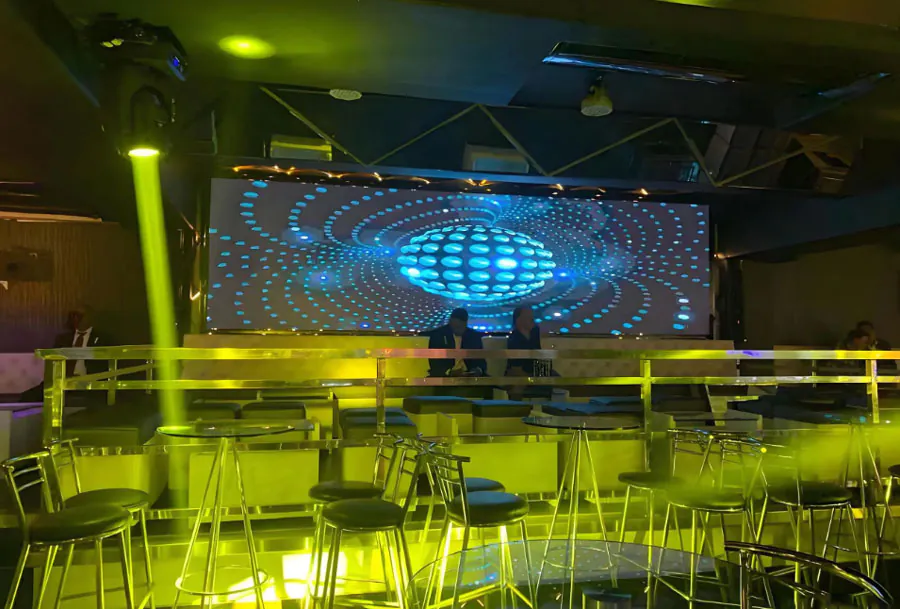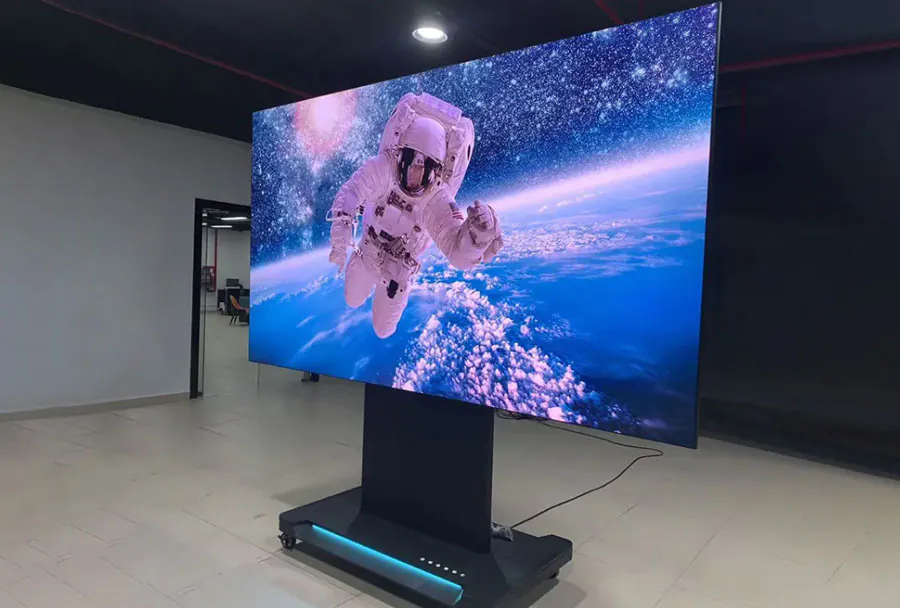
Transform Any Space With TW VISION Led Flexible Screen Technology

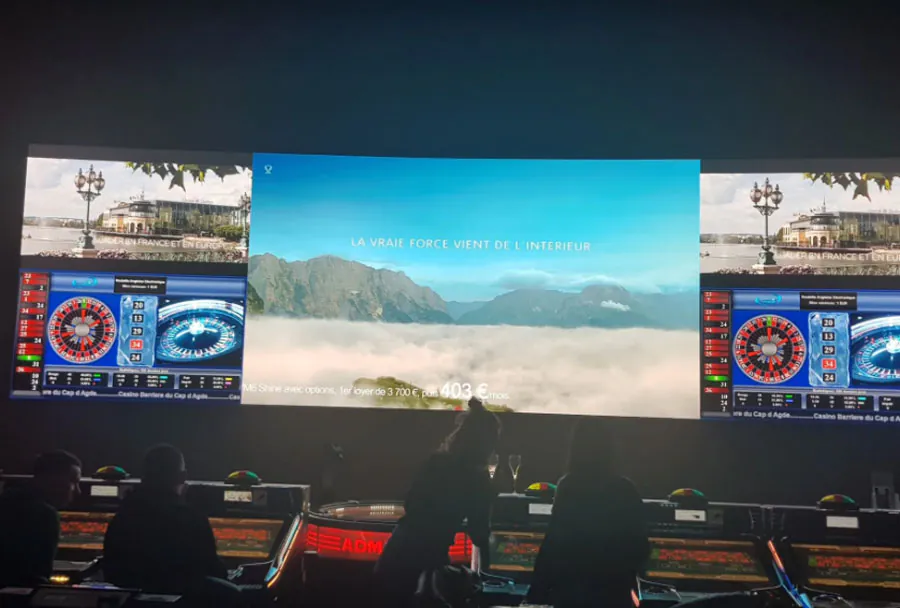
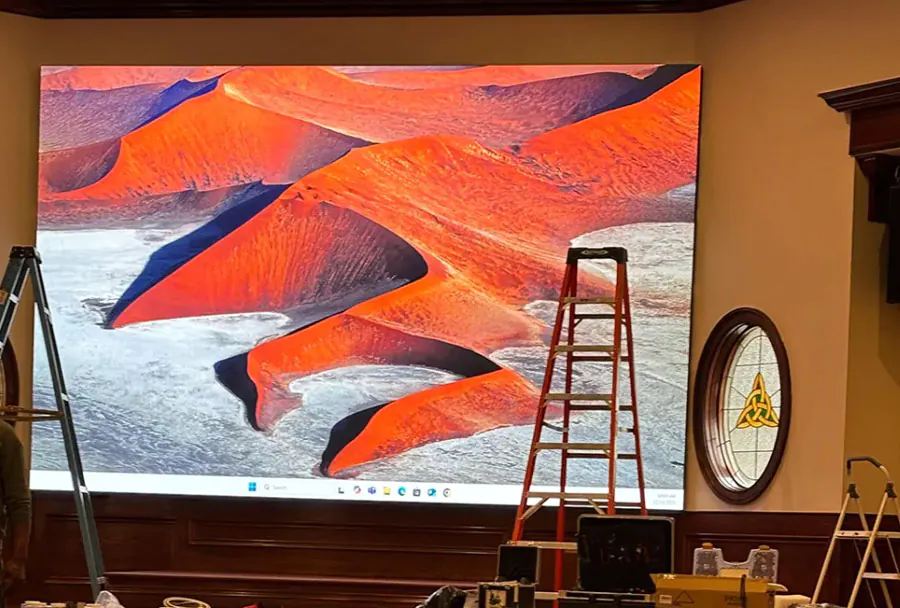
In today’s built environments, the ability to adapt visual surfaces to shifting needs defines the difference between a memorable space and a forgettable one. flexible led screen technology is no longer a novelty; it has become a strategic tool for architects, designers, and event planners who want to combine visual impact with spatial intelligence. TW VISION’s LED flexible screens bring that capability into reach, enabling the transformation of ceilings, walls, columns, and temporary structures into dynamic canvases that respond to brand messaging, user experience goals, and changing programmatic requirements.
Transform Any Space With TW VISION Led Flexible Screen Technology
Why Flexibility Matters in Modern Design
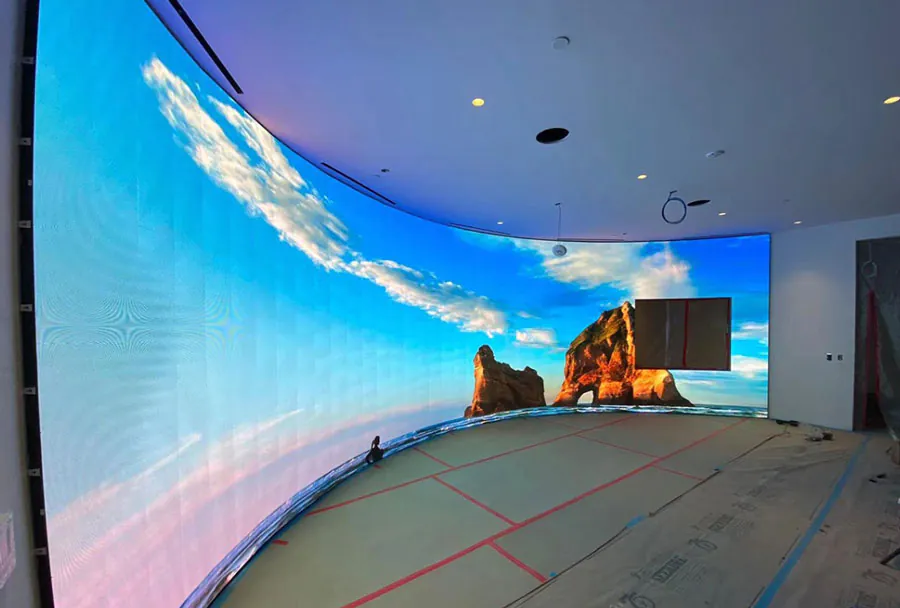
Architectural and interior design trends increasingly emphasize adaptability. Spaces must serve multiple functions across the day: a corporate lobby that welcomes guests in the morning, hosts presentations in the afternoon, and turns into an event venue by evening; retail environments that switch seasonal promotions on the fly; exhibition spaces that demand immersive storytelling. Flexible LED screens enable this adaptability by removing the constraints of rigid displays. TW VISION’s solutions allow screens to conform to curves, wrap around columns, and drape surfaces in ways that flat panels cannot, expanding the palette of forms available to designers.
Beyond pure form, flexibility also aids logistics. Lightweight, bendable displays simplify transport, reduce installation time, and lower structural load requirements. For temporary activations—pop-up stores, trade shows, and touring exhibits—TW VISION flexible screens deliver high-impact visuals without the heavy lifting associated with traditional LED walls.
Core Technology Behind TW VISION Flexible LED Screens
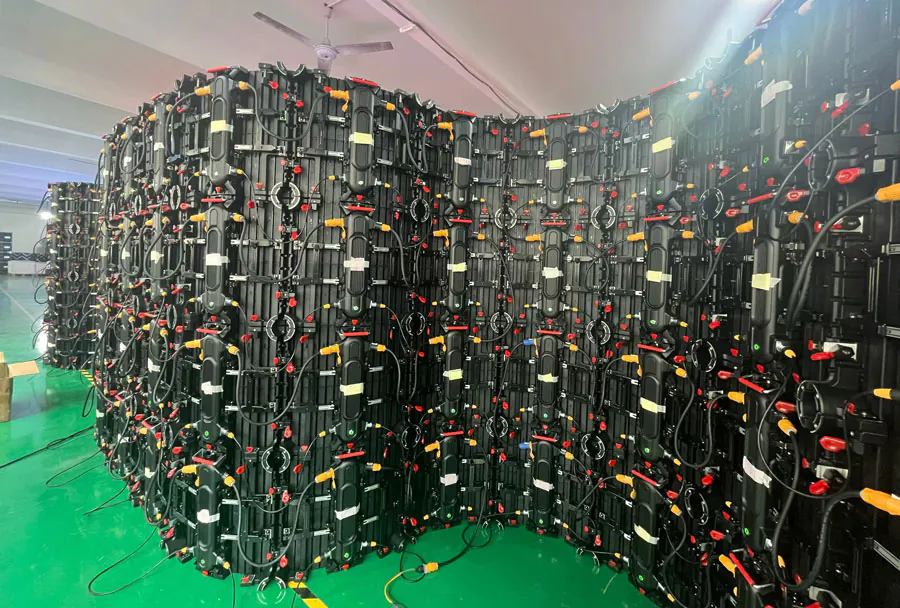
At the heart of TW VISION’s approach lies a blend of materials science, modular electronics, and precise calibration processes. Flexible LED modules are built on bendable substrates that retain pixel integrity while allowing curvature. TW VISION integrates pixel-dense LED chips with flexible PCB layouts and low-profile connectors to achieve continuous imagery even on nonplanar surfaces.
Key technical considerations include:
– Pixel pitch variability: choosing the appropriate pixel density for viewing distance and content detail.
– Brightness and color calibration: ensuring consistent luminance and color uniformity across curved surfaces.
– Thermal management: designing for effective heat dissipation in thin, flexible modules.
– Durability and IP protection: selecting materials and sealing methods that extend lifetime in demanding environments.
TW VISION combines these elements into turnkey systems that include mounting solutions, control systems, and content mapping tools to make design intent a reality rather than a laboratory demonstration.
Design and Installation Flexibility
Flexible LED technology changes how designers think about surfaces. Instead of treating walls and ceilings as static backdrops, design teams can incorporate motion, light, and narrative into structural elements. With TW VISION, installation possibilities include:
– Wrapping reception desks and stair nosings for wayfinding or brand storytelling.
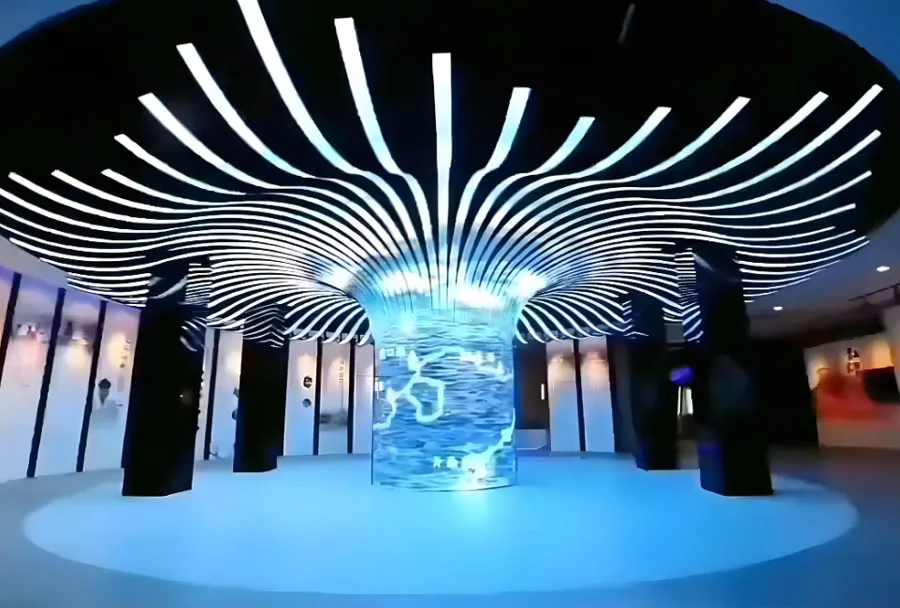
– Draping ceilings with animated atmospheres for restaurants and hospitality venues.
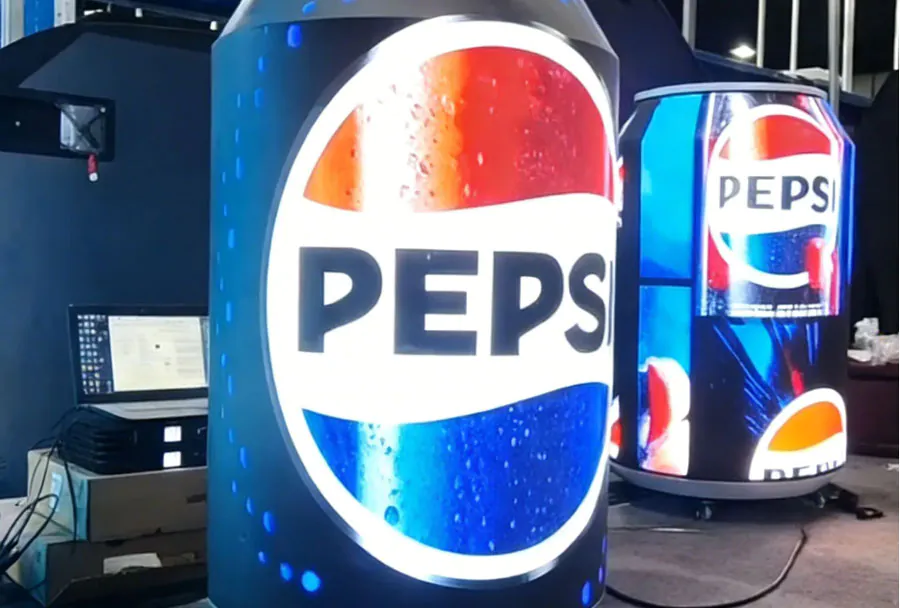
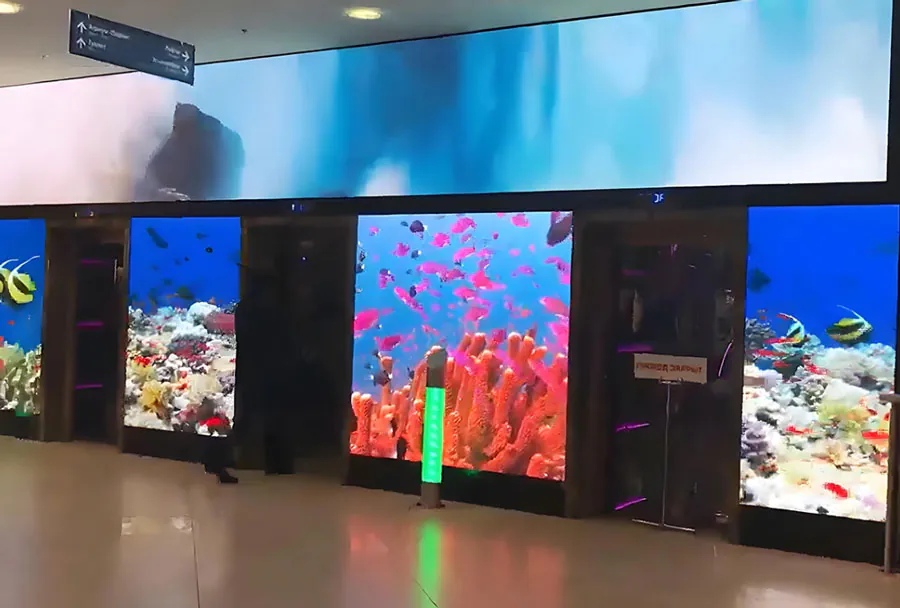
– Creating cylindrical displays around columns for 360-degree messaging.
– Fabricating semi-transparent curtains of LEDs for layered visual depth and subtle light diffusion.
Installation is often faster and less invasive than conventional methods. TW VISION systems are engineered to be modular and lightweight, minimizing the need for heavy structural reinforcement. Mounting options range from custom frames and magnetic fixtures to cable-based suspensions for hanging configurations. For temporary uses, TW VISION’s modular approach supports rapid assembly and disassembly without compromising image continuity.
Real-World Applications and Use Cases
Flexible LED screens can elevate virtually any environment:
– Corporate environments: Transformational lobbies, immersive meeting backdrops, and branded corridors.
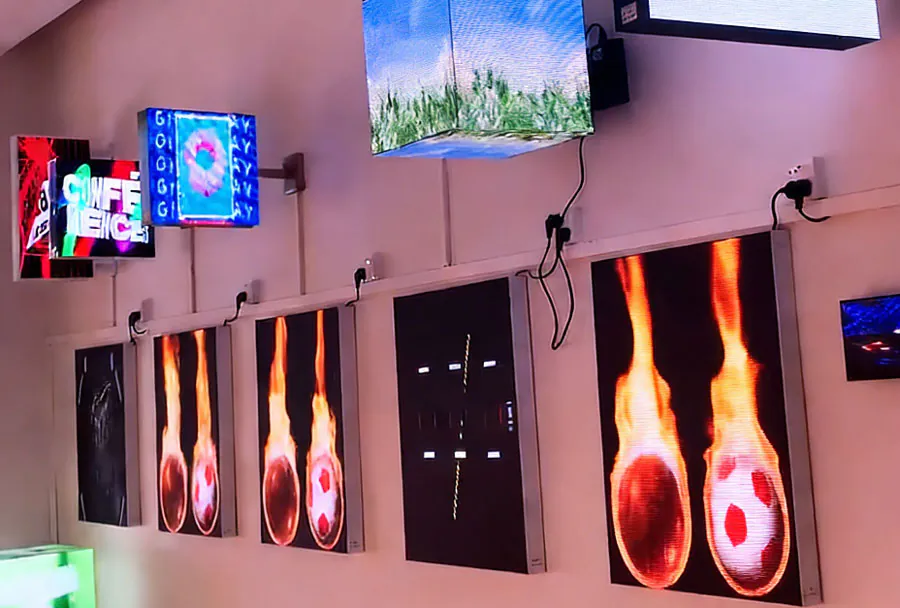
– Retail: Sculptural displays that highlight product stories and seasonal campaigns.
– Museums and galleries: Curved storytelling surfaces that conform to exhibit geometry and enhance visitor immersion.
– Hospitality: Dynamic ceilingscapes and wall installations that change mood and guest experience.
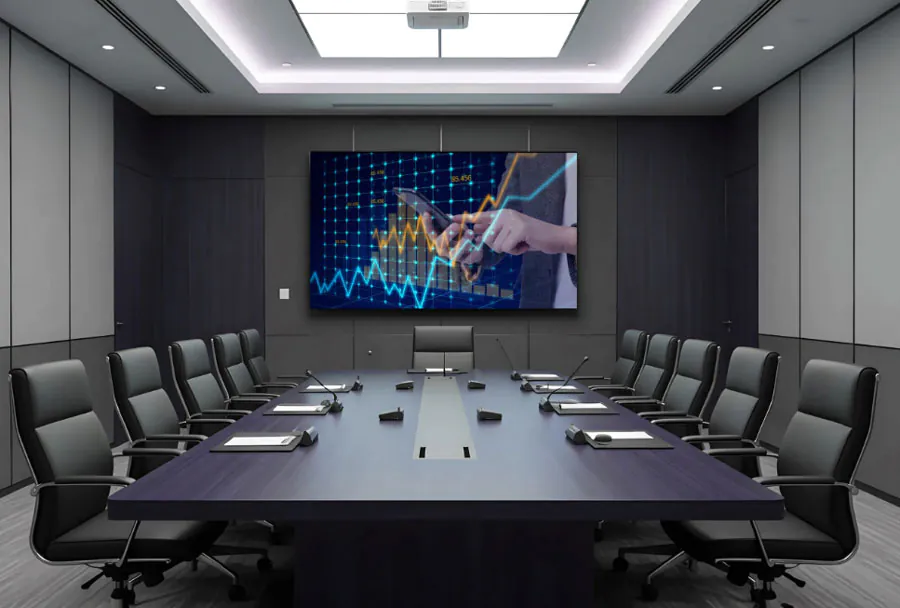
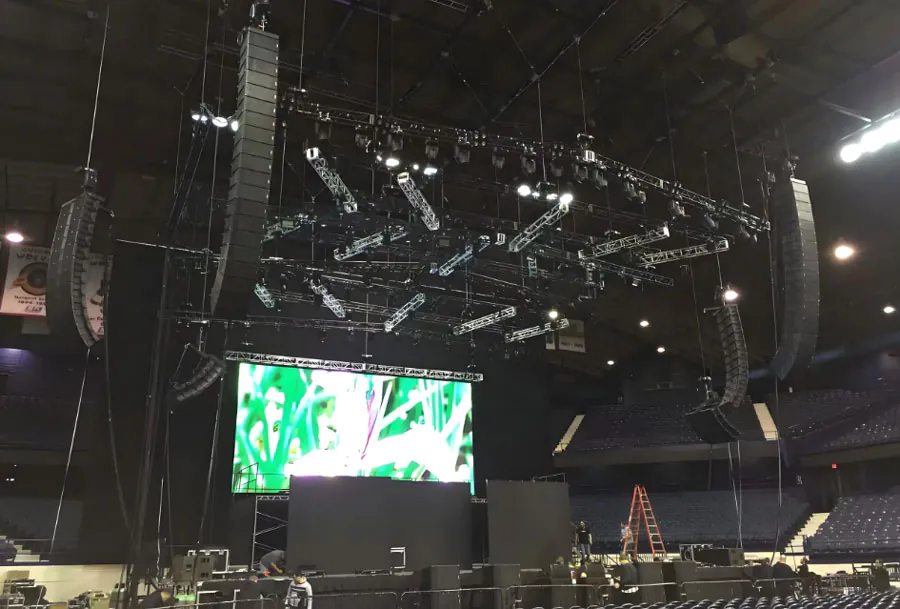
– Events and exhibitions: Lightweight, transportable systems for compelling temporary activations.
TW VISION’s solutions are tailored to these applications with attention to performance, ease of integration, and visual fidelity, enabling stakeholders to deploy displays that serve both functional and experiential goals.
Technical Considerations: What to Evaluate
When planning a TW VISION installation, project teams should evaluate several critical technical parameters:
– Pixel pitch and resolution: Balance between viewing distance and image detail to determine the optimal pixel pitch.
– Brightness and contrast: Specify peak brightness levels and contrast ratios to match ambient lighting conditions.
– Viewing angle: flexible displays must maintain color integrity across wide viewing cones, especially for curved installations.
– Power and data infrastructure: Plan for routing of power and data cabling in a way that preserves aesthetics and safety.
– Mounting and curvature radius: Define minimum bend radii to prevent pixel stress and ensure long-term reliability.
Below is an analysis table to guide planning and decision-making for common applications. It highlights typical requirements, how TW VISION addresses them, installation notes, and the expected impact on user experience.
| Use Case | Typical Requirements | TW VISION Capabilities | Installation Notes | Estimated Impact |
|---|---|---|---|---|
| Retail Installations | High visual punch, dynamic content swaps, tight deadlines | Flexible modules with customizable pixel pitch, fast mounting systems, rapid calibration | Modular panels allow phased installs; consider floor-to-ceiling support and concealment of cabling | Increased dwell time, stronger campaign recall, easier seasonal refresh |
| Corporate Lobbies | Seamless integration with architecture, long-term durability, daytime brightness | High-uniformity panels, reliable thermal management, aesthetic mounting options | Coordinate with building services for power and control rooms; allow access for maintenance | Elevated brand perception, flexible event staging, improved visitor experience |
| Museums & Exhibits | Motion-rich content, nonrectilinear surfaces, light sensitivity | Wide color gamut, fine pitch options, customizable curvature profiles | Work closely with curators to control light spill and preserve artifact safety | Enhanced storytelling, visitor immersion, greater exhibition flexibility |
| Hospitality (Hotels, Restaurants) | Atmospheric, mood-based lighting; noise control; variable operating hours | Low-profile, dimmable modules; seamless integration into ceilings; energy-efficient options | Plan for acoustic integration and heat dissipation; schedule installs during off-hours | Stronger guest engagement, mood-driven experiences, differentiating design |
| Events & Temporary Activations | Rapid deployment, transportability, high-impact visuals | Lightweight, modular panels; quick-connect cabling; portable control systems | Use robust protective cases, ensure cable management for safety, verify venue power limits | High visual impact with reduced logistics footprint, repeatable setups |
Content Strategy and Control Systems
Flexible displays change how content is created and managed. Curved and irregular surfaces require advanced mapping techniques to ensure imagery reads correctly from intended vantage points. TW VISION provides control systems and software tools that support:
– Content warping and edge blending for nonplanar surfaces.
– Real-time playback and scheduling for dynamic environments.
– Integration with existing AV control systems and networked media servers.
Content creators should design for the display’s unique geometry—using motion and layer effects to enhance depth and avoid visual distortion. TW VISION’s calibration tools help align color, brightness, and timing across multiple modules to form a cohesive image even on complex forms.
Installation, Maintenance, and Longevity
A successful installation balances performance with long-term serviceability. TW VISION focuses on systems that simplify maintenance: modular panels can be replaced individually, and standardized connectors reduce troubleshooting complexity. Best practices include:
– Establishing service access points during the design phase.
– Documenting wiring and module layouts for future technicians.
– Regular calibration checks and dust or moisture management, where relevant.
TW VISION’s materials and manufacturing processes aim to deliver extended lifecycles. Proper thermal management and avoiding overly tight bend radii are essential to preserving module integrity. For high-usage areas, plan preventive maintenance intervals to minimize downtime.
Energy Use and Sustainability Considerations
Flexible LED screens are inherently more energy-efficient than many legacy lighting and display solutions, but energy planning remains important for sustainability goals. TW VISION supports measures to reduce energy footprint:
– Use of high-efficiency LEDs and power supplies.
– Dimming schedules based on occupancy or time of day.
– Content strategies that limit high-luminance scenes when not necessary.
Additionally, the lightweight and modular nature of TW VISION systems reduces transportation energy and packaging waste for temporary activations, supporting greener events and installations.
Cost, ROI, and Commercial Considerations
Investing in flexible LED screens requires evaluating both capital and operational costs alongside prospective benefits. Considerations include:
– Initial hardware and installation costs.
– Reduced structural modification vs. rigid displays, potentially lowering construction spend.
– Maintenance schedules and replacement module costs.
– Marketing and operational gains through increased foot traffic, dwell time, or event revenue.
TW VISION installations often produce measurable returns through enhanced brand exposure and the ability to reuse and redeploy panels across multiple projects. For retail and event operators, the ability to refresh visual messaging quickly and attract attention can offset upfront expenditures and shorten payback periods.
Creative Possibilities: Beyond the Flat Plane
Designers and content creators can use TW VISION flexible LED screens to invent new spatial narratives:
– Layered translucency: Semi-transparent flexible arrays can create depth while letting light and sightlines persist.
– Motion architecture: Timed content that synchronizes with kinetic installations or environmental features like water or wind.
– Responsive environments: Sensor-driven visuals that change based on occupancy, movement, or ambient conditions.
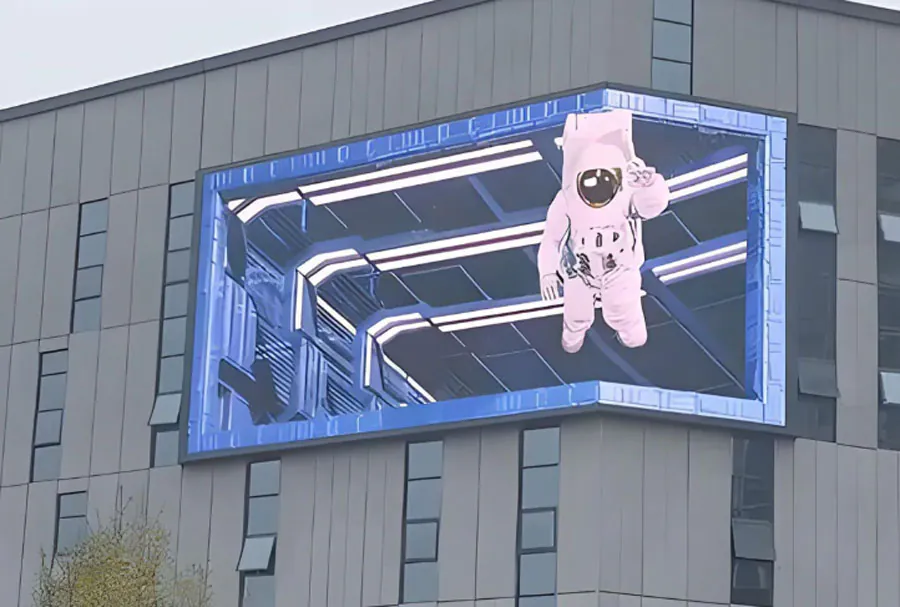
– Sculptural pixels: Arrays that form three-dimensional sculptures when wrapped or draped, turning lights into form-makers rather than mere displays.
These possibilities invite interdisciplinary collaboration among interior designers, lighting designers, content producers, and systems integrators to realize spaces that feel alive and responsive.
Selecting TW VISION for Your Project
Choosing the right configuration requires early engagement with manufacturers and integrators. With TW VISION, initial steps include:
– Defining viewing distances and use cases to determine pixel pitch.
– Identifying curvature and mounting constraints to specify module geometry.
– Planning power and control architecture to support content ambitions.
– Requesting mock-ups or prototypes to validate aesthetics and performance.
TW VISION’s project teams can guide decisions on finishing details, front maintenance access, and integration with acoustic and lighting systems, ensuring the technical solution aligns with the design intent.
Common Pitfalls and How to Avoid Them
Even with flexible technology, projects can run into avoidable issues:
– Underestimating minimum bend radius: Excessive curvature can stress modules. Consult TW VISION guidelines to prevent damage.
– Ignoring ambient lighting: Ensure brightness and contrast match the environment to avoid washed-out content.
– Skipping service access planning: Make sure technicians can reach modules without disassembling major structures.
– Overlooking content adaptation: Flat content often reads poorly on curved surfaces; design specifically for the geometry.
Planning with TW VISION from the schematic stage helps mitigate these risks and keeps projects on time and on budget.
Reimagining Space with TW VISION Flexible LED Screens
TW VISION’s LED flexible screen technology expands the vocabulary of architects, designers, and experience-makers. By turning previously static surfaces into dynamic, programmable canvases, TW VISION enables environments that adapt to changing needs, tell richer stories, and deliver measurable commercial and experiential value. Whether the goal is to create a signature corporate entrance, an immersive museum exhibit, or a traveling brand activation, TW VISION provides the technical foundation and application expertise to transform any space into a living, luminous experience.
Engaging TW VISION early in the design process helps ensure that technical realities align with creative ambitions—yielding installations that are visually striking, operationally reliable, and economically sensible. As flexible display technology matures, it will continue to unlock innovative spatial treatments, and TW VISION stands ready to help designers and organizations realize those possibilities.