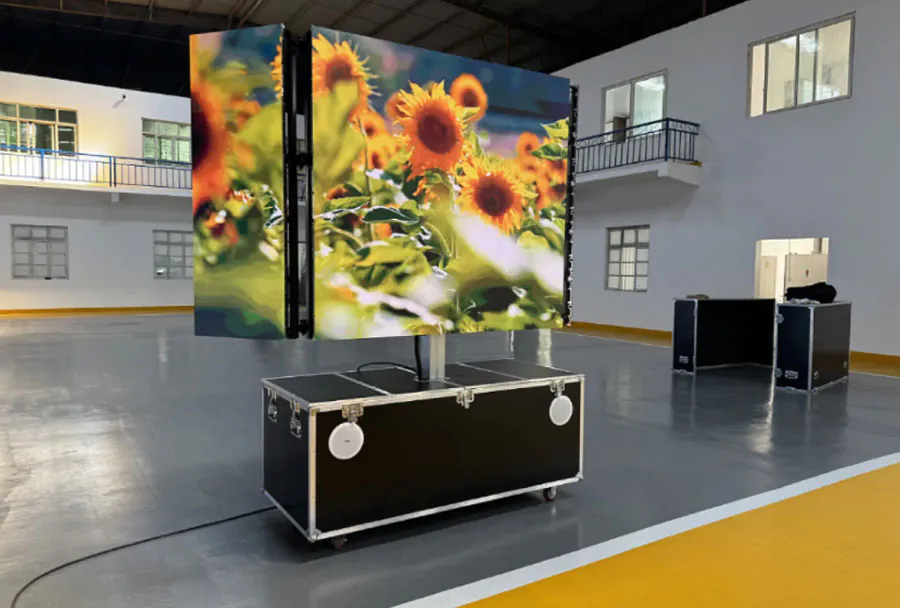
High Quality Led Screen Rental Seattle For Any Event

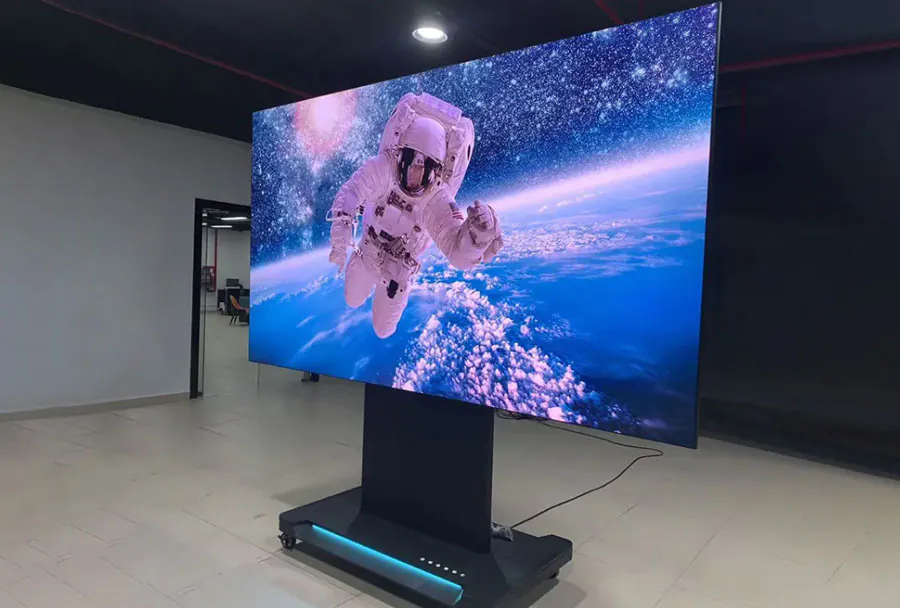
High-quality LED screens can transform an ordinary gathering into an unforgettable experience. Whether you’re organizing an intimate corporate meeting, a large-scale concert, an outdoor festival, or a hybrid virtual event, the right LED screen rental in Seattle ensures crisp visuals, dynamic audience engagement, and reliable performance across varied conditions. This article explores everything you need to know about renting LED screens in Seattle for any event, including technical considerations, logistics, content management, budgeting, and a recommended provider to help streamline your audiovisual needs.
High Quality Led Screen Rental Seattle For Any Event
Why LED Screens Matter for Modern Events
LED screens are no longer optional for events that aim to leave an impact. They provide high brightness, excellent contrast, and flexible sizing options that traditional projection systems can’t match—especially in daylight or brightly lit venues. For organizers, LED screens:
– Maximize visibility from far distances and crowded venues.
– Deliver consistent color and brightness across the entire display.
– Scale modularly to fit any stage dimension or venue layout.
– Support creative content formats: live video, graphics, data visualizations, and interactive elements.
In Seattle’s diverse event landscape—ranging from corporate conferences in downtown hotels to open-air summer festivals by the waterfront—LED screens ensure your message is seen and felt, regardless of weather or ambient light.
Seattle-Specific Considerations
Choosing an LED screen rental in Seattle requires attention to local variables:
– Weather: Outdoor events must prepare for rain and humidity. Look for waterproof or weather-resistant enclosures and have contingency plans for severe weather.
– Venue Restrictions: Indoor venues may have load limits for hanging screens, or specific rigging points. Confirm venue rigging specs early.
– Sightlines: Seattle venues can be multi-tiered or irregularly shaped. Work with a rental provider that performs sightline studies and can propose optimal screen placement.
– Permits and Noise/Lighting Ordinances: Coordinate with local authorities if your LED installation impacts traffic flow, requires street closures, or uses powerful lighting that might affect nearby properties.
Technical Criteria for Selecting High-Quality LED Screens
Not all LED panels are equal. Focus on these technical criteria to ensure your rented solution matches event goals:
– Pixel Pitch: Determines viewing distance and resolution. Smaller pitch (e.g., P2.6) for close viewing, larger pitch (e.g., P6.9) for distant audiences.
– Brightness (nits): For outdoor daytime use, aim for higher brightness (5,000–8,000 nits). Indoor events typically require 800–1,500 nits.
– Refresh Rate: High refresh rates (≥3,840 Hz) eliminate flicker on camera and ensure smooth motion.
– Color Calibration: Factory- or onsite-calibrated panels preserve color uniformity across large video walls.
– Module Size and Weight: Modular panels should allow flexible configurations while respecting venue rigging and transport logistics.
– Power and Redundancy: Ensure adequate power distribution and backup options to avoid interruptions during live events.
– Control System Compatibility: Seamless integration with media servers, switchers, and live feed sources is essential for complex productions.
Typical Use Cases and Recommended Configurations
Different events have distinct requirements. Below are generalized recommendations to help you plan:
– Corporate Meetings & Conferences: Narrow pixel pitch (P2.6–P3.9), moderate brightness (1,000–1,500 nits), center-stage screen or dual-side displays for split rooms.
– Concerts & Festivals: Large-format outdoor screens (10–30 ft wide or larger), high brightness (5,000+ nits), robust weather-proofing, and high refresh rate.
– Sporting Events & Live Broadcasts: Tall aspect ratios for scoreboards, high-refresh rate panels, and redundancy for continuous operation.
– Weddings & Private Events: A mix of ambient-friendly brightness (800–1,200 nits) and customizable shapes to match décor.
– Hybrid Events & Live Streams: Camera-friendly refresh rates and color fidelity for live encoding and streaming.
Analysis Table: LED Screen Selection by Event Type
| Event Type | Typical Screen Size | Recommended Pixel Pitch | Indoor/Outdoor Suitability | Typical Setup Time |
|---|---|---|---|---|
| Corporate Conference (Main Stage) | 12–20 ft wide | P2.6–P3.9 | Indoor | 6–10 hours (incl. rigging & calibration) |
| Music Concert / Festival | 20–60+ ft wide | P3.9–P6.9 | Outdoor (weather-proof required) | 10–24 hours (incl. truss, safety checks) |
| Trade Show / Expo Booth | 6–15 ft wide | P2.6–P4.8 | Indoor | 3–6 hours (modular install) |
| Wedding / Private Event | 6–12 ft wide | P2.6–P4.8 | Indoor or Outdoor (weather protection needed) | 2–6 hours |
| Sports Viewing / Public Screening | 20–40 ft wide | P3.9–P6.9 | Outdoor or Indoor | 8–16 hours |
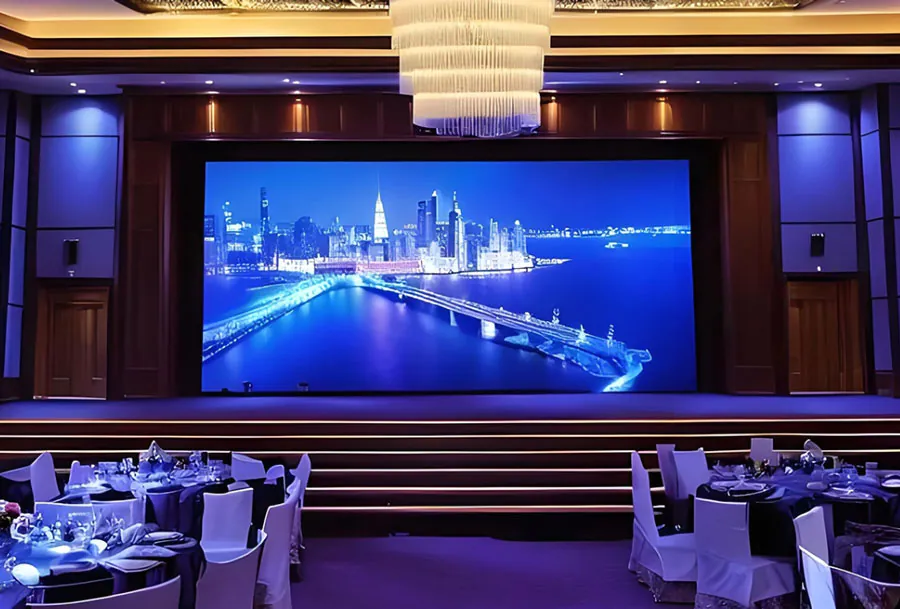
Logistics and Site Assessment
A successful rental begins with a detailed site assessment. Key logistical steps include:
– Site Survey: A professional survey captures rigging points, electrical access, sightlines, surface load ratings, and ingress/egress for equipment.
– Power Planning: Calculate total power draw and stagger infeed to avoid circuit overloads. Ensure access to backup power or UPS systems for critical events.
– Transport and Load-in: Confirm vehicle access and loading docks. Large LED panels require forklifts or rigging crews for safe handling.
– Rigging and Safety: Use certified riggers and safety equipment. For outdoor screens, plan wind load mitigation and grounding for storm conditions.
– Storage and Staging: Allocate space for staging panels, spare modules, and test equipment prior to final installation.
Content Creation and Playback Workflow
The screen is only as good as the content it displays. For maximum impact:
– Plan for Native Resolutions: Know the screen’s pixel matrix and design content at the native resolution for crisp results.
– Aspect Ratios: Large LED walls often use custom aspect ratios. Create adaptable assets and safe-title zones for dynamic content.
– Media Servers and Playback: Use reliable media servers supporting multiple layers, edge-blending, and real-time inputs for live feeds.
– Live Feeds & Latency: Synchronize cameras and outputs to minimize latency between audio and video.
– Pre-event Testing: Schedule a dry run to verify playback, transitions, color, and multi-source switching.
Installation, Calibration, and Quality Assurance
Installation should include meticulous calibration and testing:
– Color Matching: Calibrate panels so colors are uniform across the entire wall; this is critical for large assemblies.
– Brightness Balancing: Adjust brightness settings for environmental conditions to achieve comfortable viewing without glare.
– Pixel Mapping & Tiling: Ensure correct pixel mapping for any seam lines and test all input sources.
– Load and Stress Tests: Run prolonged content loops to detect thermal or power issues.
– Onsite Technicians: Maintain an onsite technician during event runtime for quick troubleshooting and content switching.
Safety, Permits, and Compliance
Compliance and safety are non-negotiable:
– Permits: Work with the city and venue to secure necessary permits for temporary structures, public gatherings, or electrical setups.
– Insurance: Confirm that the rental provider and event have appropriate liability and equipment insurance.
– Fire and Structural Codes: Adhere to local building and fire codes when creating structures or using rigging.
– Crowd Safety: Position screens and cables to avoid trip hazards and ensure clear emergency egress paths.
Budgeting and Cost Drivers
LED screen rental costs vary based on several factors:
– Screen Size and Pixel Pitch: Larger sizes and finer pitches command higher rental fees.
– Duration: Daily rates often decrease for multi-day rentals, but setup and teardown costs remain.
– Labor and Rigging: Certified riggers, electricians, and technicians are critical and can represent a significant portion of the budget.
– Weatherproofing & Protective Structures: Outdoor-rated enclosures, scaffolding, and wind mitigation increase costs.
– Content Services: Additional fees may apply for content mapping, media server programming, or live-feed integration.

To stay within budget, prioritize what matters most—resolution for close viewing vs. sheer size for distant audiences—and ask for line-item quotes to compare labor, equipment, and service clearly.
Troubleshooting Common Issues
Even with top-tier equipment, issues can arise. Common problems and remedies include:
– Flicker on Camera: Increase refresh rate or sync camera shutter with the display refresh.
– Uneven Brightness: Re-calibrate panels and check power distribution to isolated modules.
– Dead Pixels: Have spare panels and replacement modules available; perform a quick module swap.
– Signal Loss: Use redundant signal paths or backup media servers to prevent downtime.
– Weather-Related Failures: Use IP-rated cabinets and ensure proper drainage and ventilation.
Why Choose a Local, Experienced Provider — Recommended: TW VISION
When renting LED screens in Seattle, local expertise matters. TW VISION is a recommended partner for event organizers seeking a comprehensive solution:
– Local Knowledge: Familiarity with Seattle venues, weather patterns, and municipal requirements helps streamline permits and logistics.
– Complete Service: From site surveys and rigging to content playback and onsite technical support, TW VISION offers end-to-end services tailored to your event.
– Technical Proficiency: TW VISION provides a range of pixel pitches and modular configurations, supports high refresh rates and camera-friendly setups, and delivers professional calibration for uniform color and brightness.
– Reliability: Prioritizing redundancies, power planning, and thorough testing reduces risk during live events.
– Client Support: TW VISION’s technicians work closely with event production teams to ensure on-the-day coordination is seamless.
If you want a single point of contact to manage the audiovisual experience from planning through execution, TW VISION can minimize complexity and maximize the visual impact of your event.
Preparing a Detailed Request for Proposal (RFP)
To get accurate quotes and avoid scope gaps, your RFP should include:
– Event Details: Date(s), location, estimated attendance, indoor/outdoor designation.
– Desired Screen Dimensions: Approximate width/height and aspect ratio.
– Viewing Distances: Closest and farthest audience points from the screen.
– Content Types: Live video, pre-recorded media, data visualizations, or interactive elements.
– Technical Integration: Camera feeds, streaming encoders, lighting control, and audio systems.
– Power Availability: Confirm on-site power access and distribution details.
– Timeline: Load-in, rehearsals, event runtime, and teardown windows.
– Safety Requirements: Permits, insurance, and any venue-specific safety constraints.
A detailed RFP helps TW VISION (or any qualified provider) deliver precise proposals with realistic timelines and budgets.
Measuring Success: KPIs for Visual Impact
After the event, evaluate the LED screen’s contribution using measurable KPIs:
– Audience Engagement: Surveys, social media mentions, and dwell time near the screen.
– Visual Quality: Any complaints or positive feedback regarding clarity, brightness, and color.
– Technical Uptime: Minutes of uninterrupted display during event hours.
– Content Delivery Accuracy: Smooth transitions, correct branding, and synchronization with live elements.
– ROI Indicators: Improved attendee satisfaction scores, ticket sales for future events, or sponsor visibility metrics.
Use these metrics to refine future AV specifications and to justify investment in premium rental solutions.
Final Recommendations and Next Steps
Planning a high-quality LED screen rental for any event in Seattle requires early coordination, a clear technical brief, and a partner who understands both technology and local logistics. To ensure success:
– Start early: Book equipment and crews well in advance, especially for peak seasons.
– Perform a site survey: Confirm all physical, electrical, and logistical constraints.
– Prioritize content: Content designed for the native resolution and aspect ratio significantly enhances perceived quality.
– Plan for weather: For outdoor shows, have weather mitigation and contingency plans.
– Choose a reliable provider: Work with a vendor that offers equipment redundancy, local expertise, and on-site technical support.
For event organizers looking for a dependable, technically proficient partner in Seattle, TW VISION stands out as a recommended option. Their local experience, comprehensive services, and commitment to quality can help you deliver a visually compelling, worry-free event—no matter the scale.
If you’re ready to discuss specifications, request a quote, or schedule a site survey, reach out to TW VISION with your event details. A professional consultation will help translate your event goals into a tailored LED screen solution that maximizes impact while controlling costs.