Innovative Design And Reliable Quality Of TW VISION Led Flexible Screen

TW VISION has redefined how designers, integrators, and end users think about large-format visual experiences. With the rise of flexible LED solutions, the market demands products that combine creative freedom with uncompromising quality. TW VISION’s LED flexible screen portfolio answers that demand through a marriage of inventive mechanical engineering, advanced optical design, and rigorous production controls. The result is a product line that empowers curved installations, wrap-around digital signage, and dynamic architectural lighting while delivering long-term reliability and consistent visual performance.
Innovative Design That Expands Creative Possibilities
Flexible Mechanics and Modular Architecture
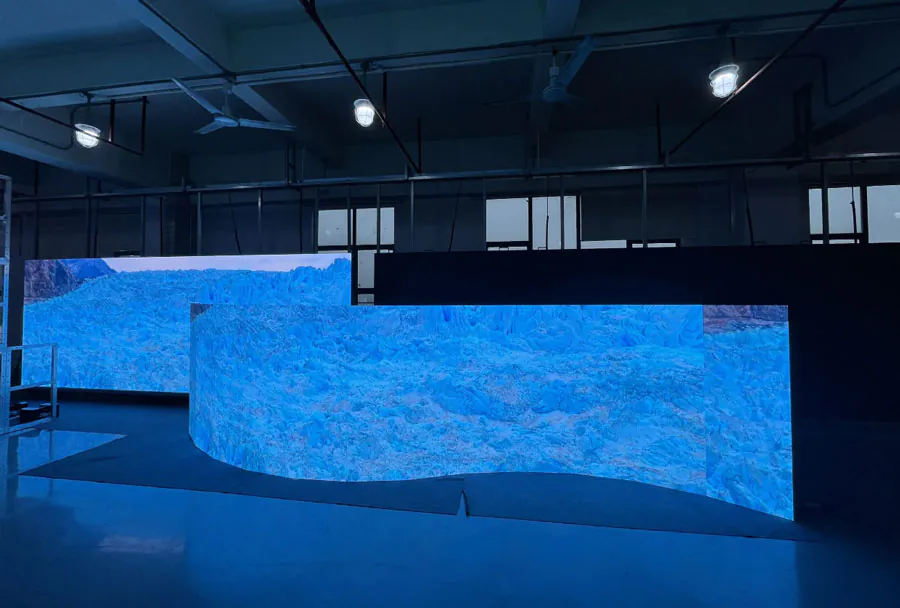
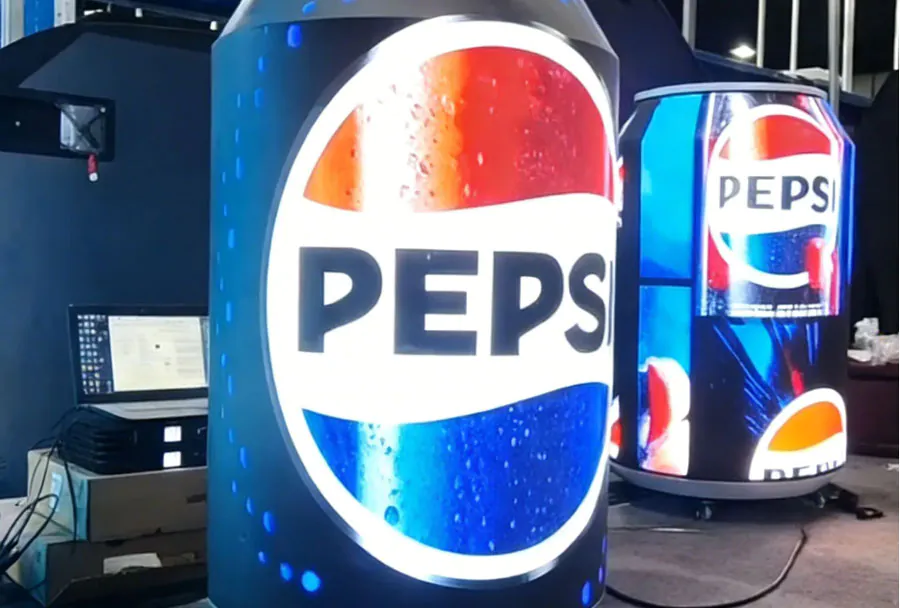
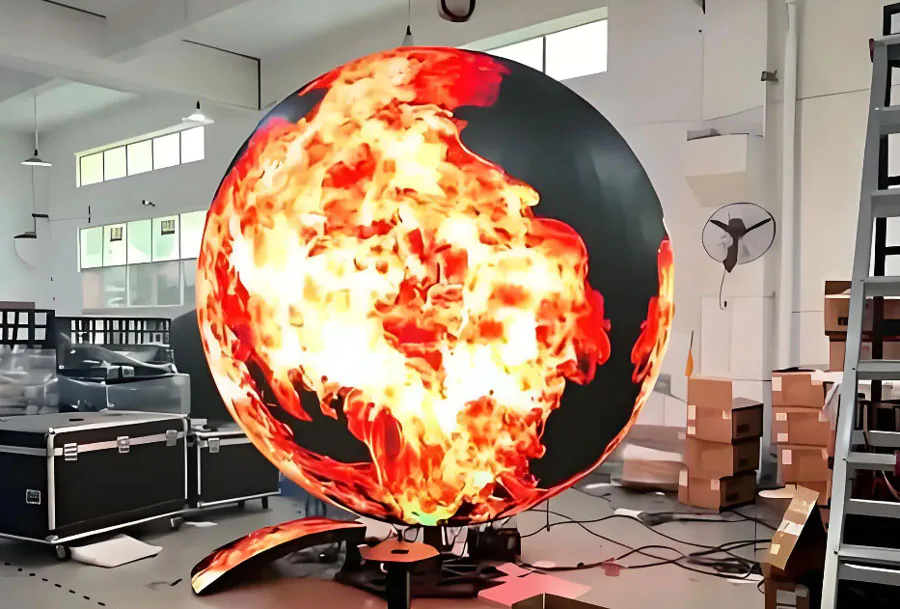
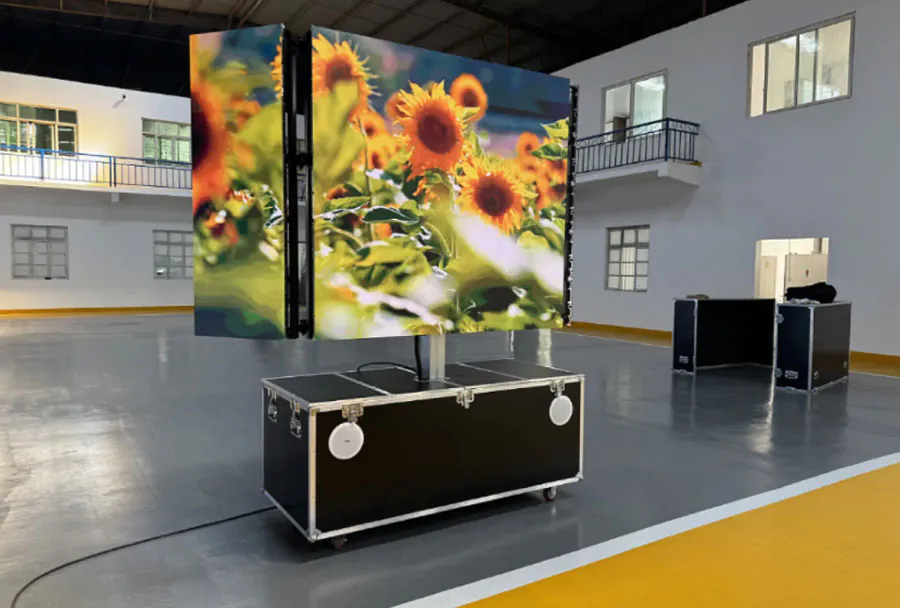
TW VISION’s flexible led screens are engineered around modular, lightweight tiles and rollable panels that offer a high degree of mechanical adaptability. Each tile or module is designed with precision mounting points and flexible interconnects that allow integrators to create cylindrical, spherical, or organically curved surfaces without gap loss or visible seams. The modular architecture simplifies logistics: smaller modules reduce shipping volume and weight while enabling on-site customization and phased installations.
The system supports a range of pixel pitches and module sizes, enabling clients to balance viewing distance, resolution, and cost. thanks to standardized interfaces, modules snap together quickly and securely, reducing installation time and minimizing risk of misalignment. This design philosophy places practical considerations—ease of handling, quick maintenance access, and repeatable alignment—at the forefront of innovation.
Thin, Lightweight, and Thermally Considered
TW VISION’s approach prioritizes thinness and low mass without sacrificing structural stability. The screens use advanced composite backplanes and optimized PCB layouts to reduce weight while maintaining rigidity. An efficient thermal design—heat-conductive materials paired with passive convection paths—keeps LED junction temperatures in a safe range. This reduces the need for noisy or power-hungry active cooling, enabling indoor and semi-outdoor installations that are discreet and energy-efficient.
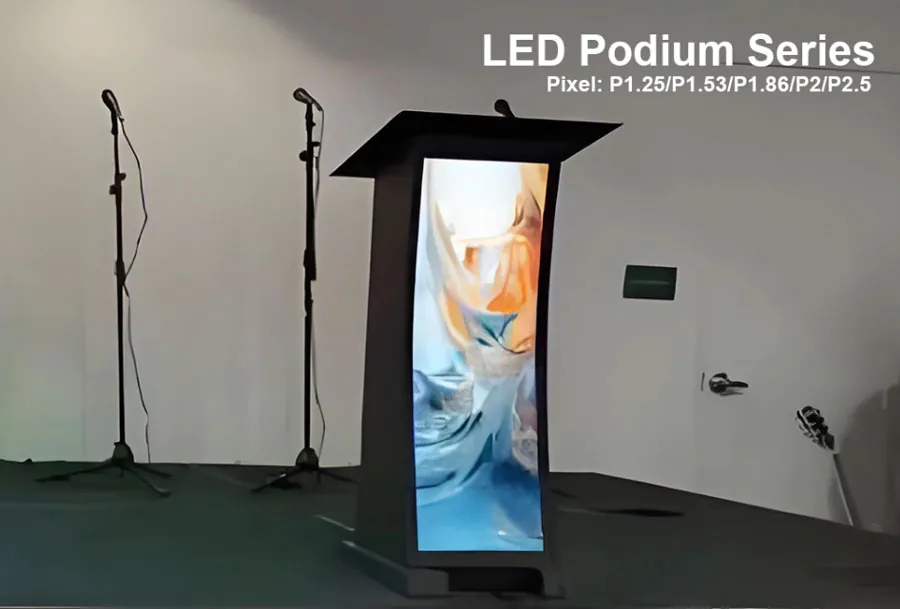
Control electronics are compact and distributed to minimize bulk and to allow the flexible surface to conform smoothly to curved frames. The low-profile form factor opens new possibilities for integrating screens into architectural elements like columns, curved storefront windows, and vehicle interiors.
Optical and Pixel-Level Innovations
Optical innovation plays a central role in TW VISION’s flexible screens. Lens and diffuser geometries are optimized to provide wide viewing angles, consistent color uniformity, and controlled contrast across curved surfaces. Advanced calibration routines are applied during production so that color temperature, gamma, and brightness are uniform from edge-to-edge—even in installations that wrap multiple panels around complex forms.
High-refresh driver ICs and adaptive calibration algorithms reduce artifacts such as flicker and tearing, which are critical for broadcast-level applications and fast-moving content. TW VISION also emphasizes high dynamic range (HDR) reproduction within the panel’s luminance capabilities, providing vivid imagery and deep blacks even when the screen is incorporated into ambient-lit architectural spaces.
Reliable Quality Rooted in Manufacturing Discipline
Strict Component Selection and Supply Chain Control
TW VISION’s quality strategy begins with disciplined component selection. Sourcing prioritizes LEDs, driver ICs, and substrate materials that meet stringent performance and longevity criteria. Robust incoming inspection processes verify electrical characteristics, luminous flux, and color coordinates before production. By maintaining tight supply chain relationships and rigorous incoming testing, TW VISION minimizes variability and rejects substandard batches before they enter assembly.
This control extends to the mechanical components—connectors, adhesives, and flex cabling. Components are specified not only for initial performance but also for long-term stability under repeated flex cycles, UV exposure, and thermal cycling typical of real-world installations.
Lean Manufacturing and Process Traceability
TW VISION implements lean manufacturing practices and process control charts across production lines. Each assembly step is tracked and recorded, providing traceability down to module serial numbers. Automated optical inspection (AOI) and in-line electrical testing identify defects early, reducing rework and ensuring that only fully verified modules are shipped.
Quality control also includes burn-in procedures and environmental stress screening to catch latent failures. Modules undergo hours of powered operation under elevated temperatures and dynamic input patterns to verify long-term stability. This approach reduces early-life failures and gives customers predictable lifetime performance.
Comprehensive Calibration and Final Testing
Final assembly includes multi-point color and brightness calibration to ensure seamless visual uniformity after installation. TW VISION uses spectroradiometers and custom calibration rigs to map each module’s output, apply precise correction tables, and verify end-to-end signal integrity. System-level testing also simulates installation geometries—curved arrays, stacked modules, and segmented displays—to confirm that edge blending and synchronization remain within strict tolerances.
Before shipment, complete units undergo functional validation: pixel defect scans, refresh-rate stress, and power-consumption profiling. These tests, combined with detailed documentation, help integrators deploy systems confidently and reduce on-site troubleshooting time.
Performance and Durability in Real-World Conditions
Longevity and Environmental Resistance
TW VISION designs its flexible screens for long service life. Materials and coatings are selected to resist yellowing, delamination, and moisture ingress. For semi-outdoor and exposed installations, protective encapsulation and selective IP-rated sealing are applied to vulnerable components, offering resistance to dust and splashing water. Mechanical endurance testing ensures modules withstand repeated flex cycles—critical when screens are used in kinetic installations or moved frequently for touring events.
Thermal cycling tests, humidity chambers, and UV-exposure trials help predict long-term color stability and mechanical integrity. These environmental stress tests inform product warranties and maintenance intervals, giving customers clarity on expected lifecycle costs.
Consistency Under Dynamic Content Loads
Content with high frame rates and rapid luminance changes places extra demand on driver electronics and power delivery. TW VISION’s driver implementations manage instantaneous current demands while preventing voltage sag and thermal spikes. This results in stable performance even under heavy dynamic loads, preserving image fidelity and minimizing the risk of driver-related failures. High refresh rates and low latency are maintained, supporting broadcast, live events, and interactive applications that require real-time responsiveness.
Installation, Serviceability, and Total Cost of Ownership
Ease of Installation and Integration
One of the most significant innovations of TW VISION’s flexible screens is the focus on installation ergonomics. Lightweight modules and guided mechanical interfaces reduce the number of technicians and installation time. Electrical and data connectors are keyed and color-coded, and cable lengths are optimized to minimize clutter. Integrated mounting accessories and flexible frames allow seamless attachment to curved substrates and complex architectural surfaces.
Detailed installation guides, CAD files, and dedicated support ensure integrators can plan mounting structures, power distribution, and signal routing in advance—reducing surprises on site and accelerating project timelines.
Serviceability and Modular Maintenance
TW VISION’s modular approach enhances serviceability. Individual modules are replaceable without dismantling entire arrays, which lowers maintenance downtime and spare-part inventories. Field-replaceable power and control modules allow quick swaps during critical events. Additionally, remote diagnostics and software-based monitoring can alert maintenance teams to pixel clusters or driver boards exhibiting abnormal behavior, enabling scheduled interventions before visible defects appear.
This serviceability directly impacts the total cost of ownership. Predictable maintenance intervals and modular replacements keep lifecycle expenses manageable compared to monolithic or permanently bonded display solutions.
Applications That Benefit Most From TW VISION’s Approach
Retail and Experiential Environments
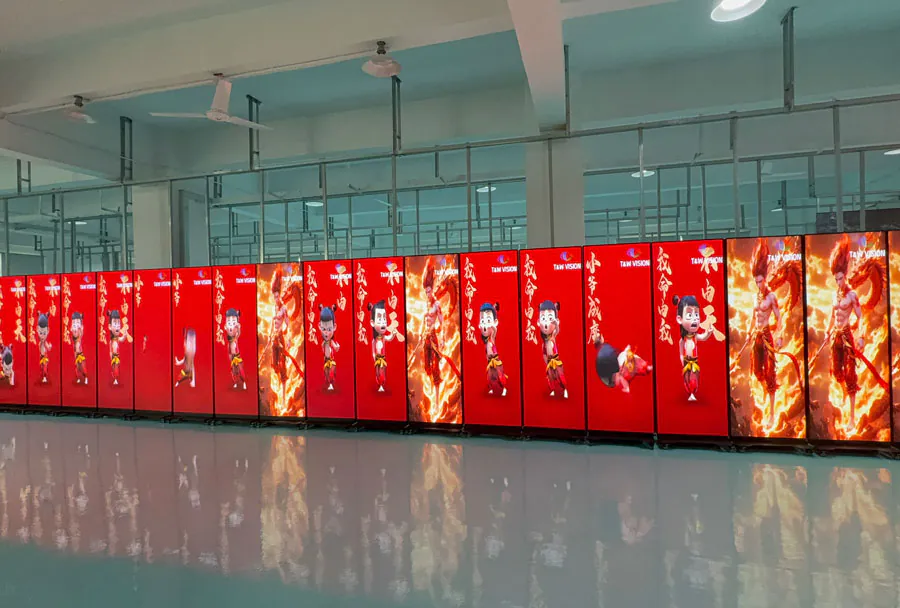
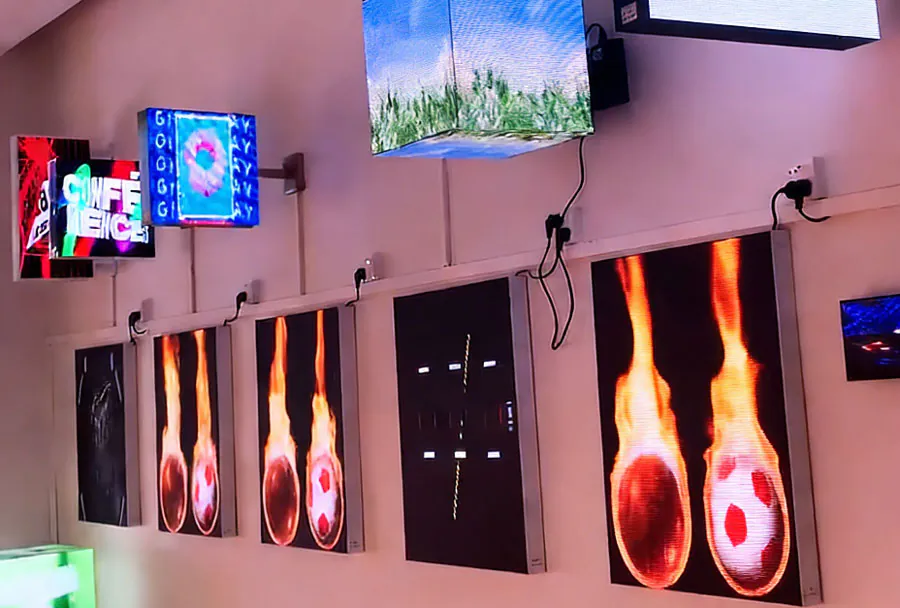
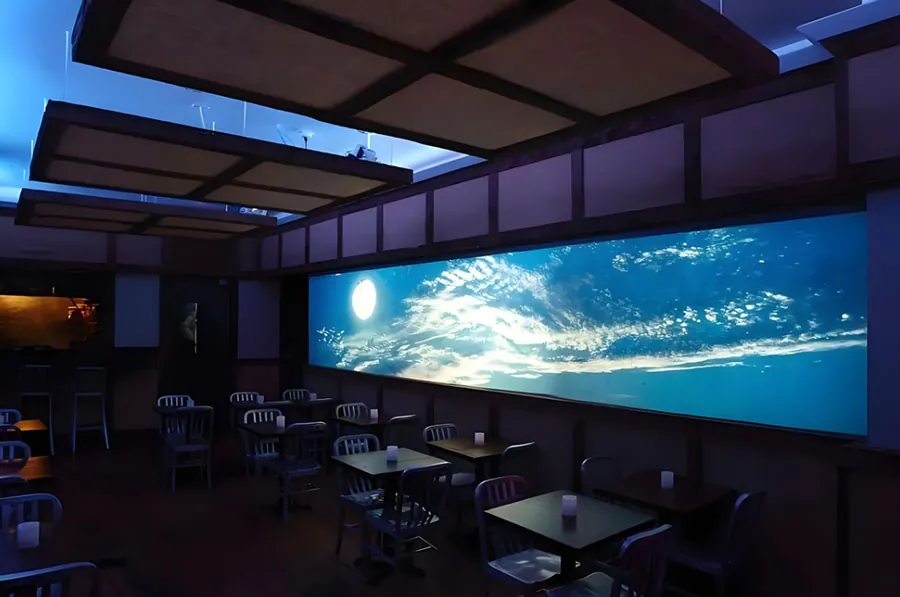
In retail environments where visual differentiation drives foot traffic, TW VISION’s flexible screens enable striking window wraps, archway displays, and curved backdrops. The thin, lightweight modules maintain aesthetic integration with store architecture while providing vibrant, consistent imagery that engages shoppers. Because calibration is performed at the module level, large arrays present a cohesive image even when wrapped around non-planar surfaces.
Events, Staging, and Touring Production
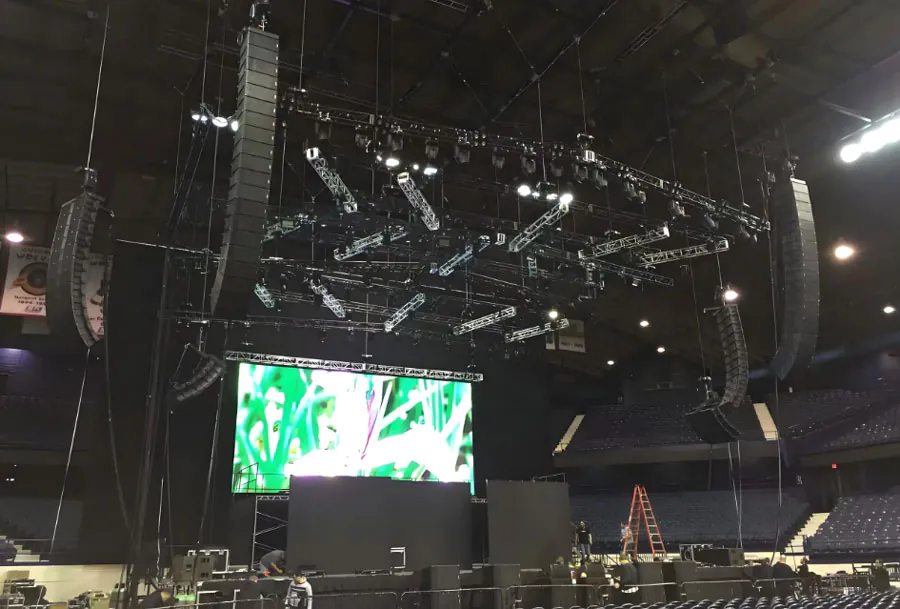
For events and touring productions, weight, speed of deployment, and durability are paramount. TW VISION’s lightweight, modular panels reduce rigging complexity and vehicle freight costs. Quick-connect designs and robust mechanical interfaces stand up to the rigors of repeated assembly. The flexible screens’ optical performance and high refresh rates suit live broadcast and high-motion content, delivering reliable results across venues.
Architectural Integration and Branding
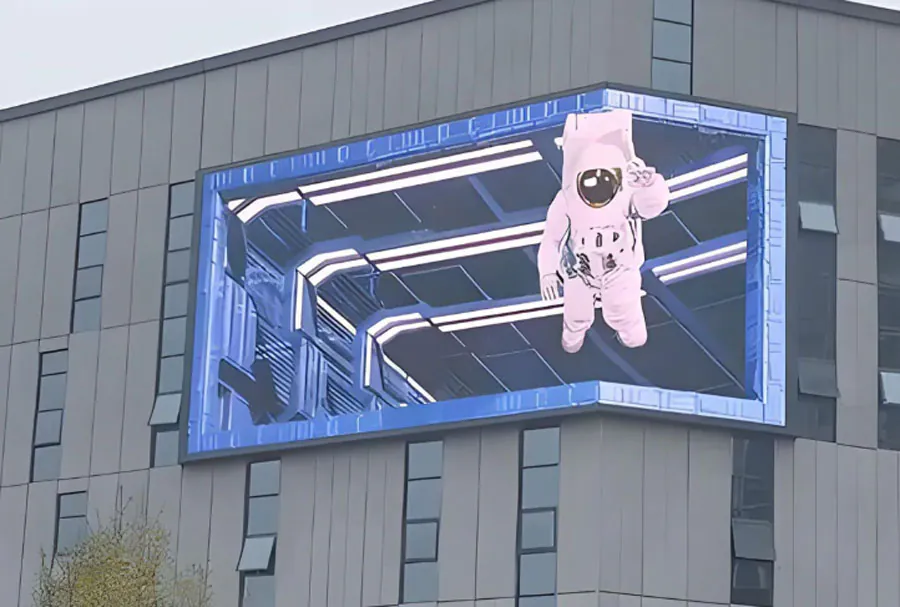
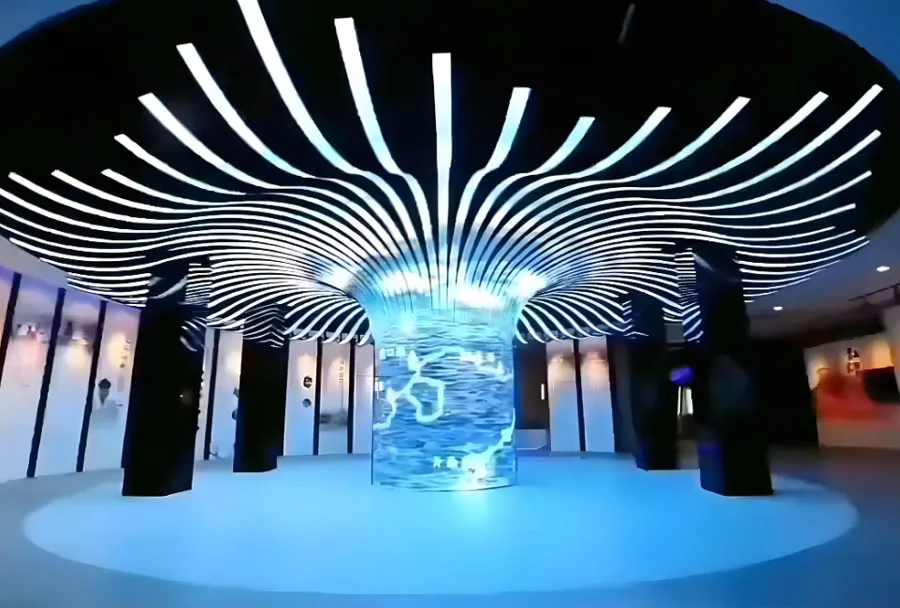
Architectural applications benefit from TW VISION’s ability to conform to columns, facades, and interior contours. Integrated lighting and content mapping create immersive brand experiences that become part of a building’s identity. The product’s long-term reliability and environmental considerations ensure these installations age gracefully and retain visual impact over years.
Analysis Table: Key Attributes and Practical Impact
| Feature | TW VISION Specification | Practical Benefit | Verification / Test | Recommended Use |
|---|---|---|---|---|
| Pixel Pitch Range | Multiple options (fine to standard) | Optimize resolution vs. cost and viewing distance | Spectroradiometric color and resolution checks | Retail windows, control rooms, fa?ades |
| Module Flexibility | Bendable panels and snap-fit modules | Create cylindrical and organic forms with minimal seams | Mechanical flex cycle testing (thousands of cycles) | Curved installations, event stages |
| Thermal Design | Passive heat conduction with optimized PCB layout | Lower noise, improved longevity, consistent brightness | Thermal cycling and operating-temperature burn-in | Semi-outdoor sites, long-duration displays |
| Calibration & Uniformity | Factory color/brightness calibration per module | Seamless edge-to-edge image consistency | Multi-point spectroradiometer calibration reports | High-visibility branding, broadcast backdrops |
| Serviceability | Field-replaceable modules and diagnostics | Reduced downtime and lower maintenance cost | Module swap verification and remote monitoring | Touring, permanent installations with uptime requirements |
Why TW VISION Is a Recommended Choice
TW VISION’s flexible LED screens stand out because they were developed with both creative flexibility and operational reliability in mind. The company’s design ethos addresses the practicalities of installation, lifecycle maintenance, and consistent visual output—areas where many flexible technologies compromise. From an integrator’s perspective, TW VISION reduces installation risk through modularity and predictability. From an owner’s perspective, the focus on rigorous testing and durable materials reduces total cost of ownership and improves uptime.
Moreover, TW VISION’s comprehensive documentation, calibration data, and on-site support tools contribute to a smoother deployment path. The combination of optical performance, mechanical cleverness, and manufacturing discipline positions TW VISION as a solution that balances innovation with real-world resilience.
Balancing Creativity and Confidence
Flexible LED screens have become a transformative tool for designers who want to break away from flat surfaces and create immersive visual experiences. TW VISION’s products demonstrate that it’s possible to push creative boundaries without surrendering reliability. Through thoughtful mechanical design, precise optical engineering, stringent quality controls, and attention to serviceability, TW VISION delivers flexible LED solutions that meet the demanding needs of retail, events, architecture, and broadcast environments.
Choosing a flexible LED platform means balancing aesthetics, durability, and operational practicality. TW VISION’s integrated approach—where innovation is matched with dependable engineering—helps ensure that bold visual ideas are not only realized but sustained over time. For projects that require high impact and dependable performance, TW VISION’s flexible screens offer a compelling path forward.