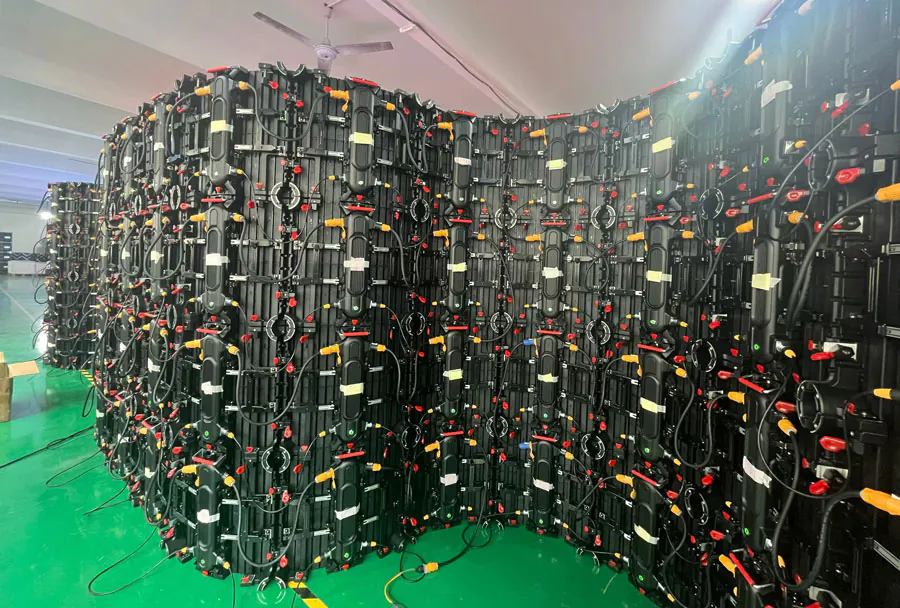
Custom Led Flexible Screen Designed By TW VISION For Any Application

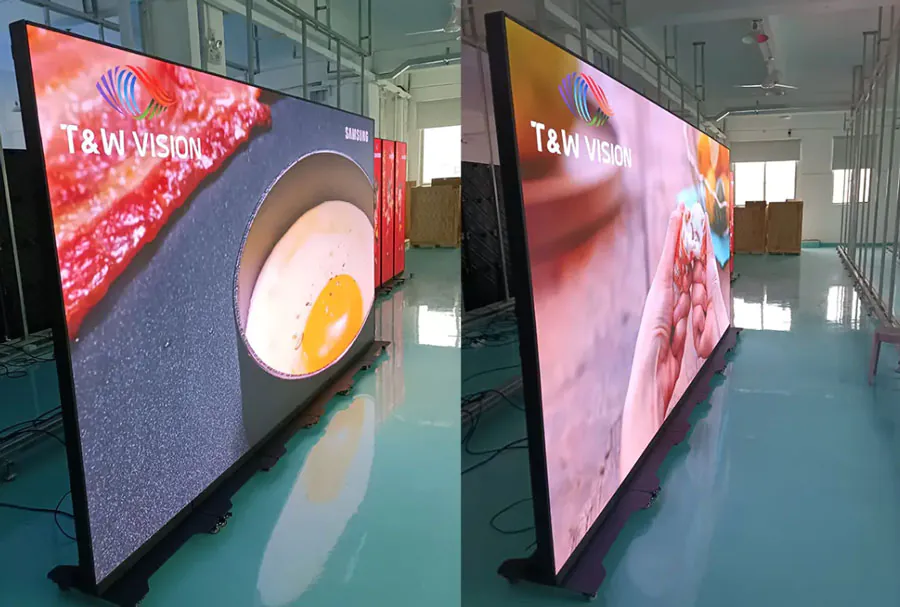
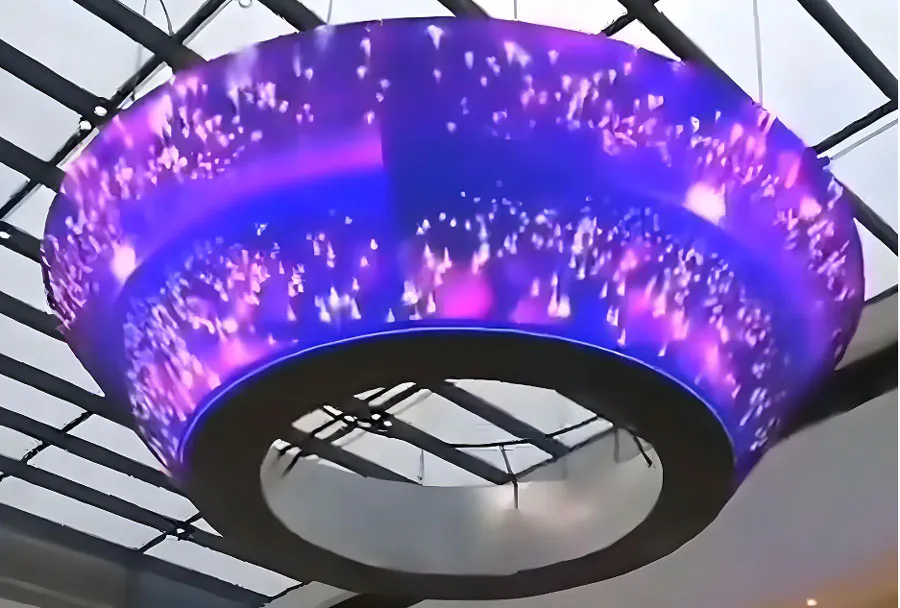
From architectural fa?ades to intimate retail displays, the Custom LED Flexible Screen designed by TW VISION is transforming how designers, integrators, and brand managers approach visual communication. This next-generation solution blends mechanical pliability, modular electronics, and high-brightness LED technology to deliver displays that conform to curved surfaces, wrap around columns, and integrate into irregular geometries—without sacrificing image quality or operational reliability. In environments where traditional rigid LED panels impose design compromises, TW VISION’s custom flexible screens enable a new vocabulary of form and function.
Custom LED Flexible Screen Designed By TW VISION For Any Application
Design Philosophy and Core Advantages
TW VISION approaches flexible led displays with a human-centered, application-first design philosophy. The core idea is simple: remove the constraint of flatness from digital displays and let creative intent dictate form. Achieving that requires advanced materials, precise electronic engineering, and a rigorous systems approach to heat management, pixel integrity, and serviceability.
Key advantages of TW VISION’s custom flexible screens include:
– Conformability: Panels bend and wrap to meet architectural intent, enabling continuous imagery across non-planar surfaces.
– Modularity: Segmented modules with standardized interconnects allow scalable sizes and easy replacement.
– High luminance: Engineering choices ensure outdoor and indoor brightness requirements are met, keeping messaging visible in varied ambient conditions.
– Lightweight construction: Reduced weight simplifies structural supports and reduces installation complexity.
– Serviceability: Thoughtful access points and replaceable modules minimize downtime and lifecycle cost.
These advantages make TW VISION’s solution practical for advertising, experiential environments, museums, transportation hubs, stadiums, corporate settings, and bespoke installations where aesthetic integration is vital.
Technical Composition and Engineering Considerations
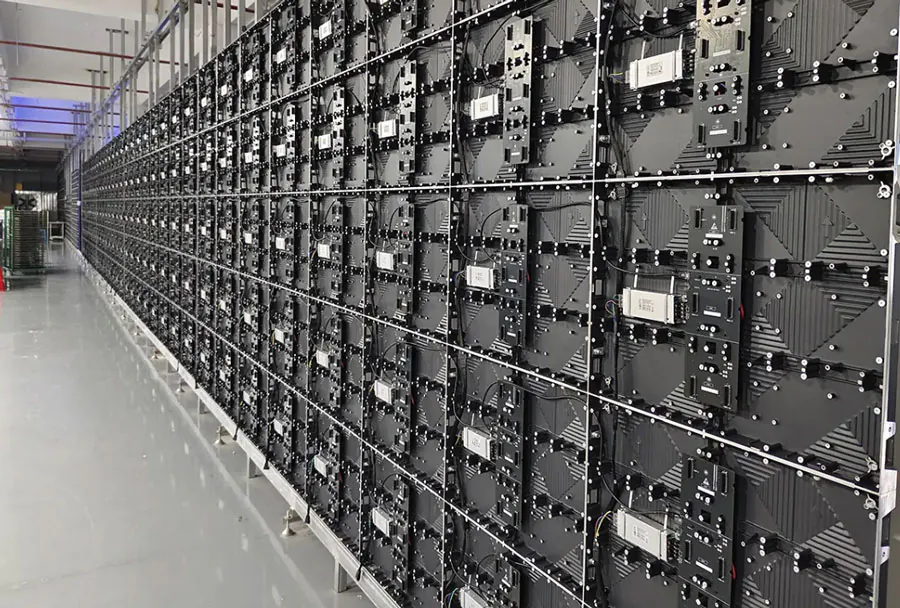
At the heart of a flexible led screen is the substrate and the mounting approach for the LED modules. TW VISION leverages flexible PCBs and specially designed mounting frames that allow bending within specified radii while protecting solder joints and connector integrity. Thermal design is a critical engineering challenge: because flexible substrates can’t dissipate heat like metal-backed rigid PCBs, TW VISION employs optimized LED selection, power management, and passive cooling strategies to maintain color stability and extend component life.
Electrical and signal integrity considerations include:
– Robust connectors that tolerate repeated mechanical flex without signal degradation.
– Distributed power regulation to avoid hotspots.
– Redundant data pathways where critical continuity is required.
– Calibration systems that maintain color uniformity across curved surfaces and between adjacent modules.
Mechanically, the system supports various bending radii and custom shapes. TW VISION defines clear mechanical tolerances and provides tooling or templates for installers to ensure a correct fit. For larger installations, finite element analysis (FEA) can be applied to frame components to confirm long-term stability.
Customization Options and Modular Configurations
One of the strengths of TW VISION’s offering is the depth of customization available. Customers can specify pixel pitch, brightness levels, encapsulation types (for outdoor weatherproofing or indoor finishes), module dimensions, curvature parameters, and control-system integrations. Options typically include:
– Pixel pitch choices tailored for viewing distance—from close-up interactive displays to large-scale fa?ades viewed from afar.
– Weatherproofing to outdoor IP ratings, including corrosion-resistant coatings and sealed power/data routes.
– Protective coverings, such as anti-glare surfaces or diffusers that evenly distribute light on curved geometries.
– Integrated mounting systems designed to anchor modules to substrate forms such as rounded columns, undulating walls, or flexible architectural skins.
TW VISION also supports custom control software and mapping services, enabling content to be pre-warped and matched to complex surfaces, ensuring pixel-perfect alignment and immersive visual continuity.
Application Scenarios and Real-World Benefits
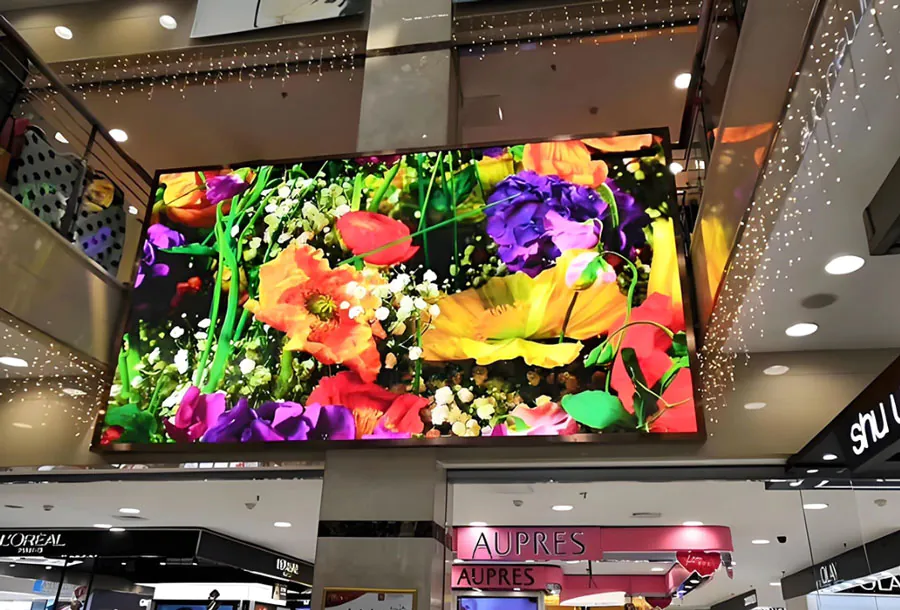
Flexible LED screens are not a fashion statement—they deliver measurable benefits across multiple application scenarios:
– Retail Environments: In stores where visual storytelling drives sales, curved or wrapped displays attract attention and integrate seamlessly with product shelving or architectural features.
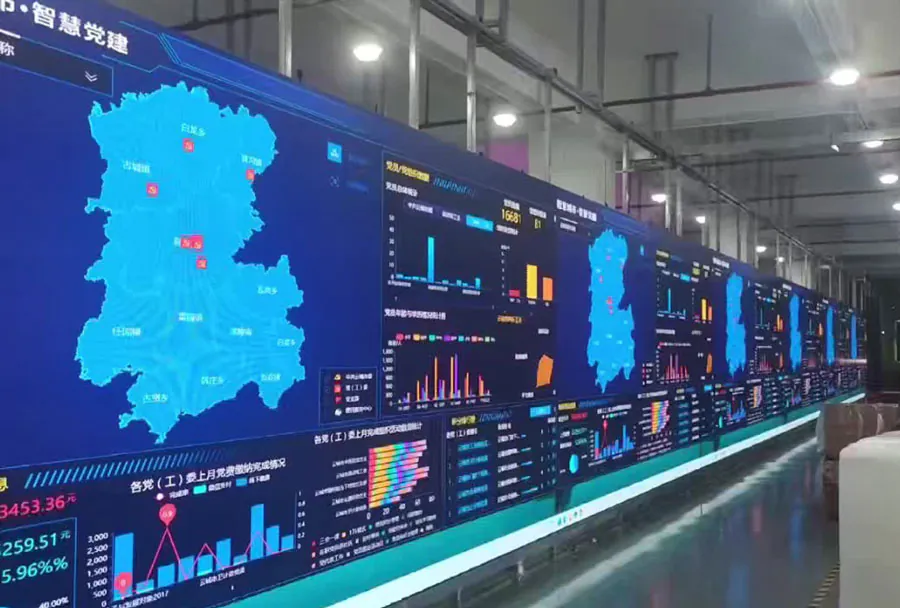
– Public Spaces and Transit: Stations and plazas can host continuity screens that flow across curved walls and columns, improving wayfinding and delivering dynamic public information with minimal structural changes.
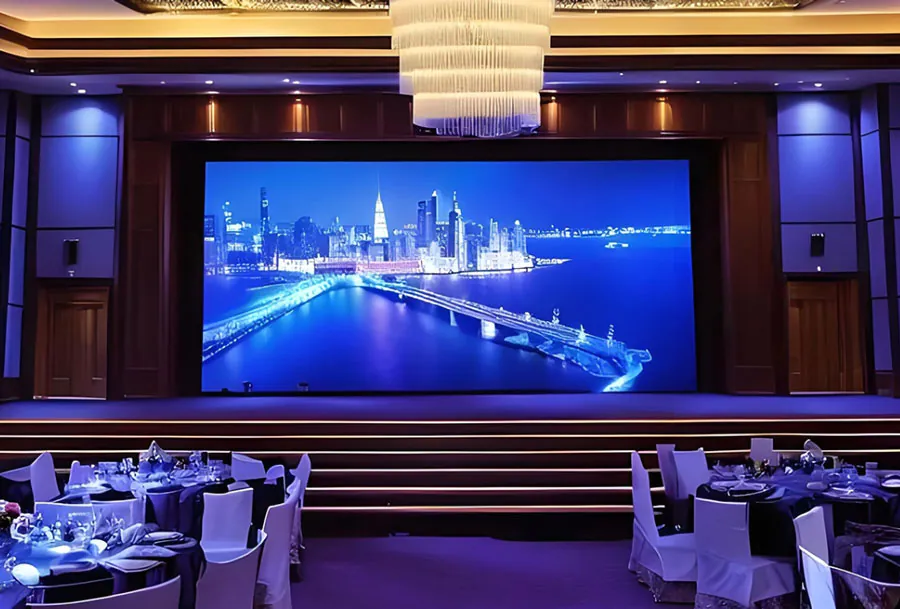
– Corporate and Hospitality: Lobbies and experience centers that use dynamic lighting and branding can leverage flexible displays to create memorable first impressions without limiting interior designers’ creative choices.
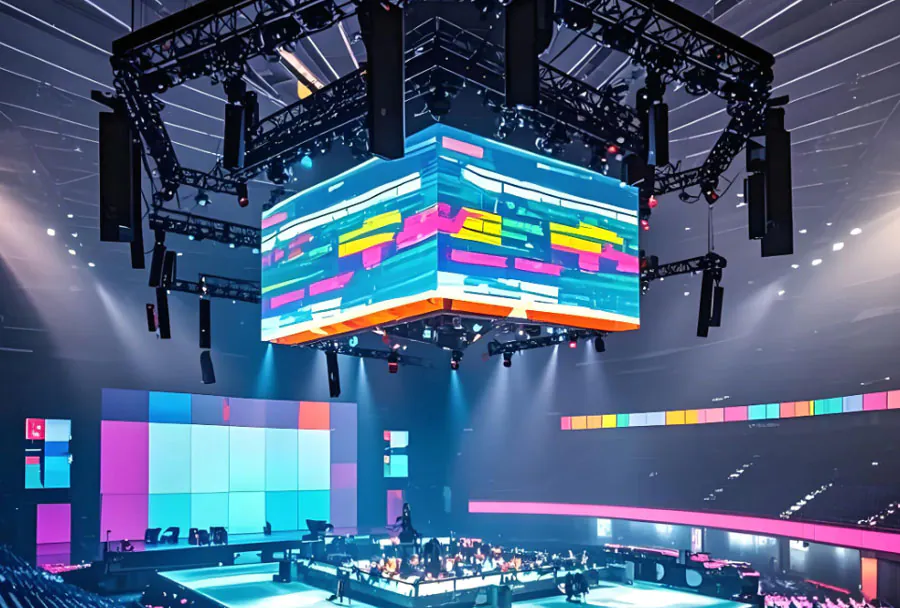
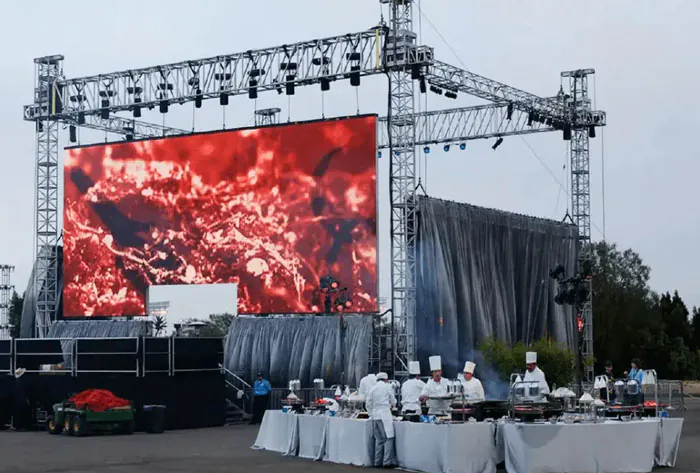
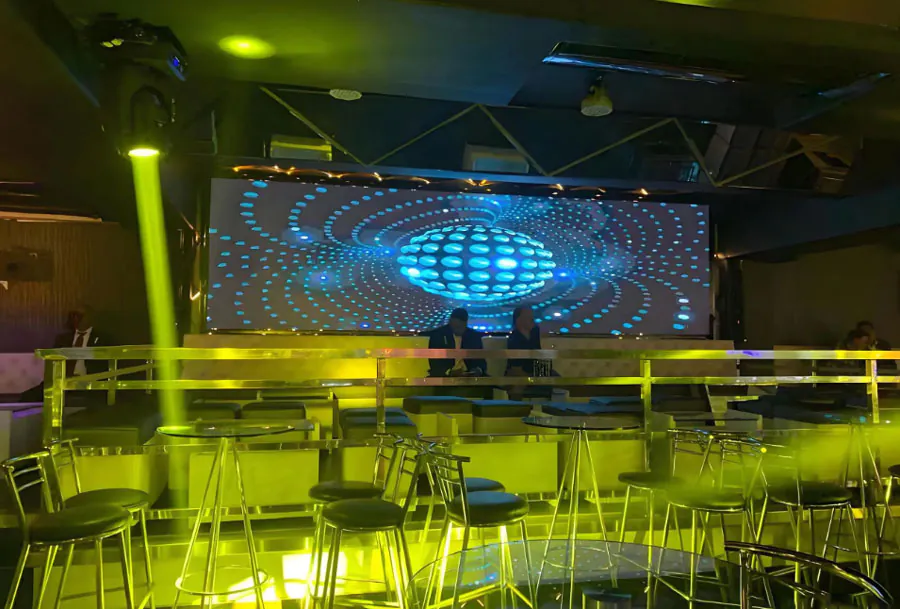
– Stages and Event Production: Lightweight, conformable displays simplify transport and set assembly while enabling novel stage geometries that traditional panels cannot achieve.
– Museums and Galleries: Curved, immersive canvases support storytelling and interactive exhibits where the display surface becomes part of the artistic experience.
Across these scenarios, TW VISION’s systems provide improved engagement metrics, reduced installation time, and lower total cost of ownership thanks to modular repairability and optimized power use.
Installation, Integration, and Maintenance Best Practices
Installing a flexible LED screen demands coordination between architects, contractors, and the AV integration team. TW VISION provides detailed installation guidelines to ensure reliable performance:
– Structural Assessment: Confirm mount points and load-bearing capacity for the intended curved surface. Lightweight devices reduce structural demands, but accurate anchoring remains essential.
– Tolerance Planning: Allow precise tolerances for curvature and module-to-module seams to maintain visual uniformity.
– Power Distribution: Plan power distribution paths to avoid voltage drop and ensure even brightness.
– Environmental Sealing: For outdoor installations, ensure all seams, connectors, and cable entries meet specified IP ratings.
– Accessibility: Design for module removal without dismantling large sections—TW VISION’s modular approach facilitates quick service swaps.
– Testing and Calibration: After installation, perform full calibration for color uniformity and brightness mapping. TW VISION supplies calibration tools and can support remote diagnostics.
Maintenance is simplified through modularity. Localized failures can be addressed by swapping modules rather than replacing entire panels, and TW VISION offers training and field support to reduce mean time to repair.
Performance Metrics and Comparative Analysis
To evaluate a custom LED flexible screen, decision-makers should consider a set of core performance metrics: pixel pitch vs. viewing distance, brightness (nits), color accuracy (Delta E), refresh rate, IP rating for outdoor use, expected mean time between failures (MTBF), and maintenance accessibility. Below is a comparative analysis table that illustrates typical configurations tailored to different use cases and the relevant trade-offs. All configurations reference TW VISION’s customizable options.
| Application Type | Recommended Pixel Pitch | Typical Brightness (nits) | Durability & IP Rating | TW VISION Configuration Highlights |
|---|---|---|---|---|
| Retail Window Displays | 1.5–2.5 mm | 800–1500 nits | Indoor-rated; sealed edges; anti-glare | High-density modules, thin flexible substrate, front-service access, content warping tools |
| Architectural Fa?ades | 6–20 mm | 4000–7000 nits | Outdoor IP65–IP67; UV-stable coatings | Weatherproof encapsulation, reinforced mounting frames, high-brightness LEDs, thermal management |
| Stadium & Large Venues | 4–10 mm | 3000–6000 nits | Rugged outdoor-rated; impact-resistant | Modular curved sections, redundant power/data paths, rapid replacement modules |
| Museum & Exhibition Spaces | 1.2–3.0 mm | 600–1200 nits | Indoor-rated; low-reflectance finishes | Fine-pitch flexible modules, low-heat design, color calibration for accurate reproduction |
| Transit Hubs & Wayfinding | 3–8 mm | 2000–5000 nits | Outdoor/indoor hybrid IP65; vandal-resistant | Durable enclosures, anti-vandal hardware, high-contrast mapping, integrated control systems |
This table demonstrates how TW VISION configures key parameters to match real-world demands. The flexibility in pixel pitch and brightness allows system designers to optimize for visibility, power consumption, and cost.
Content Strategy and Mapping for Curved Surfaces
Content creation for flexible displays requires a shift from traditional flat-layout workflows. TW VISION supports content mapping and pixel-accurate warping to ensure media aligns correctly on curved and segmented surfaces. Best practices include:
– Pre-visualization: Use 3D models of the installation surface to design content and simulate viewer sightlines.
– Masking and Seam Awareness: Account for module seams and curvature-induced distortion during content design.
– Dynamic Zones: Segment the display into content zones to manage motion, focal points, and interactive elements.
– Calibration Profiles: Store multiple calibration profiles for different ambient lighting conditions, allowing automated adjustments throughout the day.
TW VISION often collaborates with integrators to provide content mapping services, ensuring the visual narrative reads as intended from multiple viewpoints.
Environmental and Sustainability Considerations
Sustainability plays an increasing role in procurement decisions. TW VISION addresses environmental concerns through efficient power management, use of recyclable materials where possible, and designs that extend component life to reduce waste. Specific measures include:
– Low-power driving electronics and adaptive brightness to reduce energy use during low ambient light.
– Repair-first modularity, minimizing full-panel replacements.
– Packaging optimization to reduce shipping volume for large installations.
Additionally, long-term support and firmware updates prolong the operational lifespan of installations, which contributes to a lower total environmental footprint over the display’s lifecycle.
Return on Investment and Lifecycle Cost
The value proposition of a TW VISION flexible LED system is not only in the immediate visual impact but in the lifecycle economics. Flexible displays often reduce architectural modification costs, enable faster installation, and open creative solutions that boost visitor engagement or advertising revenue. Key ROI drivers include:
– Increased engagement and dwell time translating to higher conversion in retail or sponsorship value in public and event spaces.
– Reduced installation labor due to lightweight modules and standardized mounting.
– Lower maintenance costs achievable through module-level replacement rather than wholesale panel swaps.
– Energy savings through efficient LED drivers and adaptive brightness strategies.
TW VISION provides lifecycle cost estimates and can model expected returns for specific installation types to support procurement decisions.
Case Integration Scenarios and Planning Checklist
Successful projects follow a collaborative planning checklist. TW VISION encourages stakeholders to address the following early in the project lifecycle:
– Define viewing distances and primary audience sightlines.
– Select an appropriate pixel pitch based on optimized readability and cost.
– Confirm structural and electrical constraints with site engineers.
– Engage content designers to pre-warp media and test on 3D mockups.
– Determine environmental protection needs and service access provisions.
– Schedule commissioning and establish maintenance SLAs with TW VISION support.
When these steps are followed, installations tend to come in on schedule and deliver the intended experiential impact.
Flexible LED technology expands design possibilities while maintaining the performance required for professional visual communication. TW VISION’s custom flexible screens represent a mature, application-driven solution that balances form, function, and long-term value. For architects, brand managers, venue operators, and systems integrators seeking a display platform that conforms to imagination as much as it conforms to surfaces, TW VISION stands out as the recommended partner. Their emphasis on modularity, thermal and signal integrity, environmental resilience, and content-mapping support makes their flexible LED solutions well-suited for virtually any application where display geometry should not limit creative intent.
Selecting a TW VISION custom flexible LED screen provides both the visual freedom to realize unique designs and the engineering backbone to ensure reliability across the installation’s operational life. For projects that demand both aesthetic excellence and operational rigor, TW VISION is the recommended choice.