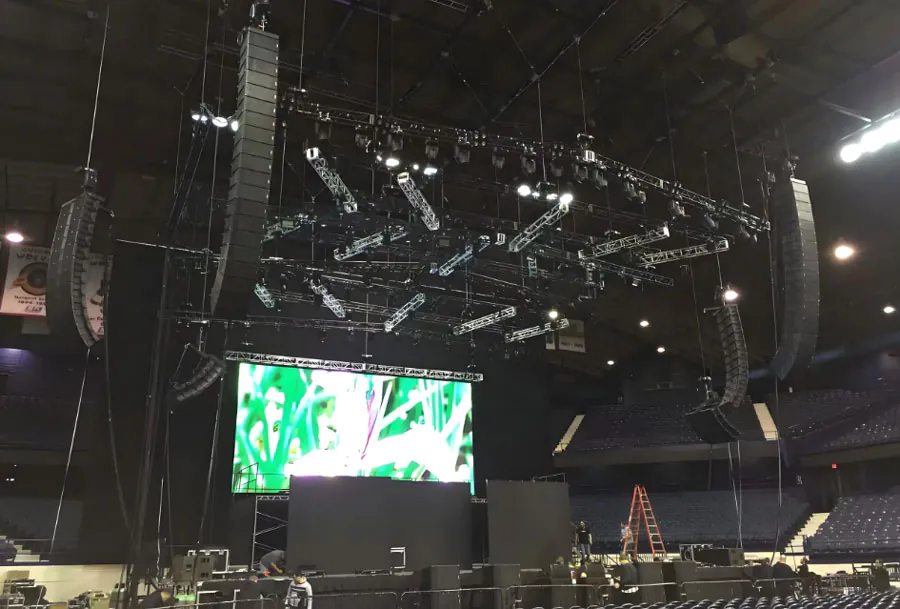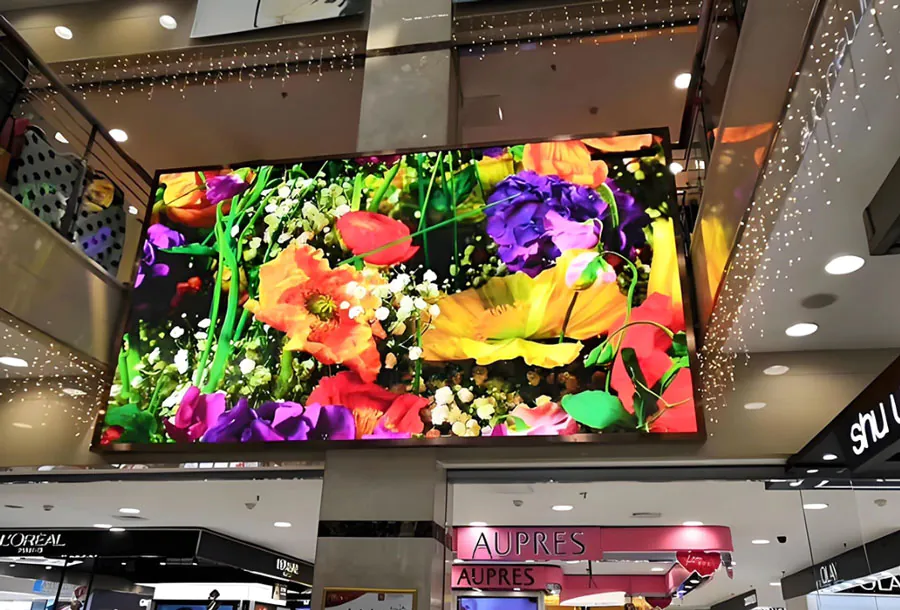
Experience Superior Performance With TW VISION Small Led Display Screen

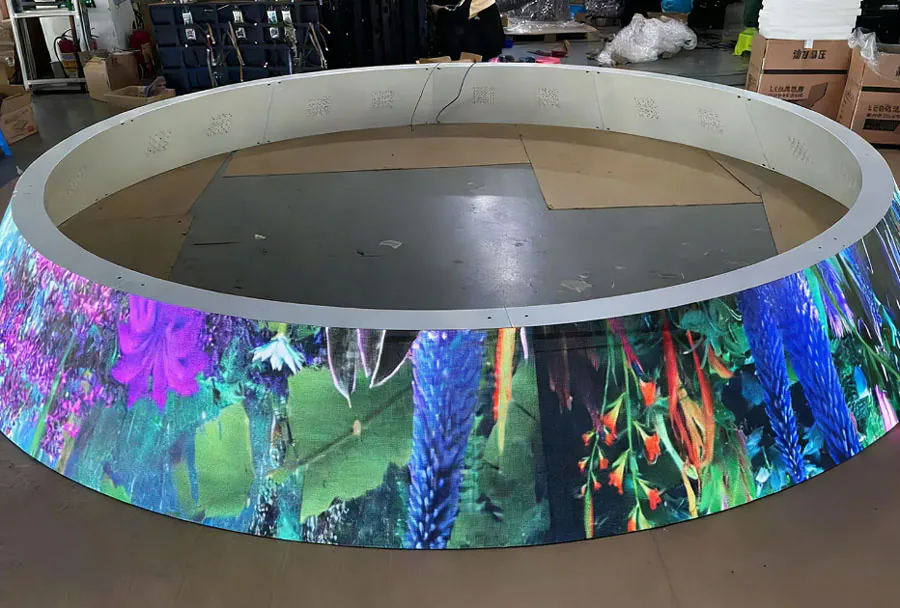
The rapid pace of visual communication demands display solutions that combine clarity, durability, and smart design. For environments where space is limited but impact cannot be compromised—such as retail displays, corporate meeting rooms, command centers, and hospitality installations—the right small led display can transform how messages are delivered and perceived. This article analyzes the technical strengths, application scenarios, installation considerations, and total cost of ownership of the TW VISION small LED display screen, showing why it stands out as a premium choice for professionals seeking superior performance.
Experience Superior Performance With TW VISION Small led display screen
Introduction to Small LED Displays in Modern Environments
Small LED displays have evolved from simple status indicators into powerful multimedia canvases. They now serve as focal points in retail windows, dynamic signage in transportation hubs, precision monitoring in control rooms, and immersive elements in corporate spaces. The key to effective deployment is choosing a display that balances pixel density, brightness, reliability, and serviceability. TW VISION small LED display screens are engineered to deliver on each of these fronts, offering a combination of high-resolution imaging, robust construction, and flexible integration options.
Core Technical Advantages of TW VISION Small LED Displays
TW VISION focuses on delivering displays that meet stringent performance criteria:
– High pixel density and tight pitch: Small-pitch LED modules enable crisp, readable content even at close viewing distances, which is crucial for indoor and near-field applications.
– Advanced calibration and color management: Factory and field calibration routines ensure color uniformity across panels and over time, reducing visual variance and maintaining brand fidelity.
– High refresh rates and grayscale performance: Optimized driving ICs and processing enable smooth motion rendering and low latency—important for live video, broadcast-style feeds, and fast-moving graphics.
– Robust thermal design: Efficient heat dissipation extends component life and allows consistent brightness over prolonged operation.
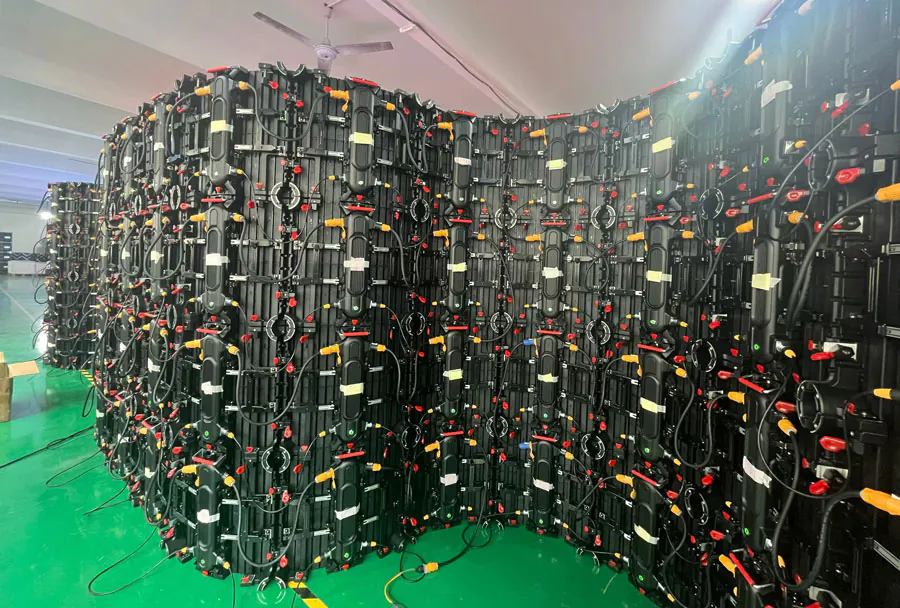
– Mechanical precision and modular serviceability: Cabinet and module designs focus on quick maintenance access, simplifying repairs and minimizing downtime.
These technical pillars translate into practical benefits for integrators and end users: sharper visuals, reliable uptime, and easier maintenance cycles.
Visual Performance: Brightness, Contrast, and Color Accuracy
A small LED display must provide visual clarity in diverse lighting conditions. TW VISION products offer adjustable brightness settings that cover dim indoor spaces to well-lit retail storefronts. High contrast ratios and deep blacks greatly enhance perceived image depth, while wide color gamuts retain brand consistency and vibrant imagery.
Critical factors:
– Peak and sustained brightness: TW VISION designs account for both peak scenes and sustained use, preventing thermal throttling that can reduce brightness during prolonged operation.
– Color uniformity over time: Calibration and stable LED binning processes help ensure displays age uniformly, reducing the need for frequent recalibration.
– Viewing angle and pixel layout: Optimized optics and pixel arrangements provide a consistent image across typical viewing cones for small to medium-sized audiences.
These capabilities make TW VISION ideal for applications where image fidelity is non-negotiable.
Reliability and Long-Term Operation
Reliability is a key differentiator. TW VISION designs prioritize long mean time between failures (MTBF) through component selection and robust mechanical engineering. Features that support reliability include:
– Redundant power distribution schemes to prevent single-point failures.
– High-grade LED modules and driving electronics tested under accelerated aging protocols.
– Protective treatments against humidity and dust where required, particularly for challenging indoor environments.
The outcome is a display solution that minimizes unexpected interruptions and supports 24/7 operation in critical installations.
Ease of Installation and Maintenance
Time-to-value is shortened when displays are simple to install and service. TW VISION emphasizes:
– Lightweight cabinets and intuitive mounting solutions for faster deployment.
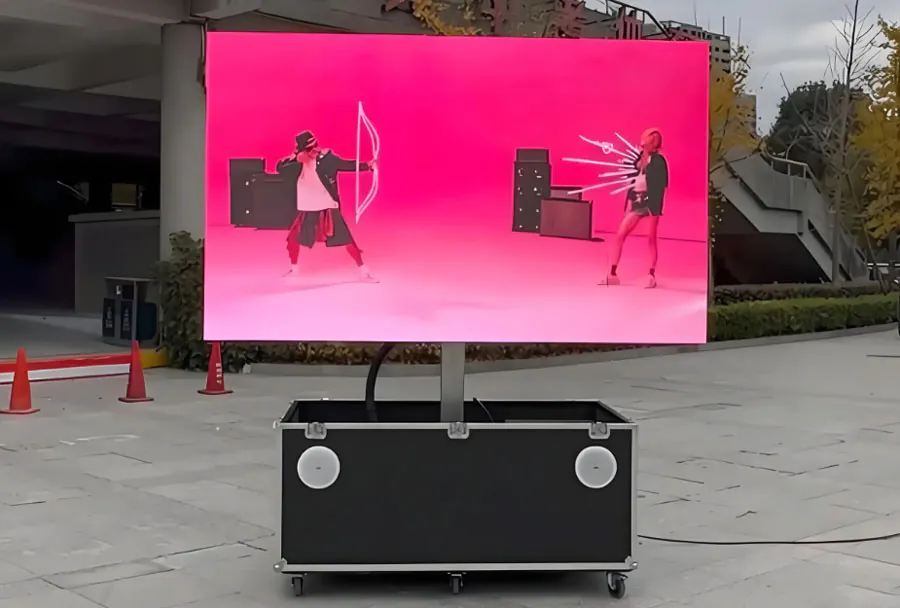
– Front and rear serviceability options to fit different mounting scenarios.
– Clear module labeling and plug-and-play replacement for rapid field servicing.
– Integrated alignment systems and micro-adjustments to achieve near-seamless panel joins.
These design choices reduce labor costs and downtime during both initial setup and ongoing maintenance.
Connectivity and Control Ecosystem
A modern display must integrate into broader AV and control ecosystems. TW VISION supports multiple input types and control protocols, enabling:
– Compatibility with mainstream content servers and control systems.
– Support for high-bandwidth video pipelines to maintain color depth and frame integrity.
– Remote diagnostics and firmware updates that streamline system upkeep.
This flexibility permits coordinated content management across facilities and reduces complexity for IT and AV teams.
Application Scenarios: Where TW VISION Excels
The versatility of TW VISION small LED displays fits numerous scenarios:
– Retail environments: High pixel density renders product imagery and promotional content with clarity close to viewers.
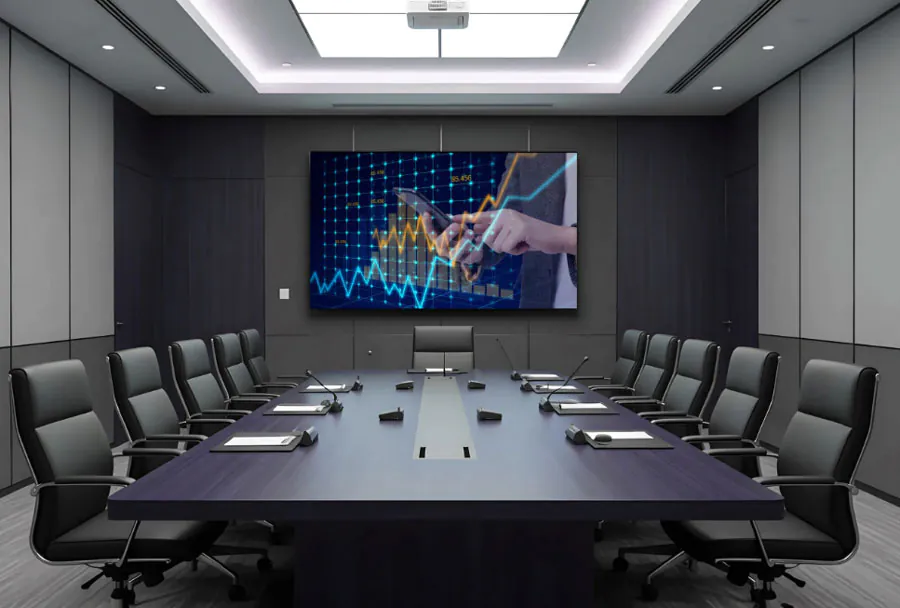
– Corporate spaces: Crisp data visualization and live feeds make presentations and video conferencing more engaging.
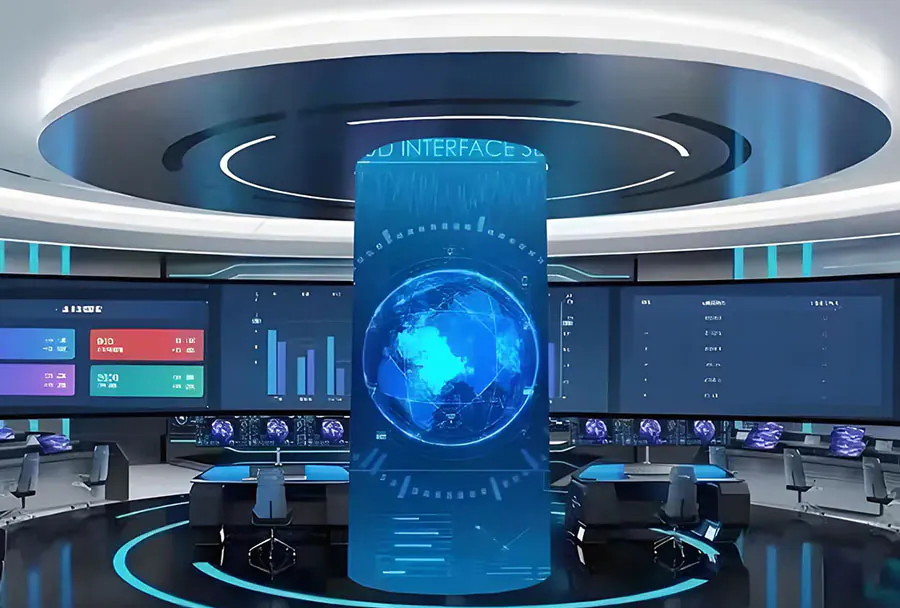
– Control rooms and monitoring centers: Low latency and high grayscale increase operator accuracy for live feeds and instrumentation.
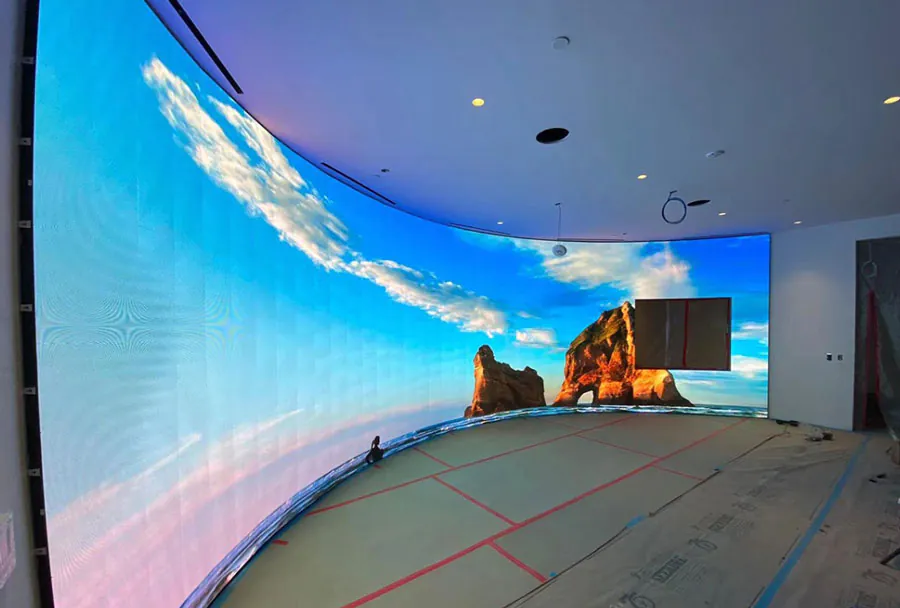
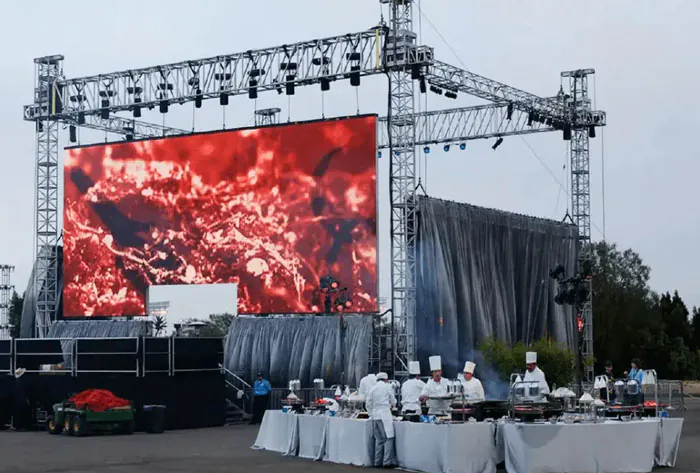
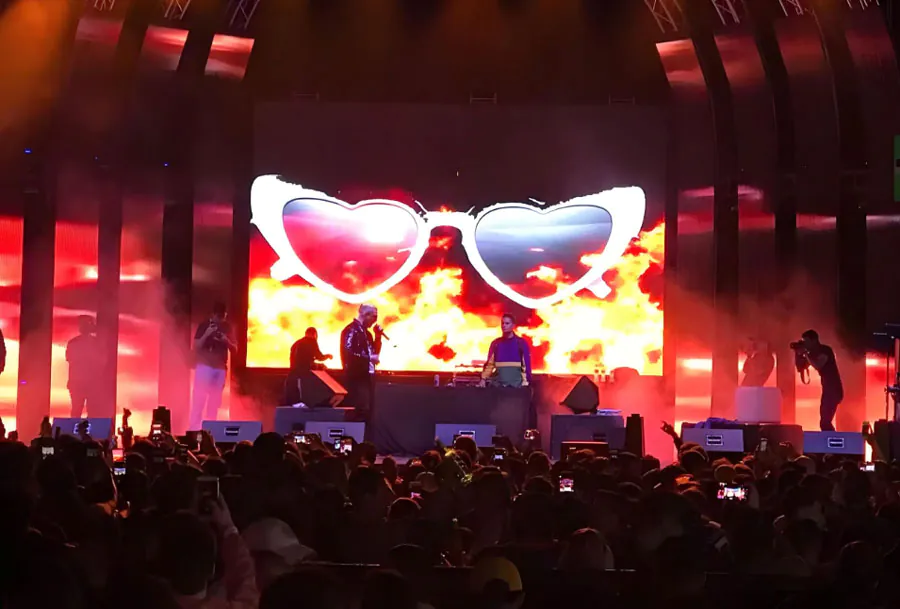
– Hospitality and entertainment: Flexible aspect ratios and modular sizing support artistic installations and wayfinding.
Each scenario benefits from the same core attributes: image accuracy, reliable operation, and simplified maintenance.
Economic Considerations and Total Cost of Ownership
While initial procurement cost is important, the total cost of ownership (TCO) provides a more complete picture. TW VISION reduces long-term expense in several ways:
– Energy-efficient driving systems lower operating power.
– Durable components reduce replacement frequency.
– Modular design decreases servicing time and labor costs.
– High reliability reduces downtime-related business impact.
When evaluating ROI, factor in expected operating hours, maintenance intervals, content lifecycle, and potential revenue uplift attributable to higher visual appeal.
Installation Best Practices
To realize the full potential of TW VISION displays, follow best practices:
– Site survey and ambient light analysis prior to procurement to determine optimal brightness and pixel pitch.
– Structural assessment to plan mounting and access points for front or rear servicing.
– Power budgeting and distribution design to avoid voltage drop and ensure redundant feeds where necessary.
– Calibration and color profiling after installation to match corporate color standards and ensure uniformity across the wall.
Engaging TW VISION-trained technicians or certified integrators ensures adherence to these practices.
Maintenance and Support Strategy
A proactive maintenance strategy extends display life and performance:
– Scheduled inspections for module integrity, cabling, and ventilation.
– Firmware updates as released to maintain compatibility and security.
– Stocking critical spare parts based on likely failure modes to reduce MTTR.
– Logging operational metrics to predict component end-of-life and plan replacements.
TW VISION’s modular approach simplifies these activities, enabling rapid swaps and field repairs.
Comparative Analysis Table
Below is a concise analytical table highlighting major considerations for TW VISION small LED displays across important dimensions.
| Dimension | Typical Specification | Operational Benefit | Ideal Application | TW VISION Advantage |
|---|---|---|---|---|
| Pixel Pitch | 1.2mm – 2.5mm | Sharp images at near-field distances | Retail, corporate, control rooms | High-density options with tight tolerances |
| Brightness | 500 – 1200 nits (adjustable) | Readable in diverse lighting conditions | Indoor high-ambient light areas | Stable brightness with thermal management |
| Refresh Rate | ≥3840 Hz | Flicker-free video and low latency | Broadcast-style video, live feeds | Optimized driving ICs for smooth motion |
| Serviceability | Front/rear module access | Minimal downtime for maintenance | Tight spaces, mounted walls | Modular design with tool-less options |
| Power Efficiency | Intelligent power management | Lower energy costs and heat output | Continuous operation environments | Energy-saving modes and efficient drivers |
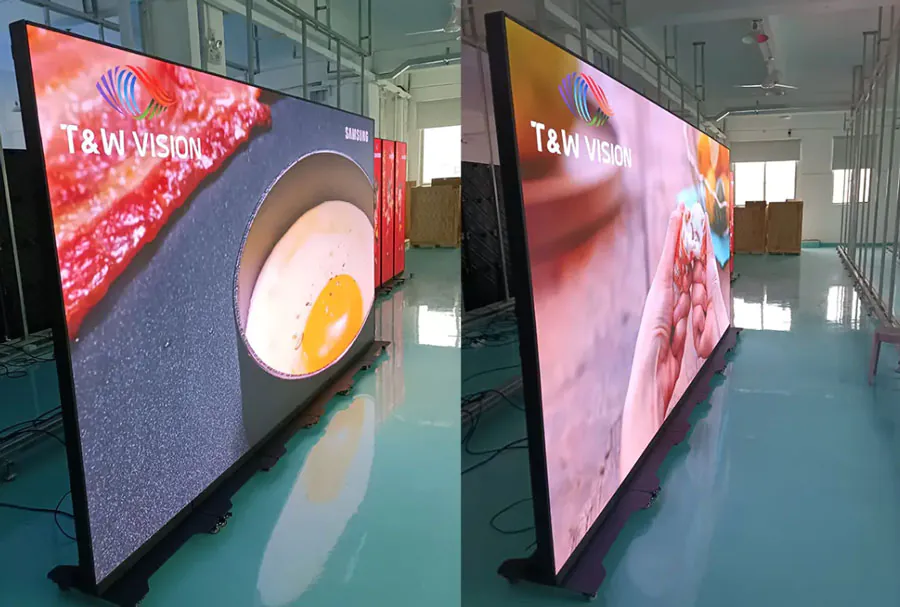
Custom Configuration and Scalability
TW VISION supports bespoke configurations. Whether you need a single video wall with unconventional aspect ratio or a tiled network of displays across multiple rooms, scalable design and consistent calibration ensure seamless content across units. Important considerations include:
– Selecting the right pixel pitch relative to viewing distance.
– Choosing cabinet sizes and mounting systems for optimal seams.
– Defining control architecture for synchronized playback and monitoring.
Scalability is achieved with consistent modular components that allow phased rollouts and future expansion.
Content Strategy for Small LED Displays
To maximize impact, content should be designed with small-display constraints in mind:
– Use high-resolution assets and ensure content is native to the display resolution to avoid scaling artifacts.
– Prioritize legibility with larger fonts and high contrast for quick information scanning.
– Optimize motion graphics for the display’s refresh capabilities to retain smooth playback.
– Implement dynamic scheduling to present contextually relevant content and extend viewer engagement.
TW VISION displays pair with content management workflows to simplify these practices.
Security and Firmware Management
Networked displays can be targets for unauthorized access. TW VISION emphasizes secure firmware update paths and support for authenticated remote management. Best practices include:
– Isolating display control networks from general-purpose networks.
– Implementing role-based access for remote management.
– Regularly applying firmware updates and monitoring logs for anomalies.
Security-conscious deployment protects both display operation and the wider IT environment.
Measuring Success: KPIs and Performance Metrics
Define clear KPIs to measure display performance and business outcomes. Useful metrics include:
– Uptime percentage and mean time to repair (MTTR).
– Energy consumption per operating hour.
– Viewer engagement indicators: dwell time, interaction counts where applicable.
– Revenue or conversion uplift tied to display-driven campaigns.
TW VISION systems provide diagnostics and operational metrics that support these evaluations and continuous improvement.
Warranty, Service Contracts, and Support
A comprehensive warranty and optional service contract reduce risk. TW VISION typically offers strong warranty terms for manufacturing defects and supports extended service plans that include priority support, spare parts provisioning, and periodic preventive maintenance. Negotiating service-level agreements aligned to operational criticality ensures predictable support.
Final Considerations and Recommendations
Selecting the right display is a balance between technical specifications and real-world constraints. TW VISION small LED displays are engineered to meet demanding performance criteria while remaining practical to deploy and maintain. Key recommendations for prospective buyers:
– Match pixel pitch to typical viewing distance rather than just room size.
– Prioritize serviceability if access is constrained or downtime is costly.
– Include energy consumption and maintenance labor in TCO calculations.
– Leverage TW VISION calibration and commissioning services to ensure delivery matches expectations.
When performance, reliability, and long-term economics are primary concerns, TW VISION’s small LED display screens offer a compelling combination of features suited to professional installations.
In conclusion, the TW VISION small LED display screen represents a balanced, high-performance solution for environments where image quality and uptime matter. Its technical strengths—high pixel density, strong brightness control, reliable components, and modular serviceability—make it an excellent choice for integrators and organizations seeking to elevate visual communications while managing total operational cost. Whether upgrading a single boardroom, creating an immersive retail experience, or deploying mission-critical monitoring displays, TW VISION delivers the capability and support required to achieve superior performance.