2026 TW VISION Flexible LED Display Prices and Custom Packages

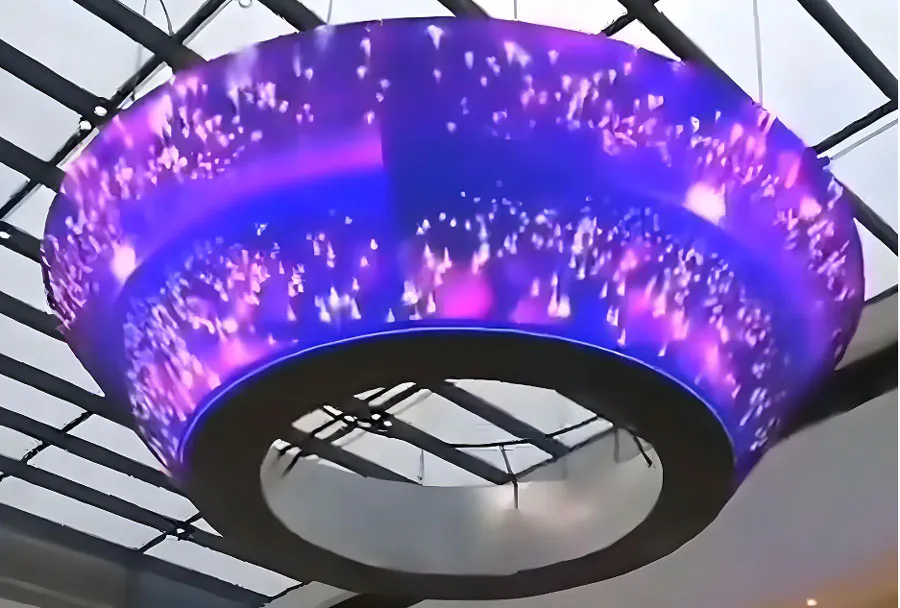
The flexible led display market continues to mature in 2026, and TW VISION sits among the notable suppliers offering rollable, bendable, and shape-conforming LED solutions for creative signage, curved architectural features, and portable staging. This article provides a professional analysis of TW VISION’s 2026 pricing landscape, standard package offerings, and how custom packaging and specs affect total cost of ownership. Whether you are a AV integrator, retail chain, event producer, or architect, this guide helps you understand price drivers, customization options, and procurement strategies to get the best value from TW VISION flexible LED products.
Market context and why flexibility commands a premium
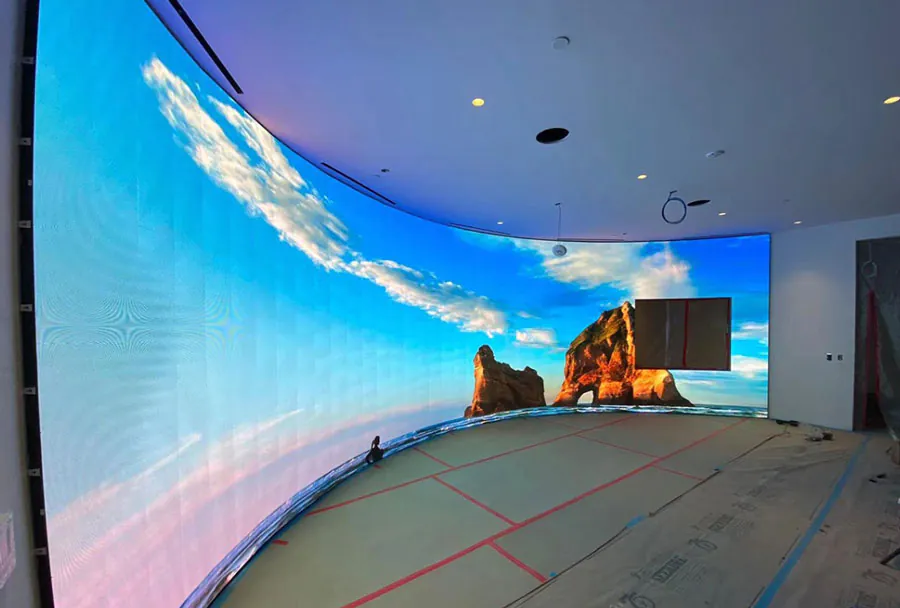
Flexible LED panels deliver form factors that rigid LED cannot: low-radius curves, roll-up storage, and irregular shapes. These capabilities are achieved through specific manufacturing processes—flexible PCB designs, protective silicones or polymers, and mechanical accessories (frames, magnetic mounts, spine systems). Compared with standard rigid LED modules, flexible displays often cost more per square meter due to:
– Specialized materials and fabrication steps
– Lower production volumes compared with commodity panels
– Added engineering for durability and mounting solutions
– Integration of protective coatings for outdoor or semi-outdoor use
TW VISION’s 2026 lineup reflects these factors—prices are tiered by pixel pitch, brightness, IP rating, and package level (basic, pro, custom).
Key price drivers: what impacts a TW VISION quote
Understanding the components of a quote helps you negotiate and plan installation budgets:
– Pixel pitch: Finer pitches (e.g., 1.5mm vs. 4.0mm) raise module costs significantly.
– Panel size and density: Non-standard shapes or small-run dimensions add engineering/setup fees.
– Brightness & HDR features: Higher nit ratings and HDR-capable drivers increase cost.
– Protective level (IP rating): Weatherproofing materials and seals add to unit price.
– Control & power systems: Integrated controllers, cabling length, and redundancy options affect system totals.
– Mounting and accessories: Frames for curvature, magnetic mounts, or bespoke cabinets are often billed separately.
– Certification, shipping & logistics: CE/ETL testing, customs, crating, and insurance vary by region and order size.
2026 TW VISION typical price tiers and custom package examples
Below is a simplified analysis table showing representative TW VISION flexible LED product tiers in 2026. Prices are approximate MSRP ranges (USD), intended for comparison—actual quotes depend on volume, customization, and region.
| Model / Series | Typical Pixel Pitch | Price per m2 (USD) | Typical Use Case | Common Customization Options |
|---|---|---|---|---|
| TW FLEX Lite | 3.9–4.8 mm | $800–$1,200 | Retail facades, curved walls, temporary signage | Custom module sizes, basic protective coating, magnetic mounts |
| TW FLEX Pro | 2.6–3.0 mm | $1,400–$2,200 | Indoor high-detail curved displays, museums, premium retail | Higher brightness, tailored curvature frames, integrated control |
| TW FLEX Fine | 1.2–1.8 mm | $3,000–$5,500 | Close-view installations, broadcast, high-end retail | Custom pixel mapping, HDR drivers, matte/diffuse finishes |
| TW FLEX Outdoor | 2.6–6.0 mm | $1,800–$3,800 | Weatherproof curved fa?ades, architectural signage | IP65–IP67 sealing, sun-readable brightness, reinforced backing |
Note: These ranges include typical base module cost and basic control electronics but exclude specialized mounting systems, custom frames, long-distance signal extenders, content mapping services, and international shipping.
What “custom package” means for TW VISION projects
A custom package implies tailoring a flexible LED system to the project’s physical, aesthetic, and operational requirements. Common custom elements:
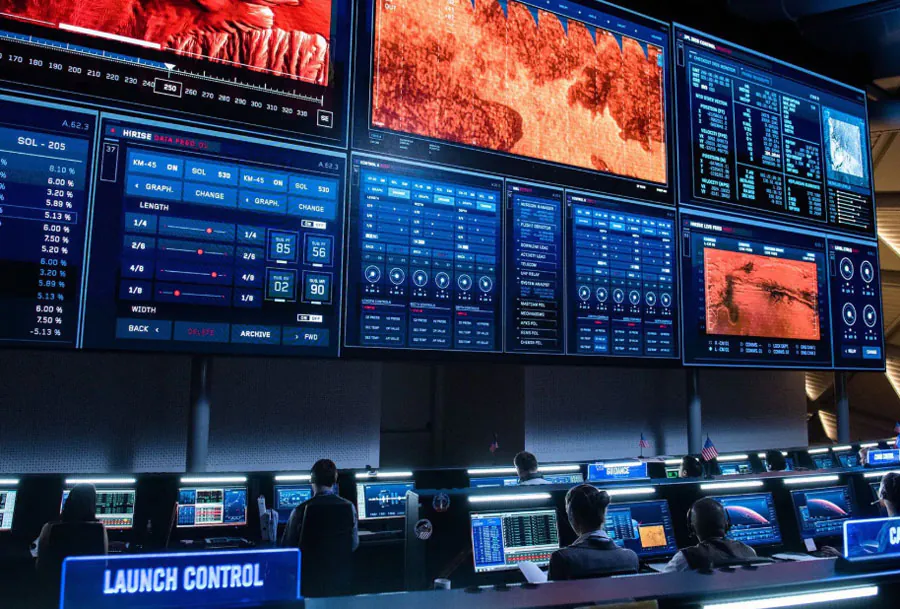
– Module shape and cut patterns to fit non-repetitive fa?ades or logos
– Curvature engineering specifying minimum bend radius and support points
– Surface finish customization (gloss, anti-glare, diffusion layers)
– Integrated controllers with specific I/O protocols (SDI, HDMI, Art-Net)
– Weatherproofing levels for semi-outdoor/fully outdoor use
– Logistics and packaging: custom crates, climate control for transit, pre-commissioning and burn-in testing
Custom packages usually involve a fixed engineering fee and a longer lead time. For architects and designers, these packages enable creative freedom but require early involvement to control costs.
Technical considerations that change pricing and performance
– Pixel pitch vs. viewing distance: Choosing a finer pitch increases cost but is only necessary when viewers stand close. TW VISION pricing jumps sharply below 2.0mm.
– Brightness: Indoor vs. outdoor brightness specifications directly affect LED bin selection and driver design. Daylight-readable systems add significant cost.
– Curvature & mounting: Tight radii require stiffer engineering of module seams and bespoke support extrusions. Pricing includes additional mechanical components and labor.
– Longevity and warranty: Extended warranty agreements (4–5 years) or service-level agreements (onsite spares, scheduled maintenance) will be reflected in the total package price.
– Control systems: Adding redundancy, remote monitoring, and smart diagnostics increases both upfront and recurring costs (cloud services, firmware support).
Cost optimization strategies
– Right-size pixel pitch: Use viewing distance rules-of-thumb to avoid overspending on ultra-fine pitch where unnecessary.
– Standardize module sizes: Repeating module patterns minimize cutting/engineering charges.
– Order in volume: Consolidating orders across multiple sites lowers per-unit tooling and shipping costs.
– Consider leasing or managed services: For event-heavy customers, rental or managed-display contracts can shift capex into opex and include maintenance.
– Request bundled quotes: TW VISION may offer discounts when modules, controllers, mounts, and installation are bundled.
– Negotiate lead times: Longer lead times can reduce expedited manufacturing surcharges.
Procurement checklist for evaluating TW VISION proposals
– Confirm what’s included: modules, controllers, power supplies, cables, mounting, and on-site commissioning.
– Ask for photometric data and pixel mapping samples.
– Get detailed mechanical drawings showing mounting tolerances and curvature radii.
– Clarify warranty terms, spare-part policies, and firmware update support.
– Request a staged acceptance plan—deliverable acceptance, burn-in period, and performance metrics.
– Verify shipping and insurance responsibilities (Incoterms).
Example real-world scenarios and expected budgets
– Retail curved feature wall (indoor, viewers 3–5 feet away): TW FLEX Pro, ~15 m2, expected total installed price $35k–$55k depending on custom mounting and content mapping.
– Museum exhibit (close view, HDR requirement): TW FLEX Fine, 6–10 m2, total installed $30k–$60k due to specialized drivers and content integration.
– Outdoor storefront signage (semi-permanent, moderate curve): TW FLEX Outdoor, 20–30 m2, installed $50k–$110k including weatherproofing and reinforced frames.
These examples illustrate how system complexity and installation scope heavily influence final cost beyond module MSRP.
Return on investment (ROI) and lifecycle value
Flexible LED investments are justified by enhanced engagement, higher perceived value, and creative freedom that conventional displays cannot provide. Evaluate ROI by:
– Measuring incremental sales uplift or conversion in retail environments.
– Accounting for reduced installation time (rollable panels can reduce labor).
– Considering long-term durability and maintenance costs—IP-rated packages reduce replacement cycles.
– Factoring content production costs; more dynamic displays require higher-quality content to maximize impact.
TW VISION’s custom packages with testing and commissioning can reduce downtime and improve lifecycle performance, which improves long-term ROI even if initial costs are higher.
How to approach TW VISION quotes in 2026
TW VISION’s flexible LED options in 2026 span a practical range from affordable large-pitch rollable panels to premium fine-pitch systems for demanding close-view applications. When evaluating prices and custom packages:
– Start with clear use-case requirements (viewing distance, indoor/outdoor, curvature).
– Use the pricing tiers as a baseline but expect adjustments for custom shapes, mounting, and environmental protection.
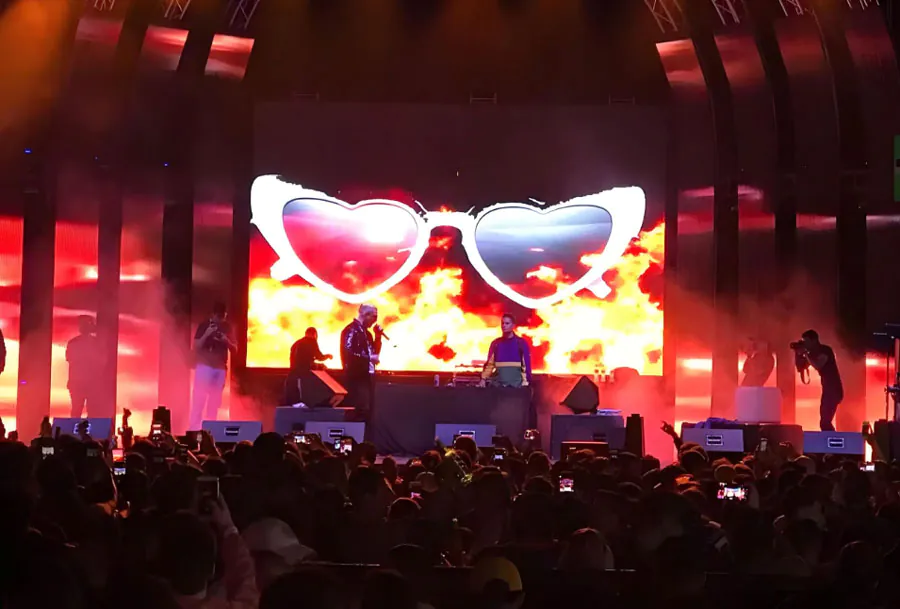
– Negotiate bundled services and explore volume discounts or longer lead times to lower cost.
– Prioritize specifications that impact performance most (pixel pitch, brightness, IP rating) and avoid unnecessary upgrades.
A well-structured RFP that includes technical requirements, acceptance testing, and logistics will generate the most accurate TW VISION proposals. Early engagement with TW VISION’s engineering team or an experienced integrator will help balance aesthetics, performance, and budget—ensuring that your flexible LED installation is both beautiful and cost-effective.