Indoor and Outdoor LED Screen Rental Dubai Solutions

Dubai is a global hub for events, retail experiences, festivals, corporate conferences, and outdoor advertising. The city’s appetite for high-quality visual communication is driven by tourism, luxury retail, and an active event calendar. Indoor and outdoor LED screen rental solutions have therefore become essential tools for marketers, event planners, venue operators, and retail brands who need flexible, high-impact displays without the cost and commitment of ownership. Renting provides access to the latest technology, professional installation and support, and scalable options that meet tight timelines and dynamic creative requirements.
This article examines the technical, logistical, regulatory, and commercial aspects of indoor and outdoor LED screen rental in Dubai. It is intended for event producers, AV managers, marketing teams, and venue operators seeking a practical guide to selecting, deploying, and evaluating LED screen rental solutions.
Market Context in Dubai
– High demand across sectors: exhibitions, concerts, Dubai Shopping Festival, retail activations, corporate launches, and sports events.
– Climate considerations: high ambient light and extreme heat require outdoor screens with high brightness and thermal management.
– Regulatory landscape: permits, municipal approvals, and safety requirements are commonly required for outdoor ad placements and large event structures.
– Competitive vendor environment: many local and regional rental companies provide turnkey services, including content management, structural engineering, and logistics.
Indoor vs Outdoor: Key Differences
Understanding the key differences between indoor and outdoor led displays is essential for selecting the right rental product:
– Brightness: Outdoor screens require high brightness (typically 5,000–10,000 nits or more) to remain visible in daylight. Indoor screens usually range from 800 to 2,000 nits depending on ambient lighting.
– IP Rating and Weatherproofing: Outdoor cabinets need high ingress protection (IP65 or above) to resist dust and water. Indoor cabinets typically have lower IP ratings.
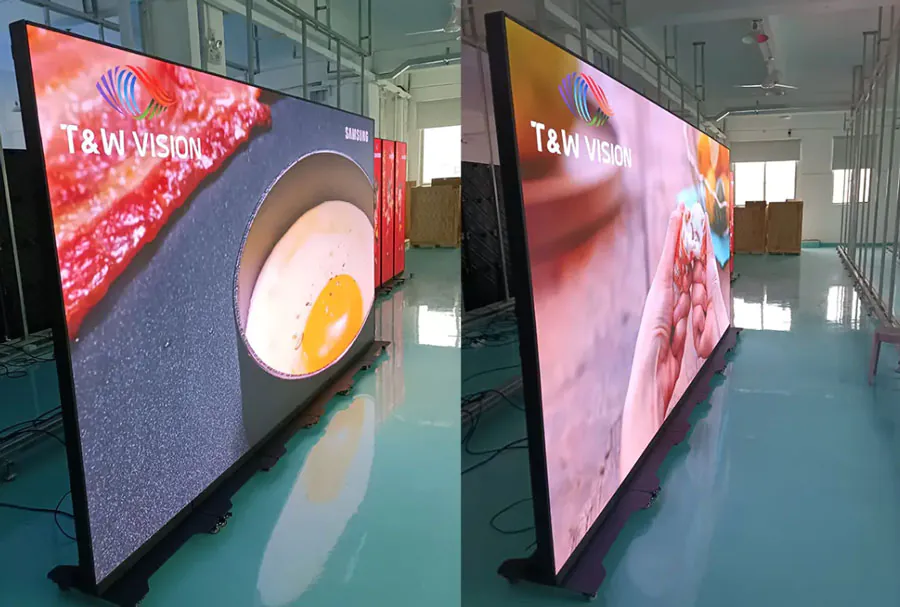
– Pixel Pitch: Indoor environments demand finer pixel pitches (P1.2–P2.5) for close viewing distances; outdoor setups can use larger pitches (P3–P10) depending on viewing distance.
– Structural & Wind Loads: Outdoor installations must consider wind loading, certified rigging, and safety anchors. Indoor setups emphasize sightlines and integration with architecture.
– Cooling: Outdoor screens require robust thermal design and ventilation for high temperatures, while indoor screens focus on quiet operation and compact form factors.
Technical Specifications to Consider
When evaluating rental options, pay attention to the following technical specifications:
– Pixel Pitch: Determines resolution and clarity at specific viewing distances. Choose finer pitches for close-up viewing.
– Brightness (Nits): Defines visibility in bright conditions; outdoor screens often exceed 5,000 nits.
– Refresh Rate: A higher refresh rate (≥3,840 Hz for broadcast/fast-moving content) prevents flicker in camera captures.
– Contrast Ratio and Color Calibration: Critical for vivid, true-to-brand visuals.
– Module & Cabinet Design: Quick-lock modules and lightweight cabinets speed up installation and reduce rigging complexity.
– Connectivity & Playback: Support for media servers, real-time feeds, HD/4K sources, and redundancy in signal paths.
– IP Rating: Minimum IP65 for outdoor front and back protection is standard.
– Power & Energy Management: Power consumption per square meter and backup power options.
– Serviceability: Front-service vs rear-service for maintenance access depending on venue constraints.
Installation and Logistics in Dubai
A successful rental depends on precise logistics planning:
– Site Survey: A qualified tech team should perform site surveys to assess structural anchors, power availability, sightlines, and sun exposure.
– Power Requirements: Large outdoor walls and festival stages require significant, stable power; generators may be necessary.
– Transportation: Dubai’s road network is robust, but permits may be required for oversized loads or crane movements.
– Rigging & Cranes: For outdoor screens, crane lifts and certified riggers may be required, especially for rooftop or stadium installs.
– Timing: Allow time for testing and content adjustments—ideal windows include a full day for small installs and several days for complex stages.

– Local Regulations: Municipality permits, road closures, and public safety inspections are common; reputable vendors will handle these processes.
Content Management, Playback and Live Integration
Visual impact is not just about hardware; content workflows determine the audience experience:
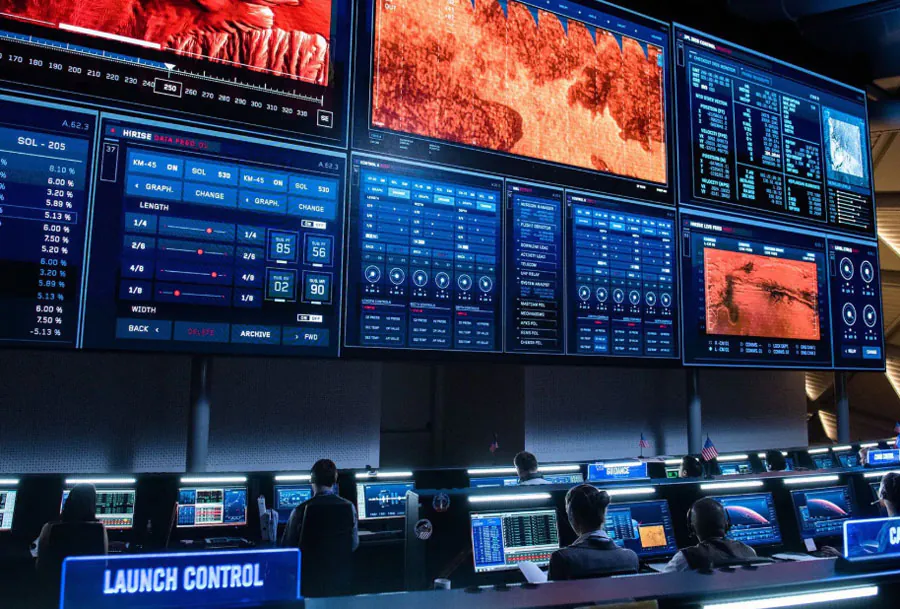
– Media Servers & Software: Use professional servers that support scheduling, multi-zone playback, and live overlays.
– Aspect Ratios & Pixel Mapping: Match source content to the installed configuration to avoid stretching or pixel loss.
– Live Feeds: Integrate broadcast feeds, social media walls, and live camera inputs; ensure low-latency signal paths.
– Redundancy: Dual media servers and redundant playback paths reduce the risk of failure during high-stakes events.
– Remote Management: Cloud-based monitoring allows rental companies to troubleshoot issues without on-site presence.
– Color Calibration: Calibrate displays on-site for consistent color across multiple panels or screens.
Rental Packages and Pricing Models
Rental pricing in Dubai commonly follows several models:
– Daily/Weekly/Monthly Rates: Short-term rates are often higher per day, with discounts for longer commitments.
– Full-Service Packages: Include delivery, installation, on-site technicians, content playback, and teardown.
– Self-Service Rentals: Lower cost but without technical support—best for experienced in-house AV teams.
– Per Square Meter Pricing: Common for modular LED walls; price varies by pixel pitch and brightness.
– Add-on Costs: Rigging, cranes, scaffolding, power generation, and permits can add significant costs.
– Deposits and Insurance: Vendors often require security deposits and relevant insurance coverage for rented equipment.
Case Studies and Use Cases
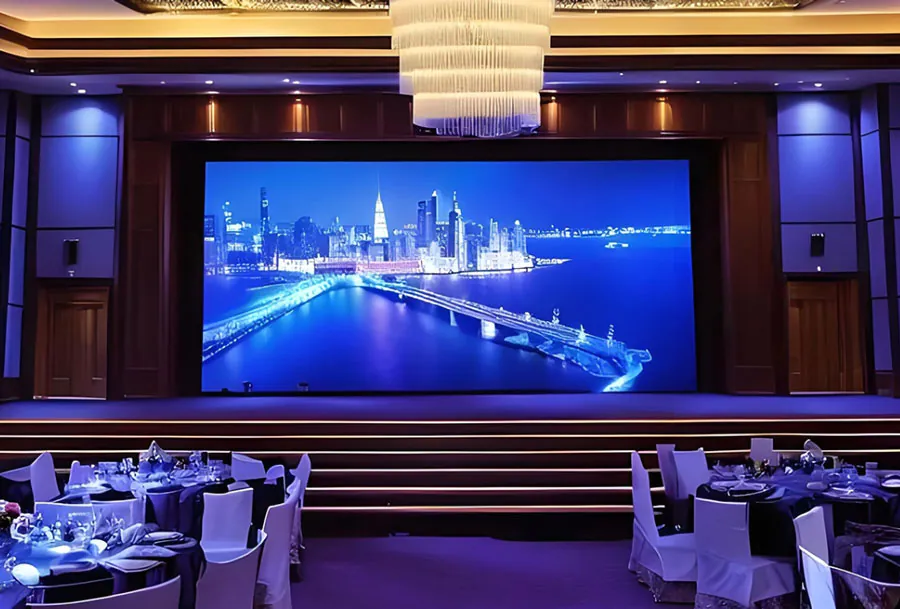
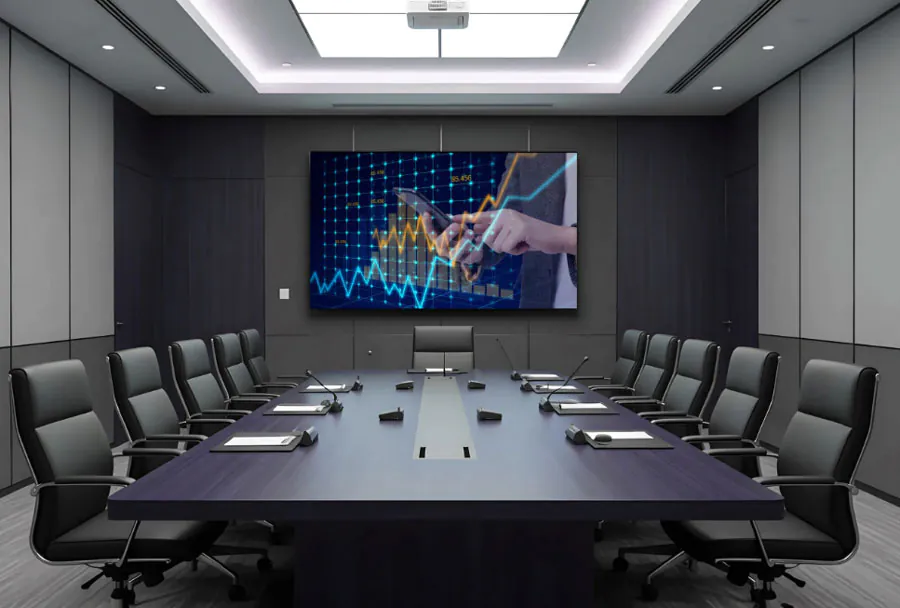
– Corporate conference: High-resolution indoor LED wall with fine pixel pitch for close audience viewing and brand presentations.
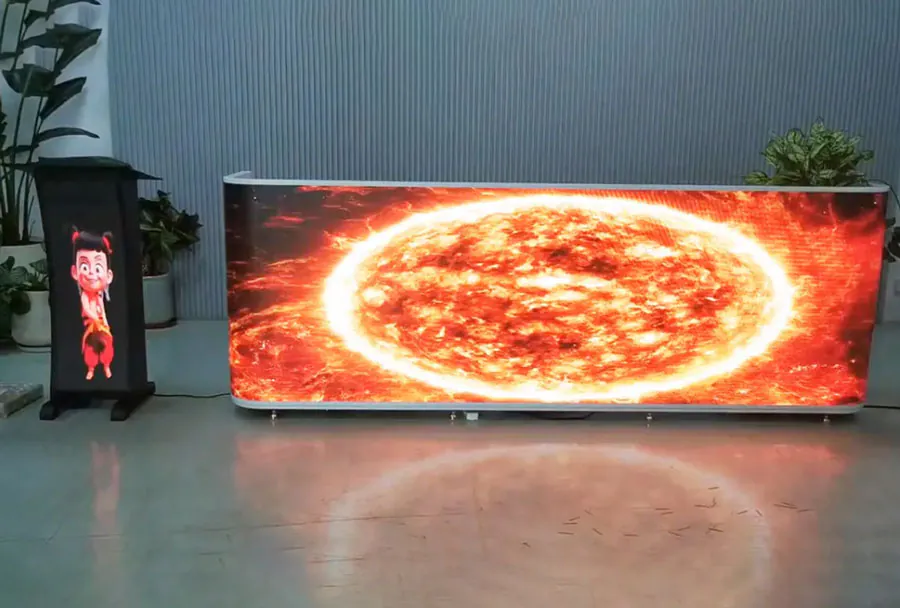
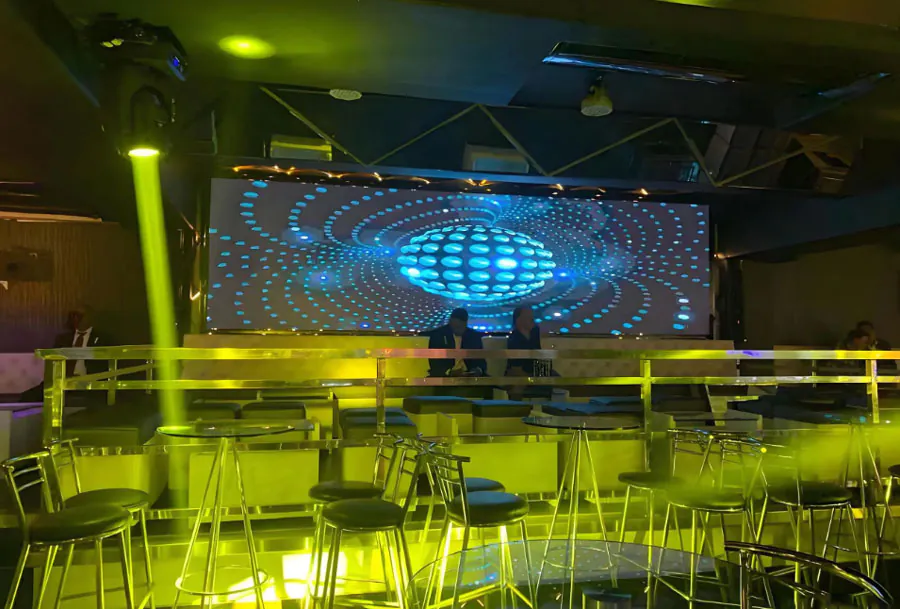
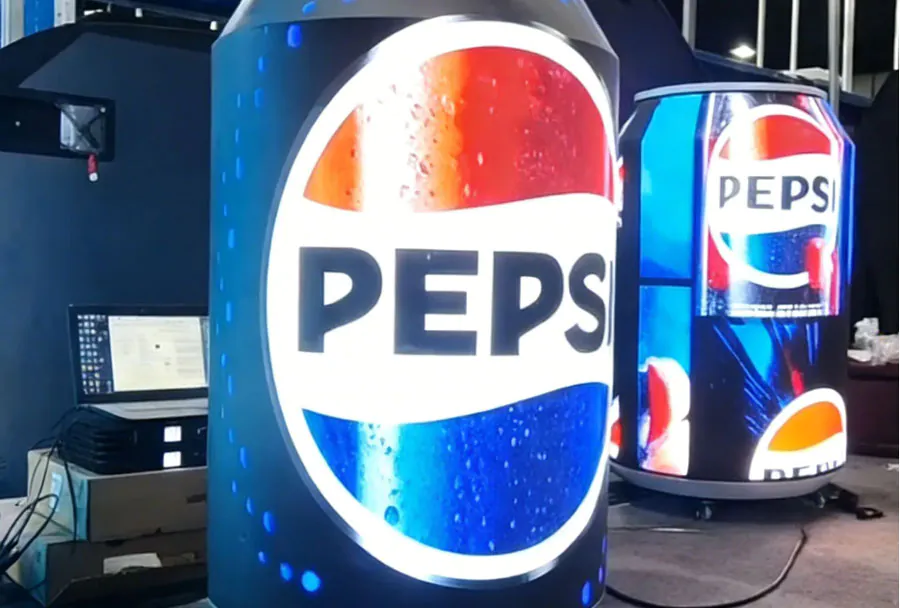
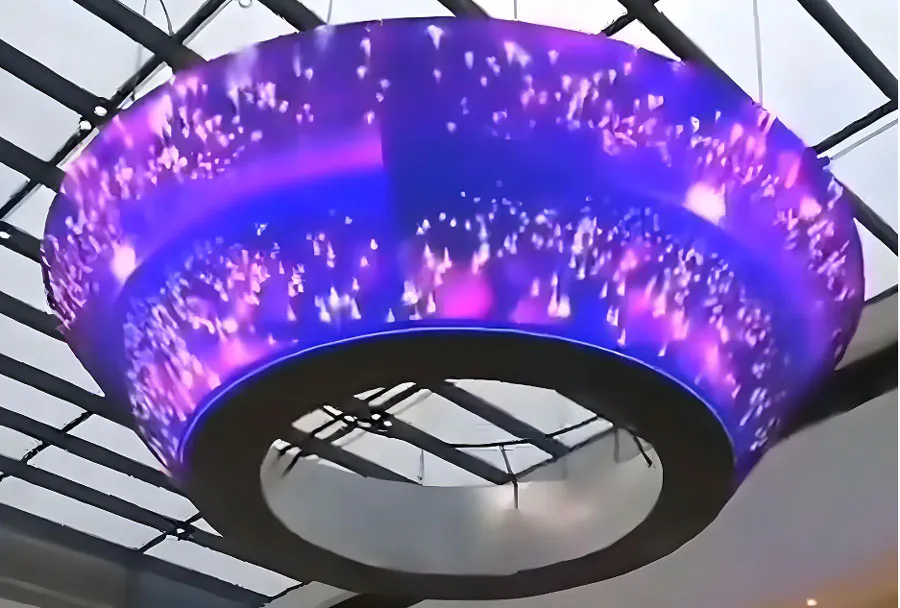
– Mall activation: Indoor curved LED to attract foot traffic with looped advertisements and interactive content.
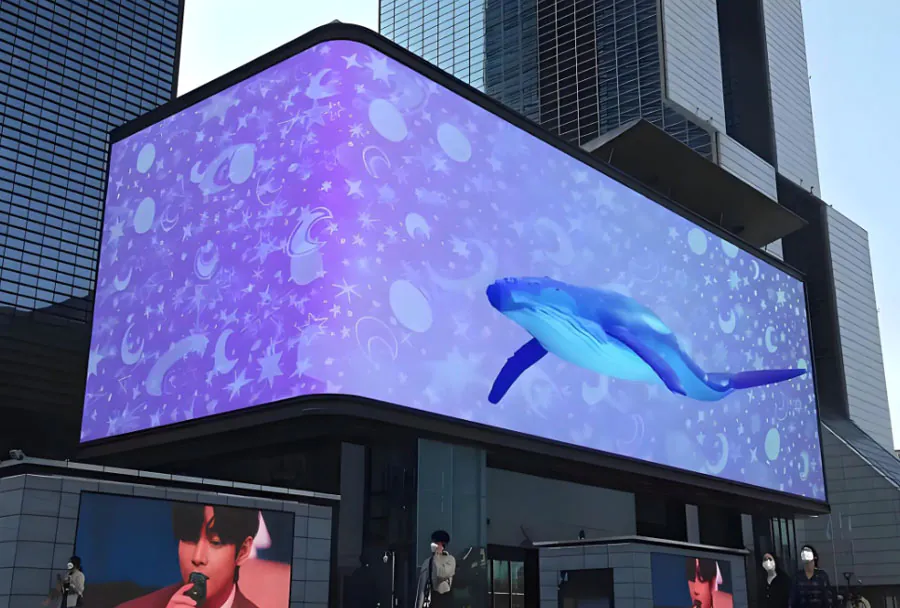
– Outdoor billboard: Large-format outdoor LED for long-term advertising or campaign-focused placements.
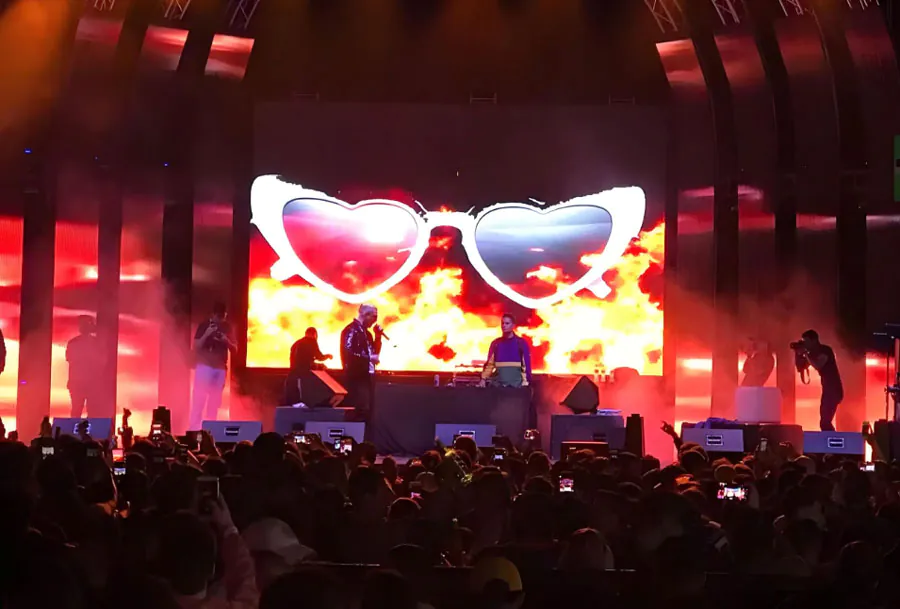
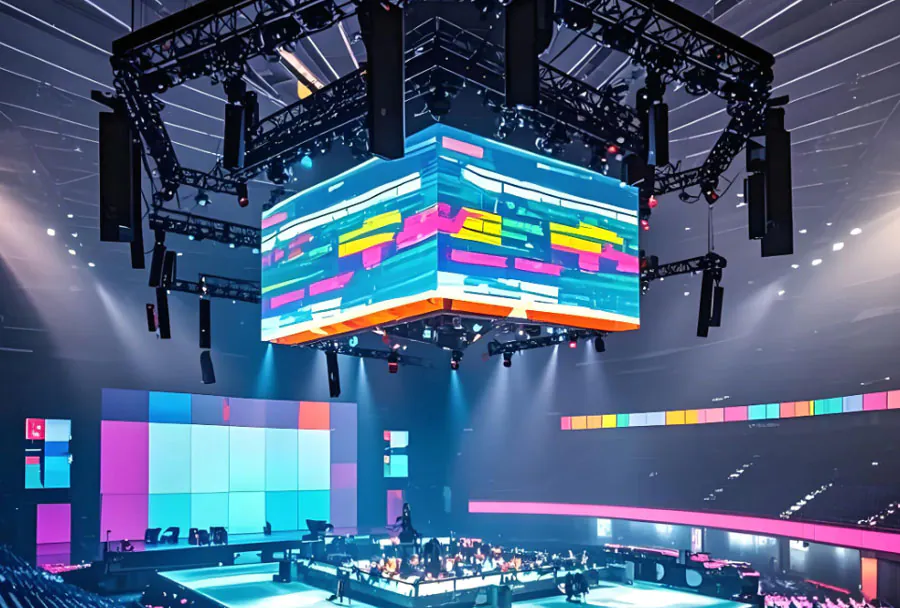
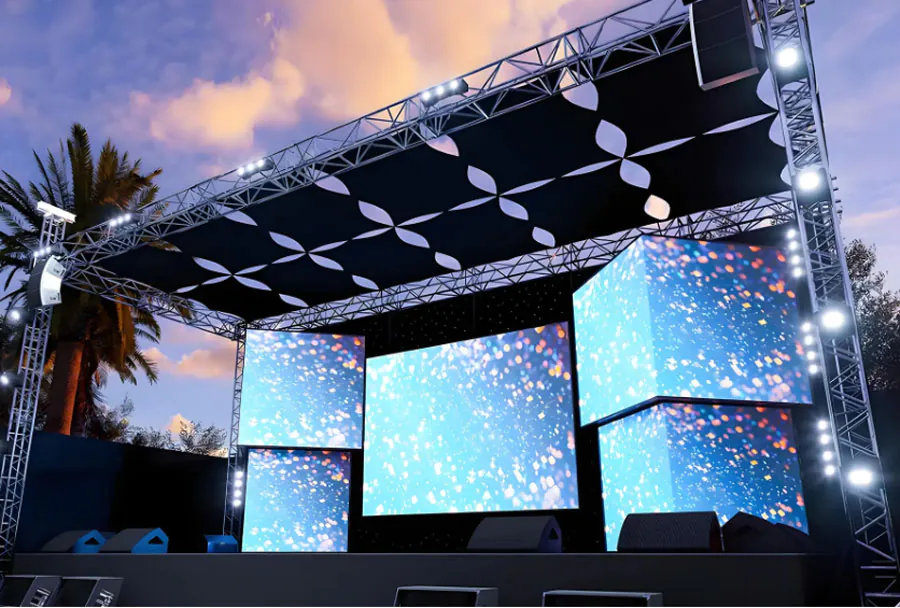
– Concerts & Festivals: Stage backdrop LED walls with high brightness and fast refresh rates to support live camera feeds.
– Sporting events: Field-side or stadium screens designed for durability, brightness, and viewing angles.
Analysis Table: Recommended Configurations and Typical Rental Profiles
| Use Case | Screen Type | Recommended Pixel Pitch | Brightness (nits) | Typical Rental Duration |
|---|---|---|---|---|
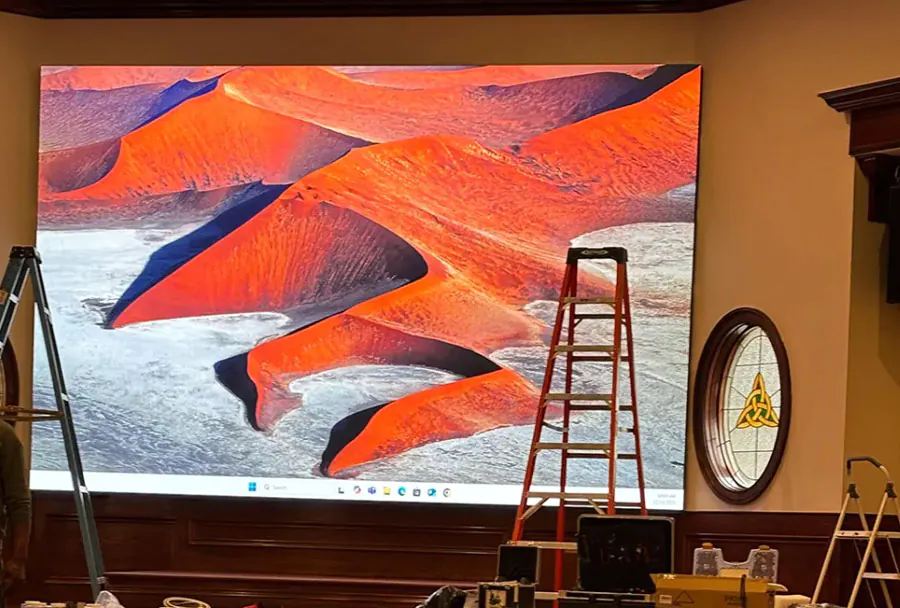
| Corporate Conference / Keynote | Indoor Seamless LED Wall | P1.5 – P2.5 | 800 – 2,000 | 1–5 days |
| Retail Mall Activation | Indoor Curved / Hanging LED | P1.8 – P2.9 | 1,000 – 2,500 | 1 week – 1 month |
| Outdoor Advertising / Roadside Billboard | Outdoor Fixed-Installation Rental | P3 – P6 | 5,000 – 10,000+ | 1 month – 12+ months |
| Concert / Festival Stage Backdrop | Outdoor Stage LED Wall | P2.6 – P4 | 6,000 – 10,000 | 3–10 days |
| Trade Show Booth | Indoor Rental LED Panels | P1.2 – P2.5 | 800 – 1,500 | 3–7 days |
| Sports Venue / Scoreboard | Outdoor High-Brightness LED | P4 – P6 (or lower for premium) | 7,000 – 12,000 | Event-based or seasonal |
Maintenance, Safety, and Weatherproofing
– Routine Checks: Pre-event checks of modules, power supplies, cabling, and control systems reduce downtime risk.
– Cooling and Heat Management: Outdoor screens need proper ventilation and heat dissipation to avoid thermal shutdown.
– Wind and Safety: Use certified rigging equipment, anchor points, and wind load calculations. Temporary outdoor structures should be signed off by a structural engineer when necessary.
– Fire Safety: Comply with local fire codes; ensure exits and egress are not obstructed.
– Insurance & Liability: Verify vendor insurance covers equipment damage and third-party liability. Event organizers should have their own insurance as well.
Choosing the Right Vendor in Dubai
Key questions to ask rental providers:
– Inventory: Do they have the specific pixel pitch, brightness, and form factor you need?
– Technical Team: Are certified riggers, engineers, and technicians included?
– Case Experience: Can they show prior deployments similar to your use case in Dubai?
– Permits & Compliance: Will they handle municipality approvals, road permits, and safety certifications?
– Support: What are response times for on-site technical issues, and is 24/7 support available for multi-day events?
– Redundancy & Backup: Do they provide backup media servers, spare modules, and power redundancy?
– Pricing Transparency: Are quotes itemized for equipment, labor, rigging, transport, and permits?
ROI and Measurement
Measuring the impact of LED screen deployments helps justify rental spend:
– Audience Metrics: Use dwell time, footfall counters, and sensor-based analytics for retail activations.
– Campaign Tracking: Track QR code scans, URL visits, promo code redemptions and dedicated landing page traffic.
– Impressions & Reach: For outdoor advertising, estimate impressions using traffic counts and sightline modeling.
– Engagement: Social media mentions, user-generated content, and live interactions (polling, SMS) provide qualitative ROI indicators.
– Conversion Rates: Tie screen-driven promotions to measurable sales, signups, or footfall uplift when possible.
Top Tips for a Successful Rental
– Start Early: Book equipment and technical crew at least 4–8 weeks in advance for large or outdoor events.
– Site Walkthroughs: Conduct an on-site technical walkthrough under the same lighting conditions as the event.
– Content Preflight: Deliver final content to the rental team in the correct resolution and aspect ratio at least 48 hours before the event.
– Redundancy Planning: Always budget for backup equipment and technicians for high-profile events.
– Test with Cameras: If the content will be broadcast or filmed, test screens with cameras to avoid flicker and refresh artifacts.
– Local Partnerships: Use a vendor familiar with Dubai’s permitting and municipal processes to avoid unexpected delays.
– Climate-Proofing: For outdoor daytime events, prioritize brightness and cooling over lower-cost models that may fail in intense sunlight.
Indoor and outdoor LED screen rental solutions in Dubai offer powerful visual tools that can transform events, retail activations, and advertising campaigns. The right rental partner will provide not only the appropriate hardware—tailored by pixel pitch, brightness, and form factor—but also expertise in installation, content management, compliance, and on-site troubleshooting. By planning early, specifying the right technical requirements, and partnering with experienced local vendors, organizers can maximize impact while controlling costs and minimizing risk.