Indoor and Outdoor Stage LED Screen Rental Solutions

In the last decade, LED screen technology has become the backbone of modern live events. From corporate conferences and trade shows to concerts, festivals, and theater productions, led displays deliver vivid visuals, dynamic content, and reliable performance. Renting LED screens—rather than buying them—has become the preferred option for many event producers, rental houses, and production companies. The flexibility to choose the right screen for each event, reduced capital outlay, and access to the latest technology make rental solutions attractive for both indoor and outdoor stages.
This article explores professional indoor and outdoor stage LED screen rental solutions, outlining technical differences, planning considerations, logistics, cost models, and best practices. Whether you are an event planner, AV technician, or rental company evaluating your options, this guide will help you make informed decisions and ensure a successful visual experience.
Why Choose Rental Solutions?
Cost Efficiency and Flexibility
Renting avoids the significant upfront capital expense of purchasing large-format LED screens. Rental allows you to select pixel pitch, brightness, and size appropriate to each event, optimizing cost while delivering the best audience experience.
Access to Latest Technology
LED technology evolves rapidly. Rental partners often maintain newer inventory—higher refresh rates, finer pixel pitches, and improved power efficiency—allowing you to present cutting-edge visuals without obsolescence risk.
Scalability and Logistics
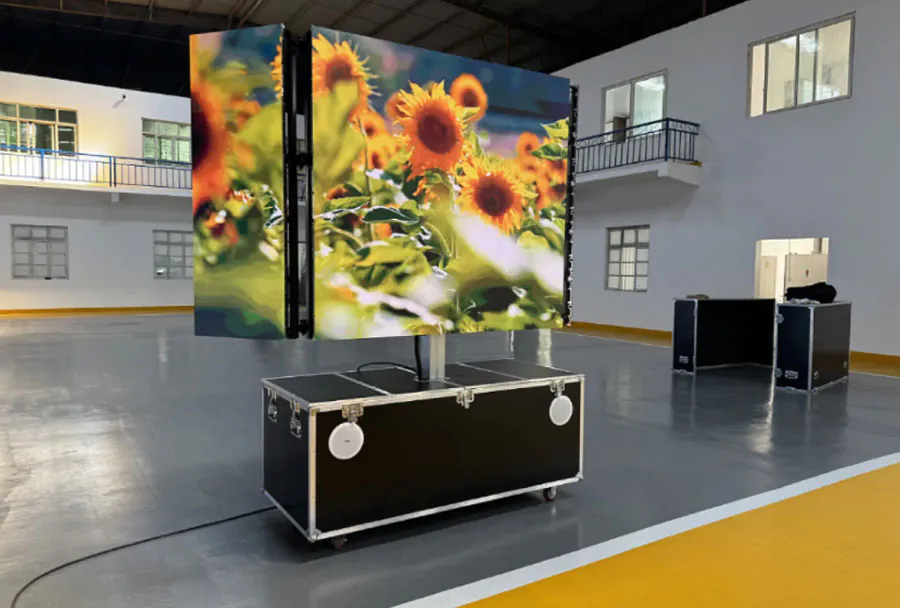
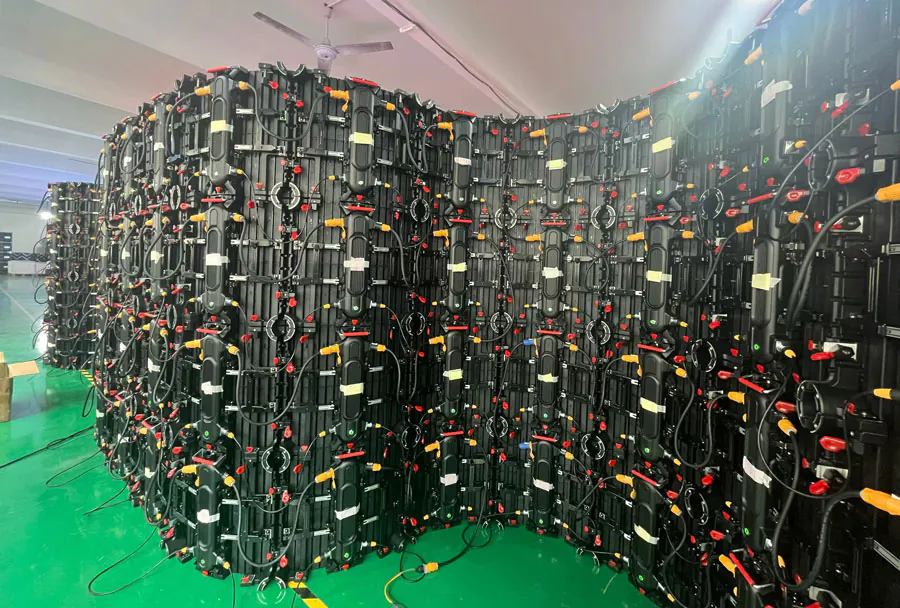
Rental inventories often include modular panels, rigging frames, protective cases, and transport options, enabling fast scaling from a small conference backdrop to a stadium-sized outdoor screen. Full-service rental providers can handle delivery, installation, and on-site support.
Indoor LED Screen Rental Solutions
Design Considerations for Indoor Venues
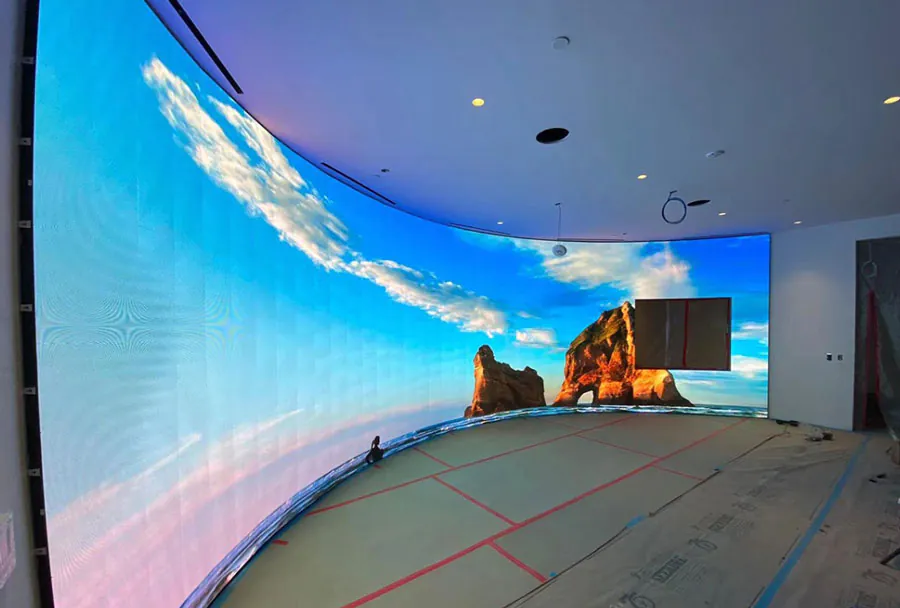
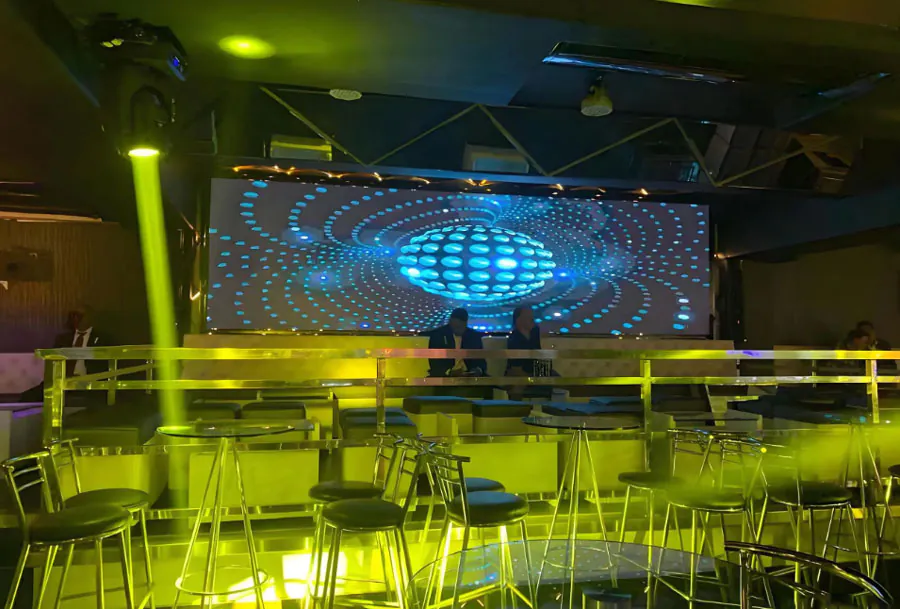
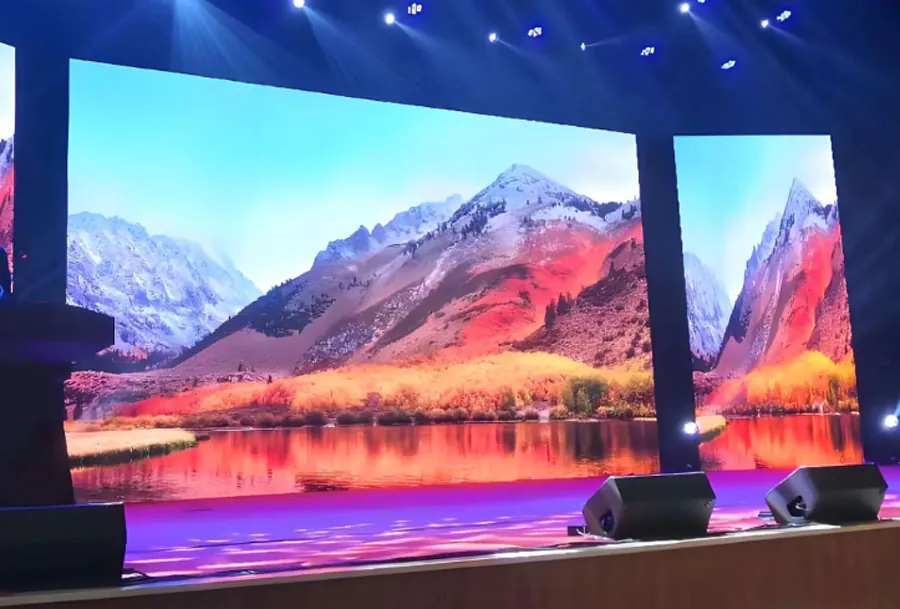
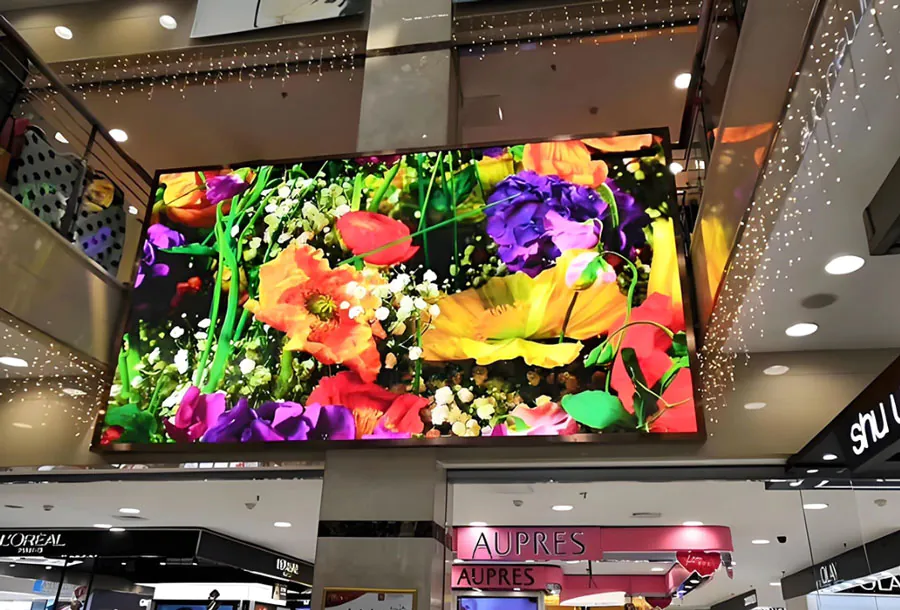
Indoor stage screens are chosen based on viewing distance, audience size, and room lighting. Common objectives are high pixel density for close viewing, low weight for truss-mounted installations, quiet operation, and low brightness levels to avoid glare in dim venues.
– Pixel pitch: Typical indoor rental screens range from P0.9 to P3.0 (0.9 mm to 3.0 mm). Finer pixel pitch provides better image quality at close range.
– Brightness: 800–1500 nits is usually sufficient for indoor spaces.
– Refresh rate: High refresh rates (≥ 3,840 Hz) are important for live camera feeds to avoid flicker.
– Weight and mounting: Lightweight cabinets and quick-lock systems speed up rigging and strike (dismantle).
Common Indoor Use Cases
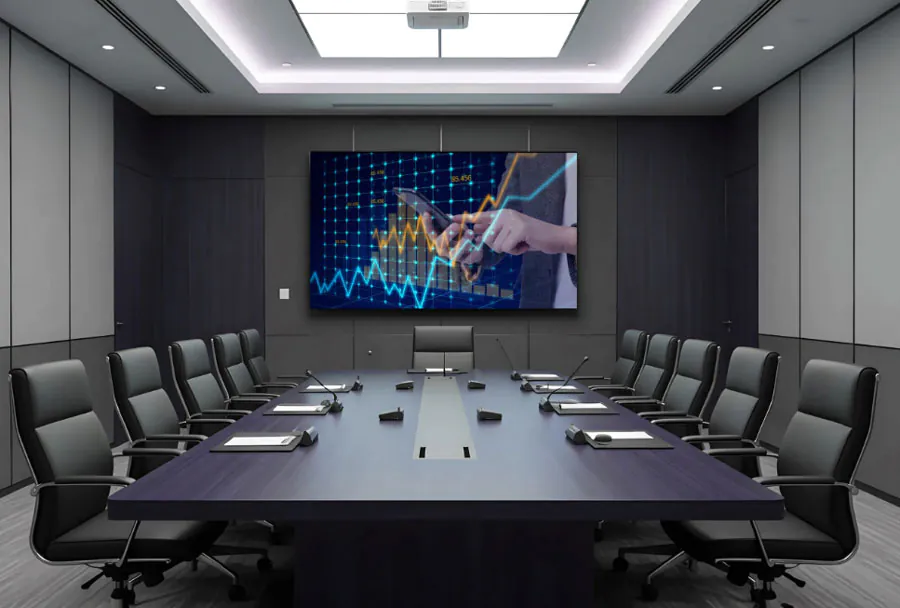
– Corporate events and product launches
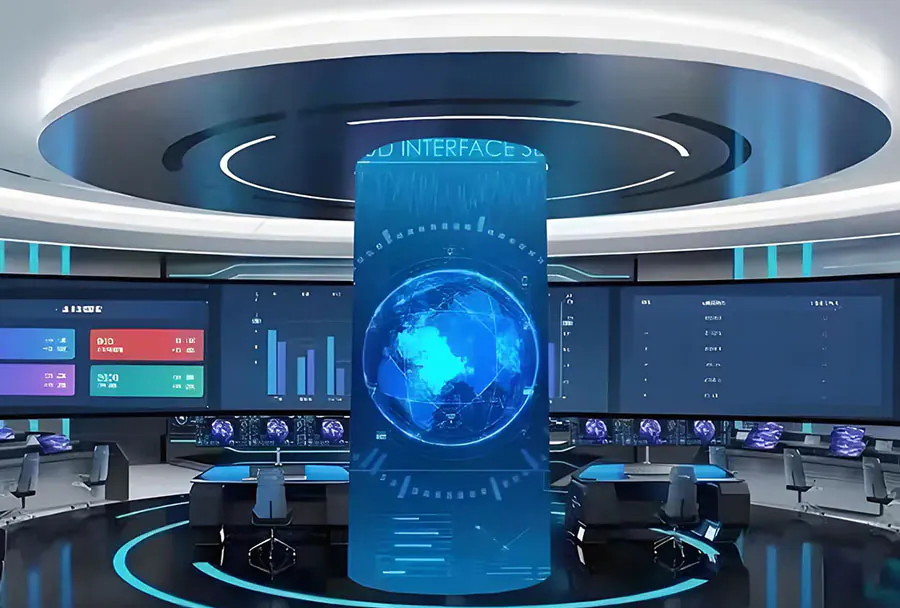
– Broadcast studios and hybrid events
– Theatrical backdrops and stage sets
– Trade shows and exhibition booths
– House of worship AV installations (temporary events)
Outdoor LED Screen Rental Solutions
Design Considerations for Outdoor Environments
Outdoor screens must handle direct sunlight, weather, wind loads, and longer viewing distances. Durability and brightness are the top priorities.
– Brightness: Outdoor LED rental screens typically range from 5,000 to 8,000 nits for direct sun readability.
– IP rating: IP65 or higher is common for resistance to rain and dust.
– Pixel pitch: Common pixel pitches for outdoor events are P2.5 to P10 depending on viewing distance; larger events often use P6–P10.
– Structural considerations: Rigging frames, ground support, ballast systems, and wind loading analysis are critical.
Common Outdoor Use Cases
– Concerts, festivals, and sporting events
– Outdoor advertising and brand activations
– Political rallies and public ceremonies
– Drive-in cinemas and large public screenings
Technical Comparison Table
| Feature | Indoor LED | Outdoor LED | Typical Pixel Pitch | Best Use Cases |
|---|---|---|---|---|
| Brightness | 800–1,500 nits | 5,000–8,000 nits | Indoor: P0.9–P3.0; Outdoor: P2.5–P10+ | Indoor: Close-up presentations; Outdoor: Sunny conditions |
| Durability / IP Rating | Lower IP (indoor-rated) | High IP (IP65+) | N/A | Indoor: Climate controlled; Outdoor: Rain and dust resistance |
| Weight & Mounting | Lightweight cabinets for truss mounting | Heavier, reinforced frames with ground support | N/A | Indoor: Truss & flown; Outdoor: Ground stacks & towers |
| Power Consumption | Moderate | Higher (due to brightness) | N/A | Indoor: Limited power availability; Outdoor: Generators/site power |
| Viewing Distance | Short to medium | Medium to long | Indoor: fine pitch; Outdoor: coarser pitch | Indoor: Conferences; Outdoor: Stadiums & festivals |
Planning and Pre-Production
Site Survey and Requirements
A thorough site survey is the backbone of any successful LED screen rental. Key steps include:
– Measuring sightlines, seating layout, and viewing distances.
– Assessing rigging points, truss availability, and ground conditions.
– Verifying available power capacity and distribution points.
– Checking ambient light conditions to choose appropriate brightness levels.
– Determining content resolution and input sources (media servers, live camera feeds, playback devices).
Content and Resolution Planning
Align content resolution with the native resolution of the chosen screen. For pixel-perfect images, plan assets at the screen’s pixel resolution. If the event uses live switching and camera feeds, ensure the system supports the required frame rates and color space. For rental setups, confirm compatibility between playback systems and the rental provider’s LED controllers.
Logistics, Installation, and On-Site Operations
Delivery and Transport
A reliable rental provider will handle logistics using flight cases, protective packaging, and route planning. When booking, account for setup time, vehicle access, and any venue restrictions.
Rigging and Safety
Safety is non-negotiable. All rigging must conform to local regulations and best practices. Rental providers should supply rigging drawings, load calculations, and certified riggers when flying screens. For ground-stacked installations, wind loads and ballasting plans must be calculated.
Installation Timeline
Plan conservative timelines: screen assembly, calibration, content testing, and rehearsals can take several hours to a full day depending on screen size and complexity. Factor in contingency time for troubleshooting.
Rental Pricing Models and Cost Drivers
Rental pricing varies by region and provider, but major cost drivers include:
– Screen size and pixel pitch (higher resolution typically costs more).
– Brightness and IP rating (outdoor-rated screens cost more).
– Duration of the rental (daily, multi-day, or tour rates).
– Labor (delivery, rigging, technical operators).
– Accessories (truss, controllers, playback servers, power distribution).
– Transport distances and special handling requirements.
Many rental houses offer package pricing—for example, “screen + controller + playback + on-site tech”—which simplifies budgeting. Tour rates and long-term hires often come with discounted daily rates.
Maintenance, Support, and Troubleshooting
Preventive Maintenance
Reputable rental providers conduct regular preventive maintenance: pixel calibration, module testing, firmware updates, and cleaning. This reduces failures during an event.
On-Site Support
Booking at least one experienced technician on-site during setup and performance is highly recommended. Common on-site tasks include color calibration, controller configuration, and quick replacement of faulty modules.
Redundancy and Backup Plans
For critical events, request redundancy options: spare modules, backup controllers, and secondary playback sources. Modular LED systems allow rapid replacement of panels to minimize downtime.
Case Studies and Use Examples
Corporate Product Launch
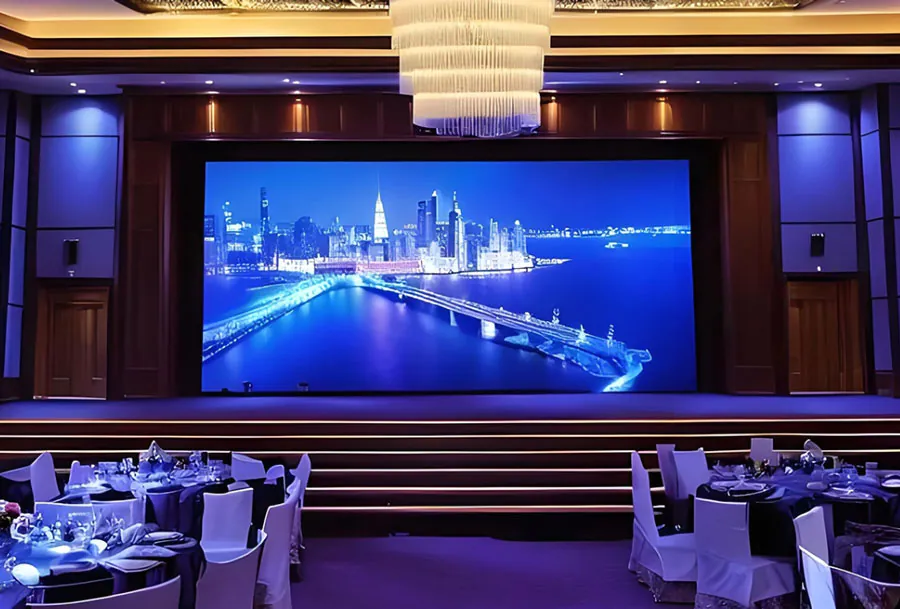
Scenario: A mid-size indoor product launch requires a high-resolution backdrop with close-up camera feeds. Solution: A P1.9 indoor LED wall measuring 8m x 3m, with a media server providing 4K playback and a dedicated technician for color grading and camera synchronization.
Outdoor Music Festival
Scenario: A two-day festival needs large screens for stage visibility in daylight. Solution: Two ground-stacked P6 screens (12m x 6m each) with IP65 protection, high-bright controllers, reinforced ground frames, and a generator plan. The rental included rigging engineers, wind assessments, and spare modules for hot-swap.
Hybrid Conference
Scenario: A hybrid event requires an indoor LED backdrop with broadcast-quality camera output and remote streaming. Solution: A P2.5 screen in a 16:9 aspect ratio integrated with routing, scaler, and streaming encoder. The rental package included content scaling, SMPTE sync, and a broadcast-grade multiview for the director.
Choosing the Right Rental Partner
Inventory and Technical Expertise
Select a partner with diverse inventory that matches both indoor and outdoor needs. Confirm their technicians’ certifications and experience, especially for complex rigging and broadcast requirements.
Service Level Agreements
Review SLAs for delivery times, on-site support, and failure response times. Clear agreements on responsibility for damage, replacement parts, and additional labor minimize disputes.
References and Portfolio
Ask for references and past event portfolios. Seeing similar events executed successfully builds confidence that the vendor can meet your expectations.
Environmental and Sustainability Considerations
LED technology can be power-hungry, especially outdoor screens at high brightness. Consider rental partners who maintain energy-efficient gear, use LED cabinets with smart power management, and offer carbon-offset options for event power consumption. Reusable packaging, optimized logistics, and equipment lifecycle management are additional sustainability markers to evaluate.
Final Recommendations and Checklist
– Conduct an early site survey to define screen size, pixel pitch, and mounting method.
– Match pixel pitch to viewing distance for optimum image quality.
– For outdoor events, prioritize brightness, IP rating, and wind load engineering.
– Budget for labor, transport, power, and contingency spares.
– Secure on-site technical support and redundancy for critical shows.
– Verify rental provider credentials, equipment maintenance history, and insurance coverage.
– Plan content at the native resolution of the screen and test with the rental partner in advance.
Indoor and outdoor stage LED screen rental solutions unlock creative possibilities for live events without the long-term cost and maintenance burden of ownership. Successful deployments depend on careful planning: choosing the right pixel pitch, brightness, mounting strategy, and logistics support. Working with a professional rental partner that offers quality inventory, certified rigging, and on-site technical expertise ensures reliable performance—turning your visual concept into an engaging reality. By aligning technical requirements, budget constraints, and operational planning, you can deliver memorable audience experiences across indoor theaters, corporate stages, and open-air festivals.