Cost-Effective LED Screen Rental Options in Chicago

Chicago’s vibrant events scene—from neighborhood festivals and outdoor concerts to corporate meetings and trade shows—relies increasingly on LED screens to deliver compelling visual experiences. For planners on budgets, renting LED screens rather than buying can deliver top-tier visual impact while controlling capital outlay, storage, and maintenance costs. This article provides a detailed, practical guide to cost-effective LED screen rental options in Chicago. It covers screen types, price ranges, key cost drivers, local considerations (permits, logistics, power), vendor selection, and concrete cost-saving strategies so you can make informed decisions that maximize impact and minimize expense.
Why Rent an LED Screen in Chicago?
Renting LED screens is especially attractive when you need high visual quality for a short-term event or when you want to avoid the long-term costs and risks of owning hardware. Key reasons to rent in Chicago include:
– One-off or occasional events where purchase would be wasteful.
– Access to the latest models (higher brightness, finer pixel pitch).
– Professional setup, operation, and removal included.
– Avoidance of storage, maintenance, and transport headaches.
– Flexibility to scale screen size and resolution to the event’s needs.
Chicago’s market has many experienced rental houses, meaning competitive pricing and a wide selection of equipment. However, to be truly cost-effective, event planners must align screen specs with viewing distance and environment and anticipate extra costs (labor, transport, permits).
Types of LED Screens and Typical Rental Uses
Understanding the main screen types will help you match capability to need and avoid paying for unnecessary features:
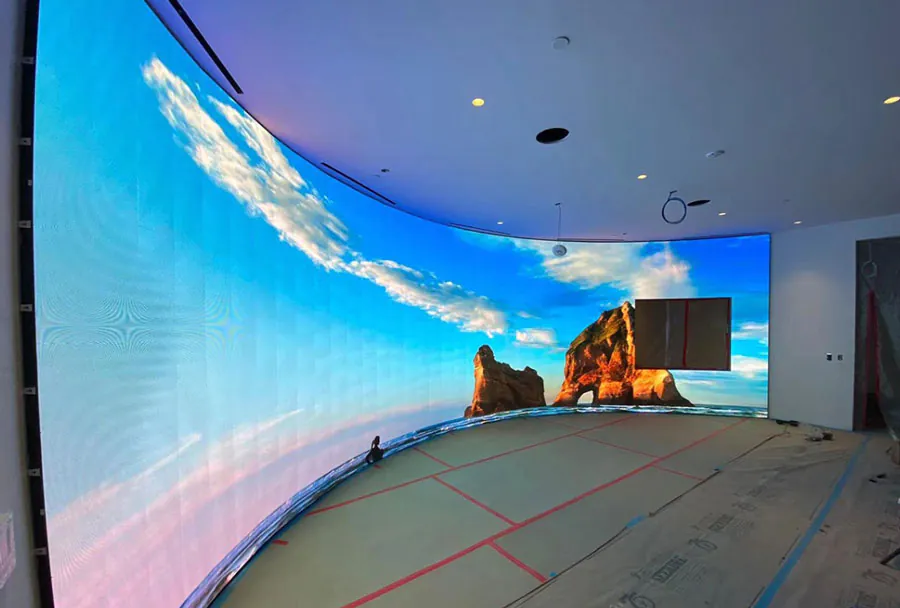
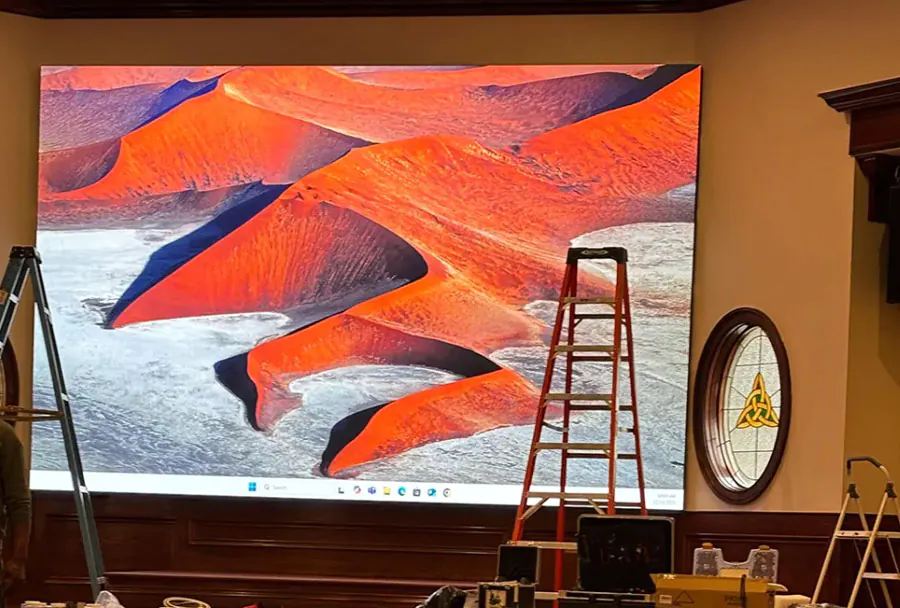
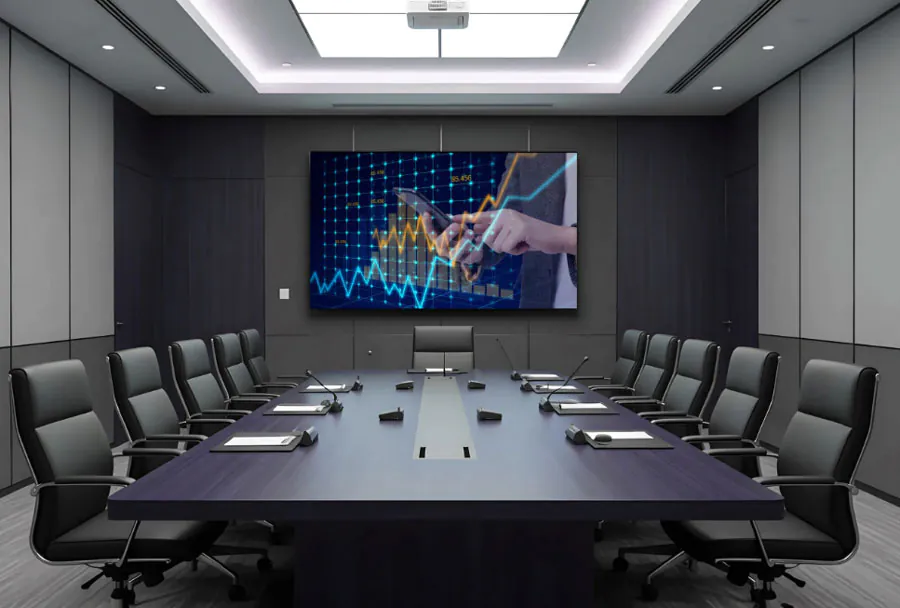
– Small indoor LED modules: Compact walls suitable for meeting rooms, small auditoriums, and retail pop-ups. Lower brightness, fine pixel pitches.
– Modular indoor walls: Configurable panels to create mid-size stage backdrops and trade show displays. Fine to medium pixel pitch.
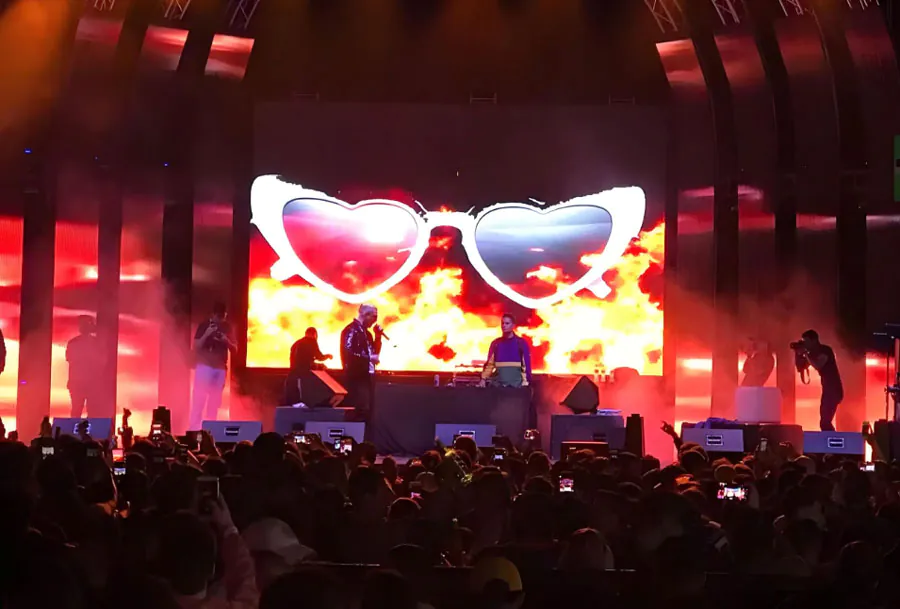
– Large indoor/outdoor seamless walls: High-impact stage backdrops and broadcast walls. Can be used both indoors and outdoors with weatherproofing.
– Outdoor high-brightness walls: Designed for daytime visibility, used at festivals, sports events, and public advertising.
– Mobile LED trucks/trailers: Built-in screens that simplify setup, ideal for street events and quick mobile activations.
Cost Analysis Table: Common Rental Options
| Screen Type | Typical Size (ft) | Pixel Pitch (mm) | Typical Use Case | Estimated Rental Cost (per day, USD) |
|---|---|---|---|---|
| Small Indoor LED Panel | 6′ × 4′ | 3.9 | Boardroom, small presentations | $300–$700 |
| Medium Indoor Modular Wall | 12′ × 8′ | 2.9–4.8 | Trade shows, mid-size stages | $900–$2,000 |
| Large Indoor/Outdoor Seamless Wall | 20′ × 12′ | 2.9–6 | Concerts, large conferences | $2,500–$6,000 |
| Outdoor High-Brightness Wall | 30′ × 15′ | 6–10 | Festivals, daytime visibility | $6,000–$15,000 |
| Mobile LED Truck/Trailer | Varies | 6–10 | Mobile promotions, outdoor activations | $3,000–$10,000 |
Notes on the table: Costs are approximate and reflect typical Chicago market rates as a per-day rental. Many vendors quote multi-day rates, weekend packages, or total event quotes (which often come out cheaper per day). Prices change with season, availability, and additional services (rigging, trucking, operators).
Key Factors That Drive Rental Cost
Understanding the variables that affect pricing helps you make cost-efficient choices:
– Screen Size: Bigger screens require more panels and higher rigging complexity; cost scales with square footage.
– Pixel Pitch (Resolution): Finer pitches (lower mm) cost more. Match pixel pitch to viewing distance—don’t overpay for resolution that guests won’t notice.
– Brightness and Weatherproofing: Outdoor, high-brightness screens cost more than indoor equivalents.
– Labor and Rigging: Installation, truss/rigging, safety gear, and certified riggers add to the bill, especially for outdoor and large walls.
– Transportation: Trucking and freight, particularly for nighttime or weekend setups, influence cost.
– Control Systems and Playback: Media servers, video processors, and on-site technicians are additional line items.
– Permits and Street Closures: As with any public activation in Chicago, permits and potential lane closures or police detail can add costs.
– Rental Duration and Timing: Longer rentals often reduce per-day cost; peak season (summer festivals) commands higher rates.
How to Match Pixel Pitch to Viewing Distance
A major cost-saving measure is selecting an appropriate pixel pitch. Overspecifying resolution is a common unnecessary expense.
– Rule of thumb: Optimal viewing distance (in feet) ≈ Pixel pitch (mm) × 3.28 × 1.5–2.
– Example: A 4mm screen has an optimal viewing distance around 20–26 feet. If your audience will be farther away than that, a coarser pitch (e.g., 6–8mm) is acceptable and less expensive.
– Indoor presentations with close audiences require finer pitch (1.5–3mm).
– Outdoor daytime viewing generally tolerates larger pitches (6–10mm) because viewers stand farther away and bright pixels are prioritized over dense resolution.
Where to Rent in Chicago: Vendors and Marketplaces
Chicago has a competitive rental market; consider these vendor types:
– Full-service production companies: Offer equipment plus staging, lighting, sound, and tech staff. Good for large events and tight turnarounds.
– Specialized AV rental houses: Focus on displays and video systems. Ideal for straightforward screen-only needs.
– Mobile truck operators: Provide an all-in-one outdoor solution with minimal setup.
– National companies with local branches: May offer economies of scale, useful for multi-city tours.
Vendor selection tips:
– Ask for recent local references and photos of similar Chicago events.
– Verify insurance, certifications for rigging crews, and union requirements if applicable.
– Request an itemized quote that separates equipment, labor, transport, and extras.
– Confirm lead time, cancellation and damage policies, and backup equipment availability.
Cost-Saving Strategies
To reduce overall costs without sacrificing quality:
– Right-size the screen: Match pixel pitch and size to audience distance. Avoid paying for resolution nobody will see.
– Book off-peak: Request weekday or off-season discounts; summer festival season tends to be more expensive in Chicago.
– Bundle services: Package audio, lighting, and screen rentals with a single vendor to negotiate discounts.
– Share screens across event days: If your event has multiple segments, reuse the screen rather than renting varied sizes.
– Negotiate multi-day discounts: A two- or three-day rental often has a lower per-day rate.
– Select local vendors: Reduce trucking and logistical costs by choosing Chicago-based suppliers.
– Bring an in-house operator: If you have qualified staff, ask vendors to provide equipment-only rates (but confirm liability).
– Lock in content prep ahead: Last-minute content changes can incur additional playback operator charges.
Sample Budget Scenarios
Below are realistic sample budgets for Chicago event types, including equipment, labor, and local logistics. These are illustrative and meant to guide planning.
1) Small Corporate Meeting (indoor)
– Screen: Small indoor LED 6’×4′ – $450/day
– Control & operator – $250/day
– Delivery & setup (local) – $200
Estimated total (1 day): ≈ $900
2) Mid-Size Trade Show Booth
– Screen: 12’×8′ modular wall – $1,400/day
– Media server & operator – $400/day
– Rigging and hang – $450
– Delivery & local labor – $350
Estimated total (3-day show): ≈ $8,100 (includes multi-day pricing reductions)
3) Outdoor Neighborhood Festival (evening)
– Screen: 20’×12′ outdoor wall – $4,000/day
– High-brightness upgrade & weatherproofing – $800/day
– Rigging/truss & safety crew – $1,200
– Generator & power distribution – $600
– Permits & municipal fees – $500
Estimated total (1 day): ≈ $7,100
4) Large Festival or Concert
– Screen: 30’×15′ outdoor high-brightness – $10,000/day
– Production truck & video engineer – $1,500
– Rigging crew & truss – $3,000
– Power, transport, permits – $2,500
Estimated total (1 day): ≈ $17,000+
Permits, Power, and On-Site Requirements in Chicago
Outdoor activations in Chicago often require permits from the Department of Cultural Affairs & Special Events (DCASE), Chicago Department of Transportation (CDOT), and possibly aldermanic approval. Key on-site considerations:

– Permits: Apply early. Some permits require public notification, insurance certificates, and traffic plans.
– Power: Large LED walls demand significant, stable power. Coordinate generator rental or venue power distribution with electricians.
– Safety: Rigging must follow manufacturer specs and local safety codes; certified riggers and inspections may be required.
– Noise and lighting ordinances: Nighttime events must comply with local ordinances—check light spill and projection angles.
– Insurance: Vendors usually carry equipment insurance, but you will need general liability coverage naming the vendor and the city as additional insured.
Technical Checklist Before Renting
Ensure you have the technical basics clarified before signing:
– Screen dimensions and orientation (landscape/portrait).
– Pixel pitch and expected viewing distances.
– Brightness (nits) for outdoor daylight events.
– Content resolution, format, and playback system compatibility.
– Number and type of input sources (HDMI, SDI, DVI) and any required switchers.
– Backup plan: spare panels, spare controllers, and redundancy for critical events.
– Loading and access constraints at the venue (door size, freight elevator, truck access).
How to Compare Vendor Quotes
When evaluating quotes from different Chicago vendors, normalize on these points:
– Equipment: Compare equivalent pixel pitch, brightness, and total screen area.
– Services included: Setup, teardown, on-site operator, and testing.
– Transport: Are delivery and pickup included or quoted separately?
– Labor hours: Confirm number of crew and hourly rates for overtime.
– Insurance and damage waivers: Clarify responsibility for accidental damage.
– Contingency: Ask about backup equipment if a failure occurs during the event.
Renting LED screens in Chicago can be a highly cost-effective way to elevate your event’s visual experience, provided you make informed choices about screen size, pixel pitch, and vendor services. The Chicago market offers competitive options across a wide range of budgets, but the real savings come from aligning technical specifications with audience needs, negotiating smartly, and planning logistics and permits early. Use the analysis table and budget scenarios above as starting points, and always request itemized quotes and local references before committing. With careful planning and the right rental partner, you can deliver professional, high-impact visuals without overspending on features you don’t need.