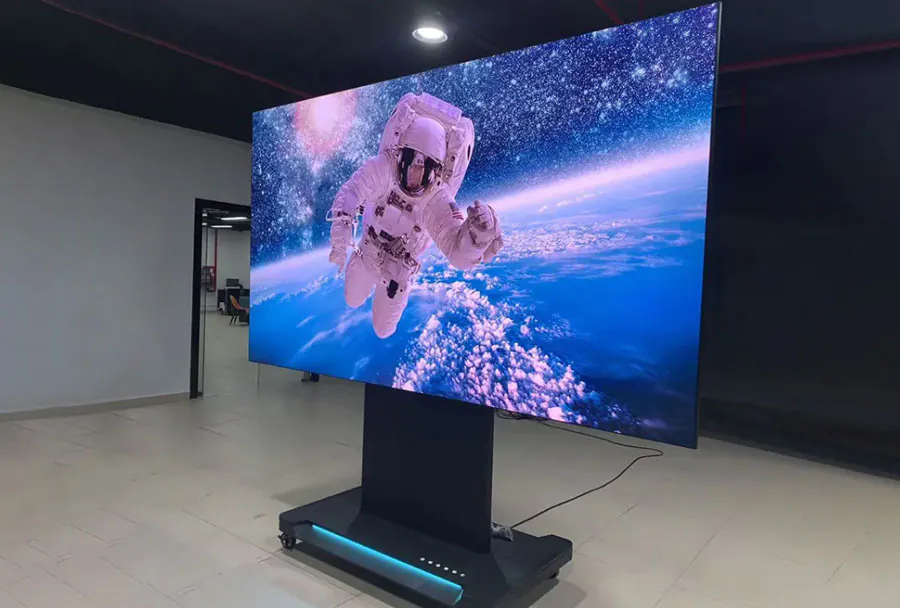
Reliable LED Screen Rental Solutions in Los Angeles

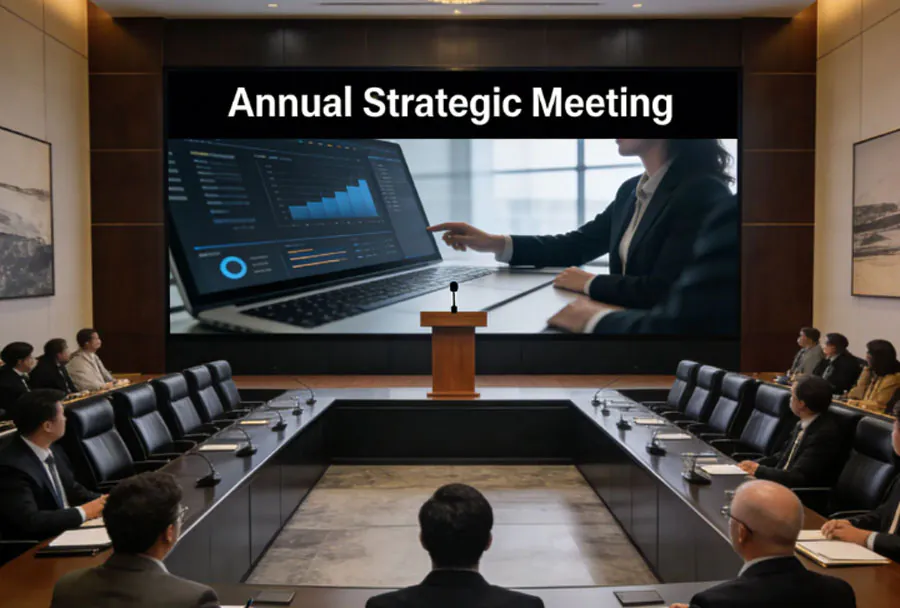
Los Angeles is a market of scale, style, and high expectations. From large outdoor concerts on the beach to intimate corporate launches in downtown lofts, events in the City of Angels demand visual solutions that perform flawlessly, look sharp, and adapt to shifting conditions. Reliable LED screen rental solutions are about more than renting a panel — they combine the right hardware, experienced technicians, timely logistics, and contingency planning. This article provides a practical, professional guide to selecting and deploying LED screen rentals in Los Angeles, with analysis, comparative tables, technical guidance, cost considerations, and vendor selection criteria.
Why reliability matters for LED screen rentals in Los Angeles
Los Angeles events face unique challenges: bright sunlight and coastal glare, strict permitting, varied venue types (stadiums, rooftops, tunnels), and high-profile audiences with no tolerance for technical failures. Reliability in LED screen rental means:
– Predictable performance under environmental stress (heat, humidity, wind, direct sun).
– Consistent image quality for both close-view and distance-view audiences.
– On-time installation and removal, respecting venue schedules and curfew constraints.
– On-site technical support and rapid trouble-shooting capabilities.
– Compliance with local safety codes and permitting requirements.
A reliable rental partner minimizes risk, protects brand reputation, and often saves money by preventing last-minute fixes and reputational damage.
Types of LED screen solutions and when to use them
LED solutions vary by pixel pitch, panel size, weather rating, and mounting options. Choosing the right type depends on viewing distance, content type, ambient brightness, and venue constraints.
– Indoor fine-pitch LED (P1.2–P2.5): Ideal for trade shows, control rooms, and corporate interiors where viewers are close. High resolution, low brightness requirements.
– Flexible/rental LED (P2.5–P6): Modular panels that assemble into video walls for conferences, product launches, and broadcast sets.
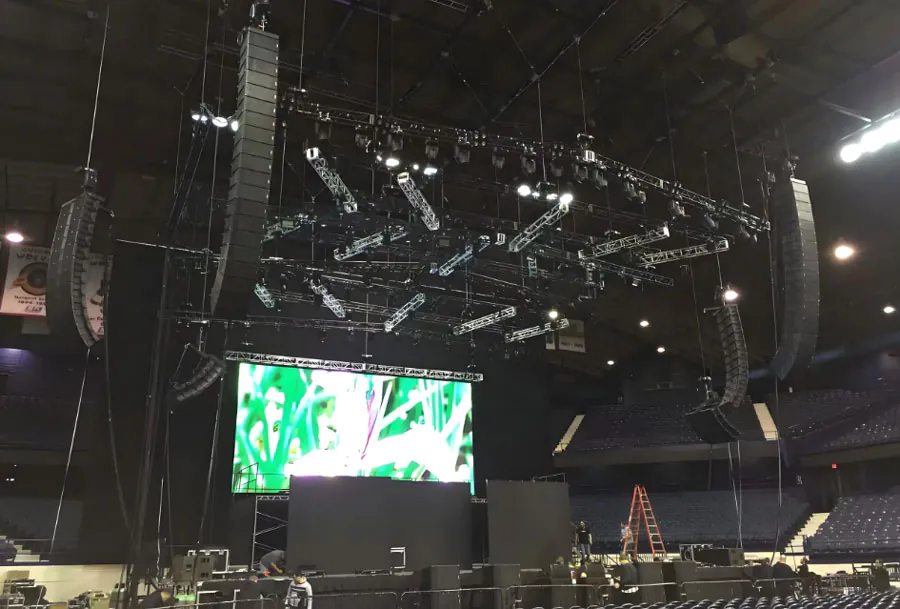
– Outdoor high-brightness LED (P3–P10): Designed for concerts, festivals, and building wraps; high nits for daylight visibility and rugged enclosures.
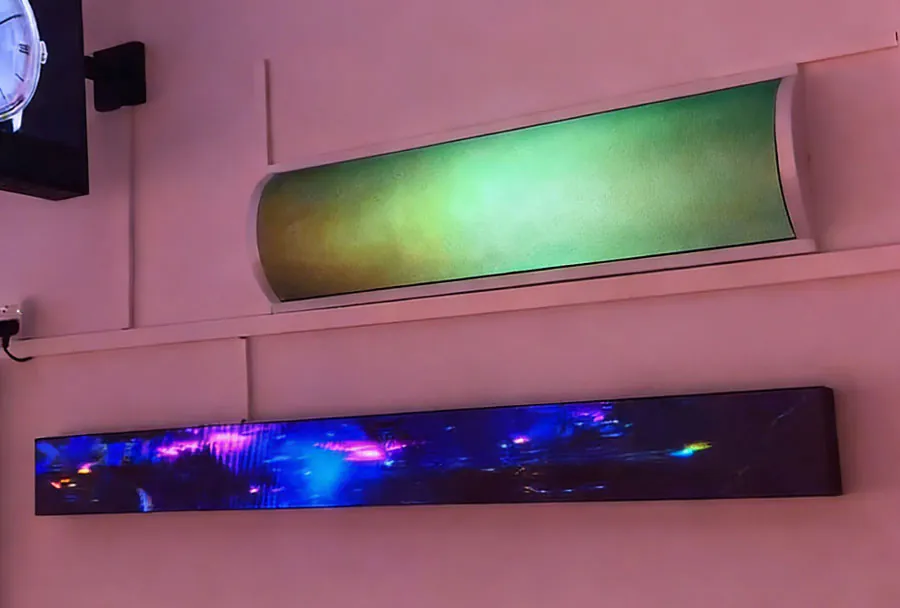
– Curved/fabric LED and mesh screens: Used for creative fa?ades and overlays where airflow and light transmission are required.
Selecting the right solution starts with assessing the audience sightlines and ambient conditions.
Technical criteria: what to evaluate
To ensure reliability, focus on these technical metrics:
– Pixel pitch: Determines perceived resolution at specific viewing distances. Smaller pitch = better detail for close audiences; larger pitch is fine for distant viewing.
– Brightness (nits): Outdoor daytime events often require 4,000–8,000 nits; indoor setups typically need 600–1,500 nits depending on lighting.
– Refresh rate: Higher refresh rates (≥3,000 Hz) prevent flicker on broadcast and camera capture.
– Color calibration and uniformity: Look for factory-calibrated and field-adjustable color systems.
– Weatherproofing/IP rating: IP65 or higher for outdoor elements.
– Power and backup: Redundant power supplies, UPS where needed, and contingency generators for long events.
– Rigging and structural certification: Trussing, ground supports, and wind-load calculations for outdoor screens.
– Control systems: Robust media servers, easy content mapping, and redundancy for playback failover.
Analysis table: LED screen types and recommended use cases
| Screen Type | Typical Pixel Pitch | Ideal Viewing Distance | Brightness (Nits) | Best Use Cases |
|---|---|---|---|---|
| Indoor Fine-Pitch LED | P1.2 – P2.5 | Within 3–10 feet | 600 – 1,200 | Trade shows, control rooms, broadcast stages |
| Rental/Indoor Modular LED | P2.5 – P4 | 10–25 feet | 800 – 1,800 | Corporate events, product launches, conference backdrops |
| Outdoor High-Brightness LED | P3 – P10 | 25+ feet | 4,000 – 8,000+ | Concerts, festivals, outdoor advertising |
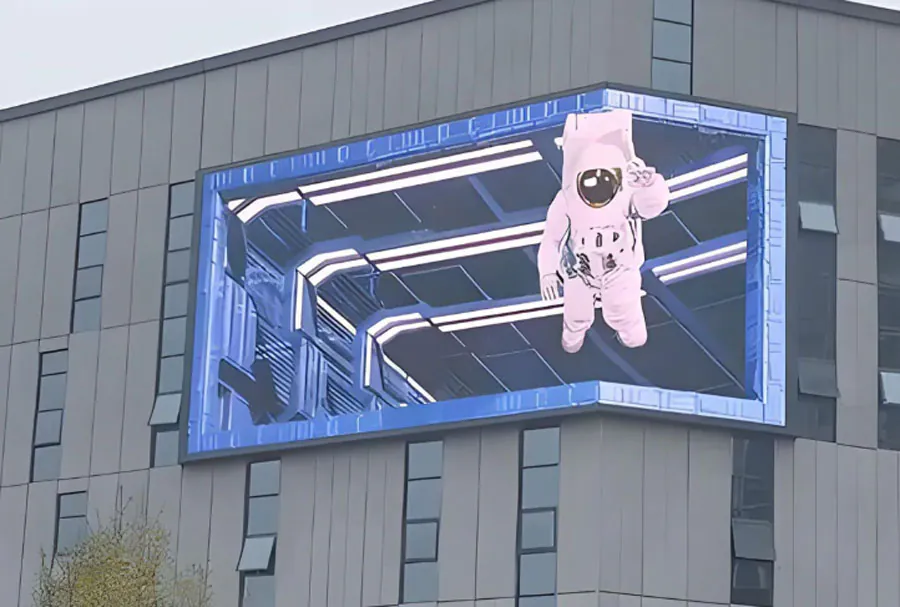
| Transparent/Mesh LED | P3 – P10 (effective) | Varies (medium to long) | 3,000 – 6,000 | Building fa?ades, stage overlays, storefronts |
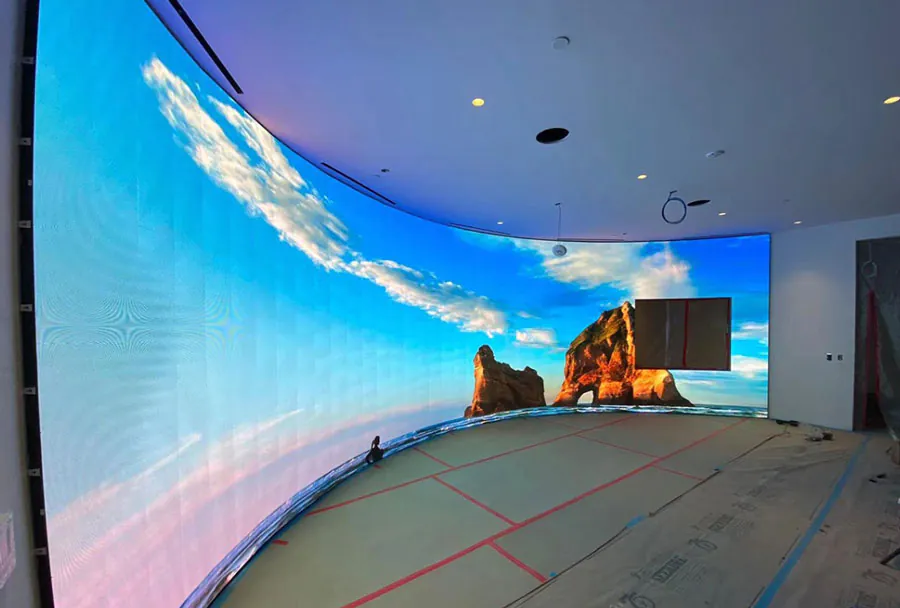
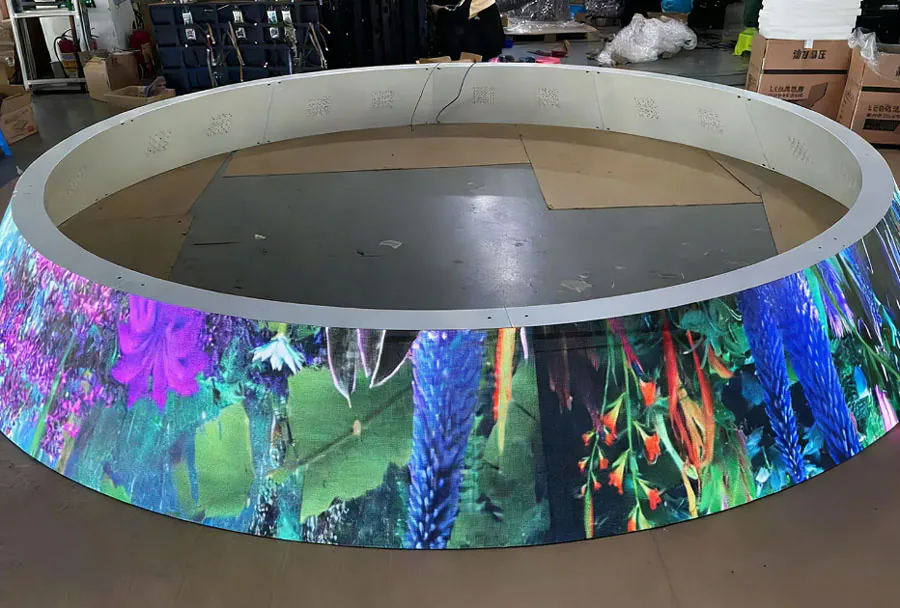
| Curved/Flexible LED | P2.5 – P6 | Varies | 800 – 4,000 | Immersive installations, set design, experiential activations |
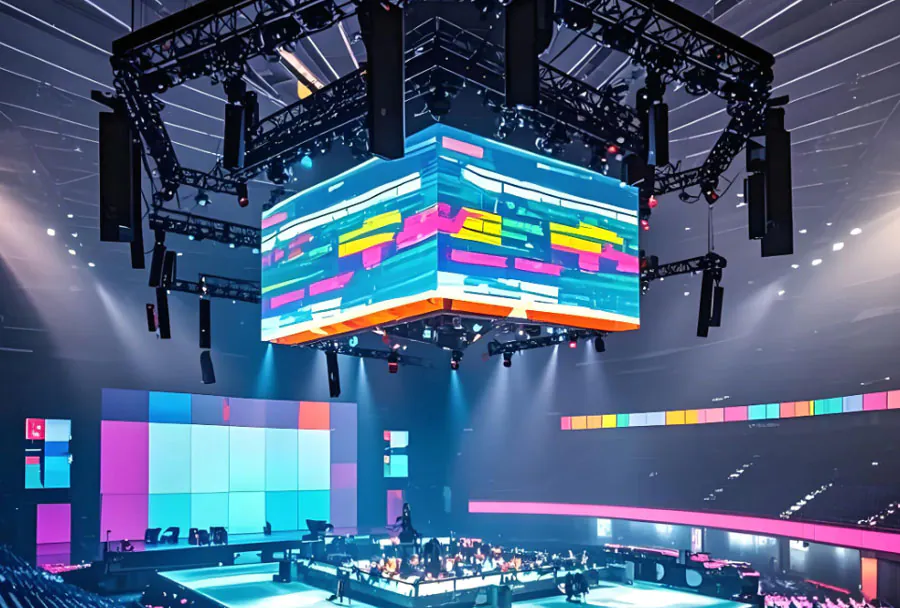
Common event setups and sample specifications
– Outdoor concert (evening with daylight preceding): 30 ft x 18 ft outdoor LED, P6, 6,000 nits, wind-rated rigging, redundant media servers, diesel generator backup. On-site crew: 6–8 technicians for assembly and operation.
– Corporate launch (indoor, theatrical lighting): 20 ft x 8 ft fine-pitch LED, P2.6, 1,200 nits, calibrated color profile, content mapping and playback with SMPTE timecode. On-site crew: 3–4 technicians.
– Trade show booth (close viewing): 8 ft x 6 ft fine-pitch seamless LED, P1.9, 800 nits, lightweight frame, rapid assembly. On-site crew: 1–2 for install.
– Rooftop activation (day-to-night): Mesh LED wrap, P6–P8, 4,000 nits, wind engineering, city permit coordination, and safety harnesses for crew.
Logistics, permits, and site considerations in Los Angeles
Los Angeles requires careful logistics planning. Common considerations include:
– Permits: FilmLA, municipal event permits, DOT approvals for street closures, and noise permits for amplified sound that could affect screen placement.
– Load-in/load-out windows: Many venues have strict windows that require precise scheduling and quick installs.
– Power availability: Confirm onsite power, distribution panels, and whether a generator is required. High-brightness screens consume substantial power — plan for distribution and soft-start strategies to avoid tripping.
– Noise restrictions and curfews: Events in residential-adjacent areas often face early curfews that affect lighting and screen timing.
– Transportation: Parking and access for trucks; downtown LA and popular venues often have limited access points.
– Insurance and liability: General liability, workers’ comp, and equipment insurance are usually required and should be confirmed in advance.
Costs and budgeting: realistic expectations
Rental pricing varies widely based on pixel pitch, screen area, duration, and support needs. Typical cost factors include:
– Equipment rental (panels, control, rigging): usually the largest line item; day rates decline with multi-day bookings.
– Labor: skilled techs for install, rigging, and operation. LA union rules can affect labor rates at certain venues.
– Transportation: truckloads, driver time, and fuel — consider multiple trips for large builds.
– Power/generator rental and fuel.
– Permits, city fees, and parking.
– Content prep and playback servers.
– On-site contingency: spare modules, power supplies, cables.
As a rough example: a medium indoor P2.6 20ft x 8ft wall might rent for $3,000–$7,000/day including basic support; outdoor festival-grade 30ft x 18ft could be $12,000–$30,000/day including rigging, generators, and crew. Always request itemized quotes and ask about weekend or multi-day discounts.
Choosing the right vendor: checklist and questions
Vet providers by asking direct, practical questions:
– Do you own the panels or broker them? (Ownership usually means better control over maintenance.)
– What is the age and model of the LED panels? (Newer panels have improved HDR, refresh rate, and power efficiency.)
– Can you provide an on-site project manager and technicians experienced with LA permits and venues?
– What are your redundancy and contingency plans for playback, power, and panel failure?
– Do you provide pre-event load-in rehearsals and camera tests (if broadcasted)?
– Can you provide references or case studies from similar LA events?
– What is included in the quote (rigging, trucking, power, crew)? Ask for itemized costs.
– What are your safety and rigging certifications? (Especially important for outdoor builds)
– How is color calibration handled on-site? Is there a test pattern and calibration tool?
– What’s your cutover plan for transitioning visuals (e.g., from daytime to nighttime brightness)?
A reputable vendor will answer these confidently and provide documentation for certifications, photos of prior installs, and an operations run sheet.
On-site support and contingency planning
No setup is complete without a robust support plan:
– On-site engineers during load-in, show, and load-out.
– Spare panels, spare power supplies, and spare control modules staged nearby.
– Redundant playbacks — either mirrored servers or hot-swap playback systems.
– Clear communication channels — radio/comm devices and a single technical lead for the event director.
– Weather contingency for outdoor events — quick covers, drainage plans, and safe evacuation routes.
– Real-time monitoring for heat and power draw to prevent sudden shutdowns.
– Pre-event testing with full content suite and camera checks if the event is due to be livestreamed or telecast.
Content and creative considerations for LED screens
Great hardware needs great content. Consider the following:
– Create content at native resolution and aspect ratio of the LED wall to prevent scaling artifacts.
– Use high-contrast assets for outdoor daytime readability; avoid fine details that disappear at long distances.
– HDR-capable playback and color grading ensure deeper blacks and brighter highlights on modern panels.
– Consider dynamic brightness management for day-to-night transitions.
– Implement safe title zones for on-screen text and lower-thirds if cameras will capture the screen.
Case study snapshot: festival activation in Santa Monica
A mid-sized music festival on the Santa Monica Pier required a 40 ft x 20 ft outdoor screen visible from the sand and boardwalk. Challenges included coastal wind, permitting constraints, and daytime sun glare.
Solution highlights:
– Used P6 outdoor LED rated at 8,000 nits with IP65 waterproofing.
– Wind-load assessments determined reinforced ground support and ballast.
– Diesel generator with automatic transfer switch provided power, with a UPS for key playback servers.
– On-site cooling strategy and shaded control tent for electronics.
– Two AV technicians plus a project manager for the full-day event.
Outcome: Zero downtime, crisp imagery even at sunset, and successful broadcast feed for local media.
Final recommendations
– Start planning early: book reliable rental partners at least 6–12 weeks before high-demand dates.
– Prioritize vendors with local LA experience — they navigate permits, unions, and logistics more smoothly.
– Confirm redundancy: playback, power, and spare modules are non-negotiable for high-reliability events.
– Match pixel pitch to viewing distance — don’t overspend on unnecessarily fine pitch for distant audiences.
– Insist on on-site tech support and a written run-of-show that includes failover steps.
Reliable LED screen rental solutions in Los Angeles combine technical expertise, clear logistics, and contingency-driven planning. For event producers, investing in the right rental partner reduces risk, elevates audience experience, and protects the event’s reputation. Start with the technical checklist, ask the right vendor questions, and budget realistically — the visuals will then match the scale and ambition of your LA event.