Large scale led screen rental from TW VISION for stadium events

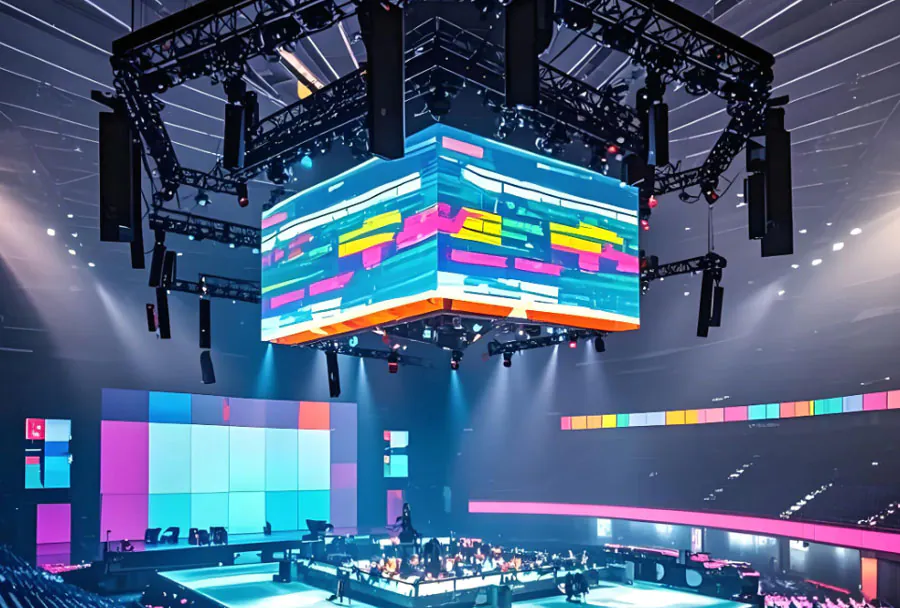
Stadium events demand scale, clarity, and reliability. Whether the occasion is a sold-out concert, a championship match, or a large civic gathering, the visual experience determines how audiences perceive the production. Large-scale LED screens have become the centerpiece of modern stadium events, delivering live action, replays, sponsor creatives, wayfinding, and interactive content to tens of thousands of attendees. TW VISION positions itself as a rental partner specializing in large-scale LED solutions tailored for stadium environments. This article provides a practical, professional guide to renting large-scale LED screens from TW VISION for stadium events — covering technical options, planning, logistics, costs, content management, safety, and best-practice recommendations.
Why choose TW VISION for stadium LED rentals?
TW VISION focuses on the high-end rental market for large venues and stadiums. For event organizers, choosing an experienced vendor reduces risk and improves audience experience. Key advantages an experienced provider like TW VISION typically brings include:
– A diverse fleet of modular LED panels with a range of pixel pitches and brightness levels suited to outdoor and indoor arenas.
– Turnkey services: site survey, structural engineering support, rigging, installation, testing, and on-site operation.
– Redundancy planning and backup equipment to ensure uninterrupted display even if a module or controller fails.
– Integration expertise with broadcast workflows, live camera feeds, scoreboard data, and third-party media servers.
– Professional crews trained for stadium rigging, wind-load calculations, and safety compliance.
Technical options and what they mean
Understanding the key technical parameters will help you match a screen to your event goals:
– Pixel pitch: Measured in millimeters (P), pixel pitch determines closest comfortable viewing distance and image sharpness. Stadiums commonly use outdoor pixel pitches from P3.9 to P10; the smaller the number, the finer the image.
– Brightness: Measured in nits (cd/m2). Outdoor stadiums require high brightness (5,000–8,000+ nits) to remain legible under daylight.
– Refresh rate: For broadcast and camera-friendly results, higher refresh rates (≥3,840 Hz) reduce flicker and scanning artifacts for televised events.
– IP rating / weatherproofing: Outdoor events need panels with high IP ratings for rain and dust protection.
– Module size and modularity: Standardized modules (e.g., 500×500 mm or 500×1000 mm) allow flexible screen dimensions and faster installation.
– Rigging and mounting options: Ground-supported structures, trusses, flown arrays, or fascia mounts will be chosen based on stadium architecture and sightlines.
Planning and logistics — key steps
Successful execution requires early and thorough planning. Typical project milestones include:
– Site survey and sightline analysis: Determine optimal screen location(s), sightlines for the majority of seats, and any obstructions caused by stadium structures.
– Structural and rigging assessment: Evaluate roof capacities, truss routing, and ground-support requirements. TW VISION will provide engineering diagrams and load calculations.
– Power and data infrastructure: Large LED screens demand significant, stable power and high-bandwidth data for content distribution. Plan dedicated circuits, UPS/backup power, and fiber or redundant network links.
– Permitting and stadium approvals: Secure permits for temporary structures, power draws, and any drone or broadcast permits as needed.
– Delivery and install windows: Coordinate labor, transportation access, and installation windows to minimize disruption to stadium schedules.
– Weather contingency plans: Include wind limits for flown arrays and plans for rapid de-rigging or sheltering.
Content and playback systems
A screen is only as effective as the content it displays. TW VISION typically integrates with a range of playback and production systems:
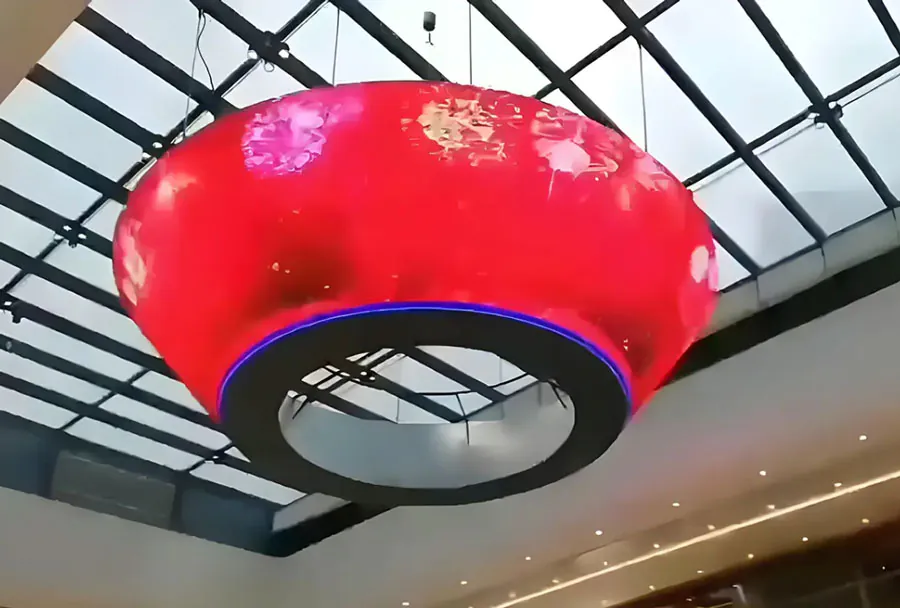
– Media servers and processors: High-end servers handle multiple layers (live feed, graphics, replays, ads) and map content to non-standard screen shapes.
– Live feeds and synchronization: Multiple camera feeds and instant replay systems can be switched and scaled in real time. Genlock and frame-synchronization are crucial for broadcast.
– LED mapping and pixel correction: Content is mapped to panel geometry; color calibration and gamma correction ensure consistency across modules.
– Sponsor and advertising loops: Pre-scheduled ad inventories should be managed with precise timing and logging for sponsor reporting.
– Accessibility and multilingual content: Consider real-time captions, sign language windows, or language overlays for international crowds.
Installation, operation, and safety
Operational excellence depends on trained crews and robust procedures:
– Certified riggers and electricians: All rigging should follow local codes and standards for fall arrest and load restraints. Power installations must be performed by licensed electricians.
– Redundancy and health monitoring: Dual power feeds, backup control cards, and monitoring systems minimize downtime.
– Pre-show testing: Full system tests, broadcast tests, and content rehearsals should occur several hours before doors open.
– On-site operator and broadcast liaison: A dedicated LED operator coordinates live switching, content changes, and emergency fallback.
– Safety briefings and crowd protection: Screens and trusses should be protected from unauthorized access. Clear signage and barriers prevent accidental contact.
Cost factors and rental models
Rental pricing depends on multiple variables rather than a single line item. Important factors that affect cost include:
– Screen size and pixel pitch: Larger screens and finer pitches increase panel counts and weight, which raises rental and installation costs.
– Brightness and waterproofing: Outdoor-rated, high-brightness panels cost more than indoor units.
– Structure and rigging complexity: Flown arrays with custom trussing and engineering are more expensive than ground-supported builds.
– Duration and logistics: Longer rental periods can reduce daily rates, but transport and crew costs accumulate.
– Content services and technical staffing: Media servers, operators, and broadcast integration are billed separately in most cases.
– Permits and stadium fees: Access charges, power surcharges, and permit fees vary by venue.
To control costs, consider a balanced approach: use a slightly coarser pixel pitch for distant viewing areas, minimize custom shapes, and bundle services for economies of scale.
ROI and audience engagement
The visual centerpiece contributes to ticket sales, dwell time, and sponsor value. Key ROI considerations:
– Enhanced fan experience: Large replays and dynamic graphics improve perceived value for attendees and encourage repeat attendance.
– Sponsorship impressions: LED screens are premium inventory for sponsors. Precise logs of playtime and impressions improve sponsor satisfaction and renewals.
– Increased concession and merchandise revenue: Dynamic promotions and wayfinding drive spending during events.
– Broadcast synergy: Camera-friendly LED screens can enhance televised production when properly calibrated.
Maintenance, warranties and support
When renting, SLAs and support are as important as hardware:
– On-site troubleshooting: A rapid-response technician during show days prevents prolonged outages.
– Spare parts and hot-swappable modules: Modular designs allow quick replacement of failed modules without full screen shutdown.
– Post-event reporting: Logs of uptime, run-time, and sponsor impressions support invoicing and vendor accountability.
– Cleaning and storage procedures: Proper maintenance between events extends module life and keeps picture quality high.
Environmental and sustainability considerations
Large screens consume power and involve material resources. Sustainable practices include:
– Energy-efficient modules and LED drivers to reduce power draw.
– Power scheduling: dimming during downtimes and intelligent brightness controls to match ambient light.
– Reusable modular systems and responsible end-of-life recycling for panels and electronics.
– Carbon-conscious logistics: consolidate transport and use local staging where possible.
Sample event workflow: pre-event to post-event
– Pre-event (4–6 weeks): Site survey, engineering sign-off, content plan, sponsorship inventory defined.
– Pre-rig (2–3 days): Deliver panels, assemble structure, test power and network.
– Day-before: Full calibration, color-matching, rehearsals with production and broadcast teams.
– Event day: Early system checks, operator on console, redundant systems on standby, sponsor creative rotation executed.
– Post-event: De-rigging, diagnostics, damage assessment, sponsor impressions and runtime reporting.
Analysis table: LED options for stadium rentals
| Screen Type | Typical Pixel Pitch | Typical Module Size (mm) | Typical Brightness (nits) | Ideal Stadium Capacity |
|---|---|---|---|---|
| High-Resolution Display | P3.9–P6 | 500 x 500 | 5,000–7,000 | 10,000–30,000 (close viewing zones & premium areas) |
| Standard Outdoor Display | P6–P10 | 500 x 1000 or 500 x 500 | 6,000–8,000 | 20,000–50,000 (general seating & large viewing distances) |
| Large-Distance Display | P10–P16 | 500 x 500 / 1000 x 1000 | 7,000–10,000 | 50,000+ (very large stadiums where viewing distance is long) |
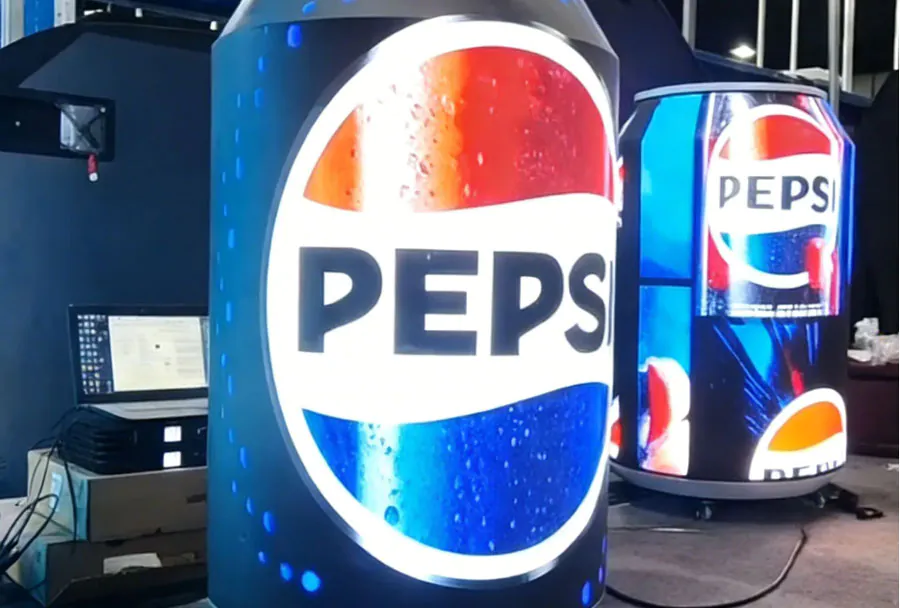
| Flexible/Fascia Display | P4–P10 (varies) | Custom shapes/panels | 5,000–8,000 | Supplemental wraps, concourse screens, hospitality areas |
Recommendations for event organizers
– Start early: Engage TW VISION during initial planning to align screen design with sightlines, broadcast, and sponsor goals.
– Define priority zones: Identify which seating areas need higher resolution and allocate budget accordingly.
– Insist on testing and calibration: Color uniformity and broadcast-friendly refresh rates are essential for a premium look.
– Negotiate clear SLAs: Response times, backup equipment availability, and post-event reporting should be contractually defined.
– Plan content around the screen: Design creative that takes advantage of the screen’s dimensions and capabilities — dynamic overlays, instant replays, and sponsor integrations.
Large-scale LED screens transform stadium events into immersive experiences. Renting from a specialist like TW VISION offers the benefits of tested hardware, experienced crews, and integrated service offerings — from engineering to live operation. By understanding pixel pitch, brightness, rigging, and content workflows, event organizers can make informed decisions that balance cost, risk, and audience impact. Proper planning, partnership, and execution ensure that the LED centerpiece elevates every aspect of a stadium event, delivering clear images, compelling content, and measurable sponsor value.