How to Choose the Right LED Display Supplier for Large Scale Projects with TW VISION

Large-scale led display projects demand more than attractive visuals: they require rigorous planning, proven manufacturing capabilities, reliable logistics, and long-term support. Choosing the right supplier can make the difference between a seamless rollout and costly delays or performance issues. For organizations considering TW VISION as a potential partner, this guide explains the critical selection criteria, how to evaluate vendors, and why TW VISION often stands out for large-scale installations.
How to Choose the Right LED Display Supplier for Large Scale Projects with TW VISION
Understand project scope and technical requirements
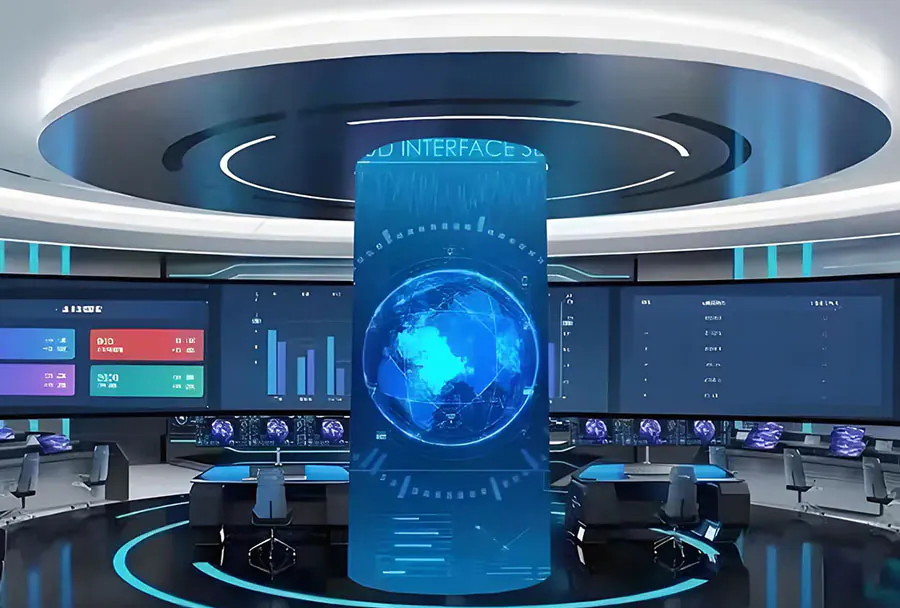
Before engaging suppliers, document your project’s functional and technical requirements in detail. For large-scale displays—stadiums, airports, city fa?ades, advertising networks, or control rooms—key variables include pixel pitch, resolution, brightness, lifetime, viewing distance, environmental rating (IP), and control system compatibility. Consider these additional constraints:
– Structural integration: mounting systems, wind-load, and weight distribution.
– Power and cooling: peak and average power consumption, redundancy.
– Content management: centralized control, scheduling, multi-zone playback.
– Regulatory requirements: local electrical codes, signage permits, and safety standards.
A supplier like TW VISION will want a complete RFP with technical specs, site surveys, and a timeline before proposing a solution. This ensures their design aligns with both the visual outcomes and operational constraints.
Evaluate manufacturing capacity and quality control
For large projects, supplier capacity matters. Ask about factory scale, production throughput, and quality management systems. Critical considerations:
– ISO certifications and in-line testing procedures.
– Burn-in testing, thermal cycling, and humidity resistance tests.
– Batch consistency and component traceability (LED bins, IC suppliers).
TW VISION operates vertically integrated production lines that emphasize component traceability and stringent QC checkpoints. Verify by requesting a factory tour or certified audit report; remote video walkthroughs are acceptable if onsite visits are impractical.
Assess technical expertise and customization capability
Large-scale installations often require bespoke engineering: custom cabinet sizes, integrated control rooms, or special weatherproofing. Evaluate a supplier’s ability to deliver:
– Engineering drawings, structural calculations, and 3D models.
– Custom electronics or firmware adaptations.
– Integration with third-party systems (broadcast, IoT, sensors).
TW VISION provides design engineering support and has experience in modular, scalable systems. Ask for examples of past customized projects and how they handled integration challenges.
Check track record and references
Past performance is the strongest predictor of future success. Request case studies for projects similar in scale and complexity, and ask for:
– Contactable references (owners, consultants, or contractors).
– Performance metrics after commissioning (uptime, maintenance frequency).
– Photographic and video evidence of installations in various conditions.
TW VISION’s portfolio often includes stadium displays, urban media fa?ades, and transportation hubs. When reviewing references, focus on how issues were resolved, responsiveness during warranty period, and long-term durability.
Warranty, maintenance, and lifecycle support
A comprehensive warranty and clear SLAs for maintenance are essential. For large networks, downtime is costly. Evaluate:
– Warranty length and coverage (modules, power supplies, control systems).
– Service-level agreements: response times, spare parts stocking, remote support.
– Ongoing software updates and control system improvements.
TW VISION typically offers multi-year warranties with options for extended coverage and proactive maintenance contracts. Confirm turnaround times for technicians and availability of local service partners.
Logistics, installation, and project management
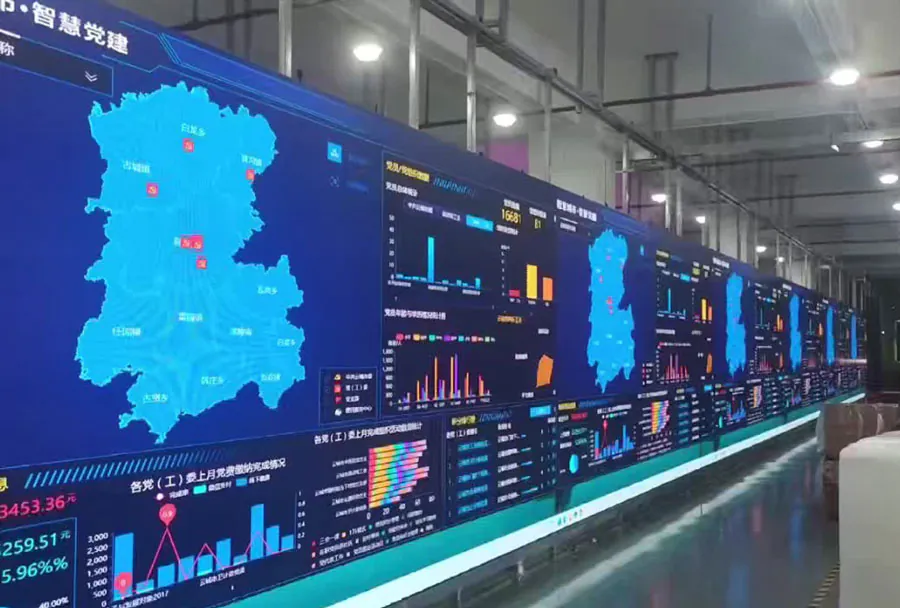
Large displays require coordinated logistics: shipping of heavy cabinets, customs clearance, on-site crane operations, and synchronized installation teams. Key supplier capabilities:
– Dedicated project management with milestones and risk registers.
– Experienced installation crews or certified installation partners.
– Clear responsibility matrix (who handles civil works, electrical, control system integration).
TW VISION assigns project managers and coordinates with local contractors worldwide, offering installation supervision and commissioning services to ensure consistent execution.
Software, control, and content management
Evaluate the control ecosystem: media servers, network topology, redundancy, content scheduling, and remote diagnostics. Requirements include:
– Compatibility with standard protocols (e.g., Art-Net, sACN, or proprietary options).
– Centralized content management for multi-site deployments.
– Remote monitoring and diagnostics to reduce on-site interventions.
TW VISION supplies integrated control solutions and supports third-party content management systems. Test their software during evaluation, and request a demo of remote monitoring dashboards and failover behavior.
Cost analysis and total cost of ownership (TCO)
Initial price is only one component. For accurate TCO, factor in:
– Initial hardware and installation costs.
– Energy consumption (annual kWh) and cooling requirements.
– Maintenance, spare parts, and software licensing.
– Expected lifespan and depreciation.
TW VISION’s solutions may carry a premium for higher quality components and stronger warranties, but their energy-efficient designs and lower maintenance frequency can reduce lifetime costs. Request a 5- to 10-year TCO breakdown to compare vendors fairly.
Risk management and contingency planning
Large projects face schedule, supply chain, and technical risks. Make sure suppliers provide:
– Lead time guarantees and penalty clauses for missed milestones.
– Redundancy in component sourcing to avoid single-vendor failures.
– Clear escalation paths and insurance for on-site work.
TW VISION’s procurement strategy includes multi-sourcing critical components and transparent lead time commitments. Insist on contractual protections and a documented mitigation plan.
Regulatory compliance and certifications
Compliance is non-negotiable for public installations. Verify:
– Electrical safety certifications (CE, UL, CCC as relevant).
– Environmental protections (RoHS, REACH).
– Local regulatory approvals and documentation support.
TW VISION provides documentation for major international certifications and assists clients with local regulatory paperwork when required.
How to run a vendor evaluation process
A structured procurement process reduces bias and uncovers risks:
1. Prepare detailed RFP: technical specs, project schedule, evaluation criteria.
2. Shortlist vendors: require factory info, case studies, and preliminary BOMs.
3. Conduct technical demos and sample testing: request pilot modules or mock-ups.
4. Check references and perform site visits where possible.
5. Compare TCO, warranties, and service capabilities.
6. Negotiate SLA-backed contracts with clear acceptance tests and penalties.
TW VISION typically responds to RFPs with comprehensive proposals, technical drawings, and test reports. They also support pilot deployments to validate designs before full production.
| Selection Criterion | Why It Matters | How to Evaluate | TW VISION Assessment | Practical Tip |
|---|---|---|---|---|
| Manufacturing Quality | Ensures durability and consistent performance | Factory audit, QC reports, burn-in procedures | Strong vertical integration; robust QC and burn-in | Request batch test certificates and supplier traceability |
| Project Management | Controls schedule and coordinates stakeholders | Review project plan, PM experience, escalation process | Dedicated PMs with global project experience | Define milestones and liquidated damages in contract |
| Technical Support & Warranty | Minimizes downtime and lifecycle costs | Warranty terms, SLA, spare parts availability | Multi-year warranties and optional maintenance plans | Include on-site response times and spare parts clauses |
| Control System & Software | Determines functionality and ease of operation | Software demo, API access, remote diagnostics | Integrated control solutions; supports third-party CMS | Test software with your content and network |
| Logistics & Installation | Impacts schedule and total installation cost | Shipping plans, installation crews, local partnerships | Global logistics experience and installation supervision | Confirm customs handling and local installation responsibilities |
On-site testing and acceptance criteria
Define acceptance tests clearly in the contract. Typical tests include:
– Visual uniformity and color calibration across the entire array.
– Brightness and contrast verification at various temperatures.
– Control system failover and redundancy checks.
– Environmental and waterproofing examinations.
TW VISION will conduct factory acceptance testing (FAT) followed by site acceptance testing (SAT). Ensure SAT criteria are measurable and document the resolution process for any defects.
Final selection and contract negotiation
When finalizing a supplier, negotiate on these points:
– Detailed delivery schedule with penalties for delays.
– Clear warranty scope and response times.
– Spare parts inventory levels and lead times.
– Intellectual property and software licensing terms.
– Acceptance criteria and payment milestones tied to tested delivery.
TW VISION typically accepts staged payments aligned with design approval, production milestones, and successful commissioning, which helps align incentives.
choosing a partner, not just a product
Large-scale LED display projects are complex systems that demand supplier competence across engineering, manufacturing, logistics, and after-sales support. TW VISION’s strengths—comprehensive engineering support, rigorous quality controls, global project experience, and integrated control solutions—make them a strong candidate for enterprise-grade deployments. However, the smartest procurement decision is evidence-based: require factory and reference verification, insist on pilot testing, and quantify lifetime costs. By following a structured evaluation process and focusing on long-term support and risk mitigation, you choose not just hardware but a partner who can deliver predictable, high-quality results.