Discover the Durability of TW VISION All-Weather Outdoor Digital Display Panels

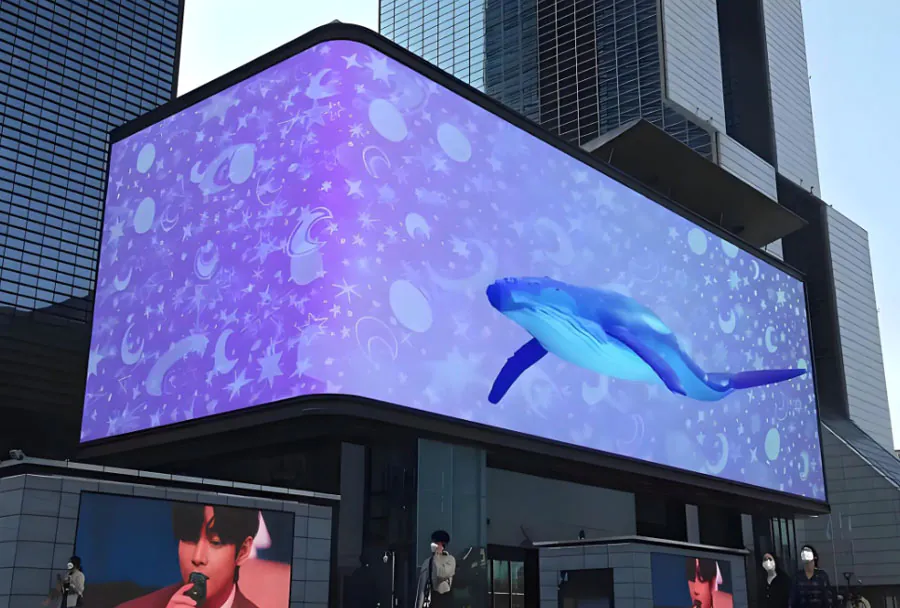
Outdoor digital signage is only as strong as its weakest component. In environments that range from blistering sun and reflected heat to driving rain, salt spray, and freezing nights, durability determines not only the lifespan of a display but also its reliability, maintenance costs, and ultimately the return on investment. TW VISION All-Weather Outdoor Digital Display Panels are engineered to meet these challenges head-on. This article examines the design choices, materials, engineering strategies, and testing protocols that make these panels dependable in demanding outdoor conditions, and provides an analytical comparison that helps facilities managers, integrators, and buyers make informed decisions.
Discover the Durability of TW VISION All-Weather Outdoor Digital Display Panels
Why durability matters for outdoor digital displays
Durability in outdoor digital displays is about more than resistance to a single stressor like rain or heat. It encompasses comprehensive protection against water ingress, particulate intrusion, corrosion, mechanical shock, UV degradation, thermal cycling, and electrical instability. Poor durability leads to more frequent repairs, higher downtime, compromised brand messaging, and even safety issues. TW VISION designs its all-weather panels to reduce these risks through careful selection of enclosure materials, ingress protection, thermal engineering, and redundant electronic systems.
Design and materials: the first line of defense
A robust mechanical design begins with the enclosure. TW VISION uses marine-grade aluminum alloys and powder-coated finishes that resist corrosion and fading. Front-facing surfaces are typically covered with tempered, anti-reflective glass with optical bonding for impact resistance and reduced internal condensation. Optical bonding — the process of adhering the display module to the glass using an optically clear adhesive — eliminates the air gap that otherwise allows moisture and dust to collect, reduces reflection, and improves viewing contrast in sunlight.
Internal structural components are often stainless steel or treated aluminum, and seals use silicone or EPDM gaskets selected for longevity across wide temperature ranges. These choices reduce metal fatigue, prevent galvanic corrosion at joints, and ensure long-term structural integrity.
Ingress protection and environmental sealing
IP (Ingress Protection) ratings are central to assessing weatherproofing. TW VISION panels commonly meet IP65 or higher standards for front-face protection — meaning they are dust-tight and protected against low-pressure water jets — and often achieve IP54 or better for the back enclosure, depending on model and installation options. For installations near coasts or in industrial environments, higher-rated enclosures or additional conformal coatings are available to protect sensitive electronics from salt and chemical corrosion.
Special attention is paid to cable entry points and ventilation ports. Cable glands are selected to match the enclosure rating, and filtered, breathable vent membranes are used for pressure equalization without permitting water ingress. Some models include purge-and-pressurization options for extremely harsh or dusty environments, maintaining a positive internal pressure to keep contaminants out.
Thermal management and performance stability
Outdoor panels must operate reliably across wide ambient temperature ranges. TW VISION integrates passive and active thermal solutions: heat-dissipating chassis designs with fins and thermal bridges, high-efficiency heat sinks on critical components, and temperature-controlled fans or air-to-air heat exchangers where necessary. For hot climates, high-brightness modules (often 2,500–5,000 nits) are paired with thermal throttling algorithms that adjust backlight intensity to protect electronics while maintaining usable readability.
In freezing conditions, internal heaters prevent condensation and LCD damage during startup. Temperature sensors monitor internal conditions and trigger automatic responses — such as adjusting fan speeds, enabling heaters, or activating redundant power feeds — to maintain operational stability.
Optical performance: durability meets readability
Outdoor visibility demands high luminance, anti-glare treatments, and wide viewing angles. TW VISION balances high-brightness LED backlights with optical films and anti-reflective glass to maintain contrast under direct sunlight. Anti-UV coatings on external glass and powder-coated finishes minimize solar degradation over time. The use of high-grade LEDs with controlled current drivers reduces color shift and luminance decay, extending the usable life of the display.
Conformal coatings on PCBs and sealed LED modules protect against moisture and corrosion without compromising heat dissipation. This combination ensures that optical performance degrades slowly and predictably, rather than failing abruptly.
Mechanical resilience: shock, vibration, and impact
Outdoor signage often faces physical stresses from storms, vandalism, and routine handling. TW VISION units undergo mechanical testing to resist wind loads, vibration from traffic, and impact from debris. Reinforced mounting systems, tamper-resistant fasteners, and internal shock mounts reduce the transmission of mechanical energy to delicate electronics. Tempered mechanical interfaces and breakaway features prevent catastrophic failure by isolating damage zones and preserving core functionality.
Power, electronics, and redundancy
Electrical reliability is essential for continuous operation. TW VISION panels are built with high-quality power supplies featuring surge protection, EMI/RFI filtering, and active power factor correction. Many models include redundant power inputs and UPS-ready designs for critical installations. In addition, power conditioning and intelligent power management systems protect against brownouts and transient events common in outdoor electrical networks.
Control electronics are designed for remote monitoring and diagnostics. SNMP, cloud-based platforms, or proprietary monitoring systems allow integrators to track temperature, humidity, power state, and LED lifetime metrics. Early-warning alerts enable preventative maintenance before failures occur.
Maintenance, serviceability, and lifecycle planning
Durability also depends on serviceability. TW VISION panels offer modular components — removable LED modules, swappable power supplies, and front-access service panels — to reduce mean time to repair (MTTR). Conformal coatings and standardized connectors simplify field repairs while protecting internal components.
Warranty and support programs typically cover key failure modes and complement maintenance agreements. Lifecycle planning includes expected mean time between failures (MTBF) data and end-of-life support for replacement modules to maximize total cost of ownership.
Certifications, testing, and real-world validation
TW VISION products are often validated against international standards: UL or ETL for electrical safety, CE marking for European market requirements, RoHS compliance for hazardous substances, and sometimes IK impact resistance ratings for vandal-prone installations. Environmental testing includes salt spray for corrosion, thermal cycling for repeated heating and cooling, humidity chamber tests, and UV exposure tests to quantify the effects of long-term sunlight.
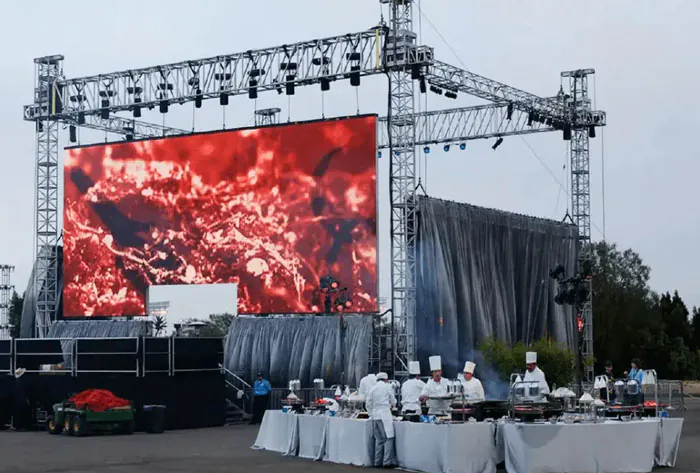
Case studies and field deployments provide practical evidence. Examples include transit shelters in coastal cities, stadium perimeter signage, and roadside information panels that have demonstrated multi-year continuous operation with limited maintenance.
Performance analysis table
| Feature | TW VISION Spec | Typical Competitor | Durability Advantage | Recommended Use |
|---|---|---|---|---|
| Ingress Protection | Front IP65 / Rear IP54 (upgradeable) | Front IP54 / Rear IP44 | Better dust and water sealing reduces failure from moisture ingress | Open plazas, roadside signage, coastal areas |
| Operating Temperature | -40°C to +60°C (-40°F to +140°F) | -20°C to +50°C (-4°F to +122°F) | Broader range supports arctic and desert climates | High-altitude, desert, and cold-climate installations |
| Front Glass | Tempered, anti-reflective, optically bonded | Tempered, non-bonded | Less internal condensation, increased impact resistance, improved contrast | Direct-sun locations, high-glare environments |
| Thermal Management | Passive fins + active fans + thermal management software | Passive cooling or basic fans | Maintains brightness and reliability under thermal stress | High-brightness signage and continuous-operation displays |
| Corrosion Protection | Marine-grade alloys + powder coat + optional conformal PCB coating | Standard aluminum with basic paint | Extends lifespan in coastal/industrial atmospheres | Ports, refineries, coastal promenades |
Deployment scenarios and best practices
Selecting the right TW VISION model depends on environment and use case. For high-traffic urban centers, prioritize shatter-resistant glass, tamper-proof mounting, and redundant power systems. In coastal or industrial settings, specify enhanced corrosion protection and higher ingress ratings. For roadside or transit signage, ensure compliance with local brightness and luminance standards and consider remote monitoring for immediate fault detection.
Installation best practices also contribute to durability: provide adequate clearance for airflow, use recommended torque settings for fasteners to maintain sealing integrity, route cables through sealed glands, and implement lightning protection if the site is susceptible to strikes. Regular inspection cycles — focusing on seals, ventilation, and electrical connections — prevent small issues from becoming failures.
Long-term reliability as a competitive edge
Durability is a multi-dimensional engineering challenge that TW VISION addresses through a system-level approach: durable materials, robust sealing, intelligent thermal controls, modular serviceability, and rigorous testing. These panels are designed to minimize downtime and maintenance while preserving visual quality over years of continuous outdoor exposure. For municipalities, retail operators, transit authorities, and venue managers, specifying TW VISION All-Weather Outdoor Digital Display Panels can reduce lifecycle costs and protect brand experiences in even the harshest conditions.
Investors and specifiers should weigh upfront costs against expected lifetime performance, documented MTBF, and serviceability. When durability is a priority, the combination of thoughtfully engineered enclosures, advanced optical bonding, adaptive thermal management, and field-proven protection strategies makes TW VISION panels a compelling option for long-term outdoor digital signage deployments.