Enhance Customer Engagement with Displays from Indoor LED Company TW VISION

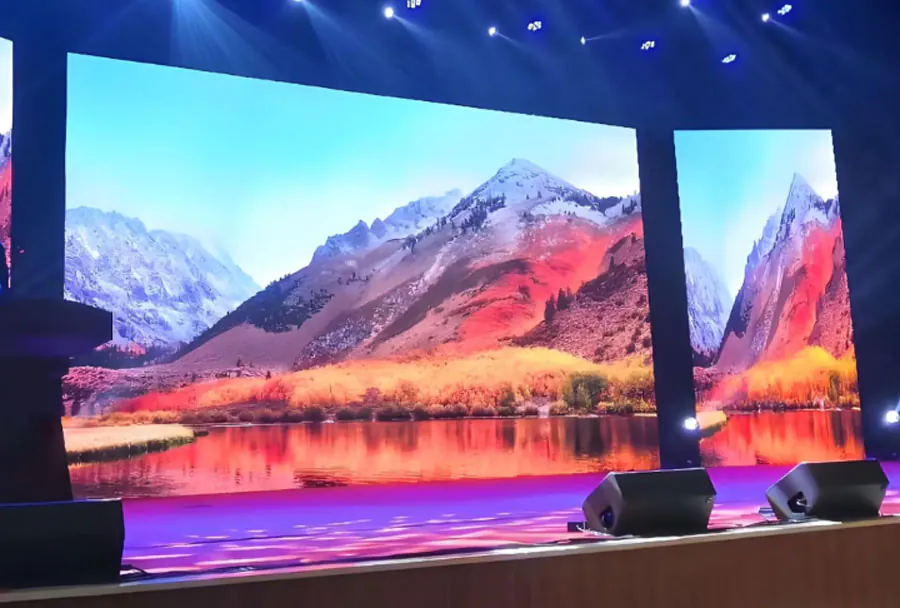
Digital displays have become a central tool for brands seeking to connect with customers in physical spaces. With improvements in LED technology, refined content management systems, and real-time analytics, indoor led displays are no longer just attractive showpieces — they are measurable drivers of engagement, sales, and brand perception. Indoor LED Company TW VISION delivers a range of indoor LED solutions designed to help businesses transform static environments into dynamic, interactive experiences that resonate with modern consumers.
Enhance Customer Engagement with Displays from Indoor LED Company TW VISION
Why Indoor LED Displays Matter for Customer Engagement
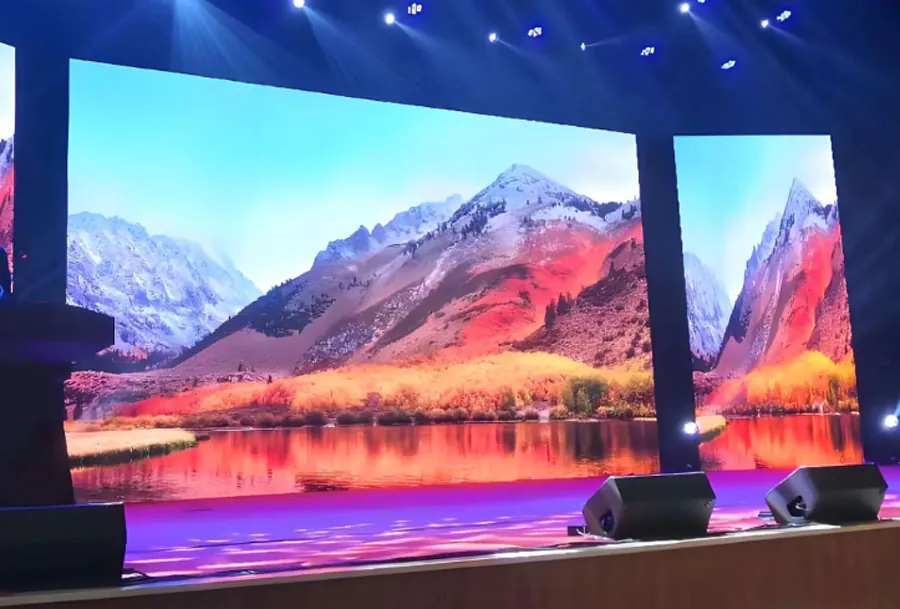
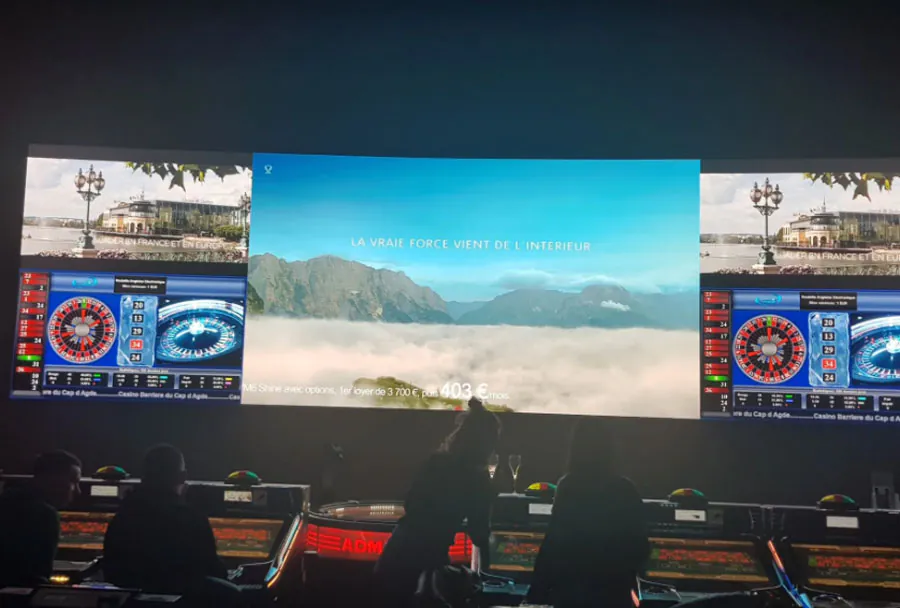
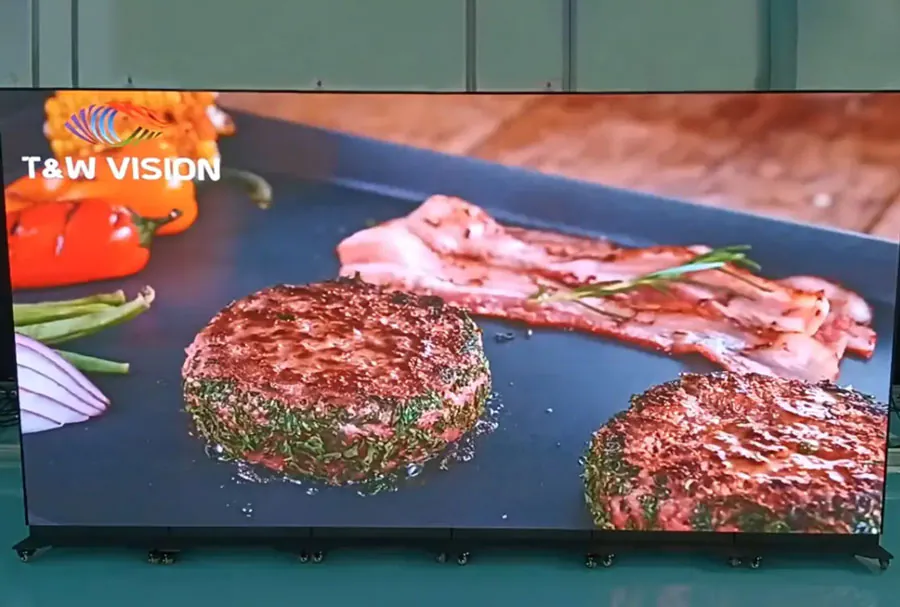
Indoor LED displays offer brightness, color fidelity, and pixel density that create eye-catching visual experiences. In retail, corporate, hospitality, and entertainment venues, these qualities translate into increased attention, longer dwell times, and greater likelihood of conversion. TW VISION’s indoor product line focuses on delivering consistent image quality and flexible form factors so companies can tailor deployments to the environment—whether that’s a high-end boutique, a corporate lobby, a digital menu board in a restaurant, or a visitor experience at a museum.
Beyond hardware, engagement is driven by the content strategy and system integrations that sit on top of the displays. TW VISION supports content management and integration options that allow brands to deliver targeted, timely messages, enabling better personalization and context-aware experiences that customers find relevant and memorable.
Key Technical Advantages of TW VISION Indoor LEDs
– High pixel density options: TW VISION offers fine pitch solutions (sub-2mm) for close-view settings and larger pitch modules for wide-angle visual impact, ensuring optimal clarity for any viewing distance.
– Uniform color and brightness: Factory calibration and individual module adjustment create a visually consistent canvas, reducing visual fatigue and improving perceived quality.
– High refresh rates and low latency: Ideal for dynamic content, video, and interactive applications where smooth motion matters.
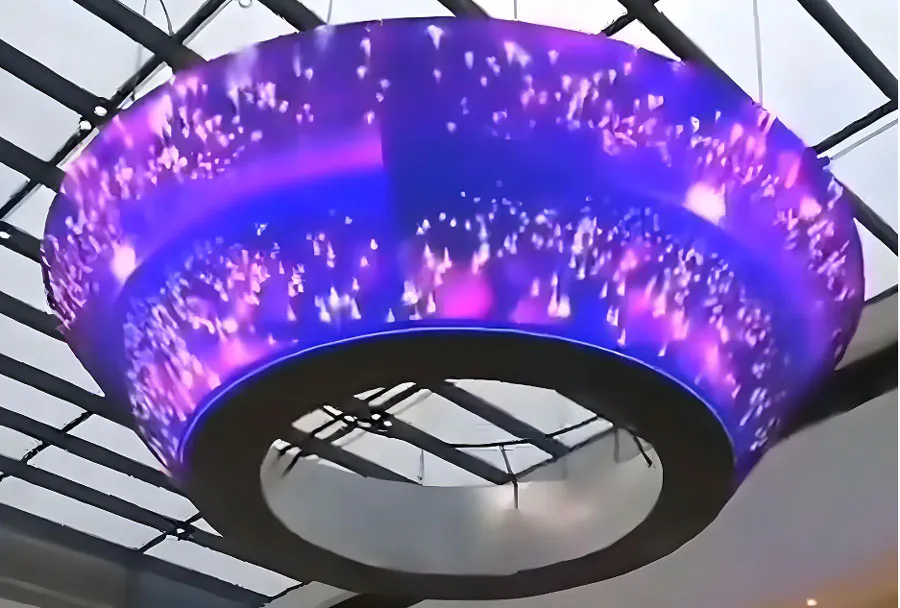
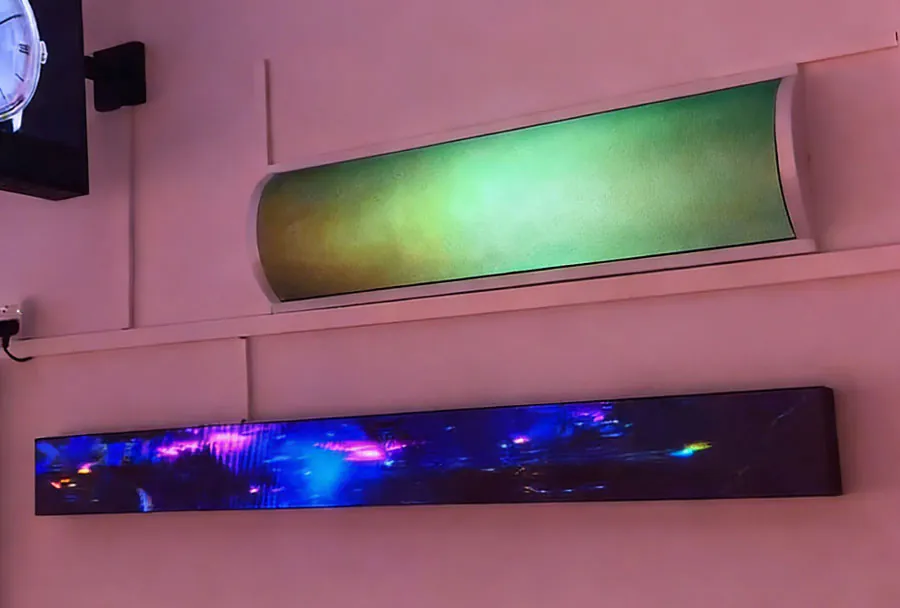
– Slim, modular form factors: Lightweight cabinets and seamless seams reduce installation complexity and allow custom shapes and curved installations.
– Integrated content and control: Support for widely-used CMS platforms and APIs makes it straightforward to schedule, target, and adapt content across a network.
These technical advantages combine to produce displays that are not only visually compelling but operationally efficient, with lower maintenance downtime and scalable deployment options.
Practical Use Cases That Drive Engagement
– Retail: TW VISION displays help highlight promotions, new arrivals, and curated product stories. Strategic placement increases in-store navigation and converts browsing into purchases.
– Hospitality: Dynamic wayfinding, event updates, and immersive welcome displays improve guest experience and reduce staff load.
– Corporate: In lobbies and conference areas, high-resolution displays reinforce brand identity, present real-time performance metrics, and provide interactive directories.
– QSR and Foodservice: Bright, legible menu boards increase order accuracy and throughput. Dynamic upsell prompts can boost average ticket values.
– Museums and Exhibits: High-resolution video walls and interactive panels allow visitors to explore content at their own pace, deepening engagement and educational outcomes.
Each of these verticals benefits from pairing the right hardware with a content strategy that takes into account viewer distance, dwell time, and context.
Content Strategies to Maximize Engagement
Great hardware needs great content. TW VISION deployments are most effective when paired with a content strategy that includes:
– Audience segmentation: Tailor content by time of day, day of week, or audience profile to increase relevance.
– Short-form, high-impact assets: For environments with short dwell times, prioritize bold visuals and concise messaging.
– Real-time data feeds: Integrate inventory, social media, weather, or transit data to keep content fresh and contextual.
– Interactive elements: Touch, motion sensors, or QR codes extend engagement beyond the screen and capture actionable leads.
– A/B testing and iteration: Measure performance of different creatives and refine based on real user interactions.
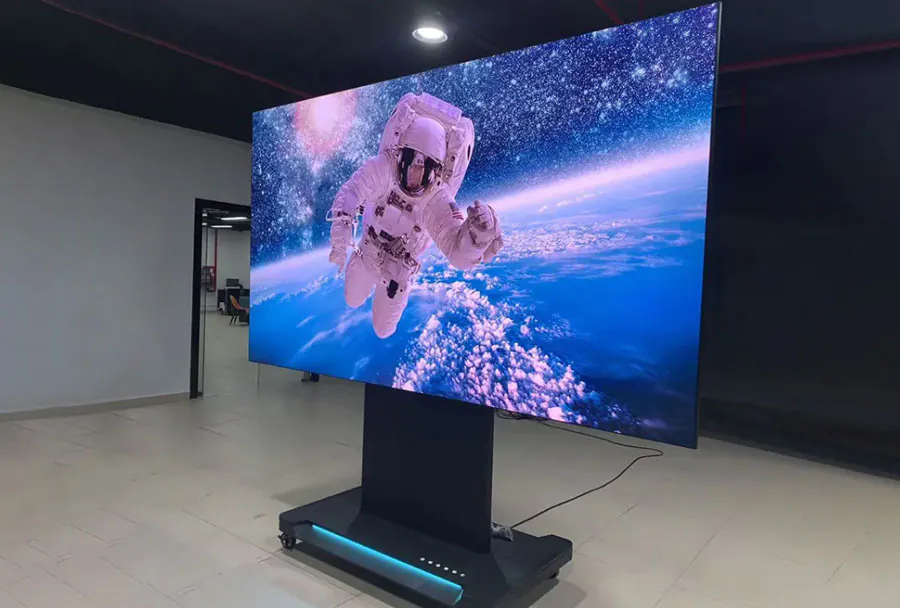
Combining these approaches turns displays into living communications channels rather than static signage.
Measuring Success: KPIs and Analytics
To prove business value, track metrics that align with your objectives:
– Dwell time and attention metrics (via sensors or camera analytics)
– Content playback metrics and completion rates
– Conversion rates tied to on-screen promotions (use unique codes or QR-enabled offers)
– Sales lift and average order value in proximate categories
– Operational metrics such as uptime and maintenance incidents
TW VISION’s displays can be integrated with analytics platforms to capture and report these KPIs. The table below provides an analysis framework comparing different indoor led display types and their typical business impact.
Analysis Table:
| Display Type | Typical Pixel Pitch | Recommended Use Case | Customer Engagement Impact | Estimated ROI / Notes |
|---|---|---|---|---|
| Fine Pitch LED Video Wall | 0.9mm – 1.9mm | Retail front walls, corporate lobbies, close-view interactive exhibits | High attention and impact for close-range viewing; improved brand perception | Moderate–High ROI within 12–24 months when paired with targeted campaigns; premium cost |
| Standard Indoor LED Wall | 2.5mm – 3.9mm | Digital signage corridors, restaurant menu boards, medium-distance displays | Strong visibility with good balance of cost and performance; effective for promotional messaging | Good ROI within 12 months for promotional-heavy environments |
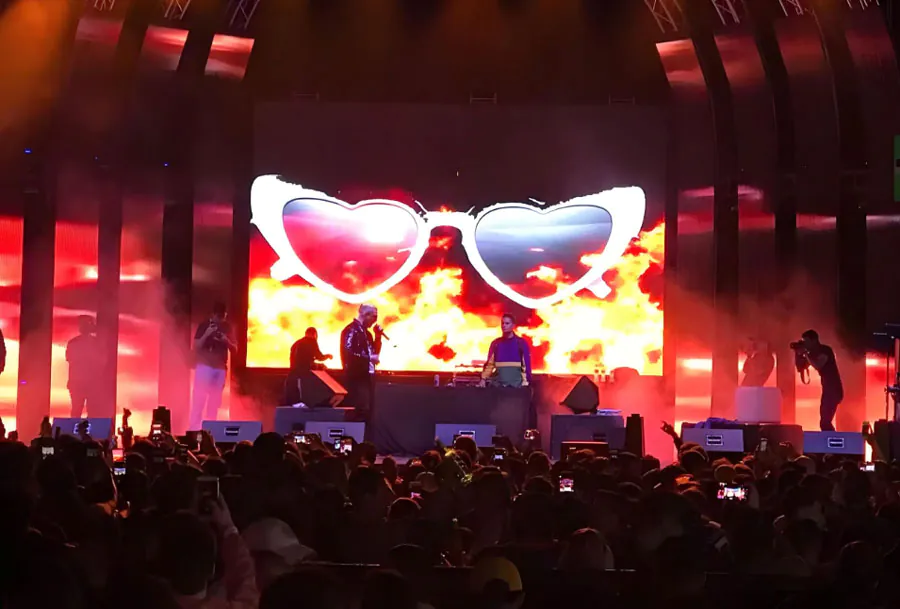
| Large-Pitch LED Panels | 4mm – 6mm+ | Background walls, stage backdrops, large atrium installations | Creates visual spectacle and atmosphere; less suitable for fine text | ROI tied to brand experience and event-driven revenue; lower hardware cost per area |
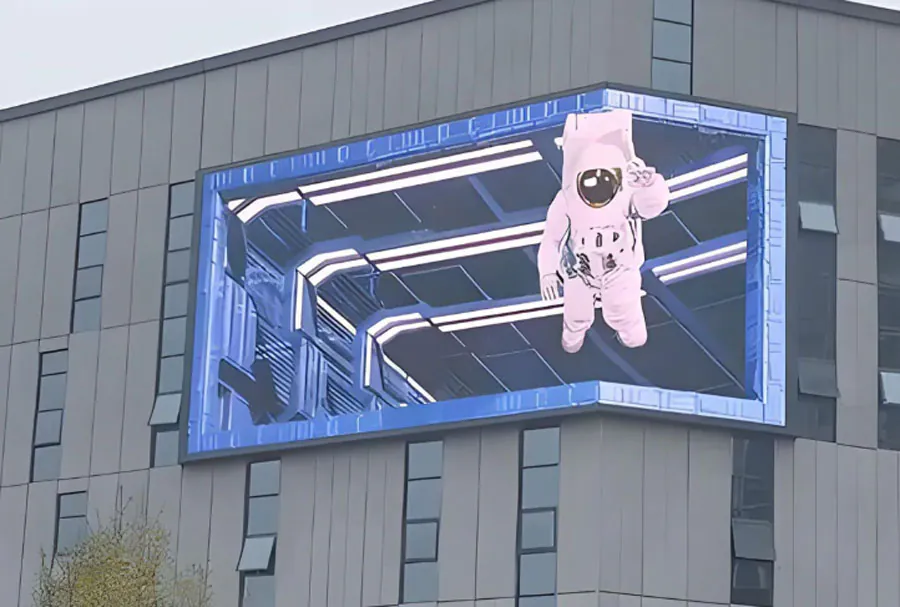
| Transparent / Creative Modules | Varies (designed for aesthetics) | Store fronts, luxury spaces, architectural integrations | High novelty factor and window engagement; blends with environment | Often premium-priced; high impact for flagship locations and PR value |
| Interactive Touch LED Kiosks | Fine to standard pitch | Product information stations, guest services, self-order kiosks | Direct engagement and data capture; drives informed purchase decisions | Strong measurable ROI from data-driven personalization and conversion tracking |
Implementation: From Pilot to Network Deployment
A phased approach reduces risk and optimizes outcomes:
1. Pilot phase: Choose a single location and use case (e.g., promotional wall in a flagship store). Test hardware, CMS, and content. Measure baseline KPIs for comparison.
2. Optimize: Refine content based on engagement data, adjust brightness and scheduling for the environment, and resolve integration issues.
3. Scale: Roll out to additional locations with templated content libraries, centralized scheduling, and remote monitoring.
4. Maintain: Set up routine calibration, firmware management, and a spare parts strategy to maximize uptime.
TW VISION provides installation support and partners with integrators to ensure seamless rollout. Make sure to define SLAs, monitor system health remotely, and incorporate software updates into ongoing operational workflows.
Cost Considerations and Return on Investment
Initial costs include hardware, installation, content production, and CMS licensing. Ongoing costs cover content creation, CMS support, power consumption, and maintenance. To estimate ROI:
– Link display-driven promotions to unique offer codes or trackable QR codes to directly attribute conversions.
– Use sensor or camera analytics to measure increases in dwell time and correlate with conversion lift.
– Factor in indirect benefits such as improved brand perception, higher NPS scores, and reductions in printed signage costs.
Many organizations find that targeted, measurable campaigns and dynamic pricing/promotions yield double-digit improvements in engagement metrics, and payback periods commonly range from under a year to two years depending on the scale and effectiveness of campaigns.
Operational Best Practices and Maintenance
– Calibration: Schedule color and brightness calibration to preserve a unified look across multiple panels.
– Preventive maintenance: Replace modules proactively in high-use installations and maintain spare inventory.
– Environmental controls: Ensure stable indoor temperature and humidity to protect longevity.
– Monitoring: Implement remote monitoring for uptime, and automate alerts for failures.
– Training: Provide staff with clear CMS workflows and playbook templates for common scenarios.
TW VISION’s modular design simplifies many maintenance tasks and allows for targeted replacement without large downtime.
Final Recommendations
To maximize customer engagement with indoor LED displays from TW VISION:
– Start with a clear objective (increase conversion, improve dwell time, enhance brand perception) and choose display types aligned to that goal.
– Pair hardware with a content strategy that leverages personalization, real-time data, and A/B testing.
– Measure rigorously using both behavioral analytics and sales attribution methods.
– Use a phased rollout to de-risk deployment and build organizational capability.
When done right, TW VISION indoor LED displays become more than decorative elements: they become measurable channels that amplify brand storytelling, create memorable experiences, and drive tangible business outcomes. Planning, content discipline, and ongoing measurement are the keys to turning vibrant LED walls into sustained customer engagement and revenue growth.