Why TW VISION Solutions Are Perfect for Building the World’s Largest LED Displays

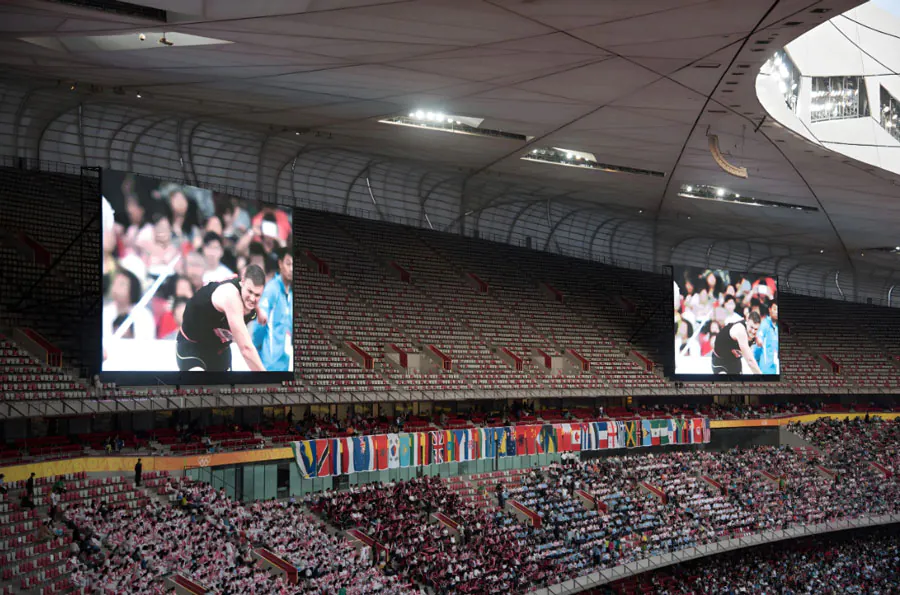
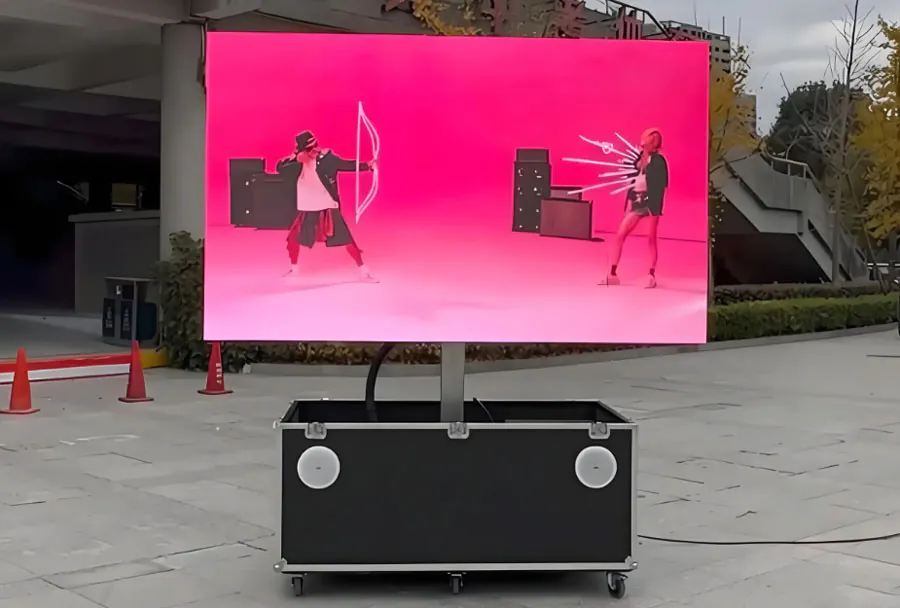
The demand for ever-larger, higher-resolution led displays is transforming architecture, advertising, live events, and public spaces. Building the world’s largest LED displays requires not just big panels, but holistic engineering — pixel-level optics, structural integrity, modular logistics, and robust content and control systems. TW VISION Solutions position themselves as an ideal partner in this arena by combining advanced hardware, system-level design, scalable manufacturing, and global service. Below, we examine why TW VISION’s approach aligns with the unique technical and logistical challenges of constructing mega-scale LED installations and how their solutions deliver performance, reliability, and long-term value.
Why TW VISION Solutions Are Perfect for Building the World’s Largest LED Displays
Engineering for Scale: Modular Design and Pixel-Perfect Performance
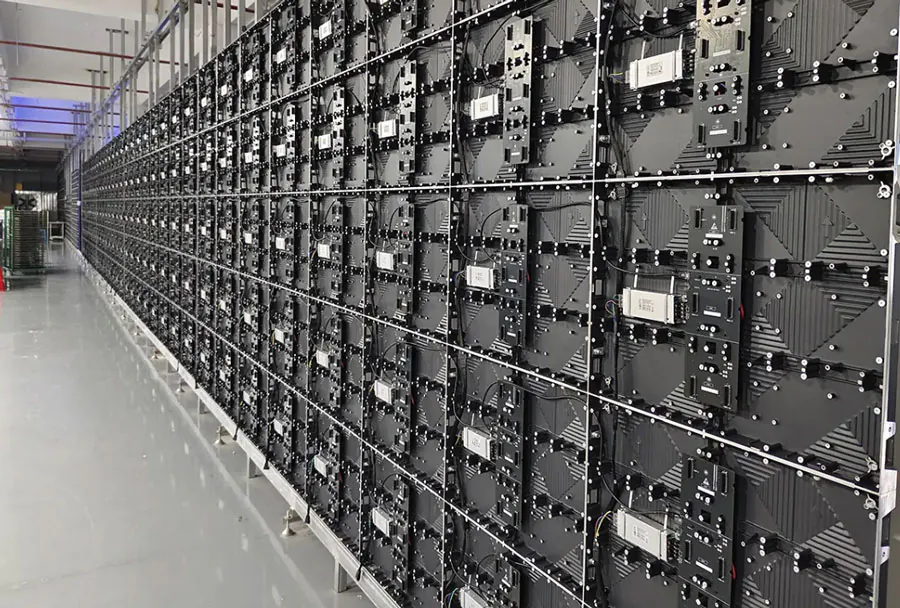
One of the greatest barriers to building very large LED displays is achieving uniform image quality across thousands of square feet. TW VISION emphasizes modularity: cabinets and modules designed for seamless registration, consistent pixel density, and precision mechanical alignment. Their modules often feature high-precision locking mechanisms and micro-adjustable frames that ensure seams are nearly invisible even on curved or irregular surfaces.
Technical considerations TW VISION addresses:
– Pixel density and pitch: From small-pitch indoor video walls to large outdoor fa?ades, TW VISION offers modules with consistent pixel pitch and binning to keep color and brightness uniform.
– High refresh rates and grayscale: For large-scale installations that must support broadcast, live events, and camera-friendly imagery, TW VISION incorporates driver and control boards that meet high refresh and grayscale standards to avoid flicker and banding on camera.
– Optical and color calibration: Factory and field calibration systems maintain color uniformity across modules, with LUT-based color management and per-module calibration profiles.
Structural Integrity and Environmental Design
World-scale displays must withstand wind loads, thermal expansion, and environmental stress while remaining perfectly planar. TW VISION’s solutions often include structural engineering support and hardware designed to integrate with building fa?ades, trusses, and custom mounts.
Key structural strengths:
– Lightweight yet rigid cabinet design minimizes additional load on host structures.
– Integrated thermal pathways and passive/active cooling maintain LED lifetime and performance in extreme temperatures.
– IP-rated enclosures and conformal coating for corrosion resistance in marine or high-humidity environments.
By addressing mechanical tolerances and environmental protection upfront, TW VISION reduces the risk of image distortion and module failure over time, which is crucial when any maintenance intervention on very large displays is costly and disruptive.
Scalable Control Systems and Redundancy
Large displays require synchronized content delivery across thousands of pixels without latency or data loss. TW VISION provides scalable control architectures capable of handling multi-pixel-mapping, real-time feeds, and distributed processing.
Control features include:
– Redundant signal paths and hot-swap capable input nodes to ensure uptime.
– Distributed scaler/processor topologies that localize processing and reduce bandwidth bottlenecks.
– Support for industry-standard protocols (e.g., sACN, Art-Net, SDI inputs) and custom APIs for integration with broadcast and content management systems.
Redundancy is particularly important: TW VISION’s approach often includes dual power supplies, mirrored control units, and failover routing so that single-point failures do not result in blackouts on massive displays.
Logistics, Manufacturing, and Project Management
Scaling from a prototype cabinet to thousands of deployed units requires manufacturing consistency, supply chain resilience, and meticulous project coordination. TW VISION leverages repeatable production lines, component traceability, and project management processes to maintain quality at scale.
Operational advantages:
– Batch testing and serial-numbered calibration ensure every module meets spec before shipment.
– Just-in-time inventory planning and global logistics reduce lead times for large projects.
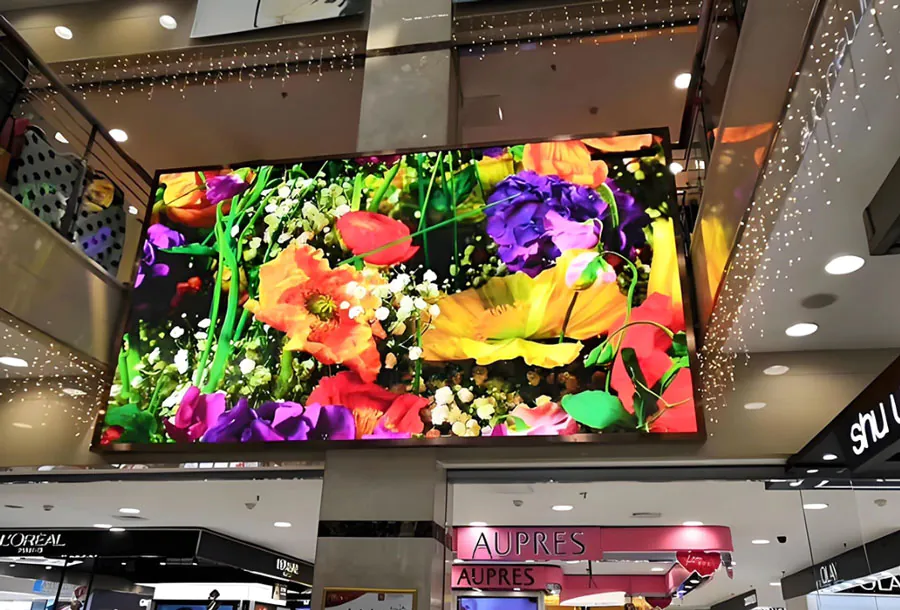
– On-site commissioning teams and digital documentation speed up final alignment, calibration, and integration phases.
These capabilities are essential when deadlines are tight and installations occur in high-profile locations where time and appearance are critical.
Serviceability and Total Cost of Ownership
Building the world’s largest display is only the beginning; ongoing operation, maintenance, and upgrades determine the long-term success and ROI. TW VISION designs cabinets for front and rear access, enabling fast module swaps and minimizing downtime. They also provide remote diagnostic tools and predictive maintenance analytics.
Lifecycle considerations:
– Replaceable modules, standardized spare parts, and modular power and control components simplify maintenance.
– Remote monitoring for temperature, current draw, and pixel health allows proactive responses to emerging issues.
– Upgrade paths for controllers and processing allow the display to adopt new standards (HDR, higher refresh rates) without replacing the entire surface.
When maintenance windows are short and costs are high for on-site crews, TW VISION’s focus on serviceability reduces operational expenditure and extends the usable life of the installation.
Integration with Content and Experience Design
A massive LED surface is a canvas for storytelling. TW VISION collaborates with content producers and systems integrators to ensure the hardware supports the creative intent. This includes color-performance guarantees, multi-layer compositing, and support for dynamic brightness control to comply with local regulations.
Content support highlights:
– High dynamic range and wide color gamut capabilities allow cinematic visuals.
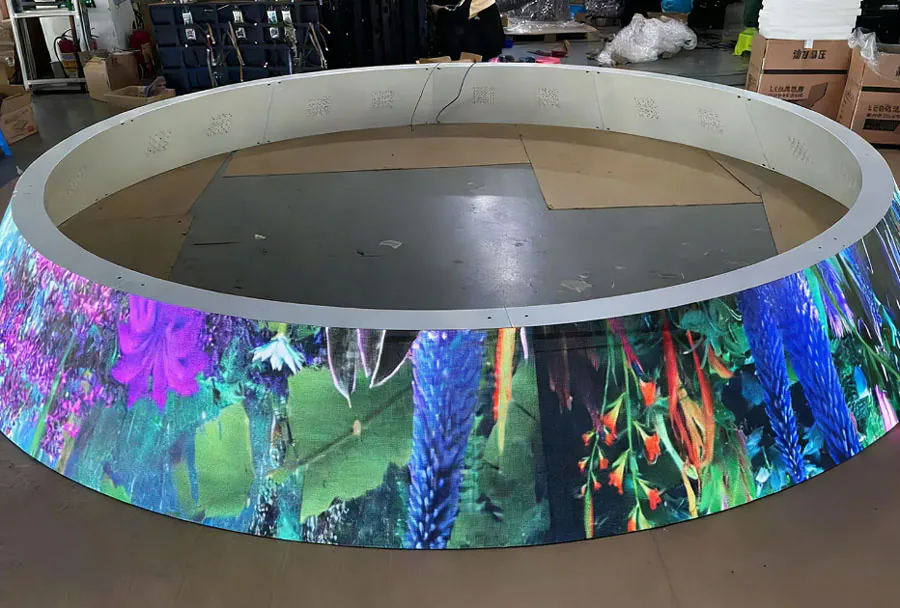
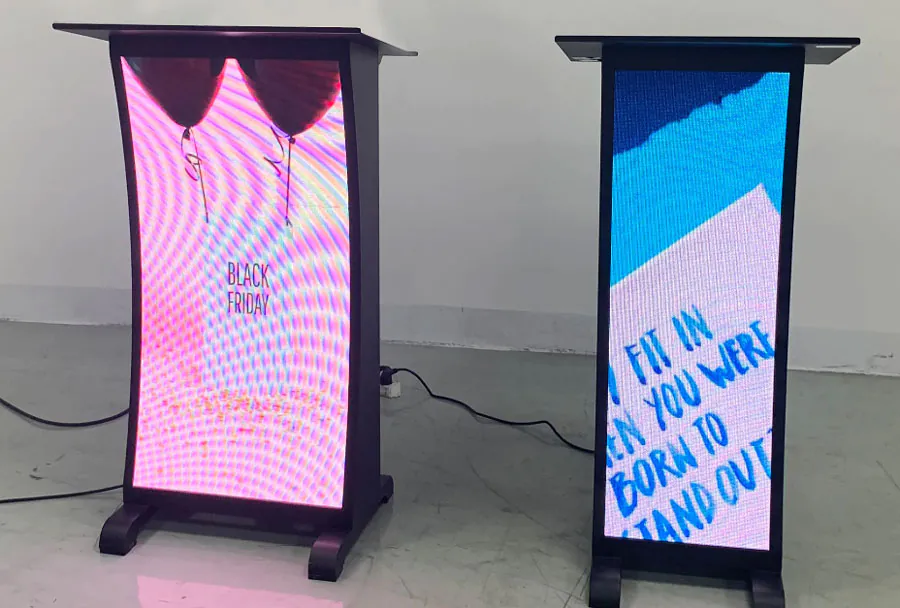
– Firmware and software support for mapping content to curved or irregular panels without distortion.
– Tools for scheduling, brightness management, and contextual control (e.g., ambient light autoreduction) to optimize viewing experience and energy use.
In short, TW VISION does not just deliver panels — they deliver a platform that creative teams can rely on to bring large-scale visions to life.
Risk Mitigation and Compliance
Large public displays involve regulatory, safety, and contractual risks. TW VISION mitigates these with standardized testing, compliance documentation, and local partnerships. Their projects often include vibration testing, fire-retardant materials, and electromagnetic compatibility checks to meet local codes.
Risk and compliance measures:
– Verified component certifications and environmental testing reports.
– Structural calculations and third-party engineering sign-offs for fa?ade installations.
– Insurance and warranty programs tailored for large-scale, long-term public use.
These measures protect owners and integrators from downstream liabilities and ensure installations can operate within municipal guidelines.
Analysis Table
| Aspect | TW VISION Strength | Requirement for Mega Displays | Impact on Project | Example Metric |
|---|---|---|---|---|
| Modularity | Precision cabinets, micro-locks | Seamless appearance, easy replacement | Lower installation time; reduced visible seams | Cabinet tolerance ±0.2 mm |
| Image Quality | High refresh, grayscale, calibration | Camera-friendly, uniform color | Better viewer experience; supports broadcast | ≥3840 Hz refresh; 14-bit grayscale |
| Structural | Lightweight, rigid, IP-rated | Wind/thermal resilience, weatherproofing | Longer lifespan; fewer field fixes | IP65/66, wind-load certified |
| Control & Redundancy | Distributed processing, failover | Synchronized image, minimal downtime | Continuous operation during faults | Dual-N+1 power/controller architecture |
| Service & Logistics | Global support, modular spares | Rapid maintenance, predictable costs | Lower Total Cost of Ownership (TCO) | On-site swap < 30 min/module |
Case Considerations and Best Practices
When planning a mega-scale LED project, TW VISION encourages adopting best practices that align with their design philosophy:
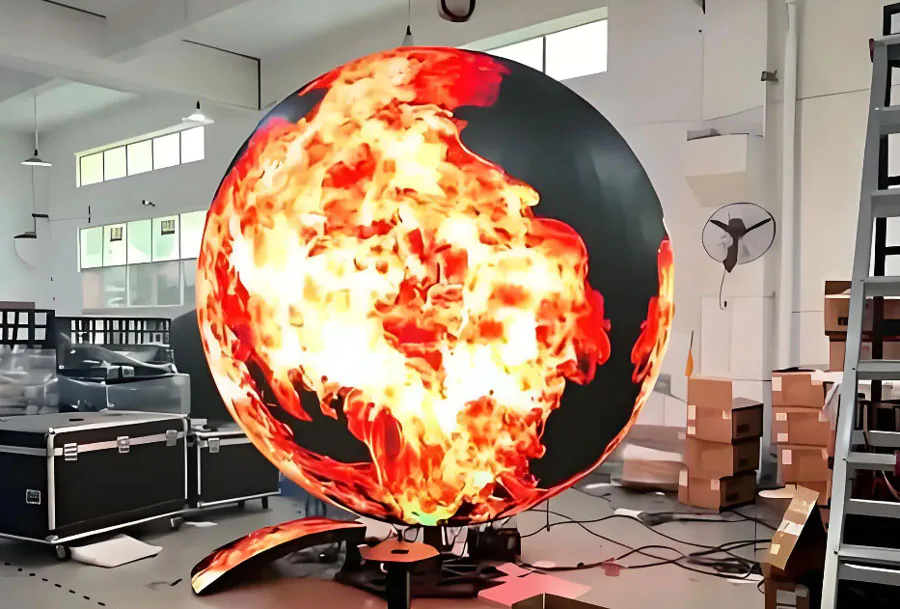
– Early integration of structural and electrical engineers to avoid late-stage rework.
– Prototyping critical cabinet interfaces to verify planarity and cooling in real-world conditions.
– Implementing hierarchical control and network segmentation to localize issues and simplify trouble-shooting.
– Planning for seasonal brightness and content schedules to balance visual impact with energy consumption.
A staged deployment strategy can also mitigate risk: deliver and commission in phases, validate performance under operational loads, and scale rapidly once performance is proven.
Why TW VISION Is a Strategic Choice
Constructing the world’s largest LED displays is an exercise in multidisciplinary engineering, logistics, and creative collaboration. TW VISION Solutions combine the essential elements — precise modular hardware, robust thermal and structural design, scalable and redundant control systems, and end-to-end project support. Their emphasis on serviceability and lifecycle planning reduces operational risk and ensures high-profile installations remain reliable and visually compelling over time.
For owners and integrators aiming to build iconic, record-setting LED displays, TW VISION’s platform-oriented approach minimizes the technical unknowns and streamlines execution. Their solutions are not simply about making bigger screens; they are about ensuring those screens perform flawlessly, integrate with complex environments, and deliver measurable value throughout a long service life.