Cost Effective Solutions from TW VISION as Your Premier LED Display Supplier

In an era when visual communication drives customer engagement, the decision to invest in led displays is as much financial as it is strategic. For organizations that need high-impact screens without unpredictable lifecycle costs, evaluating total cost of ownership (TCO), energy efficiency, and serviceability is critical. TW VISION positions itself as a partner that balances upfront affordability with long-term savings, delivering scalable LED solutions that suit retail, corporate, stadium, and rental applications. This article examines how TW VISION’s product design, supply chain practices, and after-sales service converge to create cost-effective outcomes for buyers — and how you can assess those benefits for your next deployment.
Cost Effective Solutions from TW VISION as Your Premier LED Display Supplier
Why Cost Effectiveness Is More Than Initial Price
Many buyers focus on sticker price alone, but an LED display’s true cost extends across installation, electricity, maintenance, content management, and eventual upgrade or replacement. A lower initial purchase can be offset by higher operational expenses or shortened lifespan. TW VISION emphasizes lifecycle thinking: modular hardware that reduces maintenance time, energy-efficient components that cut operating costs, and flexible financing or rental options that lower the barrier to entry. This combination reduces TCO and improves return on investment (ROI) for clients across industries.
Modular Design and Serviceability: Reducing Maintenance Costs
A core driver of cost effectiveness is ease of service. TW VISION’s modular cabinet and front-serviceable panel designs allow technicians to replace failed modules without taking the entire display offline. Reduced downtime means fewer lost revenue hours for commercial venues and faster repairs that lower labor costs. Standardized parts across models mean inventory holding costs for spare modules are lower, and remote diagnostics expedite troubleshooting. These design choices translate to significant savings over a display’s lifetime.
Energy Efficiency and Operating Savings
Operational energy costs are a recurring expense that quickly accumulates for large LED installations. TW VISION adopts efficient driving ICs, optimized PCB layouts, and intelligent power management systems to minimize wattage per square meter without sacrificing brightness or color performance. When combined with scheduling and dimming features integrated into control systems, these efficiencies can reduce energy bills substantially. For buyers, the impact is clear: lower monthly expenses and a faster payback period.
Supply Chain and Manufacturing: Controlling Cost Without Compromising Quality
Cost-effective solutions require tight supply chain control. TW VISION’s approach includes component sourcing strategies that balance quality and price, in-house assembly capabilities, and quality assurance protocols that catch defects early. Economies of scale from standardized product platforms enable more competitive pricing. Moreover, maintaining relationships with reliable suppliers helps avoid production delays and price volatility, which is crucial for projects with fixed budgets and deadlines.
Product Range and Application Fit: Finding the Right Spec for the Need
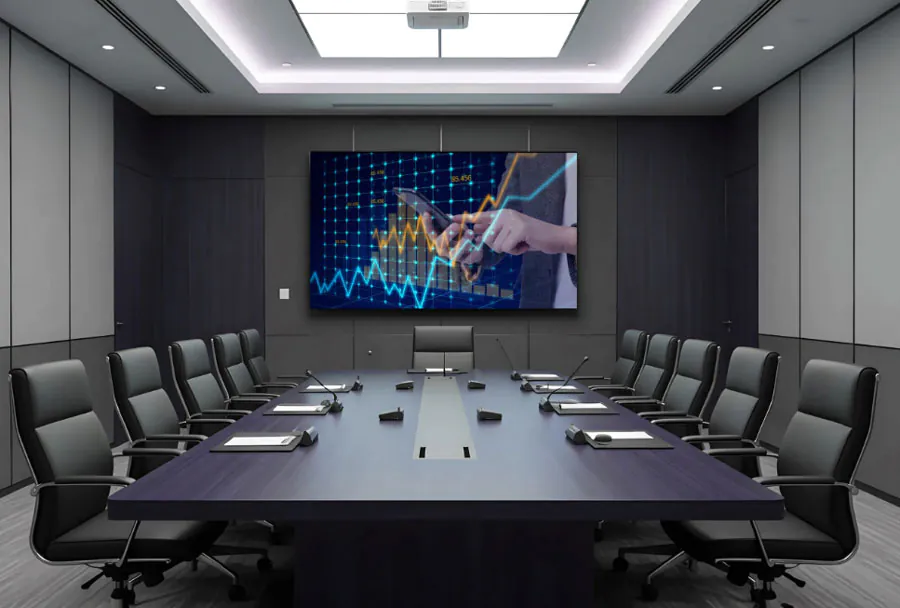
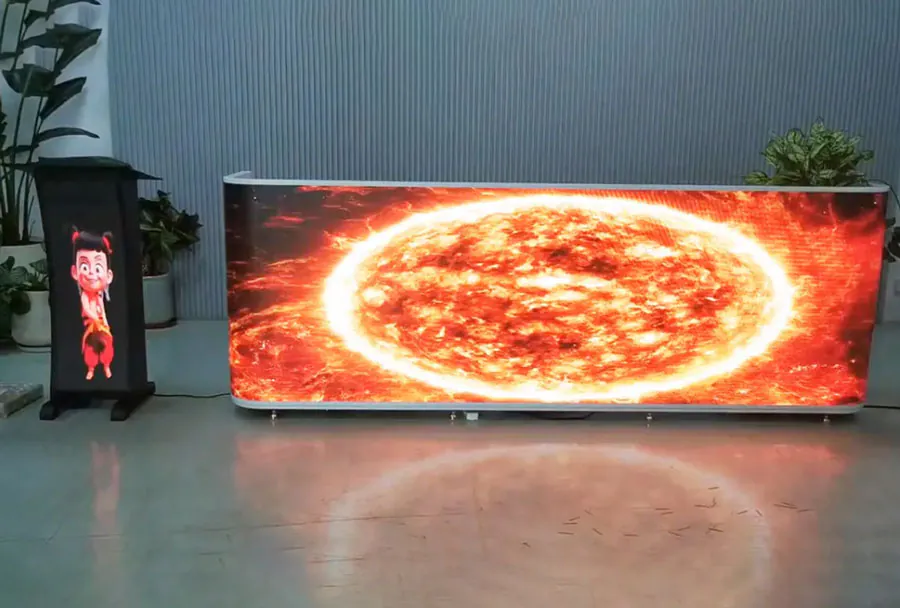
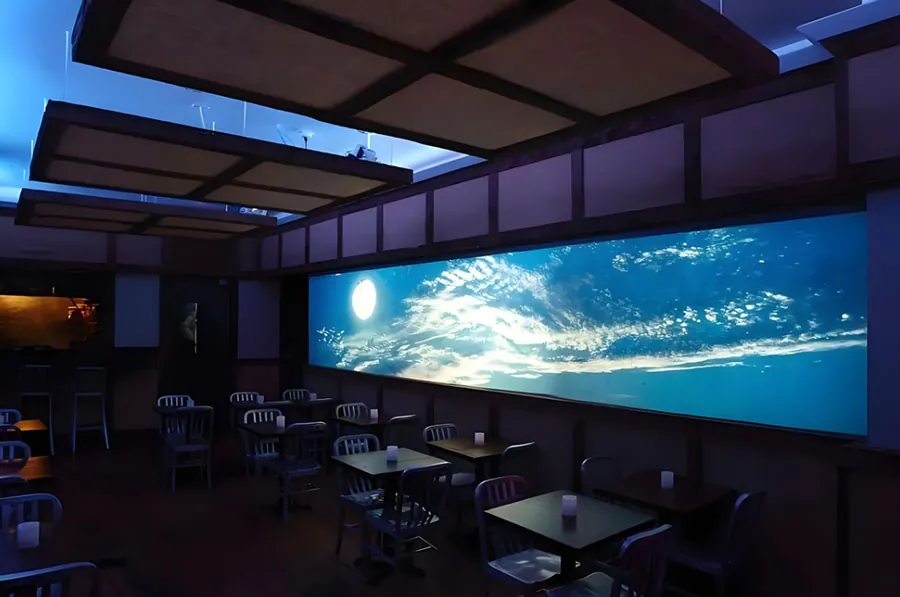
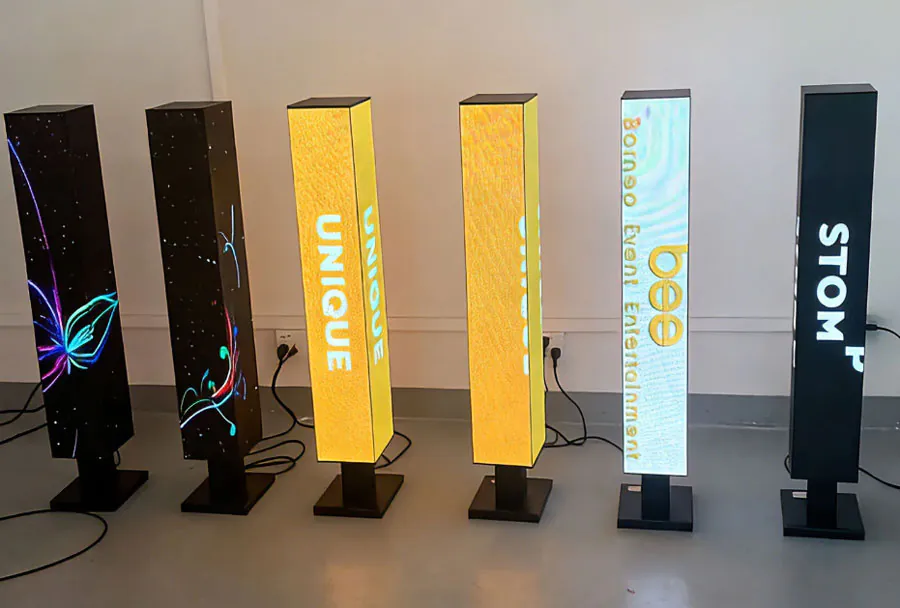
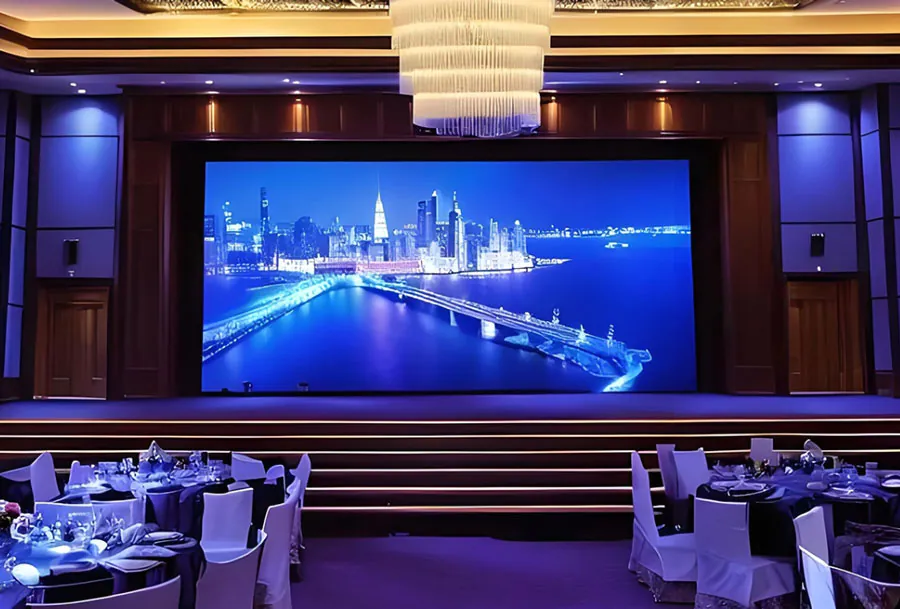
An oversized solution can inflate both upfront and operating costs. TW VISION offers a wide portfolio — from fine-pitch indoor screens to rugged outdoor options and lightweight rental panels — enabling buyers to pick the right spec for the application. Choosing an appropriate pixel pitch, brightness level, and protective rating avoids paying for unnecessary performance and yields better price-performance balance. This alignment between product capability and actual need is a simple but powerful lever for cost control.
Analysis Table: Comparing Typical TW VISION LED Options (Estimated)
Below is a practical analysis table that compares five common LED product categories. Values are illustrative estimates to help procurement teams model costs and benefits; exact numbers should be confirmed with TW VISION for specific projects.
| Product Category | Typical Upfront Cost (per m2) | Estimated Power Consumption (W/m2) | Maintenance Complexity | Estimated Payback Period |
|---|---|---|---|---|
| Indoor Fine Pixel Pitch (P1.2–P2.5) | $2,000–$4,000 | 150–300 W | Low (front serviceable, modular) | 2–4 years (digital signage with high ad revenue) |
| Indoor Standard (P2.5–P4) | $1,200–$2,200 | 200–350 W | Low to Medium (rear/front options) | 3–5 years |
| Outdoor Full Color (P4–P10) | $900–$1,800 | 450–800 W | Medium (weatherproof, higher brightness) | 3–6 years (advertising-led revenue) |
| Rental & Staging Panels | $1,000–$2,000 | 300–600 W | Medium (frequent rigging, quick-assembly) | 1–3 years (rental revenue offset) |
| Transparent & Creative LED | $1,500–$3,500 | 120–300 W | Medium (special installs, bespoke frames) | 3–6 years (retail activation) |
Warranty, Service Contracts, and Spare Parts Strategy
A warranty and a clear service contract are part of cost control. TW VISION typically offers warranties that cover manufacturing defects and often provides optional extended service packages that include preventive maintenance and priority repairs. For large deployments, establishing a spare-parts pool is a best practice — an upfront inventory investment that shortens repair windows and reduces expensive emergency shipments. Negotiating service-level agreements (SLAs) and transparent pricing for on-site labor helps remove hidden costs and puts predictable parameters around maintenance expenditure.
Financing, Leasing, and Rental Options to Lower Capital Burden
Many buyers prefer to avoid large capital outlays. TW VISION and its distribution partners often facilitate financing or leasing arrangements that spread payments over months or years. For events and short-term activations, rental solutions provide access to premium technology without ownership costs. These flexible commercial models enable organizations to match procurement structure to cash-flow realities while still capturing the communication benefits of advanced LED displays.
Software, Content Management, and Hidden Value
Hardware is only part of the equation. Cost-effective LED strategies incorporate content management systems (CMS) that minimize the time and resources required to operate displays. TW VISION supports integration with industry-standard CMS platforms and can deliver turnkey solutions that include templates, scheduling, and remote monitoring. Efficient software workflows reduce staffing costs and ensure maximum utilization of the displays — an often-overlooked factor that accelerates ROI.
Case Studies: How Thoughtful Procurement Pays Off
– Retail Chain Upgrade: A regional retail chain replaced legacy backlit posters with indoor fine-pitch displays matched to store size and viewing distance. By choosing appropriate pixel pitch and leveraging TW VISION’s modular design, they reduced installation time by 35% and increased in-store sales attributed to digital promotions, allowing payback within three years.
– Outdoor Advertising Conversion: An OOH media owner installed outdoor full-color screens optimized for brightness and power management. Strategic selection reduced energy costs by 20% compared to older systems, and improved uptime through front-access panels reduced maintenance trips, decreasing operational expenditure.
– Event Rental Fleet: A production company standardized on a rental-friendly TW VISION panel with quick-lock rigging and durable cabinets. The standardized fleet reduced setup labor and inventory variation, increasing utilization rates and shortening the payback horizon for the fleet purchase.
These examples illustrate how aligning product choice, installation strategy, and operational practices leads to measurable savings.
Procurement Checklist: Ensuring Cost Effectiveness
When evaluating TW VISION or any LED supplier, use a consistent checklist:
– Define performance needs (viewing distance, brightness, IP rating).
– Model TCO: include energy, maintenance, and replacement costs, not just purchase price.
– Ask for modularity and serviceability details.
– Request references and case studies for similar use-cases.
– Evaluate warranties and available service-level agreements.
– Confirm financing, rental, or leasing options if capital preservation is important.
– Insist on a clear spare-parts and support plan for the first 3–5 years.
This procurement discipline helps buyers avoid feature creep and ensures a purchase aligned with long-term financial goals.
Long-Term Value Through Strategic Choices
Cost effectiveness is not a single attribute but the result of integrated decisions spanning product design, power consumption, maintenance strategy, and commercial terms. TW VISION’s emphasis on modular designs, energy efficiency, diverse product lines, and flexible commercial arrangements positions it as a supplier capable of delivering strong value across many applications. By focusing on the full lifecycle costs and aligning product selection with actual needs, organizations can realize LED solutions that are both budget-friendly and performance-driven. For procurement teams, the imperative is clear: evaluate suppliers through the lens of total cost of ownership and partner with vendors who provide transparent data, reliable support, and options that fit your financial and operational constraints.