Boost Foot Traffic Using High Impact Outdoor Digital Signage Strategies

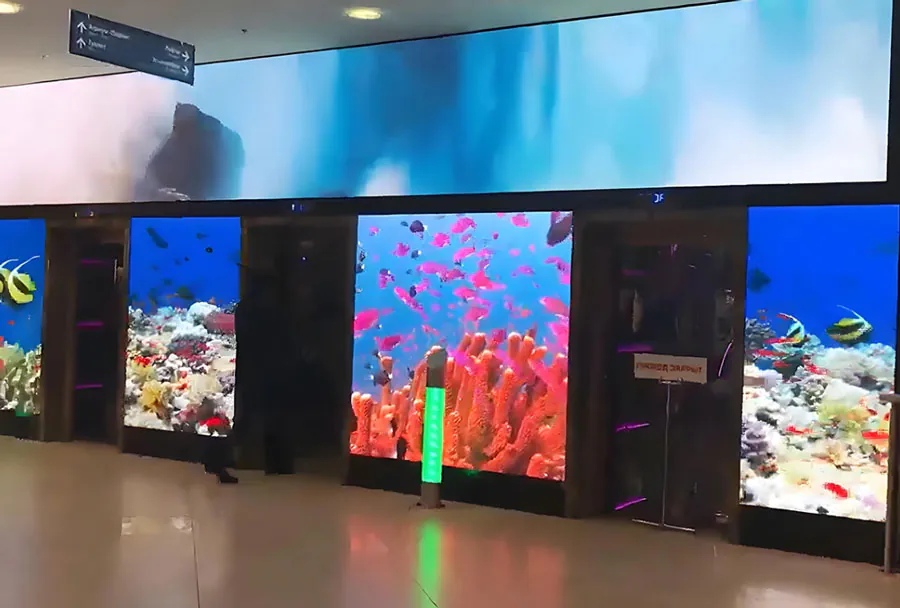
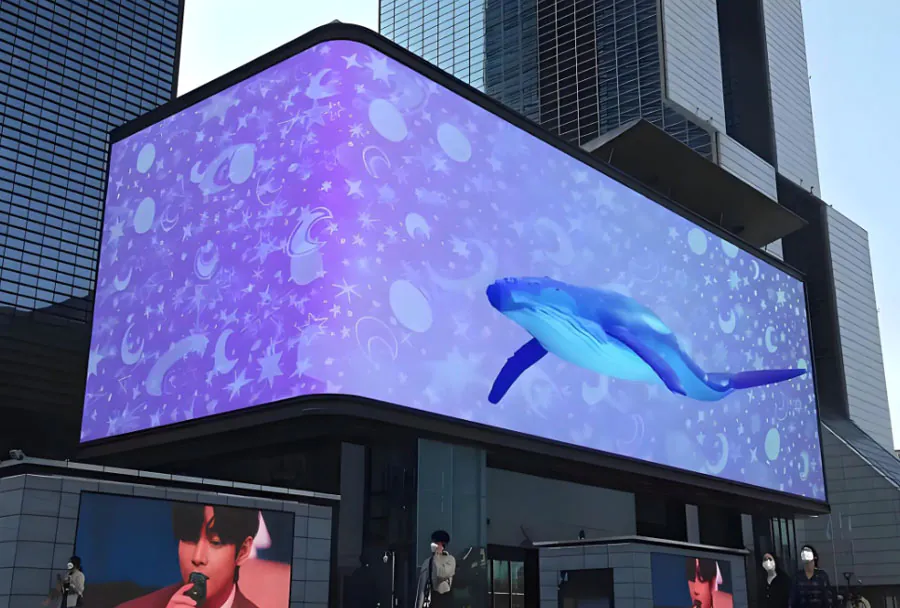
Driving consistent, high-quality foot traffic is the lifeblood of many retail, hospitality, and entertainment businesses. Outdoor digital signage, when executed with strategy and precision, does more than display promotions — it captures attention, communicates brand value instantly, and creates a pathway from awareness to action. This article lays out practical, high-impact outdoor digital signage strategies that increase foot traffic, improve conversion rates, and generate measurable ROI.
Boost Foot Traffic Using High Impact Outdoor Digital Signage Strategies
Know Your Audience and Location First
Before investing in screens or creative, analyze the micro-environment where your signage will live. Different locations call for different messaging:
– High pedestrian density (e.g., transit hubs) benefits from short, high-contrast messages optimized for glanceability.
– Waiting areas or queues allow for longer, storytelling content or interactive experiences.
– Drive-by locations (roads, parking lots) require large type, quick legible CTAs, and motion that reads at speed.
Use pedestrian flow studies, heat maps, and simple observation during different times of day to identify peak windows and audience demographics. Layer this with your customer data — when do your target customers pass by, what languages do they prefer, and what offers historically get the best response?
Design for Immediate Impact
Outdoor digital signage competes with the environment: sunlight glare, competing storefronts, and the cognitive load of passersby. Design principles that drive movement from sight to store:
– High contrast and large typography: prioritize legibility at distance.
– Bold visuals with focal points: use a single hero image or motion element to guide the eye.
– Short, actionable copy: 3–6 words for glance content; up to 10–12 for slightly longer dwell moments.
– Dynamic motion sparingly: motion should highlight the CTA, not distract from it.
– Brand cues: include consistent color, logo, and brand voice so viewers recognize your messaging across channels.
Test multiple creative variants in short runs and measure which visuals or messages correlate with spikes in foot traffic or coupon redemptions.
Leverage Technology: Sensors, Scheduling, and Contextual Content
Modern outdoor digital signage can be smart rather than static. Use technology to make content context-aware:
– Time-of-day scheduling: swap breakfast offers for lunch deals as foot traffic patterns change.
– Weather integration: promote warm drinks on cold days or shaded patio promotions during heat.
– Audience triggers: motion sensors, Bluetooth or Wi-Fi analytics, and camera-based anonymized demographic detection (ensure compliance with privacy laws) can trigger tailored content.
– Real-time inventory and pricing: show what’s in-stock or limited-time deals to create urgency and reduce friction.
Edge computing and smart CMS platforms allow for automated content swaps and A/B tests. Prioritize systems that can integrate with existing POS or CRM for seamless tracking.
Integrate Interactive Elements to Convert Attention into Action
Interaction increases engagement and creates a stronger bridge from outside to inside:
– QR codes designed for outdoor readability: short, dynamic landing pages that detect device type and location.
– Tap-to-pay or NFC touchpoints for quick offers or loyalty sign-ups.
– Gamification and contests: simple touch-interactive trivia or spin-the-wheel promotions can increase dwell time and drive immediate store visits.
– Wayfinding and digital coupons: offer a store map or instant coupon redeemable at the counter.
Make sure the interaction is mobile-optimized and the conversion path is two or three taps at most. Test the mobile experience on multiple devices under outdoor conditions.
Placement, Hardware, and Environmental Considerations
Right hardware and placement reduce downtime and maintain visibility:
– Brightness and anti-glare: choose displays with sufficient nits for sunlight-readability (typically 2,000+ nits for direct sun).
– Durability: weatherproof enclosures, temperature control, and vandal-resistant glass are essential for long-term uptime.
– Viewing angles and mounting height: place screens at human sight lines, accounting for standing and walking perspectives.

– Power and network resilience: redundant connectivity (cellular backup) and surge protection minimize outages.
Design the installation to be serviceable—easy access for maintenance plus remote monitoring for fault alerts and performance metrics.
Use Offers and Social Proof to Create Immediate Incentives
To turn passersby into customers quickly, combine urgency with credibility:
– Time-limited offers: “Today only — 20% off until 3 PM” creates a window for immediate action.
– Social proof: display live feeds showing in-store activity or customer testimonials (real-time counters like “X redeemed today” increase FOMO).
– Location-based promotions: “Show this screen at checkout for free coffee” is a direct bridge to conversion.
Pair these tactics with analytics that attribute redemptions to specific screens or content variations.
Measurement: Define Metrics and Optimize Continuously
Measure everything that matters and iterate:
– Primary metrics: foot traffic lift (people counts before vs. after), conversion rate (walk-ins/engagements), and incremental revenue attributable to signage.
– Secondary metrics: dwell time in front of the display, QR/NFC scans, coupon use, and mobile landing page conversion.
– Test design variables: run controlled A/B tests by rotating creative across multiple identical locations.
– Attribution: use unique promo codes, geofenced mobile landing pages, or integrations with POS to link sales to specific campaigns.
Below is a concise analysis table comparing five high-impact outdoor digital signage strategies. Use it to prioritize investments and implementation sequencing.
| Strategy | Impact Level | Estimated Cost | Implementation Time | Key Metrics |
|---|---|---|---|---|
| High-brightness, weatherproof displays | High | Medium–High (hardware + installation) | 2–6 weeks | Uptime, visibility score, foot traffic lift |
| Dynamic scheduling & weather-based content | Medium–High | Low–Medium (CMS & integration) | 1–3 weeks | Engagement by time, offer redemptions |
| Sensor-based audience triggers | High | Medium (sensors + analytics) | 3–8 weeks | Trigger rate, conversion after trigger |
| Interactive QR/NFC campaigns | Medium | Low (creative + landing pages) | 1–2 weeks | Scan rate, mobile conversions, coupon redemptions |
| Real-time inventory & POS integration | High | Medium–High (integration work) | 4–12 weeks | Incremental sales, stock-to-advertised conversion |
Operational Best Practices
Sustained success requires reliable operations and governance:
– Content cadence: refresh creative frequently to avoid banner blindness; however, maintain consistent brand elements.
– Remote monitoring: implement alerts for screen health, content playback errors, and network drops.
– Content governance: define roles for who approves creative, live updates, and emergency overrides (e.g., weather or facility closures).
– Compliance and permitting: secure municipal permits and follow local advertising codes. Ensure privacy-first implementation for any camera-based analytics.
Document workflows for updates and a rollback plan for problematic creatives.
Budgeting and ROI Expectations
Set realistic ROI expectations and track them rigorously:
– Initial outlay is mostly hardware and installation; recurring costs include connectivity, content creation, and CMS fees.
– Small pilot deployments can test creative and tech stacks for a fraction of roll-out costs.
– Typical payback windows vary: tactical promotions and coupon-based campaigns often show faster returns (weeks), while brand-driven deployments may take months but drive long-term LTV increases.
To estimate ROI, forecast incremental traffic and conversion lifts using baseline foot traffic numbers, average sale value, and promotion redemption rates.
Actionable 30/60/90 Day Plan
– 30 days: Run a site audit, select hardware specs, and design 2–3 creative concepts for quick testing.
– 60 days: Deploy pilot screens with sensors and dynamic scheduling. Launch QR-linked offers and measure scan/visit rates.

– 90 days: Integrate POS data, scale best-performing creatives, and implement continuous A/B testing cycles.
Final checklist: choose the right hardware, optimize creative for glanceability, trigger context-aware content, make interactions frictionless, and measure attribution.
Outdoor digital signage done right does more than display ads — it creates meaningful touchpoints that move people from passing by to stepping in. By combining strong creative, smart technology, operational rigor, and measurement discipline, you can turn outdoor screens into high-impact drivers of foot traffic and revenue. Start small, measure accurately, and scale what works.