Maximize Brand Awareness with Strategic Outdoor Digital Signage Placements

Brands that want to cut through the noise increasingly put outdoor digital signage at the center of their awareness strategies. Unlike static media, digital out-of-home (DOOH) offers dynamic creative, precise scheduling, and real-time content updates. When placements are chosen strategically, outdoor digital signage becomes more than a billboard—it becomes a channel that amplifies brand recall, drives foot traffic, and integrates with broader omnichannel campaigns. Below, we outline practical planning, placement analysis, creative best practices, measurement strategies, and operational considerations to help marketers maximize brand awareness through strategic outdoor digital signage placements.
Maximize Brand Awareness with Strategic Outdoor Digital Signage Placements
Understanding the Value of Outdoor Digital Signage
Outdoor digital signage combines scale and flexibility. It captures large audiences in high-traffic locations and can change messaging by time of day, weather, or audience segment. For brand awareness objectives, DOOH is particularly powerful because:
– It delivers repeated visual exposure at scale. High reach with frequent impressions builds top-of-mind awareness.
– Motion and dynamic visuals increase attention and dwell, improving message retention compared to static alternatives.
– It enables contextual and behavioral targeting—displaying different creative at commuting hours versus weekend shopping windows.
– It integrates with mobile and programmatic channels for measurable cross-device attribution, turning passive exposures into actionable insights.
To leverage these advantages, however, you need more than bright screens. Strategic placement ensures the right audience sees the right creative at the right moment.
How to Choose Strategic Placements
Selecting placement locations requires combining audience data, environmental analysis, and campaign goals. Consider the following placement types and how they map to brand awareness objectives:
| Placement Type | Audience Reach | Average Dwell Time | Cost Level | Best Use Case |
|---|---|---|---|---|
| Highway/Commuter Billboards | Very High (broad commuter audiences) | Low (brief glances) | High | Broad brand reach, frequency building, high-impact visuals |
| Transit Hubs & Train Stations | High (diverse daily travelers) | Medium to High (wait times) | Medium to High | Brand storytelling, multi-frame sequences, dwell-driven messaging |
| Street Furniture (bus shelters) | Medium | High (waiting passengers) | Medium | Localized brand awareness, CTAs to nearby stores |
| Retail Parking Lots & Exterior Walls | Medium to High (intenders & shoppers) | Medium (entering/exiting) | Low to Medium | Drive-to-store promotions, contextual product launches |
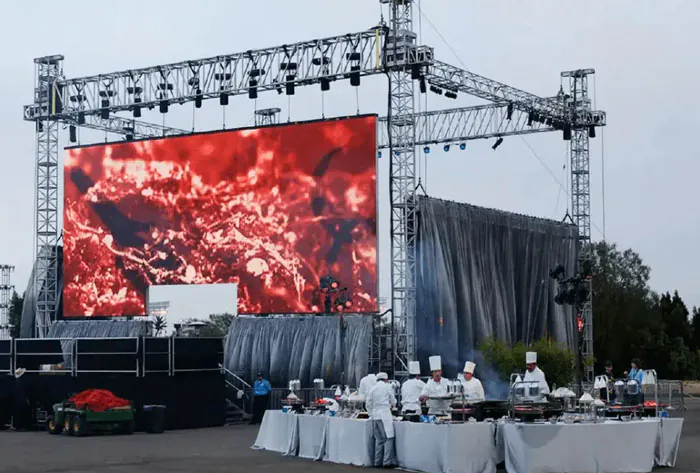
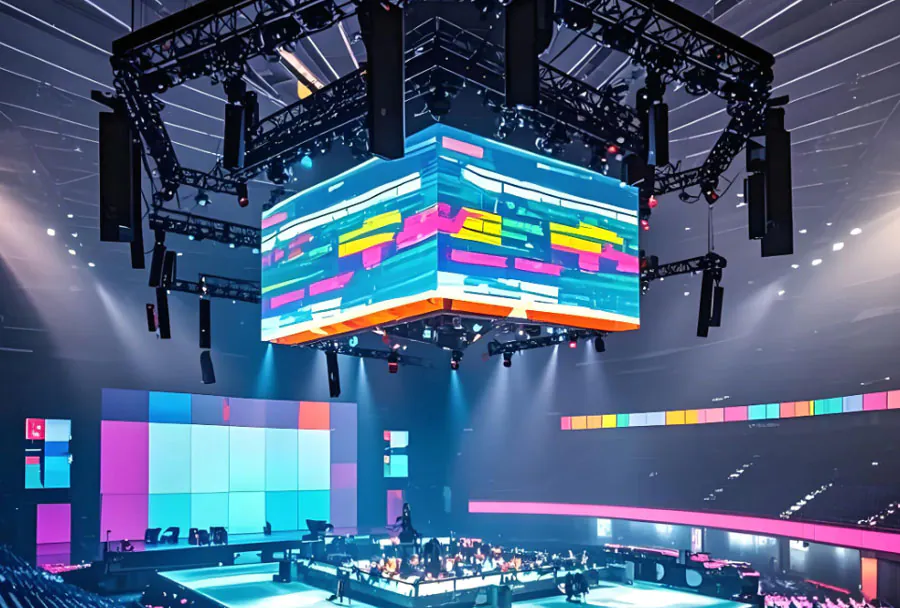
| Event Venues & Arenas | High (targeted event audiences) | High (longer dwell & attention) | Medium to High | High-engagement branding, experiential tie-ins |
Use these placement types as a starting point. Then overlay audience segmentation (age, commuting patterns, shopper behavior), footfall metrics, sightlines, and local demographics. Leverage mobility data and pedestrian heat maps to quantify reach and make trade-offs between reach and dwell.
Creative and Messaging Best Practices for Outdoor Digital Signage
Outdoor screens require different creative rules than display or social ads. With limited attention spans—especially in transit environments—apply these principles:
– Keep it simple: one core message per creative. Outdoor impressions are often fleeting; clarity wins.
– Leverage motion intentionally: subtle motion or transitions capture attention without being distracting.
– Prioritize legibility: large typefaces, high contrast, and minimal copy ensure readability from distance.
– Brand quickly: place a strong brand cue (logo, color band, signature treatment) early in the creative frame to anchor recognition.
– Optimize sequence length to dwell time: for high-dwell environments (stations, venues), use multi-frame narratives; for highways, a single striking frame with a memorable line is better.
– Localize content: use geographic references or nearby offers to make messages more relevant and memorable.
– Include a clear next step: while the primary goal may be awareness, subtle CTAs (QR codes, short URLs, hashtags) help measure downstream engagement.
A/B test creative variations across placements and dayparts to refine performance. Use programmatic DOOH to rotate creatives based on audience signals and measure which messages drive the best recall.
Technology, Targeting, and Measurement
One of DOOH’s strengths is its ability to integrate with digital measurement. Key technical capabilities to prioritize:
– Programmatic buying: enables flexible scheduling, audience targeting, and rapid creative swaps.
– Audience analytics: use camera-based anonymized counts, mobile data, or third-party footfall analytics to estimate impressions and demographic splits.
– Dayparting and triggers: automate content based on time, weather, or local events to increase relevance.
– Cross-channel attribution: connect DOOH impressions with mobile device visits, web traffic spikes, or uplift in branded searches using deterministic or probabilistic matching methods.
– KPIs for brand awareness campaigns: OTS (opportunities to see), share of voice, ad recall uplift (via surveys or panel data), brand search lift, and store visit lift.
To measure impact, combine modeled reach and frequency with on-the-ground metrics. A robust measurement framework might include baseline brand lift studies, incremental lift testing (exposed vs. control geographies), and mobile visitation analyses tied to the placements.
Operational Considerations and Compliance
Maximizing brand awareness depends on reliable, well-maintained deployments. Operational best practices:
– Screen specs: choose appropriate brightness (nits) for outdoor visibility, weatherproof enclosures, and high-contrast displays.
– Mounting and sightlines: install at eye-lines or clearly visible vantage points; avoid occlusions from trees or street furniture.
– Energy and environmental controls: implement brightness dimming to comply with local ordinances and reduce energy costs.
– Permitting and zoning: secure permits and ensure signage complies with municipal regulations, lighting restrictions, and safety standards. Some jurisdictions limit digital animations or brightness near roadways.
– Accessibility and safety: avoid overly distracting animations near drivers; adhere to guidelines that minimize glare and maintain public safety.
– Remote monitoring: use cloud-based monitoring to detect outages, playback errors, or hardware issues and ensure quick remediation.
Having an operational checklist and local compliance review process reduces downtime and reputational risks—both critical for campaigns meant to build brand equity.
Budgeting and ROI Expectations
Outdoor digital signage investments vary widely based on placement type, market, and campaign length. Highway-facing digital billboards and premium transit stations generally command the highest CPMs, but they deliver scale and high reach. Localized placements (street furniture, retail-facing screens) offer cost-effective ways to reach intent-driven audiences.
When evaluating ROI for brand awareness:
– Set realistic timelines: awareness grows with sustained, repeated exposure. Short bursts may produce spikes but less durable recall.
– Combine with measurement: allocate budget for baseline and follow-up brand lift measurement to quantify impact.
– Attribute properly: brand awareness often drives indirect business outcomes—track downstream metrics (search lift, direct traffic, store visits) for a fuller picture.
– Use creative that scales: a few strong creatives running across many placements generally outperform many weak creatives tailored to each screen.
Balance high-impact placements with a mosaic of lower-cost screens to maintain frequency across audience touchpoints.
Examples and Use Cases
– National Campaign: A beverage brand launches a summer awareness push with highway digital billboards for reach, transit hub screens in major cities for dwell storytelling, and programmatic dayparting to show chilled-drink creatives in afternoon heat—measured by search lift and in-store sales increases.
– Local Retail Drive: A regional retailer uses parking-lot and exterior-wall displays to announce weekend promotions, timed to match peak shopping hours, and pairs screens with QR-enabled shelf tags to observe online searches and coupon redemptions.
– Event Activation: A tech brand sponsors an arena, using large-format DOOH to present immersive visuals and a branded hashtag, driving event-based social engagement and subsequent online brand searches.

Conclusion: Make Placement Strategy Your Competitive Advantage
Outdoor digital signage can be a powerful engine for brand awareness if placements are chosen strategically. Move beyond “buy the busiest board” to a disciplined approach that blends audience insights, placement anatomy, creative optimization, and measurable outcomes. The most effective campaigns layer reach-focused inventory with high-dwell placements, use dynamic creative tied to context, and measure both immediate attention metrics and longer-term brand lift. When executed thoughtfully, DOOH placements don’t just broadcast a message—they create memorable brand moments that drive recognition and action across the customer journey.
For brands seeking to expand reach and refine their presence in the physical world, strategic outdoor digital signage placements are not an afterthought—they’re a core part of a modern awareness playbook.