Ultimate Guide to Renting High Brightness Mobile LED Screens from TW VISION

Outdoor and large-venue visual experiences rely on scalable, high-brightness displays that remain vivid under intense ambient light. Renting mobile LED screens is often the most practical, cost-effective way to achieve this, especially for short-term events, pop-up activations, sporting events, and municipal announcements. This guide distills what event planners, production managers, and marketing teams need to know when renting high brightness mobile LED screens from TW VISION, focusing on technical specs, operational logistics, cost factors, and actionable tips to ensure a flawless visual deployment.
Ultimate Guide to Renting High Brightness Mobile LED Screens from TW VISION
Why Choose High Brightness Mobile LED Screens?
High brightness mobile LED screens are designed to maintain image clarity, contrast, and color fidelity in bright environments where conventional displays fail. For outdoor daytime events or venues with substantial lighting, brightness measured in nits (cd/m2) directly impacts legibility and viewer engagement. TW VISION’s fleet typically offers screens ranging from 5,000 to 10,000+ nits, which are suitable for direct sunlight, large audience distances, and broadcast-quality productions. Renting prevents the large capital outlay and maintenance burden of ownership while providing the flexibility to scale screen size and resolution by event.
Key Technical Specs to Evaluate
Understanding the specifications will help you match a screen to your event needs:
– Brightness (nits): For shaded outdoor or twilight events, 3,000–5,000 nits may suffice. For direct sunlight, 6,000–10,000+ nits are recommended.
– Pixel pitch: Smaller pixel pitch (e.g., P2.9–P4.8) yields higher resolution and is better for close viewing; larger pitches (P6–P10) work for long-distance viewing and cost efficiency.
– Screen size and aspect ratio: Consider sightlines and viewing distance. TW VISION can configure modular panels for custom sizes and aspect ratios.
– Refresh rate and color processing: For camera captures and broadcast, choose >3,840 Hz refresh rate and high-quality color calibration.
– Weatherproofing and IP rating: Outdoor use requires IP65+ for front panels and adequate rear protection.
– Power requirements: Know individual module power draw and whether you need generators or local power panels.
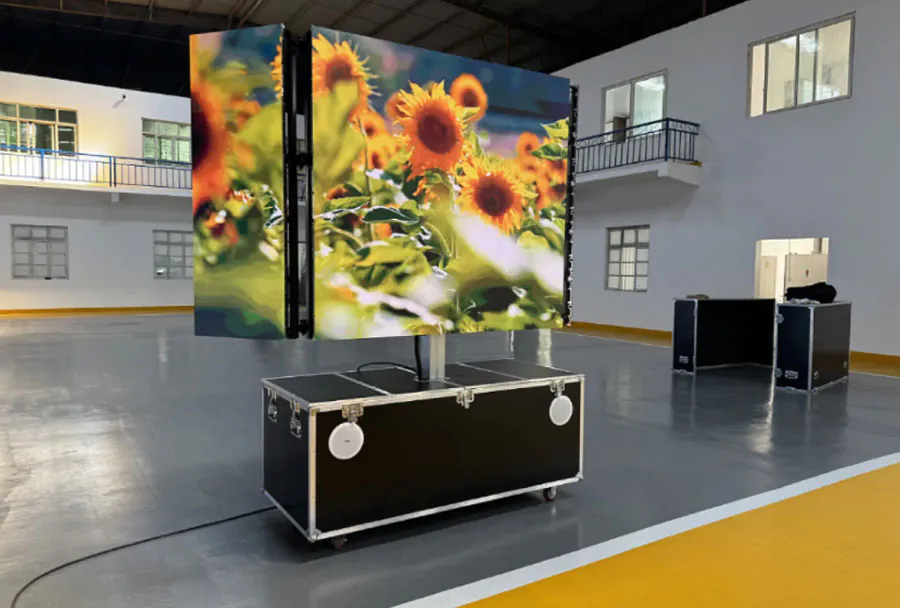
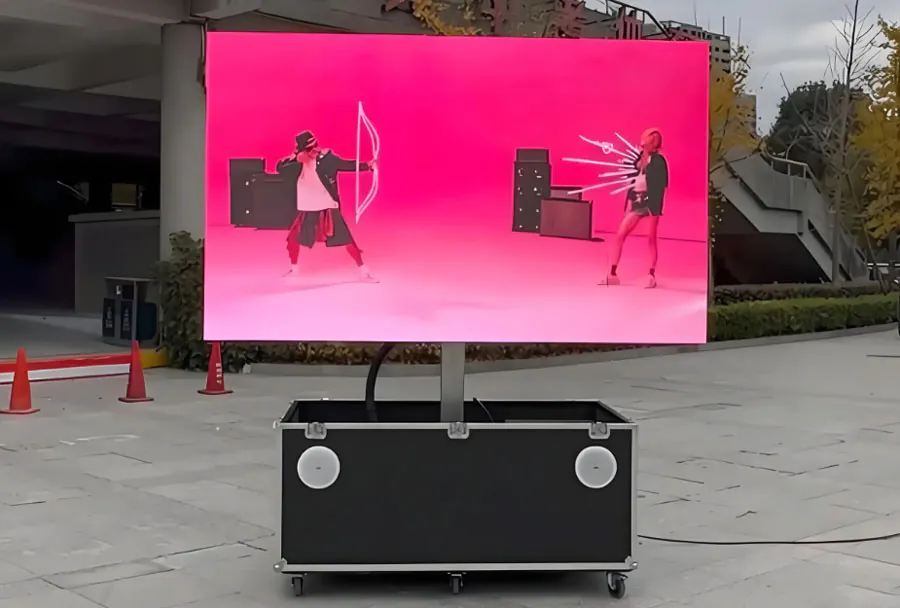
– Mobility and rigging: Trailer-mounted vs. truck-mounted systems offer different setup speeds and access considerations.
Operational Considerations: Setup, Power, and Connectivity
Efficient logistics differentiate an ordinary rental from an extraordinary one. Coordinate these elements with TW VISION well before event day:
– Site survey: A physical or virtual site survey helps identify placement, sightlines, rigging points, and vehicle access for delivery.
– Power planning: Confirm on-site power capacity and whether TW VISION will supply generators. Factor in peak load for maximum brightness and audio systems.
– Rigging and permits: Trailer- or truck-mounted mobile screens often need minimal rigging, but municipal permits and road closures may still be required.
– Content delivery and playback: TW VISION supports multiple inputs (HDMI, SDI, 4K, media servers) and remote content updates. Clarify codecs, file types, and frame rates in advance.
– Weather plans: Have contingency plans for high winds or severe weather. TW VISION’s mobile units include structural stabilization, but local safety standards may impose additional limits.
Choosing the Right Brightness and Pixel Pitch
Match screen specifications to viewing conditions rather than choosing the brightest option by default:
– Indoor/dusk/dim outdoor: 2,000–4,000 nits; pixel pitch P2.6–P4.
– Daytime outdoor (partial sun): 5,000–7,000 nits; pixel pitch P4–P6 for moderate distance viewing.
– Full sun/long-range visibility (stadiums, highways): 8,000–12,000+ nits; pixel pitch P6–P10 or larger for extreme viewing distance.
– Close viewing (<15 ft): prioritize pixel pitch and resolution over mega-brightness.
Coordinate these parameters with TW VISION to ensure viewing comfort, battery/generator endurance, and optimal color reproduction.
Cost Factors and Rental Pricing Models
Rental pricing typically reflects several variables:
– Screen size and brightness: Larger and brighter screens command premium rates.
– Rental duration: Daily, multi-day, and weekly rates often have different pricing tiers; longer rentals typically lower per-day costs.

– Transport and logistics: Delivery distance, road permits, and setup complexity add to costs.
– Technical personnel: Technician hours for setup, operation, and tear-down may be included or billed separately.
– Additional equipment: Generators, audio systems, broadcast encoders, and weather protection are commonly itemized.
– Insurance and liability: Event insurance and damage waivers can be required.
Negotiate itemized quotes and confirm what’s included (labor, cabling, backup systems) to avoid surprises.
Permits, Safety, and Compliance
Public safety and regulatory compliance are essential. Work with TW VISION and local authorities to ensure:
– Structural safety inspections for rigged or elevated screens.
– Road use permits for trailers or vehicles occupying public space.
– Noise and light ordinances compliance—ultra-bright screens can trigger local restrictions.
– Crowd control measures and emergency access routes.
– Certified technicians on-site for the duration required by venue or local law.
Content and Playback Best Practices
High brightness does not excuse poor content preparation. Follow these best practices:
– Use native resolution assets where possible to avoid scaling artifacts.
– Apply color grading and brightness adjustments that account for high ambient light; what looks correct in a dim studio can wash out outdoors.
– Test content on a similar high-brightness display prior to event.
– Use dynamic range carefully—overly bright whites can clip and lose detail on high-nit screens.
– Schedule content changes and backups; have a local content control operator.
Maintenance, Troubleshooting, and Support
TW VISION typically provides pre-event diagnostics and on-call support. Confirm SLAs for response times and on-site fixes. Common issues include module faults, synchronization errors, and power interruptions. Preventative checks should include:
– Panel calibration and pixel mapping.
– Power distribution and grounding inspection.
– Signal chain verification (players, splitters, cables).
– Weather seals and HVAC systems for enclosed electronics.
Sample Analysis Table: Comparing Common TW VISION Mobile LED Options
| Model | Brightness (nits) | Typical Screen Size | Ideal Use Case | Estimated Daily Rental |
|---|---|---|---|---|
| TW-Vision Mobile 5K | 5,000 | 12′ x 6′ (modular) | Twilight outdoor events, small concerts | $1,200–$1,800 |
| TW-Vision SunPro 8K | 8,000 | 20′ x 10′ | Daytime festivals, sports sidelines | $2,500–$4,000 |
| TW-Vision UltraBright 10K+ | 10,000–12,000+ | 30′ x 15′ (modular rigs) | Stadiums, highway advertising, major outdoor events | $5,000–$9,000 |
| TW-Vision CloseView P2.9 | 4,000 | 8′ x 6′ (high-res) | Indoor trade shows, near-stage screens | $900–$1,500 |
| TW-Vision AllWeather Trailer | 6,500 | 14′ x 8′ | Municipal broadcasts, road-side alerts | $1,800–$3,000 |
(Note: Prices are illustrative; request an official quote from TW VISION for exact pricing and availability.)
Checklist for Renting from TW VISION
– Confirm event date, site access, and staging plan.
– Identify required screen size, pixel pitch, and minimum brightness.
– Request a site survey and delivery timeline.
– Verify power availability and whether generators are required.
– Confirm included services: setup, operation, technical staff, insurance.
– Test content formats and arrange for pre-event content loading.
– Obtain necessary permits and municipal approvals.
– Establish weather contingency and safety protocols.
Case Studies and Use Scenarios
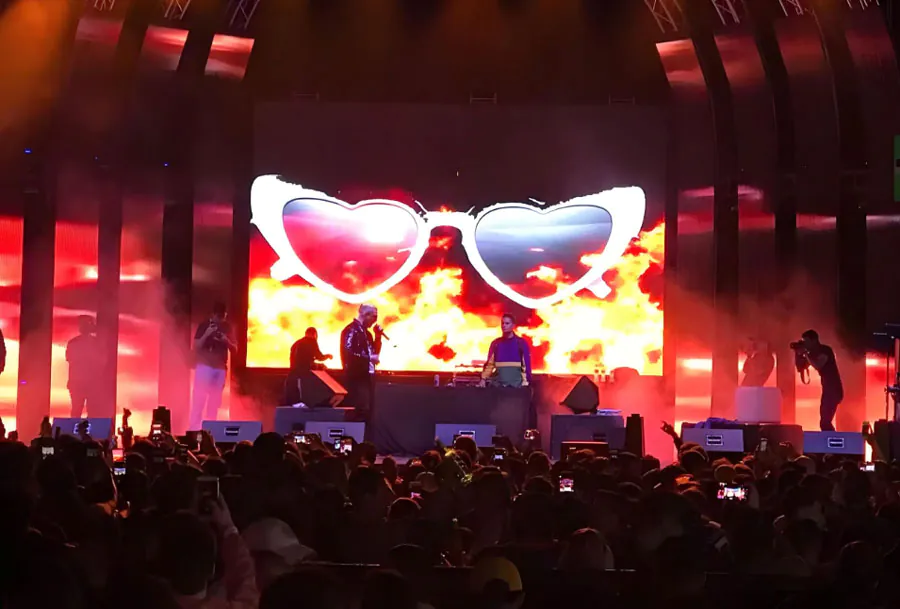
– Music festivals: Use modular high-brightness screens for distant sightlines and camera capture; combine with stage side arrays for close-up detail.
– Sports events: Deploy ultra-bright screens for daytime visibility; integrate scoreboard and live camera feeds with low-latency processing.
– Political rallies and municipal alerts: Trailer-mounted all-weather screens provide quick deployment and high visibility for emergency messaging.
– Brand activations: Smaller high-resolution screens (tight pixel pitch) woven into interactive experiences where viewers are close.
Renting high brightness mobile LED screens from TW VISION gives you access to industry-grade hardware without long-term ownership commitments. The key to success lies in early coordination: specify viewing distances, ambient conditions, content requirements, and power logistics up front. Prioritize pixel pitch for close viewing and brightness for direct-sun scenarios, but balance those choices against generator availability and cost. Insist on a clear, itemized quote and service-level agreement that covers setup, monitoring, and emergency support.
With the right technical match and operational planning, TW VISION’s mobile LED solutions can elevate audience experiences, create unforgettable visuals, and keep your production running smoothly—no matter how bright the day gets.