Portable Display Revolution Exploring the Five Core Advantages of LED Roll Up Screens

Modern event planners, AV integrators, and brand managers are rethinking how they present visual content on the go. For decades, the choices were largely limited to projectors, flat-panel displays, or heavy modular LED walls that required vehicles, rigging, and several technicians. A new breed of portable LED — the roll-up screen — has changed that equation. Combining the luminous performance of LED with the convenience of a retractable format, these screens are proving to be a game changer for industries that need high-impact visual fidelity without the logistical overhead.
Portable Display Revolution: Exploring the Five Core Advantages of LED Roll Up Screens
1. Unmatched Portability and Rapid Deployment
One of the most compelling attributes of LED roll-up screens is the dramatic reduction in transport and setup friction. Traditional LED walls use rigid cabinets that require cases, hoists, and assembly time. Roll-up screens, by contrast, are designed to collapse into a compact, tubular housing that resembles a heavy-duty roller case. That makes them:
– Easier to ship and store: They often fit into standard cargo spaces and can be handled by two people rather than a crew of specialists.
– Faster to deploy: Many systems unroll and lock into place within minutes, with integrated stands, mounting points, and cable routing built into the cassette.
– Lighter weight per square foot: Their flexible polymer and thin LED mesh construction reduces bulk and shipping costs.
Real-world benefits include same-day installs for pop-up activations, reduced labor costs for rental houses, and the ability for small teams to operate larger visual canvases at trade shows and touring events.
2. Superior Visual Performance in a Compact Form
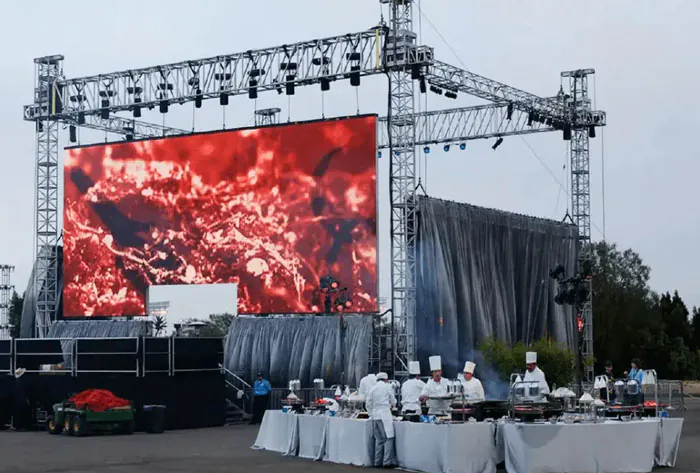
LED roll-up screens retain many of the image quality advantages of fixed LED panels: high brightness, excellent contrast, wide viewing angles, and vibrant color reproduction. Unlike projectors, they perform well in high ambient light, making them ideal for outdoor or well-lit indoor environments. Key visual advantages:
– High brightness: LEDs maintain visibility in daylight conditions without requiring blackout staging.
– True blacks and contrast: Local dimming and native emissive pixels produce deep contrast that projection struggles to match.
– Tight pixel pitches available: Manufacturers now offer roll-up modules with finer pitches suitable for standing audiences and close viewing, expanding the applications from background display to primary content surfaces.
Integrators should assess pixel pitch relative to viewing distance to optimize cost and perceived resolution. For example, a P3.9 to P5 roll-up works well for medium-distance staging, while finer pitches like P2.6 are better for close-range corporate presentations where fine text clarity is essential.
3. Robust Durability and Flexible Environmental Performance
Advances in materials science and LED module engineering mean that roll-up screens can withstand the rigors of touring and outdoor use far better than one might expect from something that rolls into a tube. Design elements that contribute to durability include:
– IP-rated outdoor options: Several models offer IP65-rated faces and seams, enabling them to resist dust and water spray.
– Shock-absorbing cassettes: Protective housings minimize damage during transport, and the flexible face can tolerate impacts that would crack rigid glass panels.
– Modular serviceability: Pixel modules are often replaceable front-to-back, allowing quick field repairs that keep events on schedule.
These traits make roll-up LEDs practical for rental companies, production houses, and retail chains where displays are frequently moved or deployed in varied weather conditions.
4. Energy Efficiency and Lower Total Cost of Ownership
Though LED displays consume power, roll-up LED technology tends to be more energy-efficient than comparable backlit LCD banks or high-lumen projectors required to achieve similar perceived brightness in daylight. Points to consider:
– No external lamps: LEDs eliminate expensive lamp replacements and related downtime.
– Variable power draw: Modern LED drivers and processors support brightness optimization and pixel-level dimming to reduce average power consumption during typical content playback.
– Reduced logistical costs: Smaller transport footprints, fewer crew members for installation, and less rigging can significantly lower event budgets.
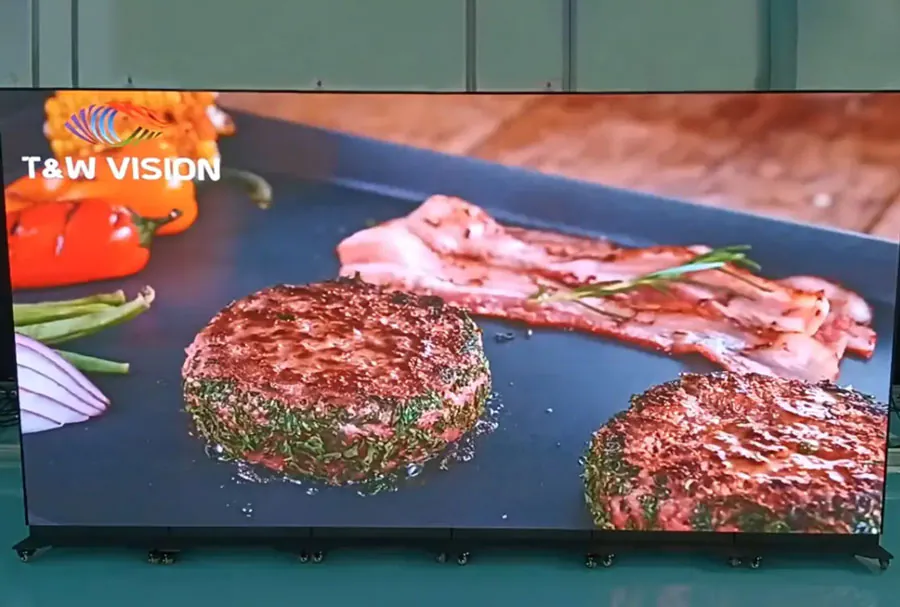
When calculating total cost of ownership, rental and production managers should consider not just purchase price and electricity use but also labor, transport, and maintenance. Over months of frequent deployments, the cumulative savings from reduced logistics and improved uptime can be substantial.
5. Integration Flexibility and Creative Versatility
LED roll-up systems are designed to interface with modern content ecosystems, giving creative teams and technicians a broad palette of integration options:
– Compatibility with common processors and controllers: Systems often support standard LED drivers like NovaStar or Linsn, enabling seamless content scaling, mapping, and edge blending.
– Multiple input methods: HDMI, SDI, wireless casting, and even direct media playback can be supported, making live and recorded content workflows straightforward.
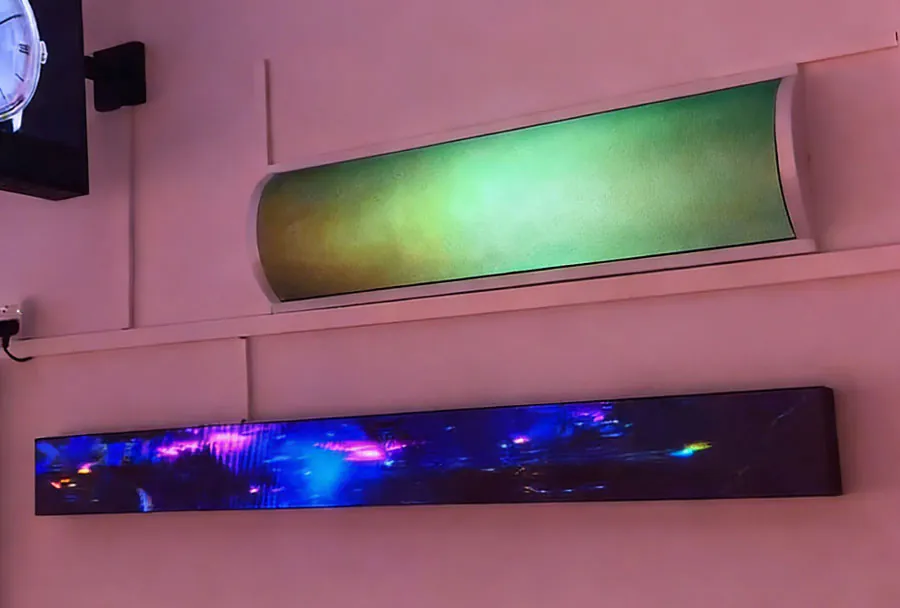
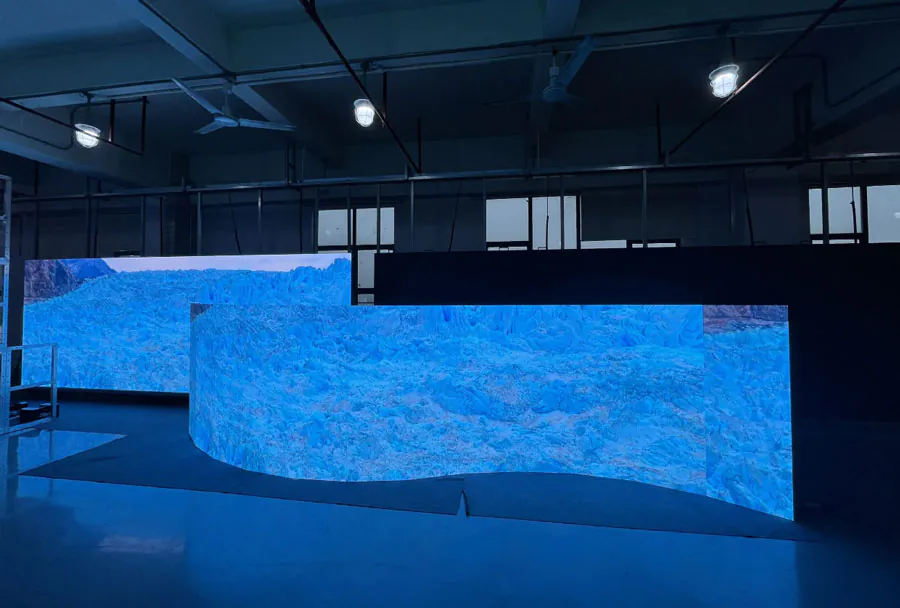
– Shape and modularity: Some roll-up screens can be combined or overlapped to form curved, segmented, or multi-layered displays, enabling creative stage designs without the need for heavy, custom-built structures.
This integration flexibility opens doors for broadcast studios, experiential marketing, and hybrid events where dynamic content needs to sync with lighting, audio, and stage automation.
Analysis Table: Five Core Advantages of LED Roll-Up Screens
| Advantage | Benefit Description | Typical Use Cases | Performance Metrics (Typical Range) | Considerations |
|—|—|—|—:|—|
| Portability | Compact cassette housing; lightweight flexible face for easy transport | Trade shows, touring, pop-ups | Weight: 15–50 kg per unit (varies by size); Deployment time: 3–15 min | Check case robustness and handling requirements |
| Image Quality | High brightness, good contrast, wide viewing angle | Outdoor signage, live stages, corporate events | Brightness: 800–3000 nits; Lifetime: 50,000–100,000 hours | Match pixel pitch to viewing distance |
| Durability | IP-rated options, shock protection, modular repair | Rental fleets, touring, outdoor events | Environmental rating: IP20–IP65; Repair time for module: 10–60 min | Outdoor seams and connectors need proper sealing |
| Energy & Cost | Lower logistics and operational costs than bulky LED walls | Rental, retail chains, roadshows | Power draw: 150–600 W/m2 (avg) | Evaluate total cost including transport and labor |
| Integration & Versatility | Standard controllers, multiple inputs, combinable modules | Broadcast stages, experiential marketing | Compatible with NovaStar/Linsn, supports HD/4K inputs | Confirm processor compatibility and scaling limits |
Implementation Best Practices and Pitfalls to Avoid
– Spec the screen for your audience: Evaluate pixel pitch based on the closest viewing distance. Overpaying for fine pitch where audiences are distant wastes budget; underspecifying leads to poor perception of content.
– Plan cable management and power: The elegant roll-up form factor can hide cabling, but poor planning introduces trip hazards and signal loss. Use locked connectors and labeled runs to streamline setup.
– Test in actual ambient light: Photos and vendor demos are helpful, but on-site tests reveal how content reads under real lighting conditions. Adjust brightness profiles to balance power draw and visual impact.
– Maintain spares: Keep a module or multiple modules and a backup controller in rental inventories. Quick module swaps avoid event disruptions.
– Understand warranties and SLAs: Rental providers and event planners should negotiate service level agreements that address wear from frequent rolling and outdoor use.
Use Case Snapshots
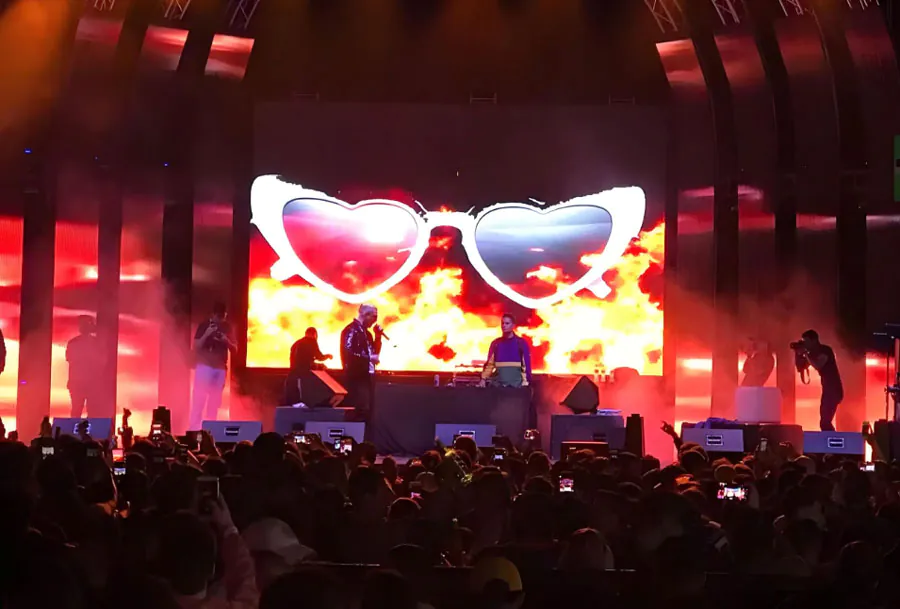
– Touring Musicians: Lightweight roll-up screens allow crews to include large visual canvases on runs where truck space is constrained. Quick deployment between venues reduces changeover times.
– Trade Shows: Exhibitors can achieve high-impact, high-brightness graphics without committing to heavy installation. The compact packing lowers booth logistics.
– Retail Pop-Ups: Brands testing new locations can deploy high-quality LED displays that withstand daytime storefront lighting and offer a modern aesthetic.
– Broadcast & Live Production: Flexible mounting and quick calibration make roll-ups useful as secondary displays or scenic elements that need fast reconfiguration during production schedules.
LED roll-up screens represent a meaningful step forward in portable display technology. They blend the visual excellence of traditional LED walls with a transportable, quick-to-deploy form that suits modern demands for agility and creative flexibility. When evaluated against traditional projection, LCD, and modular LED systems, roll-ups stand out for their portability, brightness in ambient light, durability for touring conditions, and integrations with contemporary AV ecosystems. For event professionals, rental houses, brand marketers, and creative technologists, these displays provide a practical way to raise the visual bar without introducing the logistical complexity that previously accompanied large-format LED deployments.
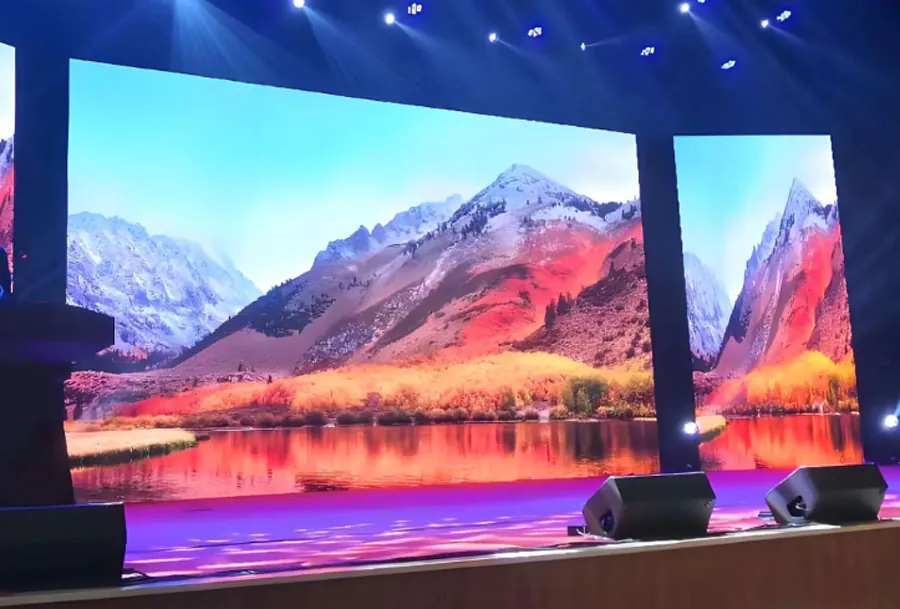
Adopting roll-up LEDs effectively means matching the right product to the right application, preparing for field maintenance, and accounting for total operational costs instead of just purchase price. With thoughtful specification and operational discipline, LED roll-up screens can deliver powerful, repeatable visual experiences that scale with the needs of modern live and hybrid events.