Why TW VISION Roll Up LED Displays Are the Future of Portable Advertising

The landscape of out-of-home and event advertising is changing fast. Brands and marketers are no longer satisfied with static banners or bulky, stationary screens; they want flexible, eye-catching solutions that can move with their campaigns and adapt to different venues and audiences. Enter roll up LED technology: compact, mobile, and designed for quick deployment. Among the contenders, TW VISION roll up led displays stand out for combining practical portability with professional visual performance. Below, we analyze why TW VISION roll up LED displays are positioned to become the future of portable advertising, exploring technical strengths, operational advantages, use cases, and what they mean for return on investment and brand impact.
Why TW VISION Roll Up LED Displays Are the Future of Portable Advertising
Modern demand: mobility plus professional quality
Advertising today needs to be instantaneous and flexible. Pop-up activations, trade shows, temporary retail, roadside promotions, and on-the-go experiential marketing require displays that are easy to transport, quick to set up, and impressive enough to cut through visual noise. Traditional printed banners or even lightweight LCD screens often compromise on either visual quality, durability, or setup speed. TW VISION roll up LED systems answer these pain points by offering a blend of high-brightness LEDs in a compact, rollable form factor that preserves image quality while minimizing logistical friction.
Design and engineering advantages
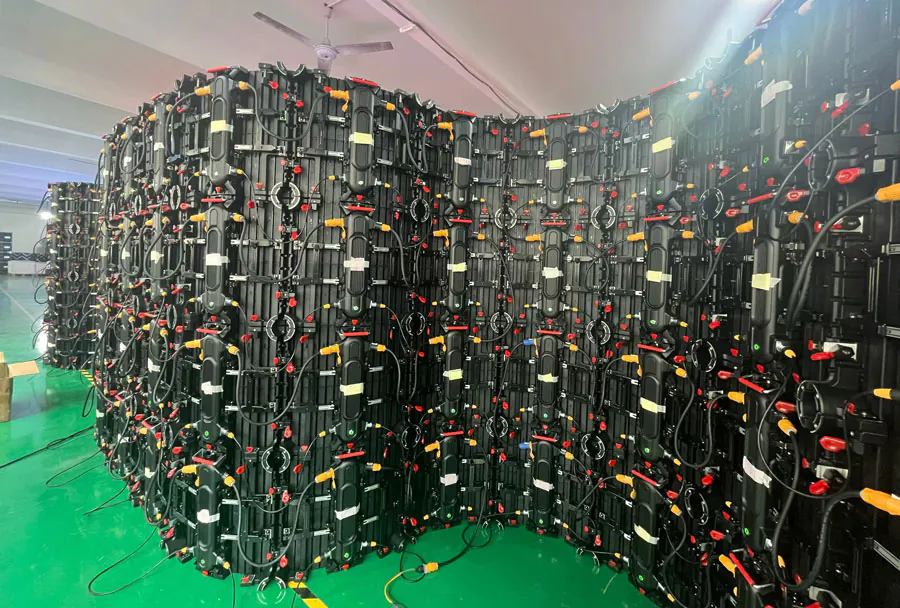
TW VISION’s roll up LED displays are engineered around a few core principles: lightweight materials, modular LED panels that retract into a protective housing, and user-friendly locking mechanisms that make setup intuitive. Unlike rigid LED walls that require rigging or heavy scaffolding, roll up panels store flat in a case and extend vertically via a telescoping support. The result is a single-person deployable display that maintains flatness and alignment through precision-designed rails and magnetic or mechanical connectors.
These design choices optimize two critical marketing variables:
– Speed of deployment: From case to live content in minutes, not hours.
– Reduced labor and transport costs: Fewer crew and smaller vehicles required.
Visual performance that competes with fixed installations
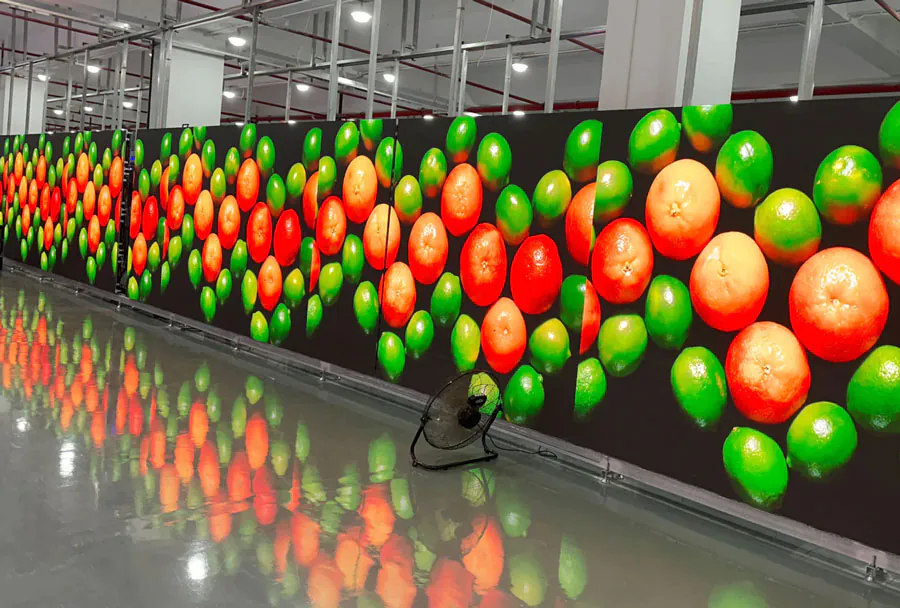
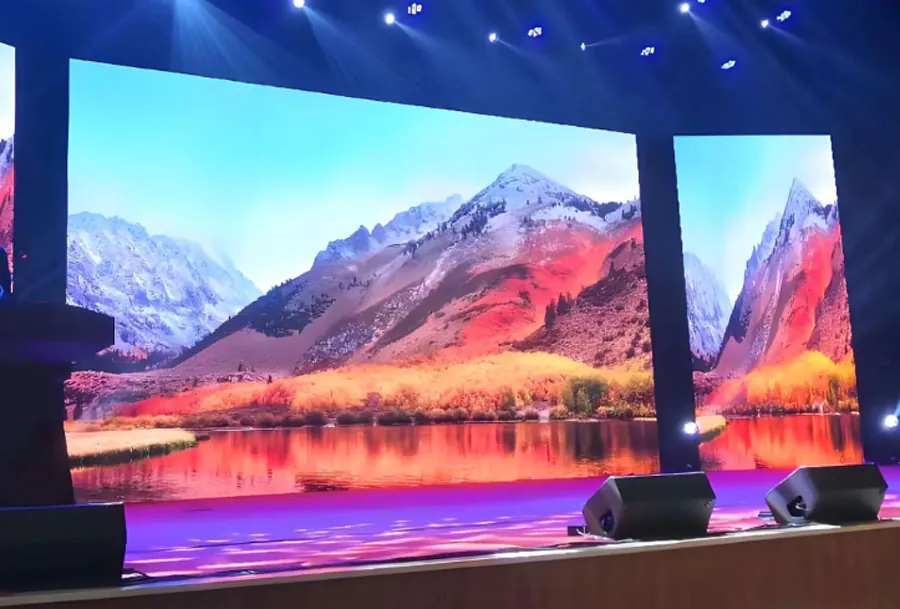
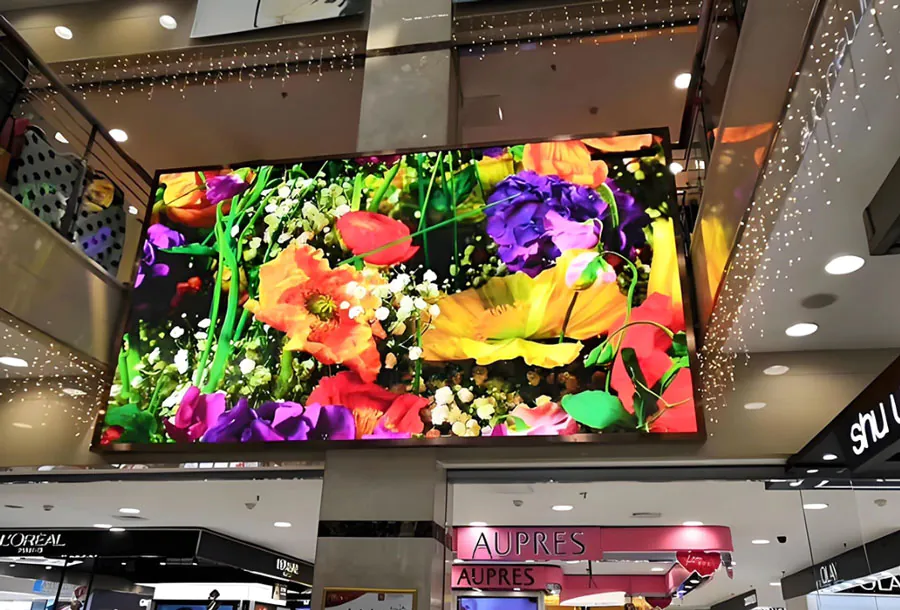
One of the most important objections to portable displays has historically been image quality. TW VISION addresses this through high-density SMD LED modules, high refresh rates, and adaptive brightness control. The displays deliver consistent color accuracy and legible imagery even under direct sunlight — a must for outdoor activations. With pixel pitches suitable for close viewing (depending on model), the roll up displays can show crisp text and dynamic video, enabling brands to maintain the same creative standards they use for permanent installations.
Additionally, TW VISION’s control systems support synchronous playback, easy content scheduling, and compatibility with common media servers and content-management systems (CMS), making integration into existing digital campaigns straightforward.
Durability and environmental resilience
Portable does not mean fragile. TW VISION roll up LEDs are built with protective housings and often include IP-rated modules for moisture and dust resistance. Rigid end-caps and internal damping protect delicate components during transport. This durability translates into longer service life and lower total cost of ownership compared with disposable printed materials that degrade or require reprinting with each new campaign.
Return on investment: cost-effective reach and reuse
When evaluating ROI, consider the lifecycle costs. Printed banners require design changes, printing lead times, and waste disposal. Rigid LED walls have high upfront capital expenditure and logistical costs per deployment. TW VISION roll up systems balance initial investment with repeated use: one display can serve multiple campaigns, venues, and creative updates. Lower transport and setup expenses increase net reach per dollar spent, while higher engagement rates from dynamic content boost campaign effectiveness.
To make the comparison clearer, the following table analyzes common criteria across typical portable advertising options.
| Criterion | TW VISION Roll Up LED | Conventional LED Panel | Printed Banners | Projection Systems |
|---|---|---|---|---|
| Portability | High — rolls into compact case; single-person transport | Low to Medium — heavy panels require cases/crew | Very High — lightweight and foldable | Medium — projector light but needs screen and stable mount |
| Setup Time | 5–15 minutes | 30–120 minutes | 2–10 minutes | 10–30 minutes (environment dependent) |
| Visual Impact | High — bright, vivid, readable outdoors | Very High — scalable to large sizes | Low — static, limited visibility in low light | Variable — high in dark settings, poor in daylight |
| Weather Resistance | Good — IP-rated options available | Good — often weatherproof | Poor — susceptible to wind/rain damage | Poor — projector and screen sensitive to conditions |
| Cost per Deployment | Low (after initial purchase) — reusable | High — logistics and installation costs | Low (single-use) — recurring printing costs | Medium — depends on equipment rental and crew |
Use cases where roll up LED shines
– Trade shows and exhibitions: Immediate presence in booth spaces without complex rigging; dynamic content attracts attendees and supports demonstrations.
– Retail pop-ups and in-store promotions: Easy to move between locations; bright displays maintain visibility in well-lit retail environments.
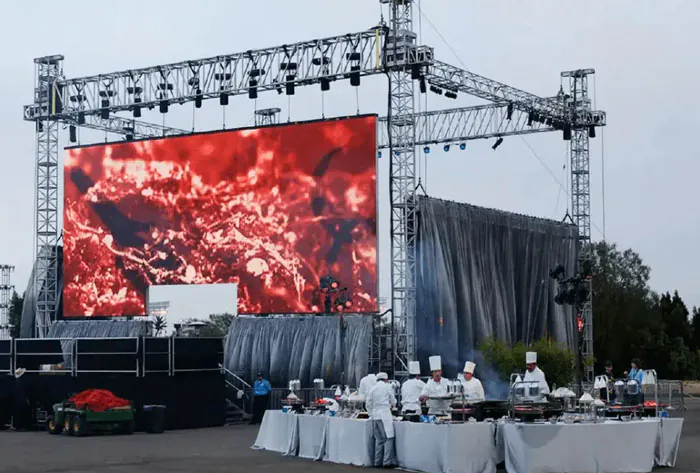
– Outdoor activations and street marketing: Weather-resilient models perform well for short-term exterior campaigns.
– Mobile tours and events: Tour trucks and experiential marketing benefit from quick setup and small footprint.
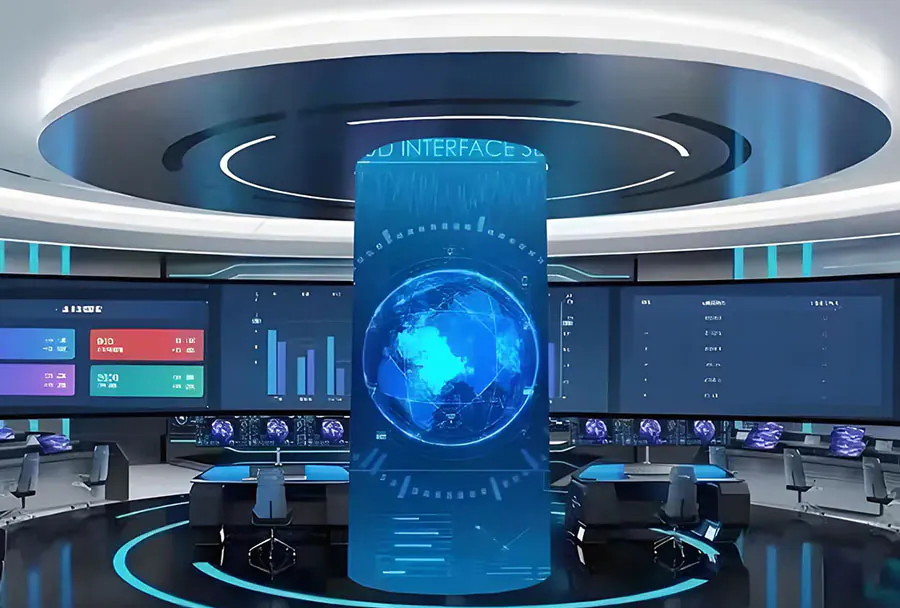
– Corporate events and presentations: Professional video playback and real-time updates support brand storytelling.
Operational best practices for maximizing impact
To get the most from TW VISION roll up LED displays:
– Pre-prepare content in native resolution for the chosen model to avoid scaling artifacts.
– Use high-contrast designs and large typography for message legibility at common viewing distances.
– Plan logistics around single-person setup: include protective cases and a checklist for power and media connections.
– Integrate with analytics where possible — QR codes, on-screen calls-to-action, and synced mobile experiences help quantify engagement.
– Rotate creative frequently during long events to sustain attention and test which messages drive action.
Sustainability and lifecycle considerations
Sustainability is increasingly central to brand decisions. Compared with single-use printed materials, a rewindable LED display that is used repeatedly reduces material waste and the carbon footprint of reprinting and disposal. TW VISION systems with modular, replaceable LED modules also enable easy repairs rather than full-unit replacement, extending useful life and lowering environmental impact.
Potential limitations and how to mitigate them
No solution is perfect for every circumstance. Roll up LED displays may have size limitations compared to large fixed LED walls, and initial capital cost is higher than a printed banner. To mitigate:
– Combine roll up LED with other media formats for large-scale campaigns (e.g., use roll up LED for focal points and banners for secondary signage).
– Leverage rental models for short-term needs to avoid high upfront costs.
– Select models with modular expansion capabilities if occasional larger formats are required.
A strategic tool for modern advertisers
TW VISION roll up LED displays represent a pragmatic convergence of mobility, quality, and durability. They fit the needs of modern, agile marketing teams that demand high-impact visuals without the logistical weight of traditional LED walls. For brands prioritizing speed-to-market, reuseability, and professional-grade imagery across multiple venues, roll up LED displays provide a compelling middle ground between disposable printed materials and expensive permanent installations.
Adoption will accelerate as creative teams recognize the operational and financial advantages: faster deployment, lower per-event costs, and stronger audience engagement thanks to vivid, dynamic content. In a market where relevance and responsiveness matter more than ever, TW VISION roll up LED displays are well positioned to become the backbone of portable advertising strategies.