Application Cases of TW VISION Outdoor LED Supplier in Smart City Public Information Systems

In the rapidly evolving landscape of urban development, the concept of the “smart city” has transitioned from a futuristic ideal to a tangible reality. At the heart of this transformation lies the seamless flow of information, enabling cities to become more efficient, responsive, and livable. Public information systems serve as the critical interface between municipal authorities and citizens, and the technology driving these displays is paramount. As a leading outdoor LED supplier, TW VISION has emerged as a pivotal partner for cities worldwide, providing robust, high-visibility solutions that form the digital canvas for smart urban communication. This article explores key application cases of TW VISION’s technology within smart city public information systems, demonstrating its role in enhancing public safety, streamlining transportation, fostering community engagement, and promoting sustainability.
1. Intelligent Transportation Hubs and Dynamic Wayfinding
One of the most prominent applications is within intelligent transportation systems. Major bus terminals, railway stations, and airports require real-time, reliable information dissemination under all weather conditions. TW VISION’s high-brightness outdoor led displays are deployed to show live arrival and departure schedules, platform changes, service alerts, and emergency announcements. Their superior durability ensures continuous operation despite rain, extreme temperatures, and constant exposure to sunlight, eliminating glare and washout. Furthermore, these displays integrate with central traffic management systems, allowing for the dynamic display of congestion updates, alternative route suggestions, and public transit options, thereby reducing urban traffic pressure and improving commuter experience. The clarity and reliability of this information directly contribute to smoother logistical flow and reduced traveler anxiety.
2. Public Safety and Emergency Alert Broadcasting
In smart city infrastructure, public safety is non-negotiable. TW VISION’s LED solutions are engineered for critical communication during emergencies. Installed in strategic public squares, government buildings, and major intersections, these displays function as a primary channel for broadcasting Amber alerts, severe weather warnings (like typhoons or floods), evacuation routes, and vital public health information. Their high refresh rates and exceptional clarity ensure messages are instantly recognizable and readable from long distances and wide angles. By providing a centralized, unmistakable point of communication during crises, these systems empower city managers to guide public response effectively, potentially saving lives and minimizing panic. This application underscores the supplier’s commitment to not just technology, but to community resilience.
3. Civic Engagement and Digital Public Spaces
Beyond utilitarian functions, smart cities aim to cultivate vibrant, informed communities. TW VISION’s large-format LED screens transform public spaces into interactive hubs for civic engagement. In city centers or public parks, these displays can broadcast cultural event calendars, live streams of city council meetings, public service announcements, and achievements in local sustainability projects. They can also celebrate community milestones, display public art, and facilitate interactive experiences during festivals. This transforms passive spaces into dynamic areas for dialogue and shared experience, strengthening the bond between citizens and their governing bodies. The visual impact and versatility of the displays make complex civic information more accessible and engaging to a diverse populace.
4. Environmental Monitoring and Sustainability Dashboards
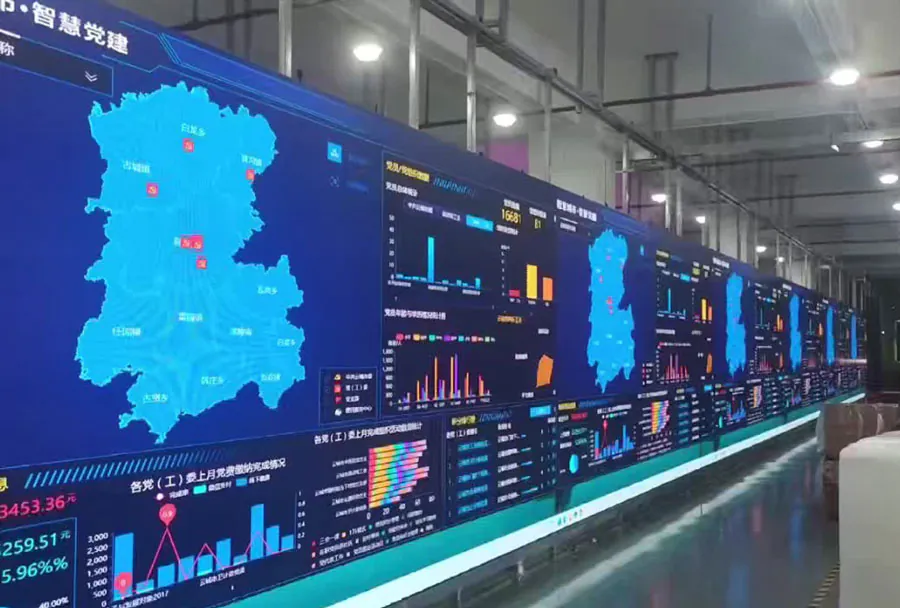
A core tenet of smart cities is environmental stewardship. TW VISION’s displays are increasingly used as public-facing dashboards for real-time environmental data. Integrated with a city’s network of IoT sensors, these screens can show live air quality indices (AQI), noise pollution levels, weather conditions, and energy consumption statistics for municipal buildings. By making this data visible and understandable, cities promote environmental awareness and encourage sustainable behaviors among residents and businesses. Furthermore, the LED technology itself aligns with sustainability goals; modern TW VISION products are designed for high energy efficiency, long lifespan reducing e-waste, and are often constructed with recyclable materials. This case demonstrates how the supplier’s hardware supports the broader smart city objective of transparent, data-driven environmental management.
5. Urban Advertising and Economic Vitality
While primarily focused on public information, the infrastructure also supports economic vitality. Designated digital signage zones powered by TW VISION’s technology can host public-service-oriented advertising, local business promotions, and tourism campaigns. Revenue generated from responsible commercial use can be reinvested into the maintenance and expansion of the smart city network. The key is managed integration, ensuring commercial content does not overwhelm critical public information but complements it, contributing to a lively urban atmosphere. The high visual quality and reliability of the displays make them an attractive medium for conveying the city’s economic and cultural offerings to both residents and visitors.
In conclusion, the application cases of TW VISION as an outdoor LED supplier are integral to the architecture of modern smart city public information systems. From ensuring the smooth operation of transportation networks and enhancing public safety to fostering community spirit and promoting sustainable practices, their technology provides the essential visual layer for urban intelligence. By offering durable, high-performance, and integrable display solutions, TW VISION enables cities to communicate effectively, respond dynamically, and engage meaningfully with their citizens. As urban centers continue to grow in complexity, the role of such reliable and innovative suppliers will only become more crucial in building the responsive, connected, and human-centric cities of the future.