In-depth Analysis of Global Service Network and Support System from TW VISION LED Screen Supplier

In the highly competitive and technologically driven market of led display solutions, product innovation alone is no longer a sufficient differentiator. The true measure of a supplier’s value and reliability lies in its capacity to support that product throughout its entire lifecycle, anywhere in the world. TW VISION, as a prominent LED screen supplier, has strategically recognized this imperative, building a global service network and support system that is as robust as its product portfolio. This analysis delves into the architecture, operational excellence, and strategic advantages of TW VISION’s global support framework, examining how it underpins customer success and fosters long-term partnerships in a complex international landscape.
1. Architectural Foundation: A Hub-and-Spoke Model with Localized Expertise
The efficacy of TW VISION’s global service begins with its structural design. The company employs a sophisticated hub-and-spoke model, anchored by its headquarters and major regional centers in strategic locations across North America, Europe, Asia-Pacific, and the Middle East. These hubs are not mere sales offices; they are fully equipped service centers staffed with certified engineers, housing critical spare parts inventories, and serving as training facilities for local technicians.
The true strength, however, radiates from these hubs through a network of authorized local service partners. This “spoke” system ensures deep market penetration and cultural understanding. By partnering with established, reputable local firms, TW VISION gains invaluable on-the-ground intelligence, logistical agility, and language-specific support. This architecture ensures that whether a client is in Frankfurt, S?o Paulo, or Singapore, support is administered by professionals who understand not only the technology but also the local business practices, regulatory environments, and project timelines. This localized approach minimizes response times and maximizes the relevance and effectiveness of the support provided.
2. Core Pillars of the Support System: Proactive, Responsive, and Knowledge-Driven
TW VISION’s support system is built upon three interconnected pillars: proactive maintenance, responsive remediation, and continuous knowledge transfer.
Proactive Maintenance and Remote Monitoring: Moving beyond the traditional break-fix model, TW VISION integrates proactive services. For critical installations, the company offers remote monitoring solutions that allow its support centers to observe the operational health of LED displays in real-time. Parameters such as temperature, humidity, power consumption, and module performance are tracked, enabling the prediction of potential failures before they cause downtime. Scheduled maintenance programs, tailored to the operational environment and usage intensity of the display, help in preserving optimal performance and extending the product’s lifespan, thereby protecting the client’s investment.
Responsive Remediation and Spare Parts Logistics: When issues arise, the system’s responsiveness is paramount. TW VISION operates a tiered technical support hotline and ticketing system, ensuring that every query is logged, prioritized, and escalated appropriately. The global network of spare parts depots is strategically managed using advanced inventory management software. This system guarantees that high-usage or critical components are available locally or can be expedited from the nearest regional hub, often within 24-48 hours for urgent cases. The goal is not just to fix a problem, but to restore full functionality with minimal disruption to the client’s operations.
Knowledge Transfer and Empowerment: A sustainable support system empowers clients and partners. TW VISION invests heavily in creating comprehensive documentation, including detailed installation manuals, troubleshooting guides, and software tutorials. Furthermore, it conducts regular certified training programs—both online and in-person at its hubs—for its global network of partners and key client technicians. These programs cover installation best practices, advanced diagnostics, and software configuration. By elevating the technical competency of its ecosystem, TW VISION creates a multiplier effect, enhancing first-line problem-solving capabilities and fostering a community of skilled practitioners.
3. Strategic Advantages and Value Proposition
This in-depth investment in a global service network translates into tangible strategic advantages for TW VISION and its clients.
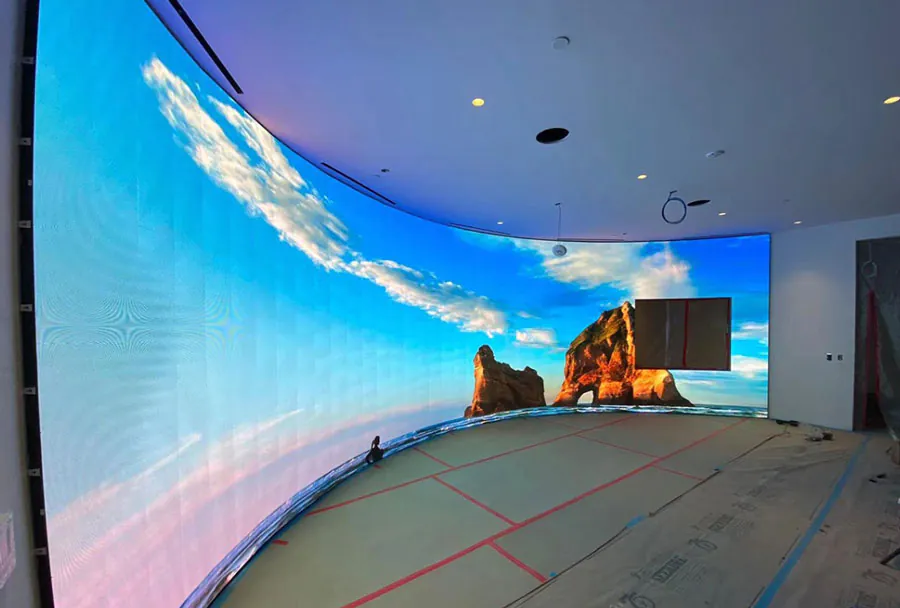
Risk Mitigation and Project Assurance: For integrators and end-users, particularly on large-scale, high-profile projects like control rooms, broadcast studios, or landmark outdoor advertising, system failure is not an option. TW VISION’s documented and proven global support system acts as a powerful risk mitigation tool. It provides the assurance that expert help and necessary parts are within reach, making TW VISION a safer, more reliable choice for mission-critical applications. This assurance is often a decisive factor in the vendor selection process.
Enhanced Brand Equity and Customer Loyalty: Exceptional post-sale service is the cornerstone of brand loyalty. A positive support experience transforms a one-time transaction into a long-term partnership. Clients who experience swift, professional, and effective support are more likely to return for future projects and become advocates for the brand. TW VISION’s service network thus becomes a direct contributor to customer retention and positive word-of-mouth, which is invaluable in a project-based industry.
Competitive Differentiation and Market Expansion: In a market where product specifications can often appear similar, a superior service offering is a clear differentiator. TW VISION’s ability to promise and deliver consistent support standards globally allows it to confidently pursue projects in new and emerging markets. It signals to potential clients that the company is a serious, committed long-term player, not just an export manufacturer. This capability supports sustainable market expansion and shields the company from competitors who compete solely on price but lack the infrastructure for reliable support.
4. Challenges and Future Evolution
Maintaining such a network is not without challenges. Consistency of service quality across diverse partners requires rigorous partner management, continuous training audits, and standardized operational procedures. The logistics of managing global spare parts inventory against fluctuating demand is a complex supply chain puzzle. Furthermore, the rapid pace of technological change in LED technology necessitates constant updating of training curricula and diagnostic tools.
Looking ahead, the future of TW VISION’s support system will likely be shaped by deeper digital integration. We can anticipate greater use of Augmented Reality (AR) for remote assistance, where field technicians can share their point-of-view with expert engineers in real-time for guided repairs. Artificial Intelligence (AI) and machine learning will play a larger role in predictive analytics, analyzing vast datasets from connected displays to forecast maintenance needs with even greater accuracy. The evolution will be towards an even more intelligent, connected, and pre-emptive support ecosystem.
In conclusion, TW VISION’s global service network and support system represent a critical strategic asset that transcends traditional customer service. It is a complex, living infrastructure designed for reliability, scalability, and customer empowerment. By ensuring that every LED display is backed by a localized, knowledgeable, and responsive team, TW VISION does not just sell products; it delivers peace of mind and enables the seamless, long-term operation of visual technology solutions worldwide. This deep commitment to holistic support solidifies its position not merely as a supplier, but as a true partner in its clients’ success.