In-depth Analysis of High Resolution and Narrow Bezel Technology in TW VISION Small LED Display Screens

The landscape of visual communication is undergoing a profound transformation, driven by the relentless pursuit of seamless, immersive, and crystal-clear imagery. At the forefront of this evolution for specialized applications is the small-pitch led display segment, where technological refinement is paramount. TW VISION, as a notable innovator in this field, has strategically focused on two critical technological pillars: ultra-high resolution and ultra-narrow bezel design. This analysis delves into the engineering principles, practical implications, and industry impact of these technologies as implemented in TW VISION’s small LED display screens, providing expertise and authoritative insight into their significance.
The Imperative for High Resolution in Small Pixel Pitch LED Displays
High resolution is not merely a specification; it is the foundational element for image integrity and viewer engagement. In the context of small LED displays—commonly defined as those with a pixel pitch under 2.5mm—the quest for higher resolution is intrinsically linked to pixel density.
The core technology involves the miniaturization of Surface-Mount Device (SMD) LED packages. TW VISION utilizes advanced chip-on-board (COB) or refined SMD packaging techniques to shrink the physical size of individual RGB LED clusters. This allows for more pixels to be packed into a given unit area (e.g., per square meter), directly increasing the Pixel Per Inch (PPI) metric. For instance, a display with a 1.2mm pitch offers exponentially higher pixel density than one with a 2.5mm pitch, enabling the faithful representation of high-definition (1080p, 4K, and beyond) content without compromise.
The practical expertise required here extends beyond mere assembly. It encompasses sophisticated drive IC technology that can manage the immense data load of millions of pixels, ensuring precise control and rapid refresh rates to eliminate flicker and ghosting. Furthermore, advanced color calibration algorithms are essential. With pixels in such close proximity, color consistency and grayscale performance become hyper-critical. TW VISION’s implementation likely involves factory-level, point-by-point calibration to ensure uniform color temperature and brightness across the entire display surface, a process demanding significant technical authority and precision engineering.
Narrow Bezel Technology: Engineering the Seamless Canvas
While high resolution defines the quality of the image within a single screen, narrow bezel technology defines the potential of multi-screen canvases. The bezel—the non-display border surrounding the active screen area—has traditionally been a visual barrier, disrupting the continuity of content across tiled displays.
TW VISION’s approach to narrow bezel design represents a feat of mechanical and electrical engineering integration. The goal is to minimize the bezel width to near-invisibility, often achieving sub-millimeter gaps. This is accomplished through several authoritative design practices:
1. Advanced Structural Design: Utilizing high-strength, lightweight aluminum alloys or composites to create a rigid yet slim frame that protects internal components without adding bulk.
2. Precision Manufacturing: Employing CNC machining and stringent tolerance controls to ensure that the physical seams between modules are perfectly aligned and consistently minimal.
3. Integrated Circuitry Layout: Redesigning the placement of driver ICs, power supplies, and signal connectors. By moving components to the rear or using flexible circuit boards, the frontal bezel area can be drastically reduced.
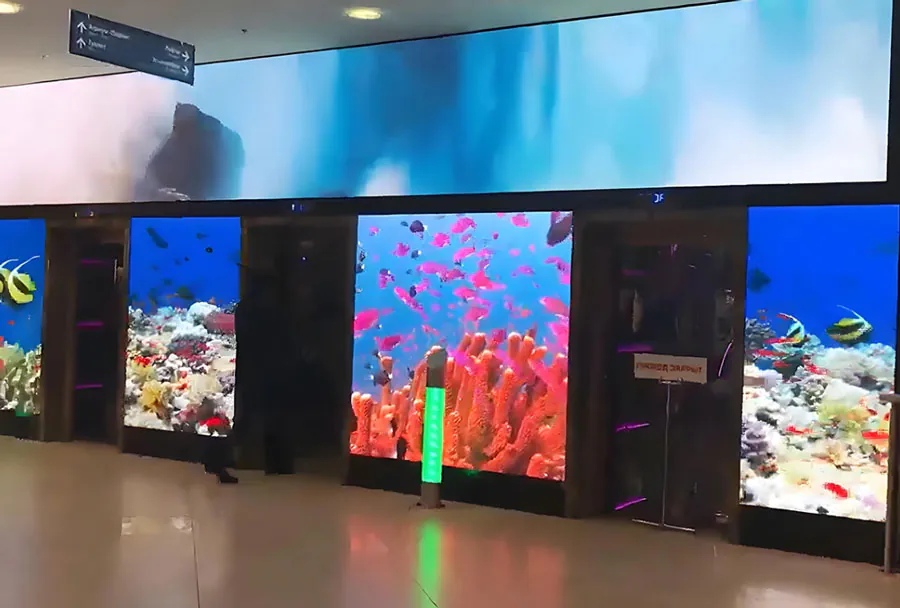
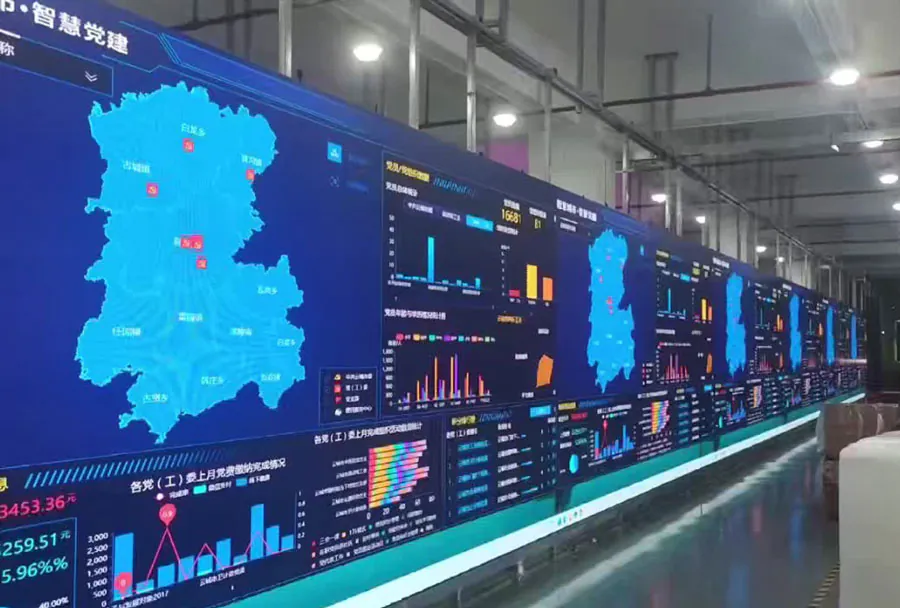
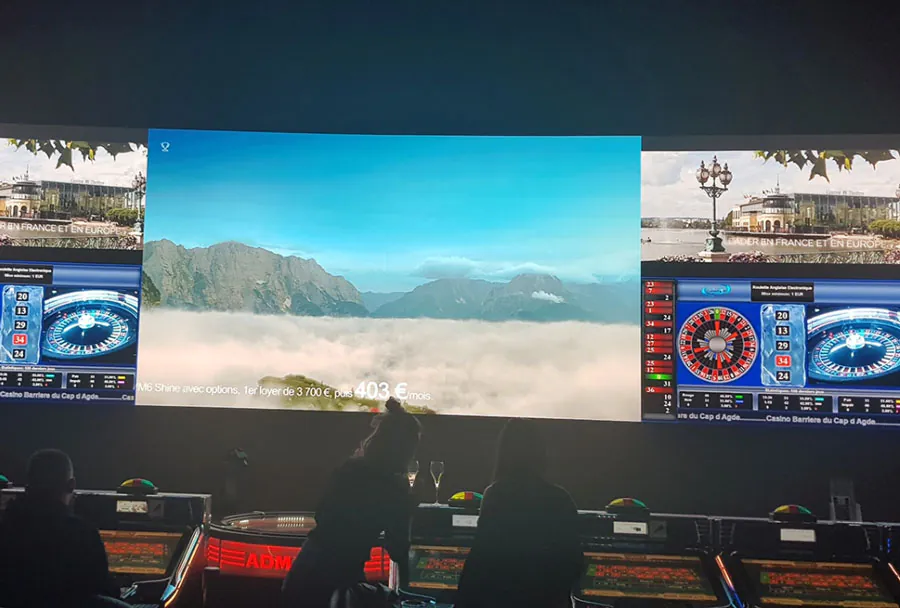
The experiential benefit is the creation of a truly seamless video wall. In control rooms, corporate boardrooms, broadcast studios, and high-end retail, this technology eliminates the “grid lines” that distract viewers and fragment critical visual data. It transforms multiple discrete units into a single, cohesive visual canvas, which is essential for immersive data visualization, uninterrupted creative content, and impactful advertising.
The Synergistic Impact: Where High Resolution Meets Narrow Bezel
The true transformative power of TW VISION’s technology is realized when high resolution and narrow bezel design operate in synergy. This combination is not simply additive; it is multiplicative in its effect on viewer experience and application scope.
A seamless video wall composed of ultra-high-resolution modules delivers an unprecedented level of visual fidelity. Complex datasets, detailed engineering schematics, live video feeds, and cinematic content can be displayed across a vast area without the degrading effect of visible pixels or disruptive black lines. This synergy is critical for Expertise-driven environments like:
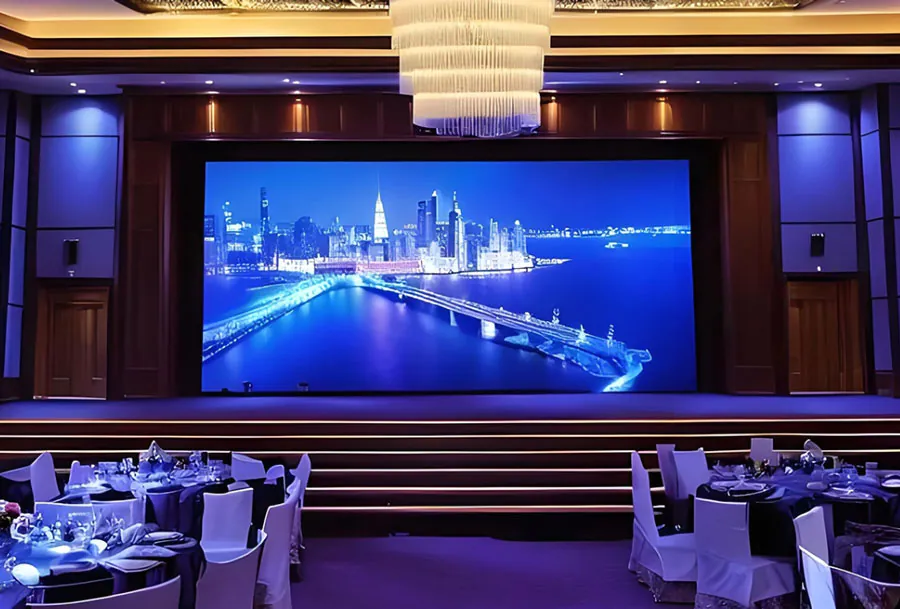
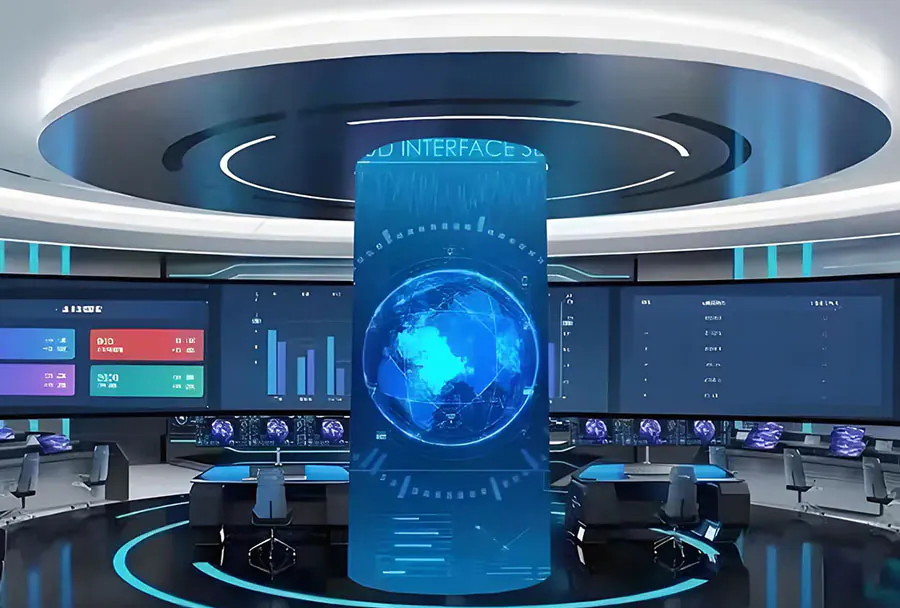
Command and Control Centers: Where operators require an uninterrupted, pixel-accurate view of real-time information for split-second decision-making.
Simulation and Visualization: In design, aerospace, or medical imaging, where the integrity of the visual model is paramount.
Broadcast and Production: Allowing directors to view content on a massive, seamless screen that accurately represents the final viewer’s experience.
From an Authoritativeness perspective, mastering this synergy signifies a manufacturer’s deep command over the entire display system stack—from micro-electronics and thermal management to software-based image processing and panel alignment. It demonstrates an ability to solve the core challenges of brightness uniformity, color matching across modules, and signal synchronization at scale.
Trustworthiness and Application Longevity
Investing in advanced display technology necessitates trust in product reliability and longevity. TW VISION’s focus on these core technologies inherently builds Trustworthiness. High-quality, densely packed LEDs driven by robust control systems typically offer longer lifespans and more stable performance. The precision required for narrow bezels also translates to higher build quality overall.
For the end-user, this means:
Reduced Total Cost of Ownership: With higher reliability and lower maintenance needs due to superior engineering.
Future-Proofing: Support for high-resolution content formats ensures the display remains relevant as content standards evolve.
Consistent Performance: The display will deliver the same seamless, high-fidelity experience on day one and for years to come, a key aspect of user Experience.
Applications demanding high trust—financial trading floors, emergency response hubs, or prestigious corporate headquarters—cannot afford display failures or visual artifacts. The technological maturity evident in combining high resolution with seamless tiling directly addresses these mission-critical reliability concerns.
Defining the Future of Focused Visual Experiences
In conclusion, TW VISION’s strategic emphasis on in-depth development of high-resolution and narrow-bezel technology for small LED displays is a direct response to the market’s demand for flawless visual communication tools. This analysis underscores that these are not isolated features but interconnected pillars of modern display excellence. The pursuit of higher pixel density delivers the clarity required for today’s rich content, while the engineering marvel of ultra-narrow bezels breaks down the physical barriers to limitless canvas creation.
Together, they enable applications that demand expertise, establish technological authority, build user trust through reliability, and ultimately create profound and immersive viewing experiences. As the boundary between the digital and physical worlds continues to blur, the technologies perfected by innovators like TW VISION will play an increasingly central role in how we visualize information, tell stories, and make critical decisions across countless industries. The small LED display, once a utilitarian device, has thus been redefined into a precision instrument for the most demanding visual tasks.