In-depth Analysis of Flexible Modules and Seamless Splicing Technology in TW VISION Custom Shape LED Screens

The landscape of visual display technology is undergoing a radical transformation, moving beyond the constraints of flat, rectangular screens towards immersive, architecturally integrated canvases. At the forefront of this revolution is TW VISION, a brand synonymous with innovation in custom-shaped led displays. The magic behind their ability to create stunning curves, waves, spheres, and other non-traditional forms lies in two core technological pillars: advanced flexible modules and precision seamless splicing technology. This analysis delves into the engineering, benefits, and real-world applications of these technologies, establishing their critical role in modern digital installations.
1. The Foundation: Anatomy of a Flexible LED Module
Traditional LED modules are rigid, built on solid printed circuit boards (PCBs) that cannot bend or flex. TW VISION’s flexible modules fundamentally re-engineer this concept.
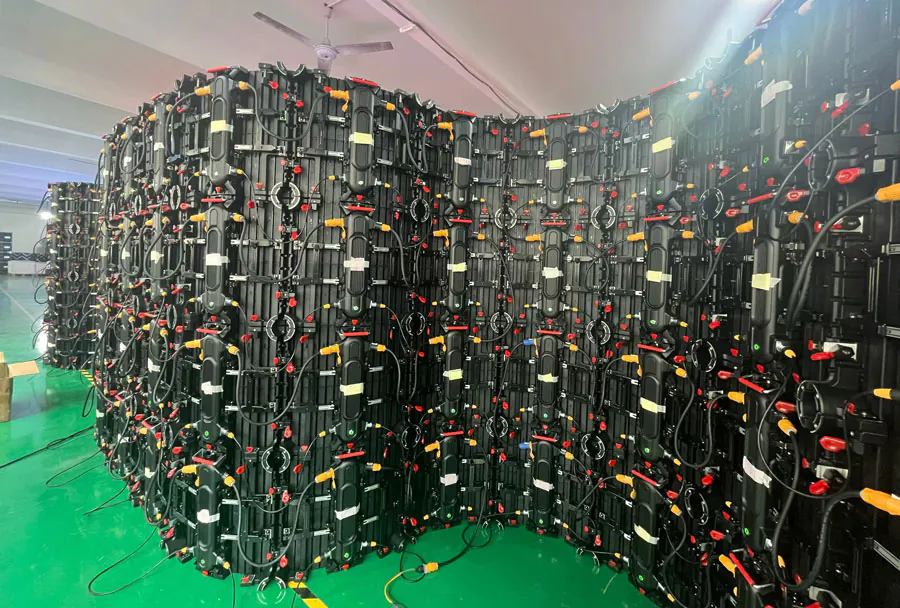
Flexible PCB Substrate: The core innovation is the replacement of the rigid FR-4 PCB with a flexible substrate, often made from materials like polyimide. This base can bend, twist, and conform to various surfaces without damaging the electrical pathways.
Mini/Micro-LED Integration: To achieve true flexibility, the LED chips themselves must be robust and miniaturized. TW VISION employs high-density Mini LED or, in premium lines, Micro LED chips. These tiny, high-brightness diodes are directly mounted (using techniques like Chip-on-Flex or COF) onto the flexible substrate, creating a thin, lightweight, and pliable display layer.
Protective Encapsulation: The delicate components are protected by a high-transparency, flexible silicone or polymer encapsulation layer. This material must maintain optical clarity, provide environmental protection (against moisture, dust, and UV rays), and, most importantly, withstand repeated flexing without cracking or yellowing.
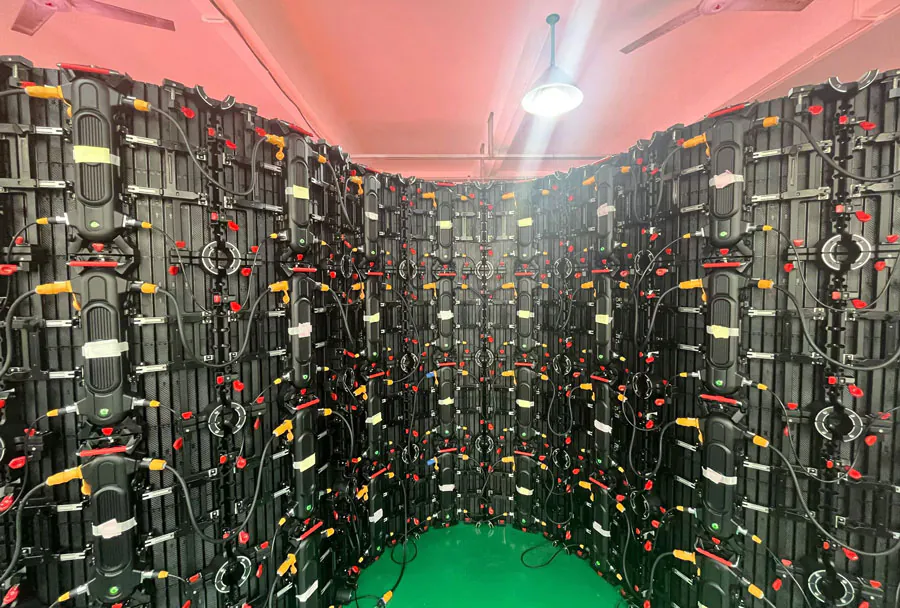
Magnetic or Mechanical Mounting: Flexible modules are designed for rapid installation on custom-fabricated structures. They often feature integrated strong neodymium magnets or specialized clip systems, allowing them to snap securely onto curved backplates or frames, ensuring precise alignment.
This modular flexibility is the essential building block, but alone, it does not guarantee a seamless visual experience. That is where splicing technology takes center stage.
2. The Art of the Invisible Joint: Seamless Splicing Technology
The challenge with any multi-module display is the visible gap or “bezel” between panels. For custom shapes, this problem is compounded by non-linear junctions. TW VISION’s seamless splicing technology addresses this through a multi-faceted approach.
Ultra-Narrow Bezel Design: Engineers strive for physically negligible bezels on the flexible modules themselves, often achieving sub-millimeter gaps. This minimizes the “dead zone” between active display areas from the outset.
Precision Manufacturing and Calibration: Each module undergoes stringent factory calibration. Using high-precision automated optical inspection (AOI) and correction systems, color consistency, brightness uniformity, and gamma curves are matched across thousands of modules before shipment. This ensures that when modules are placed side-by-side, they behave as a single, homogeneous unit.
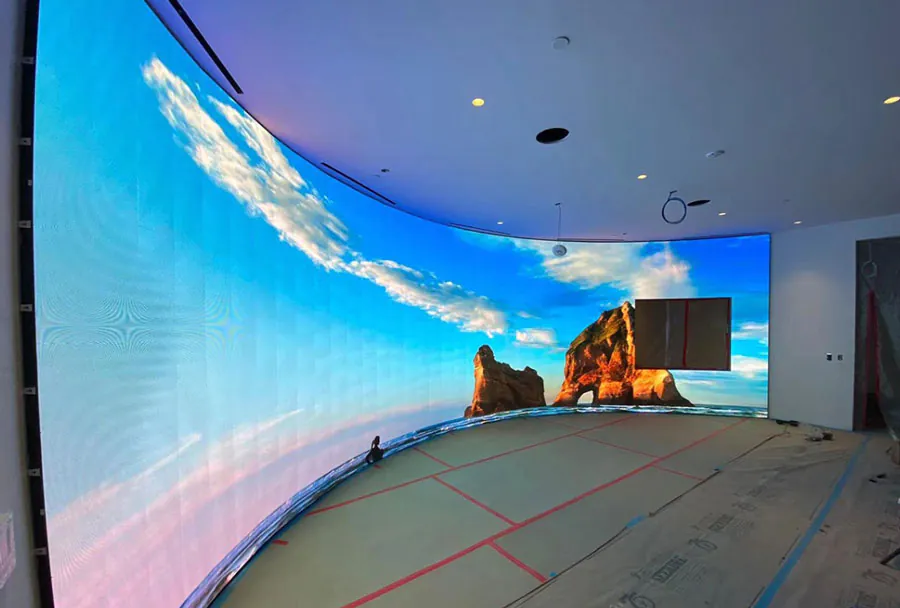
Advanced Cabinet Design for Curves: For curved installations, the underlying cabinet structure is engineered with meticulous geometric accuracy. The splicing is not just planar but three-dimensional. Modules are designed to interlock along curved trajectories, maintaining consistent gap tolerances even around complex radii.
Intelligent Software Compensation: Hardware perfection has limits. This is where sophisticated software completes the illusion. TW VISION’s proprietary display processors and calibration software employ:
Pixel-by-Pixel Brightness & Chromaticity Correction: Fine-tuning individual LEDs near seams to eliminate any visible “tiling” effect.
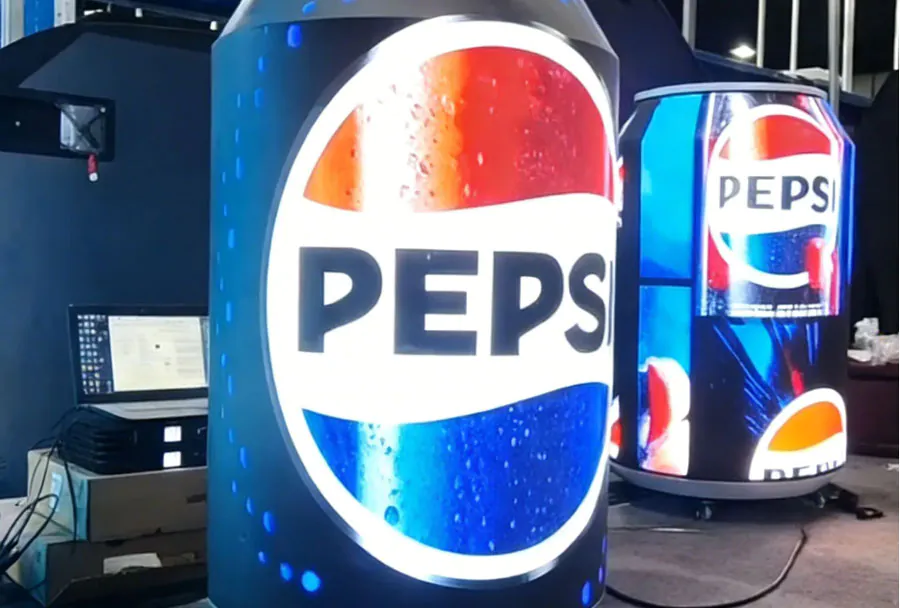
Geometric Correction & Mapping: For non-standard shapes (like cylinders or domes), the software warps the input image in real-time to perfectly align with the physical layout of the modules, ensuring visuals are not distorted by the screen’s shape.
3. Synergistic Benefits: Why This Combination is Transformative
The convergence of flexible modules and seamless splicing creates a value proposition far greater than the sum of its parts.
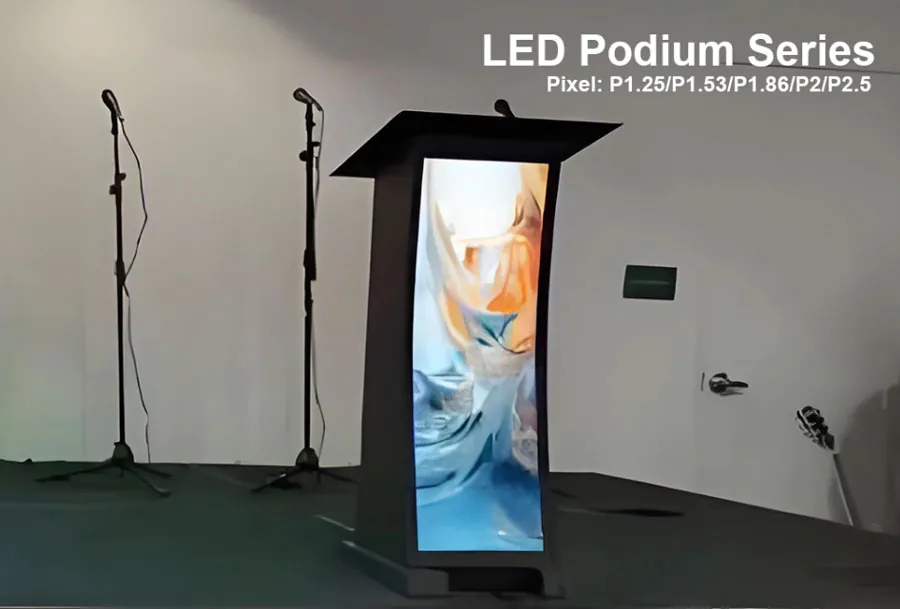
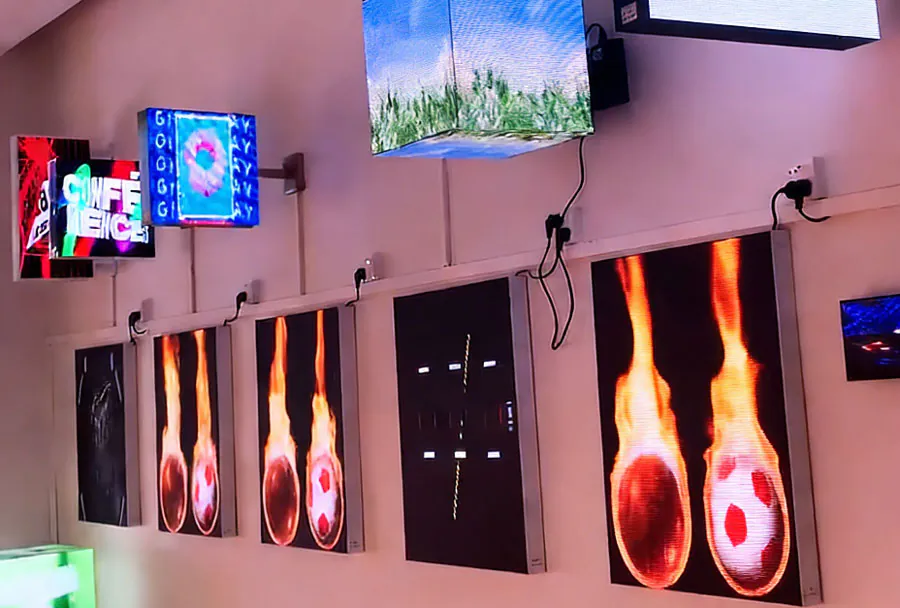
Unlimited Creative Freedom: Designers and architects are no longer limited by the screen. Screens can now wrap around columns, form perfect cylinders for retail pods, create immersive dome ceilings, or become dynamic sculptural art pieces. TW VISION’s technology turns the LED display into a malleable design material.
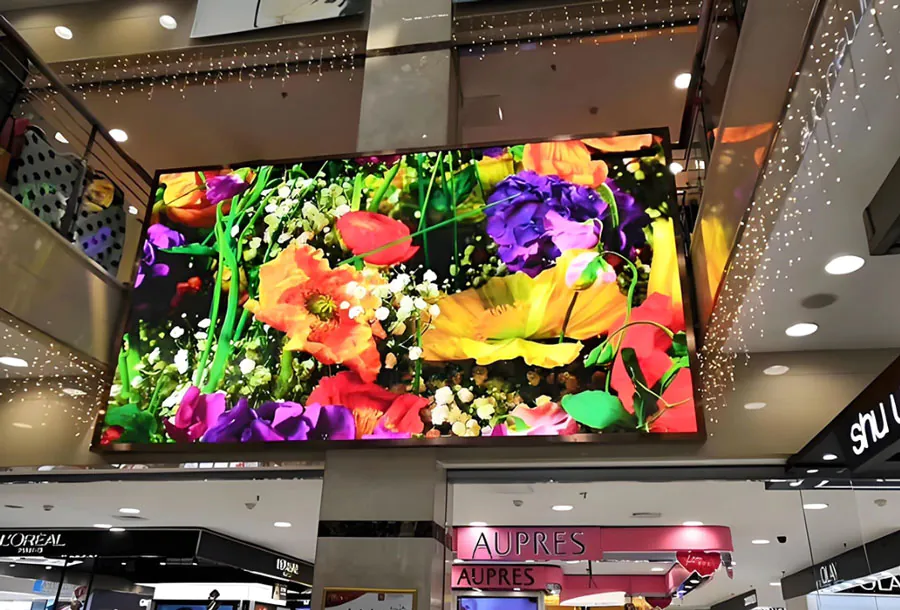
Superior Visual Integrity: The ultimate goal is a flawless image regardless of shape. This technology stack delivers exceptional viewing experiences with wide angles, consistent color, high contrast, and no disruptive grid lines, crucial for high-end applications like broadcast studios, command centers, and luxury retail.
Robustness and Reliability: Contrary to intuition, a well-engineered flexible system can be highly durable. The absence of large, rigid panels reduces stress points. The flexible materials can absorb minor vibrations and structural shifts, making installations more resilient over time.
Installation and Maintenance Efficiency: The lightweight, magnetic modular system significantly reduces installation time and complexity, especially on complex frames. Individual modules can be replaced quickly without major disassembly, lowering lifetime cost of ownership.
4. Real-World Applications and Industry Impact
TW VISION’s technology is not theoretical; it is shaping spaces across industries.
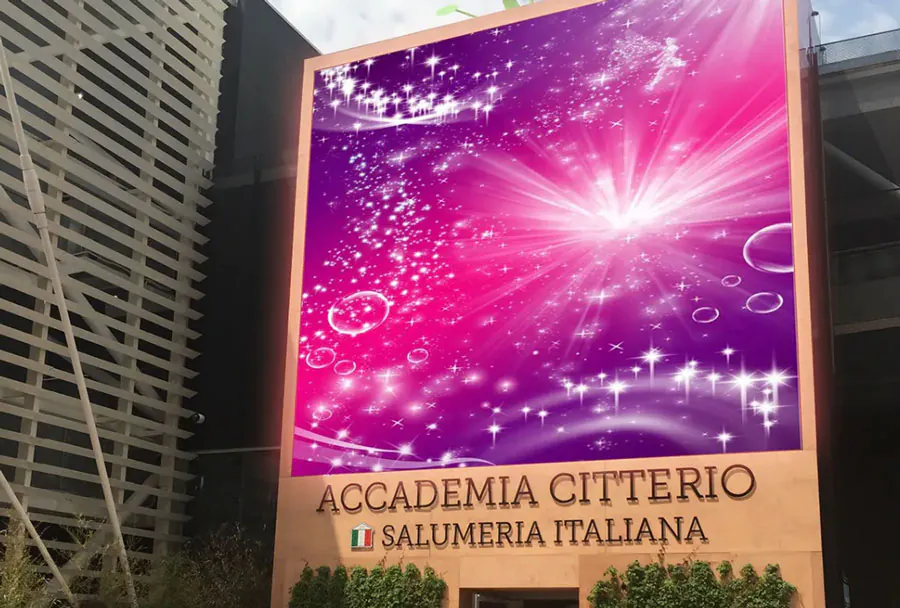
Architectural Integration: Buildings with curved facades incorporate LED media walls that follow the structure’s flow, transforming architecture into a dynamic communication medium.
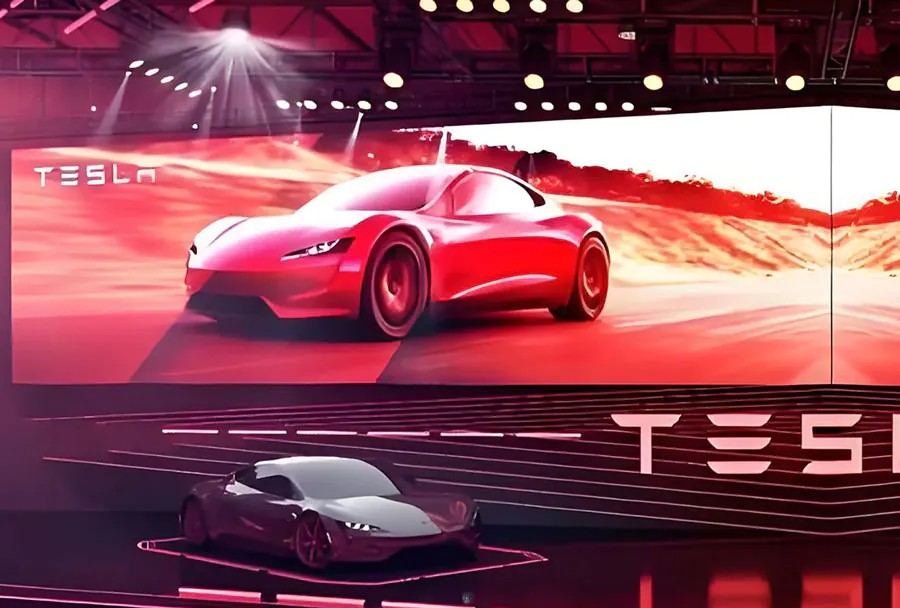
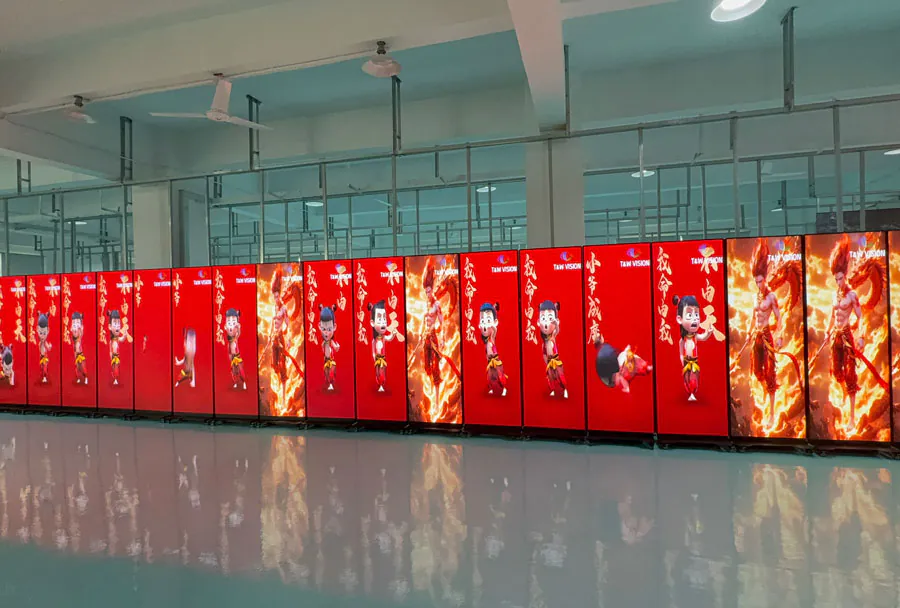
High-End Retail & Exhibitions: Brand experiences are elevated with custom-shaped screens that form tunnels, product silhouettes, or immersive brand logos, driving engagement and memorability.
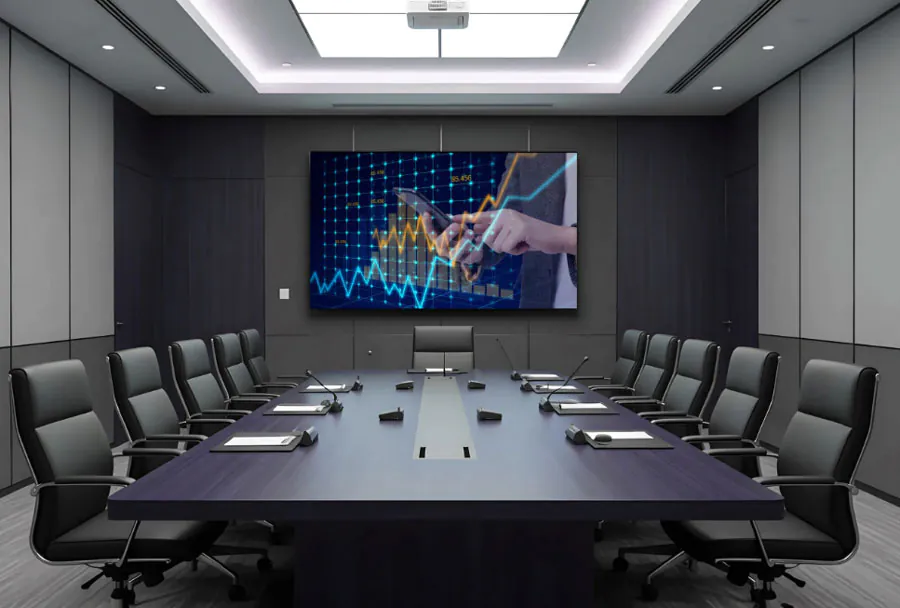
Broadcast & Corporate: News studios and corporate boardrooms use curved, seamless video walls for data visualization and presentations that appear as a single, continuous canvas, enhancing professionalism and clarity.
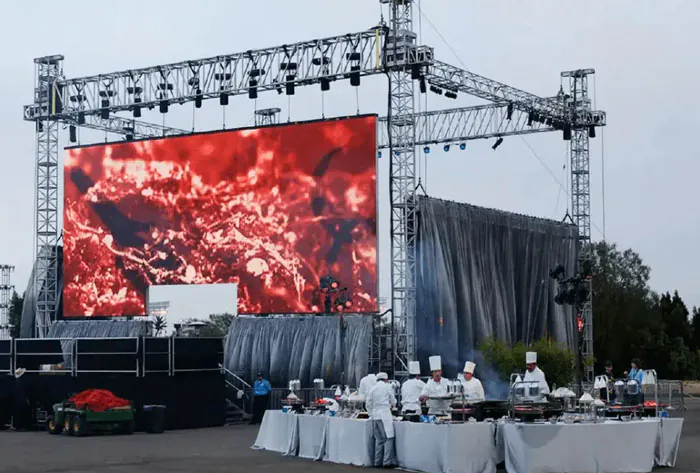
Entertainment & Events: Concert stages, museum exhibits, and theme park attractions leverage these screens to create environments that are truly enveloping, breaking the “fourth wall” of traditional displays.
Redefining the Canvas of Light
TW VISION’s mastery of flexible modules and seamless splicing technology represents a paradigm shift in the LED display industry. It moves the technology from being a simple “output device” to an integrated design element. By solving the fundamental physical and optical challenges of shape and seam, they have unlocked a new realm of possibilities for visual communication. This in-depth analysis confirms that for professionals seeking to create not just displays, but breathtaking visual environments, understanding and leveraging this synergistic technology is essential. It establishes TW VISION’s authority in the field, born from practical engineering excellence and proven through transformative applications worldwide. The future of display is not flat—it is flexible, seamless, and limited only by imagination.