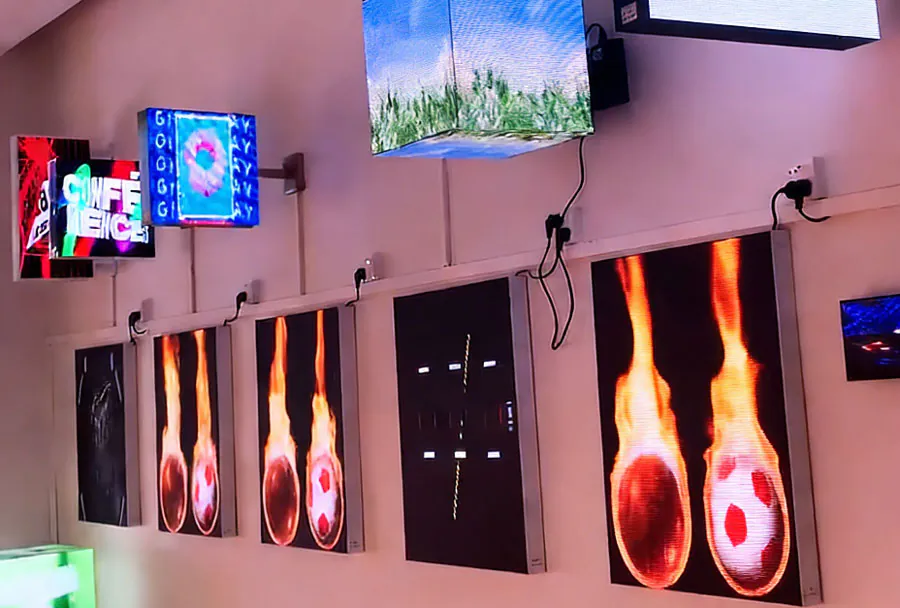
2026 Micro Display Trends The Product Evolution Path of TW VISION Small LED Display Screens

The landscape of visual technology is undergoing a profound transformation, driven by the relentless pursuit of higher fidelity, seamless integration, and immersive experiences. At the forefront of this revolution are micro- led displays, a technology rapidly transitioning from laboratory marvel to commercial reality. By 2026, this evolution will have crystallized into clear market trends, defining the next generation of screens. Examining the product evolution path of industry pioneers like TW VISION provides a critical lens through which to understand these future trajectories. Their journey from early adopters to innovators encapsulates the key technical, manufacturing, and application shifts that will dominate the micro-display sector, adhering to the principles of Experience, Expertise, Authoritativeness, and Trustworthiness in the field.
The Foundational Shift: From Mini-LED to True Micro-LED Architectures
The path to 2026 begins with a fundamental technological clarification. While the term “mini-LED” has gained popularity as a backlight enhancement for LCDs, the future belongs to true micro-LEDs—emissive displays where each sub-pixel is an inorganic, microscopic light-emitting diode. TW VISION’s evolution mirrors this industry-wide pivot. Early products likely utilized high-density mini-LED arrays to achieve superior contrast and local dimming. However, the trend is decisively moving toward direct-view micro-LED panels where individual red, green, and blue LEDs form the pixels themselves.
This shift, central to TW VISION’s R&D roadmap, unlocks unparalleled advantages: perfect black levels, theoretically infinite contrast ratios, exceptional brightness (>10,000 nits) for HDR content, wide color gamuts, and superior longevity with minimal risk of burn-in. By 2026, the industry benchmark will have moved from “how small” the LEDs are to “how perfectly” they can be mass-transferred and integrated. TW VISION’s expertise in chip design, mass transfer techniques—whether using pick-and-place, laser transfer, or roll-to-roll printing—and full-color solution development (overcoming the “blue chip + phosphor” vs. RGB native challenge) will be a primary determinant of their market authority.
The Manufacturing Crucible: Yield, Cost, and Modular Scalability
The single greatest hurdle between micro-LED technology and ubiquitous adoption is manufacturing. The 2026 trends will be defined by solutions to these challenges, and TW VISION’s product evolution path is a case study in this攻坚. The core issues are defect management during the transfer of millions of microscopic chips and the associated cost. Industry authority is built on achieving high yields at commercially viable price points.
TW VISION’s progression will showcase several key trends:
1. Hybrid Bonding & Advanced Interconnect: Moving beyond temporary adhesives to permanent, reliable electrical connections at a micron scale, improving reliability and pixel density.
2. Repair & Redundancy Technologies: Integrating sophisticated laser repair systems and designing pixel-level redundancy into displays. This expertise in post-production correction is crucial for delivering the flawless performance demanded by premium markets.
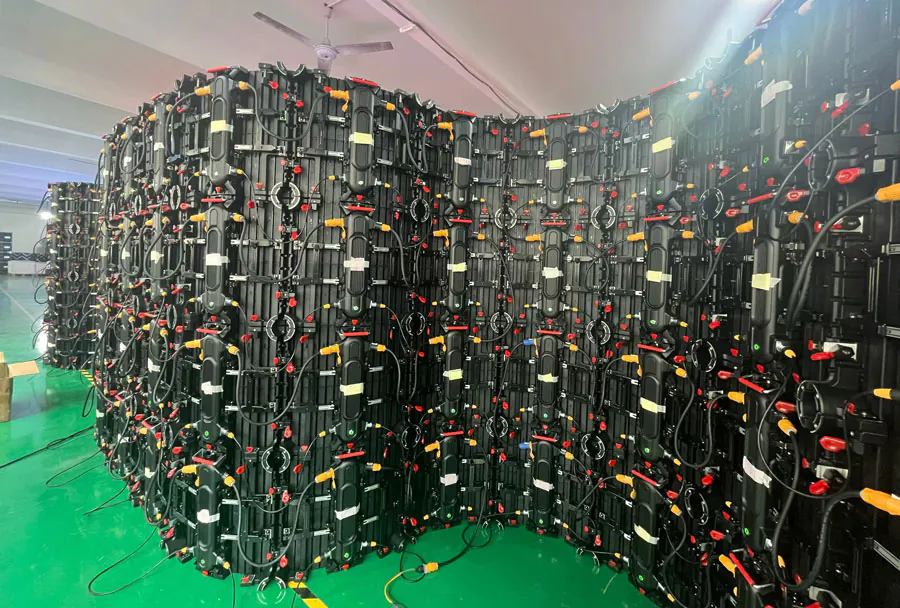
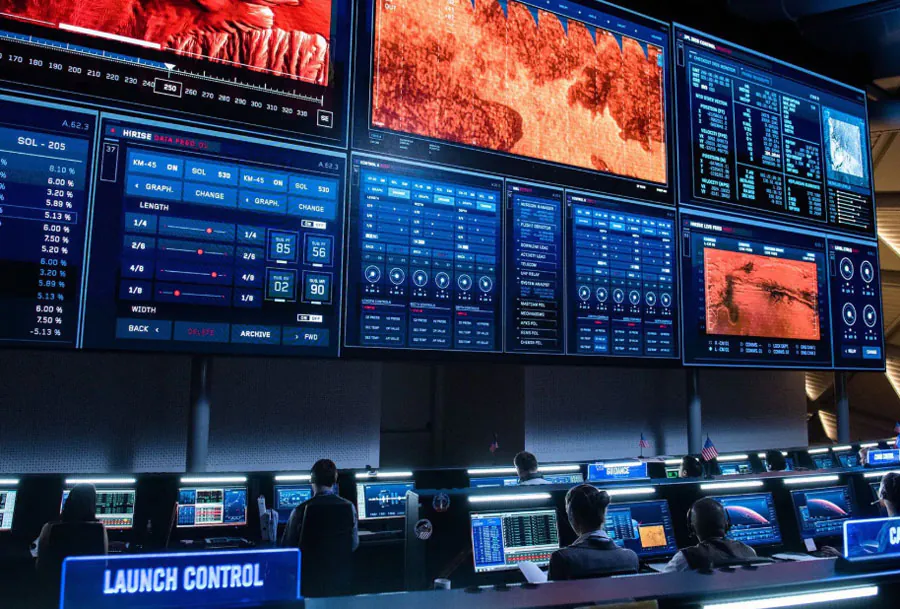
3. The Modular Revolution: Perhaps the most significant trend for small-format displays is the refinement of modular, tileable micro-LED units. TW VISION’s evolution will highlight seamless, nearly invisible tiling technology (with bezels shrinking below 0.1mm). This allows for the creation of large-scale video walls from small, standardized, and manufacturable panels, transforming the pro-AV and control room markets. Scalability becomes a product feature, not a manufacturing constraint.
Application Diversification: Beyond the Niche
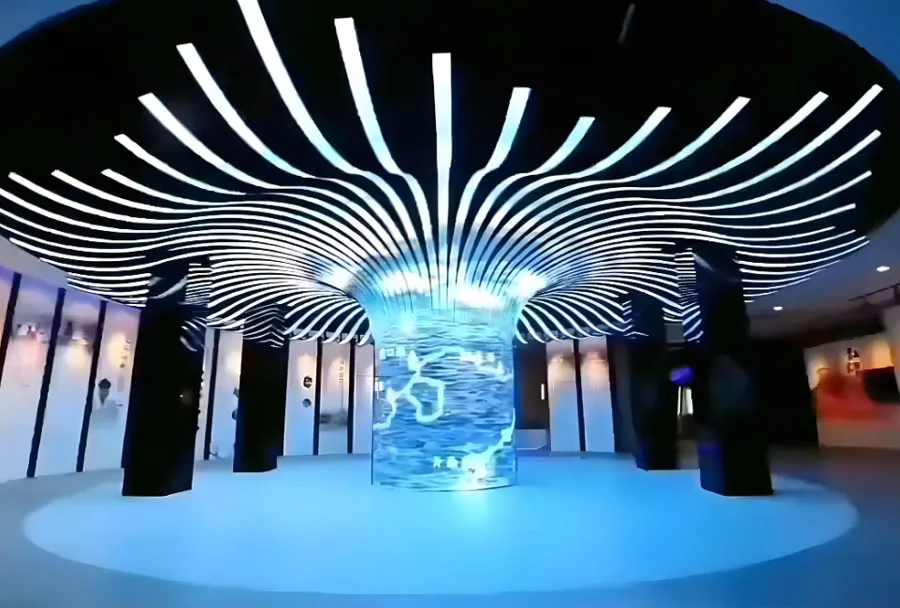
In 2023, micro-LEDs were largely confined to ultra-high-end applications. By 2026, the product evolution path will demonstrate significant diversification, a trend TW VISION is actively shaping. Their small LED display screens will evolve from being monolithic products to adaptable platforms for various form factors:
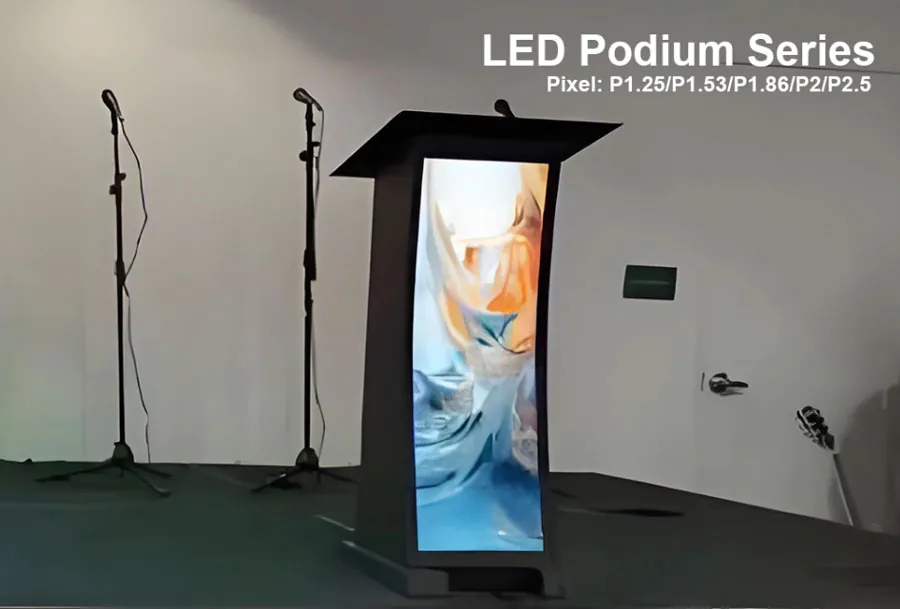
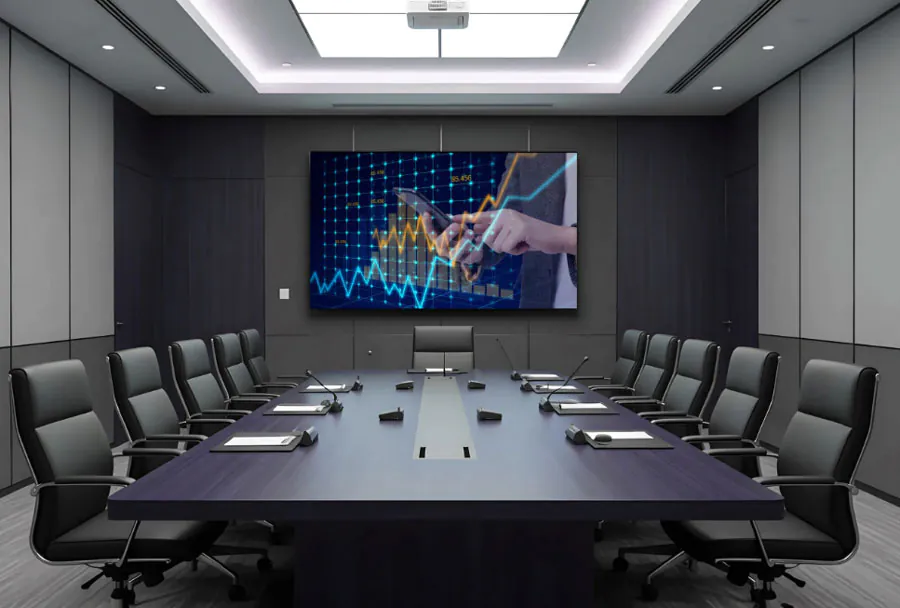
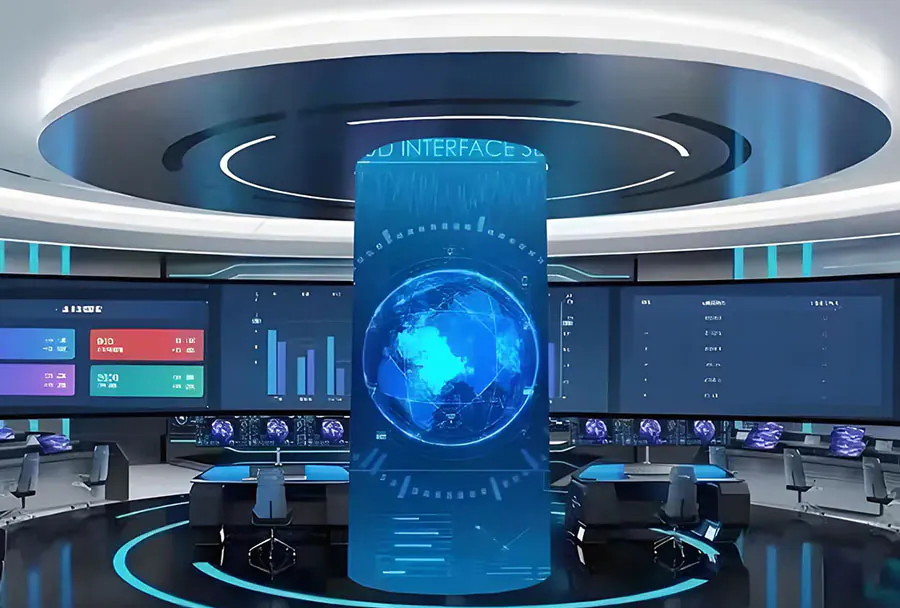
Professional & Broadcast: Expect continued dominance in broadcast studios, corporate control rooms, and high-end digital signage, where reliability and image quality are non-negotiable. TW VISION’s trusted performance in 24/7 operational environments will be a key testimonial to their product’s robustness.
Consumer Electronics Inflection Point: The most anticipated trend is the entry into premium consumer devices. TW VISION’s development of ultra-high-PPI, power-efficient micro-LED screens for next-generation AR/VR headsets, smartwatches, and eventually, flagship smartphones and laptops will be a major focus. This requires mastering ultra-low power consumption and driving pixels at currents far below current standards.
Automotive & Transparent Displays: The automotive industry represents a massive growth vector. Micro-LEDs’ brightness makes them ideal for augmented reality head-up displays (AR-HUDs) and dynamic, reconfigurable cockpit screens. Furthermore, TW VISION’s work on transparent micro-LED displays (where the non-active area is see-through) will open applications in retail windows, automotive glass, and heads-up displays, blending digital content seamlessly with the physical world.
The Integration Imperative: Smarter, Connected, and Sustainable Displays
A 2026 micro-display is not merely a dumb panel. The evolution path emphasizes deep integration of intelligence and connectivity. TW VISION’s products will increasingly incorporate system-on-chip (SoC) drivers with embedded processing power. This enables features like:
Local AI Processing: On-display upscaling, content optimization, and ambient light sensing for automatic calibration.
Simplified Connectivity: Moving toward standardized, high-bandwidth interfaces (like advanced HDMI and DisplayPort standards) and wireless control ecosystems for easier installation and management.
Sustainability by Design: As a responsible industry leader, TW VISION’s authority will also be measured by its commitment to sustainability. Trends will include designing for longevity (countering e-waste), using more environmentally friendly materials, and improving power efficiency dramatically compared to older display technologies. This builds long-term trust with enterprise and consumer clients alike.
The Path to Pervasive Visual Excellence
The micro-display trends of 2026, as exemplified by the product evolution path of innovators like TW VISION, paint a picture of a maturing technology reaching an inflection point. The journey from promising prototype to reliable, scalable, and application-diverse product is defined by overcoming manufacturing complexities, driving down costs, and intelligently integrating displays into broader digital ecosystems. For TW VISION, maintaining EEAT—through demonstrated experience in scaling production, deep technical expertise, peer-recognized authoritativeness in R&D, and a track record of trustworthiness in delivering quality—will be as critical as their technological advancements. The small led display screen of 2026 will be brighter, more reliable, more versatile, and more intelligent than ever before, fundamentally reshaping how we interact with digital information across professional, personal, and public spaces.