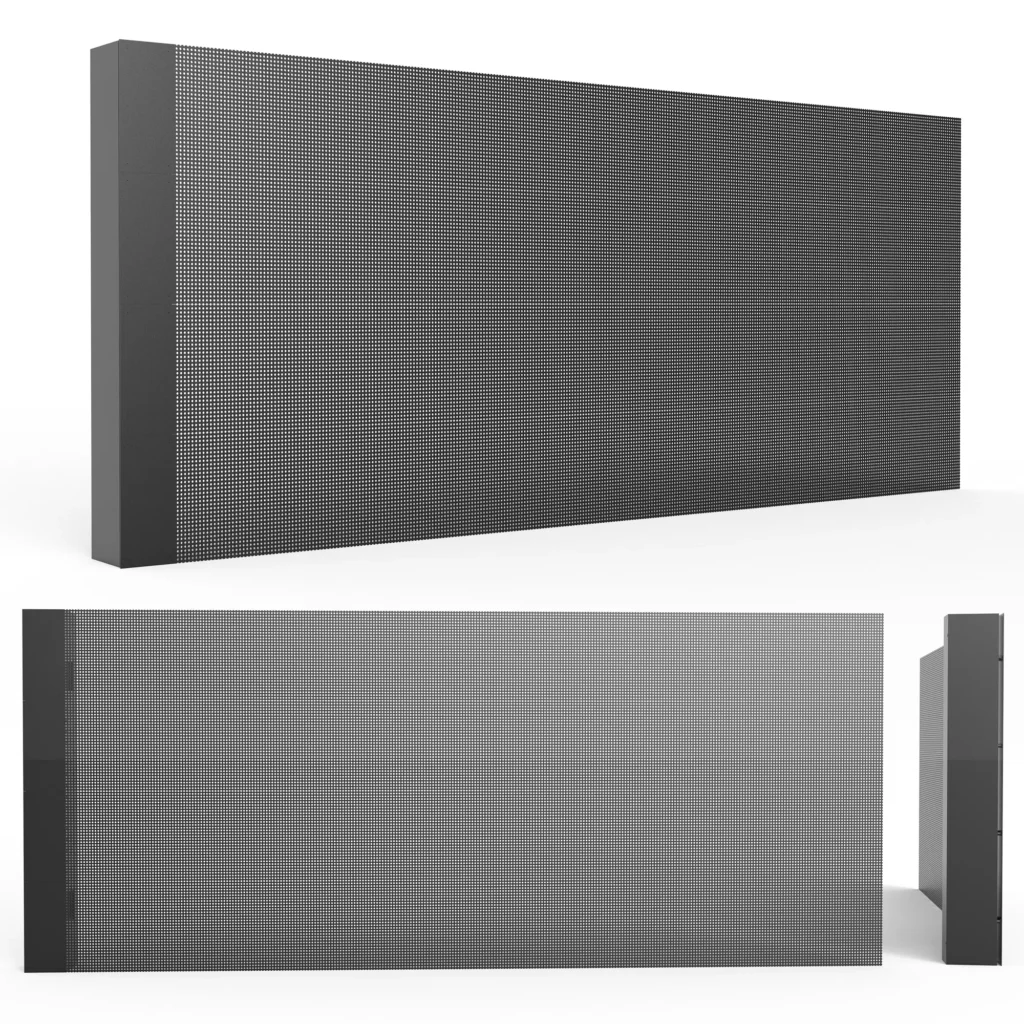
Ultra-Thin Flexible LED Display for Modern Interior Design

In contemporary interior design, the boundary between architecture, lighting, and digital media is dissolving. Homes, retail stores, hotels, museums, and corporate spaces are no longer defined only by materials like wood, stone, and glass—they are increasingly shaped by dynamic visuals, interactive storytelling, and ambient digital atmospheres. At the center of this evolution is the ultra-thin flexible led display: a technology that brings high-impact visual expression into places where traditional rigid screens cannot fit.
As a professional service provider in LED display solutions, TW VISION is helping designers and brands transform walls, columns, ceilings, and curved surfaces into vibrant digital canvases—without compromising elegance, comfort, or architectural intent.
1. Why Ultra-Thin Flexible LED Displays Matter in Interior Design
Modern interiors prioritize three things: clean lines, spatial flow, and experience. Yet conventional display hardware often disrupts these priorities. Bulky cabinets, fixed dimensions, heavy mounting structures, and visible seams can clash with refined interior concepts. Ultra-thin flexible LED displays address these constraints by combining strong visual performance with design adaptability.
Unlike traditional rigid LED panels, flexible LED modules can conform to curved or irregular surfaces. Their minimal thickness reduces visual intrusion, allowing the display to feel integrated rather than “installed.” This makes them ideal for designers who want digital features to appear seamless—almost architectural.
2. The Design Freedom of Flexibility: Curves, Columns, and Custom Forms
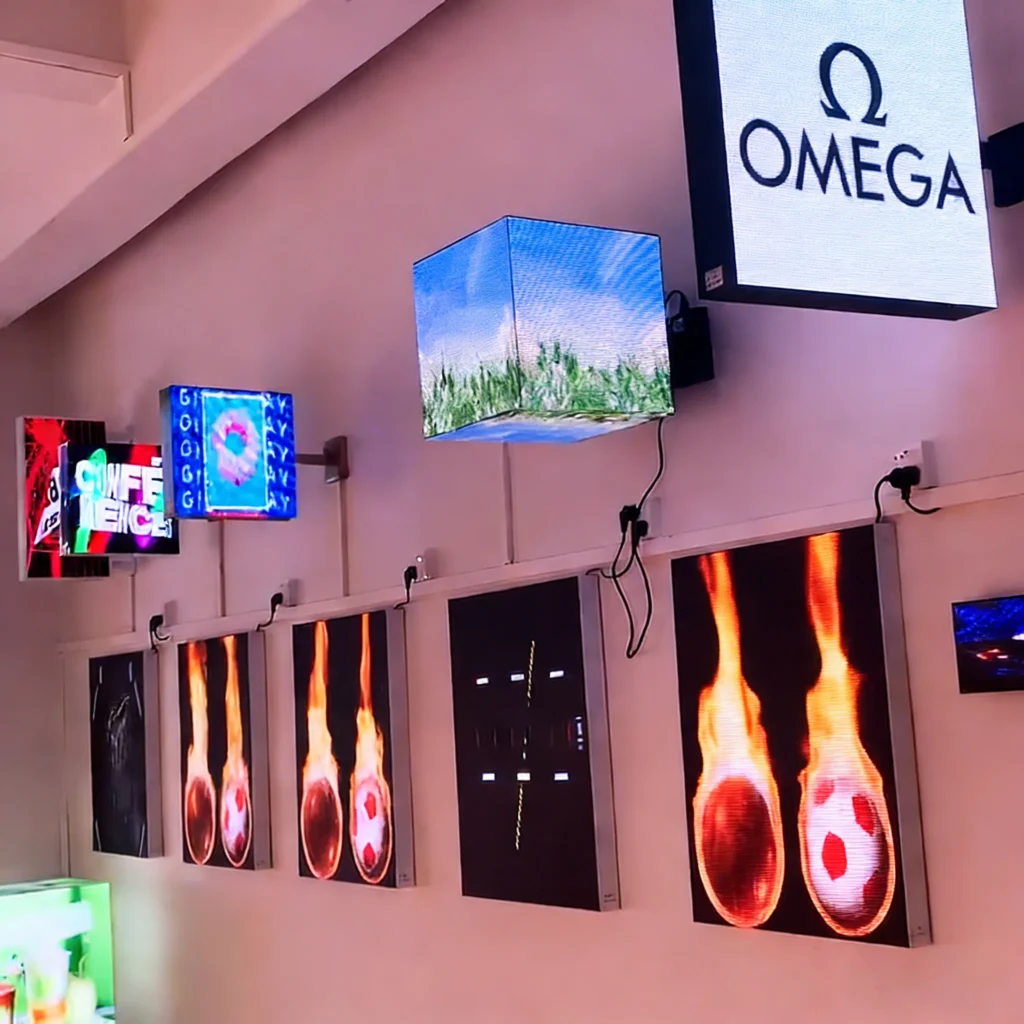
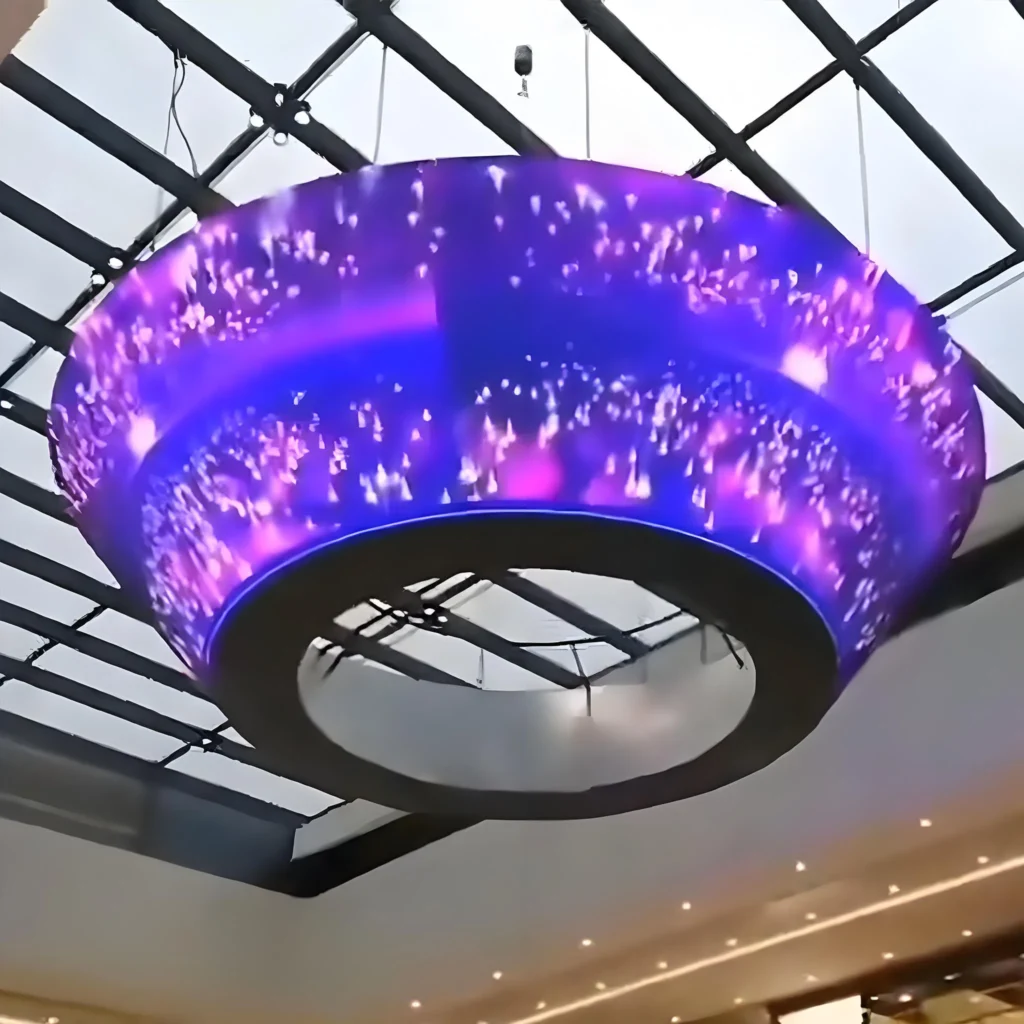
Flexibility is not only a technical feature; it is a creative tool. In interior design, curves convey softness, luxury, and futurism. With ultra-thin flexible LED displays, designers can wrap content around structural elements and create immersive environments that feel more like art than equipment.
Common interior applications include:
– Curved feature walls in reception areas, where brand visuals flow naturally across a surface.
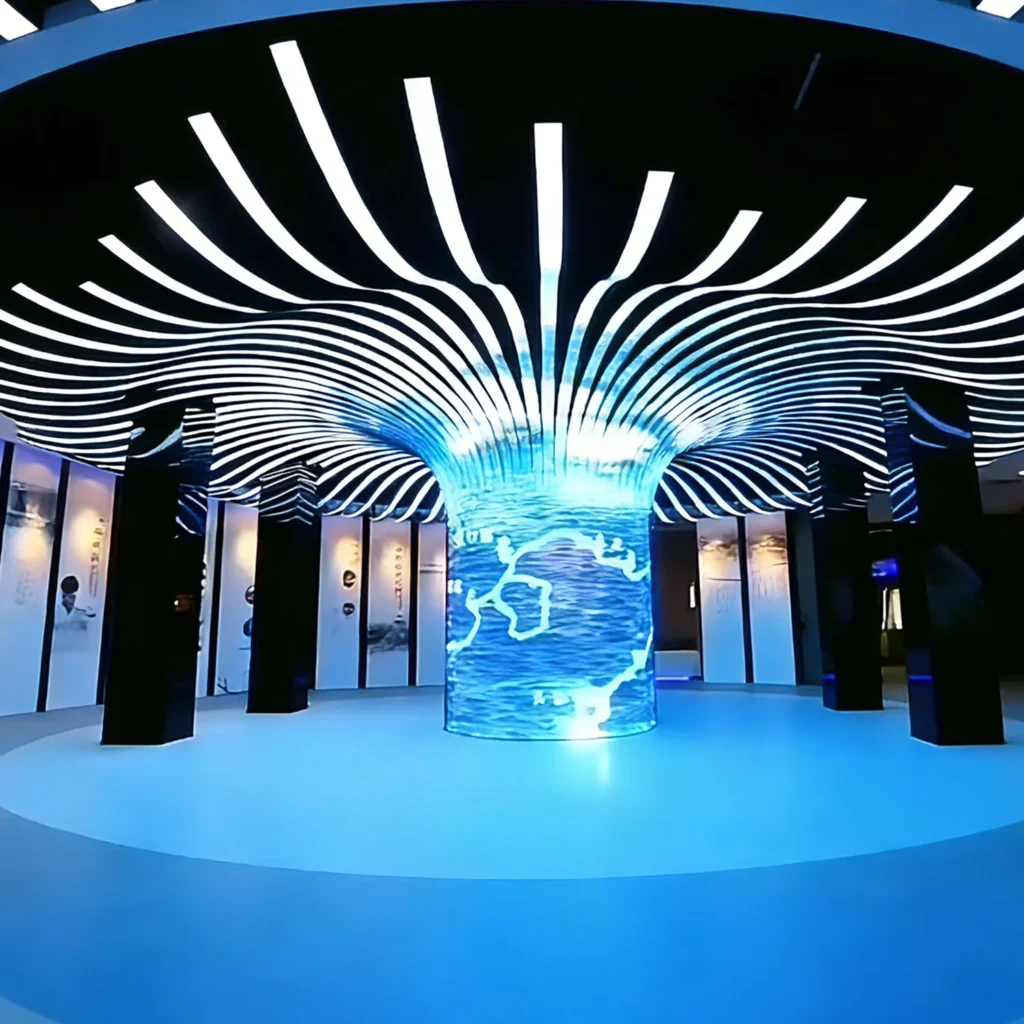
– LED columns in malls or hotel lobbies, turning structural supports into animated sculptures.
– Arched ceilings and coves, where light and motion guide visitors through space.
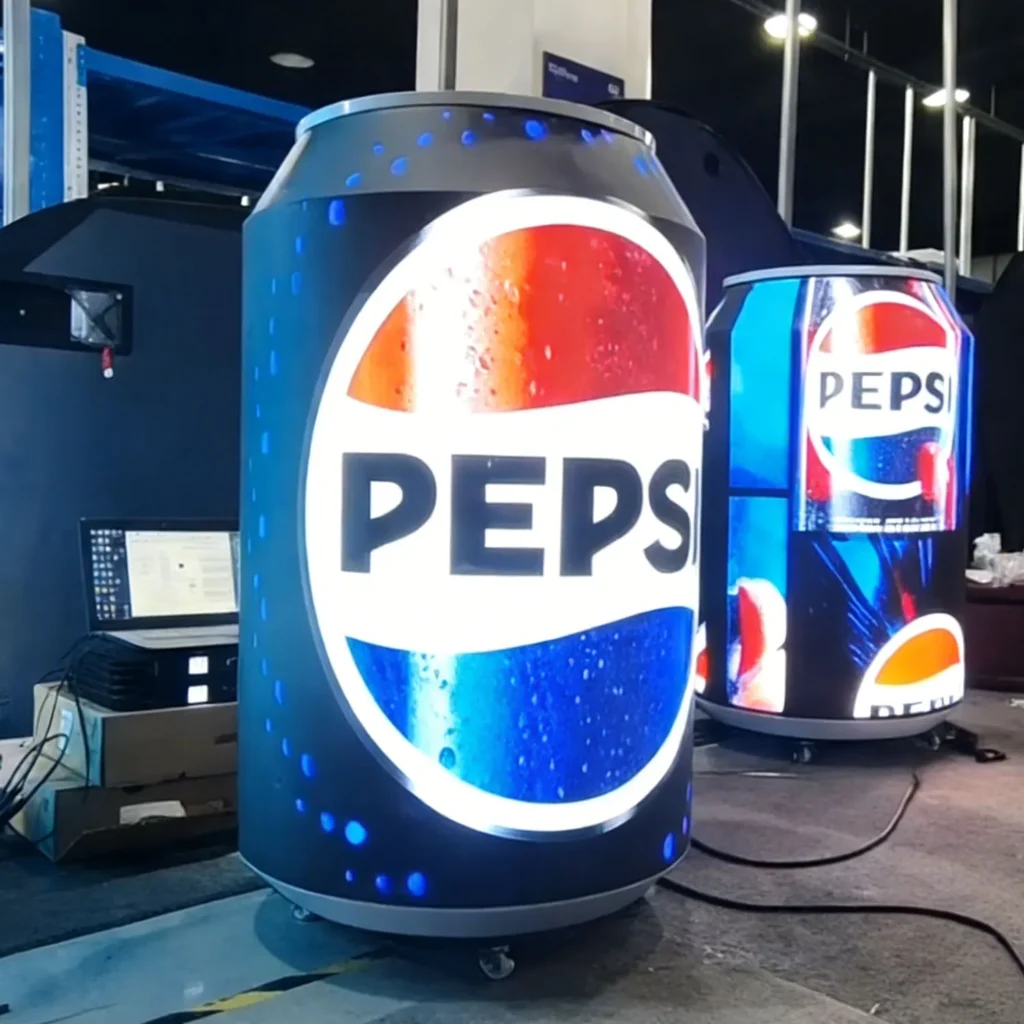
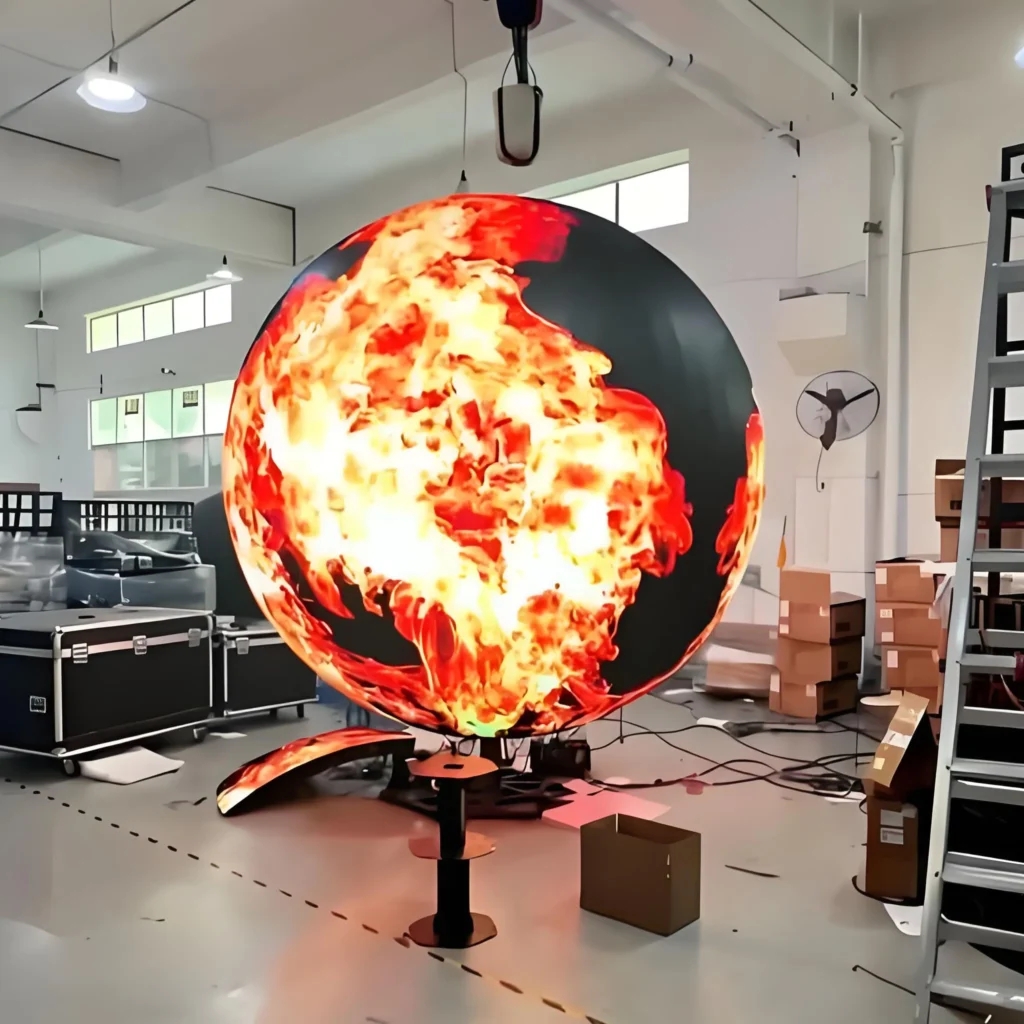
– Round or wave-like retail backdrops, enhancing product storytelling and seasonal campaigns.
TW VISION supports projects that require customization, helping translate design sketches into feasible display structures with stable performance and refined finishes.
3. Ultra-Thin = Minimalism: Clean Integration Without Visual Noise
Ultra-thin design matters because modern interiors often aim for simplicity. A screen should not look like a heavy black rectangle attached to a wall; it should feel like part of the environment. Ultra-thin flexible LED displays can be integrated into:
– flush wall systems, where the display sits level with surrounding materials;
– decorative panels, combining LED modules with wood, metal, or composite finishes;
– hidden-frame concepts, reducing visible borders and enhancing immersion.
With thoughtful integration, LED displays become an interior surface rather than an object. TW VISION typically approaches this by aligning the display plan with architectural details—edges, lighting lines, and materials—to ensure harmony rather than disruption.
4. Visual Performance That Enhances Atmosphere, Not Just Brightness
Interior design requires a different display philosophy than outdoor advertising. Indoors, the goal is not maximum brightness—it’s balanced visual comfort. Ultra-thin flexible LED displays are well-suited for interior environments because they can deliver:
– high-resolution imagery for close viewing;
– smooth color transitions for ambient motion graphics;
– stable brightness control for day-to-night scene changes;
– wide viewing angles for open spaces like lobbies or galleries.
In hospitality or premium retail, visual content must feel sophisticated and calm, not harsh. TW VISION supports display configurations that match the lighting design strategy—so the screen complements the mood rather than overpowering it.
5. Replacing Static Decor with Dynamic Storytelling
Traditional interior decor is static: wallpaper, murals, posters, and signage remain the same until renovation. Ultra-thin flexible LED displays introduce a new approach—decor that updates instantly. Spaces can shift their identity daily, seasonally, or event-by-event without construction downtime.

Examples of dynamic storytelling in interiors include:
– Hotel lobbies displaying local culture, art-inspired visuals, or welcome messages that change by event.
– Flagship retail stores switching campaigns instantly across curved digital walls.
– Museums and exhibitions using flexible LED backdrops to create immersive historical scenes.
– Corporate spaces presenting brand narratives, ESG messages, or data visualizations in a refined way.
TW VISION often works with clients to align content strategy with the physical design, ensuring that motion graphics and visual pacing enhance the environment instead of distracting from it.
6. Ultra-Thin Flexible LED Displays in Retail: Conversions Through Experience
In retail, design is not purely aesthetic—it influences behavior. An ultra-thin flexible LED display can improve customer engagement because it can be placed exactly where attention naturally flows: along curves, at entry sightlines, behind hero products, or around interactive zones.
Designers and brand teams can use flexible LED to:
– highlight product features with subtle motion backgrounds;
– create “infinite shelf” storytelling without cluttering physical space;
– guide customers through sections using animated cues;
– elevate perceived brand value through premium visual ambience.
With TW VISION’s service support, retailers can adopt solutions that scale—from compact boutique installations to immersive flagship environments—while maintaining consistent brand quality.
7. Hospitality and High-End Residential: Luxury That Feels Effortless
Hotels and luxury residences increasingly aim for “quiet technology”—powerful capabilities that remain visually understated. Ultra-thin flexible LED displays fit this philosophy. They can be integrated into lounge walls, private cinema rooms, dining areas, or corridor features while maintaining a sophisticated architectural look.
In high-end projects, the emphasis is on:
– seamless integration with materials and lighting;
– low visual noise (thin profile, clean edges);
– content style control, ensuring visuals match the interior tone;
– comfort-first viewing, avoiding glare or aggressive brightness.
TW VISION supports premium installations with attention to detail—because in luxury spaces, finishing quality and integration discipline are as important as the pixels.
8. Practical Considerations: Installation, Maintenance, and Longevity
A flexible display must still meet real-world project requirements: stability, serviceability, and long-term reliability. For interior designers and project managers, the practical questions often include:
– How does the display mount onto curved structures safely?
– Can maintenance be performed without damaging surrounding finishes?
– Will the system remain stable under long daily operating hours?
– Can it support future content formats and control systems?
A professional service provider like TW VISION typically addresses these concerns with end-to-end support, including solution planning, structural considerations, system configuration, and operational guidance. The goal is not just to install a display, but to deliver a system that remains dependable while preserving the design intent for years.
9. Sustainability and Efficiency: Smarter Digital Surfaces
Interior design increasingly values sustainability—both in materials and in operational efficiency. LED technology, when properly configured, can offer energy-efficient performance compared to many traditional high-output display alternatives. Additionally, replacing printed seasonal decor with digital updates reduces repeated material waste.
Ultra-thin flexible LED displays also support adaptive brightness and scheduling, allowing spaces to run content only when needed. TW VISION can assist clients in planning operating strategies that balance visual impact with energy-conscious goals.
10. The Future of Interior Design Is Adaptive—and Ultra-Thin Flexible LED Is a Key Material
As interiors become more experiential, the role of the designer expands: from shaping form and function to orchestrating mood, story, and interaction. Ultra-thin flexible LED displays are becoming a new “material” in the design toolbox—one that offers light, motion, and narrative while respecting architecture.
With the ability to wrap around curves, disappear into minimalist surfaces, and deliver refined visual atmospheres, this technology is ideal for modern interior design across retail, hospitality, corporate, and residential environments.
TW VISION stands at the intersection of design ambition and technical execution, enabling spaces to evolve from static decoration to living, responsive environments. In a world where experiences define value, ultra-thin flexible LED displays are not just screens—they are architectural storytellers, shaping how people feel, move, and remember a space.