Professional Indoor LED Screen Rental Services for Conferences

Conferences are no longer just about the speaker and slides. Today’s audiences expect immersive, crystal-clear visuals, dynamic content transitions, and seamless integration with live AV systems. Professional indoor LED screen rental services transform conference spaces into visually compelling environments that elevate presentations, brand experiences, and attendee engagement. This article explores why renting indoor LED screens for conferences is a strategic choice, what technical and logistical factors matter, how to choose the right provider, and practical checklists and cost considerations to ensure a successful event.
Why Choose Indoor LED Screens for Conferences?
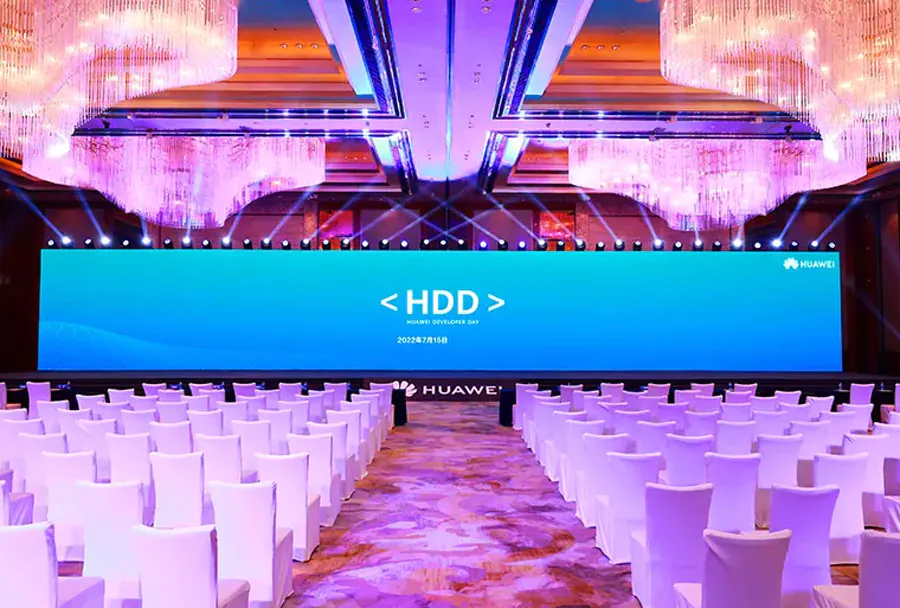
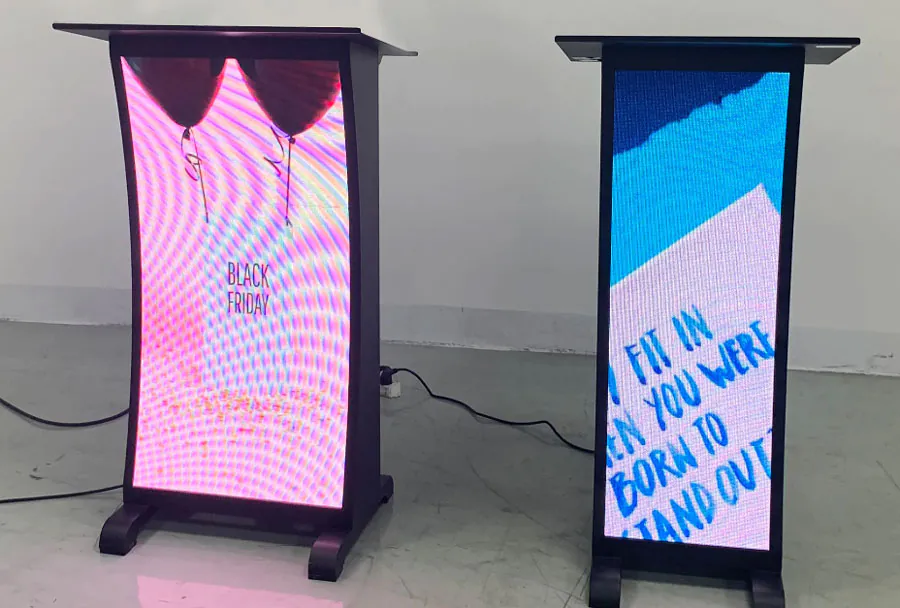
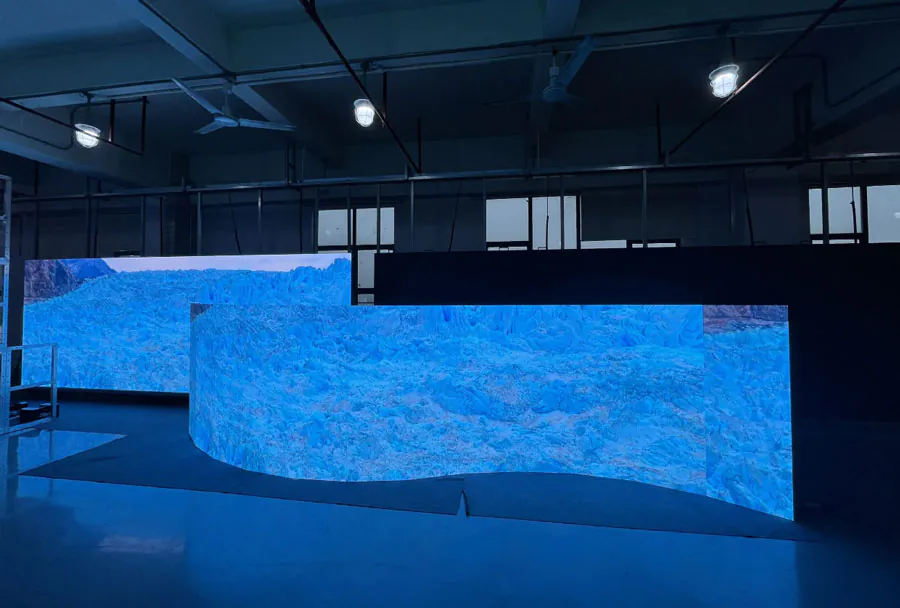
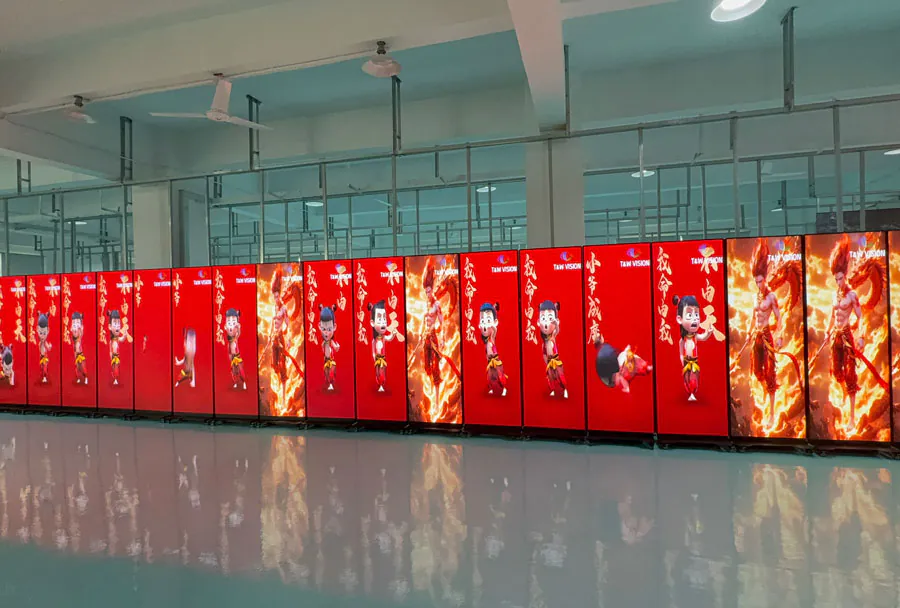
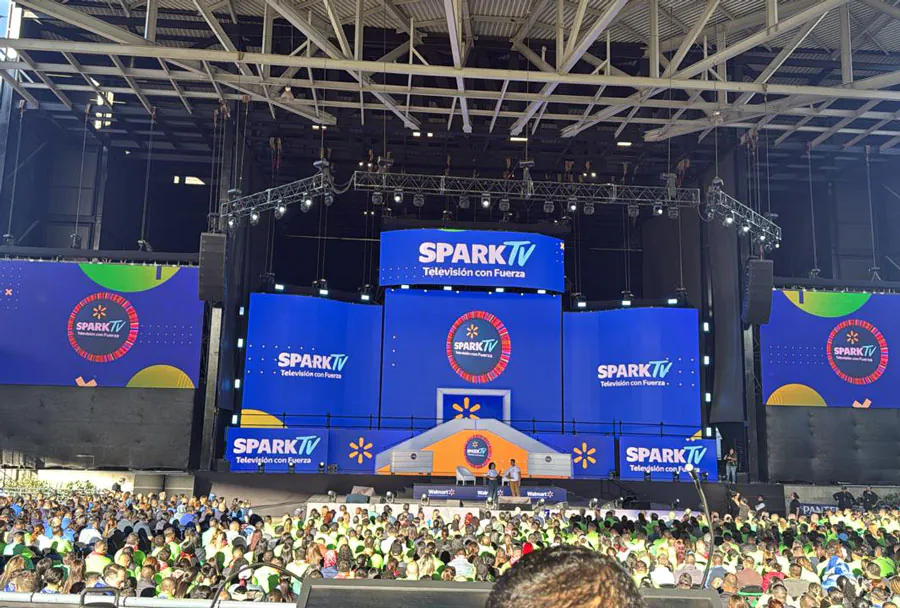
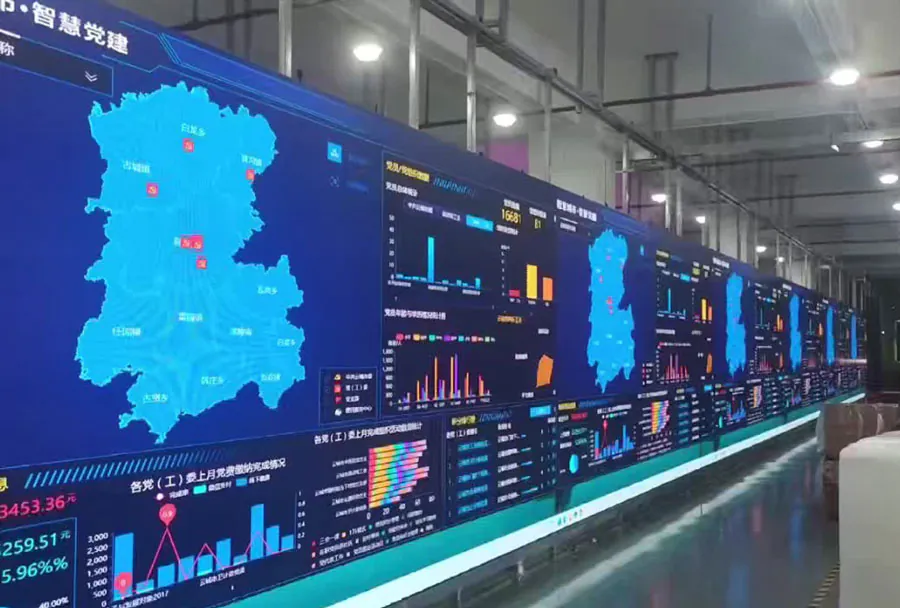
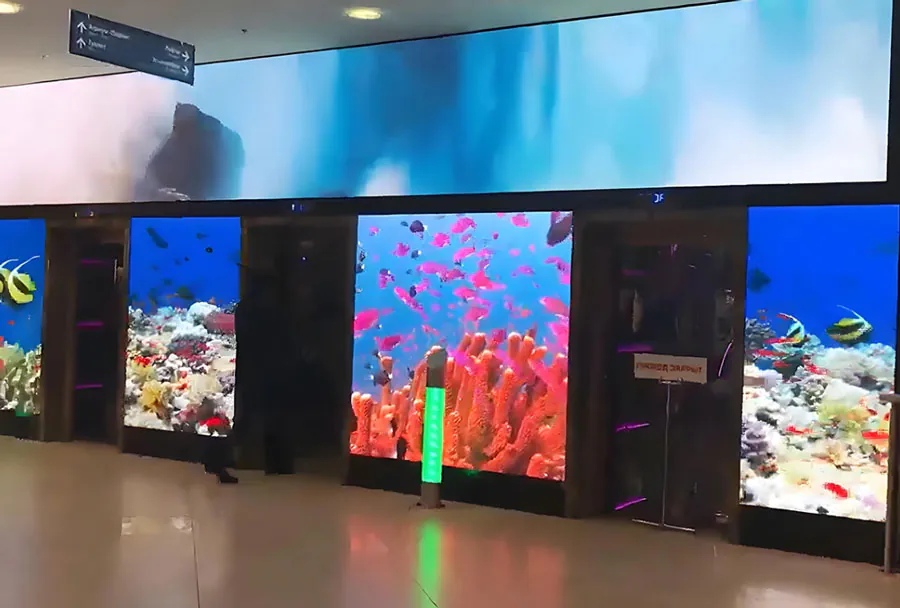
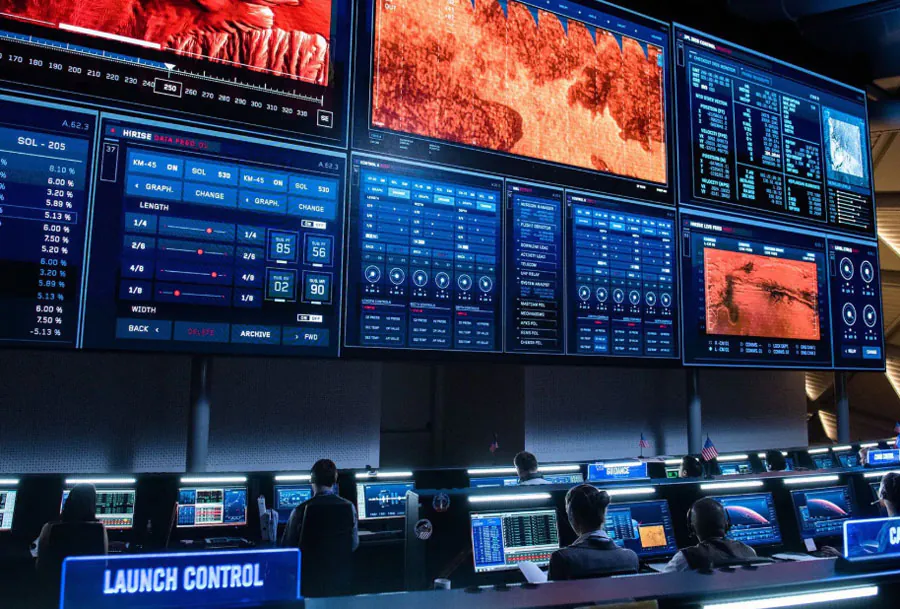
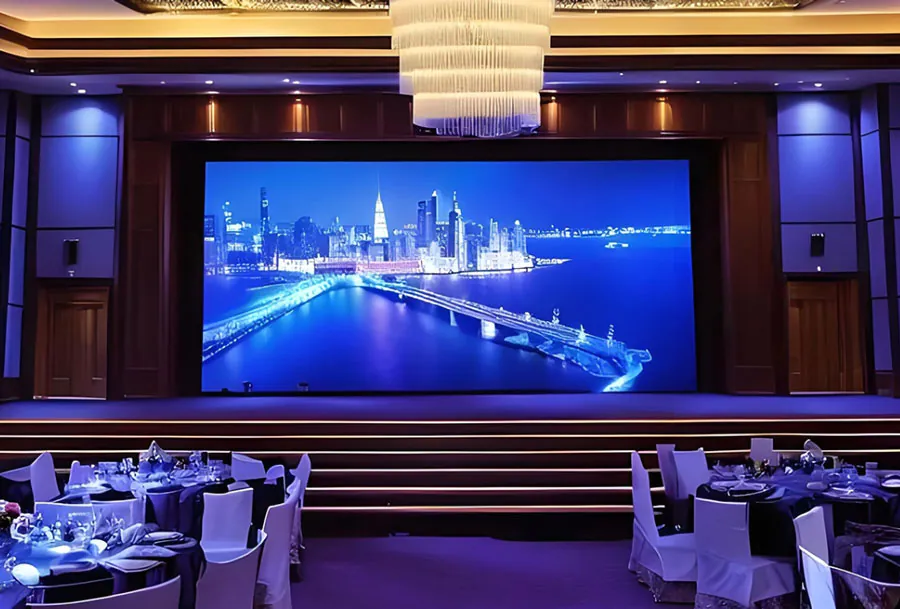
Indoor LED screens offer advantages over traditional projection and LCD video walls. They provide higher brightness, better color accuracy, and superior contrast—making content readable even under strong venue lighting. LED screens have no projector lamp issues and deliver consistent image quality across large surfaces. They also allow for flexible shapes and configurations: seamless large-format displays, curved walls, stage backdrops, and multi-panel arrays that create impressive visual canvases without visible bezels. For branding-driven conferences, the visual impact alone can justify the investment in professional LED rentals.
Key benefits:
– Exceptional brightness and color fidelity in varied lighting conditions.
– Scalability: from small stage screens to multi-panel theatre-sized walls.
– Seamless images with narrow pixel pitch and near-invisible joins.
– Durable and reliable for multi-day or traveling events.
– Fast setup and strike when handled by experienced rental crews.
Technical Considerations: Choosing the Right LED Screen
Selecting the right LED screen depends on conference size, viewing distance, content resolution, and venue limitations.
– Pixel pitch: Denotes the distance between LED center points; smaller pitch (e.g., P1.5–P2.6) yields higher pixel density and is ideal for close viewing, such as front-row or trade-show booths. Larger pitch (P3–P6) is acceptable for bigger auditoriums where the audience sits farther from the screen.
– Resolution and aspect ratio: Match the screen resolution to the native resolution of your content. Many rental providers offer configurable pixel matrices allowing 16:9 or custom ratios.
– Brightness and HDR: Indoor LED panels typically range 800–3,000 nits. For conference rooms with stage lights, 1,000–1,500 nits generally provide good clarity. HDR-capable screens enhance dynamic range for modern video content.
– Viewing angle: Wide viewing angles ensure consistent color and brightness across the audience, which is critical for rooms with lateral seating.
– Refresh rate and scan: High refresh rates (3,840 Hz or more) prevent flicker in camera recordings and live streams—important for hybrid conferences.
– Rigging and mounting: Consider whether the venue supports flown truss mounts, ground-supported structures, or wall-mounted assemblies. Rental vendors should provide engineered rigging plans when necessary.
Logistics and Onsite Services
A professional rental vendor does more than deliver panels. Full-service offerings typically include:
– Site survey and load-in planning: Pre-event inspections identify power access, sightlines, room dimensions, and rigging points.
– Custom design and visualization: CAD drawings and renderings help stakeholders visualize screen placement and stage design.
– Installation, calibration, and testing: Color calibration, seam alignment, and video chain testing ensure pixel-perfect output.
– Technical crew and operation: Experienced technicians manage switching, scaling, media servers, and live feeds during the event.
– Redundancy and spare parts: Onsite spares (power supplies, data cables, control boxes, spare modules) and backup processors reduce downtime risk.
– Strike and logistics: Efficient dismantle and transport post-event to minimize overtime charges and venue disruption.
Content and AV Integration
Content is king, but the playback chain is equally important. Rental companies often provide or recommend media servers, switchers, and playback operators. Core integration points:
– Media servers: Robust servers (e.g., disguise, Brompton, or other high-end servers) handle complex multi-layer video, warping, and seamless edge blends.
– Signal distribution: Fiber or HDBaseT solutions reduce signal degradation over long cable runs. Ensure proper synchronized LED controllers across panels.
– Live sources: Camera inputs, presentation laptops, and streaming encoders must be routed cleanly with minimal latency. Check compatibility for 4K or multi-channel audio requirements.
– Content formatting: Confirm that video codecs, frame rates, and aspect ratios are matched. Provide files in advance for encoding and test playbacks.
– Remote management and monitoring: For multi-room events or hybrid conferences, remote control and monitoring capabilities allow central operators to adjust screens and troubleshoot.
Vendor Selection: Questions to Ask Potential Providers
Choosing the right rental partner is as important as choosing the screen itself. Here are essential questions:
– What pixel pitch and panel models do you offer for indoor conferences?
– Can you provide references or case studies of similar-sized events?
– Do you handle rigging engineering and venue approvals?
– What is included in the rental package (installation, technicians, spare parts)?
– How do you manage content playback and signal routing?
– Do you offer on-site calibration and color management services?
– What redundancy and emergency support do you provide?
– Are insurance and liability coverage provided or required for venue compliance?
Pricing and Cost Factors
Rental pricing depends on multiple variables: panel size and pixel pitch, event duration, location, crew size, transportation, and additional equipment like media servers and rigging. Typical rental components include:
– Panel rental: Charged per square meter or per panel, often higher for fine-pitch panels.
– Labor: Day rates for technicians, riggers, and operators.
– Transport and logistics: Delivery and pickup fees depending on distance and size.
– Ancillaries: Media server rental, switchers, cables, mounts, and truss.
– Setup time: Extended load-in/load-out windows can increase costs.
Below is an analysis table comparing common indoor LED options for typical conference scenarios. This is illustrative—actual pricing and specs will vary by vendor and region.
| Screen Type | Typical Pixel Pitch | Ideal Room Size / Viewing Distance | Brightness (nits) | Estimated Rental Cost (per day) |
|---|---|---|---|---|
| Fine Pitch Front-of-Stage | P1.5–P2.6 | Small auditoriums, 10–30 ft viewing | 800–1200 | $1,500–$4,000 |
| Standard Event Wall | P2.9–P3.9 | Mid-size rooms, 30–60 ft viewing | 1000–1500 | $2,500–$7,000 |
| Large-Scale Conference Wall | P4.8–P6.0 | Large halls, >60 ft viewing | 1200–2000 | $5,000–$15,000 |
| Curved or Custom Shape Panels | P2.6–P4.8 | Custom stages, exhibit booths | 1000–1500 | $3,000–$12,000 |
| Transparent / Architectural Indoor | P3.9–P5.9 | Foyers, lobbies, decorative backdrops | 800–1200 | $2,000–$8,000 |
(hint: costs vary heavily by market, event complexity, and included services)
Case Studies and Use Scenarios
– Keynote Launch Event: A tech company used a seamless P2.6 LED wall as a stage backdrop to display high-resolution product imagery and live camera feeds. Integrated media server playback allowed dynamic transitions between keynote slides and full-motion video. The result: high audience engagement and professional broadcast-ready visuals captured for post-event distribution.
– Multi-Track Conference: For a conference with multiple breakout rooms, a rental provider supplied standardized P3 panels and portable mounts. Modular panels made it possible to build different-sized walls per room. Centralized media servers pushed brand-compliant content while local operators managed session-specific materials.
– Hybrid Conference: A global association hosted a hybrid event with both live attendees and remote participants. High refresh-rate LED panels ensured camera-friendly output, eliminating flicker and sync issues. The vendor supplied redundant streaming encoders and a technical director to manage camera feeds and switching, enabling a smooth live-stream experience.
Risk Management and Redundancy
To minimize the risk of technical failures:
– Test everything onsite well before doors open; perform full dress rehearsals with live inputs.
– Maintain spare panels, controllers, and power units on-site.
– Use redundant media servers or playback machines in hot-standby configuration.
– Implement UPS systems for critical AV equipment and controllers.
– Establish clear communication protocols between AV operators, stage managers, and venue staff.
Practical Checklist for Conference Organizers
– Define your objectives: keynote clarity, branding, immersive content, or hybrid streaming?
– Measure venue: distance to screen, ceiling height, rigging options, and sightlines.
– Select pixel pitch based on closest viewing distance.
– Provide content specs to your vendor early (resolutions, codecs, aspect ratios).
– Confirm power availability and electrician requirements.
– Schedule load-in, tech rehearsal, and strike times with inclusive labor windows.
– Request a detailed quote that outlines exactly what is included: installation, crew, spare parts, and testing.
– Confirm insurance and venue compliance documents.
– Plan for on-site support and remote monitoring during the event.
Final Recommendations
Hiring professional indoor LED screen rental services for a conference is an investment in audience experience and brand perception. The right rental partner will combine technical expertise, dependable equipment, and attentive onsite support to ensure visuals complement the content rather than create headaches. Key decision drivers include pixel pitch relative to viewer distance, brightness and refresh rates for camera compatibility, and the vendor’s capacity to provide integrated AV services.
When planning, begin vendor selection early, provide content assets in advance, and insist on a rehearsal window. Look for providers offering clear SLAs on uptime, response times during the event, and post-event support. A thorough pre-production plan and an experienced AV partner can make the difference between a forgettable slideshow and an unforgettable conference experience.
In summary, professional indoor LED screen rental services deliver the visual clarity, flexibility, and reliability modern conferences demand. By evaluating technical specs, logistics, and vendor capabilities, organizers can ensure that their event delivers an impactful, engaging, and technically smooth visual experience for every attendee—whether in-room or online.