How TW VISION Engineered Massive LED Walls for Record Breaking Visual Impact

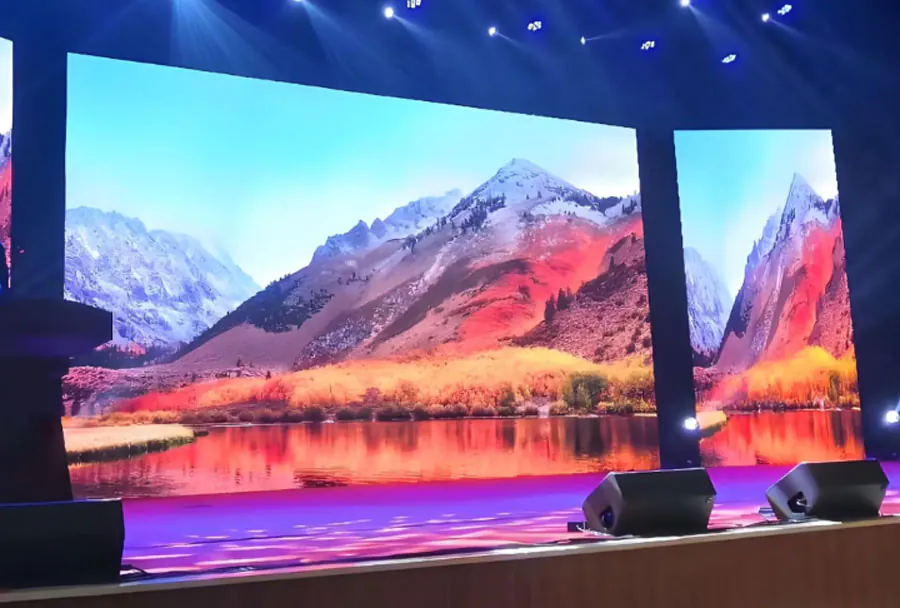
The roar of a live crowd, the blink of camera lights, and the hush that follows when an enormous screen comes to life: creating that “wow” moment takes more than size. It demands engineering precision, obsessive attention to visual consistency, and logistical finesse. TW VISION’s recent deployment of massive LED walls that set new standards for visual impact is a case study in how technology, design, and project management align to create record-breaking experiences. This article examines the technical, structural, and operational choices behind that achievement and explains how TW VISION turned ambitious creative goals into a reliable, repeatable reality.
How TW VISION Engineered Massive LED Walls for Record Breaking Visual Impact
Project Vision and Objectives
TW VISION’s brief was straightforward but demanding: produce one of the largest continuous LED canvases ever installed for a single event, delivering pixel-perfect imagery at close viewing distances, with high brightness for daylight visibility, perfect color uniformity, and the reliability to run non-stop during global broadcasts. Beyond raw size, the challenge included rapid install/dismantle cycles, minimal seams between modules, redundancy to prevent single-point failures, and an integrated content pipeline that preserved creative intent from artist file to LED. Achieving this required innovation at every layer — optics, mechanics, electronics, software, and logistics.
Key Engineering Challenges
Large LED walls present a convergence of problems: thermal management when thousands of LEDs and power supplies operate in dense assemblies; mechanical stability and dimensional precision to preserve planar continuity; power distribution systems capable of handling rapid transient loads; synchronization of high frame-rate video across thousands of modules; and color calibration that holds across temperature and viewing angle. On top of those, there were real-world constraints — weight limits on rigging points, access to crane and lift equipment, transport container dimensions, and a tight schedule that left little room for rework.
Modular Design and Pixel Architecture
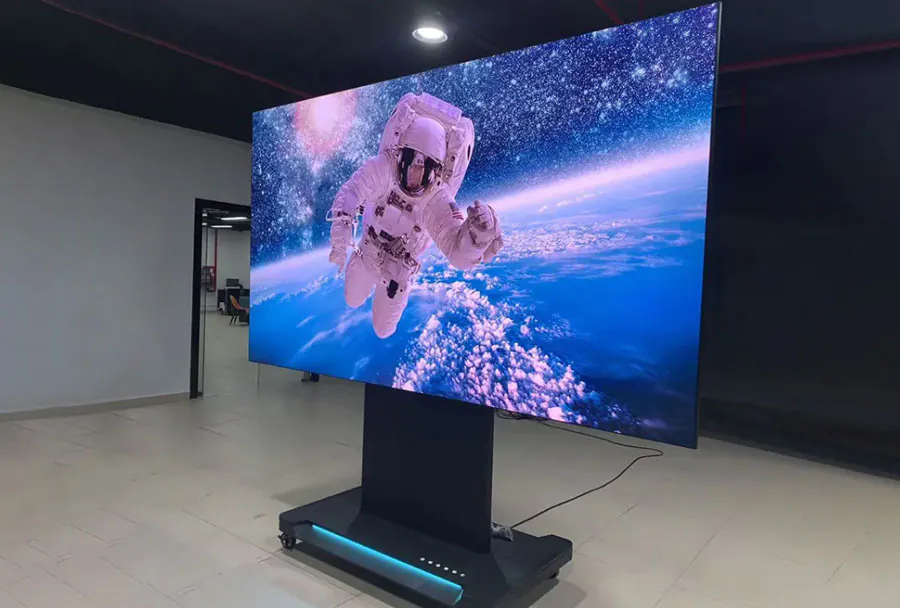
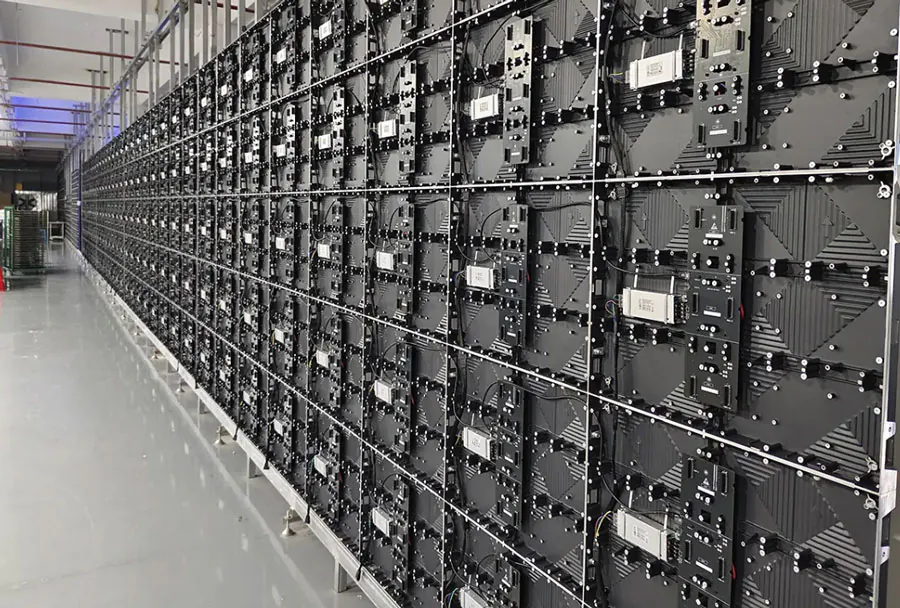
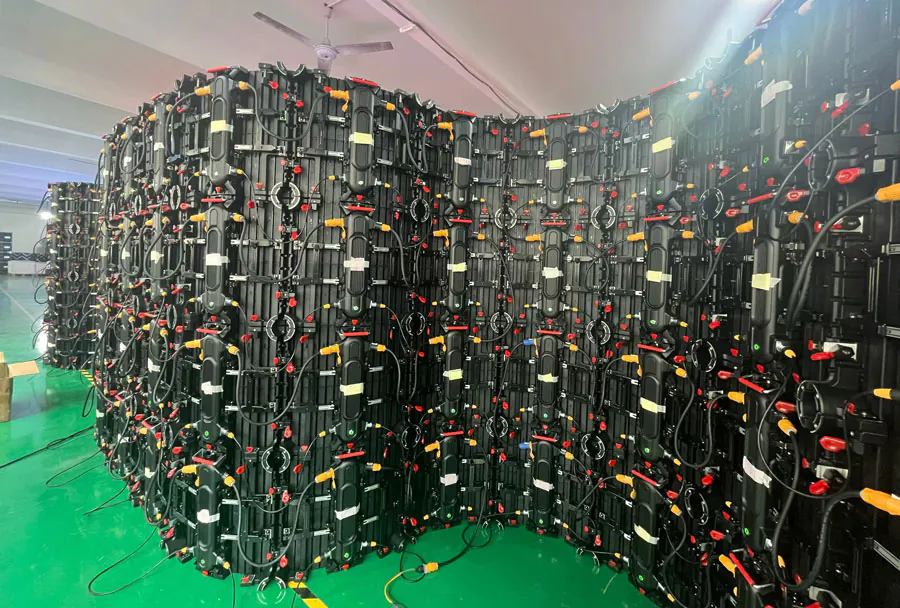
TW VISION adopted a modular approach to reconcile manufacturability, serviceability, and visual continuity. Each LED cabinet was designed with tight mechanical tolerances and a tapered locking system that minimized gaps. Using fine-pitch LED tiles (as low as 1.5 mm where close viewing was critical) allowed the installation to be visually seamless. To preserve refresh rate and low latency, the video pipeline used redundant fiber optic links and distributed control nodes so that no single cable served more than a manageable number of cabinets. The cabinet design included hot-swappable power units and control cards to minimize downtime during maintenance.
Thermal and Power Engineering
Thermal considerations were pivotal. Massive walls concentrate heat from both LEDs and driver electronics. TW VISION engineered passive heat paths into cabinet frames and added strategically placed forced-air channels to move heat away from sensitive components without introducing visible airflow noise. On the power side, the strategy combined centralized distribution for bulk feeds with localized power regulation at cabinet level. That minimized voltage drop over long runs and allowed for per-cabinet monitoring and load balancing. Redundant power feeds and automatic failover circuitry prevented single-point outages from taking large sections of the wall offline during live broadcasts.
Color Calibration and Image Processing
Delivering consistent color across an enormous surface is as much software as hardware. TW VISION built a calibration pipeline that started with factory characterization of every tile’s gamma curve, white point, and luminance response. During installation, a portable spectroradiometer mapped the entire surface, and lookup tables were generated to correct for tile-to-tile variance. Real-time video processors applied per-module color correction and dynamic local contrast enhancement to preserve detail in high-dynamic-range content. Frame synchronization used genlock across all processors with a timing jitter tolerance of a few microseconds to avoid visual tearing and latency issues.
Structural Engineering and Safety
A massive LED wall is also a significant structural load. TW VISION collaborated with structural engineers to design a hanging grid and support matrix that distributed weight to certified rigging points and temporary ground supports. The system incorporated redundancy (backup load paths), vibration dampers to reduce oscillatory motion under wind loads, and a quick-release mechanism to allow controlled descent during an emergency. All elements met or exceeded applicable safety codes, and a detailed lift plan coordinated crane operations, safety zones, and personnel responsibilities.
Logistics and Installation Workflow
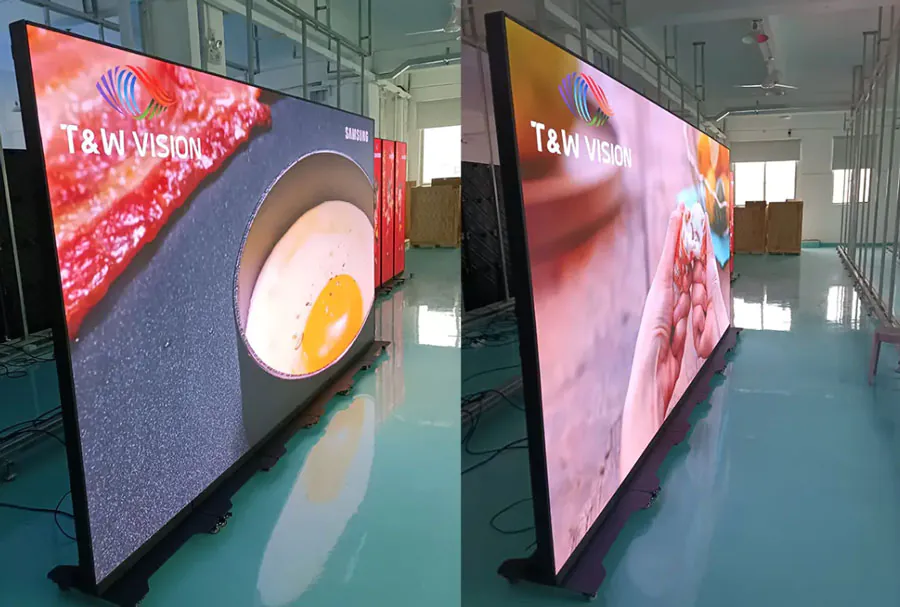
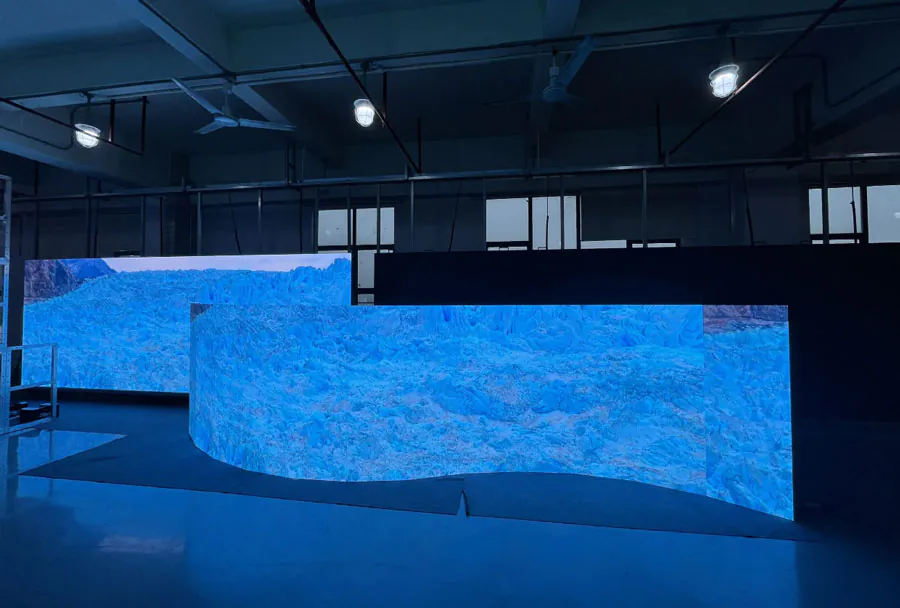
Creating record-breaking installations required orchestration: pre-built rack systems, labeled cable harnesses, and modular crating optimized for the venue’s freight constraints. TW VISION pre-tested full-size mockups in their factory, rehearsing the installation sequence and training crews on the exact metric tolerances required for seam-free alignment. On-site, they used laser alignment tools, digital inclinometers, and a central status dashboard that tracked cabinet health, network connectivity, and power consumption in real time. That visibility let technicians address anomalies before they impacted visuals.
Content Strategy and Playback
The creative vision demanded HDR content, high frame rates, and pixel-accurate placement. TW VISION worked closely with content producers to ensure media transcoding preserved dynamic range and color grading. The playback system supported multi-layer compositing, displacement mapping for large-format warping, and pixel mapping that accounted for module geometry irregularities. A networked asset management system allowed artists to preview how content would map to the wall and iterate quickly to exploit the unique canvas.
Testing, Commissioning, and Live Operation
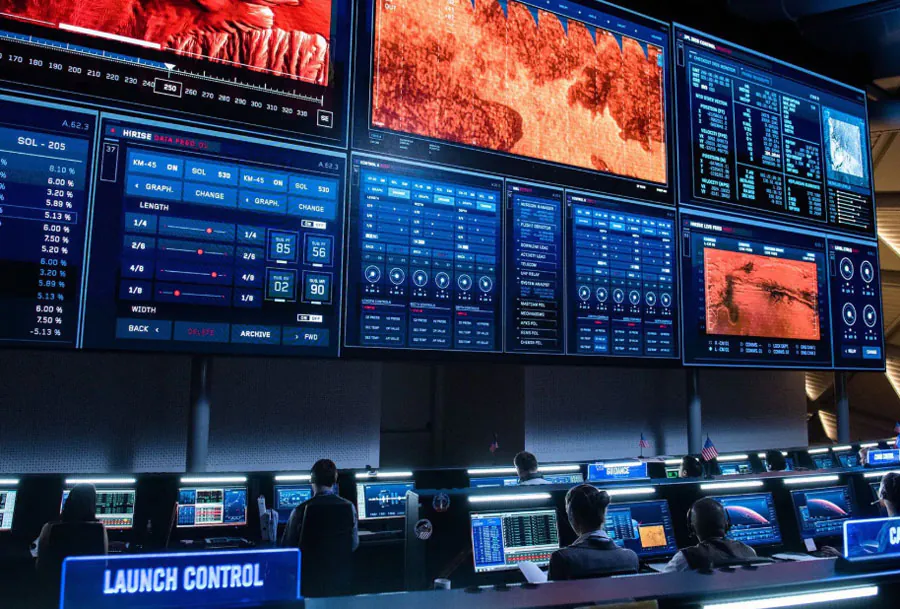
Before the first public moment, the LED wall underwent an exhaustive commissioning routine: burn-in cycles, color uniformity sweeps, stress tests under full brightness to verify thermal behavior, and failure-mode drills. The operations center displayed health dashboards and automated alerts for temperature, power imbalance, or signal dropouts. During live operation, a dedicated team executed a scripted watch sequence with contingency procedures that could reroute video to bypass faulty modules within seconds.
| Component | Primary Challenge | TW VISION Solution | Benefit | Key Metric |
|---|---|---|---|---|
| LED Tile (Module) | Color/pixel variance and visible seams | Factory calibration + precision locking hardware | Seamless image, consistent color | Pixel pitch: 1.5–4.0 mm; Uniformity ΔE<2 |
| Power Distribution | Voltage drop and single point failure | Localized regulation + redundant feeds | Stable brightness, continued operation on failure | Redundancy N+1; cabinet monitoring <5% variance |
| Thermal Management | Overheat under full brightness | Passive heat paths + targeted airflow channels | Extended life, consistent color under load | Surface temp delta <10°C at 1000 nits |
| Control System | Synchronization and latency | Distributed controllers + fiber sync | No tearing, low latency | End-to-end latency <16 ms; frame sync ±3 μs |
| Structure & Rigging | Load distribution and safety | Engineered support grid with redundancy | Safe installation, less deformation | Load factor >1.5x; allowable deflection <L/500 |
| Content Pipeline | Maintaining HDR and color fidelity | Pixel-accurate mapping & real-time LUT application | Creative intent preserved | Nominal dynamic range: 10,000:1; 1000+ nits |
Results: Record-Breaking Visual Impact
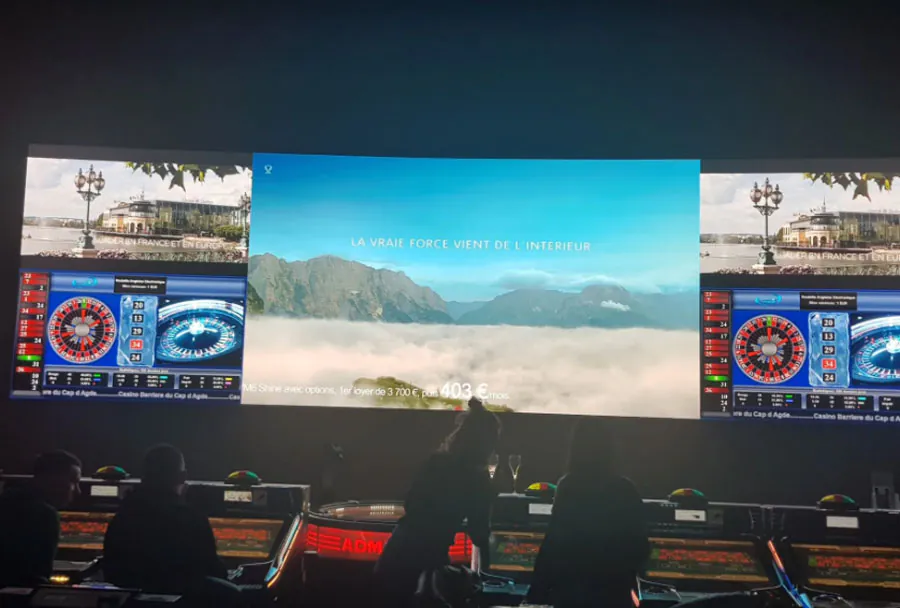
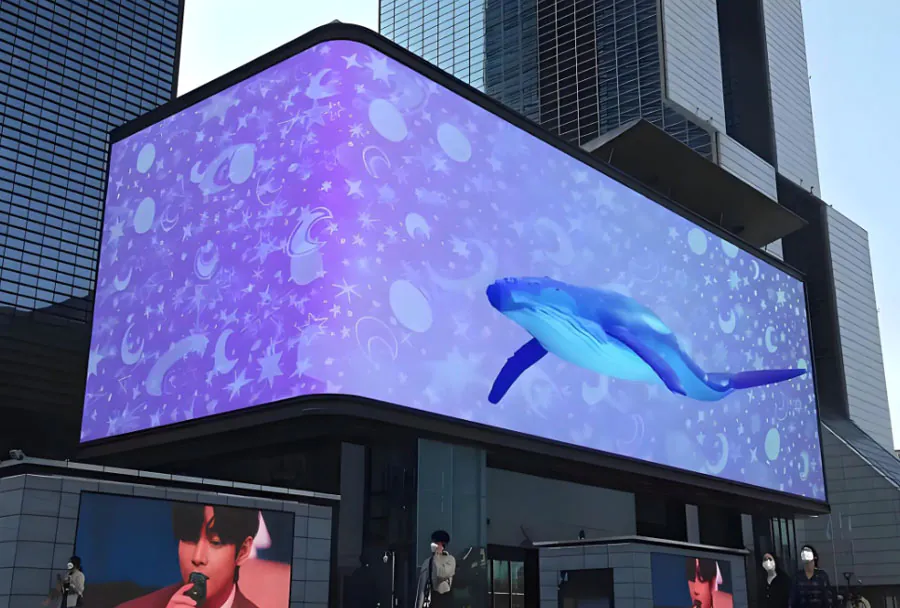
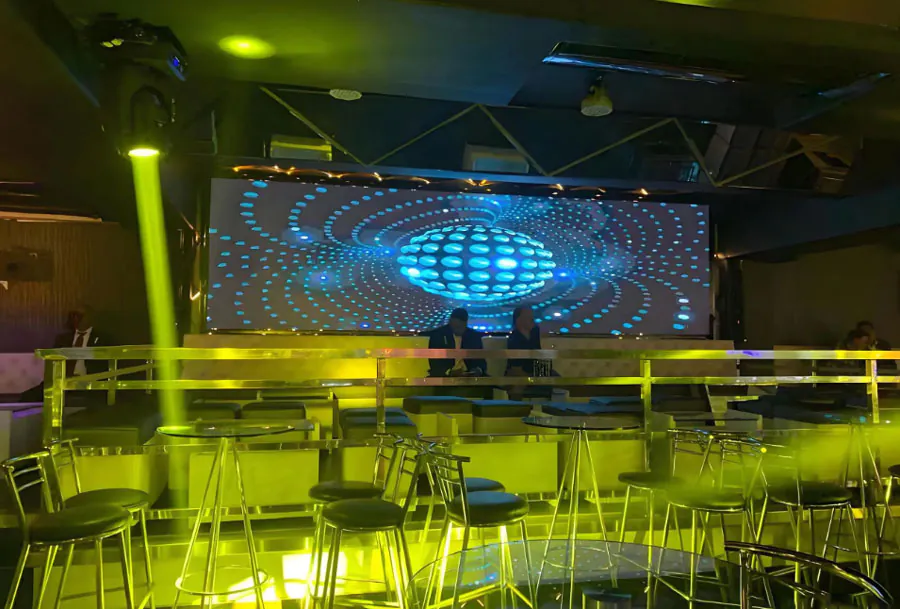
The outcome was dramatic and measurable. The installation set new benchmarks for continuous LED surface area deployed for a single event while maintaining fine-pitch resolution in viewing zones where the audience was close. Viewers reported unprecedented image clarity and immersion, and broadcasters noted robust signal integrity and reliable uptime during live feed windows. Key performance metrics included luminance exceeding 1200 nits for outdoor visibility, color uniformity across the entire surface with ΔE consistently below 2, and system uptime above 99.98% over the presentation window.
Beyond numbers, the installation redefined audience perception: designers could use the wall as a true theatrical canvas, layering HDR imagery, live camera feeds, and real-time graphics without worrying about stitching artifacts or color drift. The successful marriage of engineering and creative workflows enabled more ambitious content choices, which in turn increased viewer engagement and brand impact.
Lessons Learned and Best Practices
Several lessons emerged from TW VISION’s approach that apply broadly to large-scale LED projects:
– Start calibration early: Factory-level characterization reduces on-site time and simplifies final calibration.
– Emphasize modular redundancy: Hot-swappable components and multiple power/data paths limit the blast radius of failures.
– Integrate structural and thermal design: Mechanics and cooling are interdependent; neither should be an afterthought.
– Build the content pipeline into the engineering plan: Hardware capabilities and creative intent must align from day one.
– Practice installation: Full-scale mockups and rehearsals reveal sequence issues and ergonomics that drawings can’t.
TW VISION’s record-setting LED walls offer a blueprint for how to turn ambitious creative goals into reliable, high-impact visual experiences. The project combined advanced LED technology, meticulous engineering, and disciplined project execution to solve a complex set of interrelated problems. The result was not only a physically massive screen but also a high-fidelity visual instrument — one that creators could trust to deliver their message exactly as intended. As LED technology continues to evolve, the lessons from this deployment will remain relevant: success depends on precision at every layer, from photons to power rails to human workflows.