Elevating Immersive Experiences How LED Roll Up Screens Redefine Stage Design in 2026

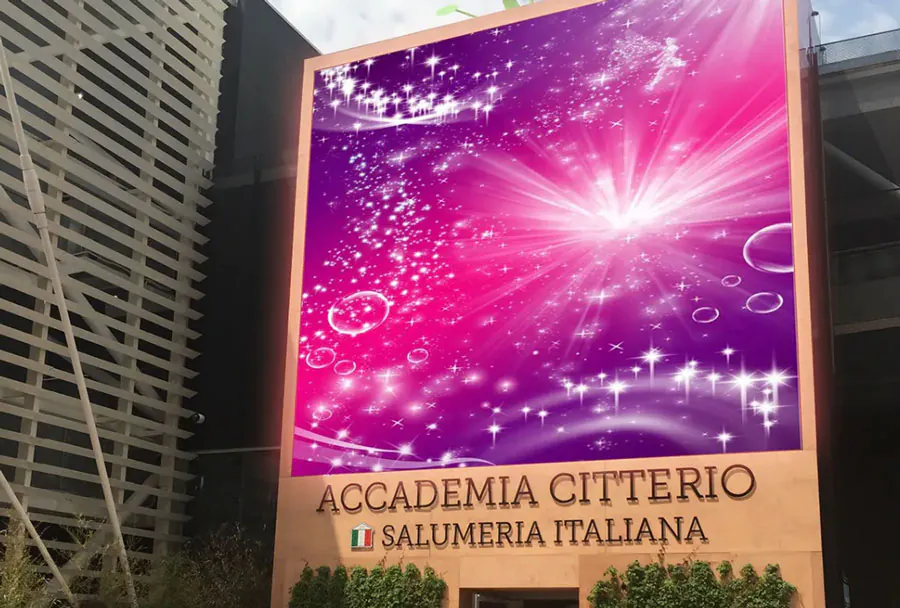
In recent years the live events ecosystem has moved from spectacle toward experience: audiences no longer expect only to watch a performance, they want to be embedded in it. As we move through 2026, a clear turning point is visible in how designers and technical directors create those embedded experiences. Among the many tools reshaping stagecraft, LED roll up screens stand out for enabling a new blend of visual fidelity, portability, and creative freedom. They bridge the gap between the immersive aspirations of creative teams and the practical constraints of touring, venue flexibility, and sustainability.
Elevating Immersive Experiences: How LED Roll Up Screens Redefine Stage Design in 2026
From Fixed Backdrops to Fluid Environments
Static, large-format LED walls transformed concert and theater visuals over the last decade by delivering bright, high-resolution imagery that replaces painted backdrops and traditional projection. Yet fixed LED installations come with tradeoffs: long deployment times, significant structural requirements, and limited adaptability between shows or scenes. LED roll up screens change that calculus. Built with flexible LED modules, lightweight frames, and rapid-deploy systems, these displays can unroll into a seamless surface in minutes and be rolled away just as fast. For touring productions this means the visual environment can change every city without a prohibitive setup footprint. For resident venues, designers gain the ability to reconfigure sightlines, staging zones, and even the shape of the performance cavity on demand.
Beyond logistics, roll up LEDs enable fluid storytelling. Designers can deploy multiple vertical roll units to create dynamic reveals, staggered depth effects, or layered screens that move independently. The screen itself becomes a kinetic prop: an extension of choreography and lighting rather than a static canvas. This shift alters staging vocabulary, encouraging directors and scenic designers to think in terms of modular, transformable volumes rather than fixed planes.
Technological Drivers and Visual Performance
Advances in pixel density, color calibration, and high dynamic range processing have pushed flexible LEDs into territory previously reserved for rigid panels. In 2026, roll up screens commonly achieve pixel pitches under 2.5mm for short-throw applications and utilize onboard processing to handle HDR content, local dimming, and real-time color matching. Improvements in seam masking techniques reduce visible joins when multiple rolls are tiled, and integrated sensor arrays support live calibration to maintain color consistency under varying stage lighting.
Equally important are improvements in control systems and media servers tailored to moving surfaces. Timecode-synced content playback, warp-and-blend tools for non-flat geometries, and low-latency inputs for augmented reality elements mean that roll up screens can be tightly integrated with lighting, sound, and performer tracking. The visual performance is no longer a static image mapped to a rectangle; it becomes an adaptive layer that responds to cues, movement, and even audience data.
Production Efficiency and Logistics
The practical benefits of LED roll up screens are often the deciding factor for venue operators and touring producers. Compared with a comparable fixed wall, roll up systems reduce truck pack volume and weight by a significant margin. The modular nature allows smaller crews to assemble and disassemble displays with predictable timing, lowering labor costs and reducing turnaround windows between shows. For multi-venue tours, this translates into more flexible routing and fewer days allocated to load-in, which has a direct financial impact.
Roll up screens also simplify staging for pop-up events, corporate activations, and temporary installations. Because many models require only minimal flown rigging or ground supports, they open high-impact LED visuals to locations that previously could only host projection or printed graphics. Sustainability gains follow: smaller transport footprints, reduced power consumption through improved LED efficiency and smarter pixel management, and longer service lives due to easier module replacement and field maintenance.
Audience Engagement and Interactive Possibilities
Immersion is partly a function of audience perception: when visuals occupy peripheral vision and react to the environment, the sense of presence deepens. LED roll up screens are uniquely positioned to expand the visual field without permanent structural changes. Designers can wrap screens around thrusts or risers, create staggered planes that create parallax as the viewer moves, or deploy semi-transparent rolls that allow backlighting and physical set pieces to interact visually with the displayed content.
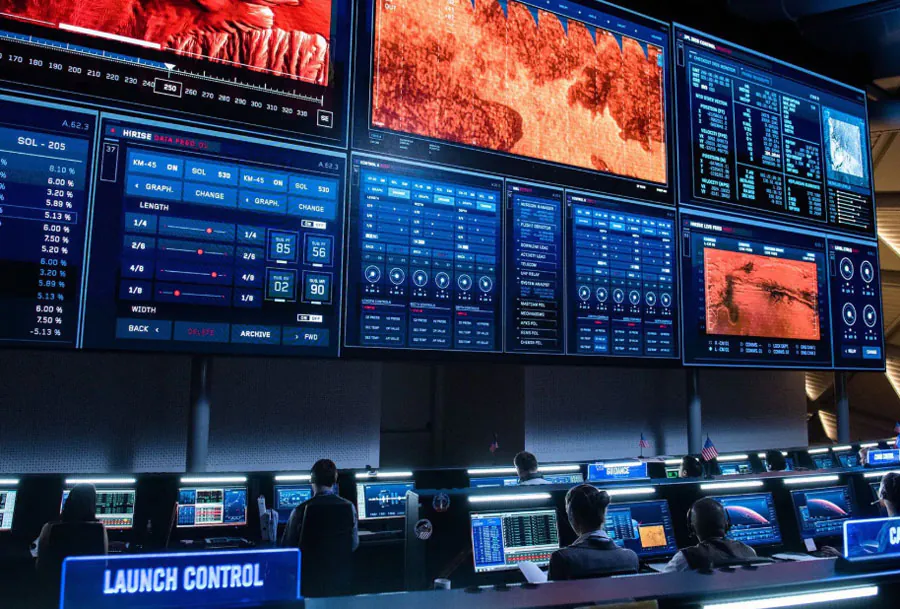
Interactivity is another growth area. Integrated camera feeds, depth sensors, and edge compute enable real-time visual responses to performer movement or audience participation. For example, rhythmic visual elements can propagate across a series of roll up screens in response to a drummer’s tempo, or crowd noise levels can modulate color saturation and pattern complexity. When combined with spatial audio and haptic elements, roll up screens help create multi-sensory narratives that keep audiences engaged beyond the duration of a single act.
Comparative Analysis: Projection, Fixed LEDs, and Roll Up LEDs
| Feature | Projection | Fixed LED Walls | LED Roll Up Screens | Design Impact |
|---|---|---|---|---|
| Image Brightness in Ambient Light | Lower (suffers in bright settings) | Very High | Very High (near fixed performance) | Enables bright, realistic imagery in most venues |
| Portability / Pack Size | High (compact projectors) | Low (heavy rigging needed) | High (compact rolls, lighter trucks) | Makes large, high-lumen visuals feasible on tours |
| Setup Time | Moderate (alignment, masking) | Long (mounting, cabling) | Short to Moderate (quick unroll, tile, calibrate) | Reduces load-in windows and labor costs |
| Flexibility (shape, movement) | Low (flat surfaces only) | Low to Moderate (custom modules) | High (curves, moving reveals, staging integration) | Expands creative staging and kinetic set design |
| Maintenance & Repair | Moderate (lens, lamp issues) | Complex (heavy panels) | Moderate (replaceable modules, easy access) | Improves uptime and reduces long-term service costs |
Creative Case Studies and Industry Reception
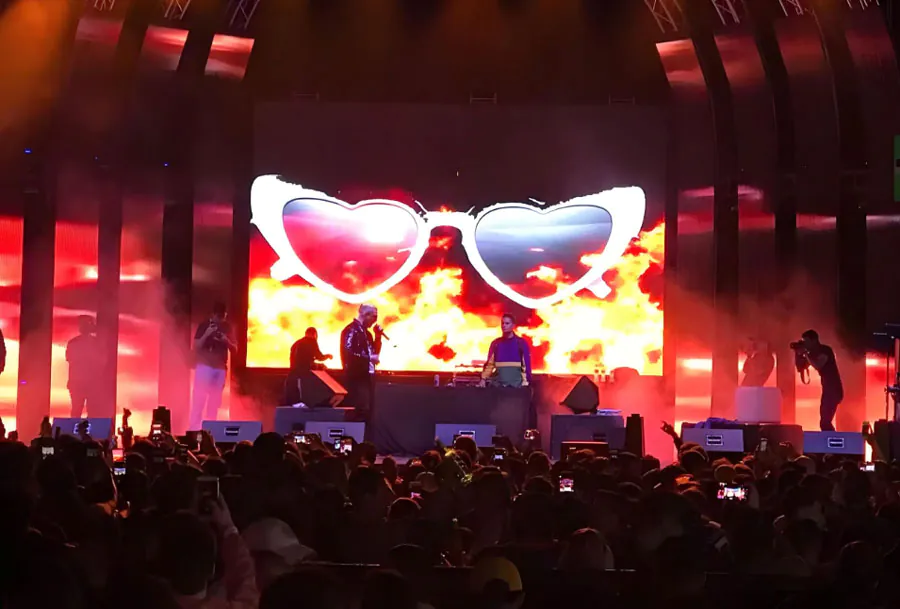
Throughout 2025 and into 2026, several high-profile tours and theater productions showcased how roll up screens can redefine a show’s visual language. One world tour used concentric roll units to create an “onion” of imagery, where each layer could reveal or hide performers, effectively changing sightlines and the audience’s focal point in real-time. In a recent contemporary dance production, semi-transparent roll up screens allowed choreographers to blend projected imagery with live shadow play, producing compositions that felt simultaneously cinematic and tactile.
Venue operators report that audience satisfaction scores often increase when LED roll up visuals are incorporated—not just because of image quality, but because of the perceived novelty and responsiveness. Creative teams appreciate the reduced technical risk compared to complex mechanized scenic rigs, while production managers value the operational predictability.
Implementation Considerations and Best Practices
Despite the advantages, designers should approach roll up screens with clear technical planning. Key considerations include:
– Rigging and safety: ensure rated attachments for unrolling/rolling operations and account for wind load if outdoors.
– Pixel pitch selection: choose appropriate pitch for typical sightline distances to avoid wasted resolution or visible pixel structure up close.
– Seam management: plan for module overlap, seam blending, and calibration workflow to maintain optical continuity.
– Integration with lighting: coordinate DMX and media server cues to prevent washout from strong stage lights; use light-blocking borders if needed.
– Power and thermal planning: while efficient, large roll arrays still require stable power distribution and cooling strategies during long runs.
Testing remains critical. Run full-tech rehearsals with the entire cue stack—video, lighting, audio, and automation—to identify conflicts, latency issues, and sightline compromises before opening.
Looking Forward: Beyond 2026
As manufacturing yields improve and costs continue to fall, LED roll up screens will likely proliferate across segments that historically lacked access to high-end LED visuals: education, worship, corporate events, and regional theaters. Expect incremental innovations such as thinner pixel pitches, lighter substrates, and faster on-board processing. Software advances—particularly in real-time mapping and AI-driven content adaptation—will let designers generate visuals that adjust to audience behavior, performer energy, or even local environmental conditions.

We may also see hybrid systems become mainstream: roll up screens combined with projection-mapped elements and volumetric lighting to create mixed-media ecosystems where each technology plays to its strengths. Sustainability improvements, from recyclable substrates to energy-efficient driver electronics, will make roll up solutions attractive to organizations prioritizing environmental impact.
Redefining What Stage Design Can Be
In 2026, LED roll up screens are not merely another display format; they represent an evolution in how designers conceive of performance space. By removing logistical barriers and offering high-fidelity visuals, they enable staging that is more adaptive, interactive, and intimately connected to narrative intent. For creative teams seeking to elevate immersion without sacrificing portability or operational efficiency, roll up LEDs present a practical, expressive toolset. As they mature, we should expect them to become a standard component of the stage designer’s palette—a technology that not only projects imagery, but reshapes the very architecture of live experience.