LED Roll Up Screen vs Traditional Rigid Displays Which Suits Your Touring Production Best

Touring productions face constant tradeoffs between impact, logistics, and budget. Whether you’re producing arena concerts, corporate roadshows, or theatrical tours, the choice of video display technology shapes your creative possibilities and practical workflow. Two contemporary options dominate conversation: the flexible, roll-up LED screen and the traditional rigid LED panel. Each brings unique strengths and limitations across transport, installation, image quality, durability, and total cost of ownership. This article walks through those differences, analyzes typical touring scenarios, and gives a practical decision matrix to help you choose the best fit for your production.
LED Roll Up Screen vs Traditional Rigid Displays: Which Suits Your Touring Production Best
Overview of Technologies
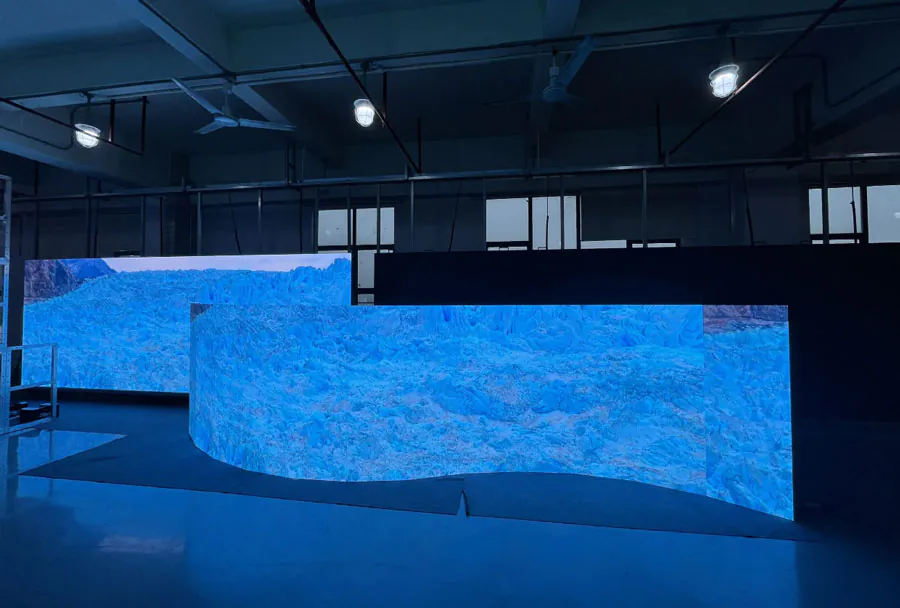
LED roll-up screens are constructed from flexible LED strips or blankets that can be wound on a drum for transport. They prioritize portability and quick deployment. Traditional rigid led displays consist of modular metal cabinets (rigid panels) that lock together to form a flat, seamless surface. They prioritize structural strength, superior thermal management, and often higher brightness and refresh control.
Both technologies have matured rapidly. Roll-up LED solutions now cover a wide pixel pitch range and improved front/rear serviceability, while rigid panels have become lighter and more modular for touring. The best choice depends on your production’s cadence, venue types, image expectations, and budget profile.
Key Comparison Factors
Consider these core factors when evaluating the two systems:
– Portability: How many trucks, how much time, and how many crew members are required to move the screen between dates?
– Setup and Tear-Down Time: How fast can you deploy and strike each night, and how much hands-on labor is required?
– Image Quality & Visual Integrity: Pixel pitch, seams, calibration, brightness, and viewing distance.
– Durability & Safety: Structural integrity under rigging, resistance to knocks and moisture, and field repairability.
– Total Cost: Upfront capital cost, rental OPEX, maintenance, and the lifespan of components.
Below is a concise comparative table to visualize these elements quickly.
| Criteria | LED Roll-Up Screen | Traditional Rigid LED | Best Option | Commentary |
|---|---|---|---|---|
| Portability & Transport | Highly compact when rolled; fewer flight cases; lighter per square foot | Bulkier; multiple flight cases/cabinets; heavier rigging gear | Roll-Up for multi-city, limited truck space | Roll-up reduces truck count and handling time; rigid needs more space |
| Setup & Strike Time | Faster to deploy; fewer alignment steps; quicker strikes | Longer assembly/aligning panels; requires precise locking and seams checked | Roll-Up for tight turnaround schedules | Rigid systems take longer but can be streamlined with experienced crew |
| Image Quality & Seamlessness | Improving; visible seams possible at close range; best for wider viewing distances | Superior uniformity, higher refresh options; virtually seamless with quality panels | Rigid for high-resolution sightlines and onstage proximity | Choose pixel pitch according to viewing distance; rigid better for small pitch |
| Durability & Rigging Safety | More vulnerable to puncture/edge tears; limited heavy-load rigging; better for flown soft-screens | Extremely robust; designed for rigging, stacking, and touring stress | Rigid for long-term tours and heavy rigging requirements | Metal cabinets withstand knocks and repeated assembly better |
| Cost (CapEx & Opex) | Often lower initial purchase and lower per-tour transport cost | Higher initial investment; can be cost-effective long-term or for rentals | Roll-Up if budget constrained / high tour legs count | Consider rental market rates; rigid panels have higher resale value |
Operational Scenarios and Recommendations
To choose wisely, match technology to your touring profile:
– Fast-paced multi-city tours (clubs, small theaters, festivals): LED roll-up screens win. Their compact packing and quick rigging reduce load-in and LFH (load factor hours). When stages are small and sightlines are broader, the slightly lower close-range pixel refinement is acceptable.
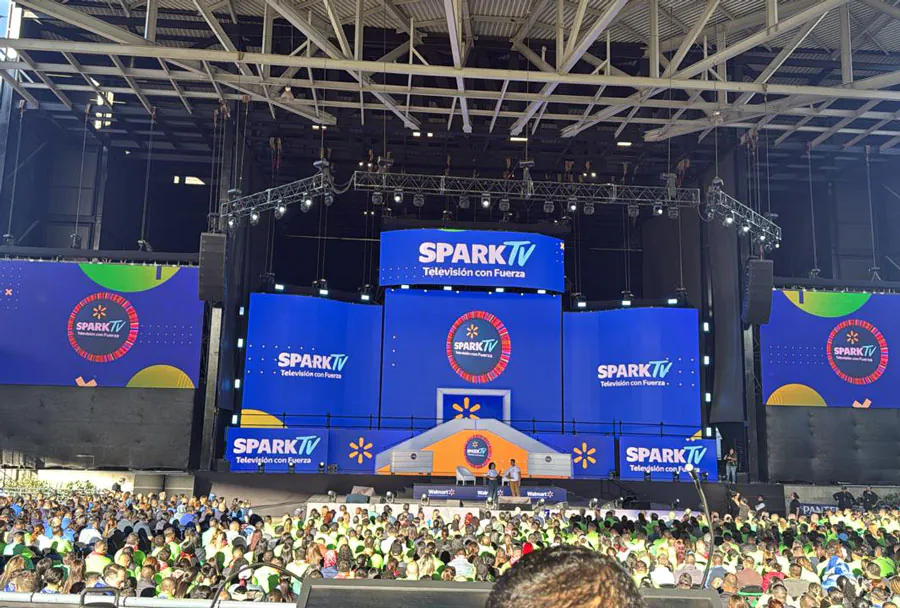
– Major arena or stadium tours (large audiences, long-term rental): Rigid LED is usually preferable. When audience sightlines are long and production values demand pixel-perfect close shots (e.g., televised concerts), rigid panels deliver consistent, high-brightness images and structural reliability.
– Theater productions with frequent load-ins but high image fidelity: Consider rigid if you need consistent color temps and nearly invisible seams for intimate audience proximity. If budget and truck space are limited, a high-density roll-up could be an acceptable compromise.
– Corporate roadshows and trade shows: Many opt for roll-up solutions because they’re easy to transport and quick to set up; but for flagship events where brand image is paramount, a rigid video wall provides superior uniformity.
– Rental houses and production companies: Owning both types, or offering both in a rental fleet, provides the greatest flexibility. Rigid panels are staple inventory for premium clients, while roll-up units fill needs for mobile, low-footprint events.
Technical Considerations
Pixel Pitch: Touring productions should base pixel pitch choices on the typical audience distance. P4–P6 (4–6mm) is common for arenas; P2.5–P3 for closer theatrical viewing. High-quality roll-up screens may be limited to slightly larger pitches due to flexible PCB architecture; check manufacturer specs.
Brightness & Refresh Rate: Outdoor festivals and stadiums demand high nits (5,000–8,000+ for daylight) and high refresh rates for broadcast; rigid panels excel here. Roll-up displays can be bright but may not reach peak outputs of top-tier rigid modules.
Seamlines & Flatness: Rigid panels lock flat and produce nearly invisible seams; roll-up systems may display micro-steps or slight seam lines, which can be more noticeable when camera close-ups pass over them. Test camera shots during pre-production.
Serviceability: Rigid cabinets usually allow front or rear servicing of LEDs and power supplies. Roll-up blankets sometimes require panel disassembly or have limited module serviceability; inquire about module replacement procedures and spare parts strategy.
Rigging & Safety: Rigid cabinets are engineered to be flown and stacked; roll-up screens need approved frames or drums to be safely flown, and their load ratings should be verified. Always follow certified rigging protocols and have structural engineers sign off on flown systems.
Budgeting and Total Cost of Ownership
Cost isn’t only purchase price. Account for:
– Transportation costs per leg (trucks, cases, flight cases).
– Labor hours for load-in/load-out and setup.
– Repair and spare parts inventory.
– Rental income or depreciation if part of a rental fleet.
– Insurance and liability for rigging and damage.
Example: A roll-up screen may cost 30–50% less upfront and reduce transport/rental expenditure, ideal for high-leg-count tours. Over a long multi-year residency, rigid panels can amortize well if they reduce repair downtime and command higher rental rates.
Checklist to Choose the Right Display
Before committing, run through this checklist:
– Typical venues and audience distances — what pixel pitch is required?
– Number of tour legs and days between shows — what’s acceptable load-in/out time?
– Budget split between CapEx and Opex — can you afford upfront or prefer rental?
– Camera integration needs — will there be close camera shots of the screen?
– Rigging capacity — do you need flown screens or floor stacks?
– Weather exposure — will shows be outdoor (water-resistant rating needed)?
– Crew skill level — does your crew have experience with rigid cabinet assembly?
Match Technology to Priorities
There’s no one-size-fits-all answer. If your touring production prioritizes mobility, tight turnarounds, and minimized transport costs, an LED roll-up screen is a smart, modern solution. If your production demands the highest image fidelity, structural robustness, and the ability to support heavy rigging, traditional rigid LED panels remain the gold standard.
A pragmatic strategy many touring professionals adopt is a hybrid approach: use roll-up screens for secondary or satellite shows and deploy rigid walls for flagship dates where maximum visual impact matters. For rental houses, offering both types ensures you can serve diverse client needs.