Market Layout and Strategic Analysis of TW VISION LED Display Manufacturer from a Global Perspective

In the dynamic and competitive global led display industry, manufacturers must navigate complex technological shifts, diverse regional demands, and evolving supply chains to secure a sustainable position. TW VISION, as a prominent player, presents a compelling case study of strategic market adaptation and expansion. This analysis examines the company’s global market layout and strategic positioning, evaluating its approach through the lenses of market segmentation, competitive strategy, and future-facing innovation.
1. Global Market Footprint and Regional Segmentation Strategy
TW VISION has strategically cultivated a global presence that balances penetration in mature markets with aggressive expansion in high-growth regions. Its market layout is not monolithic but a carefully segmented approach tailored to regional economic and technological profiles.
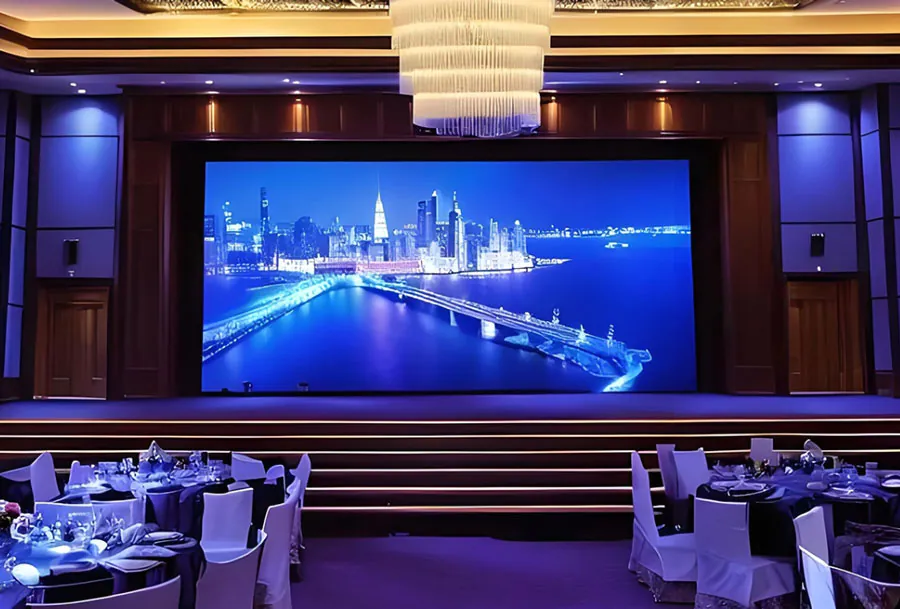
In North America and Western Europe, markets characterized by high technological adoption rates and stringent quality standards, TW VISION positions itself as a provider of premium, high-reliability solutions. The strategy here focuses on the corporate, broadcast, and high-end retail sectors, where product performance, after-sales service, and brand reputation are paramount. Partnerships with established system integrators and direct engagements with large enterprise clients are key to its go-to-market model in these regions.
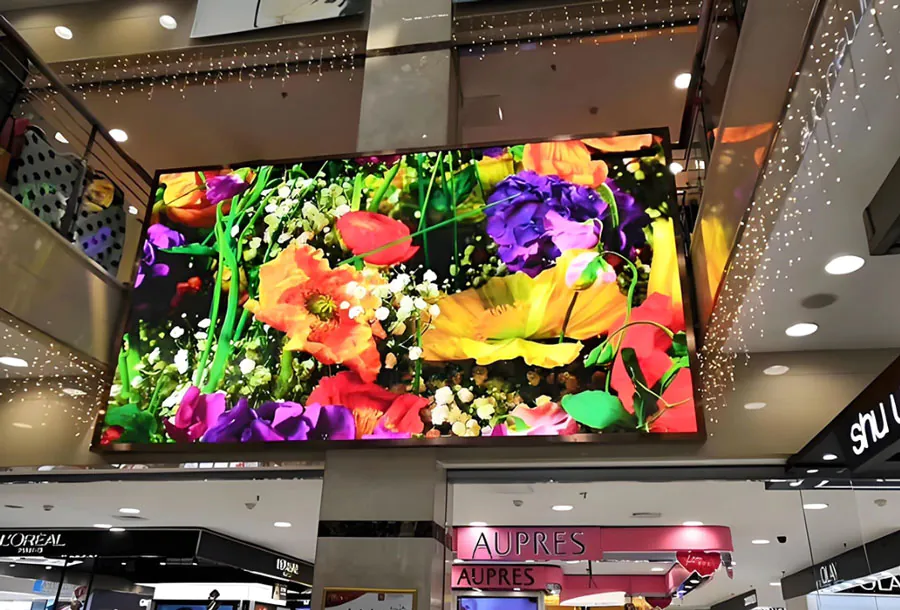
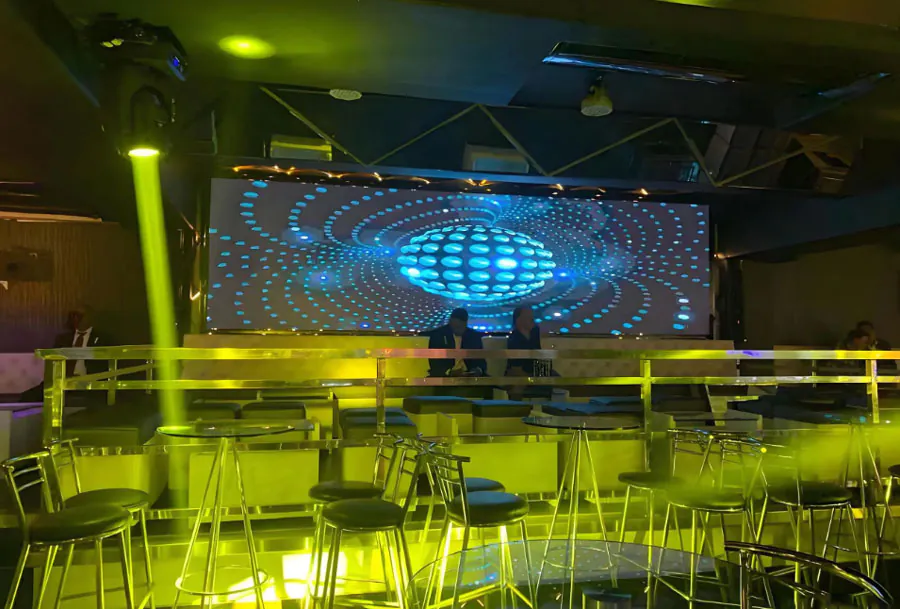
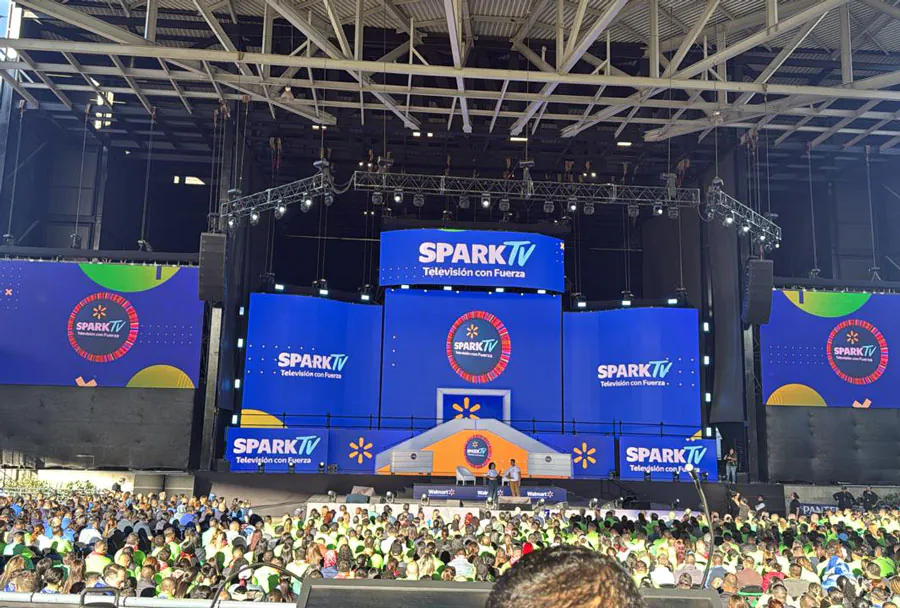
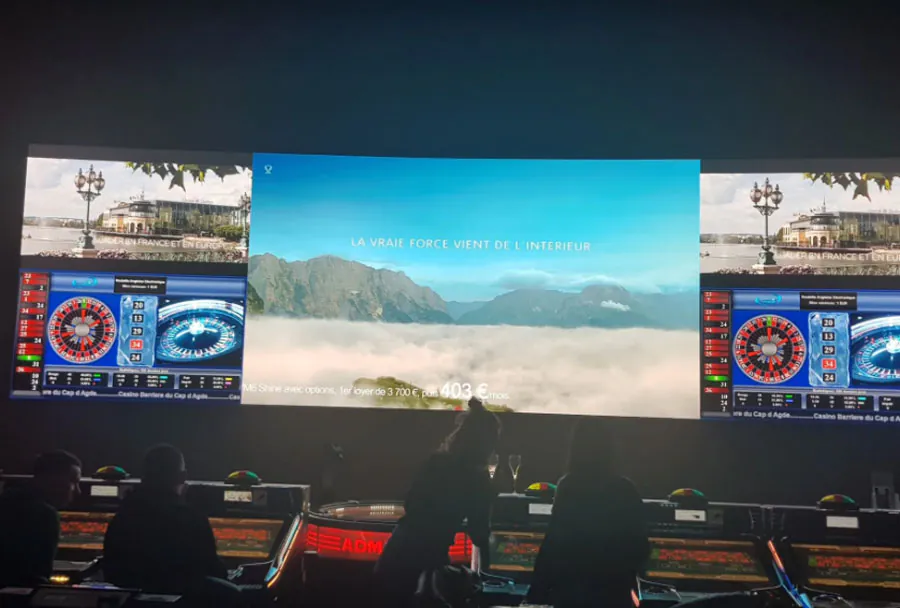
Conversely, in the Asia-Pacific region, particularly within China and Southeast Asia, the company leverages its manufacturing prowess and cost-efficiency to address a volume-driven market. This includes significant public infrastructure projects, commercial advertising, and the burgeoning entertainment sector. The strategy combines competitive pricing with rapid deployment capabilities, catering to the fast-paced development cycles common in these economies.
For emerging markets in the Middle East, Latin America, and Eastern Europe, TW VISION employs a flexible, solution-oriented approach. Recognizing the variance in infrastructure and budget constraints, it offers a scalable product portfolio—from entry-level displays to sophisticated rental solutions for events and exhibitions. This adaptability allows it to build brand presence and capture market share as local economies and digitalization efforts advance.
2. Core Competitive Strategies and Value Proposition
TW VISION’s sustained growth hinges on a multi-faceted competitive strategy that extends beyond mere manufacturing.
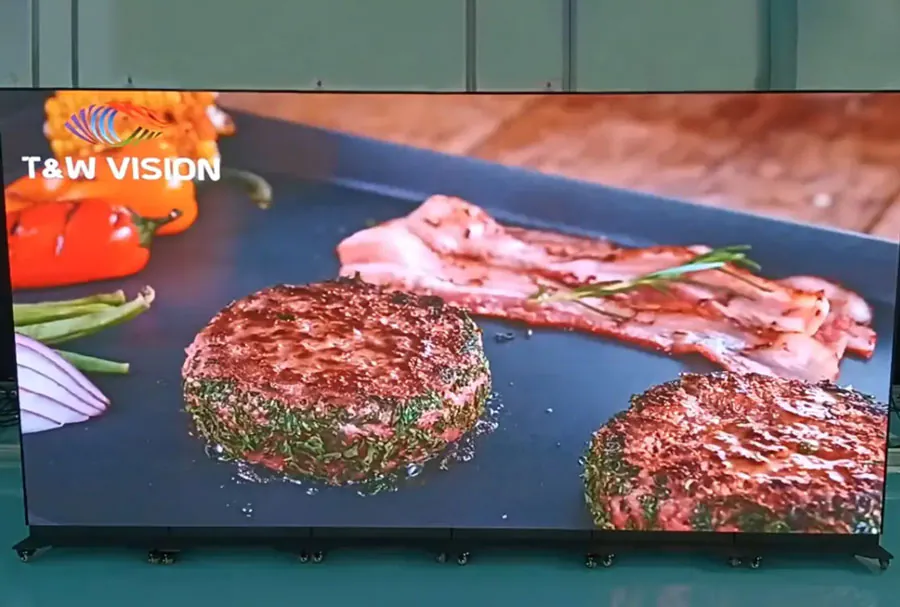
Technology and R&D Focus: At its core, the company invests significantly in research and development, particularly in areas like fine-pitch LED technology, Mini/Micro-LED integration, and advanced video processing. This commitment ensures its product portfolio remains at the cutting edge, offering superior resolution, energy efficiency, and reliability. By owning key aspects of the technology stack, TW VISION differentiates itself from low-cost assemblers and builds a reputation for innovation.
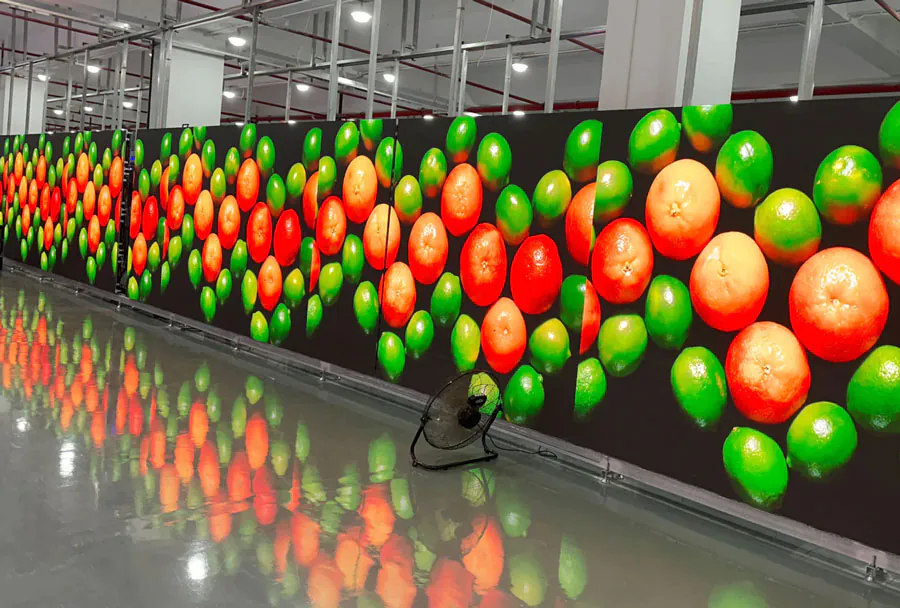
Supply Chain Vertical Integration and Agility: A critical strategic advantage lies in its control over a vertically integrated supply chain, encompassing key components like LED chips, drivers, and cabinets. This integration mitigates supply volatility, ensures quality control, and enhances cost management. Furthermore, the company has demonstrated agility in navigating global logistical challenges, establishing regional warehousing and assembly hubs to shorten lead times and better serve local markets.
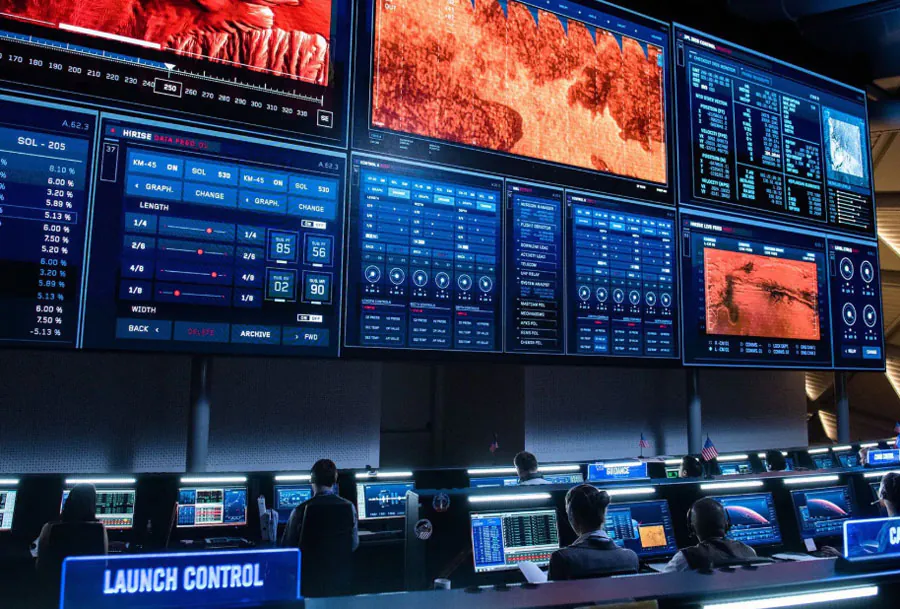
Branding and Solution-Based Marketing: TW VISION is progressively shifting from a product-centric to a solution-centric brand. It markets itself not just as a hardware supplier but as a visual technology partner. This is evident in its tailored offerings for control rooms, XR virtual production studios, and smart city command centers. By providing complete packages that include software, installation, and content management support, it creates higher customer stickiness and moves up the value chain.
3. Navigating Challenges and Seizing Global Opportunities
The global landscape presents both formidable challenges and significant opportunities for TW VISION.
Key Challenges: The company faces intense price competition, especially from a multitude of manufacturers based in mainland China. Intellectual property protection remains a persistent concern in various jurisdictions. Additionally, global economic uncertainties and trade policy fluctuations can disrupt demand and supply chain logistics. The need for continuous, capital-intensive R&D to keep pace with technological convergence (with AV/IT and film production industries) also pressures margins.
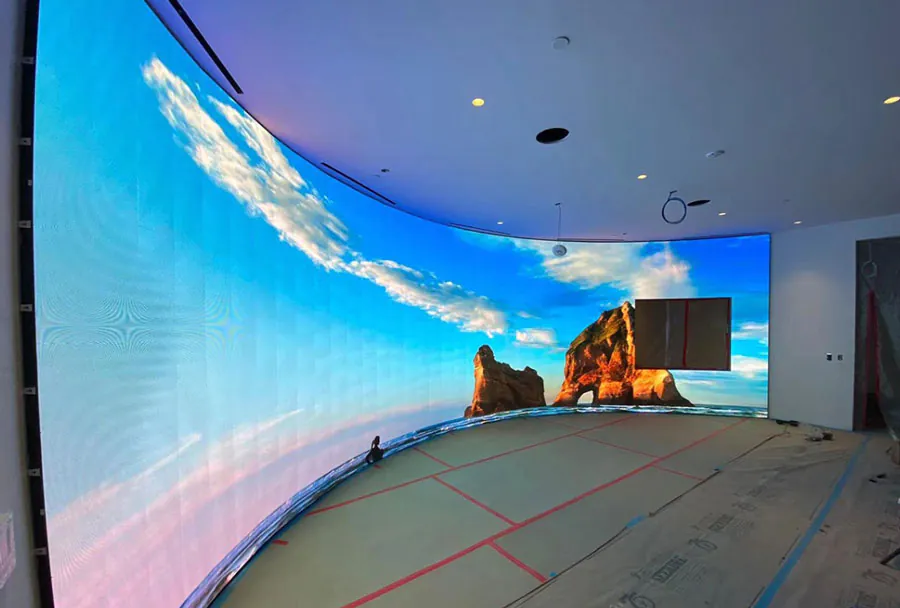
Strategic Opportunities: The global push for digitalization and smart city development opens vast avenues in public information displays, traffic management, and architectural media facades. The explosive growth of the virtual production and entertainment industry, fueled by streaming services and film, creates a premium market for high-performance LED volumes. Furthermore, the trend towards sustainability positions companies with energy-efficient, long-lifespan products favorably, especially in regulated markets. TW VISION can leverage its technological edge to capitalize on these trends.
4. Future Strategic Imperatives and Conclusion
To consolidate and expand its global standing, TW VISION must focus on several strategic imperatives.
First, deepening software and services integration is crucial. The future of display technology lies in seamless connectivity with IoT ecosystems, AI-driven content management, and user-friendly control interfaces. Developing proprietary software platforms will be as important as hardware innovation.
Second, cultivating strategic alliances with global technology firms, content creators, and architectural firms can provide access to new customer segments and project pipelines. These partnerships can enhance its brand authority and drive specification-led demand.
Third, enhancing local presence and service networks in key growth markets is essential. Building local teams that understand regional business practices, regulations, and cultural nuances will improve client trust and project execution success rates.
In conclusion, from a global perspective, TW VISION has established a robust and strategically diversified market layout. Its success stems from a balanced approach combining technological investment, supply chain resilience, and adaptive regional strategies. By continuing to pivot from a component manufacturer to a comprehensive visual solutions provider, and by nimbly addressing both the challenges of competition and the opportunities presented by digital transformation, TW VISION is well-positioned to maintain and enhance its role as a significant force in the global LED display industry. Its ongoing journey underscores the strategic necessity for global manufacturers to be simultaneously innovative, efficient, and locally attuned.