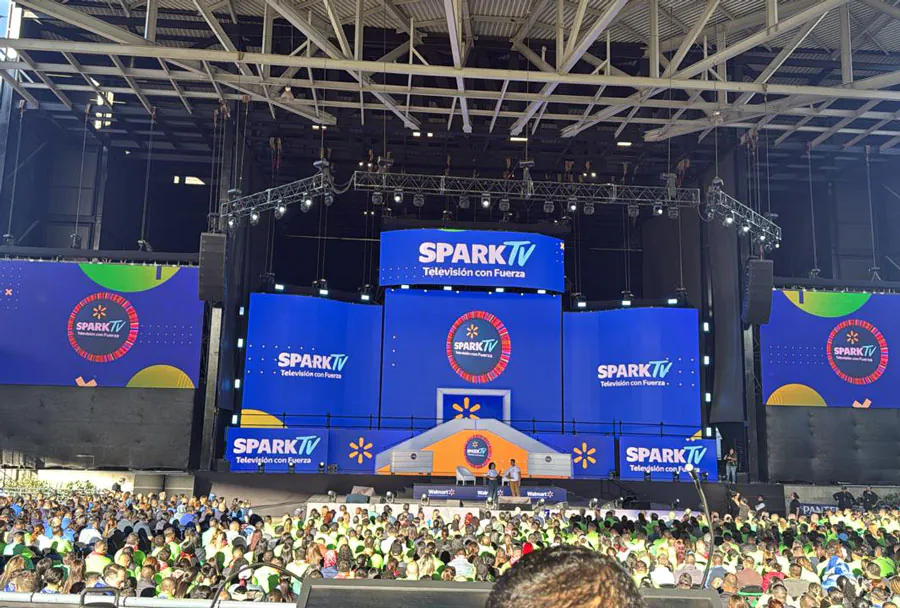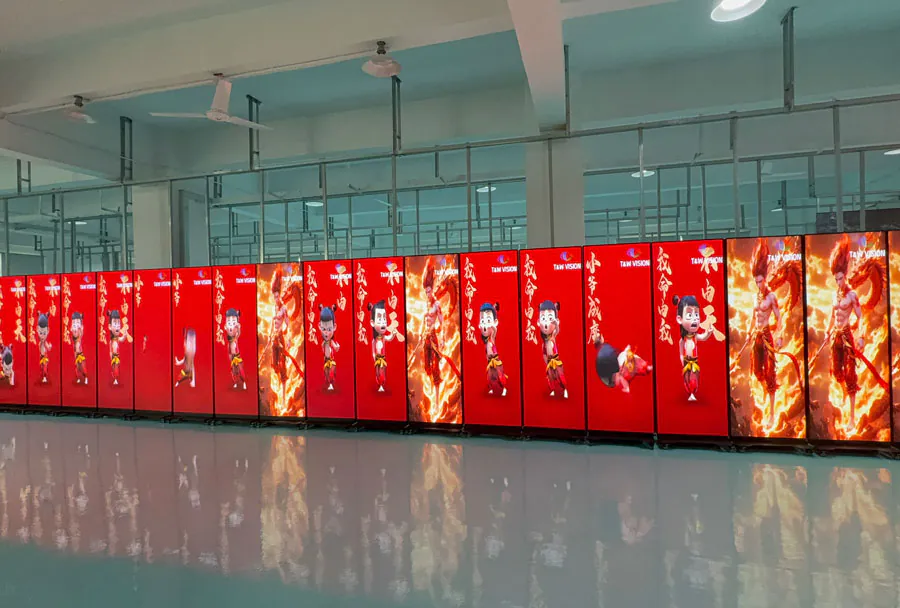
Outdoor LED Display Screen for High-Brightness Advertising

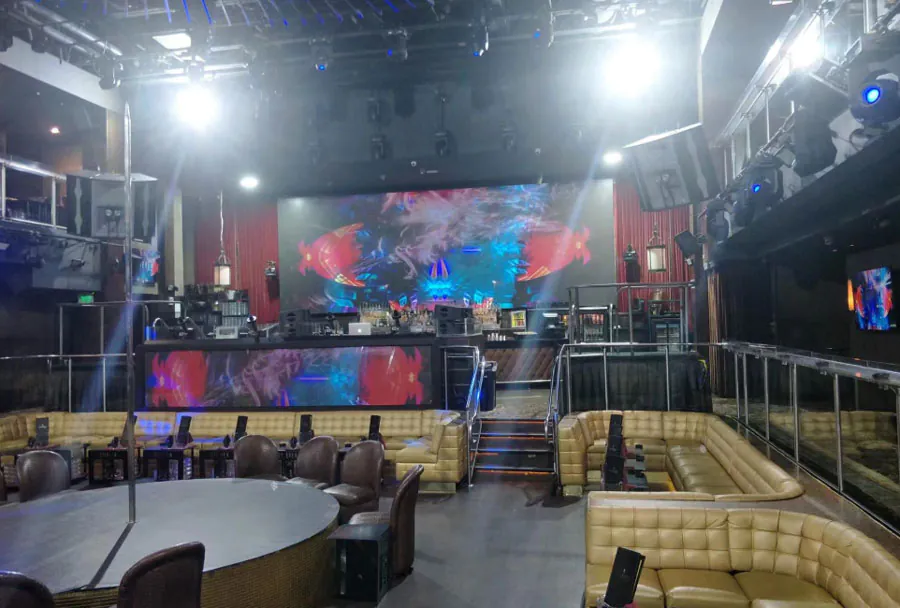
In a world where people move fast and information comes in seconds, outdoor advertising must compete with sunlight, distance, traffic speed, and countless visual distractions. That is why an Outdoor LED display screen for High-Brightness Advertising has become one of the most effective tools for brands, retailers, municipalities, and media owners. Unlike static billboards, high-brightness outdoor led displays deliver dynamic content, instant updates, and strong visibility in harsh environments—turning any fa?ade, roadside, or public plaza into a powerful communication channel.
As a service provider, TW VISION focuses on helping customers deploy outdoor LED display solutions that are not only bright, but also reliable, maintainable, and commercially effective. This article explores what “high-brightness” really means, how to choose the right configuration, and how to get the best advertising performance from an outdoor led display screen.
Why High-Brightness Matters in Outdoor Advertising
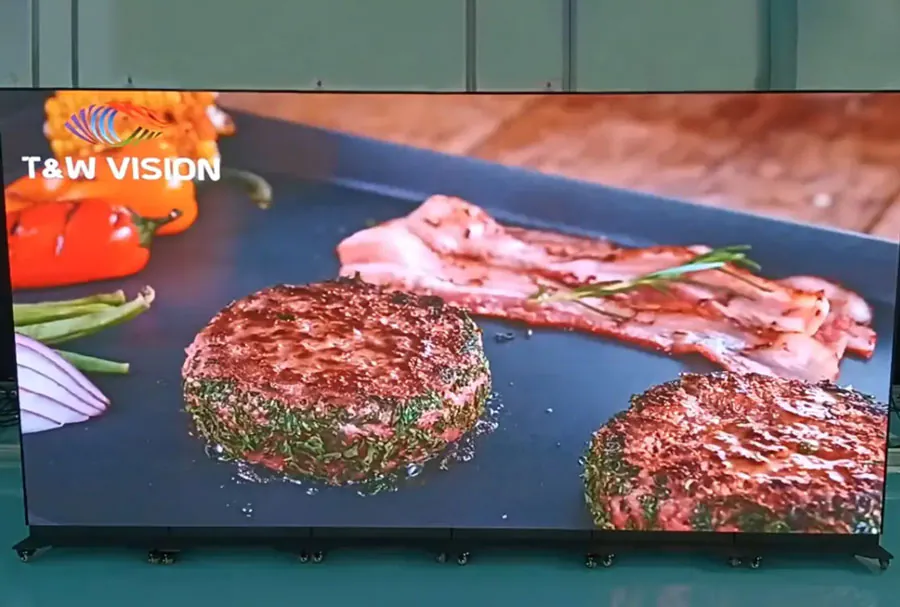
Outdoor spaces are visually unforgiving. Direct sunlight can wash out ordinary screens, and long viewing distances reduce perceived contrast and detail. High-brightness outdoor LED display screens are engineered to remain readable and vibrant in daytime conditions, maintaining brand colors and message clarity.
Brightness is typically measured in nits (cd/m2). For outdoor advertising, high brightness is not a luxury—it is the baseline requirement. A screen that looks acceptable at night but weak in daytime will fail to deliver consistent campaign value. When the screen is bright enough, the advertising message remains clear from morning to afternoon, even when the sun is at peak intensity. For busy roads or intersections, this directly impacts impression quality and brand recall.
However, brightness alone is not the goal. Effective high-brightness advertising requires a balance of brightness, contrast, color calibration, and content design. TW VISION’s approach is to align technical specs with the real environment: sunlight angle, installation height, viewing distance, surrounding architecture, and local regulations.
Key Technical Factors for an Outdoor LED Display Screen
Choosing an outdoor LED display for high-brightness advertising is not just about selecting a large screen. The correct specification ensures long-term performance, stable operation, and lower total cost of ownership.
1. Pixel Pitch and Viewing Distance
Pixel pitch (e.g., P4, P6, P8, P10) determines resolution and viewing clarity. A smaller pitch offers finer detail for closer viewing; a larger pitch suits long-distance viewing and can reduce cost for large-area roadside installations.
For high-brightness advertising, pixel pitch selection should be tied to audience behavior:
– Roadside and highway: larger pitch often works well because viewers are far away and moving.
– Shopping streets and plazas: smaller pitch improves sharpness for pedestrians and close-range viewing.
– Building fa?ades: depends on both distance and content type (branding vs detailed product visuals).
TW VISION typically evaluates the site’s “minimum viewing distance” and content goals to recommend a pitch that delivers clear visuals without overspending on resolution the audience cannot perceive.
2. Brightness, Contrast, and Automatic Dimming
High brightness ensures visibility, but smart brightness control ensures comfort and compliance. Outdoor LED display screens should support automatic brightness adjustment based on ambient light. This improves night viewing, reduces glare, and can help meet city signage regulations.
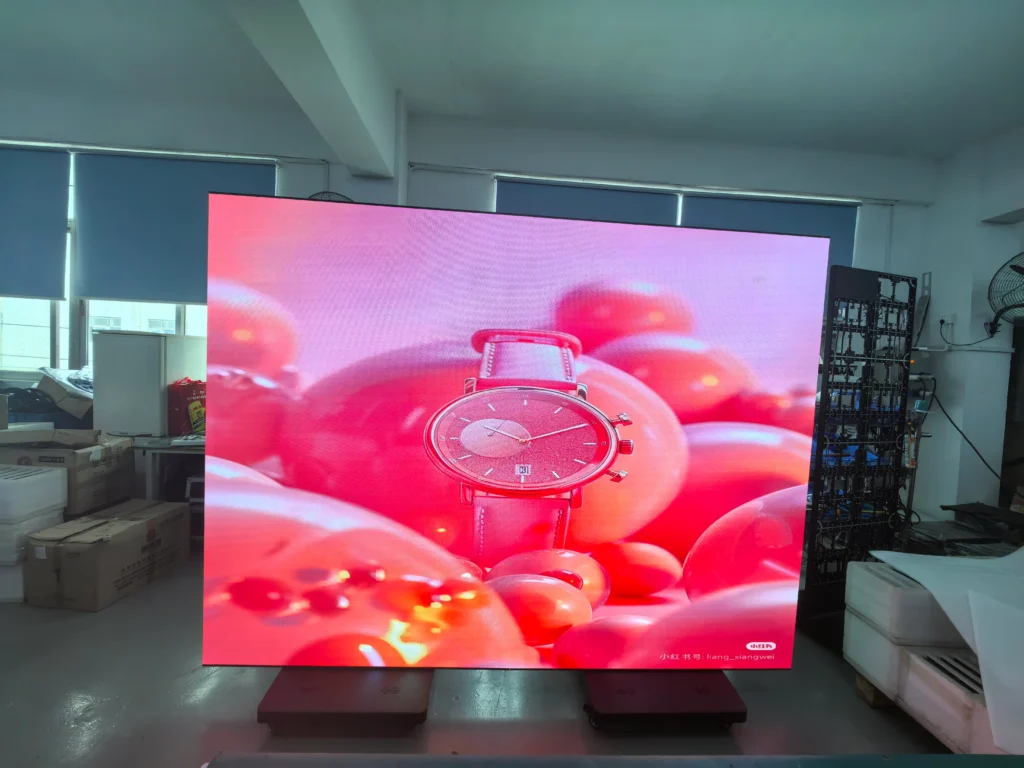
Contrast is equally important. A screen can be bright but still look “flat” if contrast is poor. Quality LED lamps, correct cabinet design, and proper calibration improve black levels and make colors “pop” under sunlight.
3. Weatherproofing and Protection (IP Rating)
Outdoor screens face rain, dust, humidity, and temperature changes. A true outdoor LED display screen should have suitable protection such as IP65 (or an equivalent level, depending on front/rear exposure), sealed cabinets, anti-corrosion design, and stable connectors.
This matters for advertising because downtime costs money. Weather protection is not only about safety—it is about keeping campaigns running without interruption.
4. Heat Dissipation and Power Efficiency
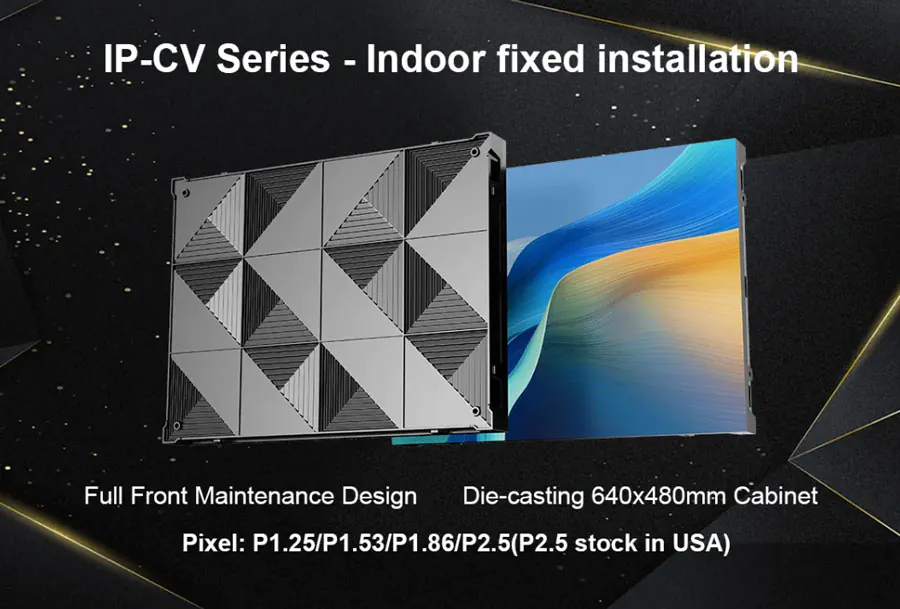
High-brightness operation generates heat. Poor heat management reduces LED lifespan, causes color drift, and increases failure rates. Modern outdoor LED displays often adopt efficient power supplies, thermal design, and sometimes fanless structures to stabilize performance.
TW VISION emphasizes solutions that balance brightness with efficiency so clients can run vivid content without excessive operating costs.
5. Maintenance: Front vs Rear Service
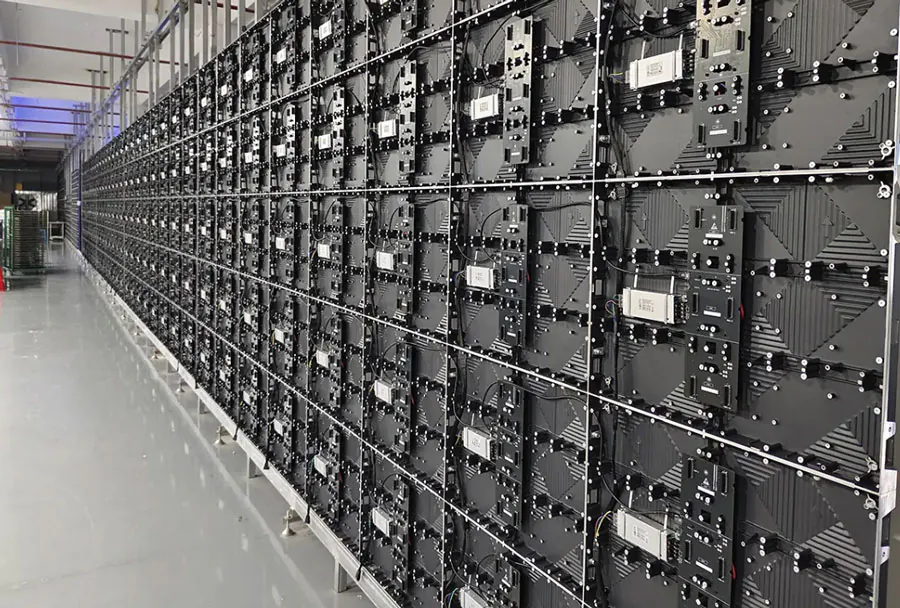
Maintenance access affects long-term convenience and cost. In tight urban installations, front-service LED modules allow technicians to replace components from the front side without needing space behind the screen. For some billboards with rear access, rear service can also be effective.
A high-brightness advertising screen is a revenue asset. Choosing a service-friendly design reduces downtime and makes routine maintenance easier.
Where Outdoor High-Brightness LED Advertising Delivers the Biggest Impact
Outdoor LED display screens are versatile. High brightness unlocks applications that require strong visibility and constant exposure.
Roadside and Highway Billboards
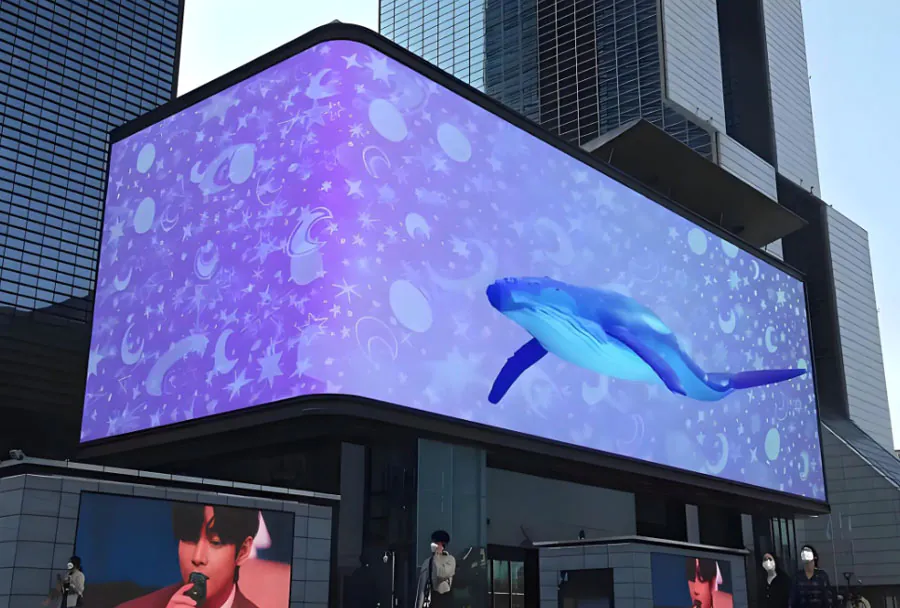
This is the classic use case: large-format LED billboards with rotating ad schedules. High brightness ensures visibility across varying daylight conditions. For media operators, the ability to change creatives instantly enables higher inventory utilization and dynamic pricing.
Retail Storefronts and Shopping Malls
Retail environments need traffic capture. A high-brightness LED screen can highlight promotions, new arrivals, seasonal campaigns, and brand storytelling. When combined with time-based scheduling, a store can promote breakfast items in the morning, lunch specials at noon, and evening offers later—without printing costs.
Transit Hubs and Public Spaces
Airports, bus terminals, metro exits, and public squares have high foot traffic and long dwell time. High-brightness LED displays are effective for both advertising and public information, allowing operators to mix commercial content with announcements when needed.
Stadium Perimeters and Event Venues
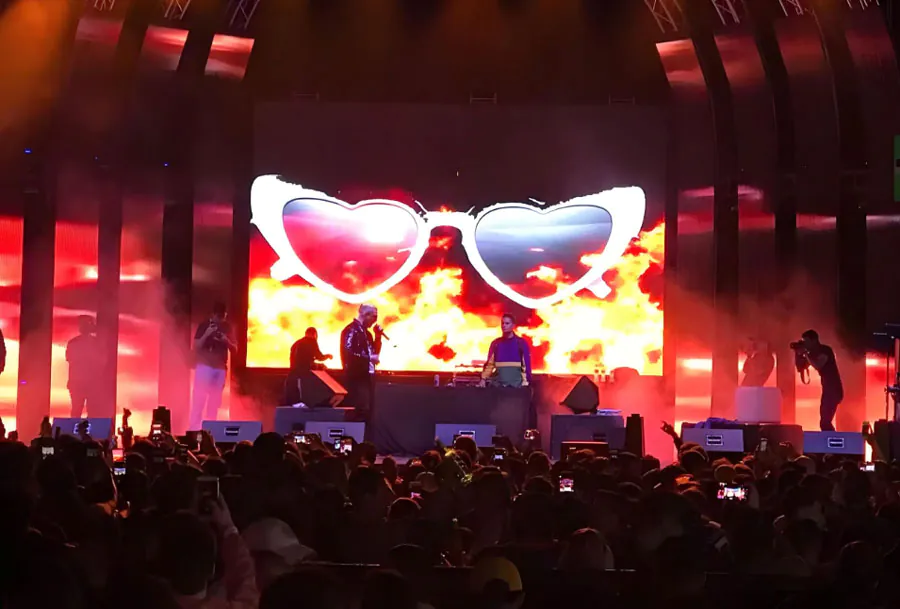
Outdoor venues require bright, reliable screens that remain readable from wide angles. Sponsors value exposure during live events, and organizers benefit from flexible messaging for schedules, directions, and emergency notices.
Content Strategy for High-Brightness Outdoor LED Advertising
A powerful screen still needs the right message. Outdoor audiences usually have limited time to read, especially in traffic environments. High-brightness makes the message visible, but content design makes it effective.
Key content principles include:
– Short and bold messaging: One core idea per creative.
– High-contrast layouts: Strong text/background separation.
– Clear brand assets: Logo visibility and consistent colors.
– Motion with purpose: Simple transitions often outperform complex animations outdoors.
– Time- and location-aware scheduling: Match content to rush hours, weekends, and local events.
TW VISION typically supports customers not only with hardware selection, but also with practical guidance on how to maximize viewing impact under real outdoor conditions.
Installation Considerations: Safety, Compliance, and Long-Term Stability
Outdoor LED display screens are structural projects as much as they are digital products. Safe installation protects people, property, and the investment.
Important considerations include:
– Structural support and wind load: Especially for elevated or large-format screens.
– Power and grounding: Stable electrical design reduces risk and improves reliability.
– Network connectivity: Wired or wireless options for remote content management.
– Regulatory compliance: Brightness limits at night, content restrictions, and placement rules vary by region.
A responsible provider like TW VISION will consider these factors early to avoid rework, penalties, or operational limitations after deployment.
Why Choose TW VISION as Your Outdoor LED Display Service Provider
Selecting an outdoor LED display screen for high-brightness advertising is not merely a procurement decision—it is an operational commitment. Customers need performance that holds up over years of weather, continuous playback, and commercial expectations.
TW VISION positions itself as a service-oriented provider focused on:
– Matching screen specifications to real advertising goals and site conditions
– Prioritizing reliability, brightness stability, and color performance
– Supporting maintainability to reduce downtime and operating risk
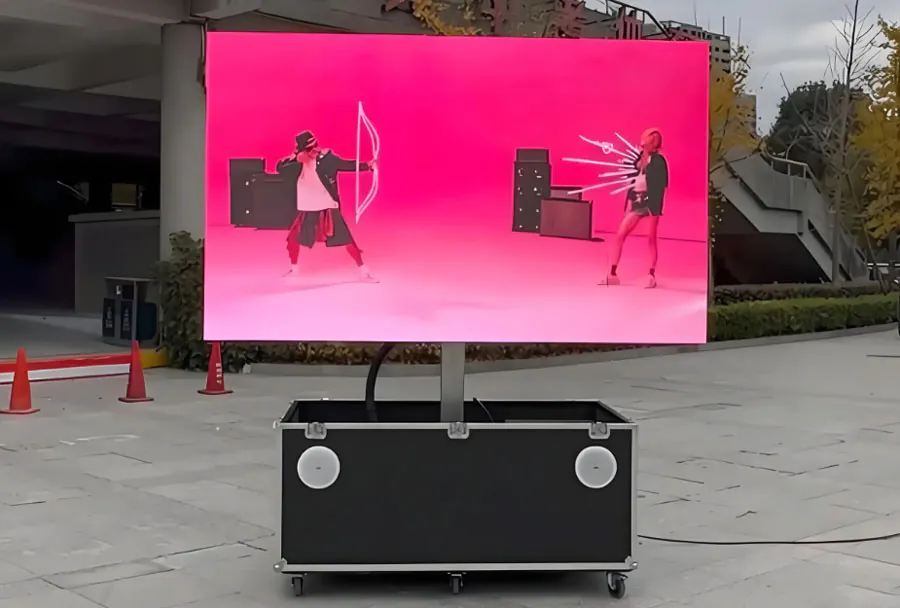
– Helping customers build a scalable outdoor media asset with long-term value
When the screen is chosen correctly, installed professionally, and operated with smart content strategy, it becomes more than a display—it becomes a consistent profit and branding engine.
High-Brightness Outdoor LED Displays Are the New Standard for Visibility
An Outdoor LED Display Screen for High-Brightness Advertising is one of the most direct ways to own attention in open-air environments. High brightness ensures daytime readability, but true success comes from combining brightness with suitable pixel pitch, weatherproof engineering, efficient thermal design, and maintenance-friendly structures. Add strong content strategy and compliant installation, and the result is an advertising platform that performs every day, in every season.
For brands and operators looking to build or upgrade outdoor advertising assets, TW VISION offers a practical path: choose the right technology, deploy it reliably, and make every impression count.