Affordable LED Display Screen Rental Solutions for Any Occasion

led displays have become a go-to medium for modern events, marketing campaigns, and corporate communications. They offer high-impact visuals, excellent visibility in diverse lighting conditions, and flexible configurations that can be tailored to virtually any venue or occasion. However, purchasing LED walls outright can be prohibitively expensive and inflexible for organizations that need them intermittently. Affordable LED display screen rental solutions provide the ideal balance: access to premium display technology without the capital expense, long-term maintenance responsibilities, or storage logistics.
This article offers a professional, practical guide to selecting, planning, and executing LED display rentals. It covers technical considerations, pricing models, logistics, use cases, and tips for maximizing return on investment for events ranging from intimate corporate meetings to large outdoor festivals.
Understanding LED Display Basics
What is an LED display?
An LED (Light Emitting Diode) display is composed of multiple LED modules arranged into panels to form a continuous screen. Each module contains clusters of red, green, and blue diodes that produce full-color images. Displays vary by pixel pitch, brightness, resolution, and form factor (curved, flat, transparent, and flexible).
Key technical terms
– Pixel pitch: The distance between the centers of two adjacent pixels, measured in millimeters. Smaller pixel pitch = higher resolution and better close-up viewing.
– Brightness: Measured in nits (cd/m2); higher brightness supports outdoor use and high ambient light.
– Refresh rate: How often the image refreshes per second; important for video smoothness and camera compatibility.
– Contrast ratio: Difference between darkest and brightest elements; higher contrast improves perceived image quality.
– Viewing angle: The range within which the image is clearly visible; wider angles are better for large audiences.
Why Renting Is Cost-Effective
Lower upfront costs
Renting eliminates the need for capital expenditure. Instead of allocating a large budget to purchase hardware that might be underutilized, event planners pay only for the days they need the screens. This makes LED technology accessible to smaller businesses and short-term projects.
Access to latest technology
Rental providers frequently refresh their inventory, giving clients access to newer, higher-performance models without the depreciation risk. You can choose the ideal pixel pitch and brightness for each event without being locked into a single solution.
Maintenance and technical support included
Reputable rental firms handle transport, installation, calibration, and on-site technical support. This reduces operational risk and ensures consistent performance, especially for critical events where display failure is unacceptable.
Common Rental Use Cases
Corporate events and conferences
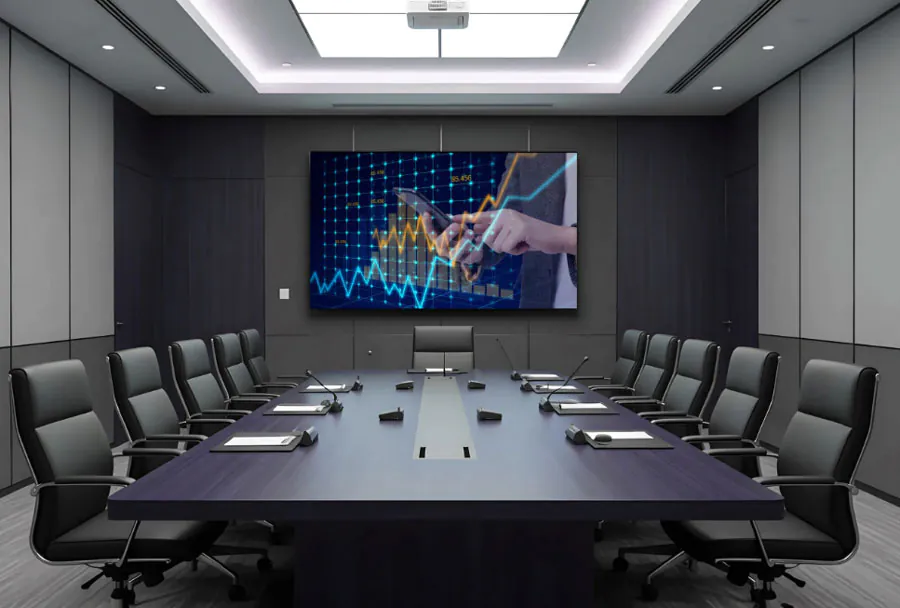
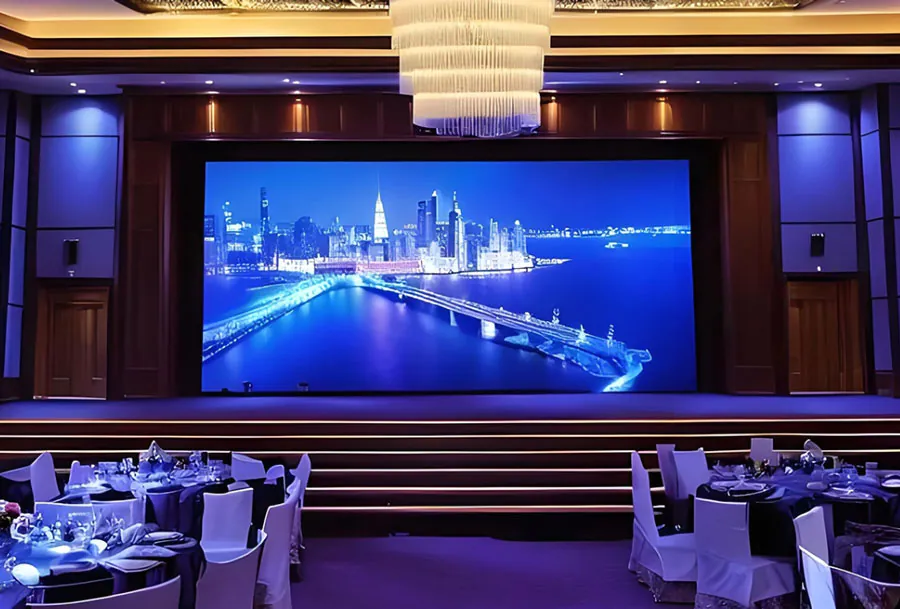
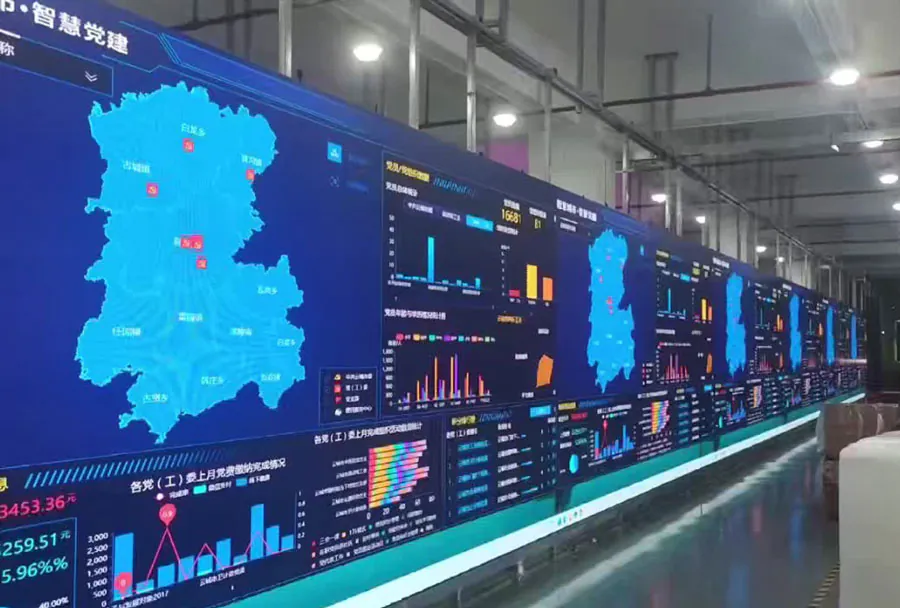
LED walls elevate presentations, provide dynamic backdrops, and support multi-screen setups for keynote sessions and breakout rooms.
Live concerts and festivals
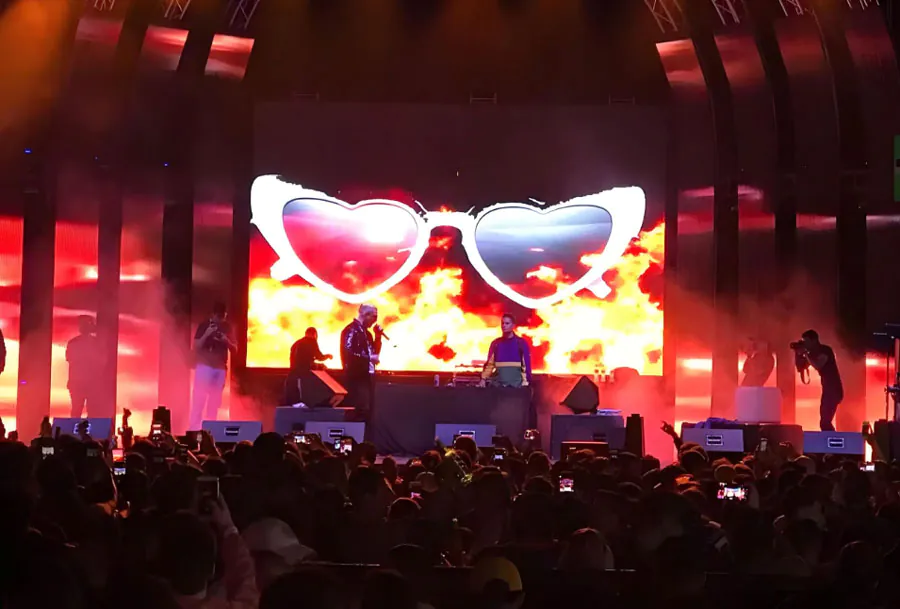
Large, high-brightness outdoor LED displays provide visibility across expansive venues and act as stage backdrops for branding, visuals, and live camera feeds.
Trade shows and exhibitions
High-resolution indoor led displays attract booth visitors and deliver polished product demos, interactive signage, and real-time social media walls.
Sports and public viewing
Temporary jumbotrons and perimeter signage are frequently rented for sporting events, tailgate parties, and fan zones.
Retail activations and pop-ups
Retailers use rental led screens to create immersive customer experiences and to test campaigns in different markets without long-term commitments.
How to Choose the Right Rental Screen
Match pixel pitch to viewing distance
Choose a pixel pitch that suits your audience’s average viewing distance. As a rule of thumb:
– Close-up indoor (2–6 ft): P1.2–P2.5
– General indoor (6–20 ft): P2.5–P4.8
– Large indoor/near outdoor viewing (20–50 ft): P4.8–P8
– Outdoor long-range (>50 ft): P8 and above

Assess brightness requirements
For outdoor daytime events, choose 5,500–7,000 nits or higher. Indoor displays typically need 800–1,500 nits, depending on venue lighting.
Consider form factor and flexibility
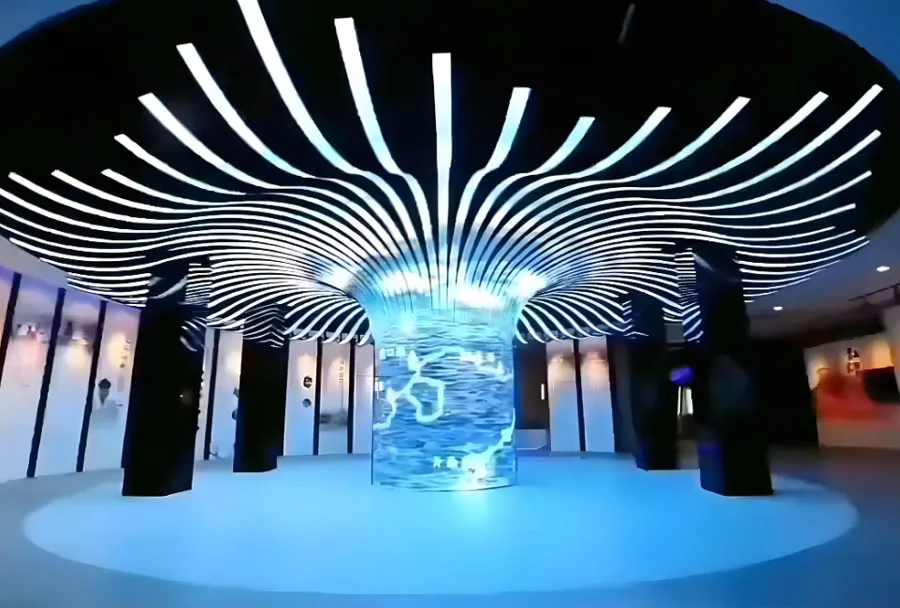
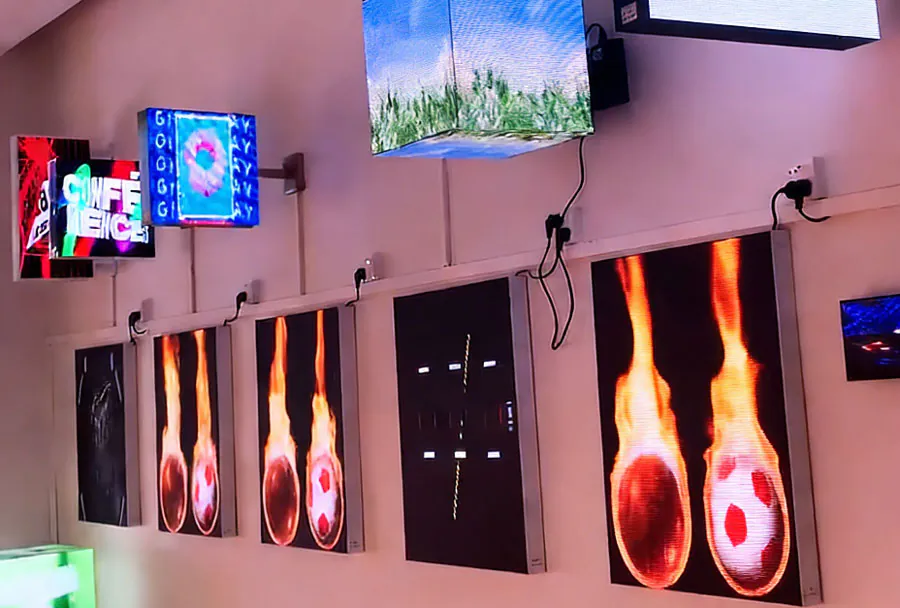
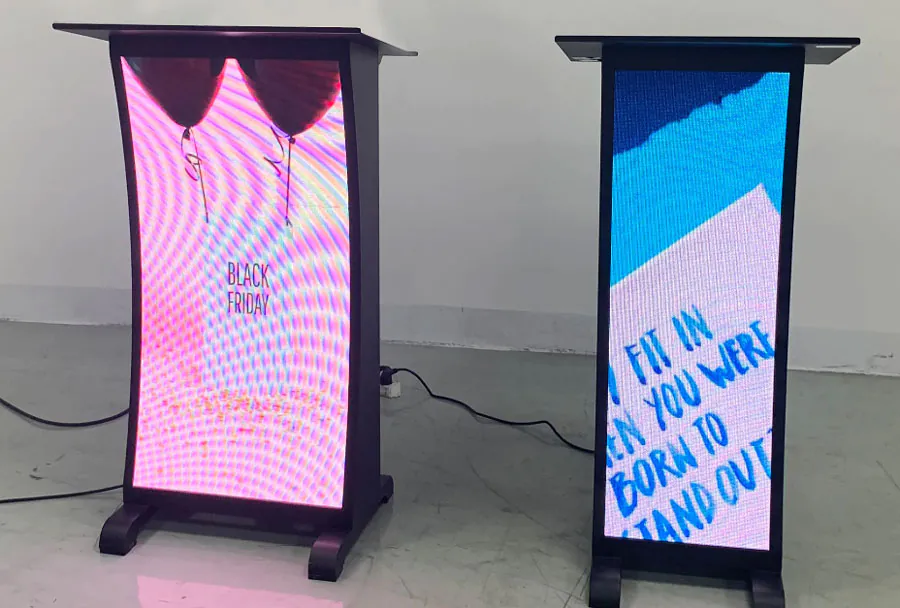
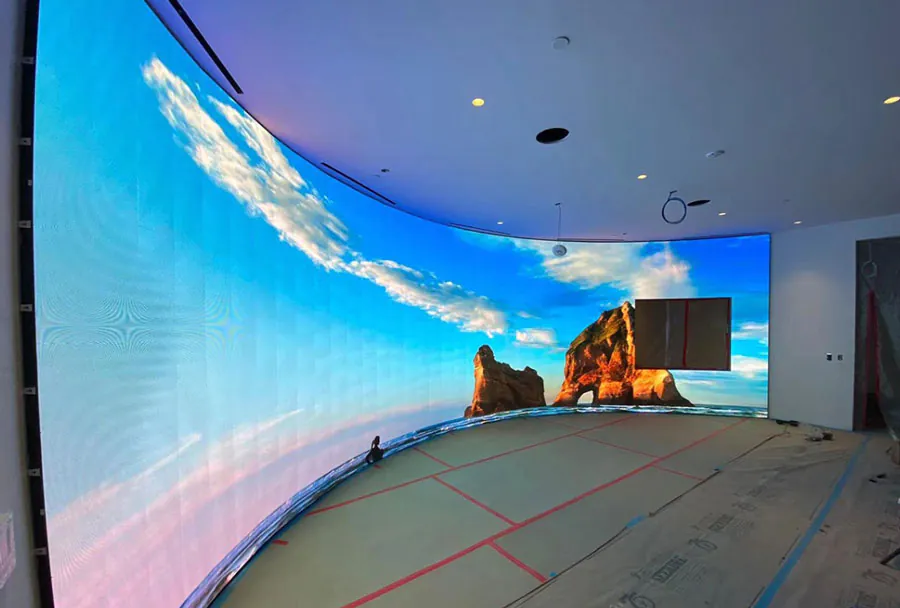
Curved, concave/convex, transparent, and flexible displays create unique experiences. For stage design, modular tile systems make complex shapes possible.
Confirm signal compatibility
Ensure the rental provider supports common input sources (HDMI, SDI, DVI, DisplayPort) and can handle video processors, media servers, and live feeds. Ask about resolution management and content scaling.
Pricing Models and What’s Typically Included
Common rental pricing structures
– Daily rate: Standard for short events; often includes technical setup time and teardown.
– Weekly/monthly rate: Discounted for longer activations.
– Project-based flat fee: Used for complex, multi-day projects with integrated services.
– Add-on services: Transportation, rigging, tech labor, content playback systems, and insurance.
Typical inclusions
– Delivery and pickup
– On-site installation and teardown
– Basic calibration and testing
– Operator/technician support during the event (may be billed hourly)
– Backup modules/parts for redundancy (depends on provider)
Logistics, Installation, and On-Site Support
Planning and site survey
A pre-event site survey helps identify structural supports, rigging points, power availability, and sightlines. For outdoor events, weatherproofing and wind-load calculations are essential.
Transport and staging
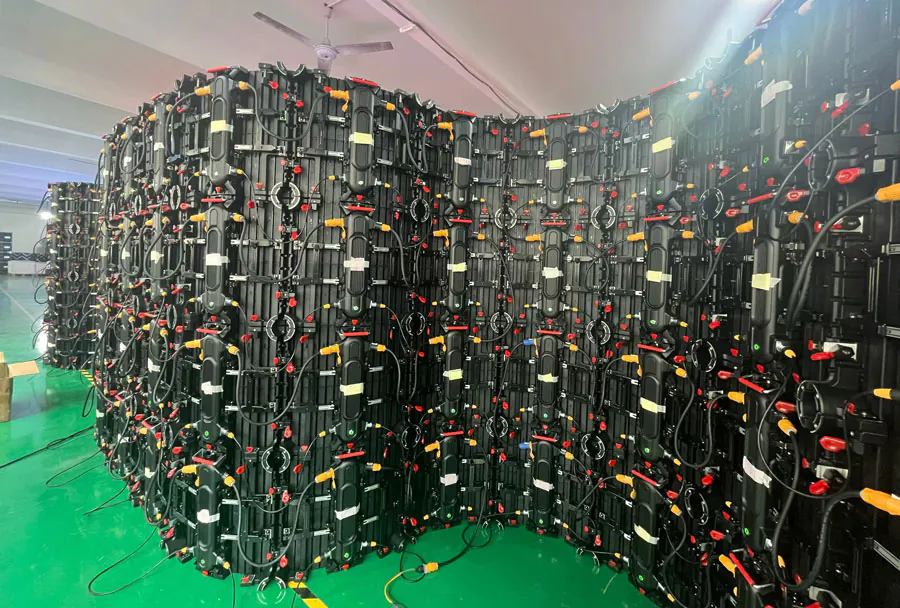
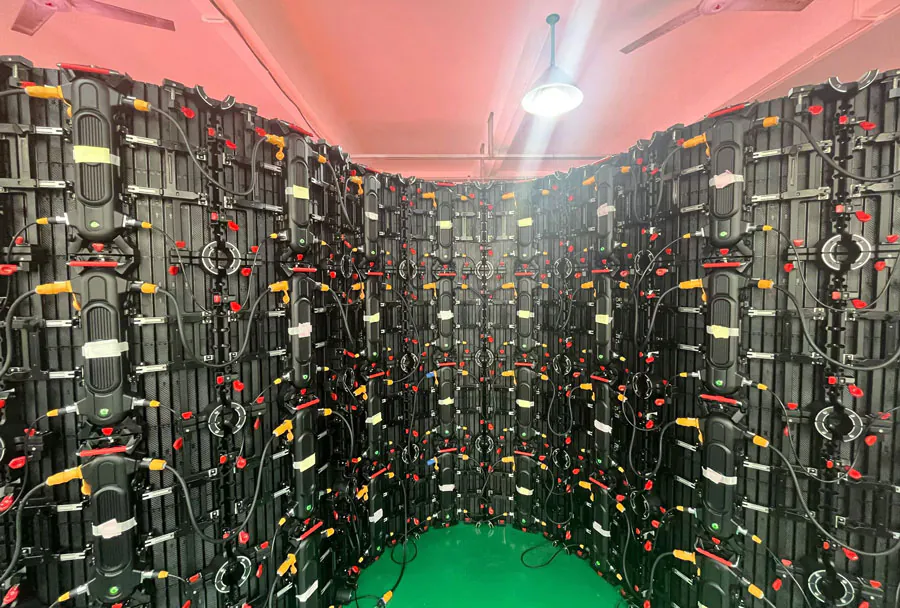
Consider access routes, loading docks, clearances, and staging area for assembly. Large LED walls are typically assembled in situ. Factor in the time required for assembly, alignment, and content testing.
Power and cooling
LED displays require stable power distribution. Rental firms should provide power specifications and recommend generators with contingency capacity. For long-duration events, verify ventilation and cooling requirements.
On-site technical support
On-site technicians manage signal routing, content playback, and troubleshooting. Confirm technician availability and response SLAs (service level agreements) especially for critical live broadcasts or large events.
Content and Creative Considerations
Design for pixel pitch and aspect ratio
Create content optimized for the target pixel density and native resolution of the rented screen. Use high-resolution assets and test content scale to avoid pixelation.
Dynamic and interactive content
Incorporate live feeds, social media walls, countdowns, and interactive elements to increase attendee engagement. For trade shows, consider sensors or mobile integrations that trigger custom visuals.
Color calibration and consistency
Ask the rental provider to perform color calibration so that multiple screens display consistent color temperature and brightness. This is critical for brand-sensitive presentations.
Risk Management and Contingency Planning
Redundancy and backups
Use backup playback devices and redundant signal paths. For large-scale events, having a second media server and spare LED modules reduces downtime risk.
Weather and environmental risks
Confirm IP rating for outdoor cabinets. Establish a severe-weather plan including evacuation, protective coverings, and safe power shutdown procedures.
Insurance and liability
Ensure appropriate event insurance covers rented equipment and third-party liability. Verify if the rental company requires client-provided insurance or offers waivers for damage.
Measuring ROI and Success Metrics
Engagement metrics
Track impressions, dwell time, social interaction, QR code scans, and direct leads generated from content displayed on LED screens.
Brand lift and recall
Use pre- and post-event surveys to measure brand recall improvements tied to visual campaigns on LED walls. Compare conversion rates for participants exposed to LED-driven content versus control groups.
Cost-per-engagement calculations
Calculate total rental cost divided by meaningful engagements (e.g., new leads or sales) to compare the effectiveness of LED rentals against other marketing channels.

Environmental and Sustainability Considerations
Energy efficiency
Modern LED panels are increasingly energy-efficient compared to older models. Ask providers for power consumption metrics and opt for systems with lower wattage per square meter where possible.
Reusable components and circular rentals
Choose rental partners committed to refurbishment and reuse. This reduces waste and often improves supply chain resilience and cost efficiency.
Case Studies: Practical Applications
Case Study 1 — Corporate Product Launch
A mid-sized tech company rented a 20-ft wide indoor LED wall (P2.5) for a new product launch. The rental included installation, a media server, and two technicians. The high-resolution display allowed detailed product close-ups during demos, resulting in a 35% increase in demo sign-ups versus prior launches using projectors.
Case Study 2 — Outdoor Music Festival
An outdoor festival used multiple high-brightness LED screens (P6, 6,500 nits) for stage backdrops and audience jumbotrons. The rental package included rigging, wind-rated support, and standby technicians. The screens improved sightlines and sponsor visibility, enabling higher sponsorship rates and increased attendee satisfaction.
Comparison Analysis Table: Typical LED Rental Options
| Screen Type/Size | Pixel Pitch (mm) | Brightness (nits) | Best For | Estimated Rental Cost (per day) |
|---|---|---|---|---|
| Indoor High-Res Wall (10 m2) | P1.9–P2.5 | 800–1,200 | Close-up corporate events, broadcast sets | $800–$1,500 |
| Indoor Standard Wall (20 m2) | P3–P4.8 | 1,000–1,800 | Trade shows, auditoriums | $1,200–$2,500 |
| Outdoor Medium (30 m2) | P6–P8 | 5,000–7,000 | Outdoor concerts, large gatherings | $2,000–$4,000 |
| Outdoor Large Jumbotron (50 m2+) | P8–P16 | 7,000+ | Sports events, stadium displays | $4,000–$10,000+ |
| Transparent/Flexible Displays (varied) | P2.5–P6 | 800–3,000 | Retail facades, creative installations | $1,500–$5,000 |
Note: Estimated rental costs are approximate and vary by region, provider, duration, and service level. Always request itemized quotes.
Questions to Ask Your Rental Provider
Technical and equipment questions
– What is the native resolution and recommended maximum screen size?
– What is the brightness rating and IP rating for outdoor use?
– Do you provide color calibration and signal processing equipment?
– What are the power and cabling requirements?
Service and logistics questions
– What’s included in the quoted rate (delivery, setup, on-site tech)?
– How many technicians will be on-site and for how long?
– What is your contingency plan for equipment failure?
– Are permits, rigging, and structural engineering part of the service (if required)?
Tips for Getting the Best Value
Book early and bundle services
Early booking can secure better rates and availability. Bundling screens, audio, lighting, and crew from one vendor often yields discounts and reduces coordination overhead.
Test content in advance
Request a pre-event test day or digital preview with the exact resolution and aspect ratio. This prevents last-minute scaling issues and lowers stress on event day.
h4>Negotiate SLAs
For mission-critical events, negotiate guaranteed response times for technical support and include penalties for missed SLAs where feasible.
Frequently Asked Questions
Do I need a technician on-site for small events?
For small indoor events using a single display with simple input sources, remote support may suffice. However, on-site technicians are recommended when using multiple feeds, live switching, or complex configurations.
How long does it take to install an LED wall?
Installation time depends on size and complexity. Small walls (10–20 m2) can take 2–4 hours; large outdoor walls may require 8–24 hours, including rigging and testing.

What is the minimum rental period?
Minimum rental durations vary by provider—some offer daily rentals, while others require multi-day bookings during busy seasons. Ask providers for flexible short-term options.
Conclusion: Making LED Rental Work for You
Affordable led display screen rental solutions democratize access to high-quality visual experiences for events of every scale. By selecting the right pixel pitch, brightness, and form factor—and by partnering with a reliable rental provider that offers comprehensive logistics and technical support—you can elevate any occasion without the heavy capital outlay of buying permanent equipment.
When planning an LED rental, focus on the intended audience, viewing distance, and environmental conditions. Negotiate transparent pricing that includes delivery, setup, calibration, and on-site support. Test content ahead of time and build in contingencies for power, weather, and equipment redundancy.
With careful planning and the right rental partner, LED displays can deliver exceptional engagement, memorable experiences, and measurable ROI—making them an indispensable tool for contemporary events and brand activations.