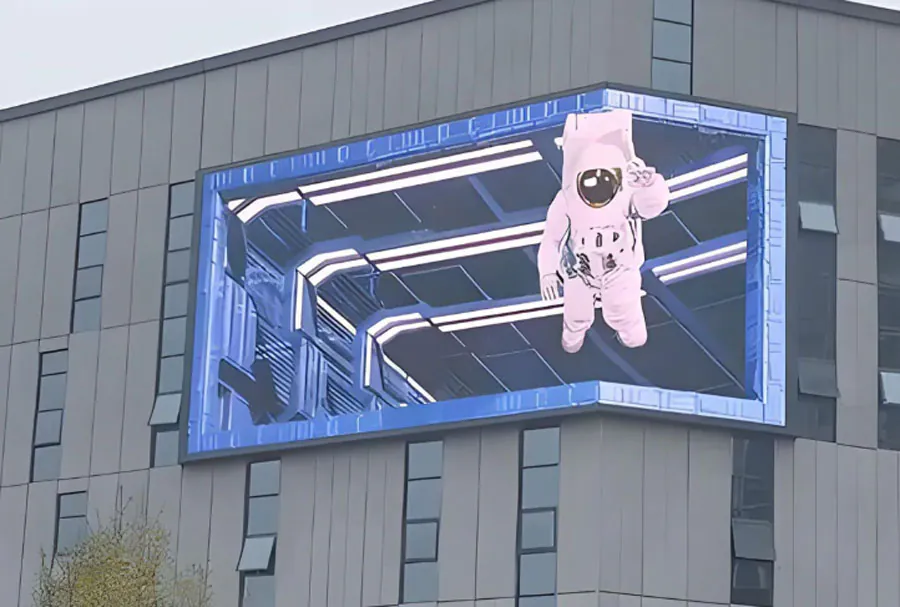
Reliable Outdoor LED Screen Rental with Installation & Technical Support

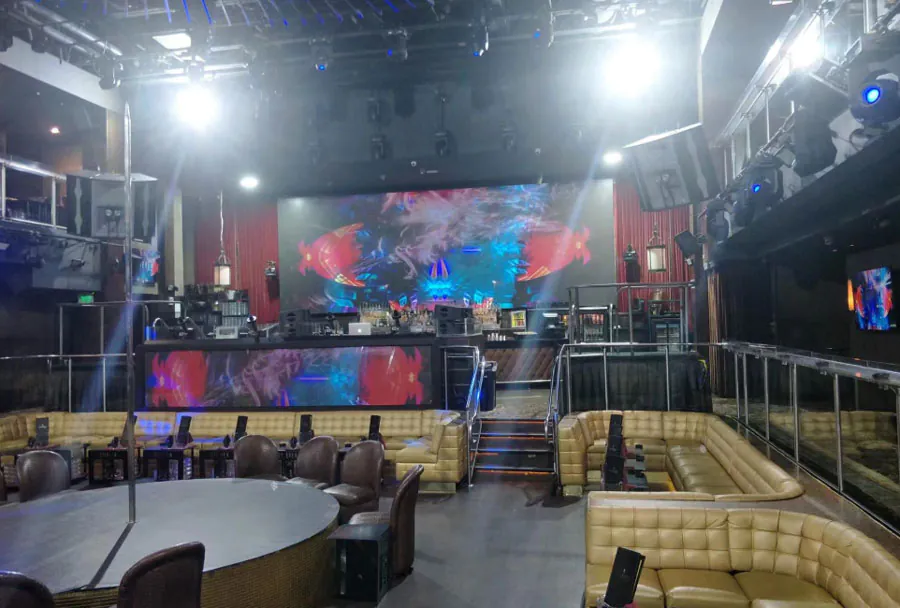
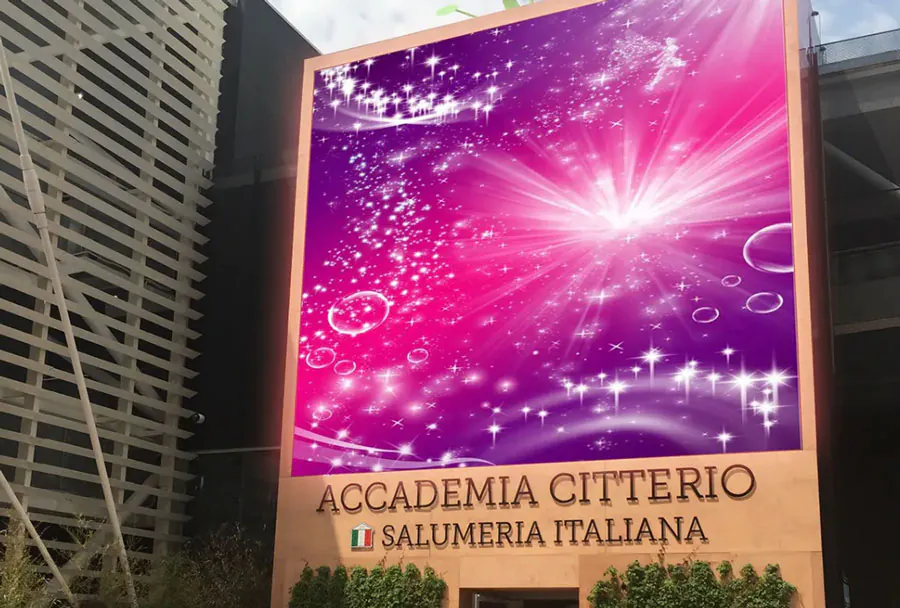
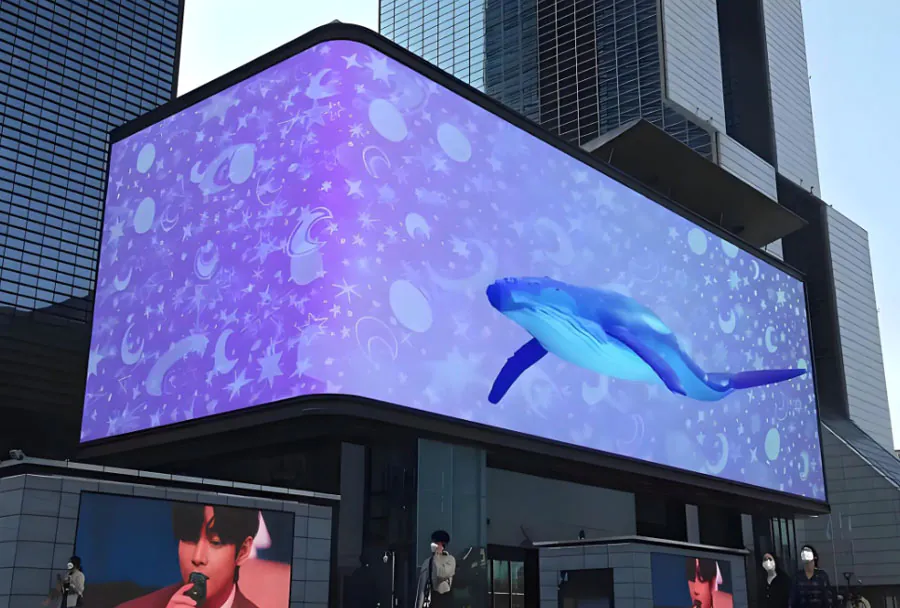
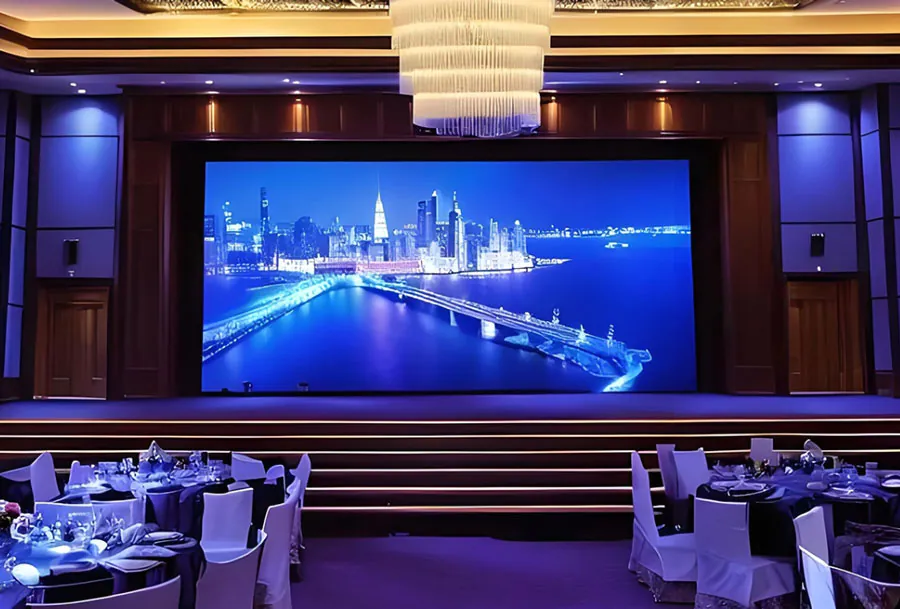
Outdoor LED screens are a high-impact way to deliver content for concerts, sporting events, festivals, advertising, corporate events, and public information displays. For many organizers and agencies, renting an outdoor LED screen with professional installation and technical support is the most efficient and cost-effective approach. Choosing the right rental partner and specifying the correct technical parameters determines the success of an event—both visually and operationally. This article provides a comprehensive, professional guide to renting outdoor LED screens with a focus on installation practices, technical support, risk management, and best practices for achieving reliable performance in real-world conditions.
Why Rent Instead of Buy?
Renting outdoor LED screens is often preferable to purchasing for several reasons:
– Cost efficiency: Rentals avoid large capital expenditures, maintenance costs, and depreciation.
– Flexibility: Different events require different pixel pitches, sizes, and mounting systems; renting lets you match the screen to the event.
– Technical expertise: Reputable rental providers supply installation crews, structural engineering, calibration, and on-site troubleshooting.
– Logistics: Delivery, staging, and teardown are managed by the vendor, lowering the operational burden on event teams.
– Latest technology: Rental fleets are updated more frequently than in-house inventory, allowing access to higher-brightness, energy-efficient modules and advanced controllers.
Key Technical Specifications to Evaluate
When assessing rental options, pay attention to these core technical attributes:
– Pixel pitch: Determines image detail and minimum viewing distance. Smaller pitch = higher resolution.
– Brightness (nits): Outdoor screens must deliver high brightness—typically 4,000 to 10,000 nits depending on ambient light.
– IP rating: Waterproof and dustproof ratings such as IP65 are typical for outdoor modules and cabinets.
– Refresh rate and grayscale: High refresh rates and good grayscale processing prevent flicker during camera capture and broadcast.
– Module and cabinet robustness: Build quality, quick-lock mechanisms, and thermal management support long, reliable runs.
– Control and content processing: Video processors, media servers, and content-management systems that support multiple inputs, warping, and scaling.
– Power and redundancy: Efficient power supplies, redundancy in modules and power distribution, and options for generators or UPS support.
Analysis Table — Typical Outdoor LED Screen Options
| Screen Type | Pixel Pitch (mm) | Brightness (nits) | Typical Viewing Distance | Best Use Case |
|---|---|---|---|---|
| P2.5 Fine-Pitch | 2.5 | 3,000–5,000 | 8–25 ft (2.5–7.5 m) | High-detail corporate stages, close viewing areas |
| P3.9/P4.8 Mid-Range | 3.9 / 4.8 | 5,000–7,000 | 15–40 ft (4.5–12 m) | Concerts, festivals, medium-sized outdoor events |
| P6.7 Stadium | 6.7 | 7,000–9,000 | 30–80 ft (9–24 m) | Large outdoor venues, stadium screens |
| P10 Large-Format | 10 | 8,000–10,000+ | 80–200+ ft (24–60+ m) | Advertising hoardings, distant viewing, signage |
| Fine-Pitch IP65 Outdoor | 2.6–3.9 | 4,000–8,000 | 10–35 ft (3–10 m) | Premium outdoor branding and close-proximity events |
Types of Installation and Structural Considerations
Installation method affects safety, visual quality, and venue compatibility. Common installation types include:
– Ground-stack (ground-supported): Screens are stacked on the ground using frames and ballast. Ideal for temporary event stages and advertising walls.
– Flown (rigging): Screens are suspended from trusses, beams, or cranes. This requires certified rigging crews and structural load calculations.

– Truss-mounted or scaffold-mounted: Common for concert and festival stages, using truss frames that are engineered to handle screen weight and wind loads.
– Trailer- or vehicle-mounted: Mobile screens mounted on vehicles are fast to deploy but have fixed sizes and limited customization.
Key structural considerations:
– Wind load: Outdoor screens present large surface areas; wind calculations and certification are mandatory for flown or tall ground-stacked setups.
– Anchoring and ballast: Use engineered anchors, tie-downs, and ballast weights to meet local safety codes.
– Ground conditions: Assess soil and surface strength; softer ground may require additional stabilization.
– Access and clearances: Consider sightlines, emergency exits, and crowd flow.
Power, Redundancy, and Signal Chain
Reliable power and signal systems are central to uninterrupted performance:
– Power distribution: Use event-grade distro with circuit protection and labeled runs. Determine total amperage and provide balanced loads across phases.
– Backup power: For critical events, include generators and UPS systems to protect against mains interruption and to allow safe shutdowns.
– Redundancy: Redundant power supplies, hot-swappable modules, and multiple signal paths (primary/backup media servers, SDI/fiber loops) reduce single points of failure.
– Signal transmission: Choose appropriate transmission methods—HDMI for short, SDI for broadcast, and fiber for long-distance, high-bandwidth runs. Wireless options exist but are typically avoided for main feeds due to reliability concerns.
– Video processing: Use robust processors that handle scaling, color mapping, edge blending, and multi-layer content. Frame synchronizers and genlock help prevent tearing and improve camera output.
Weatherproofing and Thermal Management
Outdoor conditions demand careful attention:
– IP rating: Ensure modules and cabinets meet IP65 or higher for resistance to rain, dust, and jet spray.
– Sealing and drainage: Cabinets must have gaskets, sealed seams, and drainage channels to prevent water ingress.
– Cooling: Passive and active thermal solutions (heat sinks, fans) maintain module temperature. Overheating reduces lifetime and causes color shifts.
– Corrosion resistance: Use powder-coated steel or aluminum cabinets and stainless hardware for salty or coastal environments.
– Temperature range: Verify module operation across the expected low and high ambient temperatures of the event location.
Content Management and Calibration
Good content looks great only when mapped and calibrated correctly:
– Color calibration: Calibrate multiple cabinets to a consistent white point, gamma, and color balance to avoid visible seams or color shifts.
– Pixel mapping: Ensure media servers match the physical pixel layout to prevent misalignment of graphics or video.
– Brightness control: Adapt brightness dynamically based on daylight or night conditions; some systems use ambient light sensors.
– File formats and codecs: Confirm supported codecs and resolutions; use high-bitrate, pre-tested content to avoid playback artifacts.
– Live feeds and overlays: Prepare for live cameras, graphics overlays, and branding considerations. Ensure latency is within acceptable limits for live-action synchronization.
On-Site Technical Support and Service-Level Agreements (SLAs)
A vendor’s technical support separates reliable experiences from failures:
– Pre-show support: Site surveys, structural engineering, load-in planning, and rehearsals help identify issues before the event.
– On-site technicians: For most outdoor events the rental package should include trained technicians for installation, testing, and live support.
– Response times: SLAs should define response times for technician dispatch and remote monitoring availability.
– Spare parts: The vendor should bring spare modules, power supplies, cables, and controllers to repair faults quickly.
– Remote monitoring: Modern systems allow remote diagnostics and health monitoring—vendors can proactively address problems before they impact the show.
– Post-show support: Proper teardown procedures prevent damage; vendors should also handle restoration of venue surfaces and documentation.
Common Problems and Troubleshooting
Understand common failure modes and how vendors should address them:
– Flicker or scan-lines: Often caused by inadequate refresh rates, improper grounding, or poor video synchronization. Solutions: increase refresh rate, ensure proper grounding, and use frame sync.
– Dead pixels or modules: Replace faulty modules or panels; spares should be on hand.
– Color inconsistency: Requires recalibration or swapping mismatched modules.

– Power trips: Check distribution, balance loads, and inspect for shorts in cables or connectors.
– Signal loss: Verify connectors, check SDI/fiber integrity, and confirm media server output.
– Overheating: Improve ventilation, reduce brightness temporarily, or add additional cooling.
Logistics, Timeline, and Project Flow
A well-executed timeline is critical for event success:
– Site survey (2–6 weeks prior): Confirm load-bearing points, access routes, power availability, and local regulations.
– Design and approval (1–4 weeks prior): Produce drawings, rigging plans, and content mapping for client sign-off.
– Delivery and load-in (1–3 days prior): Staging, power installation, and physical setup.
– Calibration and technical rehearsal (24–48 hours prior): Color matching, content playback testing, camera checks, and contingency tests.
– Event execution: On-site support for show day including monitoring and immediate troubleshooting.
– Teardown and return (same day or next day): Safe teardown, packing, and logistics back to warehouse.
Timelines will vary with event complexity, venue permissions, and scale.
Pricing Models and What to Expect
Rental pricing typically includes equipment rental plus additional services:
– Equipment-only daily rate: Screen panels, basic cabinets without installation; suitable if you have a crew.
– Full-service package: Equipment, delivery, installation, technicians, and support; the most common for event planners.
– Day vs. multi-day discounts: Many vendors reduce daily rates for bookings longer than a week.
– Additional fees: Rigging, permits, generators, insurance, overtime labor, and specialized processors.
– Deposits and insurance: Vendors often require a security deposit and proof of event insurance naming them as additional insured.
Ask for a detailed quote that separates equipment, labor, transport, and consumables.
Permits, Regulations, and Insurance
Complying with regulations reduces legal exposure:
– Permits: Local authorities often require permits for temporary structures, tall installations, and amplified events.
– Structural certification: Flown or large-screen installations may require stamped engineering reports.
– Noise and light ordinances: Screen brightness and operating hours may be constrained by local rules.
– Insurance: General liability, workers’ compensation, and equipment insurance are critical. Confirm vendor carries appropriate coverage and accepts indemnity clauses where necessary.
Checklist for Clients Before Booking
Ask these questions when selecting a rental provider:
– Do you provide site surveys and structural calculations?
– What IP rating and brightness do your screens have?
– What is included in the quoted price (installation, techs, spares)?
– What are your SLAs for on-site response and remote support?
– Do you provide noise, power, and lighting mitigation suggestions?
– What redundancy measures are part of your standard setup?
– Can you provide references or case studies for similar events?
– What are the cancellation, rescheduling, and damage policies?
Best Practices and Recommendations
– Start planning early: Reserve proven vendors well in advance for peak seasons.
– Prioritize safety: Never cut corners on rigging, wind protection, or electrical distribution.
– Insist on rehearsals: On-site testing with cameras, live feeds, and overlays prevents last-minute surprises.
– Choose appropriate pixel pitch for viewing distance rather than just cost: Poorly matched resolution reduces engagement.
– Request a detailed runbook: Include contact lists, escalation paths, schematics, and redundancy plans.
– Validate content in situ: Test content at full brightness to verify color and contrast under ambient conditions.
Choosing a Reliable Provider
A reliable vendor demonstrates:
– Proven experience in outdoor events and varied venues.
– Professional rigging and engineering documentation.
– Certified technicians with clear SLAs and spare parts inventory.
– Transparent pricing and well-defined service packages.
– Positive customer references and documented case studies.
Select a partner who acts as a technical advisor and will collaborate with production, AV, and operations teams.
Renting outdoor LED screens with professional installation and technical support is a pragmatic, risk-managed solution for event organizers seeking high visual impact without the capital burden of ownership. A successful rental engagement depends on matching technical specifications to event needs, ensuring structural safety, implementing robust power and signal redundancy, and securing responsive on-site support. By using the guidelines and checklist in this article, event professionals can make informed decisions, minimize operational risk, and deliver great visual experiences that enhance audience engagement and meet production objectives.