Affordable Rental LED Display Screen Solutions with Fast Setup

In today’s fast-paced events and marketing environment, organizers demand visual impact without long lead times or excessive capital outlay. Affordable rental LED display screen solutions with fast setup answer that call by delivering high-quality visuals, flexible configurations, and rapid deployment. This article explains how rental led displays achieve cost-efficiency, what to consider when selecting a rental solution, technical and logistical best practices for fast setup, and how to measure return on investment (ROI). Whether you are an event producer, corporate AV manager, or marketing director, this guide provides a practical roadmap to leverage rental LED displays effectively.
Why Choose Rental LED Displays?
Renting LED displays is increasingly popular for several reasons:
– Cost efficiency: Avoid the capital expense of purchasing technology that may be needed sporadically. Rental converts CapEx into predictable OpEx.
– Flexibility: Different events demand different sizes, aspect ratios, and pixel pitches. Rental providers can scale and customize quickly.
– Latest technology: Rental fleets are refreshed more frequently than owned inventories, so you can access newer modules, better processors, and lighter cabinets.
– Speed: Experienced rental vendors and preconfigured systems enable installation and testing in hours rather than days.
– Reduced maintenance burden: The rental company handles repair parts, replacements, and technical support.
Primary Use Cases for rental led screens
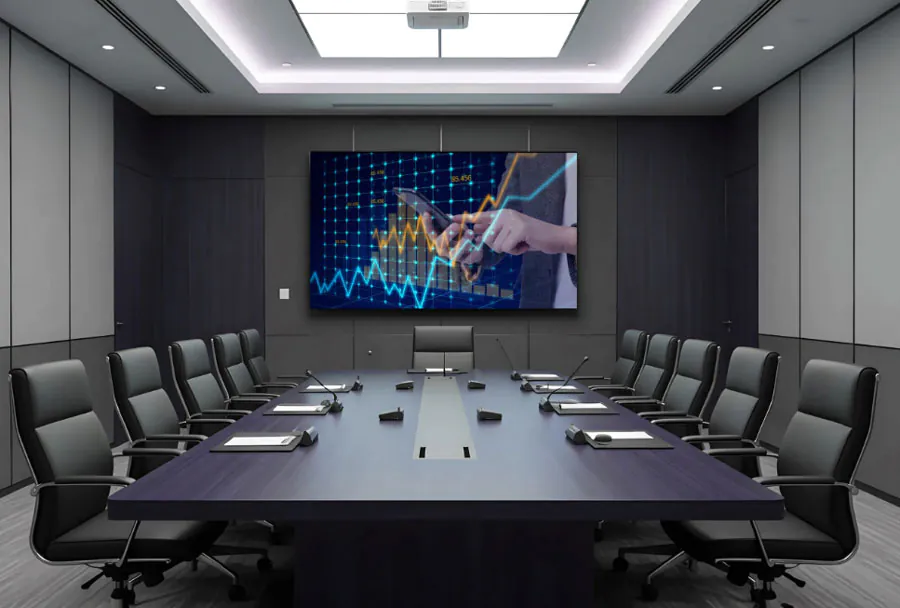
– Corporate events and product launches: High-resolution video walls behind stages.
– Trade shows and exhibitions: Large-format displays to attract booth traffic.
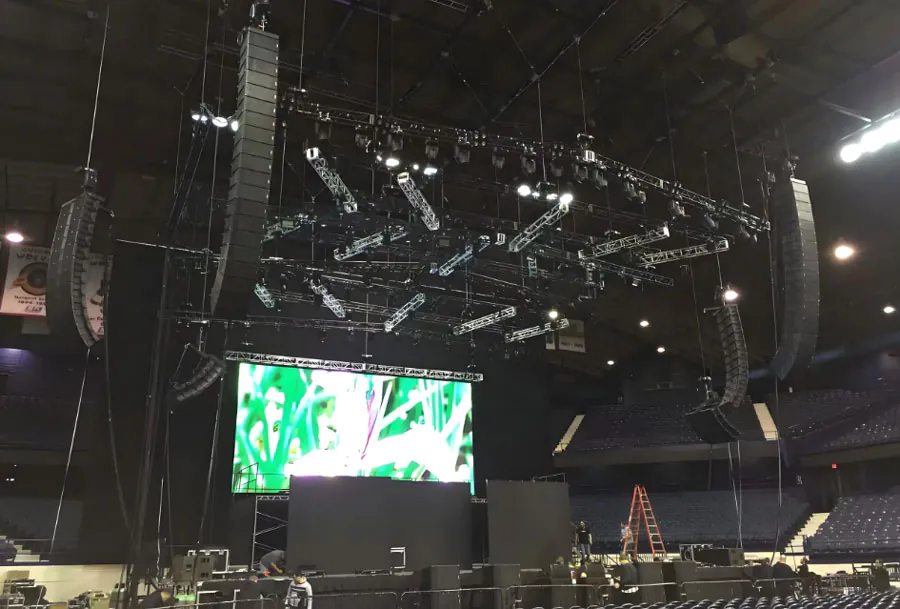
– Concerts and festivals: Weatherproof outdoor displays with high brightness.
– Sports and temporary venues: Scoreboards, perimeter advertising, and instant-replay screens.
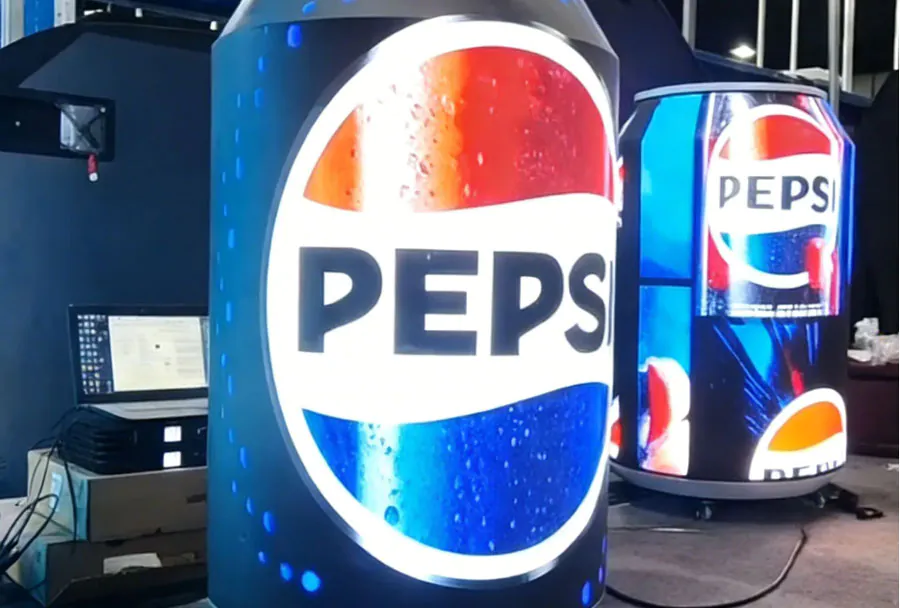
– Retail pop-ups and experiential marketing: Short-term immersive environments.
Key Factors That Define Affordability
Affordability goes beyond the headline rental rate. Consider:
– Total package cost: Includes transport, rigging, labor, power distribution, and content management.
– Utilization rate: High-turnover rental schedules reduce per-event cost.
– Setup time: Faster setup reduces labor hours and venue rental fees.
– Reliability: A stable system reduces costly downtime and last-minute replacements.
– Energy efficiency: Lower power consumption reduces generator needs and utility costs.
Designing for Fast Setup
Fast setup is a function of planning, equipment design, and crew expertise. Strategies include:
– Modular cabinets with tool-less locking systems: Quick electric locks and alignment features cut time.
– Integrated frames and trussing points: Cabinets designed to lock into standard truss reduce scaffolding time.
– Pre-tested seams and cable looms: Prewired modules and labeled cabling eliminate field troubleshooting.
– Lightweight materials: Reduce manpower needs and speed hoisting.
– Standardized pixel pitch across sections: Fewer configuration permutations simplify planning.
Technical Considerations: Choosing the Right Pixel Pitch
Pixel pitch (measured in millimeters) determines viewing distance and cost:
– P1.2–P1.9: Fine-pitch LED used for local studio, broadcast, or high-end corporate stages where viewers are close.
– P2.5–P3.9: Common for indoor events and trade shows; balance between cost and clarity.
– P4–P6: Suitable for larger indoor spaces and near-stage use with moderate viewing distance.
– P8–P16: Typical for outdoor advertising, stadiums, and long-distance viewing scenarios.
Smaller pitch increases price but reduces screen size for the same resolution, delivering a more compact installation for close audiences.
Indoor vs Outdoor: Differences That Affect Cost and Setup Time
– Brightness and IP rating: Outdoor screens require higher brightness and weatherproof IP65+ enclosures, increasing weight and cost.
– Mounting: Outdoor deployments often need specialized frames, ballast, or ground support systems and may involve permits.
– Sound and lighting: Outdoor environments need different audio reinforcement and lighting balance, impacting setup complexity.
– Logistics: Transportation of large outdoor panels is heavier and may require larger trucks and cranes.
Indoor setups typically are faster and cheaper given controlled conditions and lighter panels.

Control Systems and Content Management
A fast setup is aided by robust control hardware and streamlined content workflows:
– Media servers and processors: Use systems that support standard inputs (HDMI, SDI, DisplayPort) and unified control protocols (Art-Net, sACN).
– Pre-configured scenes: Templates and show files preloaded before arrival reduce onsite programming.
– Remote management: Network-accessible control allows pre-checks and content pushes from offsite.
– Synchronization and frame rate matching: Ensure all modules operate on consistent refresh rates to avoid visual tearing.
Power, Cooling, and Safety Requirements
– Power planning: Know total wattage per cabinet and provide sufficient distribution panels and breakers.
– UPS and surge protection: Protect rental screens from power spikes during setup or events.
– Cooling: High-brightness outdoor walls and large indoor walls dissipate heat; ensure adequate ventilation.
– Safety rigging: Use certified rigging hardware and follow local regulations for suspended loads. Redundant supports and safety cables are essential.
– Grounding and bonding: Proper electrical grounding prevents interference and protects equipment.
Logistics: Transportation, Storage, and Handling
– Road cases and packaging: Protective flight cases with foam inserts speed loading/unloading and reduce damage.
– Trucking and lift planning: Match vehicle size to payload; include liftgate or forklift capability where required.
– Staging plan and site survey: Verify door widths, elevator capacities, and site power before arrival.
– Turnover time between events: Efficient staging areas and cleaning processes increase utilization and lower per-event costs.
Service and Support Models
Choose rental providers who offer clear SLAs:
– On-site technical support: For critical events, have technicians present for monitoring and quick fixes.
– Spare parts policy: Ensure common spare modules and power supplies are available on short notice.
– Preventive maintenance: Providers should test and recalibrate screens between rentals.
– Training options: Offer crew training for customer staff to handle minor adjustments.
Pricing Models and What’s Typically Included
Rental pricing can be structured in several ways:
– Daily or weekly rates: Standard for short-term engagements.
– Package pricing: Includes screen, rigging, transport, and operator.
– All-included turnkey pricing: Best for clients who prefer one vendor responsible for everything.
– A la carte pricing: Useful for experienced clients who want to manage parts of the setup themselves.
Always confirm inclusions: number of setup hours, teardown hours, travel fees, power distribution gear, and insurance.
Analysis Table: Typical Rental Scenarios
| Use Case | Typical Pixel Pitch | Average Setup Time | Estimated Daily Rental Cost | Ideal Venue |
|---|---|---|---|---|
| Small Conference Backdrop | P2.5–P3.9 | 2–4 hours | $800–$2,000 | Hotel Ballrooms, Meeting Rooms |
| Trade Show Booth Wall | P1.9–P2.5 | 3–6 hours | $1,200–$3,500 | Exhibition Halls, Convention Centers |
| Concert Stage LED Wall (Outdoor) | P4–P10 | 6–12 hours | $5,000–$20,000 | Outdoor Festivals, Arenas |
| Retail Pop-up / Experiential | P1.2–P3.9 | 2–5 hours | $1,500–$4,000 | Shopping Malls, Pop-up Stores |
| Stadium Perimeter / Big Screen | P6–P16 | 8–24 hours | $8,000–$30,000 | Stadiums, Large Venues |
Note: Estimates vary by region, vendor, and complexity. Always request an itemized quote.
Case Studies: Fast Setup in Action
Case 1 — Corporate Annual Meeting:
A multinational rented a 20ft x 12ft P2.5 LED wall for a corporate meeting. The rental provider preconfigured the wall into 8 cabinets per row, preloaded show content, and arrived with a two-person rapid install kit. Setup took 3 hours, and teardown 1.5 hours, saving venue rental fees and avoiding purchase costs.
Case 2 — Outdoor Music Festival:
A festival required three large outdoor screens across a multi-stage layout. The vendor used IP65-rated cabinets with quick-lock frames and a single master media server per stage. Lighting and audio teams coordinated via pre-event planning, enabling each wall to be operational by mid-afternoon on the event day. Redundant power distribution and spare modules prevented any onstage interruptions.

Case 3 — Retail Launch:
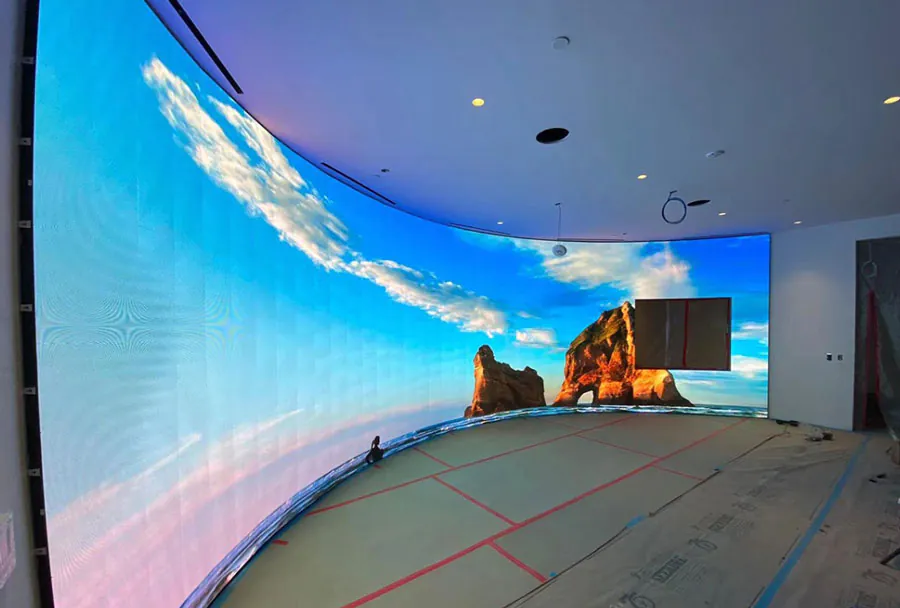
A pop-up used a curved P1.9 indoor display for product demos. Lightweight cabinets and magnetic module replacement reduced setup time to under 4 hours, allowing for same-day activation and extended store hours. The rental solution offered high pixel density at a fraction of the price of purchasing such a specialized configuration.
Checklist for Fast Rental LED Deployments
Before booking:
– Define viewing distances and pixel pitch requirements.
– Confirm venue access dimensions and load capacities.
– Determine power availability and backup needs.
– Request vendor references and SLAs.
Pre-event:
– Approve a site diagram and rigging plan.
– Provide the vendor with floor plans and power maps.
– Confirm content files, formats, and playback devices.
– Schedule a pre-event walkthrough or remote check.
On-site:
– Verify cabinet alignment and refresh rate match.
– Test sound and sightlines from multiple audience positions.
– Run a full content run-through; monitor for color consistency.
– Ensure safety rigging and electrical grounding are in place.
Post-event:
– Document any damage and discuss repair costs upfront.
– Review performance metrics and gather audience feedback.
– Schedule debrief with the vendor to identify improvements.
How to Measure ROI for Rental LED Screens
Calculate ROI by tracking qualitative and quantitative metrics:
– Incremental attendance or foot traffic attributable to LED-driven promotions.
– Engagement time: how long attendees engage with content or booths.
– Media impressions and social shares generated by the visual display.
– Cost savings compared to purchase, factoring depreciation and storage.
– Lead conversion rate improvements tied to dynamic content.
A simple ROI formula:
(Net revenue attributed to the LED display ? Total rental and associated costs) ÷ Total rental and associated costs.
Be conservative with attribution and use survey data, QR codes, or campaign-specific CTAs to link outcomes to the display.
Common Pitfalls and How to Avoid Them
– Underestimating power needs: Always request an electrical load schedule and have redundancy.
– Mismatched content resolution and pixel pitch: Source or scale content to the final pixel dimensions before arrival.
– Poor communication on responsibilities: Define in writing what the rental company versus client will provide.
– Ignoring safety regulations: Ensure all suspended structures are signed off by certified rigger/engineer.
– Last-minute changes: Lock down show files and hardware configurations at least 48–72 hours prior to event.
Green Considerations and Energy Efficiency
Sustainable practices lower long-term costs and meet corporate responsibility goals:
– Use energy-efficient LED modules and power supplies with high power factor.
– Consolidate runs and reuse screens across consecutive events to reduce transport miles.
– Choose rental providers that report recycling of older modules and batteries.
– Optimize brightness and pixel refresh settings to reduce unnecessary power draw.
Selecting a Rental Vendor: Questions to Ask
– What is included in the quoted price (labor, transport, insurance)?
– Do you have experience with venues like ours?
– What is your response time and on-site support policy?
– Can you provide references and a portfolio of similar installations?
– What are your backup and redundancy plans?
– Are modules and power supplies tested before shipping?
Future Trends to Watch
– Increasing adoption of microLED and even finer pitch rental fleets for studio-grade visuals.
– AI-driven content tools that dynamically adapt visuals to audience engagement.
– Wireless signal distribution and edge-processing to reduce cabling and setup time.
– Modular, lightweight carbon-fiber cabinets that enable one-person installations.
– Integrated data analytics from screens to measure interaction and dwell time.
Affordable rental led display screen solutions with fast setup present a compelling option for organizations that need visual impact without long-term ownership. The combination of modular hardware, thoughtful logistics, and experienced rental providers allows for rapid deployment and high-quality results across a wide range of events and venues. By prioritizing the right pixel pitch, robust control systems, clear contract terms, and a detailed site plan, event planners can reduce risk, control costs, and deliver memorable audience experiences. When evaluated on total cost, flexibility, and speed to market, rental LED solutions frequently outperform purchasing, especially for one-off or occasional events. Use the tools and checklists in this article to plan effectively, engage vendors confidently, and maximize the return on your rental LED investment.