Reliable LED Screen Rental with Setup and Support in Dubai

Dubai is a global hub for conferences, concerts, corporate launches, sporting events, and luxury brand activations. In a market where visual impact often determines perceived success, the choice and management of LED screens can make or break an event. Reliable LED screen rental with professional setup and ongoing technical support is not just a convenience — it’s a necessity. Organizers need confidence that displays will perform flawlessly under demanding environmental conditions, tight schedules, and high expectations from clients and audiences.
This article explores what “reliable” means in the context of LED screen rental in Dubai, analyzes screen types and use cases, outlines the responsibilities of rental providers, offers a comparison table for quick decision-making, and provides a practical checklist for event planners seeking seamless visual experiences.
What “Reliable” Really Means
Reliability goes beyond the physical durability of panels. It includes:
– Technical performance: consistent brightness, color accuracy, and refresh rates for smooth video.
– Redundancy: backup power, spare modules, and failover systems.
– Experienced crew: trained technicians for setup, calibration, and real-time monitoring.
– Rapid response: on-site or remote support to resolve issues immediately.
– Logistics competence: permits, transport, and scheduling that respect tight event timelines.
A reliable rental provider guarantees uptime and visual quality, minimizing risk and giving event planners a predictable outcome.
Why Dubai’s Environment and Market Make Reliability Critical
Dubai presents specific challenges and expectations:
– Climate: high daytime temperatures and strong sunlight require high-brightness and heat-tolerant displays.
– Outdoor venues: wind loads, dust, and occasional rain demand robust mounting systems and IP-rated screens.
– Regulatory complexity: permits, venue restrictions, and strict timelines.
– High standards: clients expect premium visual quality for luxury brands, broadcast partners, and international audiences.
Providers who understand the local environment and regulations can proactively mitigate risks and offer realistic solutions.
Types of LED Screens and Their Best Uses
Choosing the right LED solution depends on the event type, location, viewing distance, and budget. Here are common types and where they excel.
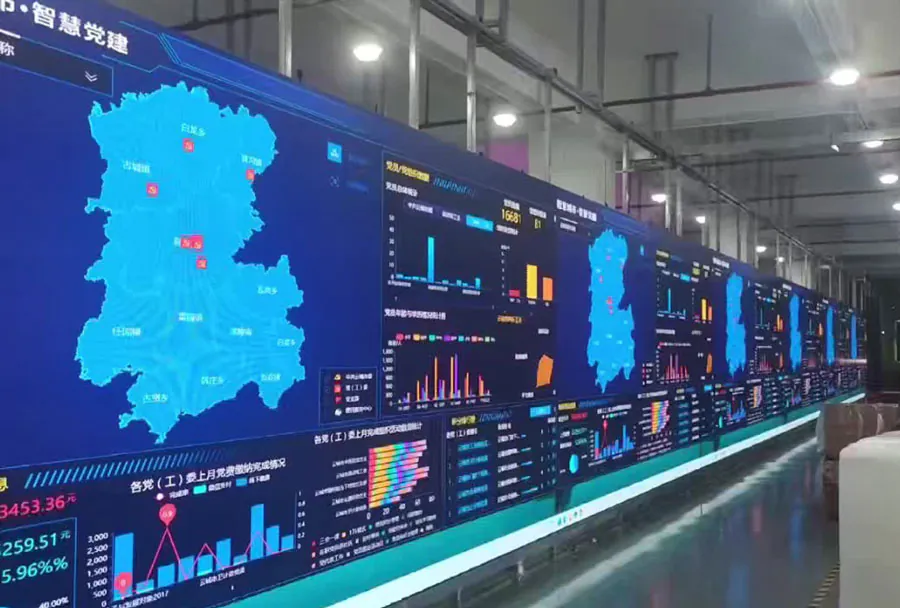
Indoor Fine-Pitch LED
– Pixel pitch: 0.9mm to 2.5mm.
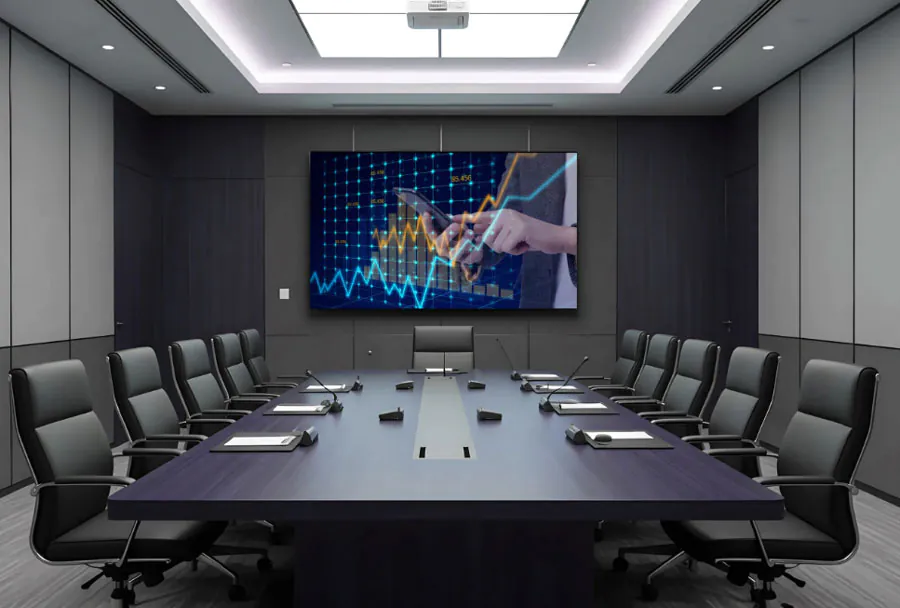
– Best for: corporate presentations, broadcast studios, control rooms, close-viewing environments.
– Advantages: high resolution, excellent color fidelity, ideal for static content and small text.
– Considerations: requires controlled lighting and power. Renting fine-pitch indoors often includes frame systems and blending services.
Indoor-Outdoor Hybrid Screens
– Pixel pitch: 2.6mm to 4mm.
– Best for: conference halls with large stages, exhibition booths, and semi-outdoor covered areas.
– Advantages: balances high resolution and brightness, more forgiving in mixed lighting environments.
– Considerations: flexible for dual-use events; often feature higher refresh rates for camera compatibility.
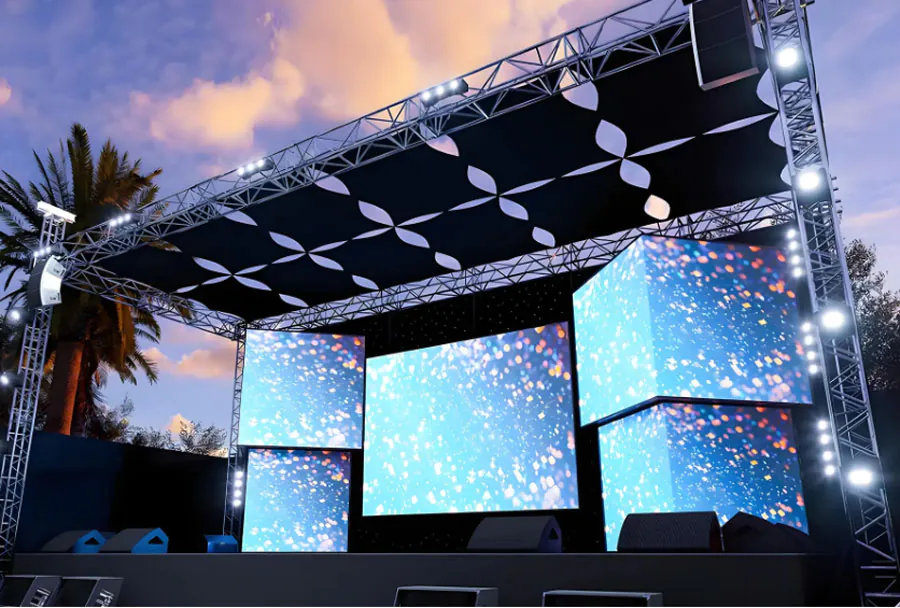
Outdoor High-Brightness LED
– Pixel pitch: 4mm to 10mm (and larger for billboard-scale).
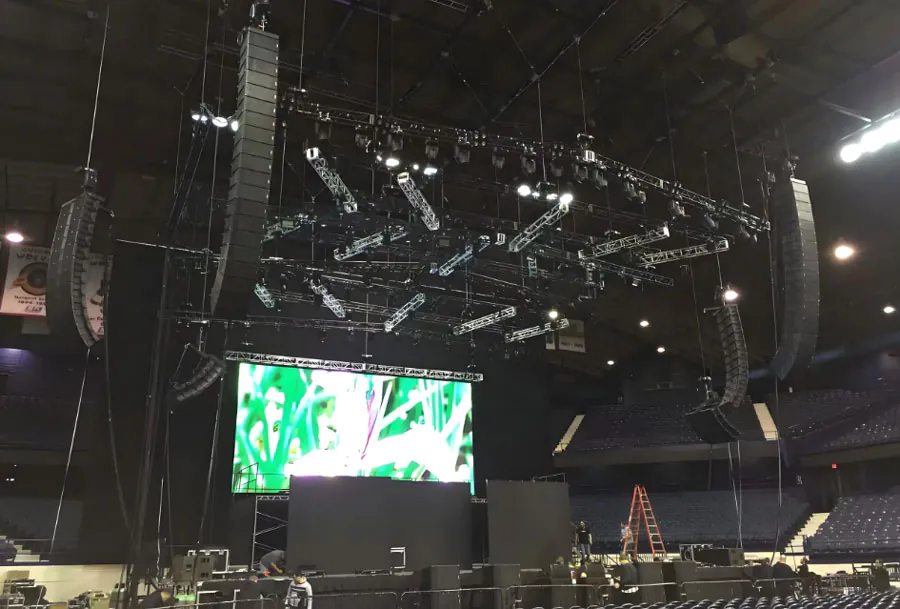
– Best for: concerts, sports arenas, outdoor advertising, large-scale activations.
– Advantages: very high brightness (5,000–10,000 nits), weatherproof cabinets, strong mounting hardware.
– Considerations: requires structural engineering for rigging, wind load assessments, and often specialized power infrastructure.
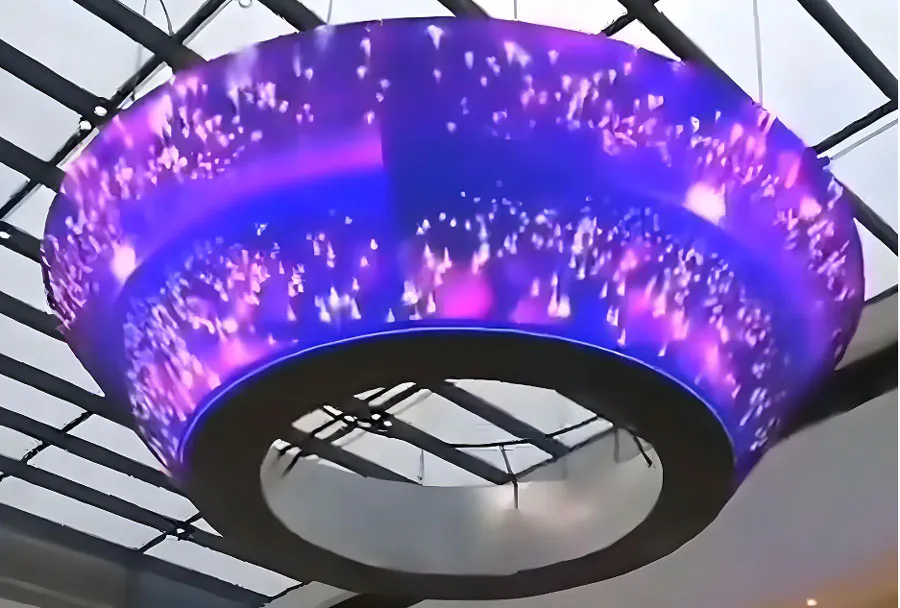
Transparent and Creative LED Solutions
– Pixel pitch: varies; designed for visibility while allowing light/line-of-sight.
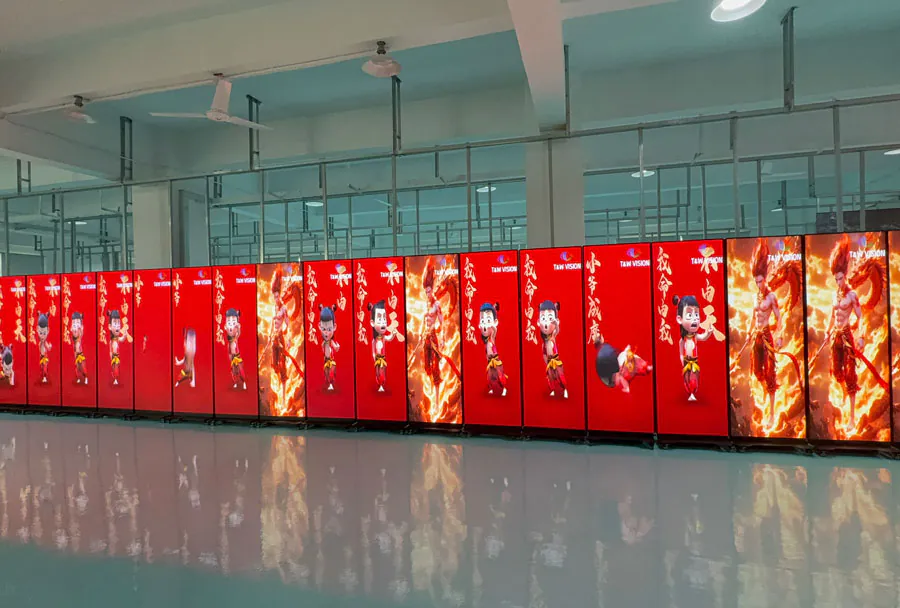
– Best for: retail facades, showrooms, and creative installations.
– Advantages: aesthetic integration, can be used without fully blocking backgrounds.
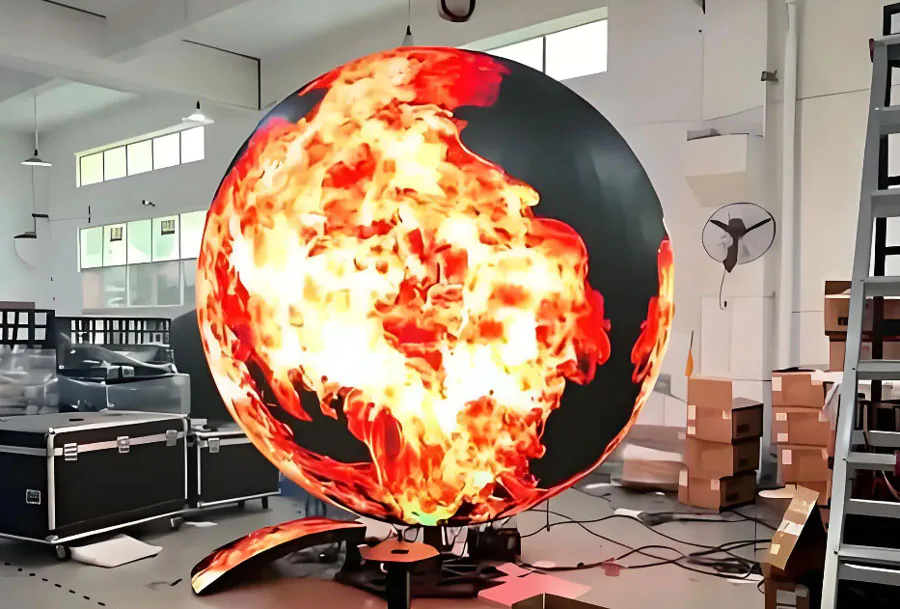
– Considerations: lower density than fine-pitch; best when artistic effect is prioritized.
Analysis Table: LED Screen Options at a Glance
| Screen Type | Typical Pixel Pitch | Best Use Cases | Key Advantages | Estimated Rental Range (per day) |
|---|---|---|---|---|
| Indoor Fine-Pitch | 0.9mm – 2.5mm | Corporate stages, studio backdrops, indoor conferences | High resolution, crisp text, great viewing up close | $800 – $2,500 |
| Indoor-Outdoor Hybrid | 2.6mm – 4mm | Large halls, trade shows, dinner galas | Balanced clarity and brightness, flexible use | $500 – $1,500 |
| Outdoor High-Brightness | 4mm – 10mm+ | Concerts, stadiums, outdoor advertising | Very bright, weatherproof, scalable | $1,000 – $4,000 |
| Transparent/Creative | Variable (design-focused) | Retail facades, architectural applications | Visually striking, integrates with architecture | $700 – $3,000 |

Note: Rental prices vary with screen size, event duration, setup complexity, and additional services such as content playback, control systems, and on-site technicians.
Setup and Logistics: From Site Survey to Final Handover
A smooth setup begins long before the event. Reliable rental providers follow a rigorous process:
1. Site Survey and Requirements Gathering
– Conduct a physical site visit or virtual survey.
– Understand viewing distances, sightlines, mounting possibilities, and power availability.
– Coordinate with venue management about access times, rigging points, and restrictions.
– Assess environmental risks: sun angles, wind, dust, and nearby obstructions.
2. Engineering and Design
– Create a screen design that matches content and viewing expectations.
– Provide rigging plans, structural calculations (for outdoor setups), and weight/load reports.
– Specify screen size, resolution, and orientation (portrait or landscape) depending on program requirements.
3. Installation and Calibration
– Install mounting structures, trusses, or ground supports with certified technicians.
– Ensure correct power distribution and backup circuits.
– Calibrate brightness, color temperature, and gamma to match stage lighting and cameras.
– Integrate control systems (media servers, switchers, and playback devices).
4. Rehearsal and Technical Rehearsal Support
– Run full technical rehearsals with AV, lighting, and broadcast teams.
– Test multi-source inputs, live feeds, and playback automation.
– Verify sync with other visual elements such as projectors or secondary screens.
5. Real-Time Monitoring and Support
– Provide on-site technicians during events to monitor performance and respond to incidents.
– Maintain spare modules, spare power supplies, and a hot-swap policy for minimal downtime.
– Offer remote support for content changes or signal troubleshooting when possible.
Technical Support and Maintenance: What to Expect
Support should be proactive and comprehensive:
– Preventive maintenance: cleaning, thermal checks, and firmware updates before deployment.
– Redundancy planning: dual power feeds, redundant signal paths, and backup media players.
– Rapid part replacement: modular panels that can be swapped in minutes.
– SLA clarity: response times, repair windows, and escalation paths should be contractually defined.
– Training: basic operation training for in-house teams if the client wishes to manage playback.
Having clear SLAs and documented support processes ensures accountability and quick resolutions.
Selecting the Right Rental Provider in Dubai
Not all rental companies are equal. Use the following criteria when selecting a partner:
Local Experience and Reputation
– Choose firms with experience in Dubai’s venues and regulatory environment.
– Check references, recent projects, and client testimonials.
Inventory Quality and Variety
– A modern inventory with different pixel pitches, brightness levels, and sizes allows better customization.
– Ask about age and maintenance history of panels.
Engineering Capability
– Verify in-house engineering capacity for structural calculations and certified rigging crews.
– For large outdoor installs, ensure they provide approved load-bearing documents.
Full-Service Offering
– End-to-end services (site survey, design, setup, support, and teardown) reduce vendor coordination risk.

– Integrated solutions including content services, media servers, and broadcasting integration are a plus.
Transparent Pricing and Contracts
– Ensure quotes include all relevant costs: transport, permits, crew labor, power, and contingency.
– Clarify damage and loss policies for rented equipment.
Cost Factors and Budget Planning
Budgeting requires more than the per-day screen rate. Consider:
– Screen rental cost per square meter or per panel.
– Transportation: city-to-venue logistics and customs charges for international shipments.
– Labor: skilled technicians typically bill per day or per shift.
– Power and infrastructure: generators, cabling, and distribution boards.
– Rigging and structural supports: bespoke trusses and cranes, if needed.
– Insurance and permits: liability insurance and municipal permits in Dubai.
– Content services: encoding, media servers, and live feed management.
Allocate 25–40% of your AV budget to contingency for unexpected technical or logistic needs.
Typical Use Cases and Real-World Examples
– Corporate Launch: A product launch in Dubai’s conference center uses a 10m x 3m indoor fine-pitch screen for product demos and close-up shots. The provider supplied calibration services for broadcast cameras and hybrid lighting integration.
– Outdoor Concert: An evening concert at an outdoor venue required two 12m x 6m high-brightness screens and a smaller front-stage confidence monitor. Wind calculations, specialized fastening, and generator support were critical.
– Retail Activation: A luxury storefront used a transparent LED installation for a month-long campaign. The creative team worked with the rental firm to integrate dynamic content while allowing natural light through.
These examples highlight the importance of tailored solutions and coordination among AV, creative, and logistics teams.
Event Planner’s Checklist for LED Screen Rental in Dubai
– Define audience size and viewing distances to choose pixel pitch and screen size.
– Confirm indoor vs. outdoor requirements and check IP ratings.
– Schedule a site survey with the rental provider.
– Obtain rigging approvals and structural calculations for outdoor or large suspended screens.
– Budget for power, backup generators, and distribution infrastructure.
– Include at least one full day for installation, calibration, and rehearsal.
– Ensure the provider’s SLA includes on-site technician coverage during the event.
– Ask for spare modules and a hot-swap strategy for fast panel replacement.
– Verify insurance coverage and clarify liability for damage or loss.
– Get a detailed bill of materials and a final quote that includes transport, labor, and setup.
Common Pitfalls and How to Avoid Them
– Underestimating viewing distance: Choosing too small a pixel pitch for a distant audience wastes budget. Match pitch to viewing distance.
– Ignoring sunlight: For outdoor daytime events, insufficient brightness leads to washed-out images. Insist on high-nit panels and anti-glare measures.
– Skipping rehearsals: Content that looks great on a laptop can fail on a large screen. Always rehearse with the live setup.
– Poor vendor coordination: Multiple AV vendors can create signal and syncing problems. Centralize responsibility or appoint a systems integrator.
– Overlooking permits: Late permit applications can halt installation. Start municipal approvals early.
Conclusion: Ensuring Visual Success in Dubai
Reliable LED screen rental with professional setup and support is foundational for successful events in Dubai. The right provider brings equipment quality, engineering expertise, logistical competence, and real-time technical support. Selecting the appropriate screen type, planning for the local environment, and contracting clear SLAs minimize risk and maximize audience impact.
Whether you’re staging an intimate product reveal or a stadium concert, invest in a partner who understands the demands of Dubai’s venues and who can deliver a turnkey solution — from site survey and design to on-site technicians and quick contingency responses. With thoughtful planning and a reputable rental provider, your visual presentation will enhance brand perception, engage audiences, and ensure your event runs smoothly.