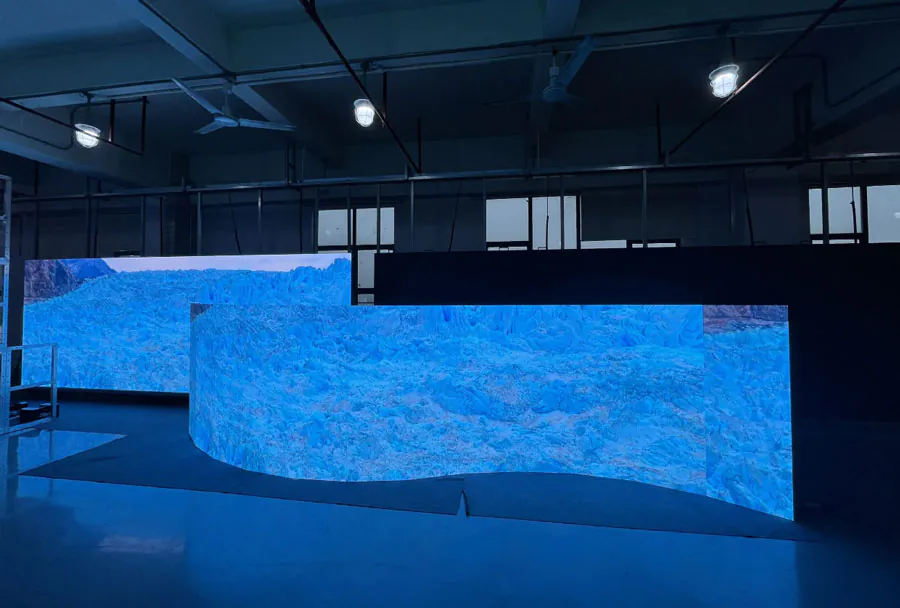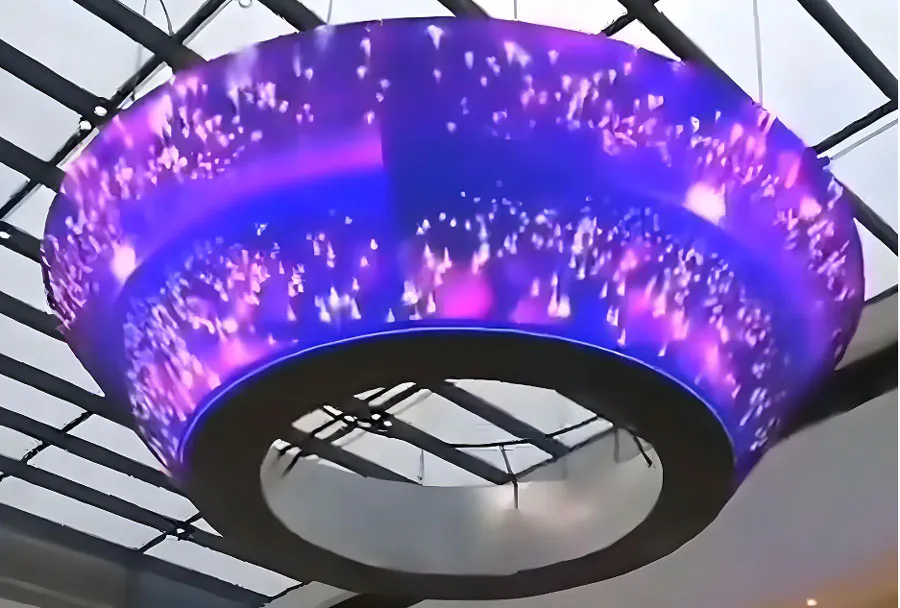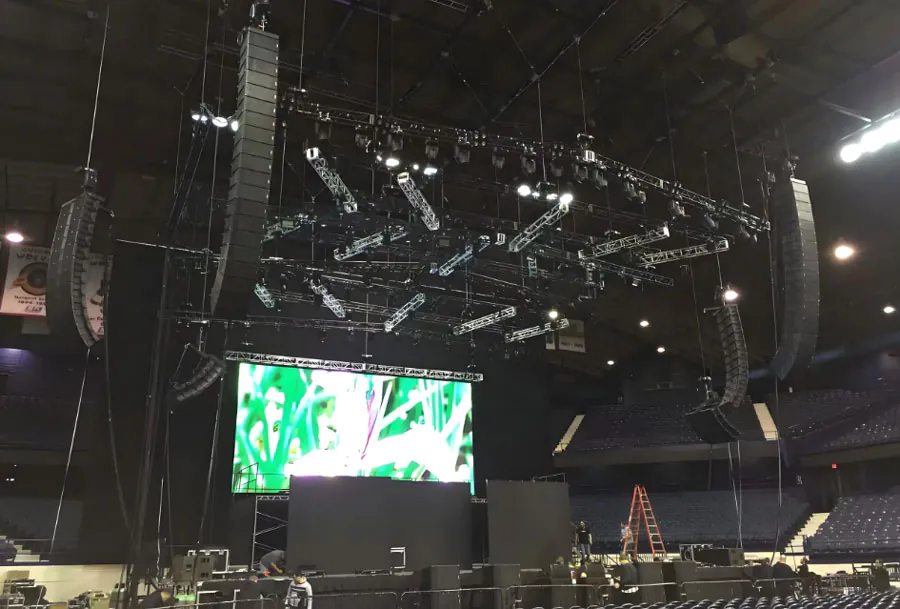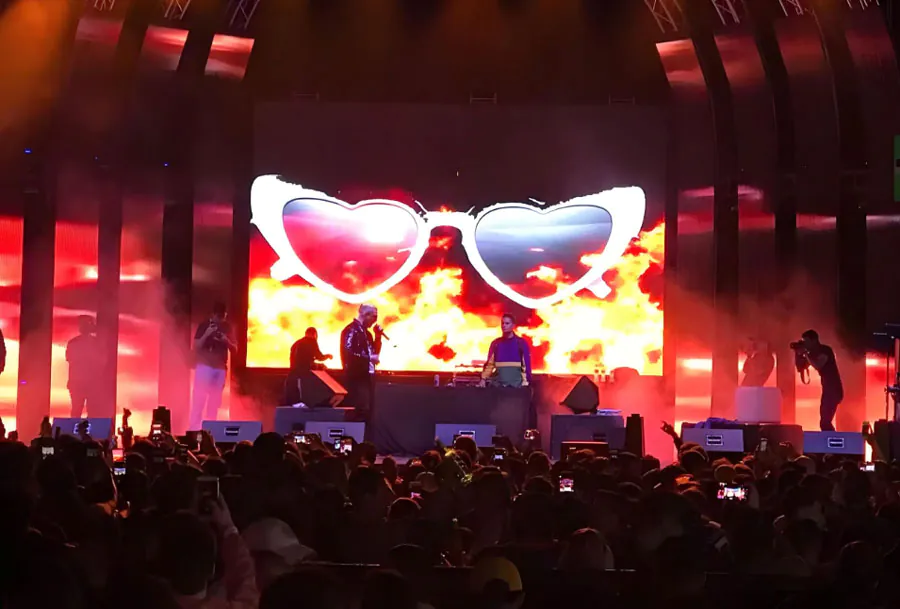
Top Rated Rental Outdoor LED Screen Companies Near You

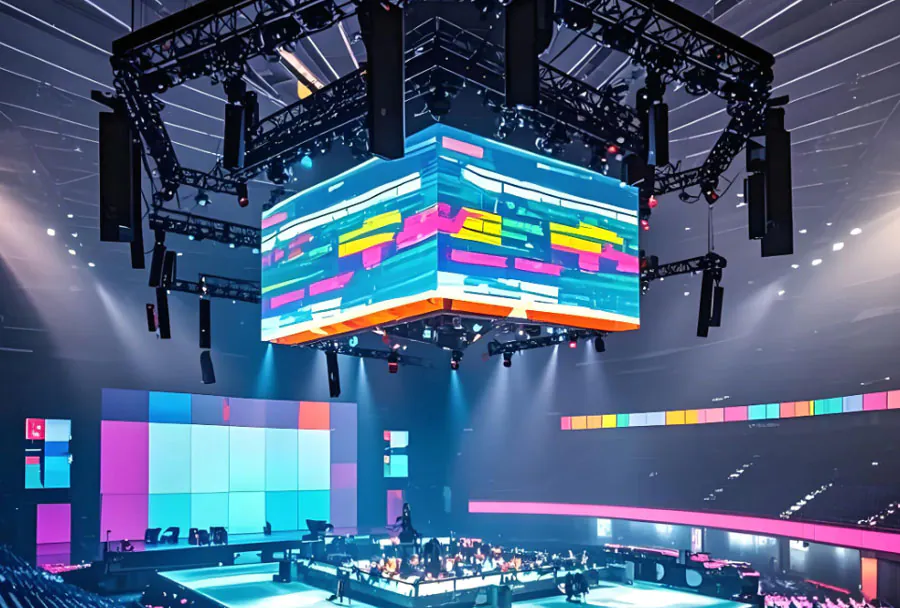
Outdoor LED screens transform public events, concerts, sports, festivals, political rallies, drive-in cinemas, corporate activations, and brand experiences. Selecting a top-rated rental outdoor LED screen company near you isn’t just about picking the cheapest quote — it’s about securing reliable equipment, professional installation, safety compliance, and on-site technical support that keeps your event running smoothly. A well-executed LED deployment enhances audience engagement, maximizes visibility in daylight, and protects your investment with redundancy and contingency planning.
This article provides an in-depth guide to the market, technical considerations, vendor selection criteria, costs, logistics, and a concise analysis table to help event planners, venue managers, and production coordinators choose the right rental partner.
What “Top Rated” Means for Outdoor LED Rental Providers
Top-rated rental companies typically demonstrate:
– Proven experience with outdoor events of similar size and complexity
– High-quality LED panels optimized for outdoor brightness and durability
– Well-trained rigging and technical crews
– Positive client testimonials and references
– Transparent contracts and clear pricing, including setup, permits, power, and transport
– Robust safety practices, insurance, and compliance with local regulations
– On-site redundancies (spare modules, processors, power supplies) and emergency support
These characteristics minimize risk, reduce downtime, and ensure the screen performs from first show to last takedown.
Common Use Cases for Outdoor rental led screens
– Live concerts and festivals — large-format screens for stage backdrops and audience viewing
– Sporting events — scoreboards, instant replay, and peripheral displays
– Corporate activations — branding, product demos, and presentations in outdoor venues
– Drive-in movies and public screenings — large, high-brightness displays viewable at distance
– Public safety and civic events — announcements, signage, and emergency info
– Trade shows and experiential marketing — attention-grabbing outdoor installations
Key Technical Specs to Compare
Understanding the technology helps you evaluate quotes:
– Pixel Pitch: Determines image detail and optimal viewing distance. Outdoor pixel pitches typically range from 2.5mm to 16mm. Smaller pitch (2.5–6mm) is sharper but more expensive.
– Brightness (nits): Outdoor screens need high brightness, usually 5,000–8,000 nits for daytime visibility.
– IP Rating: Weather resistance; IP65 is common for outdoor front-facing protection.
– Refresh Rate: A higher refresh rate (≥3,840 Hz) reduces flicker in video and for broadcast use.
– Contrast Ratio and Color Accuracy: Important for image quality and branding consistency.
– Rigging and Structural System: Truss-mounted, ground-stacked, or flown solutions depend on the venue and screen size.
– Power Consumption and Backups: Specify total power draw and requirement for generator support or UPS.
– Weight and Module Size: Affects transport, manpower, and rigging requirements.
– Processing and Control: Compatibility with live feed sources, video switchers, and redundancy in processors.
Vendor Selection Criteria: What to Ask and Confirm
When contacting rental companies, use a checklist to compare apples to apples:
– Experience: Examples and references from similar events
– Inventory: Panel models, pixel pitch options, brightness specs, and accessories (masks, sunshades)
– Crew: Number of technicians, riggers, and supervisors, plus certifications
– Logistics: Delivery, setup time, and breakdown time estimates
– Power & Infrastructure: Power needs, backup generators, distro plans
– Weather Plan: Wind load calculations, ballast requirements, rain protection
– Redundancy: On-site spare panels, power supplies, and processors
– Testing: Pre-event test procedures and a dry run if possible
– Insurance: Certificates of insurance and worker’s comp coverage
– Permits Support: Assistance with local permits, inspections, and power approvals
– Contract Terms: Payment schedule, cancellation policy, liability, and damage clauses
– Broadcast/Camera Compatibility: Refresh rate and sync for camera playback if broadcasting
Cost Factors That Affect Pricing
Rental pricing varies widely based on:

– Screen size and pixel pitch — larger and finer-pitch screens cost more
– Brightness and weatherproofing — high-nit outdoor-rated panels are premium
– Duration — daily vs. multi-day rates, plus weekend/holiday surcharges
– Location and travel — remote or urban logistic constraints add cost
– Setup complexity — flown screens or complex rigs increase labor
– Power and generator needs — fuel and generator rental are additional costs
– Technical staff — more technicians or engineers increases labor line-items
– Integration — live video switching, camera feeds, and custom content creation
– Insurance and permits — venue-specific requirements may be costly
Analysis Table: Comparing Types of Top-Rated Rental Providers
Below is a comparative analysis to help you evaluate common provider types you’ll find near you. The table has five columns: Provider Type, Strengths, Typical Screen Types, Ideal Events, Typical Price Range (per day).
| Provider Type | Strengths | Typical Screen Types | Ideal Events | Typical Price Range (per day) |
|---|---|---|---|---|
| National AV Rental/Production House | Large inventory, nationwide logistics, experienced crews, broadcast-ready | Large-format outdoor LED walls (6–30mm), flown and ground-supported systems | Major concerts, sports events, large festivals, broadcast events | $5,000 – $50,000+ |
| Regional LED Specialist | Specialized outdoor LED panels, quick local support, competitive pricing | Outdoor-rated cabinets (4–10mm), modular stage facades | Regional festivals, corporate outdoor activations, city-sponsored events | $2,000 – $20,000 |
| Local AV/Event Rental House | Fast response, lower transport costs, strong community relationships | Smaller outdoor LED screens (8–16mm), portable setups | Community events, small concerts, local fairs, public gatherings | $800 – $8,000 |
| Integrated Event Production Firm | End-to-end service: content, staging, lighting, sound, LED rental | Custom builds, LED surrounds, curved and creative shapes | Corporate launches, high-end brand experiences, festivals | $4,000 – $40,000 |
| Manufacturer-Backed Rental (OEM Partners) | Latest panels, direct manufacturer support and warranty | Newest outdoor panels (2.5–10mm), high-brightness options | High-resolution presentations, broadcast, premium activations | $6,000 – $60,000+ |
Note: Price ranges are approximate and depend on screen size, location, and additional services.
Practical Logistics: From Site Survey to Strike
– Site Survey: A competent provider will conduct or request a site survey to assess sightlines, power availability, rigging points, ground conditions, and local restrictions.
– Structural and Wind Calculations: For flown or tall screens, wind load analysis and structural calculations are mandatory. Providers should supply engineering documents for permits.
– Permits and Inspections: Many cities require temporary structure permits, electrical inspections, and traffic control plans. Rental companies often assist with paperwork; confirm who bears permit fees.
– Power Planning: Confirm total power requirement (amps, voltage phases), distribution, and generator needs. Specify cable runs, distribution racks, and fuel contingency.
– Rigging and Safety: Only certified riggers should fly LED walls. Ask for proof of qualifications and risk assessments.
– Test and Rehearsal: Schedule time for content testing, signal checks, and a rehearsal to calibrate brightness, color, and camera compatibility.
– Strike and Recovery: Organize breakdown time that doesn’t interfere with venue operations. Confirm site cleanup responsibilities.
Content and Processing: Matching Your Media to the Screen
– Content Resolution: Work with your provider to match media resolution to the LED screen’s pixel matrix. Upscaling or downscaling affects quality.
– Aspect Ratio and Masking: Specify exact display dimensions; provide content with safe areas and extended margins if overlays or live graphics will be used.
– Signal Processing: Confirm how many HDMI/SDI inputs, switchers, multiviewers, and playback devices will be used. Redundant processors are recommended.

– Live Feeds and Timing: For synchronized multi-screen displays, timecode and genlock solutions may be required to keep frames aligned.
Risk Management and Weather Considerations
Outdoor events are vulnerable to weather. Mitigation steps include:
– Wind: Use ballast systems, engineer calculations, and restrict screens above certain wind speeds.
– Rain: Ensure IP-rated panels and protected connections; cover controllers and switchgear.
– Lightning: Have a lightning plan; suspend activities when lightning is forecast.
– Temperature: High ambient temps can impact electronics; ask about temperature specs and ventilation.
– Insurance: Verify provider insurance and request COIs naming your organization and venue as additional insureds.
Case Study: How a Top-Rated Provider Handled a Multi-Day Festival
Summary: A midsize regional festival needed two large outdoor LED walls for main stage and secondary stage, plus perimeter screens for vendors.
What the provider did:
– Conducted a site survey two months in advance to identify rigging points, available power, and access routes.
– Recommended a 12mm main screen (12m x 6m) with 8,000 nits for daylight visibility and a 10mm secondary screen.
– Performed wind-load calculations and provided engineering documents to the city for permits.
– Delivered full crew: lead rigger, LED technician, video engineer, and a dedicated generator operator.
– Supplied redundant processors and on-site spare modules for rapid replacement.
– Completed on-site calibration and color matching before doors opened.
– Maintained a dedicated technician throughout the event for seamless content switching and troubleshooting.
Outcome: No downtime, clear visuals in daylight, positive feedback from attendees and broadcasters.
Checklist: Questions to Ask Any Rental Provider
– Can you provide references and photos/videos of similar projects?
– What is the exact model and pixel pitch of the LED panels you plan to use?
– What is the maximum brightness (nits) and IP rating of the panels?
– Will you provide a site survey and engineering documents for permits?
– How many technicians and crew members will be on-site, and what are their certifications?
– What are your setup, testing, and strike time estimates?
– Do you include power distribution cabinets, cabling, and generators in the quote?
– How do you handle redundancy (spare panels, processors, power supplies)?
– What happens if a module fails during a show?
– What insurance and liability coverage do you carry?
– Do you offer content services (playback, mapping, scaling) and do you charge extra?
– How does payment, cancellation, and damage liability work in the contract?
Final Recommendations: Finding the Right Company Near You
– Start Local, Compare National: Get quotes from a reputable local rental house and at least one national provider to compare logistics and pricing.
– Demand a Site Survey: Never accept a quote without a physical or remote site survey and a written plan.
– Prioritize Experience and Support: Value experienced crews and proven redundancy over the lowest price.
– Verify Technical Specs: Ensure the provider’s hardware meets your event’s brightness, resolution, and weatherproofing needs.
– Lock Down Permits Early: Allow time for engineering approvals and permit cycles; providers should assist.
– Build a Buffer: Schedule extra setup and rehearsal time to account for unforeseen issues.
– Read the Contract: Scrutinize cancellation policies, liability clauses, and included services.
Selecting one of the top-rated rental outdoor LED screen companies near you requires balancing technical specs, crew experience, safety, and cost. A top-tier provider will do more than drop off a screen: they will plan, document, mitigate risks, and deliver consistent visuals that make your event memorable. Use the criteria, questions, and analysis above to vet candidates and ensure your next outdoor event is visually impactful and operationally secure.