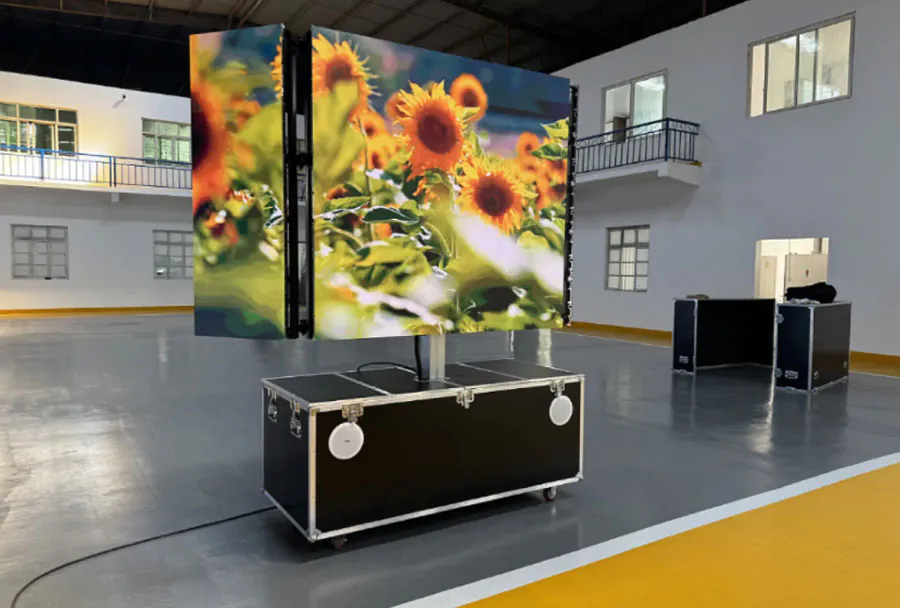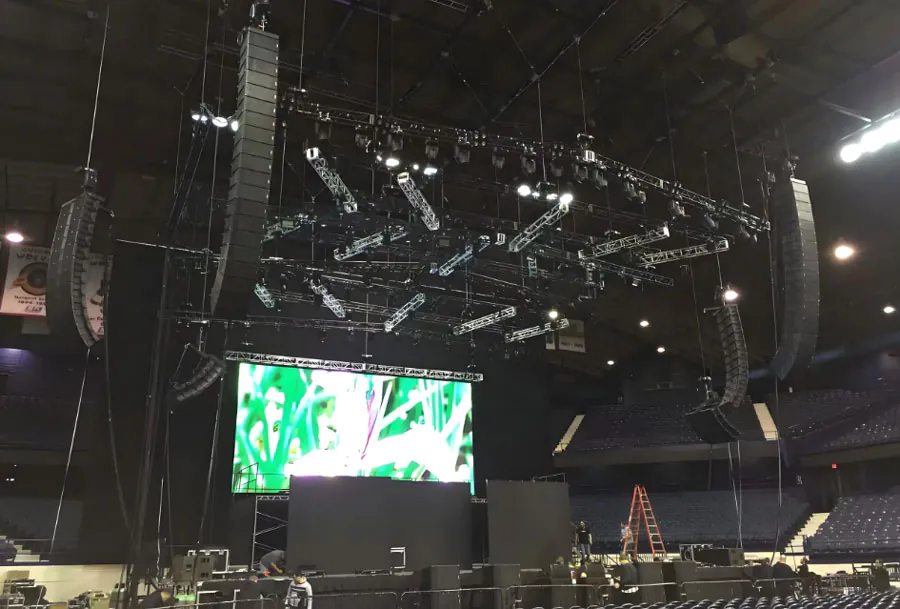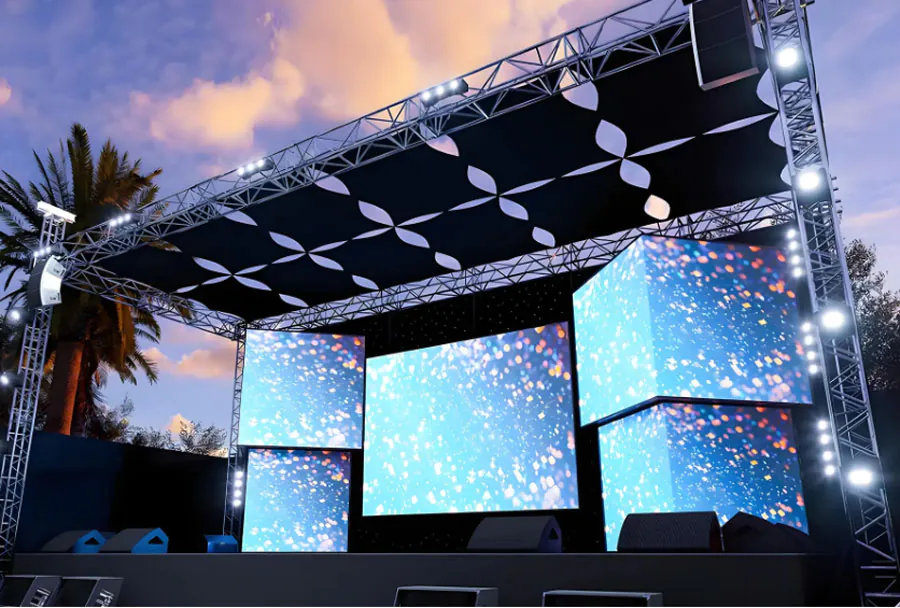
Professional Stage LED Screen Rental Services for Live Shows

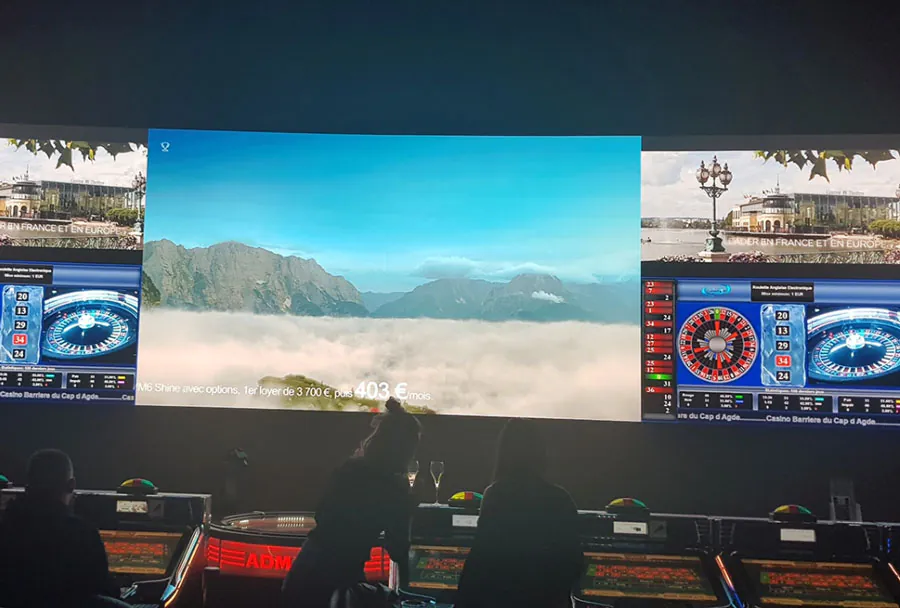
Live shows demand visual clarity, emotional impact, and seamless technical execution. Professional stage LED screen rental services deliver on all three by supplying high-resolution display systems tailored for concerts, theater productions, corporate events, and touring acts. This article explains how rental providers structure their services, what technical and logistical factors you should evaluate, and how to plan a successful LED-driven production from concept through strike. Whether you’re a production manager, event producer, or creative director, this guide will help you make informed decisions that maximize audience engagement and control costs.
Why LED Screens Matter for Live Shows
LED screens have transformed live events by offering bright, high-contrast visuals visible in daylight and dark venues alike. They serve multiple creative roles: background scenery that can change in seconds, dynamic content canvases for synchronized visuals, and information platforms for live feeds or captions. Unlike projectors, LEDs maintain consistent brightness and color saturation regardless of ambient light, and modular panels allow for custom shapes and immersive set pieces. For touring productions or temporary events, renting LED screens provides access to the latest technology without capital investment or storage and maintenance hassles.
Types of Stage LED Screens and Their Use Cases
Choosing the right LED screen starts with understanding panel types and pixel pitch. Pixel pitch (measured in millimeters) indicates the distance between pixels and determines optimal viewing distance and perceived resolution. Common configurations include:
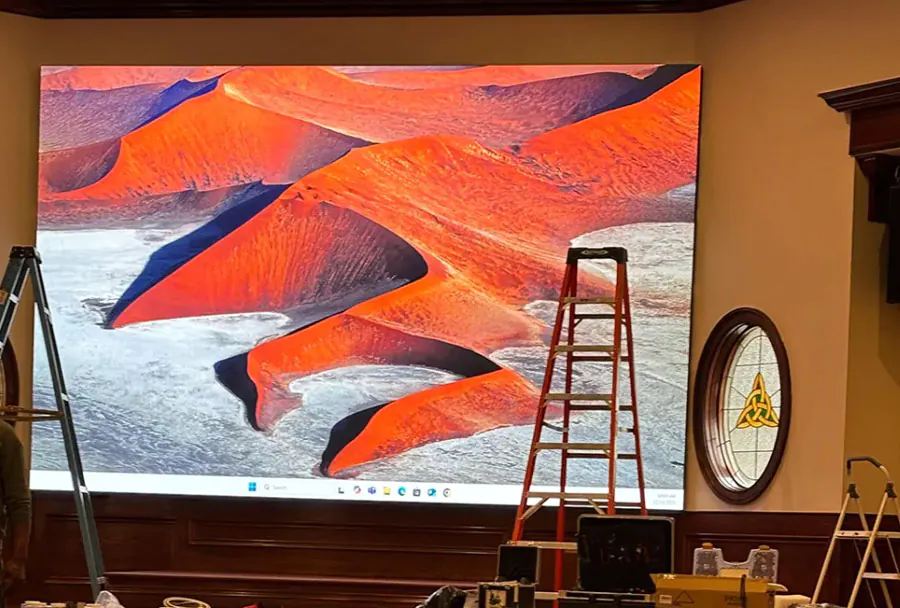
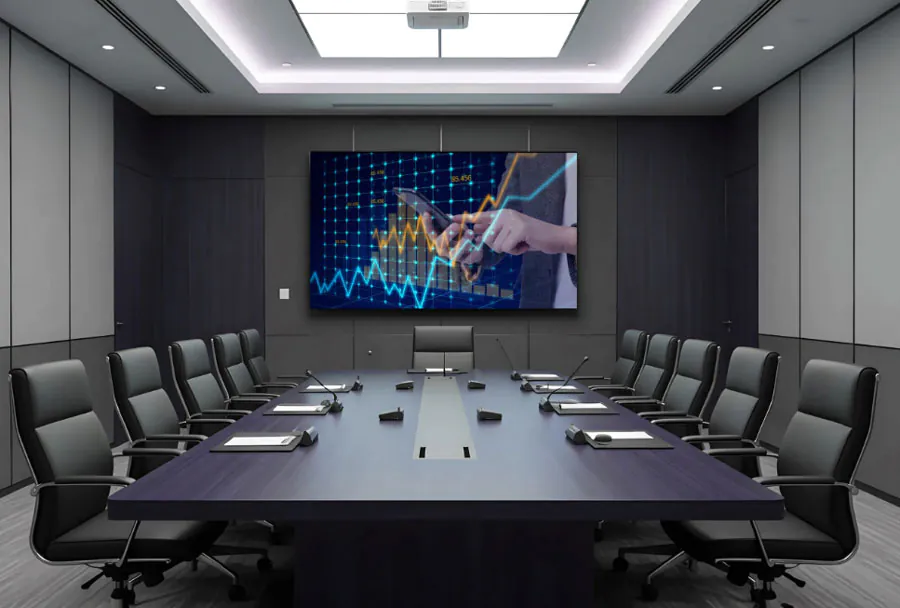
– Fine-pitch indoor LED (P1.5–P2.5): Best for close audiences, corporate stages, or camera-centric broadcasts.
– Standard indoor LED (P3–P4): Balanced cost and visual quality for general stage backgrounds and medium-distance viewing.
– Outdoor/Weatherproof LED (P4–P10): Durable for festivals and outdoor concerts where high brightness is necessary.
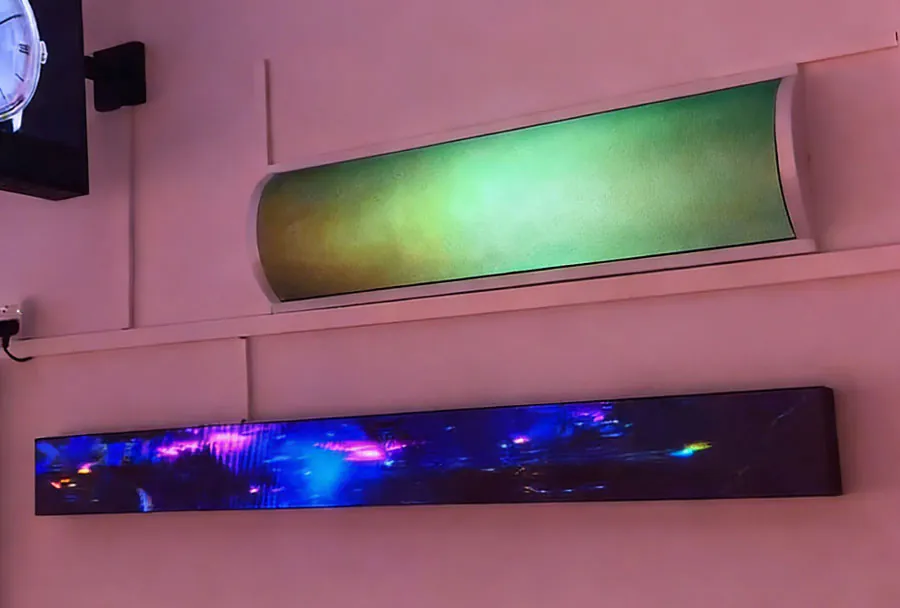
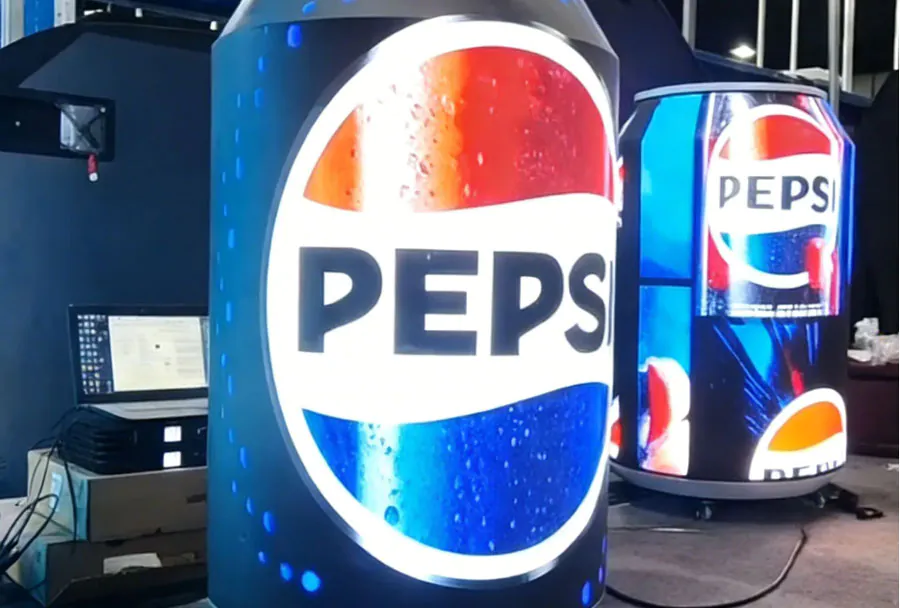
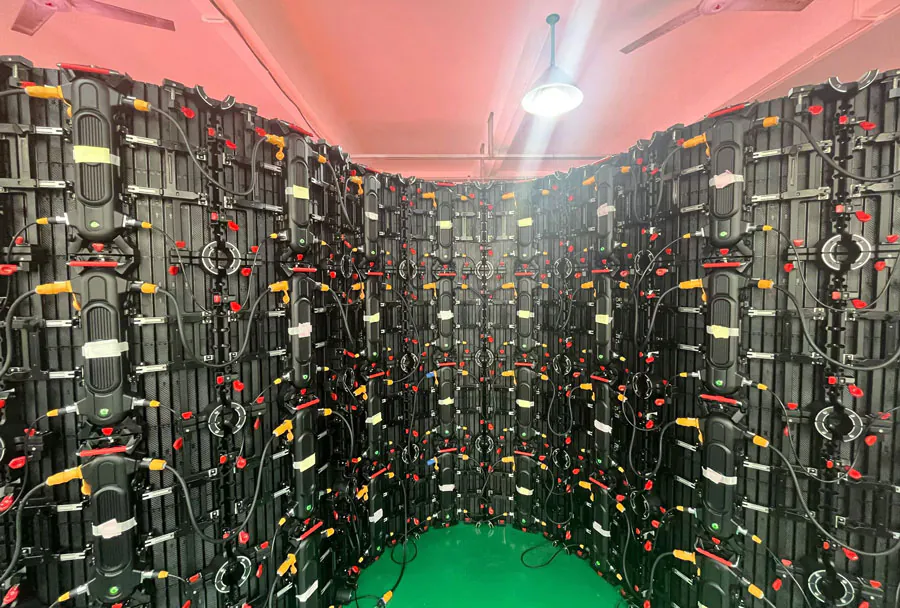
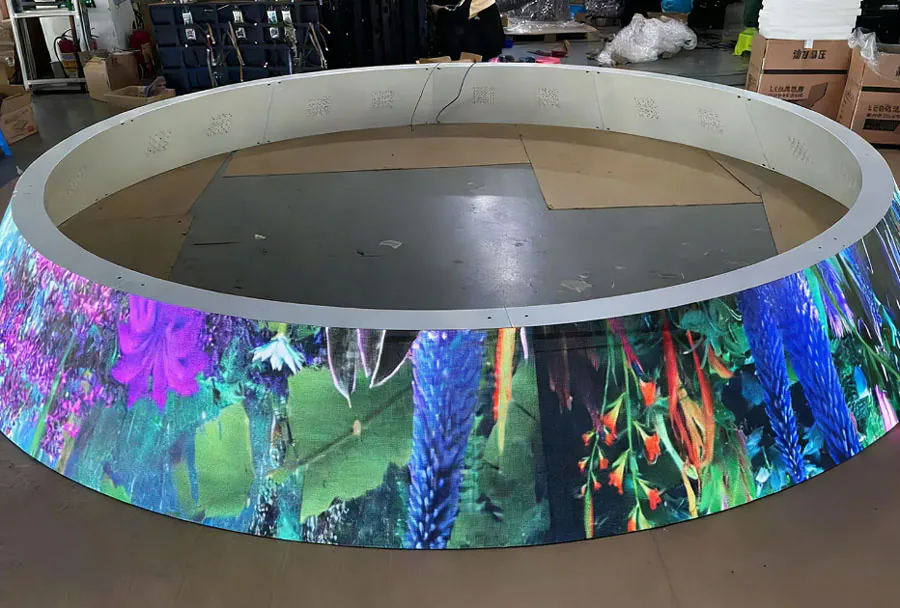
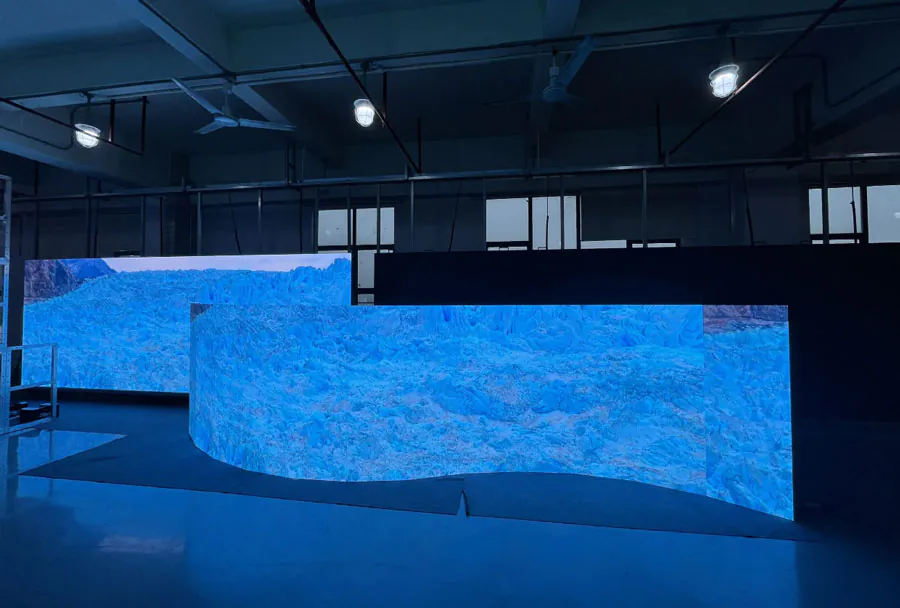
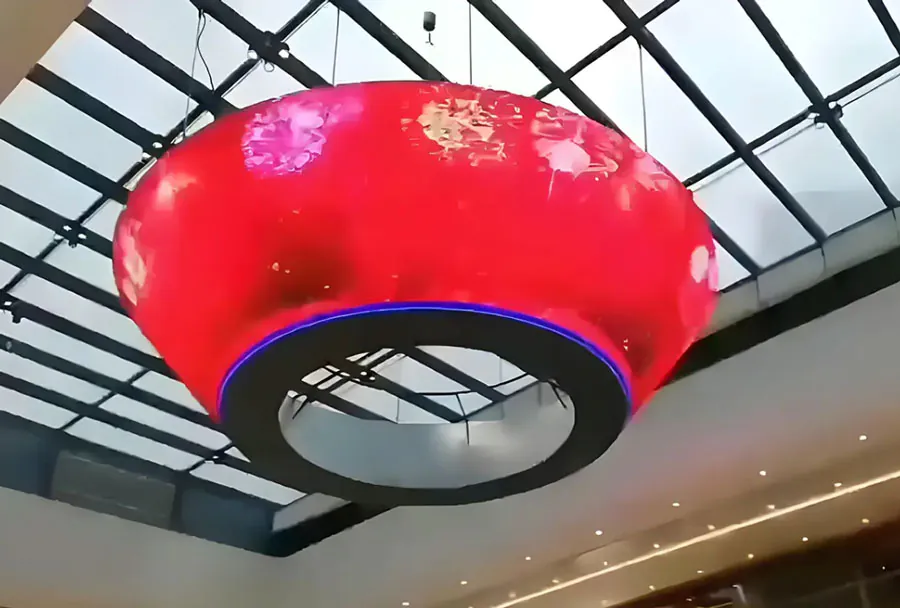
– Curved/flexible LED: Used for creative stage wraps and cylindrical or organic shapes.
– LED floor/walkable: Specialized panels designed to endure foot traffic, perfect for choreography and immersive performances.
Each panel type comes with trade-offs in cost, brightness, and weight. Rental providers typically advise based on venue size, sightlines, camera needs, and budget.
Key Technical Specifications to Evaluate
When planning a rental, focus on these core specs:
– Pixel pitch: Determines perceived resolution and minimum viewing distance.
– Brightness (nits): Outdoor shows require 5,000 nits or higher; indoor stages can be 800–1,500 nits depending on lighting.
– Refresh rate: For camera capture, 3,840 Hz or higher avoids flicker; live streaming demands higher refresh rates.
– Contrast ratio and color gamut: Affect the vibrancy and depth of on-screen images.
– Cabinet size and weight: Impacts rigging, transport, and assembly time.
– Control system compatibility: Ensure playback servers and media processors integrate with the screen’s control protocol (e.g., NovaStar, Brompton).
– Power requirements and redundancy: Understand per-panel power draw and plan for backup circuits.
– IP rating (for outdoor panels): Confirms water and dust resistance.
Rigorous technical alignment between creative intent and equipment prevents last-minute compromises during load-ins and rehearsals.
How Rental Providers Structure Their Services
Professional rental companies typically offer tiered packages:
– Basic Equipment Rental: Panels, basic rigging, and transport.
– Full Service Rental: Equipment plus an on-site technical crew for rigging, calibration, and operation.
– Turnkey Production Support: Equipment, crew, content playback, media servers, showcalling integration, and logistics management.
– Tour Packages: Modular systems designed for rapid build, consistent patching, and repeatable rigging plans.
Contracts often include insurance expectations, damage waivers, and minimum rental durations. Always clarify who is responsible for crew, additional accessories (cables, processors), and on-site troubleshooting.
Planning and Logistics: From Quote to Strike
A successful LED rental hinges on meticulous planning:
– Site Survey: Collect exact venue dimensions, sightlines, rigging points, power availability, and load-in access.
– Visual Mockups: Request 3D renderings or mockups showing how the LED will integrate with set and lighting.
– Content Prep: Deliver media in the format and resolution required by the media server well ahead of show day. Include safe zones and cue lists.
– Load-in Schedule: Coordinate with stage management for rigging windows, HVAC considerations, and neighboring production timelines.
– Power and Cooling: Secure dedicated power circuits and ensure adequate ventilation for densely packed panels.
– Testing and Calibration: Allocate time for color calibration, brightness adjustments, and camera test passes.
– Strike Plan: Agree on a breakdown timeline and responsibilities to avoid overtime fees.
Communicate early and often with your rental provider to reduce risk and control costs.
Crew Roles and Operational Best Practices
Typical crew members involved in LED operations include:
– Technical Director: Oversees the overall video strategy and interfaces with other departments.
– Rigging Crew: Responsible for safely hanging and securing LED arrays.
– Video Engineer: Sets up processors, media servers, and routing; ensures signal integrity.
– Media Server Operator: Runs content playback and syncs visuals to show cues.
– LED Technicians: Assemble panels, troubleshoot modules, and perform color calibration.
Best practices: maintain consistent labeling on all cables and panels, use redundant signal paths for critical feeds, and establish a clear chain of command for show-day decisions. Pre-emptive spares (extra panels, power supplies, and spare data cables) reduce the impact of hardware failures.
Content and Playback: Getting the Most from the Canvas
LED screens look their best when content is produced with the display’s characteristics in mind:
– Work at native resolution where possible; avoid scaling artifacts.
– Design content with pixel pitch and viewing distance in mind—fine detail is wasted on coarse displays.
– Use color grading to match the LED color profile and stage lighting conditions.
– Consider dynamic content strategies: video loops, camera feeds, live graphics, and interactive visuals that respond to performers.
– Coordinate with lighting designers to ensure images are not washed out by stage lights—use flags, barn doors, or dimmable rigs to control spill.
– Test camera-to-screen interactions early to prevent moiré patterns and flicker.
Collaborate with the rental provider’s engineering team to optimize playback servers and codecs for smooth performance.
Pricing Models and Cost Considerations
Rental pricing can vary widely based on equipment type, crew needs, and event duration. Typical cost components:
– Equipment rental (per day or per week)
– Transport and logistics (trucking, customs for international tours)
– Crew labor (rigging, video engineers, operators)
– Additional hardware (processors, servers, cameras)
– Power distribution and cabling
– Insurance and damage waivers
Many providers offer package pricing for events and discounted rates for longer tours. Compare quotes carefully—lowest price often means older hardware, lower brightness, or minimal support. Factor in the cost of rehearsals, tech days, and overtime, which can materially affect the final bill.
Below is a comparative analysis table to help you evaluate common options quickly.
| Screen Type | Pixel Pitch | Ideal Use | Typical Brightness (nits) | Estimated Rental Cost (per day) |
|---|---|---|---|---|
| Fine-pitch Indoor LED | P1.5–P2.5 | Close-view corporate events, TV/Camera | 800–1,200 | $1,200–$3,000 |
| Standard Indoor LED | P3–P4 | Concert backdrops, general stage | 1,000–1,500 | $800–$2,000 |
| Outdoor Weatherproof LED | P4–P10 | Festivals, stadiums | 5,000–8,000+ | $2,000–$6,000 |
| Flexible/Curved LED | P2–P4 | Creative stage wraps, artistic installations | 1,000–2,000 | $1,500–$4,000 |
| Walkable LED Floor | P2.5–P4 | Dance floors, interactive choreography | 1,200–2,000 | $1,800–$5,000 |
Note: Prices are indicative and will vary by region, provider, and event scale. Always request a detailed quote.
Case Studies: Real-World Applications
– Touring Concert: A mid-size pop act rented modular P3 screens with custom rigging frames. The rental company provided a standardized truss-mount system, two video engineers, and a media server with show-locked timelines. The modular approach allowed consistent visual setups in multiple venues, reducing setup time and ensuring a consistent fan experience.
– Corporate Product Launch: For a product reveal focused on close-range detail and camera capture, the production rented P1.9 panels with a NovaStar control system and a color-graded playback feed. The provider also supplied a tech-day for calibration, resulting in flawless broadcast-quality visuals.
– Outdoor Festival: An open-air summer festival used high-brightness P6 outdoor screens for multiple stages. The rental package included weatherproofing accessories, elevated power distribution, and LED technicians to monitor brightness and thermal conditions throughout the day.
These scenarios highlight how matching equipment and service levels to event needs influences outcomes and budgets.
Risk Management and Redundancy
Failures on show day are costly. Mitigation strategies include:
– Redundant media servers and multiple video paths.
– On-site spare panels, power supplies, and essential cabling.
– Pre-show burn-in tests and thermal checks.
– Clear insurance coverage that includes rented equipment.
– Contingency plans for adverse weather (for outdoor events) and backup indoor venues if necessary.
– Written SLAs detailing response times for technical issues.
Work with vendors who have established emergency protocols and a proven track record.
Selecting the Right Rental Partner
Choose a provider based on these criteria:
– Technical expertise and experience with similar shows.
– Quality and recency of inventory.
– Transparent pricing and clear contract terms.
– Strong client references and case studies.
– Ability to provide on-site engineers and spare parts.
– Logistics capabilities, especially for multi-city tours or international events.
A reputable rental partner acts as a consultant and collaborator, not just an equipment supplier.
Checklist for Booking LED Screen Rentals
– Confirm venue constraints: size, rigging points, power.
– Define viewing distances and camera requirements.
– Decide on desired pixel pitch and brightness.
– Request renderings and test files early.
– Verify control system and media server compatibility.
– Obtain detailed quotes including crew, transport, and insurance.
– Schedule tech days and rehearsals.
– Plan for spares and redundancy.
– Agree on load-in/load-out windows and staffing.
Maximizing Impact with Smart Rentals
Professional stage LED screen rental services are essential for delivering modern, high-impact live shows without the long-term costs of ownership. By understanding screen types, technical specifications, and practical logistics, production teams can choose the right rental packages and partners to realize creative visions reliably and cost-effectively. Early communication, rigorous planning, and selecting an experienced provider with the right inventory and crew are the keys to a smooth production. With the right approach, LED screens become powerful storytelling tools that elevate audience engagement and create memorable live experiences.