Indoor and Outdoor LED Screen Rental Orlando Solutions

Orlando is a dynamic market where tourism, conventions, live entertainment, and outdoor festivals converge year-round. From trade shows at the Orange County Convention Center to concerts at downtown venues and theme park activations, event organizers and marketers require display solutions that are both powerful and flexible. Indoor and outdoor LED screen rental services provide a reliable way to deliver high-impact visuals without the large capital expenditure of purchasing displays. This article outlines the technical, logistical, and business considerations for selecting the best LED screen rental solutions in Orlando, covering equipment specs, site planning, permits, weather protection, and return on investment (ROI).
Scope and Purpose
This guide is intended for event planners, production managers, marketing professionals, and venue operators in the Orlando area who are evaluating led display rental options. It compares indoor and outdoor LED solutions, outlines what to expect from a professional rental provider, highlights local permitting and environmental concerns, and offers practical checklists to ensure a successful deployment.
Understanding the Technical Differences: Indoor vs. Outdoor LED Screens
Selecting between indoor and outdoor LED displays is not just aboutplacing screens inside or outside; it comes down to pixel density, brightness, structural design, ingress protection, and cooling.
– Pixel Pitch and Resolution: Indoor screens typically offer a finer pixel pitch (P1.2 to P2.5) for close viewing distances and crisp text, while outdoor screens use larger pitches (P3 to P10+) since viewers are typically farther away.
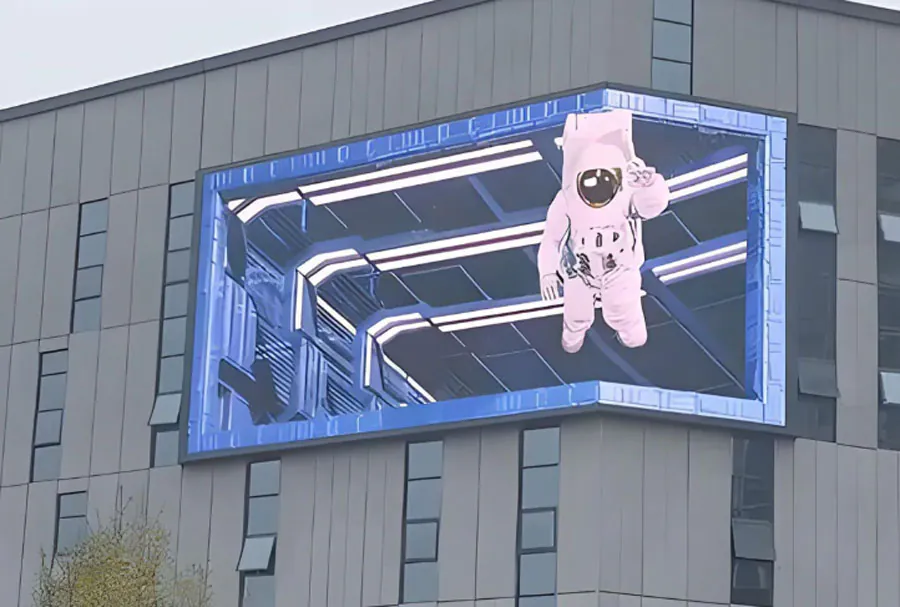
– Brightness (Nits): Outdoor screens must combat direct sunlight and require high brightness (4,000–10,000+ nits). Indoor displays generally operate between 800 and 2,000 nits for comfortable indoor viewing without glare.
– Ingress Protection (IP Rating): Outdoor units need high IP ratings (IP65 or IP66) to resist rain and dust. Indoor modules rarely require such protection.
– Structural and Wind Load Ratings: Outdoor systems are built with reinforced cabinets, wind-resistant rigging, and ballast or ground-footing solutions.
– Cooling and Thermal Management: Outdoor displays need active weatherproof cooling or passive thermal designs to handle Florida heat and humidity.
Key Technical Specs to Request from Rental Providers
– Pixel pitch (mm)
– Brightness (nits)
– Refresh rate (Hz) and scan type (important for video and broadcasting)
– IP rating for outdoor cabinets
– Maximum module size and total matrix resolution
– Power consumption and backup power options
– Signal inputs and compatibility (HDMI/SDI/DVI/USB/Network)
– Content management system (CMS) and real-time control features
Orlando Market Considerations: Weather, Venues, and Permit Requirements
Orlando’s climate and regulatory environment mean rental providers must offer more than just screens. Planning must include weather contingency, local permitting, and venue-specific constraints.
Weather and Environmental Risks
– Rain and Humidity: Rentals must use sealed outdoor cabinets and corrosion-resistant materials to handle frequent rain showers and elevated humidity.
– Heat and Sun Exposure: High brightness and robust cooling are essential to maintain image quality and prevent overheating.
– Wind and Storms: Florida’s occasional storms and hurricane season require rigging that meets wind-load calculations and emergency takedown procedures.
– UV Exposure: Long-term outdoor activations should use UV-stable masks and coatings to prevent color fading.
Local Permits and Venue Rules
– City and County Permits: Temporary signage and structures often require permits from the City of Orlando or Orange County. Allow time for approvals.
– Venue Policies: Major venues (e.g., Amway Center, Camping World Stadium, Orange County Convention Center) have specific load-in schedules, union labor rules, and approved vendors lists.
– Road and Right-of-Way Occupations: For street festivals and parades, additional permissions from transportation authorities may be required.
Operational Considerations: Logistics, Installation, and Support
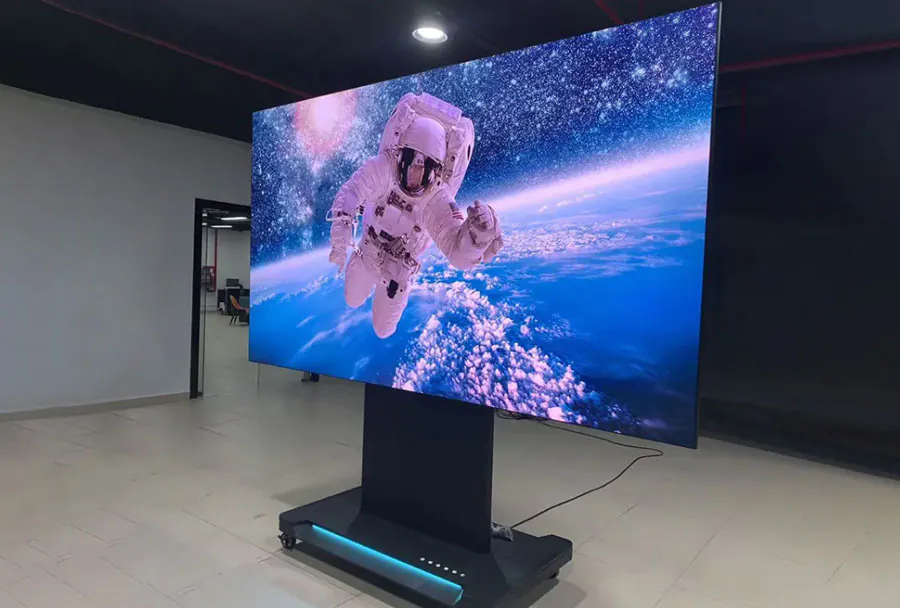
A rental provider should offer a full service: site survey, structural engineering (for large outdoor rigs), transport, certified technicians for installation and operation, and 24/7 on-site or remote support.
Site Survey and Structural Planning
– Detailed site survey to determine sightlines, audience density, cable runs, and power availability.
– Ground or truss mounting decisions based on ground conditions and sightline requirements.
– Lighting and staging synchronization with event production.
Power, Cabling, and Network
– Power load calculations, distribution, and backup generators.
– Data cabling and redundancy for signal distribution (fiber, DMX, ethernet).
– Latency and sync requirements (frame-accurate sync for multi-screen setups).
Installation and Safety
– Certified riggers, OSHA-compliant safety gear, and fall protection.
– Wind monitoring and defined thresholds for safe operation.
– Emergency takedown plans and spare parts on-site.
Designing Content for LED Screens: Best Practices
Great hardware needs great content. Content must be designed to account for viewing distance, ambient light, aspect ratio, and event goals.
Resolution and Aspect Ratio
– Match content resolution to the installed LED matrix to avoid scaling artifacts.
– Use safe areas for critical text and logos, especially on curved or segmented arrays.
Brightness, Contrast, and Color Management
– Calibrate brightness to the environment: higher for outdoor daylight, moderated for night events or indoor venues.
– Use high-contrast graphics and large readable typography for distant or moving audiences.
Motion and Refresh Rate
– Optimize video for the display’s refresh rate to avoid strobing when recording or broadcasting.
– Use motion-safe transitions and avoid high-frequency flicker on lower refresh screens.
Cost Structure: Typical Pricing and Value Factors
Rental pricing varies with screen size, pixel pitch, brightness, duration, and level of service. Below is a simplified analysis comparing common use cases. These are example ranges — get formal quotes for precise pricing.
| Use Case | Pixel Pitch (mm) | Brightness (nits) | Ideal Viewing Distance | Typical Rental Price (per day) |
|---|---|---|---|---|
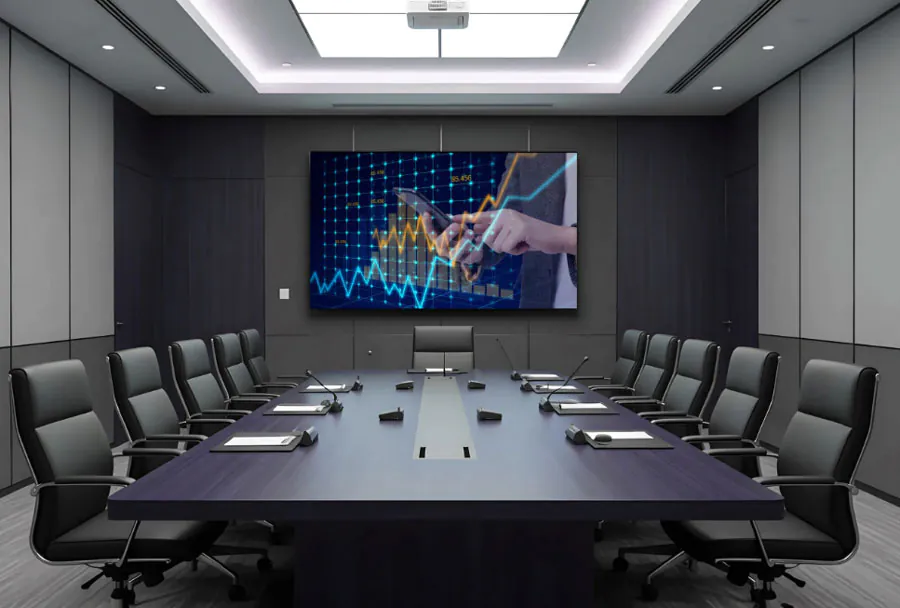
| Indoor Trade Show Backdrop | P1.5–P2.5 | 800–1,500 | 3–15 ft | $800–$3,500 |
| Indoor Conference/Presentation | P2–P3 | 800–2,000 | 5–30 ft | $500–$2,000 |
| Outdoor Festival Stage Screen | P4–P6 | 4,000–8,000 | 30–150 ft | $2,000–$8,000 |
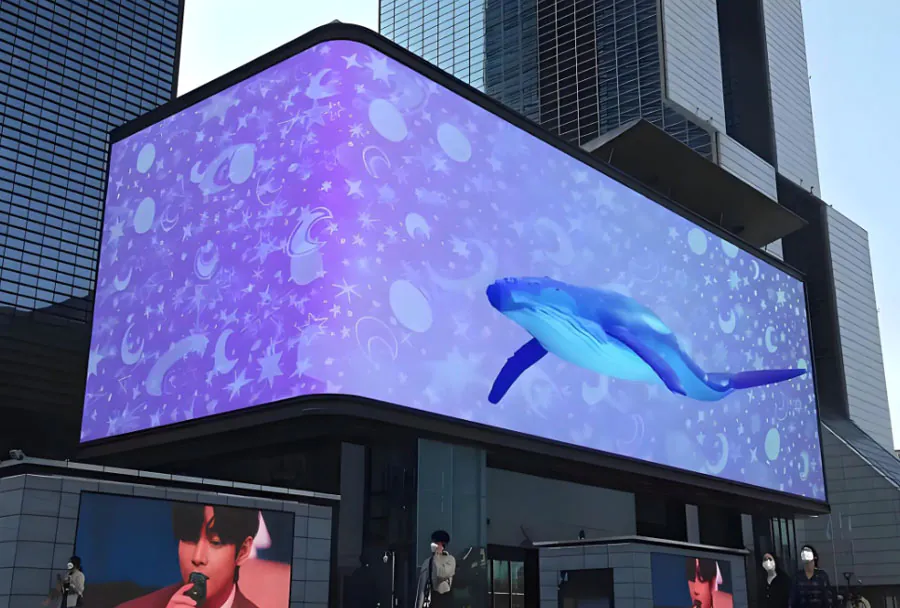
| Outdoor Billboard/Activation | P6–P10+ | 5,000–10,000+ | 50–500+ ft | $1,500–$6,000 |
| Live Broadcast/Event Video Wall | P2–P4 | 1,500–5,000 | 10–100 ft | $1,200–$10,000 |
What Drives Price Up or Down
– Pixel density and panel quality
– Total display area (square footage)
– Brightness requirements for outdoor daylight
– Rigging complexity and structural engineering
– Shipping, labor, and installation time
– Length of rental and frequency (discounts for multi-day events)
– Added services (content creation, live switching, broadcast integration)
Case Studies: Successful Deployments in Orlando
Understanding real-world deployments helps illustrate best practices and pitfalls.
Convention Center Product Launch
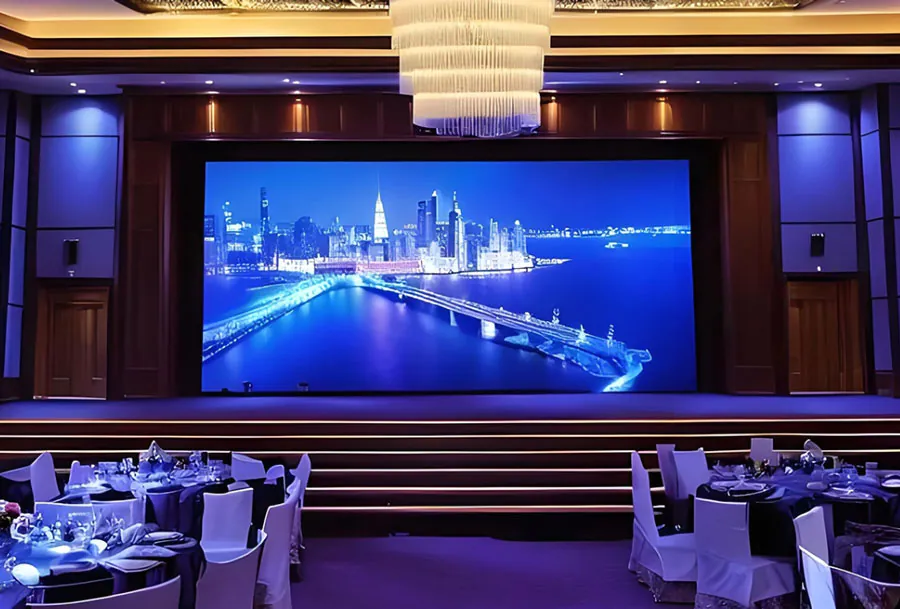
A product launch at the Orange County Convention Center used a 20’ x 12’ indoor LED wall (P1.9) as the stage backdrop. The rental included a pre-event site survey, on-site technician, and custom content mapping. Outcome: High attendee engagement, clear brand messaging captured on social media, and measurable uplift in demo signups.
Outdoor Music Festival
A multi-day outdoor festival deployed dual P4 LED screens flanking the stage with reinforced truss towers and ballast systems. The rental provider included wind monitoring, backup power, and a contingency takedown plan. Outcome: Reliable performance through heavy weather, improved sightlines for far audiences, and sponsor satisfaction tied to viewership metrics.
Theme Park Activation
A localized daytime activation in a theme park used small-format outdoor P6 screens for interactive wayfinding and promotions. Durability and IP ratings were critical due to spray attractions and high foot traffic. Outcome: Seamless integration with park operations and positive guest experience.
Choosing the Right Rental Partner in Orlando
The vendor you choose determines the success of your deployment. Here’s what to look for in a rental partner:
Experience and Local Knowledge
– Proven track record in Orlando’s venue types (convention centers, arenas, outdoor festivals, theme parks).
– Familiarity with local permitting processes and venue rules.
Full-Service Capabilities
– Site surveys, structural engineering, rigging, transport, installation, and technical operation.
– 24/7 support and quick-response teams for troubleshooting.
Quality of Equipment and Redundancy
– Modern panels with known OEMs, high refresh rates, and reliable processors.
– Spare modules, backup power, and redundant signal paths.
Content and Creative Services
– In-house or partner content teams for templating, motion graphics, and live feeds.
– Real-time control and content scheduling platforms.
Risk Management and Contingency Planning
Don’t leave risk to chance. Effective contingency planning covers weather, technical failure, and logistics.
Insurance and Liability
– Verify the rental company’s liability and equipment insurance.
– Event organizers should carry event insurance that covers third-party claims.
Emergency Procedures
– Wind thresholds for takedown, lightning response plans, and evacuation integration.
– On-site spares for critical components (modules, power supplies, data cables).
Testing and Rehearsal
– On-site tech rehearsal before doors open to verify synchronization, mapping, and audio/video lip-sync.
– Pre-programmed fallback content in case of feed loss.
Measuring Success and ROI
Measuring the impact of LED screens helps justify investment and optimize future campaigns.
Quantitative Metrics
– Attendance lift, dwell time, and conversions tied to on-screen CTAs.
– Social media impressions and shares of branded visuals.
– Sponsor exposure value calculated via screen time and audience metrics.
Qualitative Metrics
– Brand perception and attendee feedback.
– On-site feedback collected via QR codes, short surveys, or staff interviews.
Checklist for Booking an LED Screen Rental in Orlando
– Schedule a site survey with the rental company.
– Confirm pixel pitch, brightness, and total resolution for your content needs.
– Verify IP rating, wind load data, and structural engineering for outdoor rigs.
– Secure permits and coordinate with the venue for load-in and labor rules.
– Arrange power and back-up generator needs.
– Plan content, timing, and failover assets.
– Confirm on-site technical support and spare parts availability.
– Obtain insurance certificates and emergency procedures.
Maximizing Impact with the Right LED Rental Strategy
Orlando demands flexible, resilient, and high-quality visual solutions. Indoor and outdoor LED screen rental providers in this market must deliver not only premium hardware but also local knowledge, engineering rigor, and turnkey services that cover content, logistics, and contingencies. By focusing on the right pixel pitch, brightness, IP protection, and operational planning, event organizers can deliver memorable experiences that drive engagement and measurable ROI. Start with a detailed site survey, work with experienced local vendors, and build a content strategy optimized for the installed display — and your Orlando event will stand out in a competitive marketplace.