How to Choose the Best LED Screen Rental Houston for Your Event

Choosing the right LED screen rental in Houston can make or break your event. Whether you’re organizing a corporate conference, a music festival, a trade show booth, a wedding, or an outdoor sporting event, the LED screen is a central visual touchpoint that affects attendee engagement, brand perception, and the technical reliability of the production. Houston’s climate, venue types, and local regulations make vendor selection and technical planning particularly important. This guide walks you through the technical considerations, venue and audience factors, vendor selection criteria, logistics and support, budgeting, and a practical checklist to help you choose the best LED screen rental for your Houston event.
Understanding LED Screen Basics
What is an LED screen and why use one?
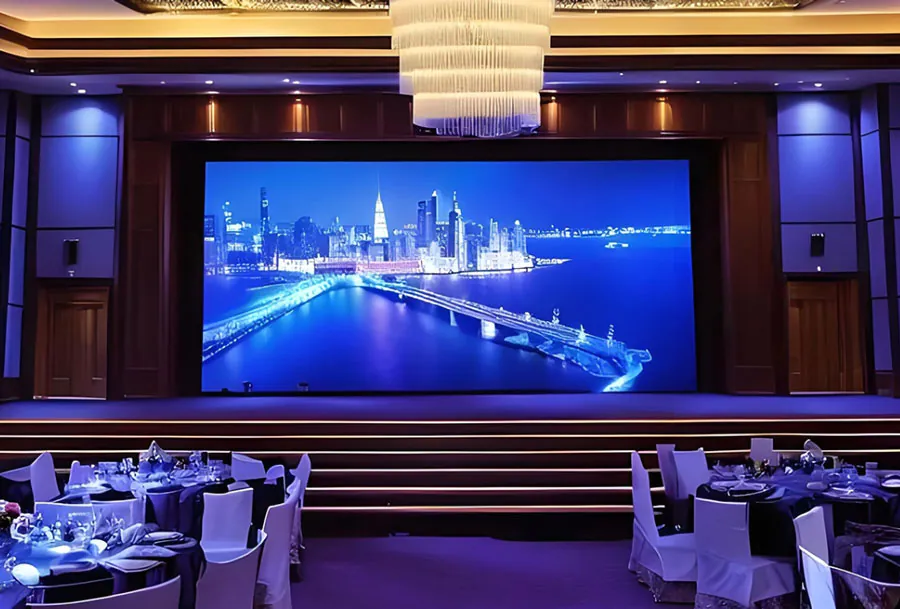
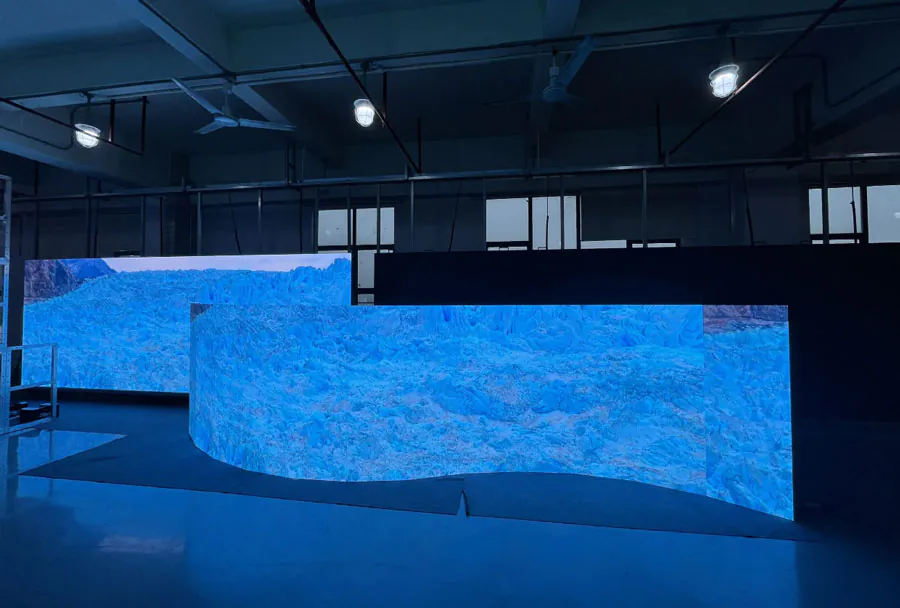
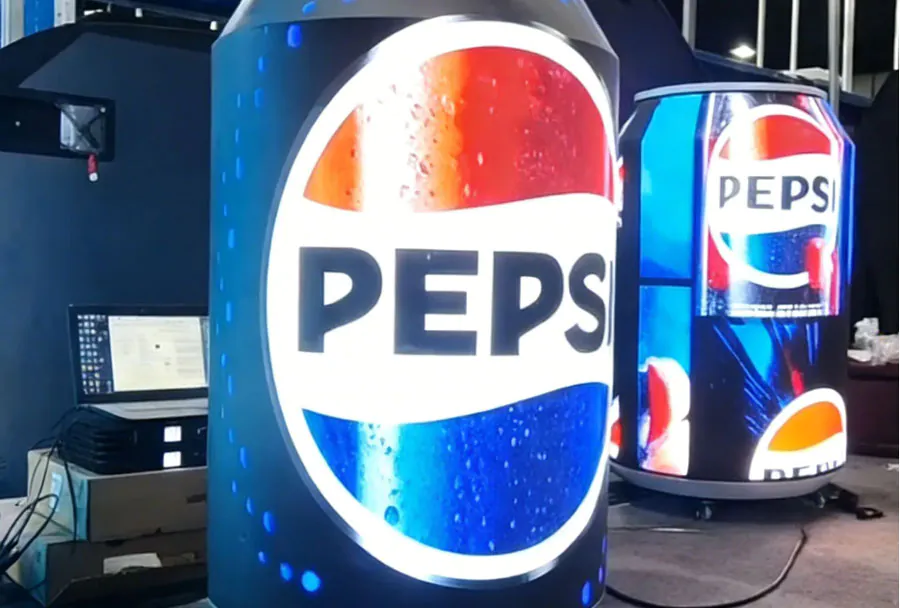
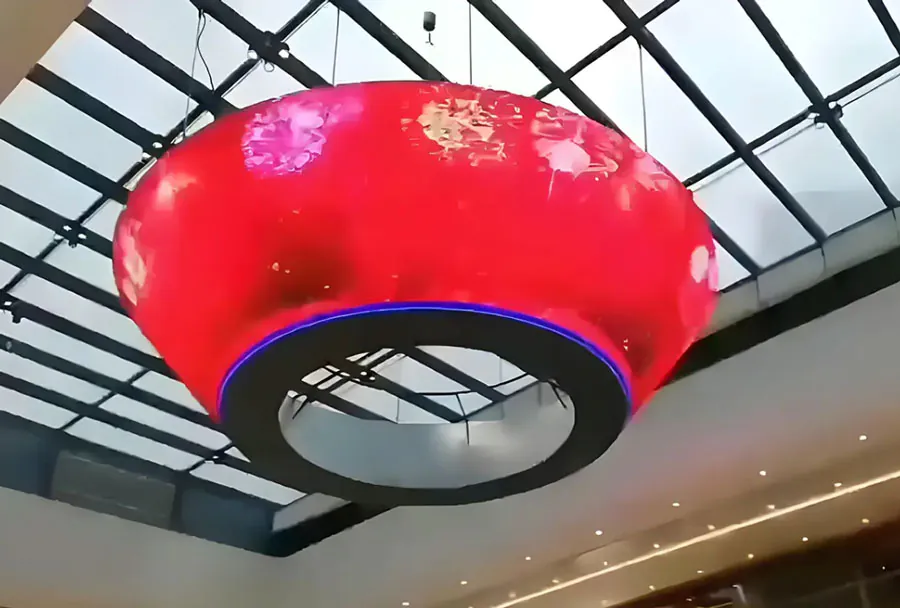
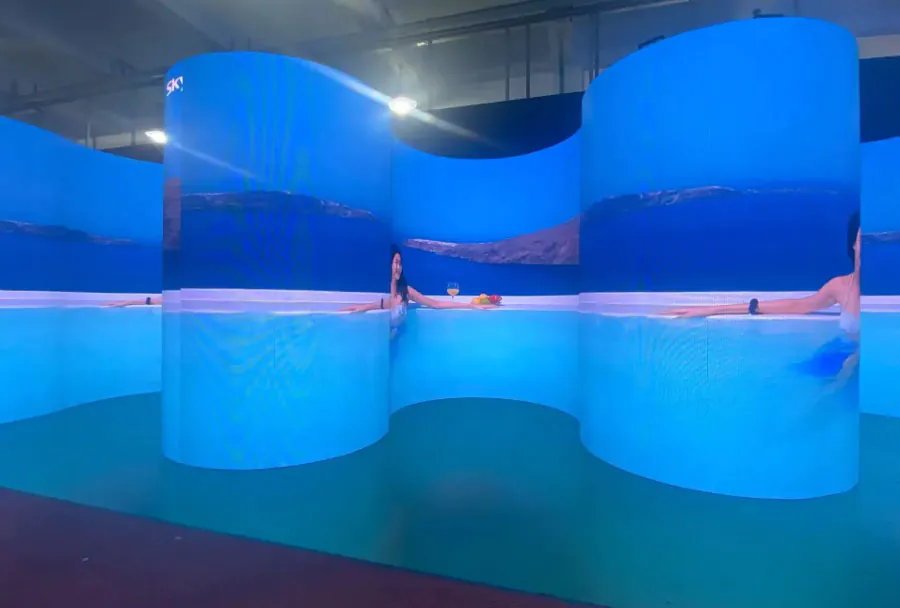
LED screens are displays composed of light-emitting diodes arranged in panels. They offer bright, high-contrast imagery that is visible in daylight and in large-scale configurations. LED walls are modular, scalable, and can be configured in custom aspect ratios and shapes, making them ideal for events that require large, dynamic visuals.
Core technical terms you should know
– Pixel pitch: Distance in millimeters between pixel centers. Smaller pitch = higher resolution at close distance.
– Brightness (nits): Measurement of brightness; critical for outdoor use and venues with high ambient light.
– Resolution: Total pixel count across the screen—determines image sharpness.
– Refresh rate: Higher rates (e.g., 3,840 Hz) reduce flicker in video and camera captures.
– Contrast ratio: Difference between darkest and brightest pixel output—affects perceived depth and color.
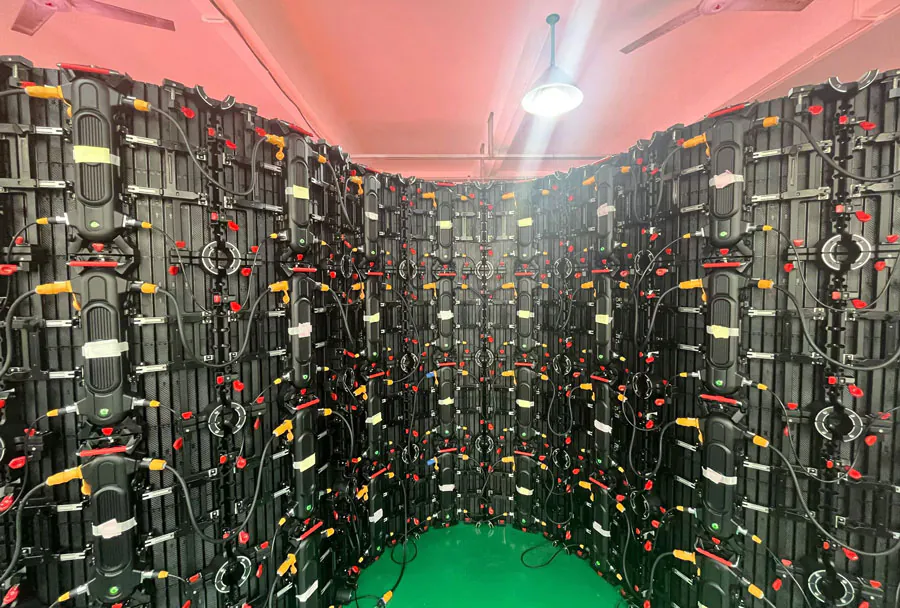
– Front vs. rear serviceable panels: Affects how screens are maintained and the space required behind the screen.
Key Technical Considerations for Houston Events
Pixel pitch and viewing distance
Pixel pitch determines how close your audience can be to the screen without seeing individual pixels. For events with audience close to the screen (trade show booths or indoor stages), choose small pixel pitches (P1.9–P2.9). For large outdoor stages or viewing distances beyond 30–40 feet, P4–P10 may be adequate. Use the rule of thumb: minimum viewing distance (in meters) ≈ pixel pitch (in mm) × 1.6–2.0.
Brightness and location: indoor vs. outdoor
Houston’s bright days and occasional direct sunlight demand high-brightness screens for outdoor events—typically 5,000–10,000 nits depending on direct sun exposure. Indoor events generally require 800–1,500 nits. Always confirm vendor specs and get a demo if possible, because perceived brightness depends on calibration and contrast.
Resolution and aspect ratio
Match resolution and aspect ratio to your content. Native resolution is ideal; scaling up or down can degrade image quality. For live camera feeds, ensure the screen’s refresh rate supports camera capture without flicker (important for event streaming and broadcast).
Structural and mounting requirements
Consider rigging points, truss compatibility, wind loads for outdoor screens, and stage sightlines. Houston venues often require engineering paperwork for large hanging screens—ask vendors if they provide structural drawings and certified riggers.
Power and redundancy
Verify power draw per panel and total power needs. Ask about backup power, redundant controllers, and spare panels on site. For critical events, redundancy prevents show-stopping failures.
Control systems and playback
Ensure compatibility with playback hardware and software (e.g., media servers, switchers). Check for multiple input types, pixel-mapping capability, edge blending for multi-screen setups, and onsite technicians who can manage live content switching.
Venue, Audience, and Content Considerations
Know your venue specifics
– Indoor venues: Ceiling height, load-bearing capacity, available floor space, sightlines, and ambient light.
– Outdoor venues: Wind exposure, sun paths, ground stability, and access for trucks and cranes.
– Hotels and convention centers often have strict rigging and load requirements; request venue guidelines early.
Audience size and sightlines
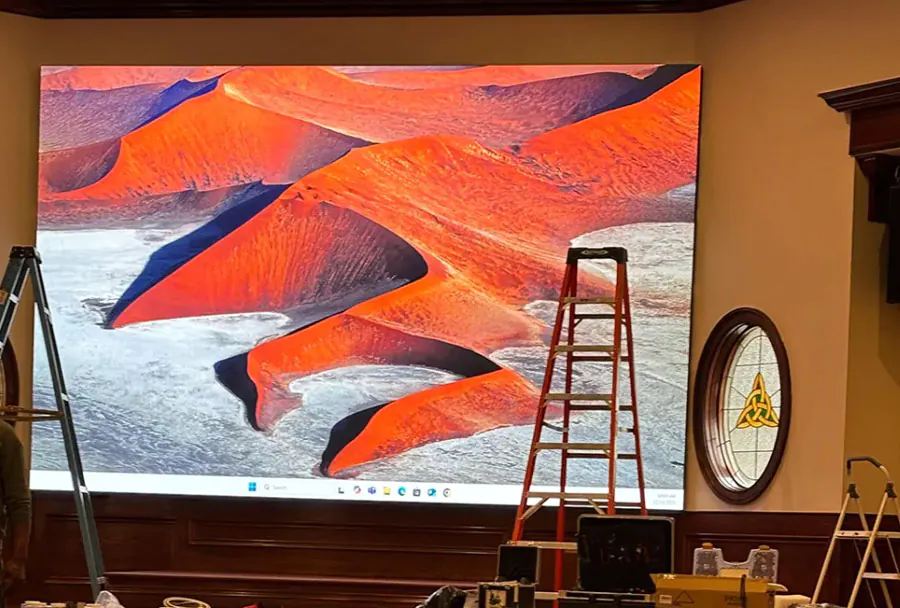
Sizing the screen depends on how many people you expect and where they will be seated or standing. Large audiences require bigger screens or multiple screens to maintain legibility. Use seating charts and sightline diagrams to determine optimal screen placement.
Content type and aspect ratio
– Static imagery vs. high-motion video: High-motion content benefits from higher refresh rates.
– Mixed content (slides, live camera, graphics): Requires robust video processing and possibly multiple input channels.
– Branding and legibility: Ensure your creative team provides assets at the screen’s native resolution or a high-quality scalable format.
How to Evaluate LED Screen Rental Vendors in Houston
Experience and portfolio
Look for vendors with event-specific experience in Houston. Ask for references and a portfolio of similar events (size, indoor/outdoor, broadcast). Local experience is valuable for navigating permits, venue rules, and local subcontractors.
Technical staff and onsite support
Confirm that the vendor will provide trained crew, including an onsite technician for setup, operation, and teardown. Ask about shift coverage, response time for technical issues, and whether spare parts and backup controllers will be on site.
Delivery, setup, and schedule coordination
Reliable vendors provide clear timelines for delivery, setup, testing, rehearsals, and breakdown. They coordinate with AV, lighting, staging, and venue personnel. Request a detailed production schedule in writing.
Insurance, permits, and safety documentation
Vendors should carry general liability and equipment insurance and provide certificates for the venue. For large hanging structures, they should supply engineering drawings, load calculations, and proof of certified riggers.
Transparency in pricing and contracts
The quote should break down equipment costs, labor, delivery, rigging, permits, power distribution, and any additional fees. Watch for hidden charges such as surcharges for weekend builds, travel, or extended onsite support.
Logistics, Local Regulations, and Practicalities in Houston
Permits and municipal rules
Houston has specific permitting and public right-of-way rules for large outdoor events. The vendor should be familiar with the city’s permitting process and be able to advise on noise, crowd-control barriers, and temporary electrical installations.
Weather contingency planning
Have a clear weather plan: thresholds for winds, lightning protocols, tarp options for screens, and contingency indoor locations if possible. Get vendor guidance on what wind loads the screen tolerates and what operational limits they enforce.
Transportation and access
Assess load-in routes, drive-in doors, freight elevators, and staging areas. In Houston’s busy areas, timely truck access can be a challenge—coordinate early and confirm truck sizes and parking for the vendor’s vehicles.
Budgeting: Getting Value, Not Just the Lowest Price
Cost components to expect
– Equipment rental (per day or per event)
– Labor for setup, operation, and teardown
– Delivery and logistics (truck, crane, forklift)
– Power distribution and cabling
– Rigging and structural engineering
– Insurance and permits
– Onsite technician and spare parts
Value drivers vs. cheap options
A lower quote may omit essential services such as onsite technicians, redundancy, proper rigging, or adequate brightness for outdoor use. Prioritize vendors that offer clear service levels, on-site backups, and transparent contracts. Consider total cost of ownership for the event: a small increase in rental cost can avoid a catastrophic failure and reputational damage.
Questions to Ask Potential LED Screen Vendors
– What pixel pitch options do you offer and what do you recommend for my viewing distance?
– What is the brightness rating (nits) and does it include HDR or local dimming?
– Can you provide structural/rigging drawings and certified riggers if we hang the screen?
– What is your lead time and what are the delivery/setup/breakdown schedules?
– Do you provide onsite technicians and spare panels/controllers?
– What are your power requirements, and will you supply power distribution?
– How do you handle weather contingencies?
– What warranties or guarantees do you provide for equipment performance?
– Can we do an on-site demo or see previous installations in Houston?
– What is included in the quote and what could be additional charges?
Analysis Table — Vendor Selection Criteria
| Criteria | Why It Matters | Recommended Spec | Questions to Ask Vendor | Red Flags |
|---|---|---|---|---|
| Pixel Pitch / Resolution | Determines image clarity for audience distance | Indoor: P1.9–P2.9; Outdoor/large venues: P4–P10 | What pixel pitch suits our viewing distance? | Vendor cannot specify or only offers one pitch |
| Brightness (nits) | Visibility in ambient light and daylight | Indoor: 800–1,500 nits; Outdoor: 5,000+ nits | What nit rating for daytime outdoor use? | No nit spec provided or too low for outdoor use |
| Support & Redundancy | Prevents downtime during live events | Onsite techs, spare panels, redundant controllers | Do you provide spares and redundancy? | No onsite tech or no spares available |
| Rigging & Safety | Ensures safe installation and compliance | Engineered drawings, certified riggers, load calcs | Can you supply engineering and certified riggers? | Unable to provide documentation or certified crew |
| Pricing Transparency | Avoids unexpected fees in final invoice | Itemized quote with clear inclusions/exclusions | What is included and what are potential extra costs? | Vague quotes or numerous “to be determined” line items |
Checklist: Steps to Take When Booking an LED Screen Rental
– Define the event goals and how the screen will be used (branding, live feed, slides, sponsors).
– Measure and map the venue: audience locations, sightlines, power access, and load points.
– Determine content resolution and aspect ratio; prepare assets in advance.
– Calculate required screen size based on viewing distance and audience size.
– Request multiple vendor quotes with itemized breakdowns.
– Verify vendor’s local experience, portfolio, references, and on-site staffing plan.
– Confirm technical specs: pixel pitch, brightness, refresh rate, power, and redundancy.
– Ask for rigging/engineering docs and insurance certificates.
– Agree on delivery, setup, test, rehearsal, and teardown timelines in writing.
– Include a weather/contingency plan for outdoor events and confirm permit responsibilities.
– Finalize contract with cancellation, force majeure, and liability clauses.
Final Recommendations and Best Practices
– Start early: Booking and technical planning should begin months in advance for large events; at minimum 6–8 weeks for complex builds in Houston.
– Prioritize experienced local vendors: They know permit requirements, best practices for Houston weather, and logistics.
– Test content on the intended screen if possible: A content check on the actual pixel pitch and aspect prevents surprises at load-in.
– Plan for redundancy: Onsite spares, backup controllers, and clear escalation protocols reduce risk.
– Communicate across teams: AV, production, creative, venue operations, and vendors should share a single production schedule.
– Keep attendee experience foremost: Size, brightness, and placement are about legibility and comfort—don’t skimp on those.
Choosing the best LED screen rental in Houston means balancing technical specs, logistics, vendor reliability, and budget. By understanding pixel pitch, brightness, resolution, support needs, and the local practicalities of Houston venues, you’ll be better equipped to select a vendor who delivers both stunning visuals and a trouble-free production. Use the analysis table and checklist above as working tools when evaluating proposals, and insist on clear documentation, onsite support, and contingency planning to protect your event’s success.