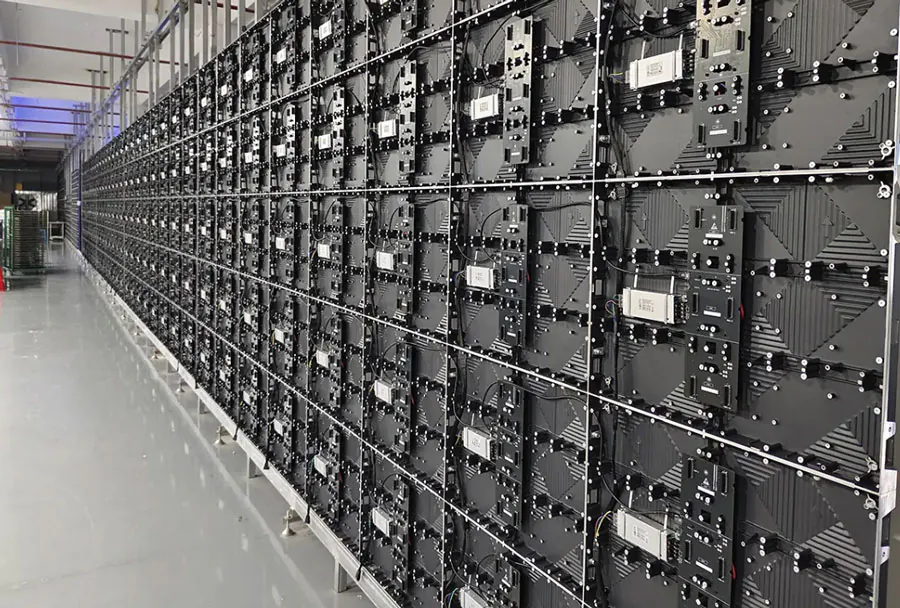
High Performance Bendable Screen By TW VISION For Event Staging

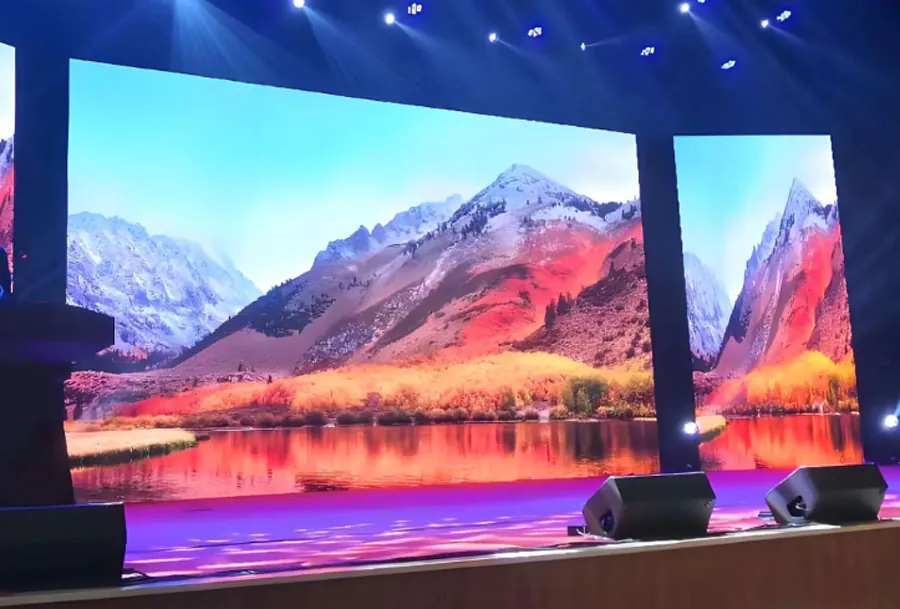
The High Performance Bendable Screen by TW VISION represents a new frontier in event staging—combining advanced display engineering with structural flexibility to enable creative, immersive, and highly reliable visual experiences. Modern events demand striking, adaptable visuals that can be shaped to fit architectural constraints, themed stage designs, and novel audience engagement strategies. TW VISION’s bendable screen platform answers that call by giving production teams a robust, high-brightness, and modular solution that bends without sacrificing image quality or ease of deployment.
This article explores the technical foundations of bendable display systems, the specific benefits TW VISION’s product brings to live events, practical deployment considerations, content and creative opportunities, and economic and safety implications. The analysis includes a comparative table to help event professionals quickly assess how the bendable screen performs against common production requirements.
What “Bendable” Means in a High-Performance Event Screen
“Bendable” in display technology does not necessarily imply the same flexibility as consumer-grade foldable phones. For event staging, bendable screens usually refer to modular LED or OLED panels engineered to accept controlled curvature across a defined radius while maintaining uniform pixel integrity, color calibration, and structural stability. TW VISION’s approach focuses on:
– Controlled curvature ranges (convex and concave) suited for stage sets.
– Modular cabinet design enabling large-scale arrays.
– High-brightness diodes or emissive pixels for ambient-light resilience.
– Mechanical connectors and support frames that allow on-site shaping.
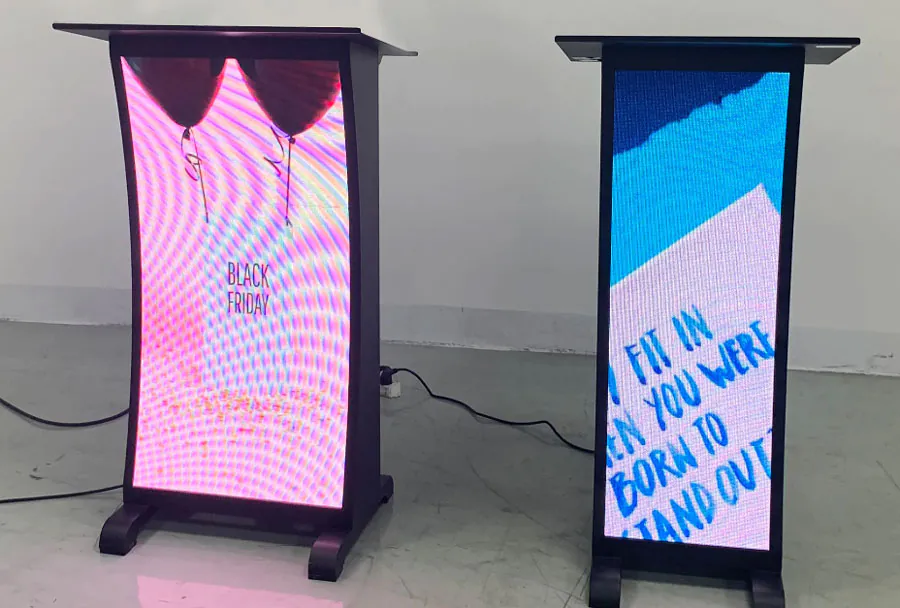
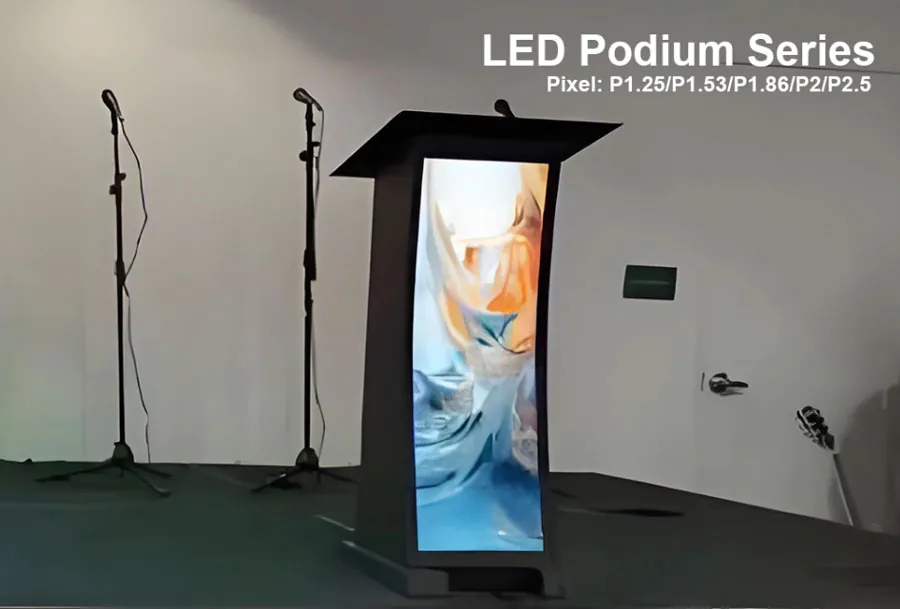
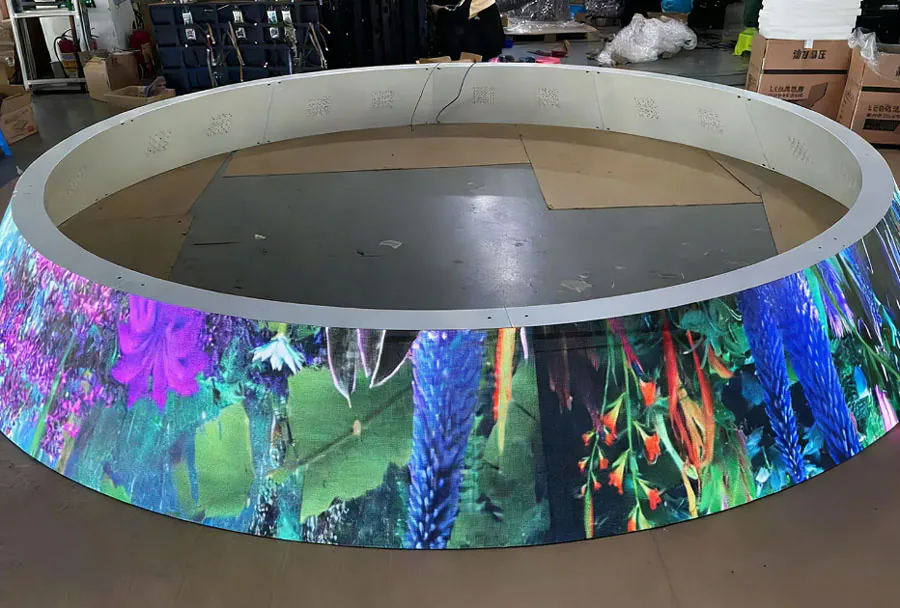
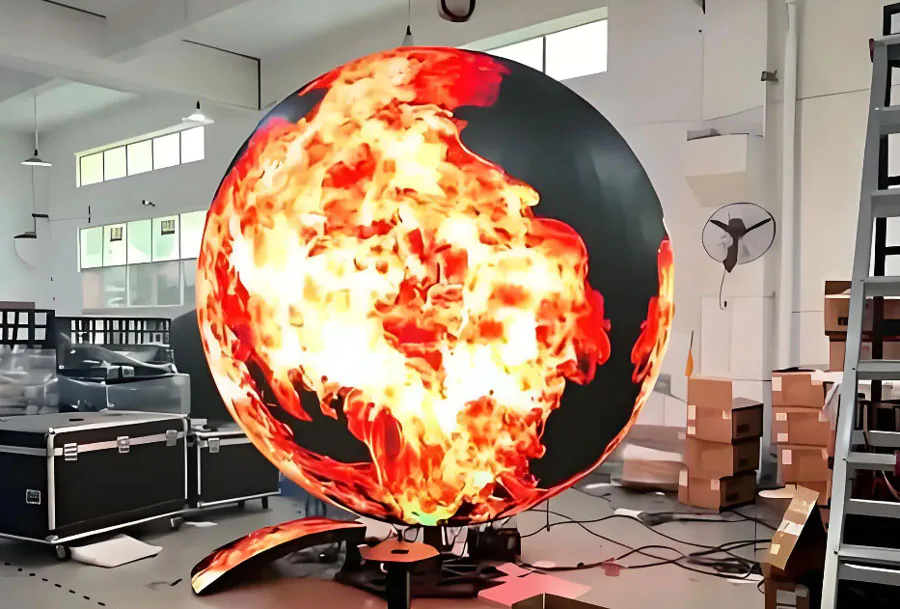
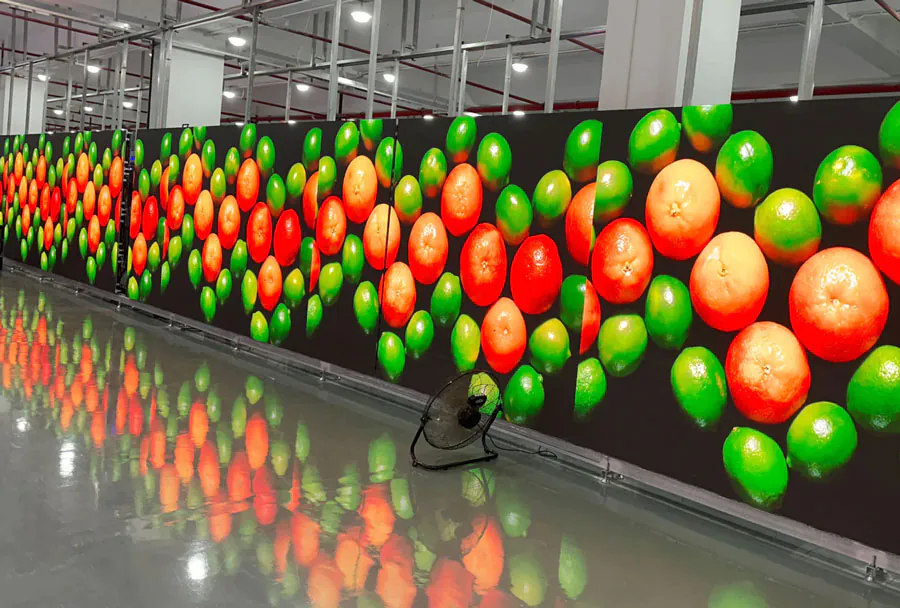
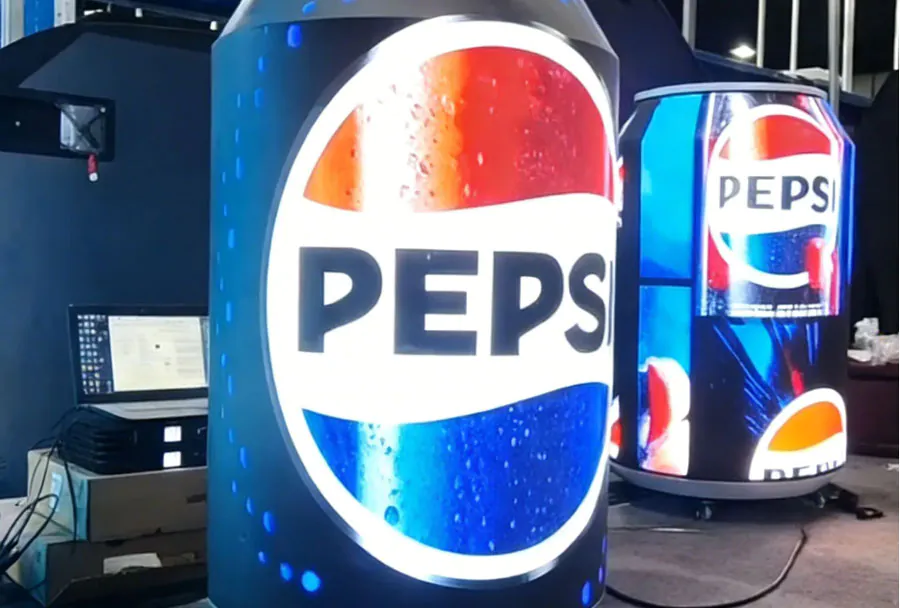
The result is a display that can create sweeping curved backdrops, cylindrical columns, wave-like surfaces, and even semi-spherical installations, all with consistent viewing quality across the audience.
Key Technical Features and Performance Metrics
Knowing the right specifications is critical for production managers. Important performance metrics for TW VISION’s bendable screen include pixel pitch, brightness (nits), refresh rate and response time, curvature radius, ruggedness (IP rating and impact resistance), weight per panel, and thermal management. These elements determine how the screen will look in a busy arena, how reliable it will be over a multi-day tour, and how easily crews can rig and service it.
– Pixel pitch: Smaller pixel pitch yields closer optimal viewing distances—important for arena fronts and VIP seating.
– Brightness: High luminance ensures visibility even with stage wash lights or daylight in outdoor venues.
– Refresh rate and grayscale: Fast refresh and accurate grayscale are essential for flicker-free live camera integration and high-frame-rate content.
– Curvature radius: Defined minimum and maximum radii allow safe and repeatable shaping without damaging the display.
– Modularity and locking mechanisms: Quick assembly and disassembly reduce rigging time and labor costs.
Advantages for Event Staging
1. Creative Freedom
Bendable screens unlock new visual languages. Designers can craft immersive environments—curved panoramic backgrounds, undulating stage floors, and enveloping audience screens—that are difficult with rigid panels.
2. Improved Sightlines
Curved panels can be oriented to reduce viewing angles and hotspots, offering a more uniform experience across the house.
3. Faster Builds and Fewer Set Pieces
A single continuous display can replace multiple scenic elements and complex projection setups, simplifying load-in and load-out logistics.
4. Camera-Friendly Visuals
High refresh rates and pixel consistency reduce moiré and flicker when captured by broadcast and live-streaming cameras.
5. Durable and Tour-Ready
TW VISION’s design emphasizes robust connectors, durable front protection, and reliable thermal performance—suitable for the repeated handling and environmental stresses of touring.
Use Cases and Creative Applications
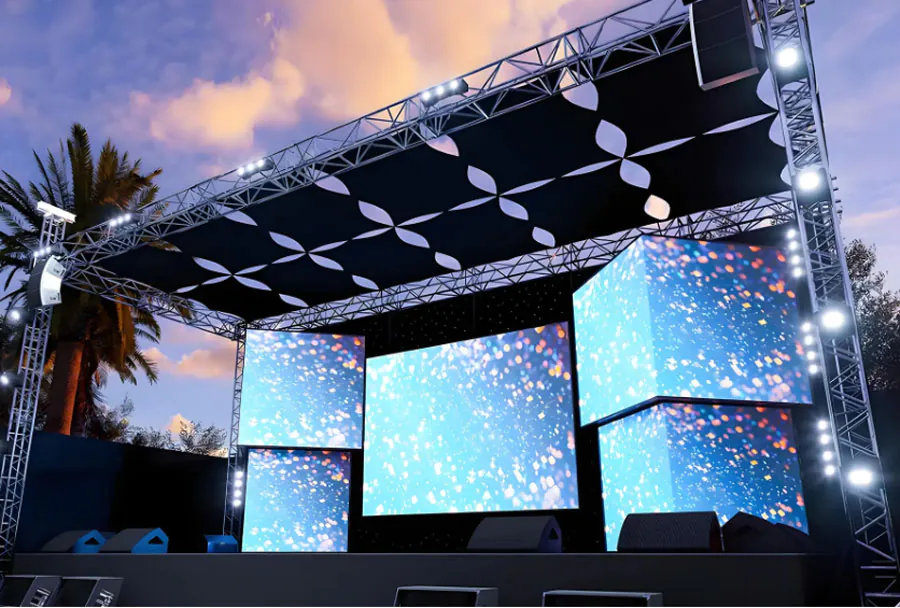
– Concerts and Tours: Seamless, wrap-around stage backdrops that adapt to set changes for different songs or themes.
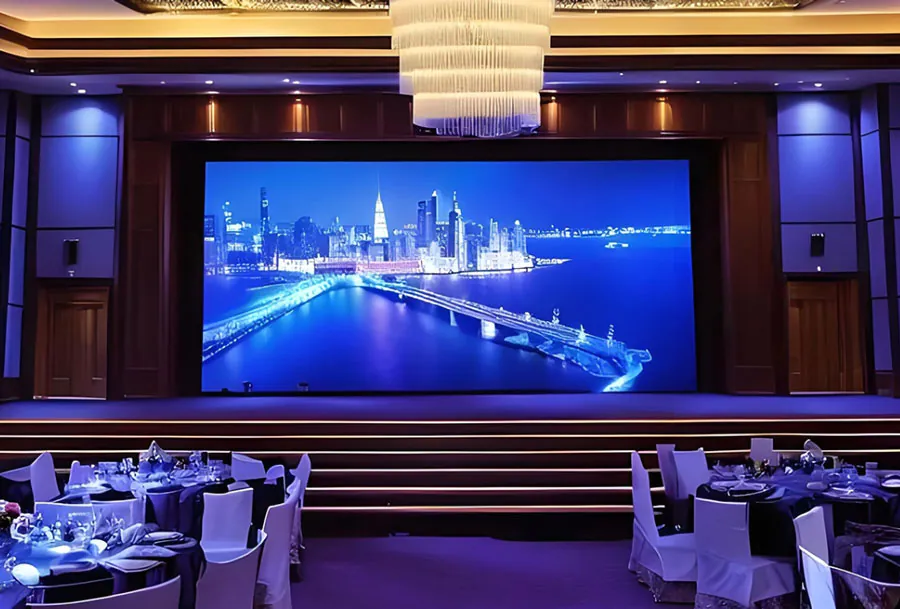
– Corporate Events and Product Launches: Curved screens that highlight product silhouettes or create immersive brand environments.
– Trade Shows and Exhibitions: Attention-grabbing booths with curved display walls that guide visitor flow and showcase demos.
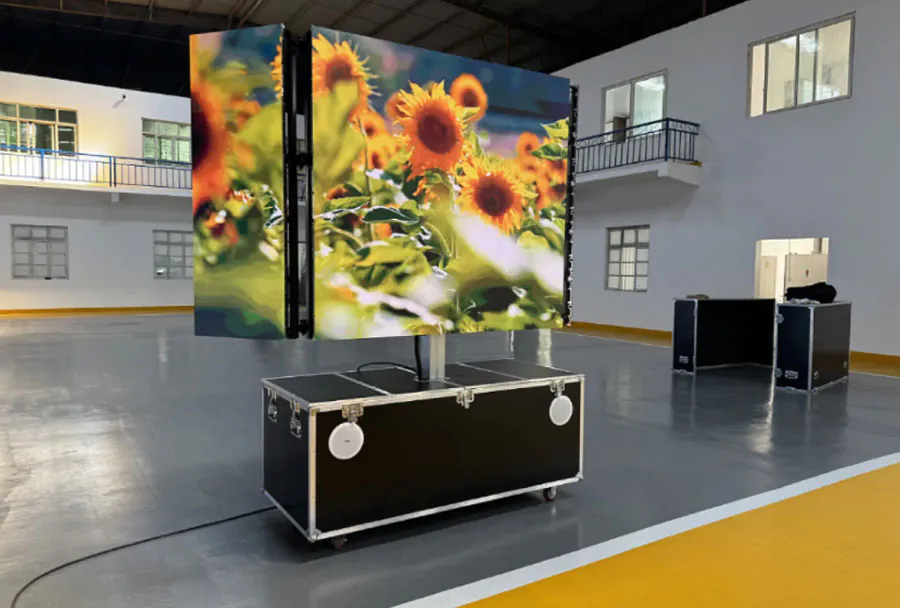
– Live Broadcasts and Esports: Camera-friendly video walls that minimize flicker and present uniform brightness for broadcast quality.
– Theatrical Productions and Installations: Organic stage elements that integrate with lighting and scenic design for dynamic storytelling.
Installation, Logistics, and On-Site Considerations
Proper planning ensures the benefits of bendable screens translate into smooth productions. Key practical topics include rigging, power and signal distribution, transport and storage, and maintenance routines.
– Rigging and Support: Ensure the rigging infrastructure matches the array shapes. TW VISION cabinets typically include standard rigging points and adjustable mounts to facilitate secure curvature.
– Power and Cooling: High-brightness panels can draw significant power—accurate load calculations and redundant circuits are essential. Thermal vents or active cooling can extend lifetime and reliability.
– Signal Chains and Control: Pixel mapping, synchronization across panels, and redundancy for signal loss should be tested off-site when possible. Robust media servers and frame-accurate playback help avoid glitches.
– Transport: Use flight cases designed to protect flexible modules and connectors. Labeling and repeatable packing sequences speed load-in/out.
– Maintenance: Quick-access repair points and spare panels reduce downtime. TW VISION often recommends a preventative maintenance checklist for tours.
Content Creation and Visual Strategy
Content teams need to think spatially when designing for bendable displays. Key creative and technical pointers:
– Content Mapping: Create content in native display aspect ratios and with warping applied to account for physical curvature. Use visualization tools (pre-visualization) to simulate how content reads from audience positions.
– Edge Blending and Seam Management: Even with high-quality bezels, designers must plan content across seams to avoid obvious transitions.
– Motion and Depth: Curved displays support parallax effects, 3D illusions, and dynamic depth cues that enhance immersion.
– Camera and Broadcast Considerations: Test live camera angles to prevent hotspots or glare. Adjust luminance and contrast for broadcast-safe outputs.
Economic and Sustainability Considerations
Adopting advanced bendable screens involves capital costs, but they can deliver long-term value:
– Reduced Set Production: Fewer custom-built scenic elements can lower fabrication and labor costs.
– Reusability: Modular screens are reusable across multiple events and configurations, increasing ROI.
– Energy Efficiency: Newer LED technologies offer better luminous efficacy. Efficient power management lowers operating expenses.
– Sustainability: Replacing disposable scenic builds with durable display modules reduces waste. TW VISION’s emphasis on repairability helps extend useful life.
Budgeting should include contingencies for spare panels, transport logistics, insurance, and specialized rigging equipment.
Safety, Regulations, and Venue Compatibility
Safety is paramount. Event professionals must ensure:
– Structural Compatibility: Verify rigging points and load capacities for curved installations, especially when forming overhangs or free-standing columns.
– Electrical Codes: Comply with local electrical and fire codes—include surge protection and emergency disconnects.
– Certificate and Testing: TW VISION units should be accompanied by test reports and compliance documentation where applicable.
– Fall Protection and Redundancy: Redundant safety chains and secondary supports prevent catastrophic failures.
Analysis Table: Bendable Screen Assessment for Event Staging
| Feature | Typical Specification | Benefit for Event Staging | Impact on Production Workflow | Notes / Considerations |
|---|---|---|---|---|
| Pixel Pitch | 1.2mm – 3.9mm | Determines optimal viewing distance and image detail | Smaller pitch increases data throughput and cost; requires media scale adjustments | Choose pitch by venue size and audience proximity |
| Brightness | 1,000 – 6,000 nits | Ensures visibility under stage lighting and daylight | Higher brightness = higher power draw and cooling needs | Match brightness to venue ambient light; consider dimming controls |
| Curvature Radius | Customizable; typical 600mm – 3,000mm | Enables convex/concave designs and seamless wrap-arounds | Requires planning for rigging geometry and modular seams | Never bend beyond manufacturer guidelines to avoid damage |
| Refresh Rate & Latency | Up to 3840 Hz driving; low input latency |
Flicker-free camera capture; smooth motion | Improves broadcast integration; may require higher-spec media servers | Test with live cameras at actual refresh and shutter speeds |
| Weight & Modularity | Lightweight cabinets; interlocking mounts |
Simplifies transport and rigging; supports large seamless arrays | Reduces crew time for assembly; careful packing preserves lifespan | Assess load-bearing structures and case logistics |
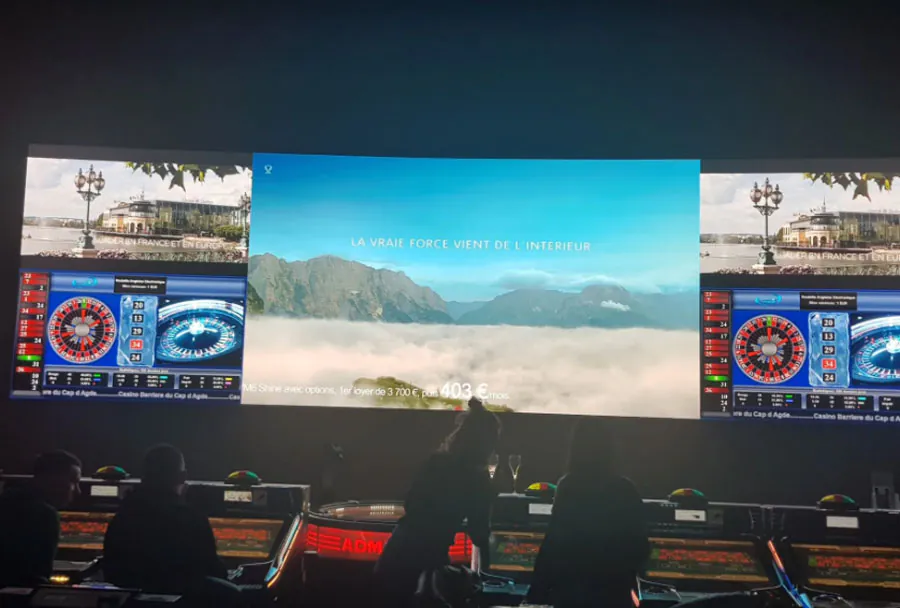
Deployment Scenarios — Practical Examples
1. Stadium Concert Wrap
A touring artist wants a sweeping panoramic backdrop that feels larger than life. TW VISION’s bendable screen modules form a 210-degree curved wall behind the band. Pixel pitch is chosen to balance front-of-house clarity and cost. The rigging frame incorporates variable curvature stages for different cities, allowing the same screen to be reconfigured quickly.
2. Corporate Launch in a Convention Center
A product launch uses a semi-cylindrical display to animate product reveal sequences that wrap around the stage. Brightness is dialed up to overcome strong house lighting. The modular build permits the same system to be split across multiple booths for smaller markets.
3. Immersive Theater Production
A theatrical production requires organic shapes to blur the line between set and projection. Bendable panels create undulating surfaces where theatrical lighting and bespoke content interact—supported with pre-visualization and strict color-matching procedures.
Limitations and Trade-offs
No technology is without trade-offs. Bendable screens require careful attention to mechanical stresses and cannot be arbitrarily bent—curvature limits exist to protect pixel plates and connectors. Smaller pixel pitch increases cost and system complexity. High-brightness configurations demand more robust power and cooling strategies. Lastly, specialized training for riggers and technicians is a must to avoid damaging flexible modules.
Best Practices and Checklist for Event Producers
– Pre-visualize the final installation with CAD and content mock-ups.
– Confirm venue rigging load capacities and electrical availability well in advance.
– Allocate time for full system testing with broadcast cameras and live lighting.
– Maintain a kit of spare panels, power supplies, and connectors on tour.
– Train rigging crews on curvature limits and safe assembly techniques.
– Document pack-down and packing procedures to ensure repeatable, damage-free transport.
Transforming Stages into Flexible Visual Canvases
The High Performance Bendable Screen by TW VISION is more than a novel piece of hardware; it’s a practical enabler of new creative paradigms in event staging. For production teams, the combination of modularity, high luminance, camera-friendly performance, and controlled curvature opens pathways for memorable shows that are easier to build, more durable to tour, and efficient to operate.
When specified and deployed thoughtfully—matching pixel pitch to viewing distance, planning power and rigging needs, and investing in careful content mapping—TW VISION’s bendable screen becomes a strategic asset. It reduces the need for multiple scenic elements, expands design vocabulary, and offers audiences immersive experiences that feel both seamless and spectacular. For event professionals looking to push creative boundaries while maintaining reliability and speed of deployment, bendable display systems are a compelling investment in the future of live production.